Doctors for OCD and intrusive thoughts

Online consultations with doctors to assess obsessive thoughts, compulsive behaviours, and related mental health symptoms.

Choose your doctor

8 doctors
Sort by
Doctor
5.0(1)

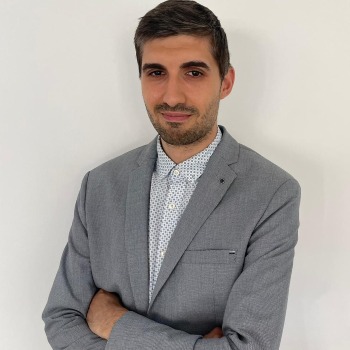
Pedro Alvarez Guerrero

Psychiatry8 years of experience

Dr. Alvarez Guerrero graduated in Medicine from the San Pablo CEU University in Madrid. He subsequently completed his specialization in Psychiatry in the Department of Psychiatry at Hospital Sant Joan de Deu in Manresa (Barcelona), where over the course of four years he acquired solid training in the bio-psycho-social model, developing his expertise across the different areas of mental health.

During his residency, he undertook training placements at Hospital Clínic de Barcelona, where he trained for several months in the psychiatric consultation-liaison unit. He also completed another placement at Hospital de Cruces in Bilbao, in the first-episode psychosis unit.

Throughout his professional career, Dr. Alvarez Guerrero has sought to complement his medical training with psychotherapeutic tools that allow him to address mental health disorders from a comprehensive perspective. For this reason, he specialized in Brief Strategic Psychotherapy through the Spanish Society of Psychosomatic Medicine and Psychotherapy, an approach focused on targeted and effective interventions.

With the aim of deepening his knowledge and promoting the rational use of treatments, he also completed a Master’s Degree in Psychopharmacology at the University of Valencia, which has enabled him to rigorously integrate the most up-to-date scientific evidence into the clinical management of psychopharmacological treatments.

He has also shown a particular interest in the field of legal psychiatry, completing an Official Master’s Degree in Legal, Forensic and Criminological Psychopathology at the Universitat Internacional de Catalunya. This training has allowed him to acquire the necessary competencies for the preparation of psychiatric expert reports in judicial and medico-legal contexts, thereby broadening the scope of his professional activity.

Doctor
5.0(2)

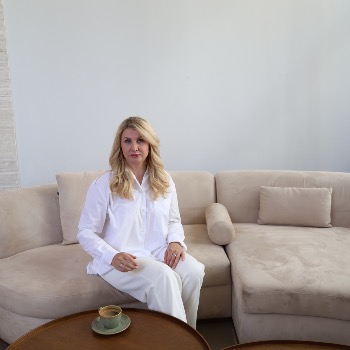
Tetiana Radchuk

PsychiatryNeurology11 years of experience

Tetiana Radchuk is a psychiatrist, psychotherapist and neurologist providing online consultations for adults experiencing mood disorders, anxiety disorders and neurological conditions affecting sleep, daily functioning and quality of life.

Her combined expertise in psychiatry, psychotherapy and neurology allows for a comprehensive assessment of both mental and neurological health, helping to develop an individualised treatment plan.

Areas of expertise

  •  depression, low mood, fatigue and emotional burnout; 
  •  anxiety disorders, panic attacks, phobias and generalized anxiety disorder; 
  •  insomnia and other sleep disorders; 
  •  bipolar disorder and other mood disorders; 
  •  obsessive-compulsive disorder (OCD); 
  •  adult ADHD and autism spectrum disorder (ASD): assessment and ongoing care; 
  •  psychosomatic disorders, stress-related conditions and adjustment disorders; 
  •  headaches, migraine and autonomic nervous system disorders; 
  •  medication management, treatment adjustment and psychotherapeutic support. 

Tetiana Radchuk combines evidence-based medicine with clinical expertise and a patient-centred approach. Assessment and treatment follow current clinical guidelines, with decisions made together with the patient according to their individual needs. Online consultations provide confidential and convenient access to professional mental health care.

Doctor
0.0(0)

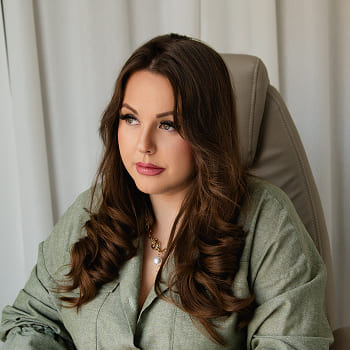
Elizaveta Marinicheva

Psychiatry5 years of experience

Elizaveta Marinicheva is a psychiatrist who has been practising since 2022. She received her medical degree from the University of Milan (Università degli Studi di Milano, UNIMI) and holds official authorisation to practise medicine in Italy (Abilitazione all'esercizio della professione medica). She is a member of the Milan Medical Association (Ordine dei Medici di Milano).

She is currently completing her specialist training in psychiatry at Sapienza University of Rome (Sapienza Università di Roma). She has also received additional training in psychoanalysis and has completed more than 500 hours of personal psychoanalytic therapy.

In her practice, Dr Marinicheva combines a modern medical approach to mental health with careful consideration of each patient's individual history and current condition. When pharmacotherapy is required, treatment decisions are based on the principles of evidence-based medicine and current international clinical guidelines, including NICE, APA, WFSBP and CANMAT.

Dr Marinicheva provides online psychiatry consultations for anxiety, low mood, emotional instability, sleep problems, chronic stress and other conditions affecting mental wellbeing and quality of life. During a consultation, she assesses the patient's symptoms and overall condition, discusses potential treatment approaches and, when clinically appropriate, recommends medication and an appropriate follow-up plan.

Doctor
5.0(7)

Anastasiia Hladkykh

Psychiatry15 years of experience

Dr Anastasiia Hladkykh is a physician-psychotherapist and psychologist with over 14 years of experience working with individuals struggling with various types of addictions and their families. She provides online consultations for adults, combining medical knowledge with deep psychological support and practical tools.

Key areas of expertise:

  • Addiction treatment: alcohol and drug dependence, gambling addiction, compulsive behaviours, codependent relationships.
  • Support for families of addicted individuals, behavioural correction within the family system, guidance for maintaining remission.
  • Mental health: depression, bipolar disorder, obsessive-compulsive disorder (OCD), anxiety disorders, phobias, PTSD, generalised anxiety, emotional trauma, and the psychological impact of loss or emigration.
  • Psychoeducation: explaining complex mental health concepts in simple language, helping patients and their families understand diagnoses and treatment steps.
Therapeutic approach:
  • Client-centred, straightforward, and empathetic – focused on practical outcomes and emotional stabilisation.
  • Prescribes medications when needed, but always aims to minimise unnecessary pharmaceutical use.
  • Certified in multiple evidence-based methods: CBT, NLP (Master Practitioner), Ericksonian hypnosis, symbol drama, art therapy, and systemic therapy.
  • Each consultation results in a clear, structured plan – patients leave knowing exactly what to do next.
Experience and background:
  • Member of the German association Gesundheitpraktikerin and the NGO “Mit dem Sonne in jedem Herzen.”
  • More than 18 publications in international peer-reviewed journals, translated into several languages.
  • Volunteer work with Ukrainian refugees and military personnel at the University Clinic of Regensburg.
Doctor
5.0(24)

Taisiia Proida

Psychiatry7 years of experience

Taisiia Proida is a general practitioner with a specialization in mental health and a cognitive behavioral therapist (CBT), a member of the European Psychiatric Association. She offers online consultations for adults aged 18 and over, combining evidence-based medicine with an individualised approach to mental health care. She specialises in consultations and ongoing support for a wide range of mental health concerns, including: 

  • Mood disorders: depression, bipolar disorder, postpartum depression.
  • Anxiety disorders: generalised anxiety, OCD, panic attacks, phobias.
  • Post-traumatic stress disorder (PTSD) and complex PTSD.
  • Attention deficit hyperactivity disorder (ADHD) and autism spectrum disorder (ASD). Assessment is provided only after an initial psychiatric evaluation and during a follow-up appointment.
  • Personality disorders and emotional instability.
  • Cyclothymia and mood fluctuations.
  • Schizophrenia spectrum and related conditions.

Dr. Proida combines clinical expertise with an empathetic approach, offering structured support based on evidence-based practices. Her work integrates CBT techniques with medical management, with a focus on anxiety and depressive disorders. She works with clients from different countries and cultural backgrounds, adapting her communication style and recommendations to individual needs. With experience in international clinical trials (Pfizer, Merck), she values clarity, trust, and collaborative partnership in patient care.

Doctor
5.0(16)

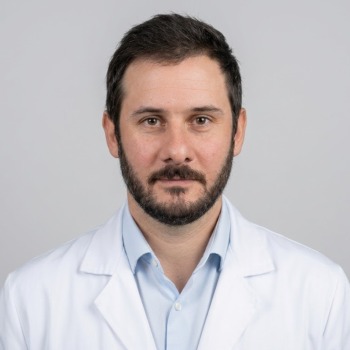
Sergey Ilyasov

PsychiatryNeurology7 years of experience

Dr Sergey Ilyasov is an experienced neurologist and qualified psychiatrist who provides online consultations for adults and adolescents. Combining deep neurological expertise with a modern psychiatric approach, he ensures comprehensive diagnostics and effective treatment for a wide range of conditions affecting both physical and mental health.

Dr. Ilyasov helps patients in the following cases:

  • Chronic headaches (migraine, tension-type headache), back pain, neuropathic pain, dizziness, numbness in limbs, coordination disorders.
  • Anxiety disorders (panic attacks, generalized anxiety disorder), depression (including atypical and treatment-resistant forms), sleep disturbances (insomnia, hypersomnia, nightmares), stress, burnout.
  • Chronic pain syndromes and psychosomatic symptoms (e.g., irritable bowel syndrome related to stress, vegetative-vascular dystonia).
  • Behavioral disorders and concentration difficulties in adolescents (including ADHD, autism spectrum disorders), nervous tics.
  • Memory impairments, phobias, obsessive-compulsive disorder (OCD), emotional swings, and support for post-traumatic stress disorder (PTSD).

Thanks to his dual specialization in neurology and psychiatry, Dr Sergey Ilyasov offers integrated and evidence-based care for complex conditions requiring a multidisciplinary approach. His consultations focus on accurate diagnosis, development of an individualized treatment plan (including pharmacotherapy and psychotherapeutic methods), and long-term support adapted to each patient's unique needs.

Book an online consultation with Dr. Sergey Ilyasov to receive qualified assistance and improve your well-being today.

How doctors assess OCD and intrusive thoughts

Understanding obsessive thinking patterns, compulsive behaviours, and their impact on daily life

What OCD and intrusive thoughts mean in medical practice

What OCD and intrusive thoughts mean in medical practice

Obsessive–compulsive disorder (OCD) is a mental health condition characterised by recurring, intrusive thoughts and repetitive behaviours or mental rituals aimed at reducing distress. Intrusive thoughts can also occur outside of a formal OCD diagnosis and are often misunderstood or mislabelled.

Intrusive thoughts are unwanted, repetitive thoughts, images, or urges that can feel disturbing or distressing. They may involve fears of harm, contamination, loss of control, or moral concerns, even when they do not reflect a person’s values or intentions.

From a medical perspective, the focus is not on the content of thoughts, but on how often they occur, how distressing they are, and how they affect daily functioning.

Doctors assess patterns of obsession and compulsion rather than isolated thoughts.

Why people often delay seeking help for OCD symptoms

Why people often delay seeking help for OCD symptoms

Many people hesitate to speak about intrusive thoughts due to fear, shame, or concern about being misunderstood. Some worry that describing their thoughts will be judged or taken out of context.

Others assume that intrusive thoughts are simply anxiety, stress, or overthinking, and try to manage them alone.

Without proper assessment, OCD symptoms may intensify over time and interfere with work, relationships, and quality of life.

Medical consultation helps clarify whether symptoms align with OCD or another condition and reduces unnecessary self-blame.

How doctors assess OCD and intrusive thoughts

How doctors assess OCD and intrusive thoughts

There is no single test for OCD. Doctors assess symptoms through a structured clinical conversation focused on thought patterns, compulsive behaviours, avoidance strategies, and emotional responses.

Doctors explore how much time symptoms take, how distressing they feel, and whether behaviours are used to neutralise anxiety or prevent feared outcomes.

They also consider symptom duration, progression, and impact on everyday activities.

The goal is to understand the full clinical picture rather than assign labels prematurely.

What is considered during an OCD consultation

What is considered during an OCD consultation

During a consultation, doctors assess obsessive thoughts, compulsive actions or mental rituals, anxiety levels, and coping strategies.

They may discuss triggers, avoidance behaviours, reassurance-seeking, checking, counting, or repetitive mental reviewing.

Doctors also review sleep, stress levels, physical health, and any overlapping symptoms of anxiety or depression.

The approach is clinical, respectful, and non-judgmental.

OCD, intrusive thoughts, and realistic expectations

OCD, intrusive thoughts, and realistic expectations

OCD symptoms vary widely in form and intensity. Some people experience predominantly intrusive thoughts, while others have visible compulsive behaviours.

Medical assessment aims to provide clarity and understanding, not immediate solutions.

Recognising intrusive thoughts as a symptom rather than a reflection of character helps reduce fear and stigma.

Clear information and realistic expectations support appropriate follow-up and long-term management.

Bg pattern

Your guide to healthcare in Spain

Practical information about the healthcare system, doctors and medical services in Spain.

Explore

Common questions about OCD and intrusive thoughts

Answers to frequent questions about symptoms and medical assessment

Intrusive thoughts are unwanted, repetitive thoughts, images, or urges that cause distress. They are common in OCD but can also occur in anxiety disorders and during periods of high stress.

Having intrusive thoughts does not mean a person wants to act on them.

OCD involves persistent obsessions and compulsions aimed at reducing distress, whereas anxiety disorders typically involve excessive worry without repetitive rituals.

A doctor can help distinguish these patterns during assessment.

OCD symptoms can be assessed by doctors with experience in mental health, family medicine, or internal medicine.

In some cases, psychiatric assessment may be appropriate depending on symptom severity.

The doctor helps determine the most suitable clinical approach.

Yes. OCD and intrusive thoughts can be assessed during online consultations through detailed clinical history and symptom review.

Online consultations offer privacy and accessible medical guidance.

After the consultation, the doctor explains their clinical impression and how symptoms may be understood.

Depending on the evaluation, follow-up or further assessment may be discussed.

The goal is to provide clarity and appropriate medical direction.

Stay informed about Oladoctor

News about new services, product updates and useful information for patients.

Follow us on social media