Heart failure

Heart failure is the state in which the heart stops pumping as much blood as the body needs.

Prescription request online

Prescription request online

A doctor will review your case and issue a prescription if medically appropriate.

Talk to a doctor online

Talk to a doctor online

Discuss your symptoms and possible next steps with a doctor online.

Doctor
5.0(38)

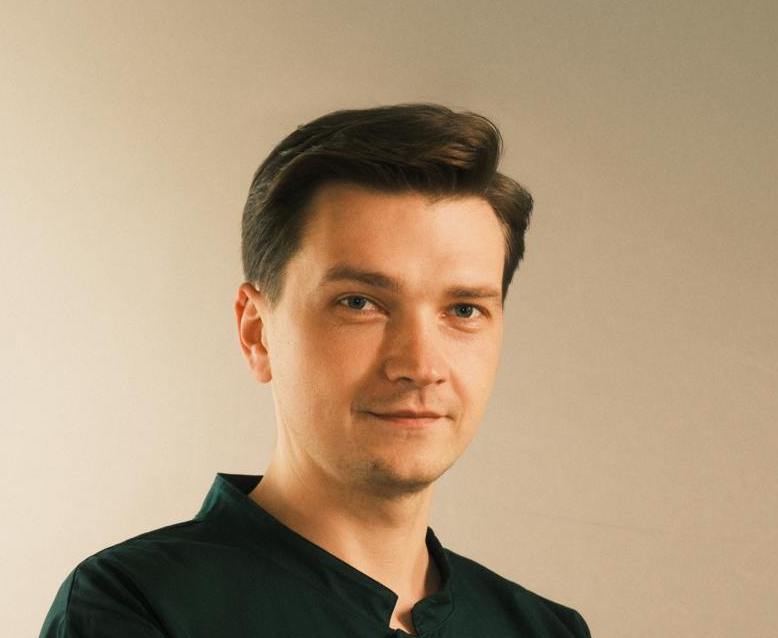
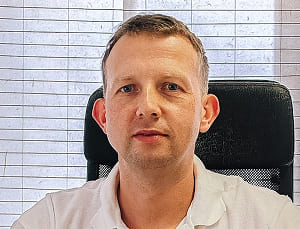
Andrei Popov

General medicinePain medicine7 years of experience
Licence no. 464628925

Dr. Andrei Popov is a General Practitioner with specialized training in chronic pain. He provides online consultations for adult patients in Spain and other European countries.

Dr. Popov understands that seeking help with weight-related concerns or pain that has persisted for months can be difficult. Many patients come to him after trying different approaches without feeling truly heard. During the consultation, the doctor creates a comfortable and supportive, non-judgmental environment where the patient’s medical history can be discussed in detail, questions can be answered, and the next steps can be decided together.

Weight Management and Metabolic Health

Dr. Popov can help assess overweight, obesity, and related conditions such as hypertension, diabetes, or metabolic disorders. During the consultation, the patient’s medical history, test results, current medications, and previous treatments will be reviewed.

If you would like to learn about possible medication options or have already started treatment, the doctor can assess your situation, review the effectiveness and tolerability of the therapy, and clearly explain its benefits, potential risks, and alternatives.

Not every patient requires the same treatment. A consultation does not guarantee a prescription — it provides an objective medical assessment and a plan tailored to your individual situation.

Pain and General Medicine

You can also consult Dr. Popov regarding:

* chronic pain, migraines, neuralgia, and fibromyalgia;

* back, neck, lower back, or joint pain;

* hypertension, diabetes, and follow-up of chronic conditions;

* review of test results, medical reports, and current treatment;

* preventive medicine and a second medical opinion.

How the Consultation Works

The video consultation lasts up to 30 minutes. The doctor will listen carefully, review the information you provide, and explain the next steps in clear and understandable language.

If additional tests, an in-person consultation, or urgent medical care are required, the doctor will inform you directly.

Dr. Popov’s goal is to make sure the patient feels heard and leaves the consultation with a clear understanding of their condition and the next steps they can take.

Book a video appointment
€86
This page provides general information and does not replace a doctor’s consultation. If symptoms are severe, persistent or worsening, seek medical advice promptly.

Heart failure is the state in which the heart stops pumping as much blood as the body needs. The name frightens people more than it should: it does not mean the heart is about to stop. It means the pump is labouring — either the muscle has weakened and ejects too little blood, or it has stiffened and fills poorly between beats. The upshot is similar either way: blood backs up on the approach to the heart, fluid seeps into the lungs and the legs, and the muscles and the brain go short. Clearing the condition away entirely is rarely possible, but with modern drug combinations many people live for years and decades while keeping up their ordinary lives.

Signs that are easily blamed on age

The treacherous part of heart failure is that its earliest signs look like the ordinary tiredness of someone getting older. The most typical:

  • breathlessness — at first climbing stairs, later walking on the flat and, in severe cases, at rest as well;
  • an inability to lie flat: a second pillow appears, and at night the person wakes short of air and has to sit up to catch their breath;
  • swelling of the ankles and lower legs by evening, with a sock leaving a deep mark; in someone confined to bed the fluid settles in the lower back and abdomen;
  • tiredness that rest does not fix, and the sense that even a light effort drains you;
  • rapid weight gain — a kilogram or two over a couple of days, which is retained fluid, not fat;
  • a dry nagging cough, worse lying down, sometimes with wheeze;
  • a bloated abdomen, heaviness under the right ribs, appetite gone;
  • a fast or irregular heartbeat;
  • dizziness and, in older people, confusion and slowed thinking.

The picture builds up in different ways: over weeks and months in the chronic form, and within hours in the acute one, when the lungs fill with fluid quickly.

When an ambulance is needed

Call an ambulance (in Spain, Italy, Portugal, Poland and Ukraine the single European number 112 applies) if:

  • breathing has suddenly become hard at rest, the person is gasping, cannot speak in full sentences and has to stay sitting upright;
  • the breathing sounds bubbling, or there is frothy, sometimes pink-tinged sputum;
  • the lips, face or fingers have turned blue;
  • there is pressure or burning in the chest, pain spreading to the arm, neck or jaw, with cold sweat and nausea;
  • the person has lost consciousness;
  • the heartbeat has become very fast or very slow and comes with weakness and vision greying out.

It is worth seeing a doctor the same day, though without an ambulance, if the weight has climbed by two kilograms or more over two or three days, if the swelling has risen above the ankles, if breathlessness has clearly worsened, or if a night had to be spent sleeping upright. These are warnings that the condition is slipping out of control, and adjusting treatment in time is usually enough to avoid a hospital admission.

What leads to heart failure

Most often several causes have accumulated in one person and have been working together for years:

  • coronary artery disease and a previous heart attack — part of the muscle is replaced by scar and stops contracting;
  • long-standing high blood pressure — the heart pumps against resistance for years, the wall thickens and loses its give;
  • valve disease;
  • rhythm disorders, above all atrial fibrillation;
  • cardiomyopathies, including inherited ones and those linked to alcohol;
  • diabetes and obesity;
  • congenital heart defects.

Some causes particularly matter because they have treatment of their own: thyroid disease, severe anaemia, cardiac amyloidosis, myocarditis, pulmonary hypertension, muscle damage from certain chemotherapy drugs, and cardiomyopathy arising around childbirth. When heart failure turns up in a young person or develops quickly, these possibilities are worked through first.

How the diagnosis is reached

It starts with the history and the examination: the doctor listens to the lungs and the heart, looks at the neck veins and the swelling, and weighs the patient. Then comes a blood test for natriuretic peptides, the substance the heart releases when overloaded. A normal result makes the diagnosis unlikely, which is valuable in itself — it frees everyone to look for another cause of the breathlessness.

The key test is the echocardiogram. It shows how forcefully the left ventricle contracts and what state the valves and walls are in. This is where the ejection fraction is measured, the share of blood the ventricle pushes out with each contraction, and it steers the choice of treatment: a reduced fraction responds to one set of drugs, a preserved one to another.

The picture is filled in by an electrocardiogram, a chest radiograph and blood tests covering kidney function, electrolytes, iron and thyroid function. Breathing tests help separate cardiac breathlessness from lung disease, and where things remain unclear a cardiac magnetic resonance scan or coronary angiography follows.

Four classes: how far a person can go

Severity is described in functional classes, which say nothing about how the heart looks on a scan and everything about what the person can actually do:

  • class one — ordinary activity is tolerated without limitation;
  • class two — comfortable at rest, but usual exertion brings on breathlessness or fatigue;
  • class three — symptoms appear with slight effort, such as dressing or walking across the flat;
  • class four — discomfort even at rest, and any movement worsens the breathlessness.

The class is neither a verdict nor a fixed figure: with treatment it often improves. Doctors use it to judge how intensive the therapy should be and when to raise the question of devices or surgery.

How it is treated

The aim is to ease symptoms, slow the deterioration of the muscle and cut the number of hospital admissions. The backbone is a set of drug families prescribed together, with doses raised gradually: agents that widen the vessels and unload the heart (angiotensin converting enzyme inhibitors or angiotensin receptor blockers, plus the combined preparation with a neprilysin inhibitor), beta blockers, mineralocorticoid receptor antagonists, and the sodium-glucose cotransporter inhibitors, which arrived from diabetes care and turned out to help the heart regardless of blood sugar. Diuretics are prescribed alongside: they do nothing for the muscle itself, but they clear the congestion and give breathing back.

Getting the combination right takes weeks: doses go up in steps, with blood tests between steps, because these drugs act on blood pressure, potassium and kidney function. Side effects — a dry cough, dizziness, weakness — are usually settled by switching to another drug within the same family. Stopping treatment because you feel better is a mistake: feeling better is what the treatment is doing.

For some forms, devices help: a pacemaker when the rhythm is too slow, a resynchronisation device that makes the ventricular walls contract together, and an implantable defibrillator against life-threatening arrhythmias. Where the cause can be corrected, surgery is discussed: repairing or replacing a valve, restoring coronary flow with a stent or a bypass. In severe cases, once medication has been exhausted, the conversation turns to mechanical circulatory support and heart transplantation.

What is in the patient's own hands

The patient's part counts for more here than in almost any other heart condition, and a handful of habits genuinely change the course:

  • weigh yourself every morning, before breakfast and after the toilet, and write it down: weight is the most sensitive detector of fluid building up;
  • cut down on salt and, if your doctor advises it, on the volume of fluid over the day;
  • stop smoking outright rather than "gradually", and take help if going it alone does not work;
  • keep alcohol low, and give it up entirely if the heart failure is related to it;
  • keep moving regularly and within your limits: supervised cardiac rehabilitation programmes improve both wellbeing and exercise tolerance;
  • have the influenza and pneumococcal vaccinations offered under your national schedule — a chest infection is a classic trigger for a flare;
  • run any new medicine past your doctor, over-the-counter ones included: anti-inflammatory painkillers hold on to fluid and work against the treatment.

The diagnosis often lands hard on the mood. Fear, anxiety and low spirits are an ordinary reaction, not a weakness. It is worth raising with the doctor, because low mood also worsens the illness itself: people stop taking their tablets and stop moving. Support groups and talking to others with the same diagnosis both help.

Online consultation

In an online consultation an Oladoctor doctor helps you get your bearings: listens to your symptoms, reviews the echocardiogram reports and blood results you send, explains what your ejection fraction and functional class mean, goes through your medication schedule and points out which signs call for prompt attention.

The format suits the questions that can be planned: how to keep a weight diary, what to do about swollen legs, whether flying is safe, how to combine this treatment with other conditions, what to ask the cardiologist at the face-to-face appointment. For sudden severe breathlessness, chest pain, blue lips or loss of consciousness an online appointment is the wrong route — that calls for an ambulance.

This material is for information only and does not replace medical advice.

Consult with a doctor about Heart failure

Consult with a doctor about Heart failure

Discuss your symptoms and possible next steps with a doctor online.

Online doctors for Heart failure

Discuss your symptoms and possible next steps for Heart failure with a doctor online.
Doctor
5.0(38)

Andrei Popov

General medicinePain medicine7 years of experience
Licence no. 464628925

Dr. Andrei Popov is a General Practitioner with specialized training in chronic pain. He provides online consultations for adult patients in Spain and other European countries.

Dr. Popov understands that seeking help with weight-related concerns or pain that has persisted for months can be difficult. Many patients come to him after trying different approaches without feeling truly heard. During the consultation, the doctor creates a comfortable and supportive, non-judgmental environment where the patient’s medical history can be discussed in detail, questions can be answered, and the next steps can be decided together.

Weight Management and Metabolic Health

Dr. Popov can help assess overweight, obesity, and related conditions such as hypertension, diabetes, or metabolic disorders. During the consultation, the patient’s medical history, test results, current medications, and previous treatments will be reviewed.

If you would like to learn about possible medication options or have already started treatment, the doctor can assess your situation, review the effectiveness and tolerability of the therapy, and clearly explain its benefits, potential risks, and alternatives.

Not every patient requires the same treatment. A consultation does not guarantee a prescription — it provides an objective medical assessment and a plan tailored to your individual situation.

Pain and General Medicine

You can also consult Dr. Popov regarding:

* chronic pain, migraines, neuralgia, and fibromyalgia;

* back, neck, lower back, or joint pain;

* hypertension, diabetes, and follow-up of chronic conditions;

* review of test results, medical reports, and current treatment;

* preventive medicine and a second medical opinion.

How the Consultation Works

The video consultation lasts up to 30 minutes. The doctor will listen carefully, review the information you provide, and explain the next steps in clear and understandable language.

If additional tests, an in-person consultation, or urgent medical care are required, the doctor will inform you directly.

Dr. Popov’s goal is to make sure the patient feels heard and leaves the consultation with a clear understanding of their condition and the next steps they can take.

Book a video appointment
€86
Doctor
5.0(12)

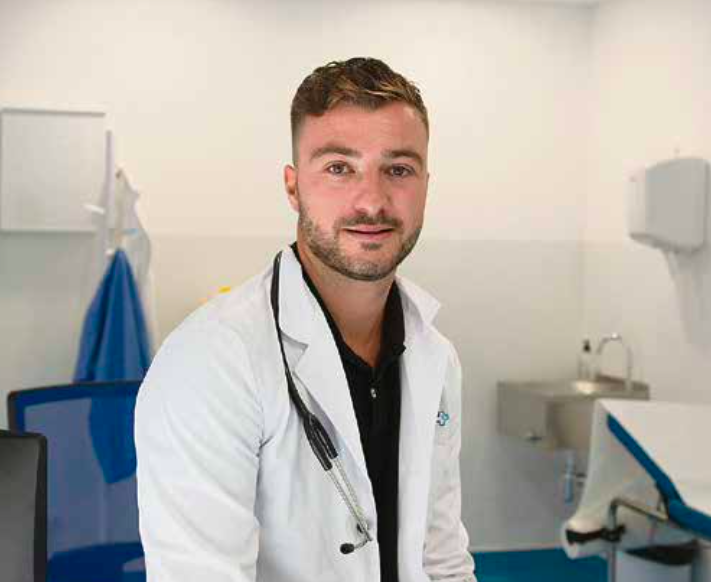
Yevgen Yakovenko

General medicine12 years of experience
Licence no. 35/35/09707

Dr. Yevgen Yakovenko is a licensed surgeon and general practitioner in Spain and Germany. He specialises in general, paediatric, and oncological surgery, internal medicine, and pain management. He offers online consultations for adults and children, combining surgical precision with therapeutic support. Dr Yakovenko works with patients across different countries and provides care in Ukrainian, Russian, English, and Spanish.

Areas of medical expertise:

  • Acute and chronic pain: headaches, muscle and joint pain, back pain, abdominal pain, postoperative pain. Identifying the cause, selecting treatment, and creating a care plan.
  • Internal medicine: heart, lungs, gastrointestinal tract, urinary system. Management of chronic conditions, symptom control, second opinions.
  • Pre- and postoperative care: risk assessment, decision-making support, follow-up after surgery, rehabilitation strategies.
  • General and paediatric surgery: hernias, appendicitis, congenital conditions, both planned and urgent surgeries.
  • Injuries and trauma: bruises, fractures, sprains, soft tissue damage, wound care, dressing, referral when in-person care is required.
  • Oncological surgery: diagnosis review, treatment planning, and long-term follow-up.
  • Obesity treatment and weight management: a medical approach to weight loss, including assessment of underlying causes, evaluation of comorbidities, development of a personalised plan (nutrition, physical activity, pharmacotherapy if needed), and ongoing progress monitoring.
  • Imaging interpretation: analysis of ultrasound, CT, MRI, and X-ray results, surgical planning based on imaging data.
  • Second opinions and medical navigation: clarifying diagnoses, reviewing current treatment plans, helping patients choose the best course of action.

Experience and qualifications:

  • 12+ years of clinical experience in university hospitals in Germany and Spain.
  • International education: Ukraine – Germany – Spain.
  • Member of the German Society of Surgeons (BDC).
  • Certified in radiological diagnostics and robotic surgery.
  • Active participant in international medical conferences and research.

Dr Yakovenko explains complex topics in a clear, accessible way. He works collaboratively with patients to analyse health issues and make evidence-based decisions. His approach is grounded in clinical excellence, scientific accuracy, and respect for each individual.

If you are unsure about a diagnosis, preparing for surgery, or want to discuss your test results – Dr Yakovenko will help you evaluate your options and move forward with confidence.

Book a video appointment
€72
Doctor
5.0(3)

Lina Travkina

General medicine13 years of experience

Dr. Lina Travkina is a licensed family and preventive medicine doctor based in Italy. She provides online consultations for adults and children, supporting patients across all stages of care – from acute symptom management to long-term health monitoring and prevention.Areas of medical care include:

  • Respiratory conditions: colds, flu, acute and chronic bronchitis, mild to moderate pneumonia, bronchial asthma.

  • ENT and eye conditions: sinusitis, tonsillitis, pharyngitis, otitis, infectious and allergic conjunctivitis.

  • Digestive issues: gastritis, acid reflux (GERD), IBS, dyspepsia, bloating, constipation, diarrhoea, functional bowel symptoms, intestinal infections.

  • Urological and infectious diseases: acute and recurrent cystitis, bladder and kidney infections, prevention of recurrent UTIs, asymptomatic bacteriuria.

  • Chronic conditions: hypertension, diabetes, hypercholesterolemia, metabolic syndrome, thyroid disorders, excess weight.

  • Neurological and general symptoms: headache, migraine, dizziness, fatigue, sleep disturbances, reduced concentration, anxiety, asthenia.

  • Chronic pain support: back, neck, joint, and muscle pain, tension syndromes, pain associated with osteochondrosis and chronic conditions.

Additional care areas:

  • Preventive consultations and check-up planning.

  • Medical advice and follow-up consultations.

  • Test interpretation and diagnostic guidance.

  • Structured support for undiagnosed complaints.

  • Second opinion on diagnoses and treatment plans.

  • Nutritional and lifestyle support for vitamin deficiencies, anaemia, metabolic issues.

  • Post-operative recovery support and pain management.

  • Preconception counselling and postpartum support.

  • Immunity support and strategies to reduce frequency of infections.

Dr. Travkina combines evidence-based medicine with an attentive, personalised approach. Her consultations focus not only on treatment, but also on prevention, recovery, and long-term wellbeing.If during the consultation it becomes clear that your case requires in-person assessment or specialised care outside of her scope, the session will be terminated and the payment fully refunded.

Book a video appointment
€75
Doctor
5.0(21)

Nuno Tavares Lopes

General medicine18 years of experience

Dr. Nuno Tavares Lopes is a licensed physician in Portugal with 17 years of experience in emergency medicine, family and general practice, and public health. He is the Director of Medical and Public Health Services at an international healthcare network and serves as an external consultant for the WHO and ECDC.

  • Emergency care: infections, fever, chest/abdominal pain, minor injuries, paediatric emergencies

  • Family medicine: hypertension, diabetes, cholesterol, chronic disease management

  • Travel medicine: pre-travel advice, vaccinations, fit-to-fly certificates, travel-related illnesses

  • Sexual and reproductive health: PrEP, STD prevention, counselling, treatment

  • Weight management and wellness: personalised weight loss programmes, lifestyle guidance

  • Skin and ENT issues: acne, eczema, allergies, rashes, sore throat, sinusitis

  • Pain management: acute and chronic pain, post-surgical care

  • Public health: prevention, health screenings, long-term monitoring

  • Sick leave (Baixa médica) connected to Segurança Social in Portugal

  • IMT medical certificates for driving licence exchange

Dr. Nuno Tavares Lopes provides medical support for patients using GLP-1 medications (Mounjaro, Wegovy, Ozempic, Rybelsus) as part of a weight loss strategy. He offers individualised treatment planning, regular follow-up, dose adjustment, and advice on combining medication with sustainable lifestyle changes. Consultations follow the medical standards accepted in Europe.Dr. Lopes also provides interpretation of medical tests, follow-up care for complex patients, and multilingual support. Whether for urgent concerns or long-term care, he helps patients act with clarity and confidence.

Book a video appointment
€70
Doctor
0.0(0)

Hocine Lokchiri

General medicine21 years of experience

Dr. Hocine Lokchiri is a French consultant with over 20 years of experience in General and Emergency Medicine. He works with adults and children, helping patients with urgent symptoms, infections, sudden health changes and everyday medical concerns that require timely evaluation. His background includes clinical practice in France, Switzerland and the United Arab Emirates, which allows him to navigate different healthcare systems and manage a wide range of conditions with confidence. Patients value his calm, structured approach, clear explanations and evidence-based decision-making.

Online consultations with Dr. Lokchiri are suitable for many situations when someone needs quick medical guidance, reassurance or a clear next step. Common reasons for booking include:

  • fever, chills, fatigue and viral symptoms
  • cough, sore throat, nasal congestion, breathing discomfort
  • bronchitis and mild asthma flare-ups
  • nausea, diarrhoea, abdominal pain, digestive infections
  • rashes, allergic reactions, redness, insect bites
  • muscle or joint pain, mild injuries, sprains
  • headache, dizziness, migraine symptoms
  • stress-related symptoms, sleep disturbances
  • questions about test results and treatment plans
  • management of chronic conditions in stable phases
Many patients reach out when symptoms appear suddenly and cause concern, when a child becomes unwell unexpectedly, when a rash changes or spreads, or when it’s unclear whether an in-person examination is necessary. His emergency medicine background is particularly valuable online, helping patients understand risk levels, identify warning signs and choose safe next steps.

Some situations are not suitable for online care. If a patient has loss of consciousness, severe chest pain, uncontrolled bleeding, seizures, major trauma or symptoms suggesting a stroke or heart attack, he will advise seeking immediate local emergency services. This improves safety and ensures patients receive the right level of care.

Dr. Lokchiri’s professional training includes:

  • Advanced Trauma Life Support (ATLS)
  • Basic and Advanced Cardiac Life Support (BLS/ACLS)
  • Pediatric Advanced Life Support (PALS)
  • Prehospital Trauma Life Support (PHTLS)
  • eFAST and critical care transthoracic echocardiography
  • aviation medicine
He is an active member of several professional organisations, including the French Society of Emergency Medicine (SFMU), the French Association for Emergency Physicians (AMUF) and the Swiss Society of Emergency and Rescue Medicine (SGNOR). In consultations, he works with clarity and precision, helping patients understand their symptoms, possible risks and the safest treatment options.
Book a video appointment
€64

Stay informed about Oladoctor

News about new services, product updates and useful information for patients.

Follow us on social media