Bg pattern

Abdominal aortic aneurysm

An abdominal aortic aneurysm (AAA) is a swelling in the aorta, the artery that carries blood from the heart to the tummy (abdomen). Most aneurysms do not cause any problems, but they can be serious because there's a risk they could burst (rupture).


If these symptoms are severe, persistent or worsening, seek medical advice promptly.

Prescription review online

Prescription review online

A doctor will review your case and issue a prescription if medically appropriate.

Talk to a doctor online

Talk to a doctor online

Discuss your symptoms and possible next steps with a doctor online.

This page provides general information and does not replace a doctor’s consultation. If symptoms are severe, persistent or worsening, seek medical advice promptly.

An abdominal aortic aneurysm (AAA) is a swelling in the aorta, the artery that carries blood from the heart to the tummy (abdomen). Most aneurysms do not cause any problems, but they can be serious because there's a risk they could burst (rupture).
Symptoms of abdominal aortic aneurysm

Abdominal aortic aneurysm often has no symptoms.

You usually only find out you have one during an abdominal aortic aneurysm screening test or during tests for another condition.

If an aneurysm gets bigger, you might sometimes notice:

  • tummy or back pain
  • a pulsing feeling in your tummy

See a GP if:

  • you have tummy or back pain that does not go away or keeps coming back
  • you feel a lump in your tummy

These symptoms can be caused by lots of things and do not mean you have an abdominal aortic aneurysm, but it's best to get them checked.

Call 112 if you or someone else:

  • have sudden, severe pain in your tummy or back
  • are struggling to breathe or have stopped breathing
  • have pale or grey skin (on brown or black skin this may be easier to see on the palms of the hands or soles of the feet)
  • lose consciousness

These could be signs of an abdominal aortic aneurysm bursting (rupturing). This is a life-threatening emergency that needs to be treated in hospital as soon as possible.

Tests for abdominal aortic aneurysm

The main test to find out if you have an abdominal aortic aneurysm is an ultrasound scan of your tummy.

A small device is placed on your tummy and images of the inside of your tummy will be shown on a screen.

You'll usually be told if you have an aneurysm at the end of the test.

You’ll also be told how big it is:

  • small (3cm to 4.4cm or smaller)
  • medium (4.5cm to 5.4cm)
  • large (5.5cm or bigger)

Screening for abdominal aortic aneurysm

An ultrasound test is offered to all men when they turn 65, as they're most at risk of getting an abdominal aortic aneurysm.

This is called abdominal aortic aneurysm screening.

Treatment for abdominal aortic aneurysm

Treatment for an abdominal aortic aneurysm usually depends on how big it is and if you have symptoms.

If it's small, lifestyle changes such as quitting smoking and eating healthily may be recommended to help stop it getting bigger.

Sometimes you may need:

  • medicines to lower your blood pressure and cholesterol level, which may help stop the aneurysm getting bigger
  • surgery to reduce the risk of the aneurysm bursting - this may be done if your AAA is large (5.5cm or bigger), is quickly getting bigger or is painful

Surgery has risks and side effects which your doctor or surgeon should discuss with you.

Abdominal aortic aneurysms often get bigger over time. You'll usually need regular scans to see if it's getting bigger.

If your aneurysm ruptures, you’ll need emergency surgery to treat it.

How to lower your risk of getting an abdominal aortic aneurysm

Making healthy lifestyle changes can help lower your risk of getting an abdominal aortic aneurysm, or stop one from getting bigger.

Consult with a doctor about Abdominal aortic aneurysm

Consult with a doctor about Abdominal aortic aneurysm

Discuss your symptoms and possible next steps with a doctor online.

Do

  • eat healthily

  • exercise regularly

  • try to lose weight if you're overweight

  • try to cut down on alcohol

Don’t

  • do not smoke

Causes of an abdominal aortic aneurysm

An abdominal aortic aneurysm happens when the main artery that carries blood from the heart to the tummy (the aorta) becomes weakened.

It's not always clear what causes it, but some people have a higher chance of getting one.

You’re more at risk if you:

Sometimes an abdominal aortic aneurysm can be caused by an infection, but this is rare.

Online doctors for Abdominal aortic aneurysm

Discuss your symptoms and possible next steps for Abdominal aortic aneurysm with a doctor online.
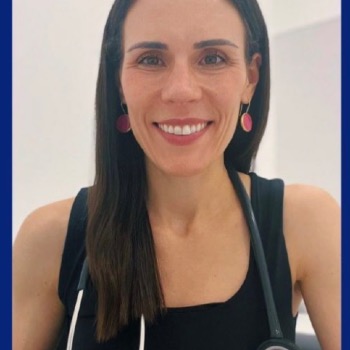
5.0 (29)
Doctor

Anna Biriukova

General medicine 6 years exp.

Dr Anna Biriukova is an internal medicine doctor with clinical experience in cardiology, endocrinology, and gastroenterology. She provides online consultations for adults, offering expert medical support for heart health, hormonal balance, digestive issues, and general internal medicine.

Cardiology – Diagnosis and treatment of:

  • High blood pressure, blood pressure fluctuations, and cardiovascular risk prevention.
  • Chest pain, shortness of breath, arrhythmias (tachycardia, bradycardia, palpitations).
  • Leg swelling, chronic fatigue, reduced exercise tolerance.
  • EKG interpretation, lipid profile evaluation, cardiovascular risk assessment (heart attack, stroke).
  • Post-COVID-19 cardiac monitoring and care.
Endocrinology – Diabetes, thyroid, metabolism:
  • Diagnosis and management of type 1 and type 2 diabetes, and prediabetes.
  • Individual treatment plans including oral medications and insulin therapy.
  • GLP-1 therapy– modern pharmacological treatment for weight management and diabetes control, including drug selection, monitoring, and safety follow-up.
  • Thyroid disorders – hypothyroidism, hyperthyroidism, autoimmune thyroid diseases (Hashimoto’s, Graves’ disease).
  • Metabolic syndrome – obesity, lipid disorders, insulin resistance.
Gastroenterology – Digestive health:
  • Abdominal pain, nausea, heartburn, gastroesophageal reflux (GERD).
  • Stomach and intestinal conditions: gastritis, irritable bowel syndrome (IBS), indigestion.
  • Management of chronic digestive disorders and interpretation of tests (endoscopy, ultrasound, labs).
General internal medicine and preventive care:
  • Respiratory infections – cough, colds, bronchitis.
  • Lab test analysis, therapy adjustments, medication management.
  • Adult vaccinations – planning, contraindications assessment.
  • Cancer prevention – screening strategies and risk assessment.
  • Holistic approach – symptom relief, complication prevention, and quality of life improvement.
Dr Biriukova combines internal medicine with specialist insight, offering clear explanations, personalised treatment plans, and comprehensive care tailored to each patient.
5.0 (29)
Doctor

Dmytro Horobets

Family medicine 7 years exp.

Dr. Dmytro Horobets is a licensed family medicine physician in Poland, specialising in endocrinology, diabetology, obesity management, gastroenterology, pediatrics, general surgery, and pain medicine. He offers online consultations for adults and children, providing personalised medical support for a wide range of acute and chronic health concerns.

Areas of expertise:

  • Endocrinology: diabetes type 1 and type 2, prediabetes, thyroid disorders, metabolic syndrome, hormonal imbalance.
  • Obesity medicine: structured weight management plans, nutritional counselling, obesity-related health risks.
  • Gastroenterology: acid reflux (GERD), gastritis, irritable bowel syndrome (IBS), liver and biliary conditions.
  • Pediatric care: infections, respiratory symptoms, digestive issues, growth and development monitoring.
  • General surgery support: pre- and post-surgical consultations, wound care, rehabilitation.
  • Pain management: chronic and acute pain, back pain, joint pain, post-traumatic pain syndromes.
  • Cardiovascular health: hypertension, cholesterol control, risk assessment for heart disease.
  • Preventive medicine: regular check-ups, health screenings, long-term management of chronic conditions.

Dr. Horobets combines evidence-based medicine with a patient-centred approach. He carefully evaluates each patient’s medical history and symptoms, offering clear explanations and structured treatment plans adapted to individual needs.

Whether you need help managing diabetes, tackling weight-related health issues, interpreting lab results, or receiving general family medicine support, Dr. Horobets provides professional online care tailored to your specific health goals.

5.0 (2)
Doctor

Svetlana Kolomeeva

Cardiology 18 years exp.

Dr. Svetlana Kolomeeva is a general practitioner and internal medicine doctor providing online consultations for adults. She helps patients manage acute symptoms, chronic conditions, and preventive care. Her clinical focus includes cardiovascular health, hypertension control, and managing symptoms like fatigue, weakness, sleep issues, and overall low energy.

Patients commonly seek her help for:

  • High blood pressure, headaches, dizziness, swelling, palpitations.
  • Diagnosis and management of hypertension, arrhythmias, and tachycardia.
  • Metabolic syndrome, excess weight, high cholesterol.
  • Chronic fatigue, insomnia, poor concentration, anxiety.
  • Respiratory symptoms: colds, flu, sore throat, cough, fever.
  • Digestive issues: heartburn, bloating, constipation, IBS symptoms.
  • Chronic conditions: diabetes, thyroid disorders.
  • Interpretation of lab tests and medical reports, therapy adjustment.
  • Second opinion and decision-making support.
  • Cardiovascular disease prevention and metabolic risk reduction.
  • Long-term follow-up and dynamic health monitoring.

Dr Kolomeeva combines clinical expertise with personalised care. She clearly explains diagnoses, guides patients through symptoms and treatment options, and provides actionable plans. Her consultations are designed not only to address current complaints but also to stabilise chronic conditions and prevent future complications. She supports patients through every stage of care – from first symptoms to ongoing health management.

2
bg-pattern-dark

Stay informed about Oladoctor

News about new services, product updates and useful information for patients.

Follow us on social media