Nail problems
Nail problems are not usually caused by anything serious. Common nail problems include brittle, loose nails that may change colour or shape.




-
En esta página
-
Medicamentos comúnmente recetados para Nail problems
Solo con fines informativos. Consulta siempre a un médico antes de tomar cualquier medicamento.
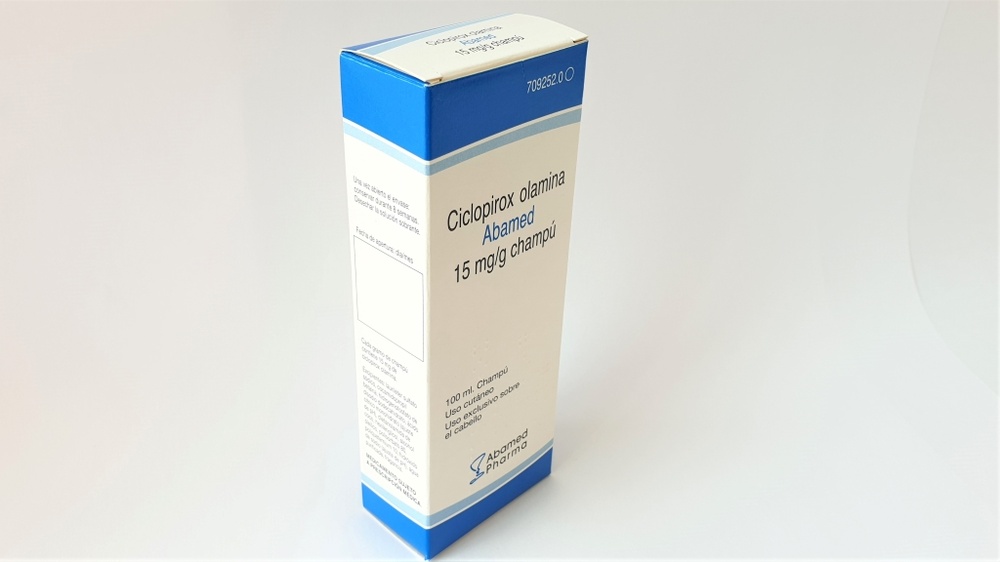
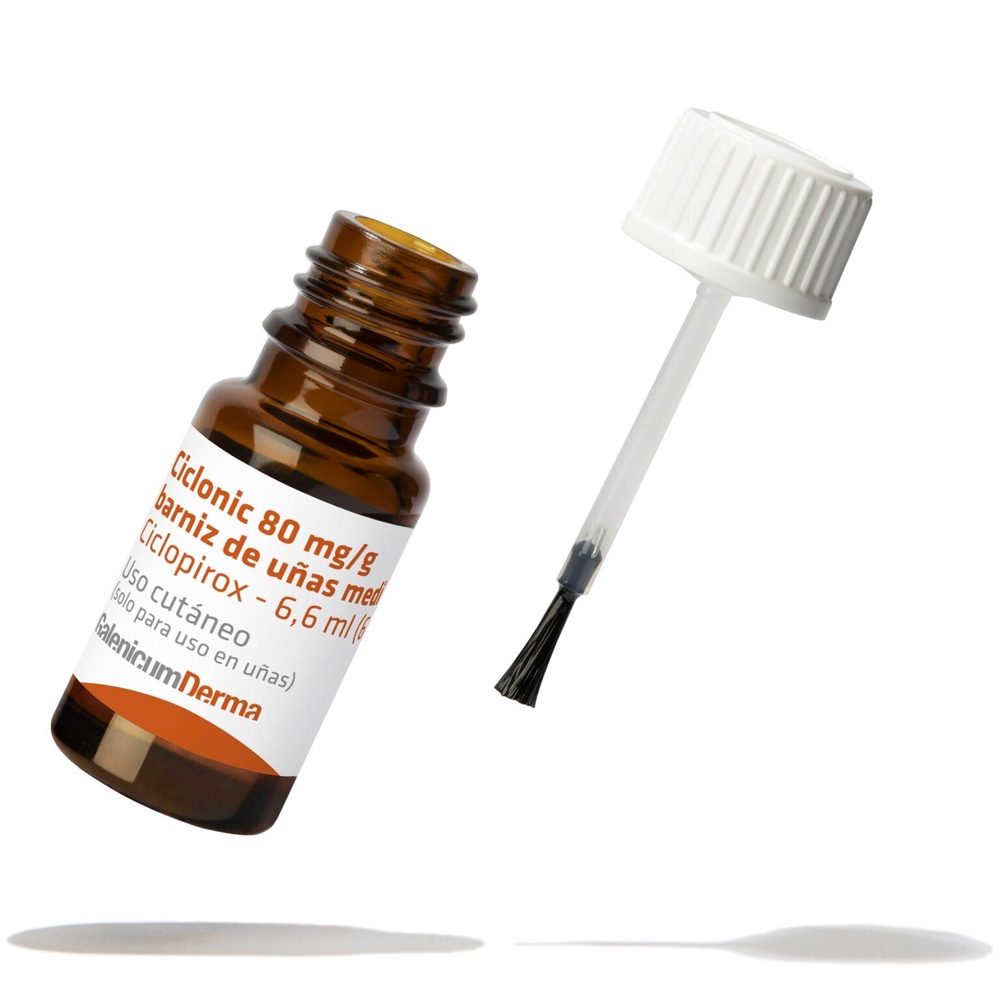
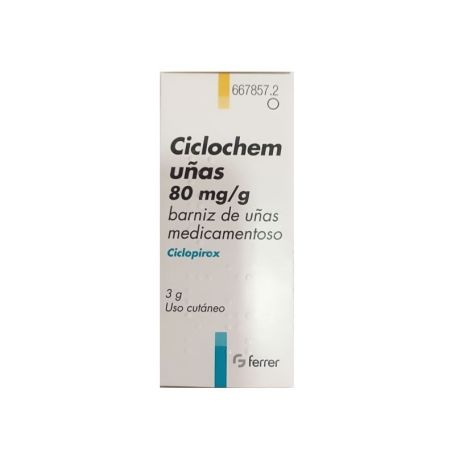
Forma farmacéutica: SHAMPOO, 15 mg/gPrincipio activo: ciclopiroxFabricante: Qualix Pharma S.L.Requiere recetaForma farmacéutica: NAIL POLISH, 80 mg/gPrincipio activo: ciclopiroxFabricante: Galenicum Derma S.L.U.Requiere recetaForma farmacéutica: NAIL POLISH, 8% ciclopiroxPrincipio activo: ciclopiroxFabricante: Galenicum Derma S.L.U.Requiere receta
Nail problems are not usually caused by anything serious. Common nail problems include brittle, loose nails that may change colour or shape.
Your nails may change over time
It's normal for nails to:
- become thicker or break more easily (brittle) as you get older
- become harder, softer or more brittle during pregnancy (they should be healthier within 6 months of having a baby)
- change colour, become loose and eventually fall off after an injury
Fingernails that fall off after an injury should grow back within 6 months. Toenails can take up to 18 months.
Things you can do to look after your nails
There are some things you can do to help with common nail problems.
Do
-
wear rubber gloves if your hands are often in water or you regularly use cleaning products
-
clean your nails with a soft nailbrush
-
apply hand cream to your nails and fingertips regularly
-
trim your nails regularly (it may help to cut them after a shower or bath)
-
cut injured, loose nails back to where they are still attached, so they do not bend or catch on objects

Don’t
-
do not cut your nails down the edges, and only trim straight across the top to help avoid an ingrown toenail
-
do not clean under your nails with sharp objects
-
do not wear shoes that pinch your toes, especially when exercising
-
do not bite or pick your nails or the skin around them
-
do not ignore fungal infections on your skin, such as athlete's foot
See a GP if:
- a nail has changed shape, changed colour or fallen off and you do not know why
- the skin around your nails has become sore, red, swollen and warm (paronychia), which can be a sign of an infection or ingrown toenail
See a podiatrist if:
- your nails are too tough to cut or you cannot reach them
Some GPs may be able to refer you to a footcare specialist (podiatrist). You can also pay to see a podiatrist privately.
Causes of nail problems
Most nail problems are caused by:
- injuries or biting your nails
- staining your nails, for example, by smoking or applying a lot of nail varnish
- not regularly trimming your nails, or cutting them at an angle
- your hands often being in water or cleaning products
- a fungal nail infection
Nail problems can sometimes be a symptom of a more serious or long-term condition, such as:
- psoriasis
- iron deficiency anaemia
- an underactive thyroid or overactive thyroid
- diabetes
- heart, lung or liver disease
Some medicines can also cause nail problems. Check the side effects of any medicine you're taking.
See pictures of nails that have changed shape
Self-refer to a podiatrist
If you have nail problems, you might be able to refer yourself directly to a podiatrist without seeing a GP.
To find out if there are any services in your area:
- ask the reception staff at your GP surgery
- check your GP surgery's website
- contact your integrated care board (ICB) – find your local ICB
Médicos online para Nail problems
Habla sobre tus síntomas y los posibles próximos pasos para Nail problems con un médico online.








 Reservar videoconsulta