


DOLVIRAN COMPRIMIDOS
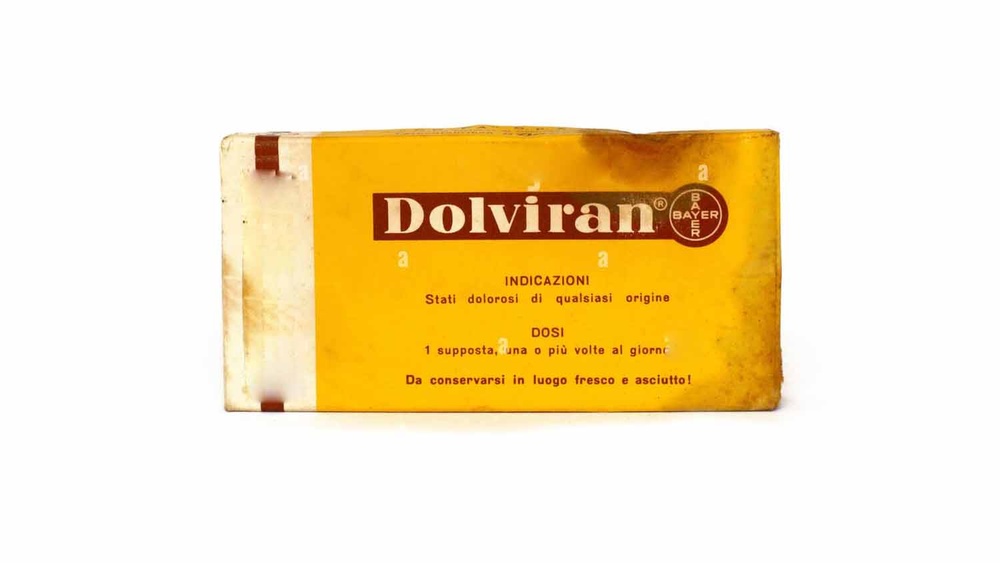



Cómo usar DOLVIRAN COMPRIMIDOS
Traducción generada por IA
Este contenido ha sido traducido automáticamente y se ofrece solo con fines informativos. No sustituye la consulta con un profesional sanitario.
Ver originalContenido del prospecto
Introducción
Prospecto: información para el usuario
Dolvirán 400 mg/ 9,6 mg/ 50 mg comprimidos
Ácido acetilsalicílico/ Codeína fosfato hemihidrato/ Cafeína
Lea todo el prospecto detenidamente antes de empezar a tomar este medicamento, porque contiene información importante para usted. Siga exactamente las instrucciones de administración del medicamento contenidas en este prospecto o las indicadas por su médico farmacéutico o enfermero.
|
Contenido del prospecto:
- Qué es Dolvirán y para qué se utiliza
- Qué necesita saber antes de empezar a tomar Dolvirán
- Cómo tomar Dolvirán
- Posibles efectos adversos
- Conservación de Dolvirán
- Contenido del envase e información adicional
1. Qué es Dolvirán y para qué se utiliza
Dolvirán se utiliza en adultos y adolescentes mayores de 16 años para el alivio sintomático de los dolores ocasionales leves o moderados, como dolores de cabeza, dentales, menstruales, musculares (contracturas) o de espalda (lumbalgia).
Este medicamento contiene codeína. La codeína pertenece a un grupo de medicamentos llamados analgésicos opiáceos que actúan aliviando el dolor. Puede utilizarse sola o en combinación con otros analgésicos como paracetamol.

2. Qué necesita saber antes de empezar a tomar Dolvirán
No tome Dolvirán
- Si es alérgico al ácido acetilsalicílico, a la codeína o a alguno de los demás componentes de este medicamento (incluidos en la sección 6)
- Si padece úlcera gastroduodenal activa, crónica o recurrente.
- Si padece asma
- Si padece o ha padecido trastornos de la coagulación, principalmente la hemofilia o hipoprotrombinemia.
- Si padece insuficiencia renal o hepática grave.
- Si está en tratamiento con anticoagulantes orales.
- Si presenta pólipos nasales asociados a asma que sean inducidos o exacerbados por el ácido acetilsalicílico.
- No administrar a niños menores de 16 años con procesos febriles, gripe o varicela, ya que en estos casos el uso de ácido acetilsalicílico se ha asociado con la aparición del Síndrome de Reye.
- Para aliviar el dolor en niños y adolescentes (0-18 años de edad) tras la extracción de las amígdalas o adenoides debido al síndrome de apnea del sueño obstructiva.
- Si presenta hipersensibilidad a la codeína y en afecciones en las que deba evitarse la depresión del centro respiratorio.
- Si sabe que metaboliza muy rápido la codeína en morfina.
- No se debe tomar durante períodos prolongados con estreñimiento crónico.
- Si presenta insuficiencia cardiorrespiratoria crónica o afecciones cardíacas.
- Si presenta trastornos biliares, ya que la codeína como todos los derivados mórficos puede provocar espasmos del esfínter de Oddi.
- Si está usted en el tercer trimestre de embarazo.
- Si está en periodo de lactancia.
Si usted cree que está afectado por alguno de estos casos, consulte a su médico antes de tomar este medicamento.
Advertencias y precauciones
Consulte a su médico si el dolor se mantiene durante más de 5 días, la fiebre durante más de 3 días o bien el dolor o la fiebre empeoran o aparecen otros síntomas
- Se recomienda precaución en pacientes debilitados y ancianos, con lesiones intracraneales, hipotiroidismo, insuficiencia suprarrenal e hipertrofia prostática.
- Se debe evitar la administración del ácido acetilsalicílico en los pacientes antes o después de una extracción dental o intervención quirúrgica. Debe suspender la administración de este medicamento una semana antes de intervenciones quirúrgicas.
- No administrar sistemáticamente como preventivo de las posibles molestias originadas por las vacunaciones.
- No tome sedantes durante el tratamiento con este medicamento.
- Como con todos los medicamentos que contienen codeína, puede desarrollarse dependencia después de una administración prolongada de dosis elevadas de este medicamento, con síndrome de abstinencia si el tratamiento se interrumpe de forma repentina.
- No sobrepasar la dosis recomendada (ver sección 3. “Cómo tomar Dolvirán”), ya que pueden ocurrir efectos adversos graves (ver sección 4. “Posibles efectos adversos”).
- Si padece alguna enfermedad del corazón, como taquicardia sinusal/extrasístoles, insuficiencia hepática, hipertiroidismo o algún síndrome de ansiedad, debe tomar cafeína en dosis más reducidas (no más de 100 mg, equivalentes a dos comprimidos de Dolvirán ) o preferiblemente bajo vigilancia médica.
El tratamiento con antiinflamatorios no esteroideos se asocia con la aparición de hemorragia, ulceración y perforación del tramo digestivo alto. En caso de aparición de melenas, hematemesis, astenia acusada o cualquier otro signo o síntoma sugerente de hemorragia gástrica, el tratamiento se debe interrumpir inmediatamente.
Este medicamento se debe administrar bajo estrecha supervisión médica en caso de hipersensibilidad a otros antiinflamatorios/antirreumáticos, deficiencia de glucosa-6-fosfato deshidrogenasa, urticaria, rinitis o hipertensión arterial.
La codeína se transforma en morfina en el hígado por una enzima. La morfina es la sustancia que produce el alivio del dolor. Algunas personas tienen una variación de esta enzima que puede afectar a las personas de distinta manera. En algunas personas, no se produce morfina o se produce en muy bajas cantidades, y no proporcionará suficiente alivio del dolor. Otras personas es más probable que sufran reacciones adversas graves porque en ellas se produce una cantidad muy alta de morfina. Si sufre alguno de los siguientes efectos adversos, debe dejar de tomar este medicamento y buscar ayuda médica inmediatamente: respiración lenta o superficial, confusión, somnolencia, pupilas contraídas, náuseas o vómitos, estreñimiento, falta de apetito.
Uso en pacientes/personas de edad avanzada
Las personas de edad avanzada no deben tomar este medicamento sin consultar a su médico, ya que son más propensas a padecer sus efectos adversos.
Otros medicamentos y Dolvirán
Ciertos medicamentos pueden interaccionar con Dolvirán. En estos casos puede resultar necesario cambiar la dosis o interrumpir el tratamiento con alguno de los medicamentos, por lo que no deben usarse sin consultar al médico.
El uso concomitante de este medicamento y de medicamentos sedantes como las benzodiacepinas o medicamentos relacionados aumenta el riesgo de somnolencia, dificultades para respirar (depresión respiratoria), coma y puede ser mortal. Por ello, el uso concomitante sólo debe considerarse cuando no sean posibles otras opciones de tratamiento.
Sin embargo, si su médico le prescribe este medicamento junto con medicamentos sedantes, la dosis y duración del tratamiento concomitante debe ser limitada por su médico.
Informe a su médico sobre todos los medicamentos sedantes que esté tomando y siga atentamente las recomendaciones de su médico en cuanto a la dosis. Podría ser útil informar a amigos o familiares para que estén al tanto de los signos y síntomas antes mencionados. Póngase en contacto con su médico cuando experimente tales síntomas.
El ácido acetilsalicílico interacciona con alcohol etílico, cimetidina, ranitidina, anticoagulantes, antiinflamatorios no esteroideos, corticosteroides, fenitoína, hipoglucemiantes orales o insulina, metotrexato, uricosúricos, vancomicina, zidovudina, ácido valproico, sulfonamidas, digoxina, barbitúricos y litio.
Si se administran conjuntamente, el metamizol (sustancia para disminuir el dolor y la fiebre) puede reducir el efecto del ácido acetilsalicílico en la agregación plaquetaria (las células sanguíneas se unen y forman un coágulo sanguíneo). Por lo tanto, esta combinación se debe utilizar con precaución en pacientes que estén tomando dosis bajas de ácido acetilsalicílico como cardioprotector.
La cafeína puede interferir con disulfiram, sedantes, antihistamínicos, simpaticomiméticos, broncodilatadores adrenérgicos, mexiletina, benzodiacepinas, anticonceptivos orales, cimetidina, teofilina e inhibidores girasa.
La codeína puede interaccionar con fármacos depresores del sistema nervioso central, alcohol y agonistas-antagonistas morfínicos.
Informe a su médico o farmacéutico si está utilizando, o ha utilizado recientemente cualquier otro medicamento, incluso los adquiridos sin receta médica.
Si le van a hacer alguna prueba diagnóstica (incluidos análisis de sangre, orina, etc.), informe a su médico que está tomando este medicamento, ya que puede alterar los resultados.
Toma de Dolvirán con alimentos, bebidas y alcohol
Tome este medicamento después de las comidas o con algún alimento.
No debe ingerir bebidas alcohólicas durante el tratamiento.
El consumo simultáneo de este medicamento con bebidas que contienen cafeína puede ocasionar una estimulación excesiva del sistema nervioso y producir nerviosismo, irritabilidad o insomnio.
Embarazo, lactancia y fertilidad
Si está embarazada o en período de lactancia, cree que podría estar embarazada o tiene intención de quedarse embarazada, consulte a su médico o farmacéutico antes de utilizar este medicamento.
Este medicamento no debe usarse durante el tercer trimestre de embarazo.
Además, no se debe tomar durante el resto del embarazo a no ser que su médico considere que es estrictamente necesario.
No tome este medicamento si está en periodo de lactancia, ya que sus componentes pasan a la leche y pueden afectar al lactante. Codeína y morfina pasan a la leche materna.
Uso en niños y adolescentes
No administrar a menores de 16 años.
Uso en niños y adolescentes tras cirugía
No se debe utilizar codeína para el alivio del dolor en niños y adolescentes tras la extracción de amígdalas o adenoides debido al síndrome de apnea del sueño obstructiva.
Uso en niños con problemas respiratorios
No se recomienda el uso de codeína en niños con problemas respiratorios, dado que los síntomas de la toxicidad de la morfina pueden ser peores en estos niños.
Conducción y uso de máquinas
La codeína puede producir somnolencia alterando la capacidad mental y/o física requerida para la realización de actividades potencialmente peligrosas, como la conducción de vehículos o manejo de máquinas. Evite conducir vehículos o utilizar máquinas durante el tratamiento.
3. Cómo tomar Dolvirán
Siga exactamente las instrucciones de administración de este medicamento indicadas por su médico o farmacéutico. En caso de duda, consulte de nuevo a su médico o farmacéutico.
Los comprimidos deben tomarse después de las comidas, tragados con un poco de agua o disueltos en medio vaso de agua.
No se debe exceder la dosis recomendada. Usar siempre la dosis menor que sea efectiva.
Este medicamento no se debe tomar durante más de 3 días. Si el dolor no mejora después de 3 días, consulte de nuevo a su médico.
La dosis recomendada es:
Adultos y adolescentes mayores de 16 años: 1 ó 2 comprimidos cada 8 o 12 horas (de 2 a 3 veces al día).La dosis máxima diaria es de 6 comprimidos y manteniendo un tiempo mínimo entre cada dosis de 8 horas.
Pacientes insuficiencia renal o hepática: su médico le indicará la dosis adecuada.
Pacientes en edad avanzada: su médico le indicará la dosis adecuada
Uso en niños y adolescentes menores de 16 años:
No administrar a niños y adolescentes menores de 16 años:
- No administrar a niños menores de 16 años con procesos febriles, gripe o varicela, ya que en estos casos el uso de ácido acetilsalicílico se ha asociado con la aparición del Síndrome de Reye.
- Los niños menores de 12 años de edad no deben tomar codeína, debido al riesgo de problemas respiratorios graves.
Si toma más Dolvirán del que debiera
Puede dar lugar a una sobredosificación, por ello deberán tenerse en cuenta los efectos debidos al ácido acetilsalicílico, a la codeína y a la cafeína.
En caso de sobredosificación pueden aparecer los síntomas característicos de intoxicación por ácido acetilsalicílico como náuseas, vómitos, tinnitus, sordera, sudores, vasodilatación e hiperventilación, cefalea, visión borrosa y ocasionalmente diarrea como indicios de sobredosis. Son indicios de intoxicación aguda trastornos neurológicos, tales como la confusión, delirio, convulsiones y coma.
También pueden aparecer los síntomas característicos por sobredosificación de la codeína (somnolencia, enrojecimiento de la piel, miosis, vómitos, prurito, ataxia, cefalalgia, inflamación de la piel, retención de orina y heces, y depresión respiratoria que puede derivar en paro respiratorio) o de la cafeína por excesiva estimulación del sistema nervioso central (insomnio, inquietud, vómitos, convulsiones y síntomas de excitación) y de irritación gastrointestinal (nauseas, vómitos, diarreas, dolor abdominal).
En caso de sobredosis o ingestión accidental, consulte inmediatamente a su médico o farmacéutico o acuda a un centro médico inmediatamente o llame al Servicio de Información Toxicológica, teléfono: 91 562 04 20, indicando el medicamento y la cantidad ingerida.
Si olvidó tomar Dolvirán
No tome una dosis doble para compensar las dosis olvidadas.
Si tiene cualquier otra duda sobre el uso de este producto, pregunte a su médico o farmacéutico.

4. Posibles efectos adversos
Al igual que todos los medicamentos, este medicamento puede producir efectos adversos, aunque no todas las personas los sufran.
Las reacciones adversas debido al ácido acetilsalicílicopueden ser:
Frecuentes(pueden afectar hasta 1 de cada 10 personas):
- Molestias gastrointestinales como acidez estomacal, náuseas, vómitos, dolor abdominal y diarrea.
- Aumento de la tendencia a sangrar
- Pérdidas menores de sangre del tracto gastrointestinal (micro-sangrados).
- Sangrado como hemorragias nasales, sangrado de las encías, sangrado de la piel o sangrado del tracto urinario y los órganos genitales con una posible extensión del tiempo de sangrado. Este efecto puede durar de 4 a 8 días después de la ingestión.
Poco frecuentes(pueden afectar hasta 1 de cada 100 personas):
- Sangrado del estómago o los intestinos. Después del uso a largo plazo del ácido acetilsalicílico, puede ocurrir anemia (anemia por deficiencia de hierro) debido a la pérdida de sangre oculta del estómago o los intestinos.
- Sangrado intracraneal, sangre en la orina.
- Úlceras estomacales o intestinales, que muy raramente pueden provocar perforación.
- Inflamación gastrointestinal.
- Reacciones cutáneas como urticaria
- Goteo nasal
Raros(pueden afectar hasta 1 de cada 1.000 personas):
- Reacciones de hipersensibilidad de la piel, el tracto respiratorio, el sistema gastrointestinal y el sistema cardiovascular, especialmente en asmáticos. Se pueden presentar las siguientes características de la enfermedad: caída de la presión arterial, ataques de disnea, inflamación de la mucosa nasal, congestión nasal, shock alérgico, hinchazón de la cara, lengua y laringe (edema de Quincke).
- Reacciones graves de la piel como sarpullido conocido como eritema multiforme, y se presenta en formas que puede poner en peligro la vida, síndrome de Stevens-Johnson y síndrome de Lyell.
- Sangrado grave, como la hemorragia cerebral, especialmente en pacientes con presión arterial alta no controlada y/o tratamiento concomitante con anticoagulantes (medicamentos anticoagulantes) que pueden poner la vida en peligro en casos individuales.
- Confusión
- Dolor de cabeza, mareos
- Deterioro de la audición o zumbido en los oídos (tinnitus), especialmente en niños y personas de edad avanzadas, pueden ser signos de una sobredosis (consulte también “Si usted toma más Dolvirán comprimidos del que debiera”).
- Menstruaciones anormalmente abundantes o prolongadas.
Muy raros(pueden afectar hasta 1 de cada 10.000 personas):
- Trastorno en las pruebas de función hepática.
- Disfunción renal e insuficiencia renal aguda.
- Disminución del azúcar en sangre (hipoglucemia).
- El ácido acetilsalicílico reduce la excreción de ácido úrico en dosis bajas. Esto puede desencadenar un ataque de gota en pacientes en riesgo.
- Erupciones febriles con afectación de las membranas mucosas (eritema exudativo multiforme).
Frecuencia no conocida(la frecuencia no puede estimarse a partir de los datos disponibles):
- Descomposición acelerada o descomposición de los glóbulos rojos y una cierta forma de anemia en pacientes con deficiencia grave de glucosa-6-fosfato deshidrogenasa.
- Vértigo
El tratamiento debe suspenderse inmediatamente en el caso de que el paciente experimente algún tipo de sordera, acúfenos o mareos. En pacientes con historia de hipersensibilidad al ácido acetilsalicílico y a otros antiinflamatorios no esteroideos pueden producirse reacciones anafilácticas o anafilactoides. Esto también puede suceder en pacientes que no han mostrado previamente hipersensibilidad a estos fármacos.
Las reacciones adversas debido a la codeínapueden ser:
Raros(pueden afectar hasta 1 de cada 1.000 personas):
- Trastornos gastrointestinales (estreñimiento, náuseas)
- Trastornos generales (malestar, somnolencia)
Muy raros(pueden afectar hasta 1 de cada 10.000 personas):
- Trastornos de la sangre y sistema linfático (trombocitopenia, agranulocitosis, leucopenia, neutropenia, anemia hemolítica)
- Trastornos del metabolismo (hipoglucemia)
- Trastornos gastrointestinales (ictericia)
- Trastornos generales (reacciones de hipersensibilidad que oscilan, entre una simple erupción cutánea o una urticaria y shock anafiláctico, fiebre)
Se han observado los siguientes efectos adversos producidos por cafeínacuya frecuencia no se ha podido establecer con exactitud:
- Nerviosismo
- Desasosiego
- Irritación del estómago o intestino
- Taquicardias
Comunicación de efectos adversos
Si experimenta cualquier tipo de efecto adverso, consulte a su médico, farmacéutico o enfermero, incluso si se trata de posibles efectos adversos que no aparecen en este prospecto. También puede comunicarlos directamente a través del Sistema Español de Farmacovigilancia de Medicamentos de Uso Humano: https://www.notificaram.es Mediante la comunicación de efectos adversos usted puede contribuir a proporcionar más información sobre la seguridad de este medicamento.
5. Conservación de Dolvirán
Mantener este medicamento fuera de la vista y del alcance de los niños.
No utilice este medicamento después de la fecha de caducidad que aparece en el envase y en el bíster después de CAD. La fecha de caducidad es el último día del mes que se indica.
Mantener en el embalaje original perfectamente cerrado.
Los medicamentos no se deben tirar por los desagües ni a la basura. Deposite los envases y los medicamentos que no necesita en el Punto SIGRE de la farmacia. En caso de duda pregunte a su farmacéutico cómo deshacerse de los envases y de los medicamentos que no necesita. De esta forma ayudará a proteger el medio ambiente.
6. Contenido del envase e información adicional
Composición de Dolvirán
Los principios activos son ácido acetilsalicílico, fosfato de codeína hemihidrato y cafeína.
Cada comprimido contiene 400 mg de ácido acetilsalicílico, 9,6 mg de fosfato de codeína hemihidrato (equivalente a 7.34 m de codeína) y 50 mg de cafeína.
Los demás componentes son: almidón de maíz, celulosa microcristalina y estearato de magnesio.
Aspecto de Dolvirány contenido del envase
Comprimidos blancos y redondos.
Se presenta en envases de 20 comprimidos en blíster de PVC/PVCD/AL.
Titular de la Autorización de Comercialización y responsable de la fabricación
Kern Pharma, S.L.
Venus, 72 - Pol. Ind. Colón II
08228 Terrassa - Barcelona
España
Fecha de la última revisión de este prospecto: Julio 2021
La información detallada y actualizada de este medicamento está disponible en la página Web de la Agencia Española de Medicamentos y Productos Sanitarios (AEMPS) http://www.aemps.gob.es/
- País de registro
- Precio medio en farmacia1.76 EUR
- Principio activo
- Requiere recetaSí
- Fabricante
- Esta información es de carácter general y no sustituye la consulta con un profesional sanitario.
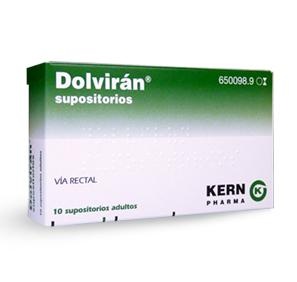
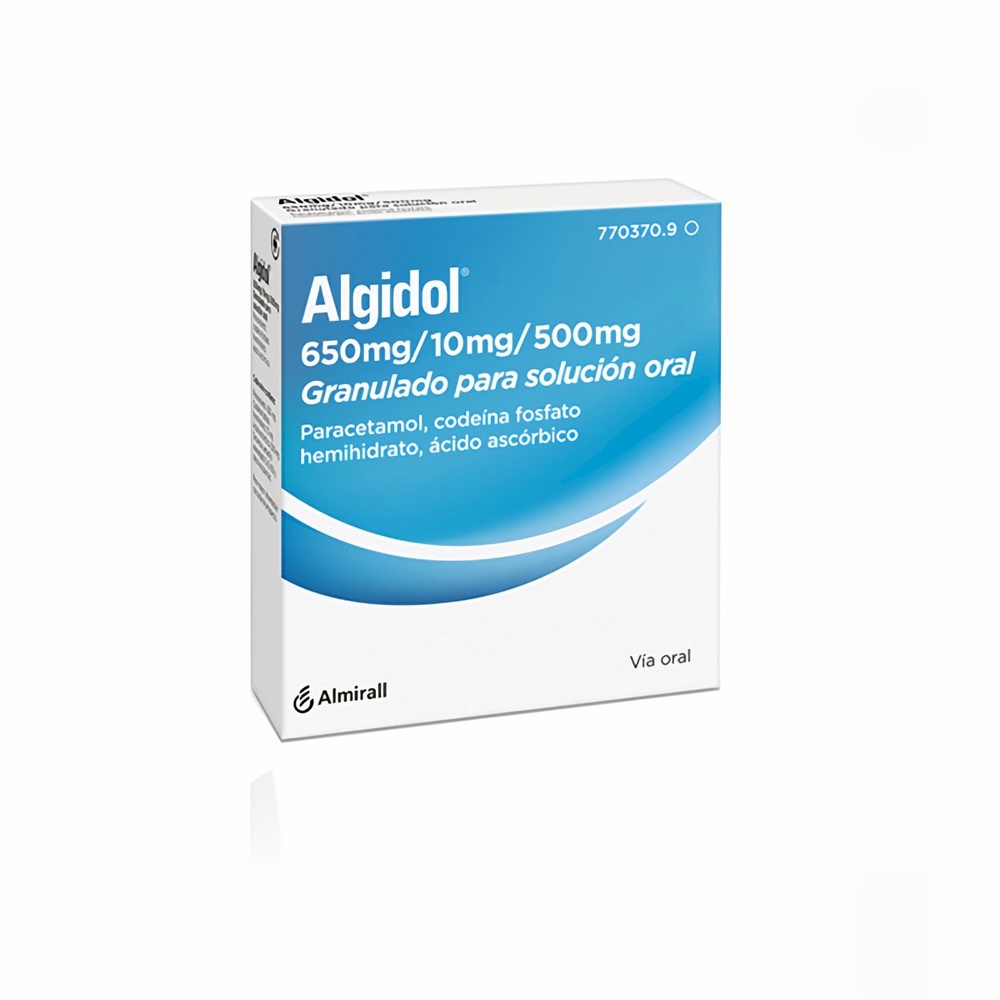
- Alternativas a DOLVIRAN COMPRIMIDOSForma farmacéutica: COMPRIMIDO EFERVESCENTE, 500 mg / 250 mg / 10,25 mgPrincipio activo: codeine and acetylsalicylic acidFabricante: Laboratorios Ern S.A.Requiere recetaForma farmacéutica: SUPOSITORIO, -Principio activo: codeine and acetylsalicylic acidFabricante: Kern Pharma S.L.Requiere recetaForma farmacéutica: SOLUCIÓN/SUSPENSIÓN ORAL, 650/10/500 mg/mg/mgPrincipio activo: codeine and paracetamolFabricante: Laboratorios Ern S.A.Requiere receta

Médicos online para DOLVIRAN COMPRIMIDOS
Comenta la dosis, los posibles efectos secundarios, interacciones, contraindicaciones o la revisión de receta de DOLVIRAN COMPRIMIDOS, sujeto a valoración médica y a la normativa local.











Preguntas frecuentes
