






How to use SAFENTIL 5 micrograms/ml injectable solution and perfusion solution
Translated with AI
This page provides general information and does not replace a doctor’s consultation. Always consult a doctor before taking any medication. Seek urgent medical care if symptoms are severe.
Show originalContents of the leaflet
Introduction
Package Leaflet: Information for the User
Safentil 5 micrograms/ml solution for injection and infusion EFG
Safentil 50 micrograms/ml solution for injection and infusion EFG
sufentanil
Read all of this leaflet carefully before you are given this medicine because it contains important information for you.
- Keep this leaflet, you may need to read it again.
- If you have any further questions, ask your doctor, pharmacist, or nurse.
- If you get any side effects, talk to your doctor, pharmacist, or nurse. This includes any possible side effects not listed in this leaflet. See section 4.
Contents of the pack
- What is Safentil and what is it used for
- What you need to know before you are given Safentil
- How Safentil is given
- Possible side effects
- Storage of Safentil
- Contents of the pack and other information
1. What is Safentil and what is it used for
Safentil belongs to a group of medicines called anesthetics and analgesics. It is a potent analgesic used in hospitals. Safentil can be administered intravenously (into a vein) to prevent pain during the induction and maintenance of combined anesthesia or as an anesthetic for the induction and maintenance of anesthesia, as part of major surgery.
Safentil can also be administered epidurally (in the spinal column) to relieve pain after an operation or to treat pain during normal childbirth (vaginal delivery).
Your doctor will decide if this medicine is suitable for you.
Your doctor may give you Safentil for other indications. Ask your doctor.
Use in children
Intravenous use: Safentil is used as an analgesic (against pain) to initiate and/or maintain general anesthesia (balanced general anesthesia) in children from 1 month of age.
Epidural use: Safentil is used in children from 1 year of age to treat pain after some operations: abdominal surgery, thoracic surgery (heart and lung) or orthopedic surgery (arms, legs, and back).

2. What you need to know before you are given Safentil
Your doctor will perform the necessary investigations before administering this medicine to you.
You should not be given Safentil:
- If you are allergic to sufentanil, other opioid compounds, or any of the other components of this medicine (listed in section 6),
- If you have difficulty expectorating secretions, previous respiratory problems caused by treatment with other medicines or any disease for which it is important to avoid respiratory problems.
- In the form of epidural injection, if you are suffering from severe bleeding or shock, severe infection in the blood or infection at the injection site. You should also not be given Safentil in the form of epidural injection if you have wound healing problems, if you are receiving treatment with anticoagulants, or if you have other medical problems that advise against epidural treatment.
- In the form of intravenous injection during childbirth or cesarean section before the umbilical cord is clamped, as it may cause respiratory problems in the newborn.
Warnings and precautions
Tell your doctor before you are given Safentil:
- You feel pain or increased sensitivity to pain (hyperalgesia) that does not respond to a higher dose of the medicine as prescribed by your doctor.
- For intravenous injection, if you have increased intracranial pressure, uncontrolled low metabolism (hypothyroidism), lung disease, reduced lung capacity, are an alcoholic, or have liver or kidney dysfunction, are elderly, or feel weak.
- During epidural injection, if you suffer from respiratory dysfunction or reduced lung capacity and if the fetus shows signs of oxygen deficiency (fetal distress).
- If you have myasthenia gravis (a chronic muscle disease).
- If you are taking MAO inhibitors (a medicine for depression, see the section "Other medicines and Safentil").
- If you use other opioid-type medicines (e.g., strong painkillers), or if you have previously consumed or been dependent on this type of substance.
- You have abnormally slow bowel movements.
- You have a disease of the gallbladder or pancreas.
- You or any member of your family has ever abused or been dependent on alcohol, prescription drugs, or illegal drugs ("addiction").
- You are a smoker.
- You have had mood-related problems (depression, anxiety, or personality disorder) or have been treated by a psychiatrist for other mental illnesses.
This medicine contains sufentanil, which is an opioid. Repeated use of opioid analgesics can make the drug less effective (the body gets used to them). It can also produce dependence and abuse, which can lead to a potentially fatal overdose. It is essential that you consult your doctor if you are concerned about becoming dependent on Safentil.
Respiratory disorders related to sleep
Safentil may cause sleep-related respiratory disorders such as sleep apnea (pauses in breathing during sleep) and sleep-related hypoxemia (low oxygen level in the blood). These symptoms may include pauses in breathing during sleep, nighttime awakenings due to difficulty breathing, difficulty maintaining sleep, or excessive daytime sleepiness. If you or someone else observes these symptoms, contact your doctor. Your doctor may consider reducing the dose.
Children and adolescents
Safentil should not be administered intravenously to newborns due to the risk of overdose or administration of too small a dose of Safentil.
The epidural administration of Safentil is not indicated in children under 1 year of age.
Using Safentil with other medicines
Tell your doctor if you are using, have recently used, or might use any other medicines.
Tell your doctor if you are taking any of the following medicines:
- Sleeping pills, sedatives, medicines for mental disorders, or substances that affect the central nervous system (e.g., alcohol), as they may further impair breathing. In this case, your doctor may consider it necessary to reduce the dose of Safentil.
- Medicines to treat a fungal infection (e.g., ketoconazole and itraconazole) and antiviral medicines (e.g., ritonavir), as these drugs may inhibit the circulation of sufentanil. Your doctor may consider it necessary to reduce the dose of Safentil.
- Medicines for the treatment of depression, known as monoamine oxidase inhibitors (MAOIs). These medicines should not be taken in the 2 weeks prior to, or concomitantly with, the administration of Safentil.
- Medicines for the treatment of depression known as selective serotonin reuptake inhibitors (SSRIs) and serotonin and norepinephrine reuptake inhibitors (SNRIs). It is not recommended to use these medicines concomitantly with Safentil.
- Strong painkillers that affect the central nervous system (CNS inhibitors), alcohol, and some illegal substances - if you are taking strong painkillers or other medicines that affect the central nervous system (e.g., sleeping pills, tranquilizers, medicines for mental disorders, alcohol, or some illegal substances), tell your doctor, as it may be necessary to reduce the dose of Safentil. If you take strong painkillers or other substances that affect the central nervous system after you have been given Safentil during an operation, it may also be necessary to reduce the dose of the painkiller or the substances that affect the central nervous system to reduce the risk of serious side effects such as slow or shallow breathing, excessive drowsiness, and decreased level of consciousness, coma, and death.
- The concomitant use of opioids and medicines for the treatment of epilepsy, neurological pain, or anxiety (gabapentin and pregabalin), as it increases the risk of opioid overdose and respiratory depression and can put the patient's life at risk.
Pregnancy and breastfeeding
If you are pregnant or breastfeeding, think you may be pregnant, or are planning to have a baby, ask your doctor for advice before you are given this medicine.
Safentil should only be used during pregnancy if the benefits outweigh the possible risks. Safentil can be administered epidurally during childbirth.
Sufentanil is excreted in breast milk. Your doctor will assess whether you should breastfeed.
Driving and using machines
Sufentanil may cause side effects that could severely affect safety and the ability to drive safely.
Safentil may affect your ability to drive and use machines. You should not drive or use machines until sufficient time has passed after the administration of Safentil. When you return home, you should be accompanied by a responsible adult and avoid taking alcohol.
Safentil contains sodium
This medicine contains 9 mg of sodium per ml of injectable solution. This is equivalent to 0.45% of the maximum daily recommended sodium intake in an adult's diet.
3. How Safentil is given
Your doctor will tell you about the dose that will be administered to you and the frequency. If you have any doubts, ask your doctor. Only your doctor can change the dose.
The dose is adapted according to your age, weight, general condition, diseases, use of other medicines, type of intervention, and need for analgesia.
Safentil can be administered intravenously (into a vein) to relieve whole-body pain (or as anesthesia) during surgical procedures.
Safentil can also be administered epidurally (in the spinal column area) to relieve pain in some parts of the body, for example during childbirth or after an operation.
It will usually be a doctor or nurse who administers the injection to you.
For more instructions on how to administer Safentil (including administration in children), see the section "The following information is intended exclusively for healthcare professionals" at the end of the package leaflet.
If you think you have been given too much Safentil
Contact your doctor if you think you have been given too much Safentil and you do not feel well.
If you are given too much Safentil, you will notice an increase in the effect, especially in the form of respiratory problems. In these cases, your doctor will take the necessary measures such as oxygen supply and assisted breathing and will closely monitor your body temperature and fluid intake.
If you have any other questions about the use of this medicine, ask your doctor, pharmacist, or nurse.

4. Possible side effects
Like all medicines, this medicine can cause side effects, although not everybody gets them.
Your doctor will treat any side effects that occur, especially during the operation. However, some may occur shortly after and, therefore, you will be monitored for some time after the operation.
Contact your doctor or go to the emergency department immediately if you notice any of the following serious side effects.
Uncommon side effects(may affect up to 1 in 100 people):
- Very slow pulse, tendency to faint
- Shortness of breath (dyspnea)/difficulty breathing/asthma-like crisis (bronchospasm)
- Low body temperature
- Involuntary body movements that do not disappear when treatment is stopped
Frequency not known(cannot be estimated from the available data):
- Sudden rash, respiratory problems, and fainting (within minutes or hours) caused by hypersensitivity (anaphylactic shock)
- Deep unconsciousness (coma)
- Cardiac arrest
- Weak or stopped breathing, blue-tinged lips and nails
- Cramps
- Shock (in case of acute and severe illness)
- Shortness of breath, rapid breathing, chest pain or discomfort, cough with secretions or bloody sputum due to pulmonary edema
- Throat spasms with difficulty breathing
Other side effects
Very common(may affect more than 1 in 10 people):
- Drowsiness
- Itching
Common side effects(may affect up to 1 in 10 people):
- Difficulty urinating or absence of urine excretion
- Fast pulse
- Dizziness and headache
- High blood pressure
- Dizziness caused by low blood pressure or bleeding
- Vomiting and nausea
- Change in skin color
- Muscle twitching
- Involuntary urination
- Fever
Uncommon side effects(may affect up to 1 in 100 people)
- Slow or irregular pulse
- Nasal discharge
- Hypersensitivity
- Apathy, nervousness
- Unsteady movements, powerful reflexes, increased muscle tension, drowsiness
- Visual disturbances
- Blue-tinged lips, skin, mucous membranes, or nails
- Abnormal electrocardiogram (ECG) results
- Respiratory depression (hypoventilation), difficulty speaking, cough, hiccups, respiratory problems
- Allergic eczema, excessive sweating, rash, dry skin
- Back pain, muscle spasms
- Increased body temperature, chills, reaction at the injection site, pain at the injection site, pain
Frequency not known(cannot be estimated from the available data)
- Involuntary muscle contractions
- Constricted pupils
- Redness of the skin
- Muscle spasms
Other side effects in children and adolescents
In children, it is expected that the frequency, nature, and severity of adverse reactions will be the same as in adults.
Additionally, in newborns, the following side effects may occur:
Common side effects(may affect up to 1 in 10 people)
- Tremors
- Blue-tinged lips, skin, mucous membranes, or nails (neonatal cyanosis)
Uncommon side effects(may affect up to 1 in 100 people)
- Involuntary body movements
- Slow movements
- Rash
- Muscle weakness
Reporting of side effects
If you experience any side effects, talk to your doctor, pharmacist, or nurse, even if it is possible that the side effects are not listed in this package leaflet. You can also report side effects directly through the Spanish Pharmacovigilance System for Human Use Medicines: https://www.notificaram.es. By reporting side effects, you can help provide more information on the safety of this medicine.
5. Storage of Safentil
Keep this medicine out of the sight and reach of children.
Do not use this medicine after the expiry date which is stated on the label and carton after EXP. The expiry date refers to the last day of the month stated.
This medicine does not require any special storage conditions. Store in the original packaging to protect from light.
This medicine should be used immediately after opening. If you want more information about the validity period after dilution, see the section for healthcare professionals below.
Medicines should not be disposed of via wastewater or household waste. Ask your pharmacist how to dispose of medicines no longer required. These measures will help protect the environment.
6. Container Contents and Additional Information
Safentil Composition
- The active ingredient is sufentanil (in the form of citrate).
Safentil 5 micrograms/ml: Each ml of solution contains 5 micrograms of sufentanil in the form of sufentanil citrate.
Safentil 50 micrograms/ml: Each ml of solution contains 50 micrograms of sufentanil in the form of sufentanil citrate. The other components are: sodium chloride, sodium hydroxide "to adjust pH", hydrochloric acid "to adjust pH" and water for injectable preparations.
Product Appearance and Container Contents
The solution is transparent and colorless, free of visible particles, with a pH of 4.0 to 6.0 and osmolality of 250 to 310 mOsmol/kg.
Transparent glass ampoules of 10 ml and 5 ml capacity, respectively, type I. The ampoules are presented with an adhesive label and in pre-formed PVC trays (each tray contains 5 ampoules) as secondary packaging, sealed with a PE sheet. The removable membrane of the PVC blisters is only used in the case of the 5 ml capacity ampoules.
Only some package sizes may be marketed.
Marketing Authorization Holder
Medochemie Ltd,
1-10 Constantinoupoleos Street
3011, Limassol
Cyprus
Manufacturer
Medochemie Ltd,
Ampoule Injectable Facility: 48 Iapetou Street,
Agios Athanassios Industrial Area,
Agios Athanassios
For further information on this medicinal product, please contact the local representative of the marketing authorization holder:
Saniproject, S.L.
C/ Retamas 11 – Urb. Puentelasierra
28210 Valdemorillo, Madrid
SPAIN
This medicinal product is authorized in the EEA Member States under the following names:
Denmark | SOFENTIL 5 mcg/ml and 50 mcg/ml solution for injection/infusion |
Croatia | SOFENTIL 5 mikrograma/ml otopina za injekciju/infuziju and Sofentil 50 mikrograma/ml otopina za injekciju/infuziju |
Cyprus | SOFENTIL 5 mcg/ml and 50 mcg/ml solution for injection/infusion |
Czech Republic | SONTILEN |
Latvia | SONTILEN 5 mikrogrami/ml and 50 mikrogrami/ml šķīdums injekcijām/infūzijai |
Lithuania | SONTILEN 5 mikrogramai/ ml and 50 mikrogramai/ ml injekcinis ar infuzinis tirpalas |
Malta | SOFENTIL 5 mcg/ml and 50 mcg/ml solution for injection/infusion |
Portugal | SOFENTIL 5 mcg/ml and 50 mcg/ml solução injetável/para perfusão |
Romania | SOFENTIL 5 mcg/ml and 50 mcg/ml solutie injectabila/perfuzabila |
Slovak Republic | SOFENTIL 5 mikrogramov/ml and 50 mikrogramov/ml |
Date of last approval of this prospectus: February 2023.
Detailed information on this medicinal product is available on the website of the Spanish Agency for Medicines and Health Products (AEMPS) (http://www.aemps.gob.es/).
This information is intended only for healthcare professionals:
Posology and Method of Administration
Adults
Combined anesthesia and analgesia:
- Analgesia: 0.5 - 5 micrograms/kg IV
- Anesthesia: 25 - 50 micrograms/kg IV
Epidural analgesia in the treatment of postoperative pain: 25 - 50 micrograms.
Analgesic supplement in labor: 5 - 20 micrograms epidurally.
Intravenous Administration
To avoid bradycardia, it is recommended to administer a small intravenous dose of anticholinergic just before induction.
Epidural Administration
The correct placement of the needle or catheter in the epidural space should be checked before injecting Safentil.
Pediatric Population
Intravenous Administration
Children ≤ 1 month (neonates)
Due to the high variability of pharmacokinetic parameters in neonates, it is not possible to make a reliable dose recommendation.
Children > 1 month
At all doses, to avoid bradycardia, premedication with an anticholinergic (such as atropine) is recommended, unless contraindicated.
Induction of Anesthesia
Safentil can be administered as a slow bolus of 0.2-0.5 micrograms/kg over 30 seconds or more in combination with an anesthetic induction agent. In major surgery (e.g. cardiac surgery), doses of up to 1 microgram/kg may be administered.
Maintenance of Anesthesia in Ventilated Patients
Safentil can be administered as part of a combined anesthesia. The dose depends on the dose of the concomitant anesthetic agents, the type and duration of the procedure. An initial dose of 0.3-2 micrograms/kg administered as a slow bolus over at least 30 seconds may be followed by additional boluses of 0.1-1 microgram/kg as required up to a maximum total of 5 micrograms/kg for cardiac surgery.
Epidural Administration
Only an anesthesiologist familiar with pediatric epidural anesthesia and the management of opioid-induced respiratory depression should administer Safentil to children via the epidural route. Resuscitation equipment and opioid antagonists should be available immediately.
After epidural administration of Safentil, pediatric patients should be monitored to rule out signs of respiratory depression for at least 2 hours. The use of sufentanil administered via the epidural route in pediatric patients has been documented only in a limited number of cases.
Children <1 year:< em>
The safety and efficacy of sufentanil in children under 1 year of age have not yet been established.
No data are available in neonates or infants under 3 months.
Children > 1 year:
A single intraoperative dose of 0.25-0.75 micrograms/kg body weight of sufentanil administered as a bolus provides pain relief for a period of 1 to 12 hours. The duration of effective analgesia depends on the surgical procedure and the concomitant epidural administration of local anesthetics of the amide type.
Elderly Patients (from 65 years) and Debilitated Patients:
As with other opioids, elderly and debilitated patients require lower doses.
The planned total dose should be carefully adjusted in patients with any of the following disorders:
- Uncompensated hypothyroidism
- Pulmonary disorders, especially if vital capacity is reduced
- Alcoholism or hepatic and renal insufficiency.
These patients should also be recommended for prolonged postoperative surveillance.
Patients on chronic opioid therapy or with a history of opioid abuse may require higher doses.
Special Precautions for Disposal and Other Handling
It can be mixed with isotonic sodium chloride solution for perfusion, 5% glucose solution for perfusion, and Ringer-lactate solution for perfusion.
Use gloves when opening the vial. Accidental skin exposure should be treated by rinsing the affected area with water. Avoid using soap, alcohol, and other cleaning products that may cause chemical or physical damage to the skin.
Validity period after opening:
After opening, the medicinal product should be used immediately.
Validity period after dilution
Chemical and physical stability has been demonstrated during use for 24 hours below 25°C and at 2-8°C.
From a microbiological point of view, the dilutions should be used immediately. If not used immediately, the time and conditions of storage during use are the responsibility of the user and normally should not exceed 24 hours at 2-8°C, unless the dilution has been prepared in controlled and validated aseptic conditions.
-

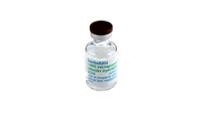
- Country of registration
- Dosage formINJECTABLE, 5 micrograms/ml
- ATC codeN01AH03
- Active substance
- Prescription requiredYes
- Manufacturer
- This information is for reference only and does not constitute medical advice. Always consult a doctor before taking any medication. Oladoctor is not responsible for medical decisions based on this content.
- Alternatives to SAFENTIL 5 micrograms/ml injectable solution and perfusion solutionDosage form: SUBLINGUAL TABLET, 30 MICROGRAMSActive substance: sufentanilManufacturer: Laboratoire AguettantPrescription requiredDosage form: INJECTABLE, 50 micrograms/mlActive substance: sufentanilManufacturer: Medochemie LimitedPrescription requiredDosage form: INJECTABLE, 5 micrograms/mLActive substance: sufentanilManufacturer: Altan Pharmaceuticals SaPrescription required


Online doctors for SAFENTIL 5 micrograms/ml injectable solution and perfusion solution
Discuss questions about SAFENTIL 5 micrograms/ml injectable solution and perfusion solution, including use, safety considerations and prescription review, subject to medical assessment and local regulations.









Get SAFENTIL 5 micrograms/ml injectable solution and perfusion solution Prescription Online
Fill in a 2-min form
Tell us your symptoms, history, and what medicine you're requesting.
Pick a doctor or let us assign
Choose a specialist or we'll match you with the next available doctor.
Doctor reviews your case
Usually within 30 minutes. They may ask follow-up questions via chat.
Collect from any pharmacy
Electronic prescription sent to your email — valid across Spain.
Frequently Asked Questions
SAFENTIL 5 micrograms/ml injectable solution and perfusion solution requires a prescription in Spain. You can check with a doctor online whether this medicine may be appropriate for your situation.
The active ingredient in SAFENTIL 5 micrograms/ml injectable solution and perfusion solution is sufentanil. This information helps identify medicines with the same composition but different brand names.
SAFENTIL 5 micrograms/ml injectable solution and perfusion solution is manufactured by Medochemie Limited. Pharmacy brands and packaging may differ depending on the distributor.
Doctors such as Family doctors, Psychiatrists, Dermatologists, Cardiologists, Endocrinologists, Gastroenterologists, Pulmonologists, Nephrologists, Rheumatologists, Hematologists, Infectious disease physicians, Allergists, Geriatricians, Paediatricians, Oncologists may assess whether SAFENTIL 5 micrograms/ml injectable solution and perfusion solution is appropriate, depending on your situation and local regulations. You can book an online consultation to discuss your symptoms and possible next steps.
Spain has a well-developed healthcare infrastructure across major cities such as Madrid, Barcelona, Valencia, and Seville. Pharmacies are widely available and operate under strict regulations, ensuring access to prescribed medications.
You can buy SAFENTIL 5 micrograms/ml injectable solution and perfusion solution in Madrid, Barcelona, Seville, or Valencia at any local pharmacy with a valid prescription.
To obtain a prescription, you can use Oladoctor:
Other medicines with the same active substance (sufentanil) include DZUVEO 30 micrograms sublingual tablet, SAFENTIL 50 micrograms/ml injectable solution and perfusion solution, SECUFEN 5 micrograms/ml injectable solution. These may have different brand names or formulations but contain the same therapeutic ingredient. Always consult a doctor before switching or starting a new medicine.
