


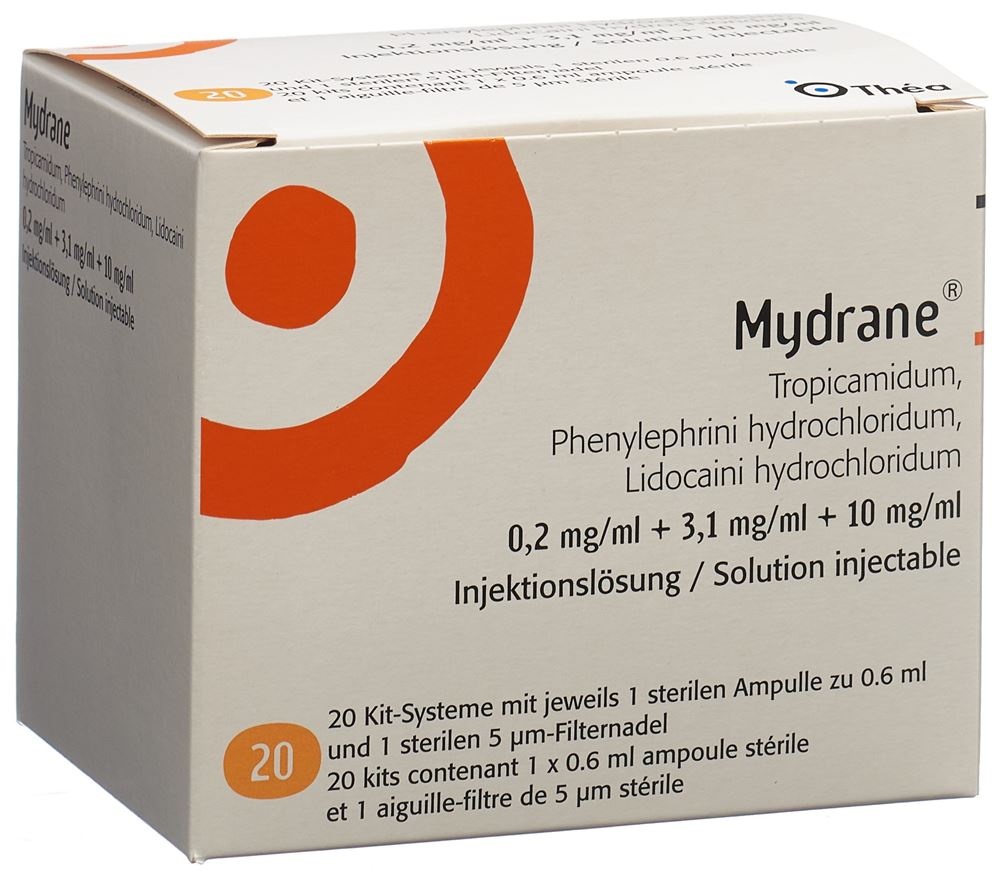



How to use Midrane
Leaflet attached to the packaging: patient information
Mydrane, (0.2 mg + 3.1 mg + 10 mg)/ml, solution for injection
Tropicamidum + Phenylephrini hydrochloridum + Lidocaini hydrochloridum monohydricum
Read the leaflet carefully before using the medicine, as it contains important information for the patient.
- Keep this leaflet, you may need to read it again.
- In case of any doubts, consult a doctor, pharmacist, or nurse.
- If the patient experiences any side effects, including any side effects not listed in this leaflet, tell the doctor, pharmacist, or nurse. See section 4.
Table of contents of the leaflet
- 1. What is Mydrane and what is it used for
- 2. Important information before using Mydrane
- 3. How to use Mydrane
- 4. Possible side effects
- 5. How to store Mydrane
- 6. Package contents and other information
1. What is Mydrane and what is it used for
What is Mydrane
This medicine is a solution that is injected into the eye.
It contains three active substances:
- tropicamide, which belongs to a group of medicines that block the flow of impulses through certain nerves, known as anticholinergic agents,
- phenylephrine (in the form of phenylephrine hydrochloride), which belongs to a group of medicines that mimic the effect of impulses transmitted by certain nerves (alpha-sympathomimetic agents),
- lidocaine (in the form of lidocaine hydrochloride monohydrate), which belongs to a class of medicines called local anesthetic agents of the amide type.
What is this medicine used for
Medicine for use only in adults.
It is administered by an ophthalmic surgeon through injection into the eye at the beginning of cataract surgery
(clouding of the lens) to dilate the pupil and to anesthetize the eye during the surgical procedure.
2. Important information before using Mydrane
When not to use Mydrane:
- if the patient is allergic to tropicamide, phenylephrine hydrochloride, and/or lidocaine hydrochloride monohydrate or any of the other ingredients of this medicine (listed in section 6),
- if the patient is allergic to amide-type anesthetics,
- if the patient is allergic to atropine derivatives.
Warnings and precautions
Mydrane is not recommended:
- for cataract surgery combined with certain types of eye surgery (vitrectomy),
- if the anterior chamber of the eye is shallow,
- if the patient has a history of acute increase in intraocular pressure (acute angle-closure glaucoma).
Consult a doctor, especially if the patient has:
- high blood pressure (hypertension),
- thickening of the walls of the arteries (arteriosclerosis),
- any heart disease, especially if it affects heart rate,
- contraindications for medicines that increase blood pressure (pressor amines) and are administered systemically,
- hyperthyroidism,
- prostate disorders,
- epilepsy (seizures),
- any liver or kidney problems,
- any respiratory problems,
- muscle weakness and fatigue (myasthenia).
Mydrane and other medicines
Tell the doctor or pharmacist about all medicines the patient is taking or has recently taken, as well as any medicines the patient plans to take.
Pregnancy, breastfeeding, and fertility
Do not use this medicine:
- during pregnancy,
- during breastfeeding. If the patient is pregnant or breastfeeding, thinks she may be pregnant, or plans to have a child, she should consult a doctor or pharmacist before using this medicine.
Driving and using machines
Mydrane has a moderate effect on the ability to drive and use machines.
Therefore, do not drive or operate machines until normal vision has returned.
Mydrane contains sodium
The medicine contains less than 1 mmol of sodium (23 mg) per dose, which means the medicine is considered "sodium-free".
3. How to use Mydrane
The patient should only receive this medicine if, during the preoperative examination, sufficient pupil dilation was achieved after using standard eye drops for pupil dilation.
Dosage and administration
- The injection of Mydrane will be performed by an ophthalmic surgeon, under local anesthesia, at the beginning of cataract surgery.
- The recommended dose is 0.2 ml of the solution in a single injection. Do not inject an additional dose, as no significant additional effect has been demonstrated and increased endothelial cell loss has been observed.
- The same dose is used for adults and the elderly.
Using more than the recommended dose or too little of Mydrane
The medicine will be administered by an ophthalmic surgeon. It is unlikely that the patient will overdose.
Overdose may cause increased endothelial cell loss.
If you have any further questions about the use of this medicine, consult a doctor, pharmacist, or nurse.
4. Possible side effects
Like all medicines, this medicine can cause side effects, although not everybody gets them.
The most serious well-known complications that occur during or after cataract surgery:
Uncommon: may affect up to 1 in 100 people
- lens damage (posterior capsule rupture),
- retinal edema (cystoid macular edema). In this case, seek immediate medical attention.
Other side effects:
Uncommon: may affect up to 1 in 100 people
- headache,
- corneal edema (corneal inflammation), increased intraocular pressure, eye redness (conjunctival hyperemia),
- high blood pressure (hypertension).
Reporting side effects
If you experience any side effects, including any side effects not listed in the leaflet, tell the doctor, pharmacist, or nurse. Side effects can be reported directly to the Department of Adverse Reaction Monitoring of Medicinal Products, Medical Devices, and Biocidal Products, Al. Jerozolimskie 181C, 02-222 Warsaw,
Website: https://smz.ezdrowie.gov.pl
Side effects can also be reported to the marketing authorization holder.
Reporting side effects will help gather more information on the safety of the medicine.
5. How to store Mydrane
Store the medicine out of sight and reach of children.
Do not use this medicine after the expiry date stated on the carton, blister, and ampoule.
The expiry date refers to the last day of the month.
There are no special storage precautions for the medicine.
For single use only. Use the medicine immediately after opening the ampoule. Do not reuse.
Medicines should not be disposed of via wastewater or household waste. Ask your pharmacist how to dispose of medicines no longer required. This will help protect the environment.
6. Package contents and other information
What Mydrane contains
- Each 0.2 ml dose contains the active substances: tropicamide 0.04 mg, phenylephrine hydrochloride 0.62 mg, and lidocaine hydrochloride monohydrate 2 mg, which corresponds to 0.2 mg tropicamide, 3.1 mg phenylephrine hydrochloride, and 10 mg lidocaine hydrochloride monohydrate per 1 ml.
- The other ingredients are: sodium chloride, disodium phosphate dodecahydrate, disodium phosphate dihydrate, disodium edetate, and water for injections.
What Mydrane looks like and what the pack contains
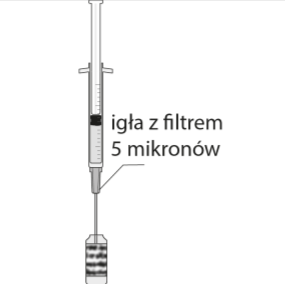
Mydrane is a clear solution for injection, slightly brownish-yellow and practically free from visible particles, supplied in a 1 ml brown glass ampoule. Each sterile ampoule contains 0.6 ml of the solution for injection and is packaged individually or together with one sterile needle with a 5-micron filter in a sealed blister pack Paper/PVC.
Each carton contains 20 or 100 sterile ampoules with sterile needles with a 5-micron filter, individually or in the same blister pack. The 5-micron filter needles are for use only with the ampoule contents. All components are for single use only.
Not all pack sizes may be marketed.
Marketing authorization holder and manufacturer
Marketing authorization holder:
FRANCE
This medicinal product is authorized in the Member States of the European Economic Area under the following names:
Austria, Belgium, Bulgaria, Cyprus, Czech Republic, Germany, Denmark, Greece, Finland, France, Croatia,
Iceland, Italy, Luxembourg, Netherlands, Poland, Portugal, Romania, Sweden, Slovenia, Slovakia,
United Kingdom ........................................................................................................................... Mydrane
Ireland, Spain.........................................................................................................................Fydrane
Norway .......................................................................................................................................Mydane
Date of last revision of the leaflet: 06-09-2023
For more information about this medicine, see the website of the Office for Registration of Medicinal Products:
www.urpl.gov.pl
---------------------------------------------------------------------------------------------------------------------------
Information intended for healthcare professionals only:
Incompatibilities
No incompatibilities with products commonly used during cataract surgery have been reported in the literature or during clinical trials. This has also been confirmed for commonly used viscoelastic materials by a study of pharmaceutical interactions.
Warning
Do not use if the blister is damaged or torn. Open only in aseptic conditions to ensure the sterility of the contents.
The unopened blister is guaranteed to be sterile.
How to prepare and administer Mydrane
Solution for single use in one eye, for injection into the anterior chamber of the eye only.
Mydrane must be administered by injection into the anterior chamber of the eye (intracameral injection) by an ophthalmic surgeon under recommended aseptic conditions for cataract surgery.
Before performing the intracameral injection, the solution should be visually inspected and used only if it is a clear, slightly brownish-yellow solution, practically free from visible particles.
The recommended dose is 0.2 ml of Mydrane; do not inject an additional dose, as no significant additional effect has been demonstrated and increased endothelial cell loss has been observed.
This product should be used immediately after opening the ampoule and should not be reused for a second eye or another patient.
Only in the case of a kit (i.e., a blister pack containing an ampoule and a needle): attach the blister label to the patient's documentation.
To prepare Mydrane for injection into the anterior chamber of the eye, follow these instructions: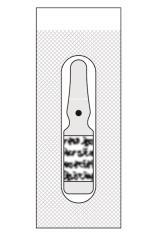 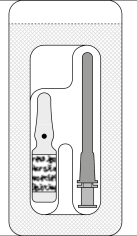 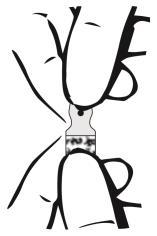 | |
 |
|
After use, dispose of any remaining prepared solution. Do not store the remaining solution for later use.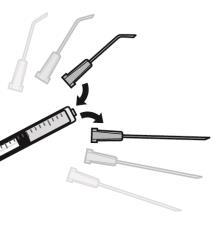 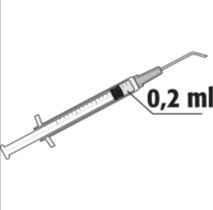 | |
Dispose of any unused medicinal product or waste material in accordance with local requirements. Used needles should be disposed of in a puncture-resistant container.
- Country of registration
- Active substance
- Prescription requiredYes
- Manufacturer
- ImporterDelpharm Tours Laboratoires Thea
- This information is for reference only and does not constitute medical advice. Always consult a licensed doctor before taking any medication. Oladoctor is not responsible for medical decisions based on this content.
- Alternatives to MidraneDosage form: Drops, 10 mg/mlActive substance: atropineManufacturer: Warszawskie Zakłady Farmaceutyczne POLFA S.A.Prescription requiredDosage form: Drops, 10 mg/mlActive substance: cyclopentolateDosage form: Drops, 100 mcg/mlActive substance: atropineManufacturer: Jadran-Galenski laboratorij d.d.Prescription required
Alternatives to Midrane in other countries
The best alternatives with the same active ingredient and therapeutic effect.
Alternative to Midrane in Ukraine
Alternative to Midrane in Spain
Online doctors for Midrane
Discuss dosage, side effects, interactions, contraindications, and prescription renewal for Midrane – subject to medical assessment and local rules.

Get updates and exclusive offers
Be the first to know about new services, marketplace updates, and subscriber-only promos.

