






How to use INIBSACAIN 5 mg/mL + 0.005 mg/mL Injectable Solution in Cartridge
Translated with AI
This page provides general information and does not replace a doctor’s consultation. Always consult a doctor before taking any medication. Seek urgent medical care if symptoms are severe.
Show originalContents of the leaflet
Introduction
PACKAGE LEAFLET: INFORMATION FOR THE USER
Inibsacain 5 mg/ml + 0.005 mg/ml solution for injection in cartridge
Bupivacaine, hydrochloride / Adrenaline
|
Contents of the pack:
- What is Inibsacain and what it is used for
- What you need to know before you use Inibsacain
- How to use Inibsacain
- Possible side effects
- Storage of Inibsacain
- Contents of the pack and further information
1. What is Inibsacain and what it is used for
Inibsacain 5 mg/ml + 0.005 mg/ml solution for injection in cartridges is a local anesthetic (an agent that reduces or eliminates sensations, affecting a particular region). This medicine is used in local dental anesthesia in adults

2. What you need to know before you use Inibsacain
Do not useInibsacain 5 mg/ml + 0.005 mg/ml
- If you are allergic (hypersensitive) to bupivacaine hydrochloride, adrenaline, or any of the other ingredients of this medicine (listed in section 6)
- If you are allergic (hypersensitive) to any other local anesthetic of the same group (e.g., articaine, lidocaine, mepivacaine, prilocaine)
- If you have narrow-angle glaucoma (a condition of the eyes characterized by increased intraocular pressure)
- If you have heart problems such as:
- Paroxysmal tachycardia (rapid heart rate)
- Atrial fibrillation (heart rhythm disturbances) with rapid heart rate
- Impaired cardiac conduction
- Uncompensated heart failure
- Cardiogenic or hypovolemic shock (acute heart failure)
- If you have a degenerative nervous system disease
- If you have blood coagulation disorders
- If the injection site is infected
Warnings and precautions
Consult your doctor before using Inibsacain if you have:
- Severe or untreated hypertension (high blood pressure)
- Thyrotoxicosis (excessive thyroid activity)
- Diabetes
- Asthma
- Advanced liver disease
- Severe kidney dysfunction
- Heart disease
Children and adolescents
The safety and efficacy of Inibsacain in children and adolescents under 18 years of age have not been established, so its use is not recommended in this population
Other medicines and Inibsacain
Tell your doctor or pharmacist if you are taking, have recently taken, or might take any other medicines
Tell your doctor if you are taking any of the following medicines, as they may alter the effect of Inibsacain:
- Tricyclic antidepressants (medicines for treating depression)
- Oxytocic drugs of the ergotamine type (uterine stimulants)
- Phenothiazines and butyrophenones (medicines for treating psychotic disorders)
- Halothane (general anesthesia by inhalation)
- Non-cardioselective beta-blockers, such as propranolol (heart medicines)
- Medicines structurally similar to local anesthetics, such as those used for cardiac rhythm disorders (antiarrhythmics of class Ib)
Pregnancy and breastfeeding
If you are pregnant or breastfeeding, think you may be pregnant, or are planning to have a baby, ask your doctor or pharmacist for advice before using this medicine
Pregnancy
If you are pregnant, your doctor will prescribe Inibsacain, taking into account the benefit to you and the risk to your baby
Breastfeeding
If you are breastfeeding, your doctor will prescribe Inibsacain, taking into account the benefit to you and the risk to your baby
Driving and using machines
Inibsacain may temporarily affect your ability to move, attention, and coordination. Your doctor will tell you if you can drive or use machines
Inibsacain contains sodium metabisulfite (E-223) and sodium:
This medicine may cause severe allergic reactions and bronchospasm (sudden feeling of suffocation) because it contains sodium metabisulfite
This medicine contains less than 1 mmol of sodium (23 mg) per 1.8 ml cartridge; i.e., it is essentially "sodium-free"
3. How to use Inibsacain
Inibsacain should only be administered under the supervision of a doctor with experience in the use of this type of treatment
Inibsacain is administered by injection for dental use
The dose, rate of administration, and duration of treatment will vary depending on the anesthetic procedure, the area to be anesthetized, and the patient's weight, clinical situation, and response
If you use more Inibsacain than you should
In case of overdose or accidental ingestion, consult your doctor or pharmacist immediately or call the Toxicology Information Service, phone: 91 562 04 20, indicating the medicine and the amount ingested
As with other local anesthetics, due to excessive dosing, rapid absorption, or accidental injection into blood vessels, symptoms of intoxication may occur, which can manifest:
- On the central nervous system:
Characterized by anesthesia of the tongue, loss of consciousness, fainting, blurred vision, headache, tremors followed by drowsiness, convulsions, and unconsciousness
- On the circulatory system:
Decreased heart contraction, low blood pressure (hypotension)
At high doses, vasodilation, collapse, conduction disturbances, decreased heart rate, atrioventricular block, arrhythmias, cardiac arrest
If toxic effects occur, the first measure is to stop the administration of the local anesthetic. The subsequent treatment consists of stopping the convulsions and ensuring adequate breathing with oxygen, if necessary by assisted breathing. If convulsions occur, they can be treated with 5-10 mg of diazepam. If hypotension exists, a vasopressor should be administered intravenously, for example, 5-10 mg of ephedrine. If cardiac arrest occurs, cardiopulmonary resuscitation should be applied immediately, and 0.1-0.2 mg of adrenaline should be administered intravenously or intracardially as soon as possible. If cardiac arrest occurs, prolonged resuscitation efforts should be applied

4. Possible side effects
Like all medicines, this medicine can cause side effects, although not everybody gets them
The side effects you may experience can be classified by frequency as:
- Very common (may affect more than 1 in 10 people): decrease in blood pressure and nausea
- Common (may affect up to 1 in 10 people): decrease in heart rate, tingling sensation and loss of sensitivity (paresthesia), dizziness, vomiting, urinary retention, or increased blood pressure (hypertension)
- Uncommon (may affect up to 1 in 100 people): convulsions, tingling sensation and loss of sensitivity around the mouth, numbness of the tongue, increased auditory sensitivity (hyperacusis), visual disturbances, loss of consciousness, tremors, mild headache, ringing in the ears (tinnitus), and speech disorders
- Rare (may affect up to 1 in 1,000 people): cardiac arrest and alteration of heartbeats, nervous system damage (neuropathy), peripheral nerve damage, and inflammation of the arachnoid, double vision (diplopia), respiratory depression, allergic reactions, anaphylactic shock (severe allergic reaction)
Reporting of side effects
If you experience any side effects, talk to your doctor, even if it is possible side effects not listed in this leaflet. You can also report side effects directly through the Spanish Medicines and Healthcare Products Agency (AEMPS) website www.notificaram.es. By reporting side effects, you can help provide more information on the safety of this medicine
5. Storage of Inibsacain
Keep this medicine out of the sight and reach of children
Store below 25°C
Do not use this medicine after the expiry date which is stated on the cartridge and on the outer packaging after EXP. The expiry date is the last day of the month shown
The solutions do not contain preservatives and should be used immediately after opening. Any remaining solution should be discarded
Medicines should not be disposed of via wastewater or household waste. Ask your pharmacist how to dispose of medicines no longer required. This will help protect the environment
6. Contents of the pack and further information
Composition of Inibsacain
- The active substances are bupivacaine hydrochloride and adrenaline (epinefrina). Each ml contains 5 mg of bupivacaine hydrochloride and 0.005 mg of adrenaline (epinefrina) (as bitartrate). Each 1.8 ml cartridge contains 9 mg of bupivacaine hydrochloride and 0.009 mg of adrenaline (epinefrina) (as bitartrate)
- The other ingredients are sodium chloride, sodium metabisulfite (E-223), hydrochloric acid (for pH adjustment), and water for injections
Appearance of the product and pack contents
Inibsacain is packaged in glass cartridges containing a clear, colorless, and particle-free solution for injection
The commercial presentation is packs containing 1 cartridge or 100 cartridges (clinical packaging) of 1.8 ml
Not all pack sizes may be marketed
Marketing authorization holder and manufacturer
Laboratorios Inibsa, S.A.
Ctra. Sabadell a Granollers km 14,5
08185 Lliçà de Vall (Barcelona)
Spain
Phone: +34 938 609 500
Fax: +34 938 439 695
e-mail: [email protected]
-------------------------
This information is intended only for healthcare professionals
Before administering a local anesthetic, you should have a complete resuscitation equipment, including an oxygenation and ventilation system, and the necessary medications for the treatment of possible toxic reactions
Injections should always be administered slowly and with prior aspiration to avoid accidental intravascular injection, which could cause toxic effects
Taking this into account, as well as the anesthetic technique and the situation of the patients to be treated, the administration of the medicine should be carried out according to the guidelines described and the recommendations included in the different sections of the Technical Data Sheet ("Posology and method of administration"; "Special warnings and precautions for use"), so it is necessary to refer to the text of the same to ensure the correct use of the product
The solutions should be used immediately after opening. Any remaining portion of the solution used should be discarded
Due to the instability of adrenaline, products containing it should not be re-sterilized
The solution is colorless, transparent, and free of particles, so it should not be used if it appears pink or darker than pale yellow or if it contains a precipitate or any foreign particles inside
Appropriate precautions should be taken to avoid prolonged contact between anesthetic solutions containing adrenaline (low pH) and metal surfaces (e.g., needles and metal parts of syringes), as metal ions, mainly copper ions, can dissolve, causing local irritation (swelling, edema) at the injection site and accelerated degradation of adrenaline
Incompatibilities
The solubility of bupivacaine is limited to pH > 6.5. This should be taken into account in case alkaline solutions need to be added, e.g., carbonates, as precipitation may occur
Mixing with alkaline solutions results in rapid degradation of adrenaline
Last revision of the leaflet: September 2020
Detailed and updated information on this medicine is available on the website of the Spanish Agency for Medicines and Healthcare Products (AEMPS) http://www.aemps.es/
-

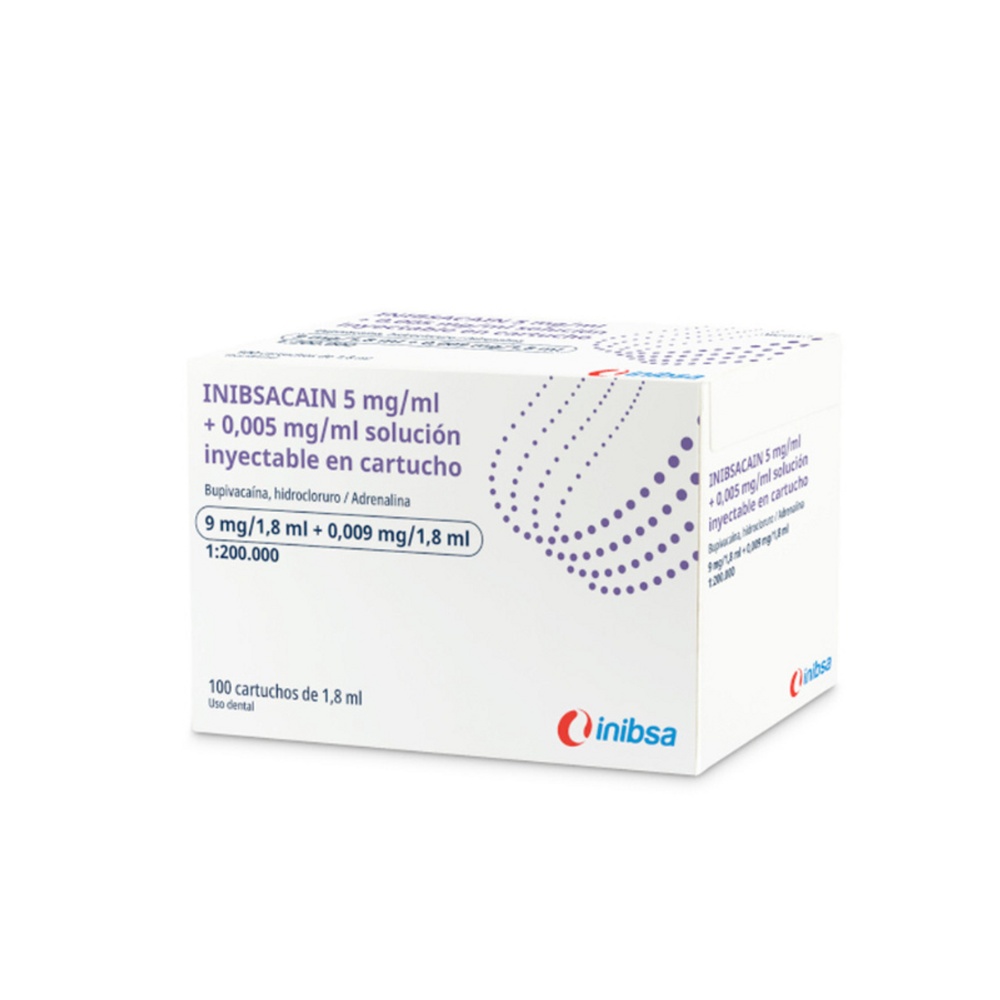
- Country of registration
- Dosage formINJECTABLE, 9 mg bupivacaine hydrochloride; 0.009 mg epinephrine
- Prescription requiredYes
- Manufacturer
- This information is for reference only and does not constitute medical advice. Always consult a doctor before taking any medication. Oladoctor is not responsible for medical decisions based on this content.
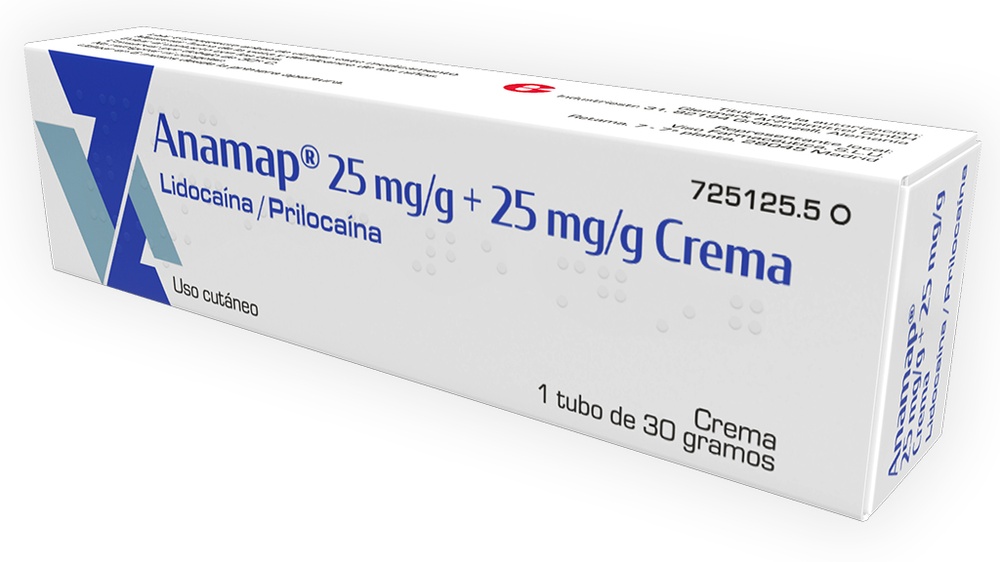
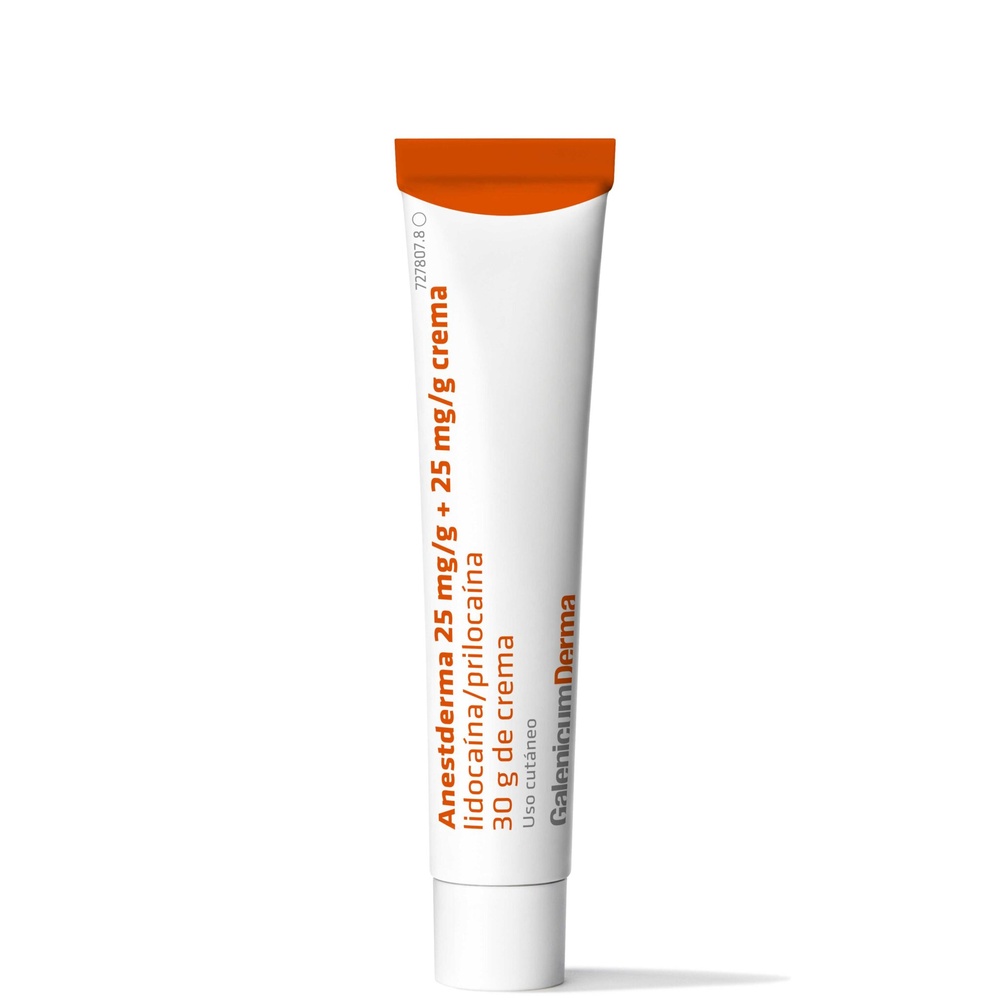
- Alternatives to INIBSACAIN 5 mg/mL + 0.005 mg/mL Injectable Solution in CartridgeDosage form: DRESSING, 700 mgActive substance: lidocaineManufacturer: Grünenthal Pharma S.A.Prescription requiredDosage form: CREAM, 25 mg/g + 25 mg/gActive substance: combinationsManufacturer: Glenmark Arzneimittel GmbhPrescription requiredDosage form: CREAM, 25 mg/g + 25 mg/gActive substance: combinationsManufacturer: Galenicum Derma S.L.U.Prescription required

Online doctors for INIBSACAIN 5 mg/mL + 0.005 mg/mL Injectable Solution in Cartridge
Discuss questions about INIBSACAIN 5 mg/mL + 0.005 mg/mL Injectable Solution in Cartridge, including use, safety considerations and prescription review, subject to medical assessment and local regulations.









Get INIBSACAIN 5 mg/mL + 0.005 mg/mL Injectable Solution in Cartridge Prescription Online
Fill in a 2-min form
Tell us your symptoms, history, and what medicine you're requesting.
Pick a doctor or let us assign
Choose a specialist or we'll match you with the next available doctor.
Doctor reviews your case
Usually within 30 minutes. They may ask follow-up questions via chat.
Collect from any pharmacy
Electronic prescription sent to your email — valid across Spain.
Frequently Asked Questions
INIBSACAIN 5 mg/mL + 0.005 mg/mL Injectable Solution in Cartridge requires a prescription in Spain. You can check with a doctor online whether this medicine may be appropriate for your situation.
INIBSACAIN 5 mg/mL + 0.005 mg/mL Injectable Solution in Cartridge is manufactured by Laboratorios Inibsa S.A.. Pharmacy brands and packaging may differ depending on the distributor.
Doctors such as Family doctors, Psychiatrists, Dermatologists, Cardiologists, Endocrinologists, Gastroenterologists, Pulmonologists, Nephrologists, Rheumatologists, Hematologists, Infectious disease physicians, Allergists, Geriatricians, Paediatricians, Oncologists may assess whether INIBSACAIN 5 mg/mL + 0.005 mg/mL Injectable Solution in Cartridge is appropriate, depending on your situation and local regulations. You can book an online consultation to discuss your symptoms and possible next steps.
Spain has a well-developed healthcare infrastructure across major cities such as Madrid, Barcelona, Valencia, and Seville. Pharmacies are widely available and operate under strict regulations, ensuring access to prescribed medications.
You can buy INIBSACAIN 5 mg/mL + 0.005 mg/mL Injectable Solution in Cartridge in Madrid, Barcelona, Seville, or Valencia at any local pharmacy with a valid prescription.
To obtain a prescription, you can use Oladoctor:
Other medicines with the same active substance () include ACTILOGIC 700 MG MEDICATED ADHESIVE DRESSING, ANAMAP 25 mg/g + 25 mg/g CREAM, ANESTDERMA 25 mg/g + 25 mg/g CREAM. These may have different brand names or formulations but contain the same therapeutic ingredient. Always consult a doctor before switching or starting a new medicine.
