






How to use ACYLINE 620 mg/380 mg/630 mg ORAL SUSPENSION
Translated with AI
This page provides general information and does not replace a doctor’s consultation. Always consult a doctor before taking any medication. Seek urgent medical care if symptoms are severe.
Show originalContents of the leaflet
Introduction
Package Leaflet: Information for the User
Acyline620 mg/380 mg/630 mgOral Suspension
Algeldrate, magnesium hydroxide, aluminum hydroxide-magnesium carbonate, coprecipitate
Read the entire package leaflet carefully before starting to take this medication, as it contains important information for you.
Follow the administration instructions for the medication contained in this package leaflet or as indicated by your doctor or pharmacist.
- Keep this package leaflet, as you may need to read it again.
- If you need advice or more information, consult your pharmacist.
- If you experience side effects, consult your doctor or pharmacist, even if they are side effects not listed in this package leaflet. See section 4.
- You should consult a doctor if your symptoms worsen or do not improve after 14 days.
Contents of the Package Leaflet
- What is ACYLINE and what is it used for
- What you need to know before taking ACYLINE
- How to take ACYLINE
- Possible side effects
- Storage of ACYLINE
- Package Contents and Additional Information
1. What is ACYLINE and what is it used for
ACYLINE contains algeldrate, magnesium hydroxide, and aluminum hydroxide-magnesium carbonate, coprecipitate. It belongs to the group of medications called antacids, which act by neutralizing excess stomach acid.
ACYLINE is indicated for the relief and symptomatic treatment of heartburn and stomach acid in adults and children over 12 years old.
You should consult a doctor if your symptoms worsen or do not improve after 14 days.

2. What you need to know before taking ACYLINE
Do not take ACYLINE:
- If you are allergic to aluminum hydroxide, magnesium hydroxide, or aluminum hydroxide-magnesium carbonate coprecipitate, or any other component of this medication (listed in section 6).
- If you have symptoms of appendicitis, obstruction, or intestinal inflammation, such as abdominal pain, cramps, bloating, painful sensation, nausea, or vomiting.
- If you have severe kidney failure.
- If you have unexplained gastrointestinal or rectal bleeding.
- If you have hypermagnesemia (high magnesium levels in the blood).
- If you have alkalosis (alteration of the acid-base balance in the blood).
Warnings and Precautions
Consult your doctor or pharmacist before starting to take ACYLINE.
As with other antacids, this medication may mask symptoms of a more serious stomach disease, such as a peptic ulcer or a malignant process. If symptoms persist or worsen after 14 days of treatment, you should consult your doctor.
If you follow a low-phosphorus diet, have diarrhea, malabsorption, or have undergone a kidney transplant, prolonged treatment may lead to a decrease in phosphate levels in the blood (loss of appetite, muscle weakness, general malaise, etc.) accompanied by bone alterations (osteomalacia).
At high doses, this medication could cause or worsen intestinal obstruction, especially in patients with kidney disease, intestinal disorders, and elderly patients.
If you have kidney disease (renal insufficiency) of mild to moderate severity and need to take this medication, you should do so with caution, avoiding prolonged use, as it may lead to: alterations in the central nervous system, decreased red blood cell count, or worsening of bone diseases.
The use of antacids containing aluminum is not recommended in patients with Alzheimer's disease, as it may contribute to the development of the disease.
In elderly patients, the continued use of antacids containing aluminum may exacerbate existing bone diseases.
If you have porphyria (a group of inherited disorders that involve abnormalities in the production of red blood cell pigment) and are undergoing hemodialysis (a process to remove waste from the blood when the kidneys are unable to do so), you should consult your doctor before taking this medication.
You should inform your doctor of the appearance of any symptoms that may indicate bleeding, such as black stools or vomit resembling coffee grounds.
Interference with Diagnostic Tests
If you are going to undergo any diagnostic tests (including blood tests, urine tests, or tests with radiopharmaceuticals), inform your doctor that you are taking this medication, as it may alter the results.
If you are going to undergo a test to evaluate gastric acid secretory function, you should not take antacids on the same morning as the test.
Children
The use of antacids is not recommended in children under 12 years old, as it may mask symptoms of other existing diseases (e.g., appendicitis). In young children, there is a risk of increased magnesium levels in the blood or aluminum toxicity, especially if they are dehydrated or have kidney disease.
Taking ACYLINE with Other Medications
Inform your doctor or pharmacist if you are taking, have recently taken, or may need to take any other medication.
Antacids may alter the action of other medications, so you should separate the administration of any antacid from other medications.
It is essential to inform your doctor if you are taking any of the following medications:
- H2 antagonists (medications used to treat digestive problems)
- Atenolol, propranolol, metoprolol (medications used to treat heart problems and hypertension)
- Chloroquines (used to treat malaria)
- Diflunisal (non-steroidal anti-inflammatory)
- Bisphosphonates (used to treat osteoporosis)
- Antibiotics (lincosamides, tetracyclines, fluoroquinolones, azithromycin, cefdinir, cefpodoxime)
- Ketoconazole (used to treat fungal infections)
- Penicillamine (used to treat rheumatic diseases)
- Kayexalate (used to treat high potassium levels in the blood)
- Digoxin (used to treat heart problems)
- Ethambutol, isoniazid, rifampicin (used to treat tuberculosis)
- Sodium fluoride (disinfectant)
- Glucocorticoids (prednisone)
- Indomethacin (non-steroidal anti-inflammatory)
- Neuroleptics (used to treat mental disorders)
- Iron salts (used to treat anemia)
- Medications for hypertension (captopril, fosinopril)
- Levothyroxine (used to treat thyroid problems)
- Rosuvastatin (used to reduce cholesterol levels in the blood)
- Methenamine (used to eliminate bacteria from the urinary tract)
- Mecamylamine (used to reduce blood pressure)
- Phenytoin (used to treat seizures)
- Amphetamines (used as a potent central nervous system stimulant)
- Sodium cellulose phosphate (used to prevent kidney stone formation)
- Quinidines (medications used to treat heart problems)
- Citrate salts (used to treat kidney stones and other kidney problems, dehydration, diarrhea)
- Salicylates (acetylsalicylic acid, used to treat inflammation, pain, and fever)
- Sucralfate (medication used to treat ulcers)
In all these cases, it is recommended to wait 2 hours between taking any of these medications and taking ACYLINE (4 hours in the case of fluoroquinolones) to avoid unwanted interactions.
Antacids can destroy the coating of some oral medications.
Pregnancy and Breastfeeding
If you are pregnant or breastfeeding, think you may be pregnant, or plan to become pregnant, consult your doctor or pharmacist before using this medication.
Taking this medication during pregnancy may be hazardous to the embryo or fetus and should be monitored by your doctor.
Chronic or excessive use of ACYLINE during pregnancy is not recommended.
Driving and Using Machines
ACYLINE does not affect the ability to drive or operate machinery.
ACYLINE ContainsEthanol (96 Percent)
This medication contains 0.6% ethanol (96 percent), which corresponds to 60 mg per dose, equivalent to 1.2 ml of beer or 0.5 ml of wine.
This medication is harmful to people with alcoholism.
The alcohol content should be taken into account in the case of pregnant or breastfeeding women, children, and high-risk groups, such as patients with liver disease or epilepsy.
3. How to Take ACYLINE
Follow the administration instructions for ACYLINE contained in this package leaflet or as indicated by your doctor or pharmacist. If in doubt, ask your doctor or pharmacist.
The recommended dose in adults and children over 12 years old is 1/2 to 1 sachet of oral suspension (5ml to 10ml) four times a day, when symptoms appear, 20 minutes to 1 hour after the three main meals and before bedtime.
Use in Children
Do not administer this medication to children under 12 years old.
This medication is taken orally.
Press the sachet several times before opening to ensure complete homogenization of the suspension. ACYLINE can be taken directly from the sachet or the contents can be poured into a half glass of water. Stir and take immediately
Do not take more than 4 sachets per day.
If symptoms do not improve within 14 days, you should discontinue treatment and consult your doctor
If You Take More ACYLINE Than You Should
At the recommended doses, intoxication with this medication is unlikely.
In case of overdose or accidental ingestion, consult your doctor or pharmacist immediately or call the Toxicology Information Service, phone: 91 562 04 20, indicating the medication and the amount ingested.
It is recommended to take the packaging and package leaflet of the medication to the healthcare professional.
If You Forget to TakeACYLINE
Do not take a double dose to make up for forgotten doses.
If you have any other doubts about the use of this medication, ask your doctor or pharmacist.

4. Possible Side Effects
Like all medications, this medication can cause side effects, although not everyone will experience them.
The observed side effects are generally mild and transient.
If you experience the following side effects, stop taking the medication and consult your doctor: allergic reactions such as pruritus (itching), urticaria (hives, skin irritation, and itching), angioedema (generalized urticaria accompanied by inflammation of the feet, hands, throat, lips, and respiratory tract), these adverse reactions are of unknown frequency (cannot be estimated from available data).
Other side effects that may appear are:
- Uncommon (may affect up to 1 in 100 patients): constipation, diarrhea, or regurgitation.
- Frequency not known (cannot be estimated from available data):
- Hypermagnesemia (high magnesium levels in the blood)
- Hyperaluminemia (high aluminum levels in the blood)
- Hypophosphatemia (low phosphate levels in the blood).
In cases of prolonged use or in patients with poor diets, kidney stones and bone diseases may appear.
Reporting Side Effects:If you experience any type of side effect, consult your doctor or pharmacist, even if it is a possible side effect not listed in this package leaflet. You can also report them directly through the Spanish Medicines and Health Products Agency's (AEMPS) website: https://www.notificaram.es. By reporting side effects, you can contribute to providing more information on the safety of this medication.
5. Storage of ACYLINE
Keep this medication out of the sight and reach of children.
Do not use this medication after the expiration date stated on the packaging after CAD. The expiration date is the last day of the month indicated.
No special storage conditions are required.
Do not use ACYLINE if you notice visible signs of deterioration.
Medications should not be disposed of through wastewater or household waste. Deposit the packaging and medications you no longer need in the pharmacy's SIGRE collection point. If in doubt, ask your pharmacist how to dispose of the packaging and medications you no longer need. This will help protect the environment.
6. Package Contents and Additional Information
Composition of ACYLINE
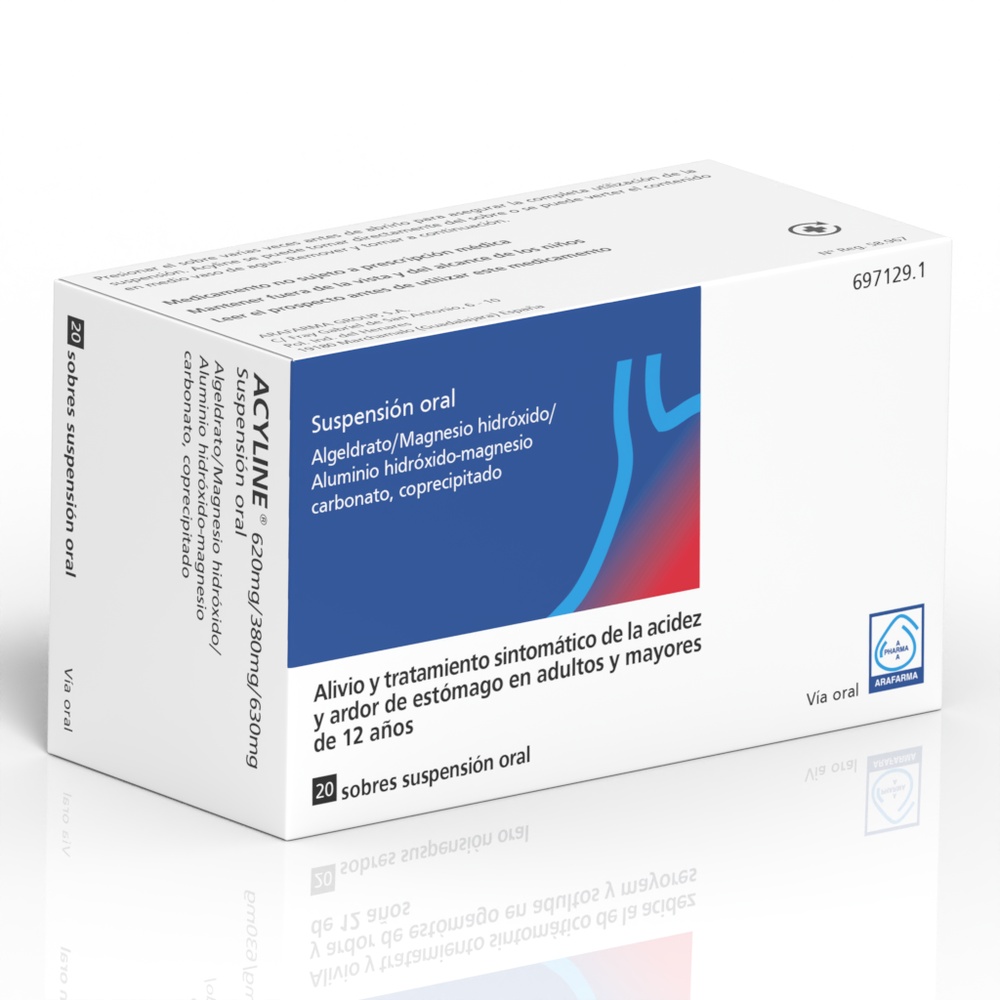
The active ingredients are: Algeldrate 620 mg, Magnesium hydroxide 380 mg, Aluminum hydroxide-magnesium carbonate, coprecipitate 630 mg.
The other ingredients (excipients) are: Sucralose (E-955), Ethanol (96 percent), Chlorhexidine acetate, Hydroxyethylcellulose, Peppermint flavor, and Purified water. See section 2 "ACYLINE contains ethanol (96 percent)"
Appearance of the Product and Package Contents
ACYLINE is presented as a white oral suspension.
Each package contains 20 sachets with 10 ml of suspension
Marketing Authorization Holder and Manufacturer
ARAFARMA GROUP S.A.
C/ Fray Gabriel de San Antonio 6-10
Pol. Ind. Henares
19180 Marchamalo, Guadalajara
Email: [email protected]
Phone: 949 22 56 22
Date of the Last Revision of this Package Leaflet: March 2014
Detailed and updated information on this medication is available on the website of the Spanish Medicines and Health Products Agency (AEMPS) http://www.aemps.gob.es/
-

- Country of registration
- Dosage formORAL SOLUTION/SUSPENSION, 310 mg; 190 mg; 315 mg/5 ml
- ATC codeA02AD01
- Active substance
- Prescription requiredNo
- Manufacturer
- This information is for reference only and does not constitute medical advice. Always consult a doctor before taking any medication. Oladoctor is not responsible for medical decisions based on this content.
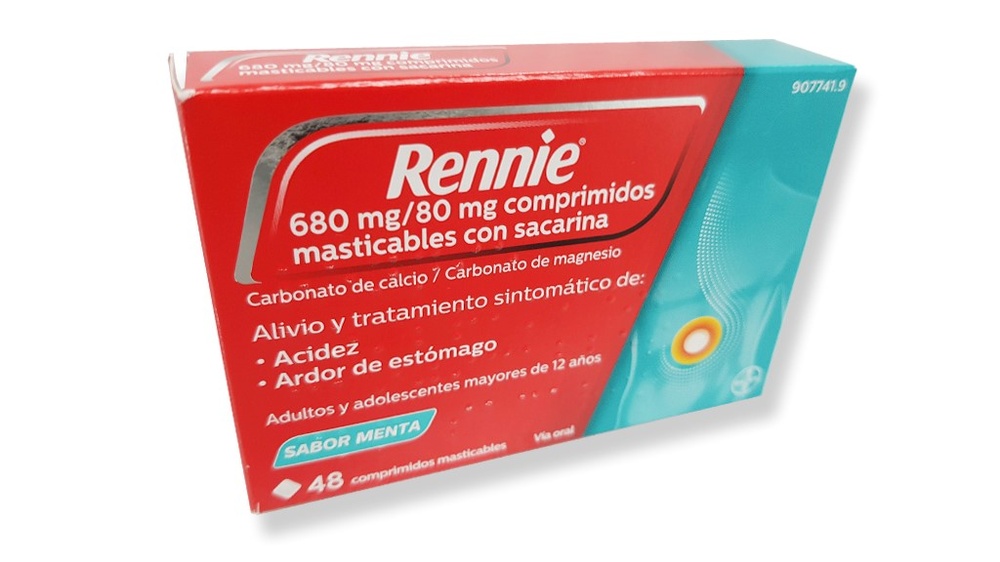
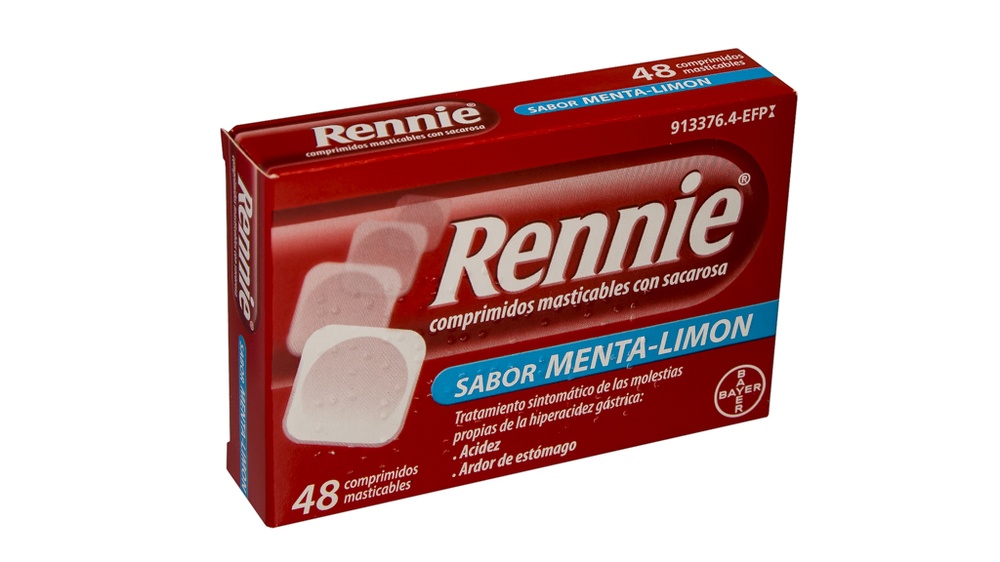
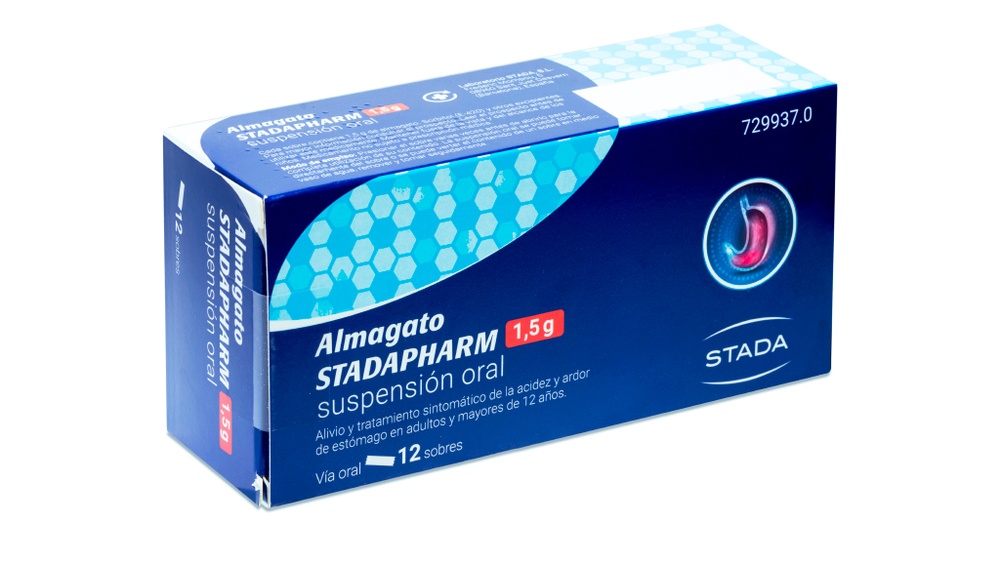
- Alternatives to ACYLINE 620 mg/380 mg/630 mg ORAL SUSPENSIONDosage form: CHEWABLE TABLET, 680 mg calcium carbonate; 80 mg magnesium carbonateActive substance: ordinary salt combinationsManufacturer: Bayer Hispania S.L.Prescription not requiredDosage form: CHEWABLE TABLET, 680 mg calcium carbonate; 80 mg magnesium carbonateActive substance: ordinary salt combinationsManufacturer: Bayer Hispania S.L.Prescription not requiredDosage form: ORAL SOLUTION/SUSPENSION, 1.5 gActive substance: almagateManufacturer: Laboratorio Stada S.L.Prescription not required
Online doctors for ACYLINE 620 mg/380 mg/630 mg ORAL SUSPENSION
Discuss questions about ACYLINE 620 mg/380 mg/630 mg ORAL SUSPENSION, including use, safety considerations and prescription review, subject to medical assessment and local regulations.

Get ACYLINE 620 mg/380 mg/630 mg ORAL SUSPENSION Prescription Online
Fill in a 2-min form
Tell us your symptoms, history, and what medicine you're requesting.
Pick a doctor or let us assign
Choose a specialist or we'll match you with the next available doctor.
Doctor reviews your case
Usually within 30 minutes. They may ask follow-up questions via chat.
Collect from any pharmacy
Electronic prescription sent to your email — valid across Spain.
Frequently Asked Questions
ACYLINE 620 mg/380 mg/630 mg ORAL SUSPENSION does not require a prescription in Spain. You can check with a doctor online whether this medicine may be appropriate for your situation.
The active ingredient in ACYLINE 620 mg/380 mg/630 mg ORAL SUSPENSION is ordinary salt combinations. This information helps identify medicines with the same composition but different brand names.
ACYLINE 620 mg/380 mg/630 mg ORAL SUSPENSION is manufactured by Arafarma Group S.A.. Pharmacy brands and packaging may differ depending on the distributor.
Doctors such as Family doctors, Psychiatrists, Dermatologists, Cardiologists, Endocrinologists, Gastroenterologists, Pulmonologists, Nephrologists, Rheumatologists, Hematologists, Infectious disease physicians, Allergists, Geriatricians, Paediatricians, Oncologists may assess whether ACYLINE 620 mg/380 mg/630 mg ORAL SUSPENSION is appropriate, depending on your situation and local regulations. You can book an online consultation to discuss your symptoms and possible next steps.
Spain has a well-developed healthcare infrastructure across major cities such as Madrid, Barcelona, Valencia, and Seville. Pharmacies are widely available and operate under strict regulations, ensuring access to prescribed medications.
You can buy ACYLINE 620 mg/380 mg/630 mg ORAL SUSPENSION in Madrid, Barcelona, Seville, or Valencia at any local pharmacy with a valid prescription.
To obtain a prescription, you can use Oladoctor:
Other medicines with the same active substance (ordinary salt combinations) include RENNIE 680 MG/80 MG CHEWABLE TABLETS WITH SACCHARIN, RENNIE 680 MG/80 MG CHEWABLE TABLETS WITH SUCROSE, ALMAGATO STADAPHARM 1.5 G ORAL SUSPENSION. These may have different brand names or formulations but contain the same therapeutic ingredient. Always consult a doctor before switching or starting a new medicine.
