COVID-19
La COVID-19 es una enfermedad infecciosa causada por el virus SARS-CoV-2, con síntomas que van desde leves hasta graves.
Si reconoces estos síntomas, consulta con un médico lo antes posible.


-
En esta página
Información relacionada sobre la COVID-19 Síntomas de la COVID-19 y qué hacer Síntomas de la COVID-19Qué hacer si tienes síntomas de la COVID-19Cómo cuidar los síntomas de la COVID-19 por ti mismo Llama al 112 o ve a urgencias si tú o un niño: Más información Cómo evitar contraer y propagar la infección por COVID-19 Cómo se propaga el COVID-19Cómo reducir tu riesgo de infección por COVID-19Cómo evitar propagar el COVID-19Más información Tratamientos para COVID-19 ¿Quién puede recibir tratamiento para COVID-19?Tratamientos para COVID-19Cómo obtener tratamiento para COVID-19 -
Medicamentos comúnmente prescritos para COVID-19
Solo con fines informativos. Consulta siempre a un médico antes de usar cualquier medicamento.
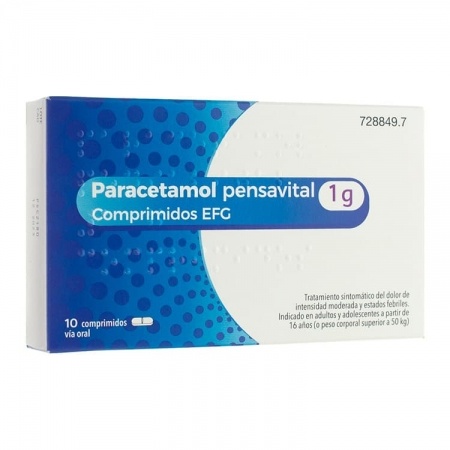
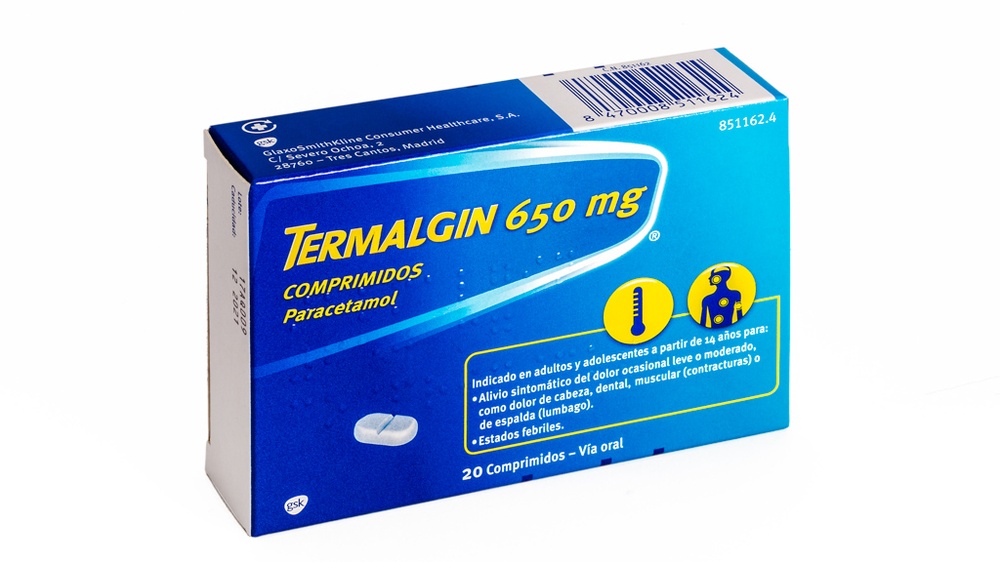
Forma farmacéutica: COMPRIMIDO, 1000 mgPrincipio activo: ParacetamolFabricante: Aurovitas Spain, S.A.U.Requiere recetaForma farmacéutica: COMPRIMIDO, 1 gPrincipio activo: ParacetamolFabricante: Towa Pharmaceutical S.A.No requiere recetaForma farmacéutica: COMPRIMIDO, 650 mgPrincipio activo: ParacetamolFabricante: Haleon Spain S.A.No requiere receta

Información relacionada sobre la COVID-19
- COVID prolongado
- Vacunación contra la COVID-19
- Prueba de flujo lateral rápido para la COVID-19
Síntomas de la COVID-19 y qué hacer
Síntomas de la COVID-19
Los síntomas de la COVID-19 pueden incluir:
- fiebre alta o escalofríos – una fiebre alta significa que sientes calor al tacto en el pecho o la espalda (no es necesario medir tu temperatura)
- tos nueva y continua – esto significa toser mucho durante más de una hora, o 3 o más episodios de tos en 24 horas
- pérdida o cambio en tu sentido del olfato o del gusto
- falta de aliento
- sensación de cansancio o agotamiento
- dolor corporal
- dolor de cabeza
- dolor de garganta
- nariz congestionada o que moquea
- pérdida de apetito
- diarrea
- náuseas o vómitos
Los síntomas son muy similares a los de otras enfermedades, como los resfriados y la gripe.
La mayoría de las personas se sienten mejor en unas pocas semanas, pero puede tardar más tiempo en recuperarse.
Para algunas personas, puede ser una enfermedad más grave y sus síntomas pueden durar más tiempo.
Qué hacer si tienes síntomas de la COVID-19
Intenta quedarte en casa y evitar el contacto con otras personas si tú o tu hijo tienen síntomas y además:
- tienes fiebre alta
- no te sientes lo suficientemente bien como para ir al trabajo, a la escuela, a la guardería o para realizar tus actividades normales
Puedes volver a tus actividades normales cuando te sientas mejor o no tengas fiebre.
Si tu hijo tiene síntomas leves como moqueo, dolor de garganta o tos leve, y se siente lo suficientemente bien, puede ir a la escuela o a la guardería.
Si te dan positivo en la prueba de COVID-19
La mayoría de las personas no necesitan realizar una prueba rápida de flujo lateral de COVID-19 si tienen síntomas.
Pero si decides hacerte una prueba y el resultado es positivo:
- intenta quedarte en casa y evitar el contacto con otras personas durante 3 días después del día en que se realizó la prueba si tú o tu hijo tienen menos de 18 años – los niños y los jóvenes tienden a ser infecciosos durante menos tiempo que los adultos
- intenta quedarte en casa y evitar el contacto con otras personas durante 5 días después del día en que te hiciste la prueba si tienes 18 años o más
- evita reunirte con personas que tienen más probabilidades de enfermarse gravemente por infecciones, como personas con un sistema inmunológico debilitado, durante 10 días después del día en que te hiciste la prueba
Si tienes derecho a tratamientos para la COVID-19, debes hacerte una prueba rápida de flujo lateral tan pronto como tengas síntomas.
Cómo cuidar los síntomas de la COVID-19 por ti mismo
No siempre es posible tratar la COVID-19. Pero hay cosas que puedes hacer para ayudar a aliviar algunos de los síntomas, como la fiebre alta, la tos y la dificultad para respirar.
Haz
- descansa mucho
- bebe mucha agua para evitar la deshidratación (tu orina debe ser de color amarillo claro o transparente)
- toma paracetamol o ibuprofeno si te sientes incómodo
- intenta tomar una cucharadita de miel si tienes tos – no le des miel a los bebés menores de 12 meses
- intenta bajar la calefacción o abrir una ventana para ayudar con la dificultad para respirar
- respira lentamente por la nariz y exhala por la boca, con los labios juntos como si estuvieras soplando suavemente una vela
- siéntate derecho en una silla para ayudar con la dificultad para respirar
- relaja los hombros, para que no estés encorvado para ayudar con la dificultad para respirar
- inclínate ligeramente hacia adelante – apóyate poniendo las manos sobre las rodillas o sobre algo estable como una silla para ayudar con la dificultad para respirar
No
- no te acuestes boca arriba si tienes tos – acuéstate de lado o siéntate derecho en su lugar
- no uses un ventilador para enfriar la habitación ya que puede propagar el virus
- no entres en pánico si te sientes sin aliento – esto puede empeorarlo
Mira un video para descubrir cómo puedes ayudar a aliviar la dificultad para respirar
Un farmacéutico puede ayudar con la tos
Si tienes tos, puedes pedirle consejo a un farmacéutico sobre tratamientos para la tos.
Llama al 112 o ve a urgencias si tú o un niño:
- parece muy enfermo, empeora o crees que hay algo gravemente mal – los niños y los bebés en particular pueden enfermarse muy rápidamente
- sientes un dolor repentino en el pecho
- estás tan sin aliento que no puedes decir frases cortas cuando estás descansando o tu respiración ha empeorado repentinamente – en los bebés, su estómago puede hundirse debajo de las costillas
- empiezas a toser sangre
- te desmayas, te desmayas o tienes una convulsión o ataque por primera vez
- una erupción que no desaparece cuando pasas un vaso por encima, como la meningitis
Más información
Lee más sobre cómo evitar contraer y propagar la COVID-19
Cómo evitar contraer y propagar la infección por COVID-19
Cómo se propaga el COVID-19
El COVID-19 se propaga muy fácilmente a través del contacto cercano con personas que tienen el virus.
Cuando alguien con COVID-19 respira, habla, tose o estornuda, libera pequeñas gotas que contienen el virus. Puedes contagiártelo al inhalar estas gotas o al tocar superficies cubiertas por ellas y luego tocarte los ojos, la nariz o la boca.
Es más probable que te contagies en interiores y en lugares concurridos.
Aún puedes contraer o propagar el COVID-19 si:
- no tienes síntomas
- estás completamente vacunado
- has tenido el virus antes
Muchas personas ya no serán infecciosas para los demás después de 5 días, pero puedes ser infeccioso hasta por 10 días.
Cómo reducir tu riesgo de infección por COVID-19
Es importante lavarse las manos con agua y jabón o usar desinfectante de manos regularmente a lo largo del día. Intenta evitar tocarte los ojos, la nariz o la boca si tus manos no están limpias.
Si tienes un riesgo mayor de contraer COVID-19
Si tú o tu hijo tienen un riesgo mayor de enfermarse por COVID-19, intenta evitar el contacto con personas que tengan síntomas de COVID-19 hasta que se sientan mejor.
También puedes:
- abrir ventanas y puertas si te reúnes con personas en interiores, o reunirte con ellas en exteriores
- mantener al menos 2 metros de distancia de las personas (especialmente en interiores o en lugares concurridos)
- trabajar desde casa si puedes, o hablar con tu empleador sobre cómo puede ayudarte a reducir tu riesgo en el trabajo
- usar una mascarilla cuando sea difícil mantener la distancia de otras personas
- pensar en pedirles a las personas que usen una mascarilla o que se hagan una prueba rápida de flujo lateral si te reúnes con ellas en interiores
Cómo evitar propagar el COVID-19
Si tienes síntomas de COVID-19 o has dado positivo, hay cosas que puedes hacer para ayudar a evitar que lo transmitas a otras personas, incluidas aquellas con las que vives:
- cúbrete la boca y la nariz cuando toses o estornudes y anima a los niños a hacer lo mismo
- limpia regularmente las superficies que tocas con frecuencia (como manijas de puertas y controles remotos) y en espacios compartidos, como cocinas o baños
- intenta mantenerte alejado de otras personas, incluidas aquellas con las que vives, hasta que te sientas mejor
- hazle saber a las personas que necesitan entrar en tu casa que has dado positivo o tienes síntomas
- piensa en pedir a amigos, familiares o vecinos que te consigan comida y otros artículos esenciales
- evita los lugares interiores o concurridos (incluido el transporte público o las grandes reuniones sociales) o los lugares donde no haya mucho aire fresco si necesitas salir de casa
- usa una mascarilla cuando sea difícil mantener la distancia de otras personas
- hazle saber a los profesionales de la salud sobre tu resultado positivo o tus síntomas si te piden que asistas a una cita en persona
Más información
- Lee más sobre los síntomas del COVID-19 y qué hacer
Tratamientos para COVID-19
Eres elegible para una evaluación de tratamiento para COVID-19, sin necesidad de ser ingresado en el hospital, si se cumplen todas las siguientes condiciones:
- estás en el mayor riesgo de enfermar gravemente por COVID-19
- tienes 12 años o más
- tienes síntomas de COVID-19
- has dado positivo en la prueba de COVID-19
Mostrar personas con mayor riesgo
Es posible que estés en el mayor riesgo de enfermar gravemente por COVID-19 si:
- tienes síndrome de Down, u otra condición cromosómica que afecte a tu sistema inmunológico
- tienes ciertos tipos de cáncer, o has recibido tratamiento para ciertos tipos de cáncer
- tienes enfermedad de células falciformes
- tienes ciertas condiciones que afectan a tu sangre, incluidos algunos tipos de cáncer de sangre
- tienes enfermedad renal crónica (ERC) en etapa 4 o 5, incluidos los pacientes en diálisis
- tienes una enfermedad hepática grave
- has recibido un trasplante de órganos
- tienes ciertas afecciones autoinmunes o inflamatorias, como artritis reumatoide o enfermedad inflamatoria intestinal
- tienes VIH o SIDA y tienes un sistema inmunológico debilitado
- tienes una condición que afecta a tu sistema inmunológico
- tienes una condición que afecta al cerebro o al sistema nervioso, como esclerosis múltiple, distrofia muscular, enfermedad de neurona motora, miastenia gravis, enfermedad de Huntington, enfermedad de Parkinson o ciertos tipos de demencia
- tienes ciertas afecciones pulmonares o tratamientos para afecciones pulmonares
Esta lista es un resumen y no cubre todo.
Si no estás seguro de si eres elegible, habla con tu médico de cabecera o especialista del hospital, quien podrá asesorarte.
¿Quién puede recibir tratamiento para COVID-19?
Los tratamientos disponibles para las personas con el mayor riesgo de enfermar gravemente por COVID-19 son:
- nirmatrelvir más ritonavir (Paxlovid)
- sotrovimab (Xevudy)
- molnupiravir (Lagevrio)
Nirmatrelvir más ritonavir y molnupiravir son medicamentos antivirales.
Al ser evaluado para el tratamiento, un médico te aconsejará qué tratamiento es el más adecuado para ti.
Algunos tratamientos vienen en forma de cápsulas o tabletas que se tragan. Otros se te administran a través de una vía intravenosa en el brazo (infusión), generalmente en un hospital o centro de salud local.
Estos tratamientos pueden ayudar a algunas personas a controlar sus síntomas de COVID-19 y reducir el riesgo de enfermar gravemente.
Si necesitas ser ingresado en el hospital por COVID-19, es posible que recibas otros tratamientos.
Tratamientos para COVID-19
Tu consejo integrado de atención local (ICB) o centro de salud puede proporcionarte más información.
Si crees que estás en el grupo de mayor riesgo y necesitas acceder a un tratamiento para COVID-19, sigue estos pasos para que se considere una derivación.
1. Mantén las pruebas de flujo lateral rápidas en casa
Si eres elegible para un tratamiento para COVID-19, debes mantener las pruebas de flujo lateral rápidas en casa.
Es posible que puedas recoger kits de prueba de flujo lateral rápidos gratuitos en tu farmacia local si eres elegible para un tratamiento para COVID-19.
que ofrece pruebas de flujo lateral rápidas gratuitas para COVID-19
Cualquiera que recoja pruebas gratuitas en tu nombre debe proporcionar a la farmacia tus datos, incluyendo tu:
- nombre completo
- dirección
- fecha de nacimiento
- condición médica(s) para confirmar tu elegibilidad
2. Hazte una prueba de flujo lateral rápida si tienes síntomas
Si tienes alguno de los síntomas de COVID-19, hazte una prueba de flujo lateral rápida lo antes posible, incluso si tus síntomas son leves. Solo hazte la prueba si tienes síntomas.
También puedes utilizar pruebas que hayas pagado, por ejemplo, una prueba que hayas comprado en un supermercado o farmacia.
4. Si tu prueba es negativa, haz un total de 3 pruebas en 3 días
Si el resultado de tu prueba es negativo, pero sigues teniendo síntomas de COVID-19, debes hacer un total de 3 pruebas de flujo lateral rápidas en 3 días.
Por ejemplo, si te hiciste la primera prueba hoy, debes hacer una segunda prueba mañana y una tercera prueba al día siguiente.
Cómo obtener tratamiento para COVID-19
- Encuentra tu ICB (consejo integrado de atención local) para acceder a los tratamientos para COVID en tu área
Médicos online para COVID-19
Comenta tus síntomas y los posibles siguientes pasos para COVID-19 con un médico online.