Pityriasis rosea
Pityriasis rosea is a common skin rash. It's mild and usually goes away on its own without treatment.





-
En esta página
-
Medicamentos comúnmente prescritos para Pityriasis rosea
Solo con fines informativos. Consulta siempre a un médico antes de usar cualquier medicamento.
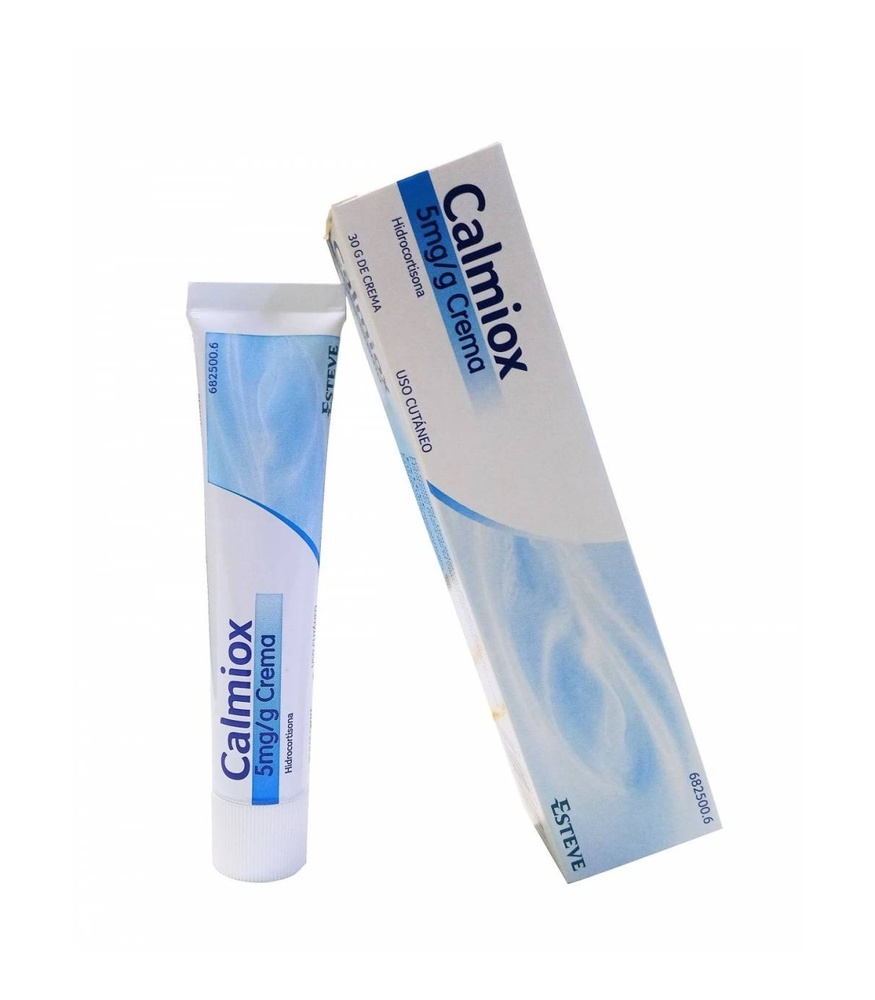
Forma farmacéutica: TABLET, 10 mgPrincipio activo: cetirizineFabricante: Uxa Farma S.A.Requiere recetaForma farmacéutica: CREAM, 5 mg/gPrincipio activo: hydrocortisoneFabricante: Esteve Pharmaceuticals S.A.No requiere recetaForma farmacéutica: TABLET, 10 mgPrincipio activo: cetirizineFabricante: Mabo Farma S.A.Requiere receta

Pityriasis rosea is a common skin rash. It's mild and usually goes away on its own without treatment.
Pityriasis rosea is different to pityriasis versicolor.
Symptoms of pityriasis rosea
The main symptom of pityriasis rosea is a rash.
Some people get flu-like symptoms a few days before the rash appears, including:
- tiredness
- a sore throat
- a high temperature
- a headache
The rash appears in 2 stages.
Stage 1: single, round patch
The first stage of the rash is a single, scaly patch called a herald patch.
The herald patch is usually oval or round, slightly raised and about 2cm to 5cm across. It usually appears on the chest, thigh, upper arm or neck, but you can get it anywhere on the body.

Stage 2: widespread rash
A widespread rash of small, scaly spots appears about 5 to 15 days after you get the herald patch.
Usually you get the rash on your chest and back, but it can appear on the arms or legs. In children, it may appear on the face or scalp.
It usually appears in the same place on both sides of the body and may be itchy.
After the rash has gone, you may have some darker or lighter areas of skin. This may be more obvious on brown or black skin. In most people, these should go back to normal within a few months and will not leave permanent scarring.
If you're not sure it's pityriasis rosea
Other conditions can have similar symptoms to pityriasis rosea.
For example, scaly spots could be psoriasis or eczema, and a single, round patch could be ringworm.
Do not try to diagnose the problem yourself. See a GP if you're worried.
Treatment for pityriasis rosea
Pityriasis rosea usually gets better on its own within a few months without any treatment. It might get worse before it goes away completely.
If the rash is uncomfortable or itchy, a pharmacist might advise:
- using an emollient (moisturising treatment for the skin) on the rash
- taking antihistamine tablets to help with the itching
- avoiding using soaps and body washes
A pharmacist will tell you how often to take or apply any treatments.
If these treatments do not work or if you have severe pityriasis rosea, your GP may recommend steroid cream or refer you to a skin specialist (dermatologist).
See a GP if:
- you have a rash that's still itchy after trying pharmacy treatments like emollients or antihistamines
- you have a rash that has not gone away after 3 months
How you get pityriasis rosea
The exact cause of pityriasis rosea is not known. It may be caused by a virus.
Pityriasis rosea cannot spread from person to person.
Médicos online para Pityriasis rosea
Comenta tus síntomas y los posibles siguientes pasos para Pityriasis rosea con un médico online.