Trigeminal neuralgia

Trigeminal neuralgia is sudden, severe facial pain. It's often describedas a sharp shooting pain or like having an electric shock in the jaw, teeth or gums.

Prescription review online

Prescription review online

A doctor will review your case and issue a prescription if medically appropriate.

Talk to a doctor online

Talk to a doctor online

Discuss your symptoms and possible next steps with a doctor online.

Doctor
5.0(14)

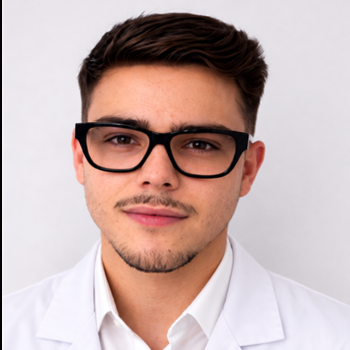
Sergey Ilyasov

PsychiatryNeurology7 years of experience

Dr Sergey Ilyasov is an experienced neurologist and qualified psychiatrist who provides online consultations for adults and adolescents. Combining deep neurological expertise with a modern psychiatric approach, he ensures comprehensive diagnostics and effective treatment for a wide range of conditions affecting both physical and mental health.

Dr. Ilyasov helps patients in the following cases:

  • Chronic headaches (migraine, tension-type headache), back pain, neuropathic pain, dizziness, numbness in limbs, coordination disorders.
  • Anxiety disorders (panic attacks, generalized anxiety disorder), depression (including atypical and treatment-resistant forms), sleep disturbances (insomnia, hypersomnia, nightmares), stress, burnout.
  • Chronic pain syndromes and psychosomatic symptoms (e.g., irritable bowel syndrome related to stress, vegetative-vascular dystonia).
  • Behavioral disorders and concentration difficulties in adolescents (including ADHD, autism spectrum disorders), nervous tics.
  • Memory impairments, phobias, obsessive-compulsive disorder (OCD), emotional swings, and support for post-traumatic stress disorder (PTSD).

Thanks to his dual specialization in neurology and psychiatry, Dr Sergey Ilyasov offers integrated and evidence-based care for complex conditions requiring a multidisciplinary approach. His consultations focus on accurate diagnosis, development of an individualized treatment plan (including pharmacotherapy and psychotherapeutic methods), and long-term support adapted to each patient's unique needs.

Book an online consultation with Dr. Sergey Ilyasov to receive qualified assistance and improve your well-being today.

Book a video appointment
€106
This page provides general information and does not replace a doctor’s consultation. If symptoms are severe, persistent or worsening, seek medical advice promptly.

Trigeminal neuralgia is sudden, severe facial pain. It's often described as a sharp shooting pain or like having an electric shock in the jaw, teeth or gums.

It usually happens in short, unpredictable attacks that can last from a few seconds to about 2 minutes. The attacks stop as suddenly as they start.

In most cases, trigeminal neuralgia affects just one side of the face, with the pain usually felt in the lower part of the face. Very occasionally the pain can affect both sides of the face, although not usually at the same time.

People with the condition may experience attacks of pain regularly for days, weeks or months at a time. In severe cases attacks may happen hundreds of times a day.

It's possible for the pain to improve or even disappear altogether for several months or years at a time (remission), although these periods tend to get shorter with time.

Some people may then develop a more continuous aching, throbbing or burning sensation, sometimes accompanied by the sharp attacks.

Living with trigeminal neuralgia can be very difficult. It can have a significant impact on a person's quality of life, resulting in problems such as weight loss, isolation and depression.

Read more about the symptoms of trigeminal neuralgia.

When to seek medical advice

See a GP if you experience frequent or persistent facial pain, particularly if standard painkillers, such as paracetamol and ibuprofen, do not help and a dentist has ruled out any dental causes.

The GP will try to identify the problem by asking about your symptoms and ruling out conditions that could be responsible for your pain.

However, diagnosing trigeminal neuralgia can be difficult and it can take a few years for a diagnosis to be confirmed.

Read more about diagnosing trigeminal neuralgia.

What causes trigeminal neuralgia?

Trigeminal neuralgia is usually caused by compression of the trigeminal nerve. This is the nerve inside the skull that transmits sensations of pain and touch from your face, teeth and mouth to your brain.

The compression of the trigeminal nerve is usually caused by a nearby blood vessel pressing on part of the nerve inside the skull.

Trigeminal neuralgia can also happen when the trigeminal nerve is damaged by another medical condition, such as multiple sclerosis (MS) or a tumour.

The attacks of pain are usually brought on by activities that involve lightly touching the face, such as washing, eating and brushing the teeth, but they can also be triggered by wind – even a slight breeze or air conditioning – or movement of the face or head. Sometimes the pain can happen without a trigger.

Read more about the causes of trigeminal neuralgia.

Who's affected

It's not clear how many people are affected by trigeminal neuralgia, but it's thought to be rare.

Trigeminal neuralgia affects more women than men, and it usually starts between the ages of 50 and 60. It's rare in adults younger than 40.

Treating trigeminal neuralgia

Trigeminal neuralgia is usually a long-term condition and the periods of remission often get shorter over time. However, the treatments available do help most cases to some degree.

An anticonvulsant medicine called carbamazepine, which is often used to treat epilepsy, is the first treatment usually recommended to treat trigeminal neuralgia. Carbamazepine can relieve nerve pain by slowing down electrical impulses in the nerves and reducing their ability to transmit pain messages.

Carbamazepine needs to be taken several times a day to be effective, with the dose gradually increased over the course of a few days or weeks so high enough levels of the medicine can build up in your bloodstream.

Unless your pain becomes much better, or disappears, the medicine is usually continued for as long as necessary, which could be for many years.

If you're entering a period of remission, where your pain goes away, stopping carbamazepine should always be done slowly, over days or weeks, unless a doctor tells you otherwise.

If this medicine does not help you, causes too many side effects, or you're unable to take it, you may be referred to a specialist to discuss alternative medicines or surgical procedures that may help.

There are a number of minor surgical procedures that can be used to treat trigeminal neuralgia – usually by damaging the nerve to stop it sending pain signals – but these are generally only effective for a few years.

Alternatively, your specialist may recommend having surgery to open your skull and move any blood vessels that are compressing the trigeminal nerve. Research suggests this operation offers the best results for long-term pain relief, but it's a major operation and carries a risk of potentially serious complications, such as hearing loss, facial numbness or, very rarely, a stroke.

Read more about treating trigeminal neuralgia.

Post-herpetic neuralgia

Post-herpetic neuralgia is a more common type of nerve pain that usually develops in an area previously affected by shingles.

 Symptoms Trigeminal neuralgia 

The main symptom of trigeminal neuralgia is sudden attacks of severe, sharp, shooting facial pain that last from a few seconds to about 2 minutes.

The pain is often described as excruciating, like an electric shock. The attacks can be so severe that you're unable to do anything while they're happening.

Trigeminal neuralgia usually affects one side of the face. In some cases it can affect both sides, although not usually at the same time.

The pain can be in the teeth, lower jaw, upper jaw or cheek. Less commonly the pain can also be in the forehead or eye.

After the most severe pain has subsided you may experience a slight ache or burning feeling. You may also have a constant throbbing, aching or burning sensation between attacks.

You may experience regular episodes of pain for days, weeks or months at a time. Sometimes the pain may disappear completely and not return for several months or years. This is known as remission.

In severe cases of trigeminal neuralgia the attacks may happen hundreds of times a day and there may be no periods of remission.

Symptom triggers

Attacks of trigeminal neuralgia can be triggered by certain actions or movements, such as:

  • talking
  • smiling
  • chewing
  • brushing your teeth
  • washing your face
  • a light touch
  • shaving or putting on make-up
  • swallowing
  • kissing
  • a cool breeze or air conditioning
  • head movements
  • vibrations, such as walking or travelling in a car

However, pain can happen spontaneously with no trigger whatsoever.

Further problems

Living with trigeminal neuralgia can be very difficult and your quality of life can be significantly affected.

You may feel like avoiding activities such as washing, shaving or eating so you do not trigger the pain, and the fear of pain may mean you avoid social activities.

However, it's important to try to live a normal life and be aware that becoming undernourished or dehydrated can make the pain worse.

The emotional strain of living with repeated episodes of pain can lead to psychological problems, such as depression. During periods of extreme pain some people may even consider suicide. Even when pain-free, you may live in fear of the pain returning.

Read more advice about ways to manage pain.

When to see a GP

You should see a GP if you experience frequent or persistent facial pain, particularly if standard painkillers such as paracetamol and ibuprofen do not help and a dentist has ruled out any dental causes.

Trigeminal neuralgia can be difficult to diagnose. The GP will try to identify the problem by asking about your symptoms and ruling out other conditions that could be responsible for your pain.

Read more about diagnosing trigeminal neuralgia.

 Causes Trigeminal neuralgia 

There are 3 main types of trigeminal neuralgia:

  • classical trigeminal neuralgia – which is caused by pressure on the trigeminal nerve; this nerve provides sensation to the face
  • secondary trigeminal neuralgia – which is caused by another medical condition or problem
  • idiopathic trigeminal neuralgia – this term is used when the cause is unknown

Classical trigeminal neuralgia

Classical trigeminal neuralgia is caused by pressure on the trigeminal nerve close to where it enters the brain stem.

The brain stem is the lowest part of the brain that merges with the spinal cord.

In most cases the pressure is caused by an artery or vein squashing (compressing) the trigeminal nerve. These are normal blood vessels that happen to come into contact with the nerve at a particularly sensitive point.

It's not clear why this pressure can cause painful attacks in some people but not others, as not everyone with a compressed trigeminal nerve will experience pain.

It may be that, in some people, the pressure on the nerve wears away its protective outer layer (myelin sheath), which may cause pain signals to travel along the nerve. However, this does not fully explain why some people have periods without symptoms (remission), or why pain relief is immediate after a successful operation to move the blood vessels away from the nerve.

Consult with a doctor about Trigeminal neuralgia

Consult with a doctor about Trigeminal neuralgia

Discuss your symptoms and possible next steps with a doctor online.

Secondary trigeminal neuralgia

Secondary trigeminal neuralgia is the term used when trigeminal neuralgia is caused by another medical condition or problem, including:

  • a tumour
  • a cyst – a fluid-filled sac
  • arteriovenous malformation – an abnormal tangle of arteries and veins
  • multiple sclerosis (MS) – a long-term condition that affects the nervous system
  • facial injury
  • damage caused by surgery including dental surgery

 Diagnosis Trigeminal neuralgia 

As the pain caused by trigeminal neuralgia is often felt in the jaw, teeth or gums, many people with the condition visit a dentist before going to a GP.

The dentist will ask you about your symptoms and give you a dental X-ray to help them investigate your facial pain. They'll look for common causes of facial pain, such as a dental infection or cracked tooth.

Trigeminal neuralgia is often diagnosed by a dentist, but if you have seen a dentist and they could not find an obvious cause of your pain, you should visit a GP.

Seeing a GP

There's no specific test for trigeminal neuralgia, so a diagnosis is usually based on your symptoms and description of the pain.

If you've experienced attacks of facial pain, the GP will ask you questions about your symptoms, such as:

  • how often do the pain attacks happen
  • how long do the pain attacks last
  • which areas of your face are affected

The GP will consider other possible causes of your pain and may also examine your head and jaw to identify which parts are painful.

If your GP does think you could have trigeminal neuralgia then they may refer you to a specialist for further testing.

Ruling out other conditions

An important part of the process of diagnosing trigeminal neuralgia involves ruling out other conditions that cause facial pain.

By asking about your symptoms and carrying out an examination, the GP may be able to rule out other conditions, such as:

  • jaw or dental problems
  • cluster headaches
  • post-herpetic neuralgia – a type of nerve pain linked to shingles

The GP will also ask about your medical, personal and family history when trying to find the cause of your pain.

For example, you're less likely to have trigeminal neuralgia if you're under 40 years old. Multiple sclerosis (MS) may be a more likely cause if you have a family history of the condition or you have some other form of this condition.

However, trigeminal neuralgia is very unlikely to be the first symptom of MS.

MRI scans

A MRI scan is often used to help with the diagnosis of trigeminal neuralgia.

An MRI scan uses strong magnetic fields and radio waves to create detailed images of the inside of your body.

It can help identify potential causes of your facial pain, such as inflammation of the lining of the sinuses (sinusitis), tumours on one of the facial nerves, or nerve damage caused by MS.

An MRI scan may also be able to detect whether a blood vessel in your head is compressing one of the trigeminal nerves, which is thought to be the most common cause of trigeminal neuralgia.

 Treatment Trigeminal neuralgia 

A number of treatments can offer some relief from the pain caused by trigeminal neuralgia.

Most people with trigeminal neuralgia will be prescribed medicine to help control their pain, although surgery may be considered for the longer term in cases where medicine is ineffective or causes too many side effects.

Medicine

As painkillers like paracetamol are not effective in treating trigeminal neuralgia, you'll usually be prescribed an anticonvulsant – a type of medicine used to treat epilepsy – to help control your pain.

Anticonvulsants were not originally designed to treat pain, but they can help to relieve nerve pain by slowing down electrical impulses in the nerves and reducing their ability to send pain messages.

They need to be taken regularly, not just when the pain attacks happen, but you can stop taking them if the episodes of pain cease and you're in remission.

Unless a GP or specialist tells you to take your medicine in a different way, it's important to increase your dosage slowly. If the pain goes into remission, you can gradually reduce the dosage over the course of a few weeks. Taking too much too soon, or stopping the medicine too quickly can cause serious problems.

At the start, the GP will probably prescribe a type of anticonvulsant called carbamazepine, although a number of alternative anticonvulsants are available if this is ineffective or unsuitable.

Carbamazepine

The anticonvulsant carbamazepine is currently the only medicine licensed to treat trigeminal neuralgia in the UK. It can be very effective initially but may become less effective over time.

You'll usually need to take carbamazepine at a low dose once or twice a day, with the dose being gradually increased and taken up to 4 times a day until it provides satisfactory pain relief.

Like all medicines, carbamazepine can cause side effects, although not everyone gets them.

Possible side effects include:

  • tiredness and sleepiness
  • dizziness (lightheadedness)
  • difficulty concentrating and memory problems
  • confusion
  • feeling unsteady on your feet
  • feeling and being sick
  • double vision
  • a reduced number of infection-fighting white blood cells (leukopenia)
  • allergic skin reactions, such as hives (urticaria)

Carbamazepine has been linked to the serious allergic skin condition Stevens-Johnson syndrome. Call 112 or go to A&E if you get a severe skin rash with flushing, blisters or ulcers. These can be symptoms of Stevens-Johnson syndrome.

Carbamazepine has also been linked to a number of less common but more serious side effects, including thoughts of self-harm or suicide.

Call 112 or go to A&E if you have thoughts of harming or killing yourself.

Carbamazepine has been linked to an increased risk of problems for your baby if you take it in pregnancy.

You'll usually only be advised to take carbamazepine if your doctor thinks the benefits of the medicine outweigh the risks.

If you get pregnant while you're taking carbamazepine contact your GP or doctor immediately.

Read more information about carbamazepine and other, less common, side effects.

Other medicines

Carbamazepine may stop working over time. In this case, or if you experience significant side effects while taking it, you should be referred to a specialist to consider alternative medicines or procedures.

There are a number of specialists you may be referred to for further treatment, including neurologists specialising in headaches, neurosurgeons, and pain medicine specialists.

In addition to carbamazepine, a number of other medicines have been used to treat trigeminal neuralgia, including:

None of these medicines are specifically licensed for the treatment of trigeminal neuralgia, which means they have not undergone rigorous clinical trials to determine whether they're effective and safe to treat the condition.

However, many specialists will prescribe an unlicensed medicine if they think it's likely to be effective and the benefits of treatment outweigh any associated risks.

If your specialist prescribes you an unlicensed medicine to treat trigeminal neuralgia, they should inform you that it's unlicensed and discuss the possible risks and benefits with you.

They should also talk to you about possible side effects of the medicines and what you can do if you get any.

Read more medicines information, including how new medicines become available and the licensing of medicines.

Surgery and procedures

If medicine does not adequately control your symptoms or is causing persistently troublesome side effects, you may be referred to a specialist to discuss the different surgical and non-surgical options available to you.

A number of procedures have been used to treat trigeminal neuralgia, so discuss the potential benefits and risks of each one with your specialist before you make a decision.

There's no guarantee that any of these procedures will work for you. However, if a procedure is successful, you will no longer need to take pain medicines unless the pain returns.

If one procedure does not work, you can try another procedure, or keep taking medicines for the short term or permanently.

Some of the procedures that can be used to treat trigeminal neuralgia are outlined below.

Percutaneous procedures

There are a number of procedures that can offer some relief from the pain of trigeminal neuralgia, at least temporarily, by inserting a needle or thin tube through the cheek and into the trigeminal nerve inside the skull.

These are known as percutaneous procedures. X-rays of your head and neck are taken to help guide the needle or tube into the correct place while you're heavily sedated with medicine or under a general anaesthetic, where you're unconscious.

Percutaneous procedures to treat trigeminal neuralgia include:

  • glycerol injections – where a medicine called glycerol is injected around the Gasserian ganglion, where the 3 main branches of the trigeminal nerve join together
  • radiofrequency lesioning – where a needle is used to apply heat directly to the Gasserian ganglion
  • balloon compression – where a tiny balloon is passed along a thin tube that has been inserted through the cheek. The balloon is then inflated around the Gasserian ganglion to squeeze it; the balloon is then removed

These procedures work by deliberately injuring or damaging the trigeminal nerve, which is thought to disrupt the pain signals travelling along it. You should be able to go home the same day or the day after.

As with all types of surgery, each of these procedures carries a risk of complications. These vary depending on the procedure and the individual.

The pain relief will usually only last a few years or, in some cases, a few months. Sometimes these procedures do not work at all.

The major side effect of these procedures is numbness in part or all of one side of the face, which can vary from being very numb or just pins and needles.

The sensation, which can be permanent, is often similar to the feeling you have after an injection at the dentist. You can also develop a combination of numbness and continuous pain called anaesthesia dolorosa, which is virtually untreatable, however this is very rare.

Other uncommonly reported risks include eye damage and the known risks associated with the use of general anaesthetic.

Stereotactic radiosurgery

Stereotactic radiosurgery is a fairly new treatment that uses a concentrated beam of radiation to deliberately damage the trigeminal nerve where it enters the brainstem.

Stereotactic radiosurgery does not require a general anaesthetic and no cuts (incisions) are made in your cheek.

A frame or mask is attached to your head to help hold it in place. Beams of radiation are then used treat the nerve.

It can take a few weeks – or sometimes many months – to notice any change after stereotactic radiosurgery, but it can offer pain relief for some people for several months or years.

Facial numbness and pins and needles in the face are the most common complications associated with stereotactic radiosurgery. These side effects can be permanent and, in some cases, very troublesome.

Microvascular decompression

Microvascular decompression (MVD) is an operation that can help relieve trigeminal neuralgia pain without intentionally damaging the trigeminal nerve.

The procedure relieves the pressure placed on the trigeminal nerve by blood vessels that are touching the nerve or are wrapped around it.

MVD is a major procedure that involves opening the skull, and is carried out under general anaesthetic by a neurosurgeon.

During the procedure the surgeon will remove a small section of skull bone in order to relieve pressure on the nerve.

Many people find this surgery is effective at easing or completely stopping the pain of trigeminal neuralgia.

It provides the longest lasting relief, with some studies suggesting that pain returns in about 3 out of 10 cases within 10 to 20 years of surgery

Currently , MVD is the closest possible cure for trigeminal neuralgia. However, it's an invasive procedure and carries a risk of potentially serious complications, such as facial numbness, hearing loss, stroke and even death in around 1 in every 1,000 cases.

Further information and support

Living with a long-term and painful condition, such as trigeminal neuralgia, can be very difficult.

You may find it useful to contact a local or national support group, such as the Trigeminal Neuralgia Association UK, for more information and advice about living with the condition, and to get in touch with other people who have the condition to talk to them about their experiences.

A number of research projects are running both in the UK and abroad to find the cause of trigeminal neuralgia and develop new treatments and new medicines, so there's hope for the future.

Online doctors for Trigeminal neuralgia

Discuss your symptoms and possible next steps for Trigeminal neuralgia with a doctor online.

Doctor
5.0(14)

Sergey Ilyasov

PsychiatryNeurology7 years of experience

Dr Sergey Ilyasov is an experienced neurologist and qualified psychiatrist who provides online consultations for adults and adolescents. Combining deep neurological expertise with a modern psychiatric approach, he ensures comprehensive diagnostics and effective treatment for a wide range of conditions affecting both physical and mental health.

Dr. Ilyasov helps patients in the following cases:

  • Chronic headaches (migraine, tension-type headache), back pain, neuropathic pain, dizziness, numbness in limbs, coordination disorders.
  • Anxiety disorders (panic attacks, generalized anxiety disorder), depression (including atypical and treatment-resistant forms), sleep disturbances (insomnia, hypersomnia, nightmares), stress, burnout.
  • Chronic pain syndromes and psychosomatic symptoms (e.g., irritable bowel syndrome related to stress, vegetative-vascular dystonia).
  • Behavioral disorders and concentration difficulties in adolescents (including ADHD, autism spectrum disorders), nervous tics.
  • Memory impairments, phobias, obsessive-compulsive disorder (OCD), emotional swings, and support for post-traumatic stress disorder (PTSD).

Thanks to his dual specialization in neurology and psychiatry, Dr Sergey Ilyasov offers integrated and evidence-based care for complex conditions requiring a multidisciplinary approach. His consultations focus on accurate diagnosis, development of an individualized treatment plan (including pharmacotherapy and psychotherapeutic methods), and long-term support adapted to each patient's unique needs.

Book an online consultation with Dr. Sergey Ilyasov to receive qualified assistance and improve your well-being today.

Book a video appointment
€106
Doctor
5.0(36)

Andrei Popov

General medicinePain medicine7 years of experience

Dr. Andrei Popov is a family physician with specialized training in the management of chronic pain. He provides video consultations for adults in Spain and across Europe: whether you have been living with pain for months that no one has been able to properly explain, or you need to resolve a health issue without waiting weeks for an appointment.

His approach is clear: to listen, organize your case, and provide you with a practical roadmap based on evidence-based medicine and adapted to your medical history and personal needs.

Pain: how he can help

  • Chronic pain (more than 3 months
  • Migraine and recurrent or high-intensity headaches
  •  Neck, lower back, back and joint pain
  •  Post-traumatic pain after injuries or surgeries
  •  Pain of neurological origin: neuralgia, neuropathic pain, fibromyalgia

General medicine

  • Frequent respiratory infections (cold, flu, persistent cough)
  • Hypertension, diabetes and metabolic disorders
  • Review of laboratory tests and MRI/CT reports (explained in clear language)
  • Preventive medicine and health monitoring
  • Second opinions and treatment adjustments (when clinically appropriate)

What the consultation is like
 Each session lasts up to 30 minutes. We review symptoms, medical history, medications and any tests you provide, and you finish the consultation with a clear treatment plan, defined next steps, and criteria to understand when follow-up may be needed. If warning signs are detected, he will clearly advise whether you need in-person care or urgent medical attention.

Book a video appointment
€86
Doctor
5.0(12)

Yevgen Yakovenko

Family medicine12 years of experience

Dr. Yevgen Yakovenko is a licensed surgeon and general practitioner in Spain and Germany. He specialises in general, paediatric, and oncological surgery, internal medicine, and pain management. He offers online consultations for adults and children, combining surgical precision with therapeutic support. Dr Yakovenko works with patients across different countries and provides care in Ukrainian, Russian, English, and Spanish.

Areas of medical expertise:

  • Acute and chronic pain: headaches, muscle and joint pain, back pain, abdominal pain, postoperative pain. Identifying the cause, selecting treatment, and creating a care plan.
  • Internal medicine: heart, lungs, gastrointestinal tract, urinary system. Management of chronic conditions, symptom control, second opinions.
  • Pre- and postoperative care: risk assessment, decision-making support, follow-up after surgery, rehabilitation strategies.
  • General and paediatric surgery: hernias, appendicitis, congenital conditions, both planned and urgent surgeries.
  • Injuries and trauma: bruises, fractures, sprains, soft tissue damage, wound care, dressing, referral when in-person care is required.
  • Oncological surgery: diagnosis review, treatment planning, and long-term follow-up.
  • Obesity treatment and weight management: a medical approach to weight loss, including assessment of underlying causes, evaluation of comorbidities, development of a personalised plan (nutrition, physical activity, pharmacotherapy if needed), and ongoing progress monitoring.
  • Imaging interpretation: analysis of ultrasound, CT, MRI, and X-ray results, surgical planning based on imaging data.
  • Second opinions and medical navigation: clarifying diagnoses, reviewing current treatment plans, helping patients choose the best course of action.

Experience and qualifications:

  • 12+ years of clinical experience in university hospitals in Germany and Spain.
  • International education: Ukraine – Germany – Spain.
  • Member of the German Society of Surgeons (BDC).
  • Certified in radiological diagnostics and robotic surgery.
  • Active participant in international medical conferences and research.

Dr Yakovenko explains complex topics in a clear, accessible way. He works collaboratively with patients to analyse health issues and make evidence-based decisions. His approach is grounded in clinical excellence, scientific accuracy, and respect for each individual.

If you are unsure about a diagnosis, preparing for surgery, or want to discuss your test results – Dr Yakovenko will help you evaluate your options and move forward with confidence.

Book a video appointment
€72
Doctor
5.0(3)

Lina Travkina

Family medicine13 years of experience

Dr. Lina Travkina is a licensed family and preventive medicine doctor based in Italy. She provides online consultations for adults and children, supporting patients across all stages of care – from acute symptom management to long-term health monitoring and prevention.

Areas of medical care include:

  • Respiratory conditions: colds, flu, acute and chronic bronchitis, mild to moderate pneumonia, bronchial asthma.
  • ENT and eye conditions: sinusitis, tonsillitis, pharyngitis, otitis, infectious and allergic conjunctivitis.
  • Digestive issues: gastritis, acid reflux (GERD), IBS, dyspepsia, bloating, constipation, diarrhoea, functional bowel symptoms, intestinal infections.
  • Urological and infectious diseases: acute and recurrent cystitis, bladder and kidney infections, prevention of recurrent UTIs, asymptomatic bacteriuria.
  • Chronic conditions: hypertension, diabetes, hypercholesterolemia, metabolic syndrome, thyroid disorders, excess weight.
  • Neurological and general symptoms: headache, migraine, dizziness, fatigue, sleep disturbances, reduced concentration, anxiety, asthenia.
  • Chronic pain support: back, neck, joint, and muscle pain, tension syndromes, pain associated with osteochondrosis and chronic conditions.

Additional care areas:

  • Preventive consultations and check-up planning.
  • Medical advice and follow-up consultations.
  • Test interpretation and diagnostic guidance.
  • Structured support for undiagnosed complaints.
  • Second opinion on diagnoses and treatment plans.
  • Nutritional and lifestyle support for vitamin deficiencies, anaemia, metabolic issues.
  • Post-operative recovery support and pain management.
  • Preconception counselling and postpartum support.
  • Immunity support and strategies to reduce frequency of infections.

Dr. Travkina combines evidence-based medicine with an attentive, personalised approach. Her consultations focus not only on treatment, but also on prevention, recovery, and long-term wellbeing.

If during the consultation it becomes clear that your case requires in-person assessment or specialised care outside of her scope, the session will be terminated and the payment fully refunded.

Book a video appointment
€75
Doctor
5.0(2)

Dmytro Horobets

Family medicineEndocrinology7 years of experience

Dr. Dmytro Horobets is a licensed family medicine physician in Poland, specialising in endocrinology, diabetology, obesity management, gastroenterology, pediatrics, general surgery, and pain medicine. He offers online consultations for adults and children, providing personalised medical support for a wide range of acute and chronic health concerns.

Areas of expertise:

  • Endocrinology: diabetes type 1 and type 2, prediabetes, thyroid disorders, metabolic syndrome, hormonal imbalance.
  • Obesity medicine: structured weight management plans, nutritional counselling, obesity-related health risks.
  • Gastroenterology: acid reflux (GERD), gastritis, irritable bowel syndrome (IBS), liver and biliary conditions.
  • Pediatric care: infections, respiratory symptoms, digestive issues, growth and development monitoring.
  • General surgery support: pre- and post-surgical consultations, wound care, rehabilitation.
  • Pain management: chronic and acute pain, back pain, joint pain, post-traumatic pain syndromes.
  • Cardiovascular health: hypertension, cholesterol control, risk assessment for heart disease.
  • Preventive medicine: regular check-ups, health screenings, long-term management of chronic conditions.

Dr. Horobets combines evidence-based medicine with a patient-centred approach. He carefully evaluates each patient’s medical history and symptoms, offering clear explanations and structured treatment plans adapted to individual needs.

Whether you need help managing diabetes, tackling weight-related health issues, interpreting lab results, or receiving general family medicine support, Dr. Horobets provides professional online care tailored to your specific health goals.

Book a video appointment
€71
Doctor
5.0(19)

Nuno Tavares Lopes

Family medicineGeneral medicine18 years of experience

Dr. Nuno Tavares Lopes is a licensed physician in Portugal with 17 years of experience in emergency medicine, family and general practice, and public health. He is the Director of Medical and Public Health Services at an international healthcare network and serves as an external consultant for the WHO and ECDC.

  • Emergency care: infections, fever, chest/abdominal pain, minor injuries, paediatric emergencies
  • Family medicine: hypertension, diabetes, cholesterol, chronic disease management
  • Travel medicine: pre-travel advice, vaccinations, fit-to-fly certificates, travel-related illnesses
  • Sexual and reproductive health: PrEP, STD prevention, counselling, treatment
  • Weight management and wellness: personalised weight loss programmes, lifestyle guidance
  • Skin and ENT issues: acne, eczema, allergies, rashes, sore throat, sinusitis
  • Pain management: acute and chronic pain, post-surgical care
  • Public health: prevention, health screenings, long-term monitoring
  • Sick leave (Baixa médica) connected to Segurança Social in Portugal
  • IMT medical certificates for driving licence exchange
Dr. Nuno Tavares Lopes provides medical support for patients using GLP-1 medications (Mounjaro, Wegovy, Ozempic, Rybelsus) as part of a weight loss strategy. He offers individualised treatment planning, regular follow-up, dose adjustment, and advice on combining medication with sustainable lifestyle changes. Consultations follow the medical standards accepted in Europe.

Dr. Lopes also provides interpretation of medical tests, follow-up care for complex patients, and multilingual support. Whether for urgent concerns or long-term care, he helps patients act with clarity and confidence.

Book a video appointment
€70
Doctor
4.7(10)

Anastasiia Shalko

Family medicinePaediatrics13 years of experience

Dr. Anastasiia Shalko is a general practitioner with a background in both paediatrics and general medicine. She graduated from Bogomolets National Medical University in Kyiv and completed her paediatric internship at the P.L. Shupyk National Medical Academy of Postgraduate Education. After working as a paediatrician in Kyiv, she relocated to Spain, where she has been practising general medicine since 2015, providing care for both adults and children.Her work focuses on urgent, short-term medical concerns – situations where patients need quick guidance, symptom assessment and clear next steps. She helps people understand whether their symptoms require in-person evaluation, home management or a change in treatment. Common reasons for booking an online consultation include:

  • acute respiratory symptoms (cough, sore throat, runny nose, fever)
  • viral illnesses such as colds and seasonal infections
  • gastrointestinal complaints (nausea, diarrhoea, abdominal pain, gastroenteritis)
  • sudden changes in how a child or adult feels
  • questions about existing treatment and whether adjustments are needed
  • renewal of prescriptions when clinically appropriate

Dr. Shalko works specifically with urgent and short-term problems, providing practical recommendations and helping patients determine the safest next step. She explains symptoms clearly, guides patients through decision-making and offers straightforward medical advice for everyday acute issues.She does not provide long-term management of chronic conditions, ongoing follow-up or comprehensive care plans for complex long-term illnesses. Her consultations are designed for acute symptoms, sudden concerns and situations where timely medical input is important.With clinical experience in both paediatrics and general medicine, Dr. Shalko confidently supports adults and children. Her communication style is clear, simple and reassuring, helping patients feel informed and supported throughout the consultation.

Book a video appointment
€56
Doctor
0.0(0)

Maria Martelli

AnaesthesiologyPain medicine12 years of experience

Dr Maria Martelli is a medical doctor specialising in anaesthesiology and pain medicine. She provides online consultations for adults, focusing on the assessment and management of acute, chronic, and complex pain conditions, as well as supportive care in serious illness. She graduated from the Medical University of Silesia in Katowice and completed her specialisation in Anaesthesiology and Intensive Care. Alongside hospital work, she has extensive experience in home and inpatient hospice care, supporting patients with severe pain and advanced disease. Since 2021, she has been a certified specialist and continues to work in anaesthesiology, intensive care, and pain treatment. Patients consult her for: 

  • Chronic pain lasting more than 3 months (musculoskeletal, neuropathic, mixed pain).
  • Acute pain requiring medical assessment and treatment planning.
  • Post-operative pain and recovery support.
  • Cancer-related pain and symptom relief.
  • Palliative care support and quality-of-life improvement.
  • Adjustment and optimisation of pain medication.
  • Second opinions for complex or treatment-resistant pain.

Dr Martelli takes a structured, evidence-based approach, carefully analysing symptoms, previous treatments, and overall health status. Her consultations focus on realistic pain control goals, safety of therapy, and improving daily functioning. She is especially attentive to patients living with long-term pain or serious illness, providing clear explanations, compassionate guidance, and medically sound recommendations adapted to each individual situation.

Book a video appointment
€105

Stay informed about Oladoctor

News about new services, product updates and useful information for patients.

Follow us on social media