Gripe
La gripe a menudo mejora por sí sola, pero puede enfermar gravemente a algunas personas. Es importante recibir la vacuna contra la gripe si se le recomienda.




-
En esta página
-
Medicamentos comúnmente prescritos para Gripe
Solo con fines informativos. Consulta siempre a un médico antes de usar cualquier medicamento.
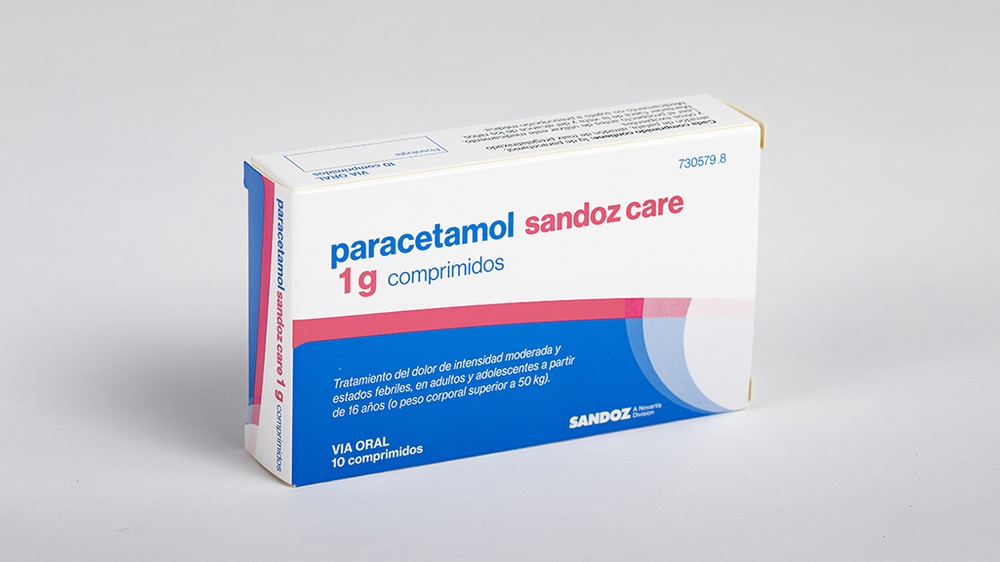
Forma farmacéutica: COMPRIMIDO EFERVESCENTE, 1 g paracetamolPrincipio activo: ParacetamolFabricante: Upsa S.A.S.Requiere recetaForma farmacéutica: COMPRIMIDO, 1 GPrincipio activo: ParacetamolFabricante: Upsa S.A.S.No requiere recetaForma farmacéutica: COMPRIMIDO, 1.000 mgPrincipio activo: ParacetamolFabricante: Sandoz Farmaceutica S.A.No requiere receta


La gripe a menudo mejora por sí sola, pero puede enfermar gravemente a algunas personas. Es importante recibir la vacuna contra la gripe si se le recomienda.
Síntomas de la gripe
Los síntomas de la gripe aparecen muy rápidamente y pueden incluir:
- una temperatura alta repentina
- un cuerpo dolorido
- sentirse cansado o exhausto
- una tos seca
- dolor de garganta
- dolor de cabeza
- dificultad para dormir
- pérdida de apetito
- diarrea o dolor de estómago
- sentirse enfermo y vomitar
Los síntomas son similares en los niños, pero también pueden sentir dolor en el oído y parecer menos activos.
Diferenciar entre resfriado y gripe
Resfriado y los síntomas de la gripe son similares, pero la gripe tiende a ser más grave.
| Gripe | Resfriado |
|---|---|
| Aparece rápidamente en unas pocas horas | Aparece gradualmente |
| Afecta a más que solo su nariz y garganta | Afecta principalmente su nariz y garganta |
| Le hace sentirse exhausto y demasiado mal para continuar con normalidad | Le hace sentirse mal, pero aún se siente lo suficientemente bien como para hacer sus actividades normales |
Cómo tratar la gripe usted mismo
Si tiene gripe, hay algunas cosas que puede hacer para ayudar a mejorar más rápidamente.
Haga
-
descanse y duerma
-
manténgase abrigado
-
tome paracetamol o ibuprofeno para bajar la temperatura y tratar los dolores y molestias
-
dé paracetamol o ibuprofeno a su hijo si está angustiado o incómodo; revise el envase o el prospecto para asegurarse de que el medicamento sea adecuado para su hijo, o consulte a un farmacéutico o médico de cabecera si no está seguro
-
beba mucha agua para evitar la deshidratación (su orina debe ser de color amarillo claro o transparente)

Un farmacéutico puede ayudar con la gripe
Un farmacéutico puede dar consejos sobre el tratamiento y recomendar remedios para la gripe.
No tome paracetamol y remedios para la gripe que contengan paracetamol al mismo tiempo, ya que es fácil tomar más de la dosis recomendada.
Antibióticos
Los antibióticos no funcionan para las infecciones virales como la gripe. Los médicos de cabecera no recomiendan los antibióticos para la gripe porque no aliviarán sus síntomas ni acelerarán su recuperación.
Llame al 112 o vaya a urgencias si:
- siente dolor repentino en el pecho
- tiene dificultad para respirar
- empieza a toser mucha sangre
No conduzca a urgencias. Pida a alguien que lo lleve o llame al 112 y pida una ambulancia.
Traiga cualquier medicamento que esté tomando con usted.
Cómo evitar la propagación de la gripe
La gripe es muy contagiosa y se propaga fácilmente a otras personas. Es más probable que la transmita a otros en los primeros 5 días.
La gripe se propaga por gérmenes de la tos y los estornudos, que pueden vivir en las manos y las superficies durante 24 horas.
Para reducir el riesgo de propagar la gripe:
- lávese las manos a menudo con agua tibia y jabón
- cúbrase la boca y la nariz con un pañuelo cuando tosa o estornude (si no tiene un pañuelo, tosa o estornude en la flexura del codo, no en la mano)
- tire los pañuelos usados lo antes posible
Intente quedarse en casa y evitar el contacto con otras personas si tiene fiebre o no se siente lo suficientemente bien como para hacer sus actividades normales.
Vea cómo lavarse las manos correctamente
Vacuna contra la gripe
La vacuna contra la gripe ayuda a proteger contra la gripe. Es segura y eficaz.
Médicos online para Gripe
Comenta tus síntomas y los posibles siguientes pasos para Gripe con un médico online.