Asma
El asma es una afección común que afecta a tu respiración. Actualmente no se puede curar, pero si se trata adecuadamente, no deberías tener problemas con los síntomas.




-
En esta página
Síntomas del asmaConsulta a un médico si:Cómo tratar un ataque de asmaLlama al 112 si:Solicita una cita urgente con tu médico si:Cómo se diagnostica el asmaTratamiento para el asmaInhaladores para el asmaOtros tratamientos para el asmaTratamiento hospitalario para un ataque de asmaCosas que puedes hacer para ayudar con el asmaHazNoCómo afecta el asma a tu vidaAsma y embarazoCausas del asma -
Medicamentos comúnmente prescritos para Asma
Solo con fines informativos. Consulta siempre a un médico antes de usar cualquier medicamento.
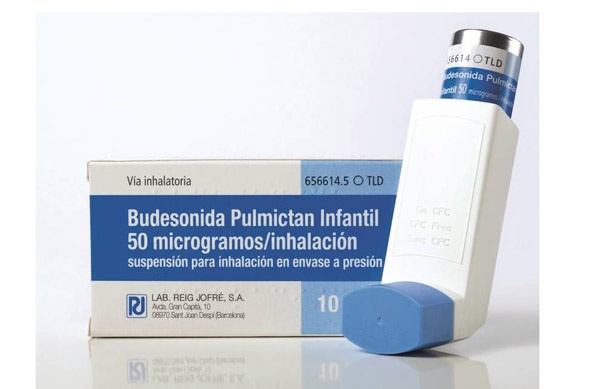
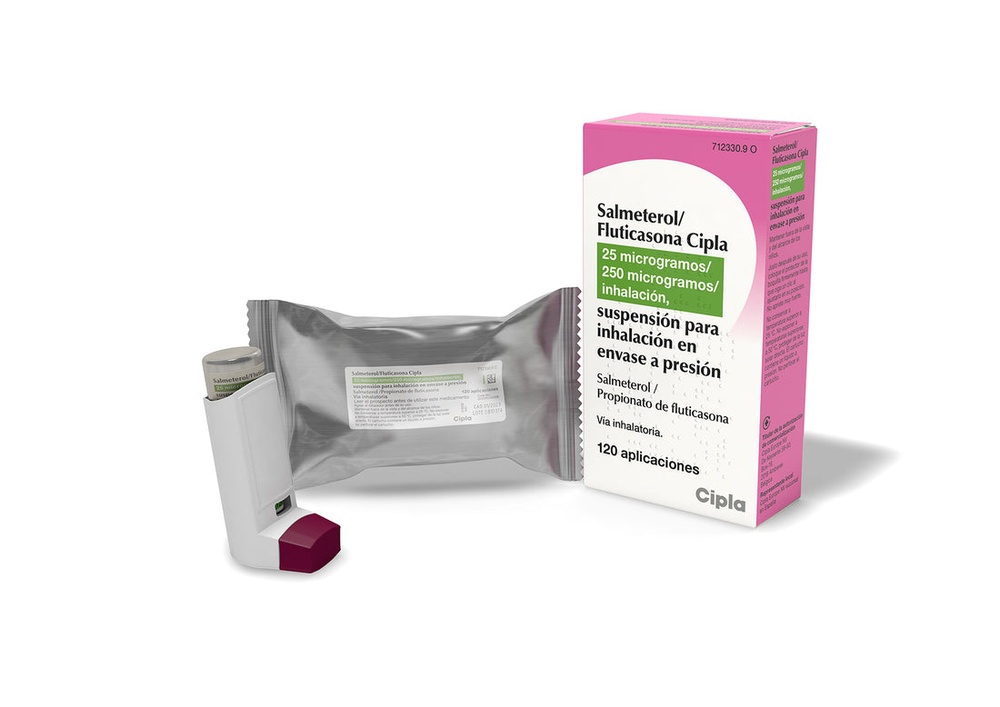
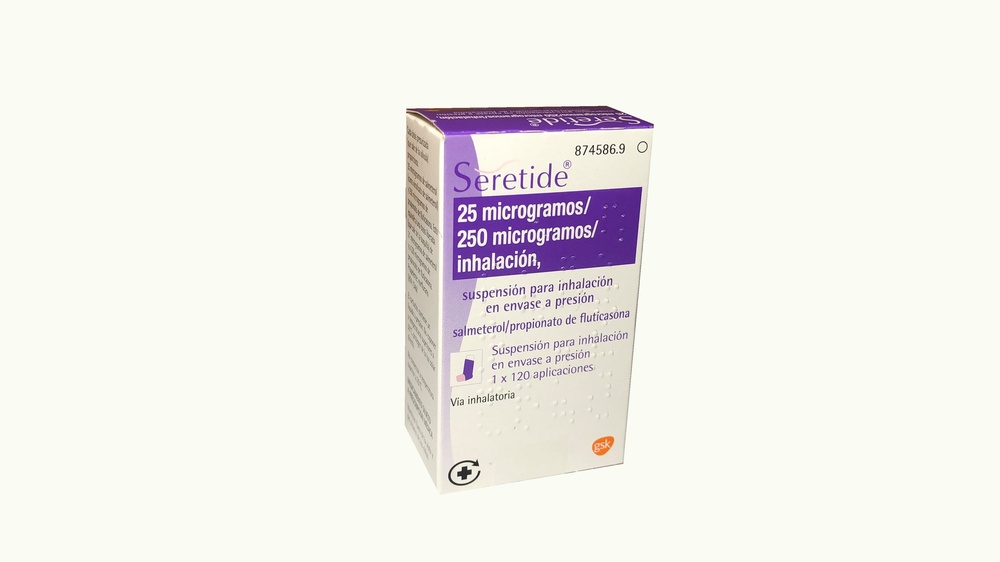
Forma farmacéutica: INHALACIÓN PULMONAR, 50 mcg budesonida/ 10 mlPrincipio activo: BudesonidaFabricante: Laboratorio Reig Jofre, S.A.Requiere recetaForma farmacéutica: INHALACIÓN PULMONAR, 25 microgramos/250 microgramosPrincipio activo: salmeterol and fluticasoneFabricante: Cipla EuropeRequiere recetaForma farmacéutica: INHALACIÓN PULMONAR, 25 mcg/250 mcgPrincipio activo: salmeterol and fluticasoneFabricante: Glaxosmithkline S.A.Requiere receta
El asma es una afección común que afecta a tu respiración. Actualmente no se puede curar, pero si se trata adecuadamente, no deberías tener problemas con los síntomas.
Síntomas del asma
Los síntomas principales del asma son problemas con la respiración, tales como:
- sibilancias
- tos
- falta de aliento
- sensación de opresión en el pecho
Los síntomas del asma pueden ser leves o graves. Por lo general, van y vienen. Pueden empeorar por la noche y a primera hora de la mañana.
Un ataque de asma ocurre cuando tienes síntomas graves y es difícil respirar, lo que puede poner en peligro tu vida.
Los síntomas pueden ser desencadenados por diferentes cosas, incluyendo el ejercicio, altos niveles de contaminación del aire, aire frío o el contacto con algo a lo que eres alérgico, como el polen, el polvo, el moho o los animales.
El asma suele comenzar en los niños, pero puede ocurrir a cualquier edad.
Consulta a un médico si:
- tú o tu hijo tienen síntomas de asma
- tú o tu hijo tienen asma y los tratamientos no están ayudando, necesitas usar tu inhalador con más frecuencia o necesitas consejo sobre cómo usar tu inhalador
- tú o tu hijo tienen asma y tus síntomas no mejoran o te impiden realizar tus actividades habituales o te despiertan por la noche
Cómo tratar un ataque de asma
Si estás teniendo un ataque de asma, siéntate derecho, para ayudar a tu respiración. Intenta mantener la calma.
Usa tu inhalador de alivio del asma si tienes uno:
- Si tienes un inhalador azul de alivio, toma 1 puff cada 30 a 60 segundos hasta que te sientas mejor, hasta un máximo de 10 puffs. Agita el inhalador entre cada puff y usa un espaciador con el inhalador si tienes uno.
- Si tienes un inhalador AIR o MART (utilizado tanto para prevenir como para tratar los síntomas), toma 1 puff cada 1 a 3 minutos hasta que te sientas mejor, hasta un máximo de 6 puffs.
Si tu plan de acción personal para el asma tiene una dosis máxima diferente para tratar un ataque de asma, sigue las instrucciones de tu plan.
Llama al 112 si:
Tú o alguien más está teniendo un ataque de asma y:
- empiezas a sentirte peor en cualquier momento
- no te sientes mejor después de tomar la dosis máxima usando un inhalador de alivio del asma
- no tienes un inhalador para el asma
Si los síntomas no mejoran después de 10 minutos y no ha llegado una ambulancia, usa un inhalador para el asma nuevamente si tienes uno, tomando hasta la misma dosis máxima.
No conduzcas tú mismo al servicio de urgencias.
La persona con la que hables en el 112 te dará consejos sobre qué hacer.
Solicita una cita urgente con tu médico si:
- has tenido un ataque de asma y te has recuperado
Incluso si te sientes mejor, es importante que consultes a un médico dentro de los 2 días para hablar sobre tu tratamiento y obtener consejos que te ayuden a prevenir otro ataque de asma.
Cómo se diagnostica el asma
Si tú o tu hijo tienen síntomas de asma, un médico o enfermero te hará algunas preguntas y te auscultará el pecho.
Es posible que necesites una prueba de respiración simple para verificar si hay signos de asma y, a veces, una prueba de sangre.
También es posible que te den un dispositivo portátil llamado medidor de flujo máximo para usar en casa durante unas semanas, para verificar qué tan bien funcionan tus pulmones.
El asma puede tardar algún tiempo en diagnosticarse porque los síntomas a menudo varían con el tiempo y los problemas respiratorios pueden tener diferentes causas. Si es probable que tengas asma, es posible que te ofrezcan medicamentos para el asma para ver si ayudan con tus síntomas.
Tratamiento para el asma
Si tienes asma, serás apoyado por un equipo de atención que incluye a un médico o enfermero y, a veces, a un médico especialista del hospital.
Tu equipo de atención te explicará cómo y cuándo usar tus medicamentos, cómo controlar tu asma, formas de evitar los desencadenantes y reducir tus síntomas, y qué hacer si tus síntomas empeoran.
Esto se registrará en tu plan de acción para el asma, que deberás llevar a todas tus citas de asma. Te darán una copia impresa o digital, o ambas.
Deberías tener chequeos al menos una vez al año para ver qué tan bien está funcionando tu tratamiento. Estos incluirán verificar que estés usando tus inhaladores correctamente y que tu plan de acción para el asma esté actualizado.
Inhaladores para el asma
El tratamiento principal para el asma son los medicamentos que inhalas usando un inhalador. Para la mayoría de las personas, funcionan bien para reducir o prevenir los síntomas del asma.
Dependiendo de la gravedad de tus síntomas, es posible que te ofrezcan:
- un inhalador para usar solo cuando tengas síntomas – esto se llama inhalador antiinflamatorio de alivio (AIR)
- un inhalador para usar todos los días para ayudar a prevenir los síntomas, así como cuando tengas síntomas – esto se llama terapia de mantenimiento y alivio (MART)
- 2 inhaladores separados – un inhalador preventivo para usar todos los días para ayudar a prevenir los síntomas, y un inhalador azul de alivio para usar cuando tengas síntomas (no se te debe dar un inhalador azul de alivio para usar solo)
Usando tu inhalador
Es importante usar tu inhalador correctamente para que tu medicamento funcione correctamente. Hay diferentes tipos, incluidos inhaladores de polvo seco, pMDI e inhaladores de niebla suave. Un médico, enfermero o farmacéutico te mostrará cómo usar el tuyo.
Eliminación de tus inhaladores
Devuelve tus inhaladores vacíos, no deseados o caducados a tu farmacia local.
Cuando pones un inhalador en la basura, los gases pueden filtrarse y contribuir al cambio climático. Tu farmacia local puede deshacerse de ellos de forma segura.
Otros tratamientos para el asma
Si los inhaladores no son suficientes para detener tus síntomas, tu equipo de atención también puede recomendar un inhalador más fuerte o tabletas que faciliten la respiración, como montelukast.
Si tienes un asma grave que no está controlado por inhaladores y tabletas, es posible que te ofrezcan otros tratamientos, como medicamentos que se inyectan, llamados terapias biológicas.
Tu equipo de atención hablará contigo sobre qué tratamiento es el adecuado para ti, incluidos los posibles efectos secundarios.

Tratamiento hospitalario para un ataque de asma
Si tienes un ataque de asma grave que no mejora, es posible que necesites tratamiento en el hospital. Los tratamientos hospitalarios pueden incluir:
- oxígeno a través de una mascarilla
- usar un nebulizador para inhalar altas dosis de medicamento
- tabletas o inyecciones de esteroides
Cosas que puedes hacer para ayudar con el asma
Si tienes asma, hay cosas que puedes hacer para ayudar a prevenir los síntomas y reducir el riesgo de ataques de asma.
Haz
-
siempre lleva tu inhalador contigo
-
usa tus inhaladores según lo recomendado por tu equipo de atención
-
intenta evitar las cosas que desencadenan tus síntomas de asma, como la contaminación del aire, el humo, el polen o los animales
-
haz ejercicio regularmente – obtén consejos de tu médico o enfermero sobre cómo hacer ejercicio de forma segura si el ejercicio desencadena tus síntomas de asma
-
mantén un peso saludable
-
recibe vacunas como la vacuna contra la gripe – los virus como la gripe pueden empeorar los síntomas del asma
No
-
no fumes – busca ayuda para dejar de fumar si la necesitas
-
no tomes medicamentos para otras afecciones sin consultar a un farmacéutico o médico – algunos medicamentos como la aspirina, el ibuprofeno y los betabloqueantes pueden desencadenar síntomas de asma en algunas personas
Cómo afecta el asma a tu vida
El asma suele ser una afección de por vida, aunque el asma en los niños pequeños a veces desaparece cuando son adolescentes o adultos.
El asma afecta a todos de manera diferente. Cómo te afecta depende de tus síntomas, de lo que los desencadena y de qué tan bien funcione tu tratamiento.
Para la mayoría de las personas, los inhaladores funcionan bien para prevenir o reducir los síntomas si se usan correctamente, y el asma tiene solo un pequeño impacto en su vida diaria. Pero algunas personas tienen síntomas más graves que son más difíciles de controlar y necesitan otro tratamiento.
Un ataque de asma puede poner en peligro tu vida. Pero recibir el tratamiento adecuado para el asma reduce el riesgo.
Asma y embarazo
Si estás embarazada, informa a tu médico o partera sobre tu asma. Es importante controlar el asma durante el embarazo para mantenerte sana a ti y a tu bebé.
Causas del asma
Los síntomas del asma ocurren cuando tus vías respiratorias se inflaman. Esto las hace más estrechas, causando problemas respiratorios.
En las personas que tienen asma, los síntomas pueden ser desencadenados por diferentes cosas, como alergias, ejercicio, humo, aire frío o infecciones.
No se comprende completamente qué causa el asma. Es posible que tengas más probabilidades de desarrollar asma si:
- tienes alergias como eccema, fiebre del heno o alergias alimentarias
- otras personas en tu familia tienen asma, fiebre del heno, eccema o alergias
- naciste prematuramente o tuviste un bajo peso al nacer
- estuviste expuesto a cosas como altos niveles de contaminación del aire o humo de cigarrillo cuando eras niño
- tuviste enfermedades cuando eras niño que afectaron tu respiración, como bronquiolitis o crup
- tienes sobrepeso
El asma también puede ser causado por la inhalación de sustancias como ciertos productos químicos en el trabajo.
Médicos online para Asma
Comenta tus síntomas y los posibles siguientes pasos para Asma con un médico online.