


MONTELUKAST COMBIX 10 mg COMPRIMIDOS RECUBIERTOS CON PELICULA EFG



Cómo usar MONTELUKAST COMBIX 10 mg COMPRIMIDOS RECUBIERTOS CON PELICULA EFG
Traducción generada por IA
Este contenido ha sido traducido automáticamente y se ofrece solo con fines informativos. No sustituye la consulta con un profesional sanitario.
Ver originalContenido del prospecto
Introducción
Prospecto: información para el usuario
Montelukast Combix 10 mg comprimidos recubiertos con película EFG
Lea todo el prospecto detenidamente antes de empezar a tomar este medicamento, porque contiene información importante para usted.
- Conserve este prospecto, ya que puede tener que volver a leerlo.
- Si tiene alguna duda, consulte a su médico, farmacéutico o enfermero.
- Este medicamento se le ha recetado solamente a usted, y no debe dárselo a otras personas aunque
presenten los mismos síntomas de enfermedad que usted, ya que puede perjudicarles.
- Si experimenta efectos adversos, consulte a su médico, farmacéutico o enfermero, incluso si se trata de efectos adversos que no aparecen en este prospecto. Ver sección 4.
Contenido del prospecto:
- Qué es Montelukast Combix y para qué se utiliza
- Qué necesita saber antes de empezar a tomar Montelukast Combix
- Cómo tomar Montelukast Combix
- Posibles efectos adversos
- Conservación de Montelukast Combix
- Contenido del envase e información adicional
1. Qué es Montelukast Combix y para qué se utiliza
Montelukast Combix es un antagonista del receptor de leucotrienos que bloquea unas sustancias llamadas leucotrienos. Los leucotrienos producen estrechamiento e hinchazón de las vías respiratorias en los pulmones y también pueden causar síntomas de alergia. Al bloquear los leucotrienos, montelukast mejora los síntomas del asma, ayuda a controlar el asma y mejora los síntomas de la alergia estacional (también conocida como fiebre del heno o rinitis alérgica estacional).
Su médico le ha recetado Montelukast Combix para tratar el asma y prevenir los síntomas de su asma durante el día y la noche.
- Montelukast Combix se utiliza para el tratamiento de los pacientes que no están adecuadamente controlados con su medicación y necesitan tratamiento adicional.
- Montelukast Combix también ayuda a prevenir el estrechamiento de las vías aéreas provocado por el ejercicio.
- En aquellos pacientes asmáticos en los que Montelukast Combix está indicado para el asma, montelukast también puede proporcionar alivio sintomático de la rinitis alérgica estacional.
Dependiendo de los síntomas y de la gravedad de su asma, su médico determinará cómo debe usar Montelukast Combix.
¿Qué es el asma?
El asma es una enfermedad crónica.
El asma incluye:
- dificultad al respirar debido al estrechamiento de las vías respiratorias. Este estrechamiento de las vías respiratorias empeora y mejora en respuesta a diversas enfermedades.
- vías respiratorias sensibles que reaccionan a muchas cosas, como el humo de los cigarrillos, el polen, el aire frío o el ejercicio.
- hinchazón (inflamación) de la capa interna de las vías respiratorias.
Los síntomas del asma incluyen: Tos, silbidos y congestión en el pecho.
¿Qué son las alergias estacionales?
Las alergias estacionales (también conocidas como fiebre del heno o rinitis alérgica estacional) son una respuesta alérgica a menudo causada por el polen aéreo de árboles, césped y maleza. Los síntomas de las alergias estacionales típicamente pueden incluir: nariz congestionada, catarro, picor de nariz; estornudos; ojos llorosos, hinchados, rojos y que pican.

2. Qué necesita saber antes de empezar a tomar Montelukast Combix
Informe a su médico de cualquier alergia o problema médico que usted tenga ahora o haya tenido.
No tome Montelukast Combix
- es alérgico (hipersensible) a montelukast o a cualquiera de los demás componentes de Montelukast Combix (Véase apartado 6. Información adicional).
Advertencias y precauciones
- Si su asma o respiración empeora, informe a su médico inmediatamente.
- Montelukast oral no está indicado para tratar crisis de asma agudas. Si se produce una crisis, siga las instrucciones que le ha dado su médico. Tenga siempre su medicación inhalada de rescate para crisis de asma.
- Es importante que usted o su hijo utilicen todos los medicamentos para el asma recetados por su médico. Montelukast no debe sustituir a otras medicaciones para el asma que su médico le haya recetado.
- Cualquier paciente que esté siendo tratado con medicamentos contra el asma, debe ser consciente de que si desarrolla una combinación de síntomas tales como enfermedad parecida a la gripe, sensación de hormigueo o adormecimiento de brazos o piernas, empeoramiento de los síntomas pulmonares, y/o erupción cutánea, debe consultar a su médico.
- No debe tomar ácido acetil salicílico (aspirina) o medicamentos antiinflamatorios (también conocidos como medicamentos antiinflamatorios no esteroideos o AINEs) si hacen que empeore su asma.
 Uso en niños
Para niños de 2 a 5 años de edad, está disponible Montelukast Combix 4 mg comprimidos masticables.
Para niños de 6 a 14 años de edad, está disponible Montelukast Combix 5 mg comprimidos masticables.
Interacción de Montelukast Combix con otros medicamentos
Algunos medicamentos pueden afectar al funcionamiento de Montelukast Combix. o Montelukast Combix puede afectar al funcionamiento de otros medicamentos que esté utilizando.
Informe a su médico o farmacéutico si está utilizando o ha utilizado recientemente otros medicamentos, incluso los adquiridos sin receta.
Antes de tomar Montelukast Combix, informe a su médico si está tomando los siguientes medicamentos:
- Fenobarbital (usado para el tratamiento de la epilepsia).
- Fenitoína (usado para el tratamiento de la epilepsia).
- Rifampicina (usado para el tratamiento de la tuberculosis y algunas otras infecciones).
Montelukast Combix con alimentos, bebidas y alcohol
Montelukast Combix 10 mg puede tomarse con o sin alimentos.
Embarazo, lactancia y fertilidad
Uso en el embarazo:
Las mujeres que estén embarazadas o que tengan intención de quedarse embarazadas deben consultar a su médico antes de tomar Montelukast Combix. Su médico evaluará si puede tomar Montelukast Combix durante este periodo.
Uso en la lactancia:
Se desconoce si Montelukast Combix aparece en la leche materna. Si está en período de lactancia o tiene intención de dar el pecho, debe consultar a su médico antes de tomar Montelukast Combix.
Conducción y uso de máquinas
No se espera que Montelukast Combix afecte a su capacidad para conducir un coche o manejar máquinas. Sin embargo, las respuestas individuales al medicamento pueden variar. Ciertos efectos adversos (tales como mareo y somnolencia) que han sido notificados muy raramente con Montelukast Combix pueden afectar a la capacidad del paciente para conducir o manejar máquinas.
Montelukast Combix contiene lactosa. Si su médico le ha indicado que padece una intolerancia a ciertos azúcares, consulte con él antes de tomar este medicamento.
3. Cómo tomar Montelukast Combix
- Sólo debe tomar un comprimido de Montelukast Combix una vez al día, como se lo ha recetado su médico.
- Debe tomarse incluso cuando no tenga síntomas o cuando tenga una crisis de asma aguda.
- Tome siempre Montelukast Combix como le haya indicado su médico. Consulte a su médico o farmacéutico si tiene dudas.
- Debe tomarse por vía oral.
Para adultos de 15 años de edad y mayores:
Debe tomarse diariamente un comprimido de 10 mg por la noche. Montelukast Combix 10 mg puede tomarse con o sin alimentos.
Si está tomando Montelukast Combix, asegúrese de que no toma ningún otro producto que contenga el mismo principio activo, montelukast.
Si toma más Montelukast Combix del que debiera
Pida ayuda a su médico inmediatamente.
En la mayoría de los casos de sobredosis no se comunicaron efectos adversos. Los síntomas que se produjeron con más frecuencia comunicados en la sobredosis en adultos y en niños fueron dolor abdominal, somnolencia, sed, dolor de cabeza, vómitos e hiperactividad.
Si olvidó tomar Montelukast Combix
Intente tomar Montelukast Combix como se lo han recetado. Sin embargo, si olvida una dosis, limítese a reanudar el régimen habitual de un comprimido una vez al día.
No tome una dosis doble para compensar las dosis olvidadas.
Si interrumpe el tratamiento con Montelukast Combix
Montelukast Combix puede tratar su asma sólo si usted continúa tomándolo. Es importante que continúe tomando Montelukast Combix durante el tiempo que su médico se lo recete. Ayudará a controlar su asma.
Si tiene cualquier otra duda sobre el uso de este producto, pregunte a su médico o farmacéutico.

4. Posibles efectos adversos
Al igual que todos los medicamentos, Montelukast Combix puede producir efectos adversos, aunque no todas las personas los sufran.
En ensayos clínicos realizados con Montelukast Combix 10 mg comprimidos recubiertos con película, los efectos adversos relacionados con la administración del medicamento y notificados con más frecuencia (se producen en al menos 1 de cada 100 pacientes y en menos de 1 de cada 10 pacientes tratados), fueron:
- dolor abdominal
- dolor de cabeza
Estos efectos adversos fueron por lo general leves y se produjeron con una frecuencia mayor en pacientes tratados con montelukast que con placebo (una pastilla que no contiene medicamento).
La frecuencia de posibles efectos adversos, indicados a continuación, se define utilizando el siguiente convenio:
Muy frecuentes (afecta al menos a 1 de cada 10 personas)
Frecuentes (afecta a entre 1 y 10 de cada 100 personas)
Poco frecuentes (afecta a entre 1 y 10 de cada 1.000 personas)
Raros (afecta a entre 1 y 10 de cada 10.000 personas)
Muy raros (afecta a menos de 1 de cada 10.000 personas)
Además, desde que el medicamento está comercializado, se han notificado los siguientes efectos adversos:
- infección respiratoria alta (Muy frecuentes)
- mayor posibilidad de hemorragia (Raros)
- reacciones alérgicas que incluyen erupción cutánea, hinchazón de la cara, labios, lengua, y/o garganta que puede causar dificultad para respirar o para tragar (Poco frecuentes)
- cambios relacionados con el comportamiento y el humor [alteraciones del sueño, incluyendo pesadillas, problemas de sueño, sonambulismo, irritabilidad, sensación de ansiedad, inquietud, excitación incluyendo comportamiento agresivo u hostilidad, depresión (Poco frecuentes) temblor, (Raros); alucinaciones, pensamientos y acciones suicidas (Muy raros)]
- mareo, somnolencia, hormigueo/adormecimiento, convulsiones (Poco frecuentes)
- palpitaciones (Raros)
- hemorragia nasal (Poco frecuentes)
- diarrea, náuseas, vómitos (Frecuentes); boca seca, indigestión (Poco frecuentes)
- hepatitis (inflamación del hígado) (Muy raros)
- hematomas, picor, urticaria (Poco frecuentes); bultos rojos dolorosos bajo la piel que de forma más frecuente aparecen en sus espinillas (eritema nodoso) (Muy raros)
- dolor articular o muscular, calambres musculares (Poco frecuentes)
- fiebre (Frecuentes); cansancio, malestar, hinchazón (Poco frecuentes)
- tartamudeo (Muy raros)
En pacientes asmáticos tratados con montelukast, se han notificado casos muy raros de una combinación de síntomas tales como enfermedad parecida a la gripe, hormigueo o adormecimiento de brazos y piernas, empeoramiento de los síntomas pulmonares y/o erupción cutánea (síndrome de Churg-Strauss). Debe comunicarle inmediatamente a su médico si tiene uno o más de estos síntomas.
Comunicación de efectos adversos
Si experimenta cualquier tipo de efecto adverso, consulte a su médico o farmacéutico, incluso si se trata de posibles efectos adversos que no aparecen en este prospecto. También puede comunicarlos directamente a través del Sistema Español de Farmacovigilancia de medicamentos de Uso Humano: https:// www.notificaram.es. Mediante la comunicación de efectos adversos usted puede contribuir a proporcionar más información sobre la seguridad de este medicamento.
5. Conservación de Montelukast Combix
Mantener fuera de la vista y del alcance de los niños.
No utilice este medicamento después de la fecha de caducidad que aparece en el envase. La fecha de caducidad es el último día del mes que se indica.
Conservar en el embalaje original para protegerlo de la luz y la humedad.
Los medicamentos no se deben tirar por los desagües ni a la basura. Deposite los envases y los medicamentos que no necesita en el Punto SIGRE de la farmacia. En caso de duda pregunte a su farmacéutico cómo deshacerse de los envases y de los medicamentos que no necesita. De esta forma, ayudará a proteger el medio ambiente.
6. Contenido del envase e Información adicional
Composición de Montelukast Combix
- El principio activo es montelukast. Cada comprimido contiene montelukast sódico que corresponde a 10 mg de montelukast.
- Los demás componentes son: celulosa microcristalina, lactosa monohidrato, croscarmelosa sódica, hidroxipropilcelulosa (E463), estearato de magnesio, agente de recubrimiento (hipromelosa –E464-, hidroxipropilcelulosa -E463-, dióxido de titanio-E171-, óxido de hierro amarillo –E172- y óxido de hierro rojo -E172-)
Aspecto del producto y contenido del envase
Los comprimidos de Montelukast Combix 10 mg son comprimidos recubiertos de color amarillo, redondos con bordes biselados, con la marca “285” en una cara y lisos por la otra.
Blisters en envases de 28 comprimidos
Titular de la autorización de comercialización:
Laboratorios Combix, S.L.U.
C/ Badajoz 2, Edificio 2
28223 Pozuelo de Alarcón (Madrid)
España
Responsable de la fabricación:
Zydus France
25, parc d’activités des Peupliers
92000 Nanterre
Francia
ó
Centre Spécialités Pharmaceutiques
ZAC des Suzots
35 rue de la Chapelle
63450 Saint Amant Tallende
Francia
Fecha de la última revisión de este prospecto Marzo 2025
La información detallada y actualizada de este medicamento está disponible en la página web de la Agencia Española de Medicamentos y Productos Sanitarios (AEMPS) http://www.aemps.gob.es/
- País de registro
- Precio medio en farmacia21.06 EUR
- Principio activo
- Requiere recetaSí
- Fabricante
- Esta información es de carácter general y no sustituye la consulta con un profesional sanitario.
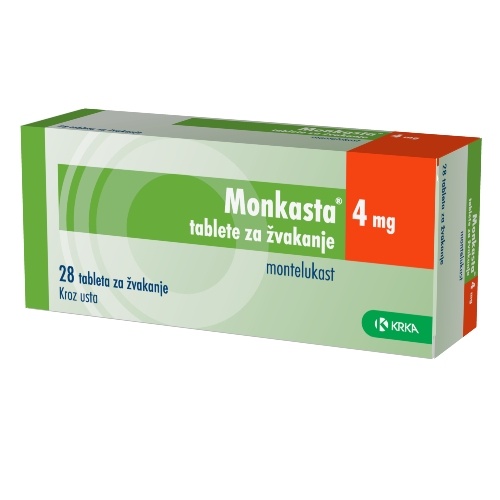
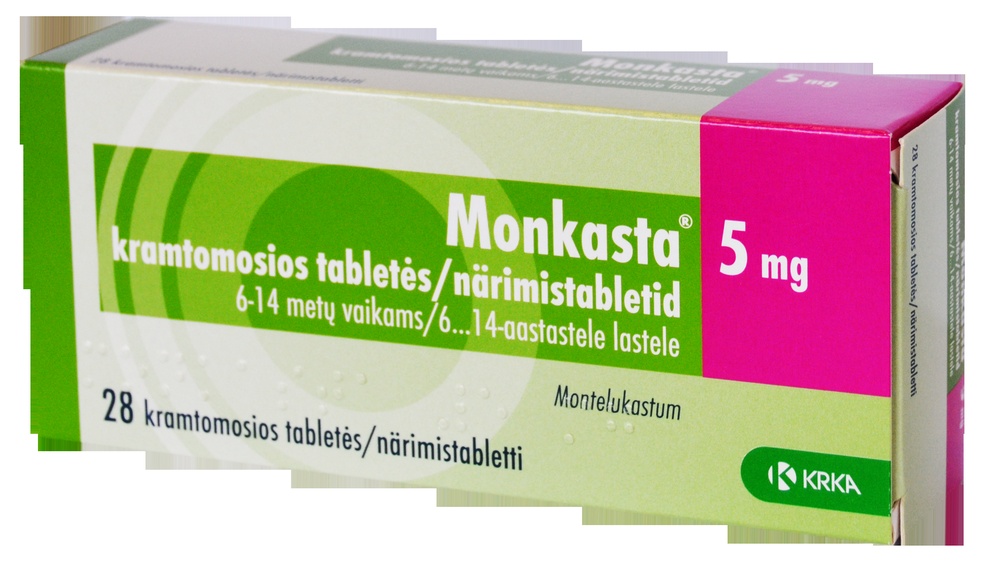
- Alternativas a MONTELUKAST COMBIX 10 mg COMPRIMIDOS RECUBIERTOS CON PELICULA EFGForma farmacéutica: COMPRIMIDO, 10 mgPrincipio activo: montelukastFabricante: Krka D.D. Novo MestoRequiere recetaForma farmacéutica: COMPRIMIDO MASTICABLE, 4 mgPrincipio activo: montelukastFabricante: Krka D.D. Novo MestoRequiere recetaForma farmacéutica: COMPRIMIDO MASTICABLE, 5 mgPrincipio activo: montelukastFabricante: Krka D.D. Novo MestoRequiere receta
Médicos online para MONTELUKAST COMBIX 10 mg COMPRIMIDOS RECUBIERTOS CON PELICULA EFG
Comenta la dosis, los posibles efectos secundarios, interacciones, contraindicaciones o la revisión de receta de MONTELUKAST COMBIX 10 mg COMPRIMIDOS RECUBIERTOS CON PELICULA EFG, sujeto a valoración médica y a la normativa local.







Preguntas frecuentes
