


LISOZIMA CHIESI 250 mg COMPRIMIDOS
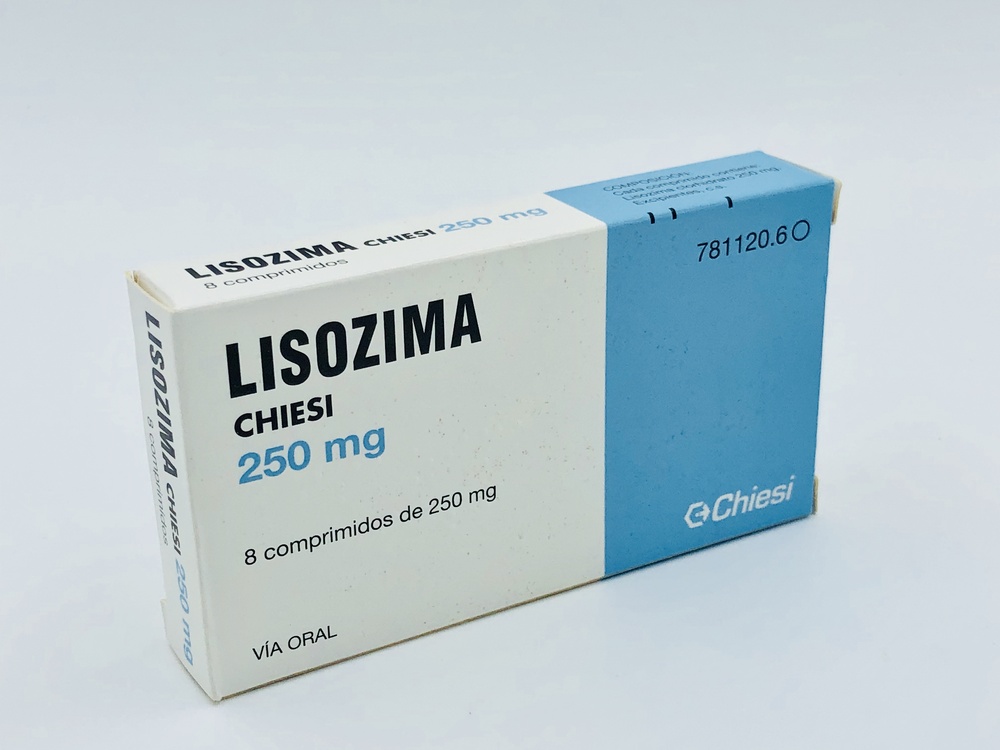



Cómo usar LISOZIMA CHIESI 250 mg COMPRIMIDOS
Traducción generada por IA
Este contenido ha sido traducido automáticamente y se ofrece solo con fines informativos. No sustituye la consulta con un profesional sanitario.
Ver originalContenido del prospecto
- Introducción
- Qué es Lisinopril/Hidroclorotiazida Viatris y para qué se utiliza
- Qué necesita saber antes de empezar a tomar Lisinopril/Hidroclorotiazida Viatris
- Cómo tomar Lisinopril/Hidroclorotiazida Viatris
- Posibles efectos adversos
- Conservación de Lisinopril/Hidroclorotiazida Viatris
- Contenido del envase e información adicional
Introducción
Prospecto: información para elusuario
Lisinopril/Hidroclorotiazida Viatris 20 mg/12,5 mg comprimidos EFG
Lea todo el prospecto detenidamente antes de empezar a tomar este medicamento, porque contiene información importante para usted.
- Conserve este prospecto, ya que puede tener que volver a leerlo.
- Si tiene alguna duda, consulte a su médico o farmacéutico.
- Este medicamento se le ha recetado solamente a usted, y no debe dárselo a otras personas, aunque tengan los mismos síntomas que usted, ya que puede perjudicarles.
- Si experimenta efectos adversos, consulte a su médico o farmacéutico, incluso si se trata de efectos adversos que no aparecen en este prospecto. Ver sección 4.
Contenido del prospecto
- Qué es Lisinopril/Hidroclorotiazida Viatris y para qué se utiliza
- Qué necesita saber antes de empezar a tomar Lisinopril/Hidroclorotiazida Viatris
- Cómo tomar Lisinopril/Hidroclorotiazida Viatris
- Posibles efectos adversos
- Conservación de Lisinopril/Hidroclorotiazida Viatris
- Contenido del envase e información adicional
1. Qué es Lisinopril/Hidroclorotiazida Viatris y para qué se utiliza
El componente lisinopril de la combinación lisinopril/hidroclorotiazida es un fármaco que pertenece al grupo de los llamados inhibidores de la enzima convertidora de la angiotensina (inhibidores ECA). El componente hidroclorotiazida de la combinación lisinopril/hidroclorotiazida es un fármaco que pertenece al grupo de los llamados diuréticos.
El componente lisinopril de este medicamento dilata los vasos sanguíneos que facilitan el bombeo de la sangre desde el corazón a todas las partes del cuerpo. El componente hidroclorotiazida de este medicamento hace que los riñones dejen pasar más agua y sal. Ambos componentes juntos contribuyen a reducir la presión arterial elevada.
La combinación lisinopril/hidroclorotiazida está indicada para la hipertensión esencial (presión sanguínea alta).

2. Qué necesita saber antes de empezar a tomar Lisinopril/Hidroclorotiazida Viatris
No tome Lisinopril/Hidroclorotiazida Viatris:
- si es alérgico (hipersensible) a lisinopril, a hidroclorotiazida o a alguno de los demás componentes de este medicamento (incluidos en la sección 6).
- si es alérgico (hipersensible) a cualquier fármaco derivado de las sulfamidas o a cualquier otro inhibidor de la enzima convertidora de angiotensina (ECA). Si no está seguro de cuáles son, consulte a su médico.
- si se le ha tratado ya con medicamentos del mismo grupo de fármacos que lisinopril (inhibidores de la ECA) y ha sufrido reacciones alérgicas como hinchazón de rostro, labios, lengua y/o garganta, con dificultad para tragar o respirar. Usted no debe tomar lisinopril/hidroclorotiazida si ha tenido este tipo de reacciones sin causa conocida o si a usted se le ha diagnosticado con angioedema idiopático o hereditario.
- si está embarazada de más de 3 meses (también es mejor evitar este medicamento al principio del embarazo- ver sección Embarazo).
- si no orina.
- si tiene diabetes o insuficiencia renal y le están tratando con un medicamento para bajar la presión arterial que contiene aliskirén.
- si ha tomado o está tomando en este momento sacubitril/valsartán, un medicamento utilizado para tratar un tipo de insuficiencia cardíaca a largo plazo (crónica) en adultos, ya que el riesgo de angioedema (hinchazón rápida debajo de la piel en un área como la garganta) es elevado.
- si está tomando alguno de los siguientes medicamentos, el riesgo de sufrir angioedema puede aumentar:
- Racecadotril, un medicamento utilizado para tratar la diarrea.
- Medicamentos utilizados para prevenir el rechazo al trasplante de órganos y para el cáncer (p.ej., temsirolimus, sirolimus, everolimus).
- Vildagliptin, un medicamento utilizado para tratar la diabetes.
Consulte a su médico si no está seguro si debe empezar a tomar lisinopril/hidroclorotiazida.
Advertencias y precauciones
Consulte a su médico o farmacéutico antes de empezar a tomar este medicamento:
- si tiene dificultad para respirar o para tragar con o sin hinchazón de la cara, labios, lengua y/o garganta, deje de tomar este medicamento y solicite asistencia médica inmediatamente. Se debe advertir que en los pacientes de raza negra se aumenta el riesgo a estos tipos de reacciones a los inhibidores de la ECA.
- si está tomando alguno de los siguientes medicamentos se aumenta el riesgo de angioedema (rápida hinchazón bajo la piel en zonas como la garganta):
- Temsirolimus, sirolimus, everolimus y otros medicamentos de la clase de los inhibidores de mTOR (que se usan para evitar el rechazo de los órganos trasplantados).
- si ha sufrido recientemente vómitos o diarrea excesivos.
- si padece un estrechamiento de la aorta (estenosis aórtica), de las arterias de los riñones (estenosis de las arterias renales), o de las válvulas del corazón (estenosis de la válvula mitral), o un aumento del grosor del músculo del corazón (miocardiopatía hipertrófica).
- si presenta una alteración de la función del riñón o si está en diálisis.
- si padece insuficiencia hepática (alteración de la función del hígado).
- si padece una enfermedad de los vasos sanguíneos (enfermedad vascular del colágeno) y/o está en tratamiento con alopurinol (para el tratamiento de la gota), procainamida (para alteraciones del ritmo del corazón), inmunosupresores (medicamentos que suprimen la respuesta inmunológica del organismo), porque puede padecer infecciones graves. En estos casos, informe a su médico ante cualquier signo de infección.
- si tiene diabetes y está tomando antidiabéticos orales o insulina. Lisinopril/hidroclorotiazida puede aumentar el riesgo de sufrir hipoglucemia (niveles bajos de azúcar en sangre), por lo que deberá tener un mayor control de sus niveles de glucosa especialmente durante el primer mes de tratamiento con este medicamento. Puede ser necesario un cambio de dosis de los medicamentos para la diabetes.
- si sigue una dieta sin sal, toma suplementos de potasio o sustitutos de la sal que contengan potasio, toma medicamentos diuréticos ahorradores de potasio (medicamentos que aumentan la eliminación de orina), tiene diabetes o cualquier problema de riñón, ya que pueden provocar aumentos del nivel de potasio en sangre que pueden ser graves. En estos casos, su médico puede necesitar ajustar la dosis de Lisinopril/Hidroclorotiazida Viatris o controlar su nivel de potasio en la sangre.
- si tiene tos, ya que puede ser debida al tratamiento.
- si tiene gota o niveles altos de colesterol
- si va a someterse a un tratamiento llamado aféresis de lipoproteínas de baja densidad (LDL).
- si va a someterse a un tratamiento de desensibilización para reducir el efecto de una alergia a la picadura de abeja o de avispa.
- si ha tenido cáncer de piel o si le aparece una lesión de la piel inesperada durante el tratamiento. El tratamiento con hidroclorotiazida, en particular su uso a largo plazo a dosis altas, puede aumentar el riesgo de algunos tipos de cáncer de piel y labios (cáncer de piel no-melanoma). Proteja la piel de la exposición al sol y a los rayos UV mientras esté tomando Lisinopril/Hidroclorotiazida.
- si experimenta una disminución de la visión o dolor ocular, podrían ser síntomas de acumulación de líquido en la capa vascular del ojo (derrame coroideo) o un aumento de la presión en el ojo y se pueden producir en un plazo de entre unas horas y una semana después de tomar Lisinopril/Hidroclorotiazida.
Informe a su médico si está tomando alguno de los siguientes medicamentos utilizados para tratar la presión arterial alta (hipertensión):
- Un antagonista de los receptores de angiotensina II (ARA) (también conocidos como “sartanes” – por ejemplo, valsartán, telmisartán, irbesartán), en particular si sufre problemas renales relacionados con la diabetes.
- Aliskirén.
- Si está tomando un medicamento que contenga un inhibidor de neprisilina (por ejemplo sacubitril o sacubitril/valsartán). No se debe administrar Lisinopril/Hidroclorotiazida en las 36 horas previas o posteriores a tomar sacubitril/valsartán.
Puede que su médico le controle la función renal, la presión arterial y los niveles de electrolitos en la sangre (por ejemplo, potasio), a intervalos regulares.
Ver también la información bajo el encabezado “No tome Lisinopril/Hidroclorotiazida Viatris”.
El uso de lisinopril/hidroclorotiazida, especialmente en las primeras dosis, puede producir una disminución brusca de la presión arterial (puede notarlo como desmayos o mareos al ponerse de pie. En estos casos, tumbarse podría ayudarle).
Antes de someterse a una intervención quirúrgica con anestesia general o local (incluso en la consulta del dentista), informe al médico o al dentista que está tomando este medicamento, pues puede producirse un descenso súbito de la tensión arterial asociado con la anestesia.
Debe informar al médico si cree que está embarazada (o pudiera estarlo). No se recomienda lisinopril/hidroclorotiazida al principio del embarazo y no debe utilizarse si está embarazada de más de 3 meses, ya que puede causar graves daños a su bebé si se utiliza en esta etapa (ver sección Embarazo).
Consulte a su médico, incluso si cualquiera de las circunstancias anteriormente mencionadas le hubiera ocurrido alguna vez.
Niños
No se ha establecido la seguridad y eficacia en niños.
Otros medicamentos y Lisinopril/Hidroclorotiazida Viatris
Informe a su médico o farmacéutico si está utilizando o ha utilizado recientemente otros medicamentos, o incluso los adquiridos sin receta.
En particular, hable con su médico o farmacéutico si está tomando, ha tomado recientemente o pudiera tener que tomar cualquiera de los siguientes medicamentos:
- Diuréticos (medicamentos que aumentan la eliminación de orina).
- Suplementos de potasio (incluidos los sustitutos de la sal), diuréticos ahorradores de potasio (“comprimidos para orinar”) y otros medicamentos que pueden aumentar la cantidad del potasio en sangre (por ejemplo, trimetoprima y cotrimoxazol para infecciones causadas por bacterias; ciclosporina, un medicamento inmunosupresor que se usa para prevenir el rechazo de trasplante de órganos; y heparina, un medicamento que se usa para diluir la sangre para prevenir los coágulos.
- Medicamentos para trastornos mentales como litio, antipsicóticos o antidepresivos tricíclicos.
- Medicamentos para el tratamiento de la artritis o el dolor muscular, como las sales de oro y los antiinflamatorios no esteroideos (AINEs), entre los que se encuentran la indometacina y dosis altas de aspirina (más de 3 gramos al día).
- Otros Antihipertensivos (medicamentos que reducen la tensión arterial alta).
- Si está tomando un antagonista de los receptores de angiotensina II (ARA) o aliskirén (ver también la información bajo los encabezados “No tome Lisinopril/Hidroclorotiazida Viatris” y “Tenga especial cuidado con Lisinopril/Hidroclorotiazida Viatris”).
- Medicamentos simpaticomiméticos (que estimulan el sistema nervioso central).
- Medicamentos para el tratamiento de la diabetes, como la insulina o los antidiabéticos orales.
- Medicamentos usados de forma más frecuente para evitar el rechazo de órganos trasplantados (temsirolimus, sirolimus, everolimus y otros medicamentos del tipo de los inhibidores de mTOR). Ver la sección “Advertencias y precauciones”.
- Medicamentos que contengan un inhibidor de neprilisina (por ejemplo sacubitril).
Embarazo y lactancia
Consulte a su médico o farmacéutico antes de utilizar cualquier medicamento.
Embarazo
No se recomienda el uso de lisinopril/hidroclorotiazida durante el embarazo.
Debe informar al médico si cree que está embarazada (o pudiera estarlo). Normalmente su médico le aconsejará que deje de tomar lisinopril/hidroclorotiazida antes de quedarse embarazada o tan pronto como sepa que está embarazada, y le cambiará lisinopril/hidroclorotiazida por otro medicamento distinto. No se recomienda Lisinopril/Hidroclorotiazida al principio del embarazo y no debe tomarse, en ningún caso, si está embarazada de más de 3 meses, ya que puede causar graves daños a su bebé si se utiliza a partir del tercer mes del embarazo.
Lactancia
Informe a su médico si está dando el pecho o está a punto de empezar a dar el pecho a su hijo. Lisinopril/hidroclorotiazida no se recomienda en madres en periodo de lactancia y, si desea dar el pecho, su médico puede elegir otro tratamiento, especialmente si su bebé es recién nacido o fue prematuro.
Conducción y uso de máquinas
Las respuestas a la medicación pueden variar de manera individual. Se han notificado ciertos efectos adversos con lisinopril/hidroclorotiazida que podrían afectar a la capacidad de conducir o utilizar maquinaria de algunos pacientes. Si usted nota síntomas de mareo o cansancio, procure no realizar tareas que puedan requerir una atención especial hasta que sepa cómo tolera el medicamento (véase 4. Posibles efectos adversos).
Uso en deportistas
Se informa a los deportistas que este medicamento contiene un componente (hidroclorotiazida) que puede establecer un resultado analítico de control del dopaje como positivo.
3. Cómo tomar Lisinopril/Hidroclorotiazida Viatris
Siga exactamente las instrucciones de administración de este medicamento indicadas por su médico o farmacéutico. En caso de duda, consulte de nuevo a su médico o farmacéutico. Recuerde tomar su medicamento. El médico decidirá la dosis conveniente, según la condición del enfermo y si está o no tomando otros medicamentos.
La dosis recomendada es de un comprimido una vez al día por vía oral, con las comidas o fuera de ellas. La mayoría de las personas toman este medicamento con agua.
Si estima que la acción de este medicamento es demasiado fuerte o débil, comuníqueselo a su médico o farmacéutico.
Tome este medicamento a diario, siguiendo exactamente las instrucciones del médico. Es muy importante continuar tomándolo durante todo el tiempo que recomiende el médico.
No ingiera más comprimidos de la dosis recetada.
Si toma más Lisinopril/Hidroclorotiazida Viatris del que debe
Si usted ha tomado más lisinopril/hidroclorotiazida de lo que debe, consulte inmediatamente a su médico o a su farmacéutico.
Los síntomas más probables serán una sensación de aturdimiento o mareos, debidos al descenso de la presión sanguínea y/o sed excesiva, confusión, reducción del volumen de orina, o palpitaciones rápidas.
En caso de sobredosis o ingestión accidental, consultar al Servicio de Información Toxicológica. Teléfono: 91 562 04 20.
Si olvidó tomar Lisinopril/Hidroclorotiazida Viatris
Deberá tomar Lisinopril/Hidroclorotiazida Viatris según se le haya recetado. No tome una dosis doble para compensar las dosis olvidadas. Continúe con el plan normal prescrito.
Si interrumpe el tratamiento con Lisinopril/Hidroclorotiazida Viatris
No deje de tomar este medicamento aunque se encuentre bien, a menos que el médico lo indique.
Su médico le indicará la duración de su tratamiento con Lisinopril/Hidroclorotiazida. No suspenda el tratamiento antes.
Si tiene cualquier otra duda sobre el uso de este medicamento, pregunte a su médico o farmacéutico.

4. Posibles efectos adversos
Al igual que todos los medicamentos, este medicamento puede producir efectos adversos, aunque no todas las personas los sufran.
Si presenta alguno de los siguientes efectos, deje de tomar este medicamento y acuda inmediatamente al médico en cualquiera de los casos siguientes:
- si observa hinchazón de la cara, labios, lengua y/o garganta que dificulten el respirar o tragar
- si observa hinchazón de las manos, pies o tobillos
- si desarrolla urticaria.
Se debe advertir que en los pacientes de raza negra se aumenta el riesgo a estos tipos de reacciones a los inhibidores de la ECA.
La dosis inicial podrá producir un descenso de la presión sanguínea superior al experimentado al seguir con el tratamiento. Los síntomas serán desfallecimiento y mareos. En este caso, conviene echarse. Si le causa preocupación, consulte a su médico.
Los efectos adversos observados, se limitan a los informados previamente con lisinopril o hidroclorotiazida.
Los efectos adversos de los medicamentos se clasifican según lo siguiente:
Muy frecuente: pueden afectar a más de 1 de cada 10 personas.
Frecuentes: pueden afectar hasta 1 de cada 10 personas.
Pocofrecuentes: pueden afectar hasta 1 de cada 100 personas.
Raros: pueden afectar hasta 1 de cada 1.000 personas.
Muy raros:pueden afectar hasta 1 de cada 10.000 personas.
Frecuencia no conocida: no se puede estimar la frecuencia a partir de los datos disponibles.
Frecuentes(pueden afectar hasta 1 de cada 10 personas)
- sensación de mareo o aturdimiento, especialmente cuando se pone de pie con rapidez
- diarrea
- vómitos
- tos
- mareo
- dolor de cabeza.
Poco frecuentes(pueden afectar hasta 1 de cada 100 personas)
- sensación rápida e irregular de los latidos del corazón
- sensación de hormigueo en ciertos miembros
- erupción en la piel
- náuseas
- incapacidad para obtener una erección (impotencia)
- fatiga
- cansancio y sensación de debilidad.
Raros(pueden afectar hasta 1 de cada 1.000 personas)
- sequedad de boca.
Muy raros(pueden afectar hasta 1 de cada 10.000 personas)
- inflamación del páncreas.
Frecuencia no conocida(no se puede estimar la frecuencia a partir de los datos disponibles)
- calambres o debilidad de los músculos
- gota
- dolor de pecho.
Efectos adversos adicionales comunicados para los componentes individuales que podrían ser efectos adversos potenciales de este medicamento son:
Hidroclorotiazida
Frecuencia no conocida (no se puede estimar la frecuencia a partir de los datos disponibles)
- disminución de la cantidad de células sanguíneas
- disminución de glóbulos rojos debido a su destrucción prematura
- bajos niveles de glóbulos blancos
- disminución de la cantidad de cierto tipo de glóbulos blancos (neutrófilos)
- disminución del número de plaquetas
- nivel bajo de plaquetas, a veces con sangrado o contusiones bajo la piel
- daños en los vasos sanguíneos que pueden producir puntos rojos o morados en la piel
- reacciones alérgicas
- reacción grave en la piel que se desarrolla rápidamente provocando ampollas y descamación de la piel y posiblemente úlceras en la boca
- insuficiencia renal
- alteración de la función del riñón
- inflamación del riñón
- coloración amarillenta de la piel o de la parte blanca de los ojos
- reacciones de fotosensibilidad
- erupción en la piel
- trastornos respiratorios incluyendo neumonía y acumulación de líquido en los pulmones
- inflamación de las glándulas salivales
- visión amarilla de los objetos
- visión borrosa transitoria
- disminución de la visión o dolor en los ojos debido a una presión elevada [signos posibles de acumulación de líquido en la capa vascular del ojo (derrame coroideo) o glaucoma agudo de ángulo cerrado]
- desequilibrio de sales en la sangre (incluyendo niveles bajos de sodio)
- niveles altos de ácido úrico en sangre
- niveles altos de glucosa en sangre y/u orina
- pérdida de apetito
- irritación del estómago
- estreñimiento
- vértigo
- fiebre
- espasmos musculares
- cansancio
- cáncer de piel y labios (cáncer de piel no-melanoma).
Lisinopril
Frecuentes(pueden afectar hasta 1 de cada 10 personas)
- alteración de la función del riñón.
Poco frecuentes(pueden afectar hasta 1 de cada 100 personas)
- infarto de miocardio o accidente cerebrovascular, posiblemente secundario a disminución excesiva de la tensión arterial en pacientes de alto riesgo
- latido cardíaco acelerado o inusual
- dolor de estómago
- picores en la piel
- alteraciones del estado de ánimo.
Raros(pueden afectar hasta 1 de cada 1.000 personas)
- insuficiencia renal aguda
- aumento de la cantidad de urea en la sangre
- erupción en la piel
- pérdida de cabello
- confusión mental.
Muy raros(pueden afectar hasta 1 de cada 10.000 personas)
- disminución de la capacidad del organismo para formar células de la sangre manifestada como disminución de la cantidad de glóbulos rojos, plaquetas y/o glóbulos blancos
- liberación excesiva de la hormona antidiurética (que da lugar a síntomas tales como debilidad, cansancio y confusión)
- inflamación del hígado
- color amarillento de la piel y de la parte blanca de los ojos
- pseudolinfoma cutáneo
- dificultad al respirar
- disminución de la cantidad de orina o imposibilidad de orinar
- aumento de la sudoración
- dificultad respiratoria aguda (los signos incluyen dificultad respiratoria grave, fiebre, debilidad y confusión).
Comunicación de efectos adversos
Si experimenta cualquier tipo de efecto adverso, consulte a su médico o farmacéutico, incluso si se trata de posibles efectos adversos que no aparecen en este prospecto. También puede comunicarlos directamente a través del Sistema Español de Farmacovigilancia de Medicamentos de Uso Humano: https://www.notificaram.es. Mediante la comunicación de efectos adversos usted puede contribuir a proporcionar más información sobre la seguridad de este medicamento.
5. Conservación de Lisinopril/Hidroclorotiazida Viatris
Mantener este medicamento fuera de la vista y del alcance de los niños.
Este medicamento no requiere condiciones especiales de conservación.
Conservar en el envase original.
No utilice este medicamento después de la fecha de caducidad que aparece en el envase después de CAD o EXP. La fecha de caducidad es el último día del mes que se indica.
Los medicamentos no se deben tirar por los desagües ni a la basura. Deposite los envases y los medicamentos que no necesita en el Punto SIGRE de la farmacia. En caso de duda, pregunte a su farmacéutico cómo deshacerse de los envases y de los medicamentos que no necesita. De esta forma ayudará a proteger el medio ambiente.
6. Contenido del envase e información adicional
Composición de Lisinopril/HidroclorotiazidaViatris
Los principios activos son lisinopril (20 mg) e hidroclorotiazida (12,5 mg).
Los demás componentes son: almidón de maíz, almidón de maíz pregelatinizado, estearato de magnesio (E470B), fosfato cálcico dibásico dihidrato, manitol, óxido de hierro rojo (E172).
Aspecto del producto y contenido del envase
Se presenta en envases de 28 comprimidos redondos biconvexos de color rosado con la inscripción ‘LHZ’ en una cara y ’32.5’ en la otra.
Titular de la autorización de comercialización y responsable de la fabricación
Titularde la autorización de comercialización:
Viatris Pharmaceuticals, S.L.U.
C/ General Aranaz, 86
28027 - Madrid
España
Responsable de la fabricación:
Neuraxpharm Pharmaceuticals,S.L.
Avda. Barcelona, 69
08970 - Sant Joan Despí (Barcelona)
España
Fecha de la última revisión deeste prospecto: diciembre 2022
La información actualizada y detallada de este medicamento está disponible en la página web de la Agencia Española de Medicamentos y Productos Sanitarios (AEMPS) https://www.aemps.gob.es/
- País de registro
- Principio activo
- Requiere recetaSí
- Fabricante
- Esta información es de carácter general y no sustituye la consulta con un profesional sanitario.
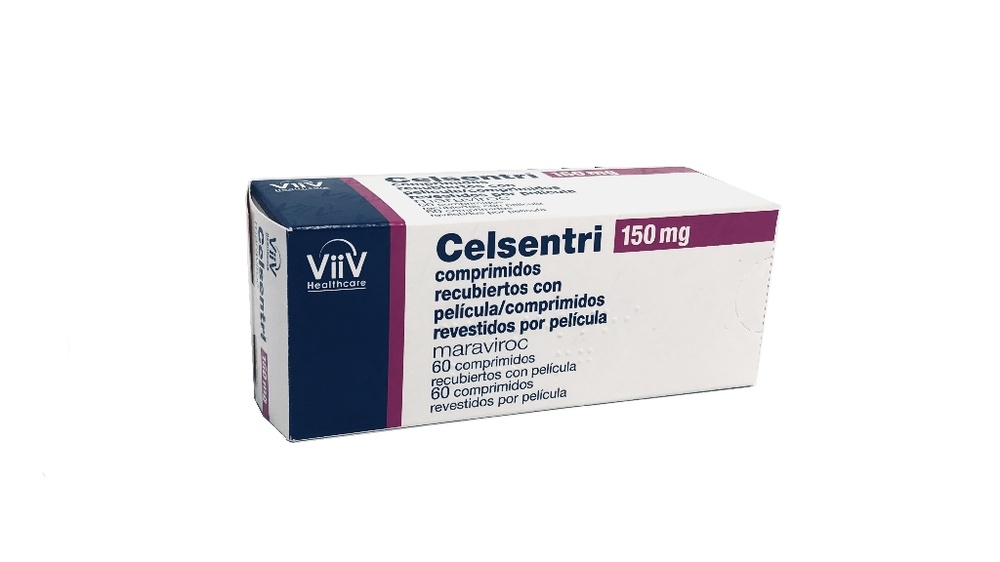
- Alternativas a LISOZIMA CHIESI 250 mg COMPRIMIDOSForma farmacéutica: COMPRIMIDO, 150 mgPrincipio activo: MaravirocFabricante: Viiv Healthcare B.V.Requiere recetaForma farmacéutica: COMPRIMIDO, 300 mgPrincipio activo: MaravirocFabricante: Viiv Healthcare B.V.Requiere recetaForma farmacéutica: INYECTABLE, 90 mgPrincipio activo: enfuvirtideFabricante: Roche Registration GmbhRequiere receta


Médicos online para LISOZIMA CHIESI 250 mg COMPRIMIDOS
Comenta la dosis, los posibles efectos secundarios, interacciones, contraindicaciones o la revisión de receta de LISOZIMA CHIESI 250 mg COMPRIMIDOS, sujeto a valoración médica y a la normativa local.











Preguntas frecuentes
