Bg pattern

Family doctors online in Spain

Book an online consultation with Family doctors. Discuss your symptoms or follow up on your treatment online.

11 doctors
Sort by
5.0 (63)
Doctor

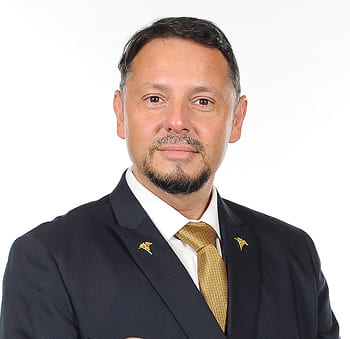
Nuno Tavares Lopes

Family medicine 18 years exp.

Dr. Nuno Tavares Lopes is a licensed physician in Portugal with 17 years of experience in emergency medicine, family and general practice, and public health. He is the Director of Medical and Public Health Services at an international healthcare network and serves as an external consultant for the WHO and ECDC.

  • Emergency care: infections, fever, chest/abdominal pain, minor injuries, paediatric emergencies
  • Family medicine: hypertension, diabetes, cholesterol, chronic disease management
  • Travel medicine: pre-travel advice, vaccinations, fit-to-fly certificates, travel-related illnesses
  • Sexual and reproductive health: PrEP, STD prevention, counselling, treatment
  • Weight management and wellness: personalised weight loss programmes, lifestyle guidance
  • Skin and ENT issues: acne, eczema, allergies, rashes, sore throat, sinusitis
  • Pain management: acute and chronic pain, post-surgical care
  • Public health: prevention, health screenings, long-term monitoring
  • Sick leave (Baixa médica) connected to Segurança Social in Portugal
  • IMT medical certificates for driving licence exchange
Dr. Nuno Tavares Lopes provides medical support for patients using GLP-1 medications (Mounjaro, Wegovy, Ozempic, Rybelsus) as part of a weight loss strategy. He offers individualised treatment planning, regular follow-up, dose adjustment, and advice on combining medication with sustainable lifestyle changes. Consultations follow the medical standards accepted in Europe.

Dr. Lopes also provides interpretation of medical tests, follow-up care for complex patients, and multilingual support. Whether for urgent concerns or long-term care, he helps patients act with clarity and confidence.

Camera Book a video appointment
€59
5.0 (17)
Doctor

Anastasiia Shalko

Family medicine 13 years exp.

Dr. Anastasiia Shalko is a general practitioner with a background in both paediatrics and general medicine. She graduated from Bogomolets National Medical University in Kyiv and completed her paediatric internship at the P.L. Shupyk National Medical Academy of Postgraduate Education. After working as a paediatrician in Kyiv, she relocated to Spain, where she has been practising general medicine since 2015, providing care for both adults and children.

Her work focuses on urgent, short-term medical concerns – situations where patients need quick guidance, symptom assessment and clear next steps. She helps people understand whether their symptoms require in-person evaluation, home management or a change in treatment. Common reasons for booking an online consultation include:

  • acute respiratory symptoms (cough, sore throat, runny nose, fever)
  • viral illnesses such as colds and seasonal infections
  • gastrointestinal complaints (nausea, diarrhoea, abdominal pain, gastroenteritis)
  • sudden changes in how a child or adult feels
  • questions about existing treatment and whether adjustments are needed
  • renewal of prescriptions when clinically appropriate
Dr. Shalko works specifically with urgent and short-term problems, providing practical recommendations and helping patients determine the safest next step. She explains symptoms clearly, guides patients through decision-making and offers straightforward medical advice for everyday acute issues.

She does not provide long-term management of chronic conditions, ongoing follow-up or comprehensive care plans for complex long-term illnesses. Her consultations are designed for acute symptoms, sudden concerns and situations where timely medical input is important.

With clinical experience in both paediatrics and general medicine, Dr. Shalko confidently supports adults and children. Her communication style is clear, simple and reassuring, helping patients feel informed and supported throughout the consultation.

Camera Book a video appointment
€50
0.0 (0)
Doctor

Daniel Cichi

Family medicine 24 years exp.

Dr Daniel Cichi is a family medicine doctor with over 20 years of clinical experience. He provides online consultations for adults, supporting patients with acute symptoms, chronic conditions, and everyday health concerns that require timely medical guidance.

His background includes work in emergency care, ambulance services, and family medicine, which allows him to assess symptoms quickly, identify warning signs, and help patients choose the safest next steps – whether that means home care, treatment adjustment, or in-person evaluation.

Patients commonly consult Dr Daniel Cichi for:

  • acute symptoms: fever, infections, flu-like illness, cough, sore throat, shortness of breath;
  • chest discomfort, palpitations, dizziness, fatigue, and blood pressure concerns;
  • digestive problems: abdominal pain, nausea, diarrhoea, constipation, reflux;
  • muscle, joint, and back pain, minor injuries, post-traumatic symptoms;
  • chronic conditions: hypertension, diabetes, high cholesterol, thyroid disorders;
  • review and interpretation of lab tests, imaging reports, and medical documents;
  • medication review and treatment adjustment;
  • medical advice while travelling or living abroad;
  • second opinions and guidance on whether in-person care is needed.
Dr Cichi’s consultations are structured and practical. He focuses on clear explanations, risk assessment, and actionable recommendations, helping patients understand their symptoms and make informed decisions about their health.
Camera Book a video appointment
€55
5.0 (25)
Doctor

Lina Travkina

Family medicine 13 years exp.

Dr. Lina Travkina is a licensed family and preventive medicine doctor based in Italy. She provides online consultations for adults and children, supporting patients across all stages of care – from acute symptom management to long-term health monitoring and prevention.

Areas of medical care include:

  • Respiratory conditions: colds, flu, acute and chronic bronchitis, mild to moderate pneumonia, bronchial asthma.
  • ENT and eye conditions: sinusitis, tonsillitis, pharyngitis, otitis, infectious and allergic conjunctivitis.
  • Digestive issues: gastritis, acid reflux (GERD), IBS, dyspepsia, bloating, constipation, diarrhoea, functional bowel symptoms, intestinal infections.
  • Urological and infectious diseases: acute and recurrent cystitis, bladder and kidney infections, prevention of recurrent UTIs, asymptomatic bacteriuria.
  • Chronic conditions: hypertension, diabetes, hypercholesterolemia, metabolic syndrome, thyroid disorders, excess weight.
  • Neurological and general symptoms: headache, migraine, dizziness, fatigue, sleep disturbances, reduced concentration, anxiety, asthenia.
  • Chronic pain support: back, neck, joint, and muscle pain, tension syndromes, pain associated with osteochondrosis and chronic conditions.

Additional care areas:

  • Preventive consultations and check-up planning.
  • Medical advice and follow-up consultations.
  • Test interpretation and diagnostic guidance.
  • Structured support for undiagnosed complaints.
  • Second opinion on diagnoses and treatment plans.
  • Nutritional and lifestyle support for vitamin deficiencies, anaemia, metabolic issues.
  • Post-operative recovery support and pain management.
  • Preconception counselling and postpartum support.
  • Immunity support and strategies to reduce frequency of infections.

Dr. Travkina combines evidence-based medicine with an attentive, personalised approach. Her consultations focus not only on treatment, but also on prevention, recovery, and long-term wellbeing.

If during the consultation it becomes clear that your case requires in-person assessment or specialised care outside of her scope, the session will be terminated and the payment fully refunded.

Camera Book a video appointment
€70
5.0 (760)
Doctor

Alina Tsurkan

Family medicine 13 years exp.

Dr. Alina Tsurkan is a licensed family medicine physician based in Portugal, offering online consultations for adults and children. She provides professional primary care, with a focus on prevention, accurate diagnosis, and long-term management of acute and chronic conditions.

Dr. Tsurkan supports patients with a wide range of health issues, including:

  • Respiratory infections: cold, flu, bronchitis, pneumonia, and lingering coughs.
  • ENT conditions: sinusitis, tonsillitis, otitis (ear infections), sore throat, allergic rhinitis.
  • Eye conditions: allergic or infectious conjunctivitis, red eyes, irritation.
  • Digestive issues: acid reflux (GERD), gastritis, irritable bowel syndrome (IBS), constipation, bloating, nausea.
  • Urinary and reproductive health: urinary tract infections (UTIs), cystitis, prevention of recurrent infections.
  • Chronic diseases: hypertension, elevated cholesterol, weight management.
  • Neurological complaints: headaches, migraines, sleep disturbances, fatigue, general weakness.
  • Children’s health: fever, infections, digestive issues, follow-ups, vaccination guidance.

She also provides:

  • IMT medical certificates for driving licence exchange in Portugal.
  • Personalised preventive care and wellness consultations.
  • Interpretation of test results and medical reports.
  • Follow-up care and medication review.
  • Support in managing multiple coexisting conditions.
  • Remote prescription management and medical documentation.

Dr. Tsurkan’s approach is evidence-based and holistic. She works closely with each patient to develop an individualised care plan that addresses both symptoms and root causes. Her goal is to empower patients to take control of their health and maintain well-being through lifestyle adjustments, routine check-ups, and early intervention.

Camera Book a video appointment
€55
5.0 (29)
Doctor

Dmytro Horobets

Family medicine 7 years exp.

Dr. Dmytro Horobets is a licensed family medicine physician in Poland, specialising in endocrinology, diabetology, obesity management, gastroenterology, pediatrics, general surgery, and pain medicine. He offers online consultations for adults and children, providing personalised medical support for a wide range of acute and chronic health concerns.

Areas of expertise:

  • Endocrinology: diabetes type 1 and type 2, prediabetes, thyroid disorders, metabolic syndrome, hormonal imbalance.
  • Obesity medicine: structured weight management plans, nutritional counselling, obesity-related health risks.
  • Gastroenterology: acid reflux (GERD), gastritis, irritable bowel syndrome (IBS), liver and biliary conditions.
  • Pediatric care: infections, respiratory symptoms, digestive issues, growth and development monitoring.
  • General surgery support: pre- and post-surgical consultations, wound care, rehabilitation.
  • Pain management: chronic and acute pain, back pain, joint pain, post-traumatic pain syndromes.
  • Cardiovascular health: hypertension, cholesterol control, risk assessment for heart disease.
  • Preventive medicine: regular check-ups, health screenings, long-term management of chronic conditions.

Dr. Horobets combines evidence-based medicine with a patient-centred approach. He carefully evaluates each patient’s medical history and symptoms, offering clear explanations and structured treatment plans adapted to individual needs.

Whether you need help managing diabetes, tackling weight-related health issues, interpreting lab results, or receiving general family medicine support, Dr. Horobets provides professional online care tailored to your specific health goals.

Camera Book a video appointment
€60

Family medicine doctors for everyday health concerns

What family medicine doctors treat and when people usually book a consultation

What a family doctor can help with

What a family doctor can help with

A family doctor is often the first point of contact when health concerns are unclear, new, or developing gradually. This specialisation covers a wide range of everyday medical issues, from acute symptoms to long-term health management. Patients usually turn to family doctors when they need a broad medical assessment rather than a narrow specialist opinion.

Family medicine focuses on understanding symptoms in context. A headache, fatigue, or recurring infections are rarely isolated problems. Family doctors look at medical history, lifestyle factors, current medications, and recent changes to identify possible causes and decide on the next steps.

Another key role of family medicine is coordination of care. When symptoms suggest a condition that requires specialised evaluation, a family doctor can help determine which specialist is appropriate and what information should be prepared in advance. This avoids unnecessary delays and repeated consultations.

For people living abroad or adjusting to a new healthcare environment, family doctors provide continuity. Seeing the same type of doctor for different concerns helps build a consistent medical picture over time, which is especially important when managing multiple conditions or medications.

Family medicine is also suitable for both planned and unplanned concerns. From sudden symptoms that cause worry to questions about ongoing treatment, family doctors are trained to handle uncertainty and guide patients through safe, evidence-based decisions.

Common symptoms and health concerns

Common symptoms and health concerns

Many patients book a family doctor when symptoms are common but persistent or unclear. These include fever, sore throat, cough, nasal congestion, ear pain, headaches, muscle aches, and general weakness. While often mild, such symptoms may require medical assessment when they last longer than expected or worsen.

Digestive issues are another frequent reason for consultation. Abdominal pain, nausea, heartburn, diarrhoea, constipation, or bloating can have many causes. A family doctor helps assess whether symptoms are temporary, related to diet or stress, or need further investigation.

Skin-related concerns also fall within family medicine. Rashes, itching, acne flare-ups, mild infections, or unexplained skin changes are commonly assessed by family doctors, especially as a first step before dermatology referral if needed.

Urinary symptoms such as discomfort, frequent urination, or mild pain may indicate infections or other conditions that can often be managed initially by a family doctor. Early assessment helps prevent complications and inappropriate self-treatment.

General symptoms like fatigue, dizziness, low energy, or sleep problems are often complex. Family doctors evaluate these complaints holistically, considering physical, emotional, and lifestyle factors rather than focusing on a single organ system.

Chronic conditions and ongoing follow-up

Chronic conditions and ongoing follow-up

Family medicine plays an important role in the long-term management of chronic conditions. Patients with hypertension, diabetes, asthma, thyroid disorders, or high cholesterol often rely on family doctors for regular monitoring and treatment adjustments.

Medication review is a common reason for follow-up consultations. Family doctors assess how current treatments are working, whether side effects are present, and if dosages remain appropriate. This is especially relevant for patients taking multiple medications.

Long-term care also includes monitoring symptoms over time. Conditions such as migraines, chronic back pain, irritable bowel symptoms, or recurring infections benefit from continuity, as patterns often emerge only after several consultations.

Family doctors also support patients during transitions. This may include changes in lifestyle, work-related stress, relocation, or recovery after illness. Ongoing follow-up helps adapt treatment plans to real-life circumstances rather than fixed protocols.

For patients living abroad, continuity with a family doctor can reduce fragmentation of care. Regular follow-ups help maintain a clear medical history, even when previous records are incomplete or scattered across different countries.

Preventive care and routine health needs

Preventive care and routine health needs

Preventive care is a core part of family medicine. Family doctors help identify risk factors early, even before symptoms appear. This includes discussions about blood pressure, weight changes, smoking, alcohol use, sleep habits, and physical activity.

Routine health checks are often requested by patients who want reassurance or baseline assessments. These consultations focus on overall health rather than a single complaint, helping detect issues that may otherwise go unnoticed.

Family doctors also advise on vaccinations, travel-related health questions, and seasonal risks. While not replacing specialised travel clinics, they provide practical guidance tailored to individual health profiles.

Another important aspect is health education. Family doctors explain symptoms, test results, and treatment options in a way that supports informed decision-making. This is especially valuable for patients navigating healthcare in a second language.

Preventive consultations often reduce future complications. Addressing small concerns early can prevent unnecessary escalation and support long-term health stability.

When family medicine may not be enough

When family medicine may not be enough

While family doctors manage a broad range of conditions, some situations require urgent or specialised care. Severe chest pain, sudden neurological symptoms, heavy bleeding, or acute shortness of breath are examples where emergency services should be contacted immediately.

Family doctors also recognise when symptoms suggest a condition outside their scope. Persistent unexplained pain, complex autoimmune symptoms, or suspected surgical issues may require referral to a specialist.

This boundary is part of safe medical practice. Knowing when to escalate care protects patients and ensures timely diagnosis. Family doctors help identify these red flags and guide next steps without unnecessary delay.

In many cases, family medicine acts as a bridge. Initial assessment clarifies whether symptoms can be managed conservatively or need specialist input, reducing uncertainty for patients.

Understanding these limits helps patients use family medicine appropriately, ensuring that care remains safe, efficient, and focused on real medical needs.

Bg pattern

Your guide to healthcare in Spain

Practical information about the healthcare system, doctors and medical services in Spain.

Explore

Family medicine doctors: frequently asked questions

Answers to common questions about family doctors, symptoms they treat, and when to seek medical advice

What do family doctors treat?
Family doctors provide comprehensive medical care for a wide range of health concerns across all ages. They manage acute illnesses, chronic conditions, preventive care, and undifferentiated symptoms. Family medicine focuses on the whole person rather than a single organ system. This makes it suitable for both first-time and ongoing medical care.
How is family medicine different from internal medicine or general practice?
Family medicine covers patients of all ages, including children, adults, and older adults. Internal medicine typically focuses on adult patients and complex internal conditions. Family doctors also emphasize continuity of care and long-term health monitoring. Their role often includes coordination across different areas of care.
Do family doctors work with both adults and children?
Yes. Family doctors are trained to care for patients across the lifespan, from childhood through older age. This allows them to manage health concerns within families and understand shared medical and social contexts. They can address common pediatric and adult conditions within the same practice. Complex pediatric cases may still require specialist input.
When should someone see a family doctor first?
A family doctor is often the best first point of contact when symptoms are new, unclear, or involve multiple body systems. This includes fatigue, pain, fever, digestive issues, or general health concerns. Family doctors help determine whether symptoms can be managed directly or require further evaluation. Early assessment supports timely diagnosis.
Can family doctors manage chronic conditions long term?
Yes. Family doctors regularly manage chronic conditions such as hypertension, diabetes, asthma, and thyroid disorders. They monitor disease progression, adjust treatment plans, and assess treatment tolerance over time. Ongoing follow-up supports stability and prevention of complications. Coordination with specialists may be part of care.
Is family medicine appropriate for preventive care and check-ups?
Family medicine plays a central role in preventive healthcare. This includes routine check-ups, vaccinations, screening tests, and risk factor assessment. Preventive visits help identify health issues before symptoms develop. Family doctors tailor prevention strategies to age, medical history, and lifestyle.
Can family doctors treat common infections and acute illnesses?
Yes. Family doctors commonly treat respiratory infections, urinary tract infections, gastrointestinal illnesses, and other acute conditions. They assess symptom severity and determine whether treatment or monitoring is appropriate. Many acute issues can be safely managed without specialist care. Follow-up is arranged if symptoms persist or worsen.
Do family doctors manage mental health concerns?
Family doctors often address common mental health concerns such as anxiety, stress-related symptoms, sleep problems, and mild to moderate depression. They assess symptoms in the context of physical health and life circumstances. Initial management may include counseling, lifestyle guidance, or medication when appropriate. Referral is considered for complex or severe conditions.
Can a family doctor help with unexplained or multiple symptoms?
Yes. Family medicine is well suited for situations involving non-specific or overlapping symptoms. Family doctors take a broad diagnostic approach to identify potential medical, psychological, or lifestyle-related causes. This is especially important when symptoms do not clearly fit one specialty. Ongoing assessment may be required.
Do family doctors refer patients to specialists?
Yes. Family doctors coordinate referrals when specialist evaluation is needed. They help determine the appropriate specialty and provide relevant clinical information. Referral decisions are based on symptom severity, complexity, and response to initial management. Family doctors often remain involved in ongoing care.
Can family doctors review medications and ongoing treatments?
Medication review is a core part of family medicine. Family doctors assess effectiveness, side effects, and potential interactions, especially when multiple medications are used. Adjustments may be made to improve safety and adherence. This is particularly important in long-term treatment.
What conditions are not suitable for family medicine?
Certain conditions require direct specialist or emergency care. These include severe trauma, suspected stroke, acute chest pain, or rapidly worsening neurological symptoms. Family medicine is not intended for emergency management of life-threatening situations. In such cases, immediate care is required.
When is urgent or emergency care needed instead?
Urgent care is necessary for sudden severe pain, difficulty breathing, loss of consciousness, high fever with confusion, or uncontrolled bleeding. These symptoms require prompt medical attention and should not wait for a routine consultation. Recognizing urgent signs helps prevent serious complications.
bg-pattern-dark

Stay informed about Oladoctor

News about new services, product updates and useful information for patients.

Follow us on social media