






Cómo usar YARGESA 100 MG CAPSULAS DURAS EFG
Traducción generada por IA
Este contenido ha sido traducido automáticamente y se ofrece solo con fines informativos. No sustituye la consulta con un profesional sanitario.
Ver originalContenido del prospecto
Introducción
Prospecto: información para el usuario
Yargesa 100 mg cápsulas duras
miglustat
Lea todo el prospecto detenidamente antes de empezar a tomar este medicamento, porque contiene información importante para usted.
Conserve este prospecto, ya que puede tener que volver a leerlo.
Si tiene alguna duda, consulte a su médico o farmacéutico.
Este medicamento se le ha recetado solamente a usted y no debe dárselo a otras personas aunque tengan los mismos síntomas que usted, ya que puede perjudicarles.
Si experimenta efectos adversos, consulte a su médico o farmacéutico, incluso si se trata de efectos adversos que no aparecen en este prospecto. Ver sección 4.
Contenido del prospecto:
Qué es Yargesa y para qué se utiliza.
Qué necesita saber antes de empezar a tomar Yargesa.
Cómo tomar Yargesa.
Posibles efectos adversos.
Conservación de Yargesa.
Contenido del envase e información adicional.
1. Qué es Yargesa y para qué se utiliza
Yargesa contiene la sustancia activa miglustat que pertenece a un grupo de medicamentos que tienen efecto sobre el metabolismo. Se usa para tratar dos transtornos:
- Yargesa se usa para tratar la enfermedad de Gaucher tipo 1 leve-moderada en adultos.
En la enfermedad de Gaucher tipo 1, su cuerpo no puede eliminar una sustancia denominada glucosilceramida. Debido a ello se acumula en algunas células de su sistema inmunitario. Esto puede dar lugar a que le aumente de tamaño el hígado y al bazo, se produzcan cambios en la sangre y le afecte a los huesos.
El tratamiento habitual para la enfermedad de Gaucher tipo 1 consiste en la terapia enzimática de sustitución (TES). Yargesa sólo se utilizará en aquellos casos en los que se considere que la terapia enzimática de sustitución no es adecuada para el paciente.
- Yargesa también se usa para el tratamiento de los síntomas neurológicos progresivos de la enfermedad de Niemann-Pick tipo C en adultos y en niños.
Si usted tiene la enfermedad de Niemann-Pick tipo C, pueden acumularse en las células de su cerebro lípidos como los glicoesfingolípidos . Esto puede conllevar una alteración de las funciones neurológicas como lentitud de los movimientos oculares, el equilibrio, la deglución, la memoria o las convulsiones.
Yargesa actúa inhibiendo la enzima denominada glucosilceramida sintasa, responsable del primer paso en la síntesis de la mayoría de glucoesfingolípidos.

2. Qué necesita saber antes de empezar a tomar Yargesa
No tome Yargesa
- si es alérgico al miglustat o a cualquiera de los demás componentes de este medicamento (incluidos en la sección 6).
Advertencias y precauciones
Consulte a su médico o farmacéutico antes de empezar a tomar Yargesa
- si padece enfermedad renal
- si padece enfermedad hepática
Su médico realizará las siguientes pruebas antes y durante su tratamiento con Yargesa:
- exploración física de los nervios de los brazos y piernas
- medición de los niveles de vitamina B12
- Monitorización del crecimiento en niños o adolescentes con enfermedad de Niemann-Pick tipo C
- Monitorización del recuento de plaquetas en sangre
Estas pruebas son necesarias debido a que algunos pacientes han comunicado síntomas como hormigueo o entumecimiento en manos y pies, o una reducción del peso corporal durante el tratamiento con este medicamento. Las pruebas ayudarán al médico a determinar si estos efectos se deben a suenfermedad o a condiciones ya existentes o son efectos adversos de Yargesa (ver sección 4 para másdetalles).
Si usted padece diarrea, su médico puede solicitarle que modifique su dieta para reducir la ingesta de lactosa e hidratos de carbono tales como la sacarosa (azúcar de caña), o no tomar Yargesa junto con los alimentos, o reducir temporalmente la dosis. En algunos casos el médico puede recetarle medicamentos para tratar la diarrea, como la loperamida. Consulte a su médico si la diarrea no responde a estas medidas o si presenta cualquier otra molestia abdominal. En dicho caso, su médico puede decidir realizar exploraciones adicionales.
Se aconseja a los pacientes varones que empleen métodos anticonceptivos fiables durante el tratamiento con Yargesa y hasta tres meses después de finalizar el mismo.
Niños y adolescentes
No administre este medicamento a niños y adolescentes (menores de 18 años de edad) con enfermedad de Gaucher tipo1 porque se desconoce si funciona en esta enfermedad.
Uso de Yargesa con otros medicamentos
Informe a su médico o farmacéutico si está tomando o ha tomado recientemente o podría tener que tomar cualquier otro medicamento.
Informe a su médico if está tomando medicamentos que contienen imiglucerasa, que a veces se utilizan al mismo tiempo que Yargesa. Pueden disminuir la cantidad de Yargesa en su cuerpo.
Embarazo, lactancia y fertilidad
No tome Yargesa si está embarazada o tiene intención de quedarse embarazada. Para más información, consulte con su médico o farmacéutico. Deberá emplear un método anticonceptivo eficaz mientras esté tomando Yargesa. No debe proseguir con la lactancia mientras tome Yargesa.
Los pacientes varones deberán utilizar un método anticonceptivo fiable durante el tratamiento con este medicamento, y durante los tres meses siguientes tras finalizar el tratamiento.
Si está embarazada o en periodo de lactancia, cree que podría estar embarazada o tiene intención de quedarse embarazada, consulte a su médico o farmacéutico antes de utilizar este medicamento.
Conducción y uso de máquinas
Yargesa puede producirle mareos. No conduzca ni maneje herramientas o máquinas si se siente mareado.
Yargesa contiene sodio
Este medicamento contiene menos de 1 mmol de sodio (23 mg) por cápsula; esto es,esencialmente "exento de sodio".
3. Cómo tomar Yargesa
Siga exactamente las instrucciones de administración de este medicamento indicadas por su médico. En caso de duda, consulte de nuevo a su médico o farmacéutico.
Dosis
- Para la enfermedad de Gaucher tipo 1:En adultos, la dosis normal es de una cápsula (100 mg) tres veces al día (mañana, tarde, noche), lo cual supone una dosis máxima diaria de tres cápsulas (300 mg).
- Para la enfermedad de Niemann-Pick tipo C:En adultos y adolescentes (mayores de 12 años), la dosis normal es 2 cápsulas (200 mg) tres veces al día (mañana, tarde y noche). Esto supone un máximo diario de seis cápsulas (600 mg).
Para niños de menos de 12 años, su médico ajustará la dosis para la enfermedad de Niemann-Pick tipo C.
En el caso de problemas de riñón, su médico puede indicarle una dosis inicial inferior. Es posible que su médico reduzca la dosis de Yargesa a una cápsula (100 mg) una o dos veces al día en el caso de que se presente diarrea durante el tratamiento con Yargesa (ver sección 4). Su médico le indicará la duración del tratamiento.
Para extraer la cápsula:
- Separar por la línea perforada
- Retirar el papel según indiquen las flechas
- Extraer la cápsula presionando a través del aluminio
Yargesa se puede tomar con o sin alimentos. Debe tragarse la cápsula entera con un vaso de agua.
Si toma más Yargesa del que debiera
Si usted toma más cápsulas de las que se le indicó, consulte a su médico inmediatamente. En ensayos clínicos se ha empleado miglustat a dosis de hasta 3000 mg : esto causó una reducción de los leucocitos sanguíneos y otros efectos secundarios similares a los descritos en la sección 4.
Si olvidó tomar Yargesa
Tome la siguiente cápsula cuando corresponda. No tome una dosis doble para compensar las dosis olvidadas.
Si interrumpe el tratamiento con Yargesa
No interrumpa el tratamiento con este medicamentosin consultar con su médico.
Si tiene cualquier otra duda sobre el uso de este medicamento, pregunte a su médico o farmacéutico.

4. Posibles efectos adversos
Al igual que todos los medicamentos, este medicamento puede producir efectos adversos, aunque no todas las personas los sufran.
Efectos adversos más graves
Algunos pacientes han presentado hormigueo o entumecimiento de las manos y los pies (se observa con frecuencia). Estos podrían ser signos de neuropatía periférica, debida a efectos secundarios de Yargesa o podrían ser debidos a enfermedades ya existentes. Su médico realizará pruebas antes y durante el tratamiento con Yargesa para evaluar su caso (ver sección 2).
Si presenta alguno de estos efectos, comuníquelo a su médico lo antes posible.
Si usted experimentaun ligero temblor, habitualmente temblor en las manos, informea su médico lo antes posible. Con frecuencia el temblor se resuelve sin necesidad de interrumpir el tratamiento. En ocasiones su médico necesitará disminuir la dosis e incluso interrumpir el tratamiento con Yargesa para controlar el temblor.
Muy frecuentes– pueden afectar a más de 1 de cada 10 pacientes
Entre los efectos adversos más frecuentes se encuentran diarrea, flatulencia (gases), dolor abdominal (de estómago), pérdida de peso y disminución del apetito.
Si pierde algo de pesoal iniciar el tratamiento con Yargesa, no se preocupe, por lo general la gente deja de perder peso con la continuación del tratamiento.
Frecuentes– pueden afectar hasta 1 de cada 10 pacientes
Los efectos adversos frecuentes son dolor de cabeza, mareos, parestesias (hormigueo o entumecimiento), alteraciones de la coordinación, hipoestesias (sensación reducida al tacto), dispepsia (acidez), nauseas (sentirse enfermo), estreñimiento y vómitos, hinchazón o molestia del abdomen (estómago) y trombocitopenia (disminución de los niveles sanguíneos de plaquetas). Los síntomas neurológicos y la trombocitopenia pueden deberse a la enfermedad subyacente.
Otros posibles efectos adversos son espasmos musculares o debilidad, fatiga, escalofríos y sensación de malestar, dificultad para dormir, olvidos y disminución de la libido.
La mayoría de los pacientes notan uno o más efectos secundarios de este tipo, normalmente al iniciar el tratamiento o en distintos momentos durante el mismo. La mayoría son leves y se resuelven con bastante rapidez. Si alguno de estos efectos adversos le causa problemas consulte con su médico. Él o ella puede que reduzca la dosis de Yargesa o le recete otros medicamentos para controlar los efectos secundarios.
Comunicación de efectos adversos
Si experimenta efectos adversos, consulte a su médico o farmacéutico, incluso si se trata de efectos adversos que no aparecen en este prospecto. También puede comunicarlos directamente a través del sistema nacional de notificación incluido en el Anexo V. Mediante la comunicación de efectos adversos usted puede contribuir a proporcionar más información sobre la seguridad de este medicamento.
5. Conservación de Yargesa
Mantener este medicamento fuera de la vista y del alcance de los niños.
No utilice este medicamento después de la fecha de caducidad que aparece en el blíster y en el envase después de “CAD”. La fecha de caducidad es el último día del mes que se indica.
Este medicamento no requiere condiciones especiales de conservación.
Los medicamentos no se deben tirar por los desagües ni a la basura. Pregunte a su farmacéutico cómo deshacerse de los envases y de los medicamentos que ya no necesita. De esta forma, ayudará a proteger el medio ambiente.
6. Contenido del envase e información adicional
Composición de Yargesa
- el principio activo es miglustat. Cada cápsula dura contiene 100 mg de miglustat.
- los demás componentes son
contenido de la cápsula: almidón glicolato sódico (tipo A), povidona (K29/32), estearato de magnesio,
cubierta de la cápsula: gelatina, dióxido de titanio (E171),
tinta de impresión esmalte, óxido de hierro negro (E172), prolipenglicol, solución concentrada de amoniaco
Aspecto del producto y contenido del envase
Yargesa es una capsula dura blanca formada por un cuerpo y una tapa opacos, de color blanco, con “708” impreso en negro en el cuerpo. El tamaño de la cápsula es 4 (14,3 mm x 5,3 mm). Las cápsulas se presentan en un blíster de PVC y policlorotrifluoroetileno (PCTFE) sellado con una lámina de aluminio.
Tamaño de envase de 84 x 1 cápsulas duras.
Titular de la autorización de comercialización y responsable de la fabricación
Piramal Critical Care B.V.
Rouboslaan 32 (ground floor)
2252 TR, Voorschoten
Los Países Bajos
Fecha de la última revisión de este prospecto:<{MM/AAAA}><{mes AAAA}>.
Otras fuentes de información
La información detallada de este medicamento está disponible en la página web de la Agencia Europea de Medicamentos: http://www.ema.europa.eu.
-

- País de registro
- Forma farmacéuticaCAPSULA, 100 mg
- Código ATCA16AX06
- Principio activo
- Requiere recetaSí
- Fabricante
- Esta información es de carácter general y no sustituye la consulta con un profesional sanitario.
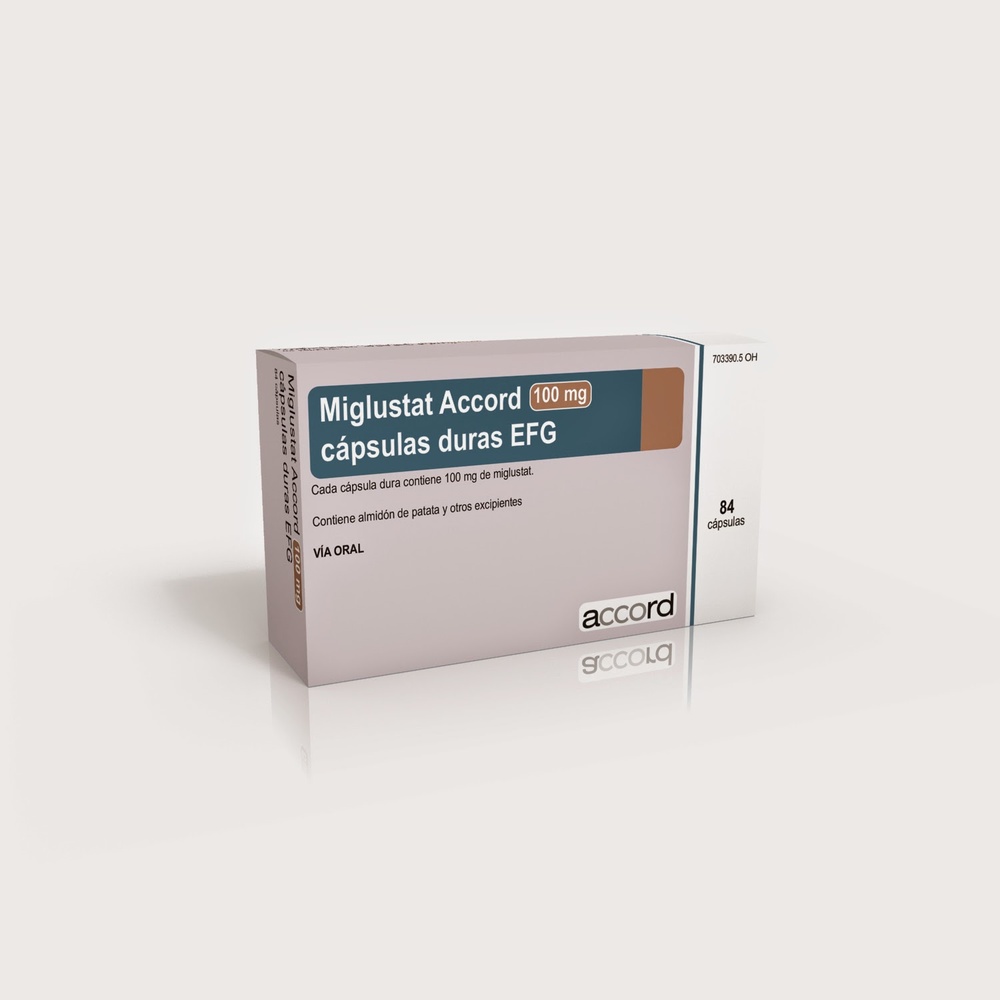
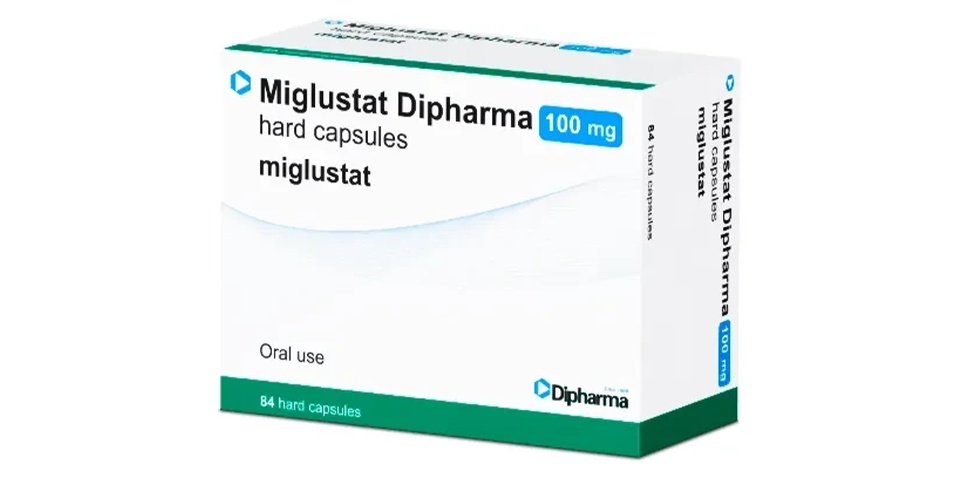
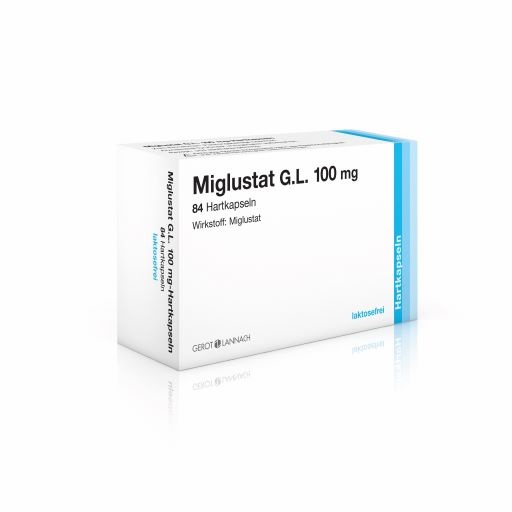
- Alternativas a YARGESA 100 MG CAPSULAS DURAS EFGForma farmacéutica: CAPSULA, 100 mgPrincipio activo: MiglustatFabricante: Accord Healthcare S.L.U.Requiere recetaForma farmacéutica: CAPSULA, 100 mgPrincipio activo: MiglustatFabricante: Dipharma Arzneimittel GmbhRequiere recetaForma farmacéutica: CAPSULA, 100 mgPrincipio activo: MiglustatFabricante: Gen.Orph S.A.S.Requiere receta
Médicos online para YARGESA 100 MG CAPSULAS DURAS EFG
Comenta la dosis, los posibles efectos secundarios, interacciones, contraindicaciones o la revisión de receta de YARGESA 100 MG CAPSULAS DURAS EFG, sujeto a valoración médica y a la normativa local.









Obtén una receta de YARGESA 100 MG CAPSULAS DURAS EFG online
Rellena un formulario de 2 minutos
Cuéntanos tus síntomas, historial y el medicamento que necesitas.
Elige un médico o nosotros te asignamos uno
Escoge un especialista o te conectamos con el próximo médico disponible.
El médico revisa tu caso
Normalmente en 30 minutos. Puede hacerte preguntas adicionales por chat.
Recógela en cualquier farmacia
Receta electrónica enviada a tu correo, válida en toda España.
Preguntas frecuentes
YARGESA 100 MG CAPSULAS DURAS EFG requires receta en España. Puedes confirmarlo con un médico online según tu caso.
El principio activo de YARGESA 100 MG CAPSULAS DURAS EFG es Miglustat. Esta información ayuda a identificar medicamentos con la misma composición pero con diferentes nombres comerciales.
YARGESA 100 MG CAPSULAS DURAS EFG es fabricado por Piramal Critical Care B.V.. La marca y el envase pueden variar según el distribuidor.
Los Médicos de familia, Psiquiatras, Dermatólogos, Cardiólogos, Endocrinólogos, Gastroenterólogos, Neumólogos, Nefrólogos, Reumatólogos, Hematólogos, Infectólogos, Alergólogos, Geriatras, Pediatras, Oncólogos pueden valorar la prescripción de YARGESA 100 MG CAPSULAS DURAS EFG cuando esté clínicamente indicado. Puedes reservar una videoconsulta para comentar tu caso y las opciones de tratamiento.
España cuenta con una infraestructura sanitaria bien desarrollada en ciudades principales como Madrid, Barcelona, Valencia y Sevilla. Las farmacias están ampliamente disponibles y operan bajo estrictas regulaciones, garantizando el acceso a medicamentos con receta.
Puedes comprar YARGESA 100 MG CAPSULAS DURAS EFG en Madrid, Barcelona, Sevilla o Valencia en cualquier farmacia local con una receta válida.
Para obtener una receta, puedes utilizar Oladoctor:
Otros medicamentos con el mismo principio activo (Miglustat) incluyen MIGLUSTAT ACCORD 100 MG CAPSULAS DURAS EFG, MIGLUSTAT DIPHARMA 100 MG CAPSULAS DURAS EFG, MIGLUSTAT GEN.ORPH 100 MG CAPSULAS DURAS EFG. Pueden tener diferentes nombres comerciales o formulaciones, pero contienen el mismo componente terapéutico. Consulta siempre con un médico antes de cambiar o iniciar un nuevo medicamento.
