







Cómo usar Viread 33 mg/g GRANULOS
Traducción generada por IA
Este contenido ha sido traducido automáticamente y se ofrece solo con fines informativos. No sustituye la consulta con un profesional sanitario.
Ver originalContenido del prospecto
Introducción
Prospecto: información para el paciente
Viread 33 mg/g gránulos
Tenofovir disoproxilo
Lea todo el prospecto detenidamente antes de empezar a tomar este medicamento, porque contiene información importante para usted.
- Conserve este prospecto, ya que puede tener que volver a leerlo.
- Si tiene alguna duda, consulte a su médico o farmacéutico.
- Este medicamento se le ha recetado solamente a usted, y no debe dárselo a otras personas aunque tengan los mismos síntomas que usted, ya que puede perjudicarles.
- Si experimenta efectos adversos, consulte a su médico o farmacéutico, incluso si se trata de efectos adversos que no aparecen en este prospecto. Ver sección 4.
Contenido del prospecto
- Qué es Viread y para qué se utiliza
- Qué necesita saber antes de empezar a tomar Viread
- Cómo tomar Viread
- Posibles efectos adversos
- Conservación de Viread
- Contenido del envase e información adicional
Si Viread le ha sido prescrito a su niño, tenga en cuenta que toda la información de este prospecto está dirigida a su niño (en este caso lea “su niño” en lugar de “usted”).
1. Qué es Viread y para qué se utiliza
Viread contiene el principio activo tenofovir disoproxilo. Este principio activo es un medicamento antirretroviralo antiviral que se utiliza para tratar la infección por VIH, o VHB, o ambas. Tenofovir es un inhibidor de la transcriptasa inversa análogo de nucleótido, que se conoce generalmente como ITIAN y actúa interfiriendo en la función normal de unas enzimas (en el caso de VIH la transcriptasa inversay en hepatitis B la ADN polimerasa) que son esenciales para que los virus se reproduzcan.
Para el tratamiento de la infección por VIH, Viread se debe usar siempre en combinación con otros medicamentos.
Viread 33 mg/g gránulos es un medicamento que se utiliza para tratar la infección por el VIH(Virus de la Inmunodeficiencia Humana). Es adecuado para:
- adultos
- niños y adolescentes entre 2 y menos de 18 años que ya han sido tratadoscon otros medicamentos contra el VIH los cuales ya no sean plenamente efectivos debido al desarrollo de resistencias, o que hayan causado efectos adversos.
Viread 33 mg/g gránulos también es un medicamento que se utiliza para tratar la hepatitis B crónica, una infección por el VHB(virus de la hepatitis B). Es adecuado para:
- adultos
- niños y adolescentes entre 2 y menos de 18 años.
No hace falta que tenga VIH para ser tratado con Viread para el VHB.
Este medicamento no es una cura para la infección por VIH. Mientras esté tomando Viread podrá seguir teniendo infecciones u otras enfermedades asociadas con la infección por VIH. También puede continuar transmitiendo el VIH o VHB a otros. Por tanto es importante que tome precauciones para evitar infectar a otras personas.

2. Qué necesita saber antes de empezar a tomar Viread
No tome Viread
- Si es alérgicoa tenofovir, tenofovir disoproxilo o a alguno de los demás componentes de este medicamento (incluidos en la sección 6).
- Si este es su caso, informe a su médico inmediatamente y no tome Viread.
Advertencias y precauciones
Consulte a su médico o farmacéutico antes de empezar a tomar Viread.
- Tenga cuidado para no transmitir su infección a otras personas.Mientras esté tomando este medicamento aún puede transmitir el VIH a los demás, aunque el tratamiento antiviral eficaz reduzca el riesgo. Consulte a su médico sobre qué precauciones son necesarias para no infectar a otras personas. Viread no reduce el riesgo de transmisión del VHB por contacto sexual o contaminación por sangre. Debe continuar tomando precauciones para evitarlo.
- Si ha tenido enfermedad renal o si sus análisis han mostrado problemas renales, consulte a su médico o farmacéutico.No se debe administrar Viread a niños con problemas renales existentes. Antes de comenzar el tratamiento, su médico puede solicitar que se haga unos análisis de sangre para evaluar el funcionamiento de sus riñones. Viread puede afectar a sus riñones durante el tratamiento. Su médico puede solicitar que se haga unos análisis de sangre durante el tratamiento para controlar el funcionamiento de sus riñones. Si es usted un adulto, su médico puede aconsejarle que reduzca su dosis diaria de los gránulos. No reduzca la dosis prescrita, a menos que su médico se lo haya indicado.
Viread normalmente no se toma junto con otros medicamentos que puedan dañar sus riñones (ver Toma de Viread con otros medicamentos). Si esto es inevitable, su médico controlará el funcionamiento de sus riñones una vez a la semana.
- Problemas óseos.Algunos pacientes adultos con VIH que reciben tratamiento antirretroviral combinado pueden desarrollar una enfermedad de los huesos llamada osteonecrosis (muerte de tejido óseo provocada por la falta de riego sanguíneo en el hueso). Entre los numerosos factores de riesgo para desarrollar esta enfermedad se encuentran la duración del tratamiento antirretroviral combinado, el uso de corticosteroides, el consumo de alcohol, la inmunodepresión grave y el índice de masa corporal elevado. Los síntomas de la osteonecrosis son: rigidez en las articulaciones, dolor y molestias (especialmente en cadera, rodilla y hombro), y dificultad de movimiento. Si nota cualquiera de estos síntomas, informe a su médico.
Pueden también ocurrir problemas en los huesos (a veces terminan en fracturas) debido al daño en las células del túbulo renal (ver sección 4, Posibles efectos adversos).
- Hable con su médico si tiene antecedentes de enfermedad hepática, incluyendo hepatitis.Los pacientes con enfermedad hepática incluyendo hepatitis crónica B o C, tratados con antirretrovirales, tienen un mayor riesgo de complicaciones hepáticas graves y potencialmente mortales. Si tiene infección por hepatitis B, su médico considerará cuidadosamente el mejor tratamiento para usted. Si tiene antecedentes de enfermedad hepática o infección crónica por hepatitis B, su médico puede realizarle análisis de sangre para controlar su función hepática.
- Infecciones.Si presenta infección avanzada por VIH (SIDA) y presenta otro tipo de infección, puede desarrollar síntomas de infección e inflamación o empeoramiento de los síntomas de una infección existente, cuando comience el tratamiento con Viread. Estos síntomas pueden indicar que su sistema inmune mejorado está luchando frente a la infección. Esté al tanto por si aparecen signos de inflamación o de infección tras comenzar a tomar Viread. Si nota signos de inflamación o infección, informe a su médico inmediatamente.
Además de las infecciones oportunistas, también pueden aparecer trastornos autoinmunitarios (una afección que ocurre cuando el sistema inmunitario ataca tejido corporal sano) después de que usted haya empezado a tomar medicamentos para el tratamiento de su infección por VIH.
Los trastornos autoinmunitarios pueden aparecer muchos meses después del inicio del tratamiento. Si observa cualquier síntoma de infección u otros síntomas como por ejemplo debilidad muscular, debilidad que empieza en las manos y pies y que asciende hacia el tronco del cuerpo, palpitaciones, temblor o hiperactividad, informe a su médico inmediatamente para recibir el tratamiento necesario.
- Si tiene más de 65 años, informe a su médico o farmacéutico.Viread no se ha estudiado en pacientes mayores de 65 años. Si es mayor de esta edad y le han recetado Viread, su médico le controlará cuidadosamente.
Niños y adolescentes
Viread 33 mg/g gránulos sólo es adecuadopara:
- niños y adolescentes infectados por el VIH-1 entre 2 y menos de 18 años que ya hayan sido tratadoscon otros medicamentos contra el VIH los cuales ya no sean plenamente efectivos debido al desarrollo de resistencias, o que hayan causado efectos adversos
- niños y adolescentes infectados por el VHB entre 2 y menos de 18 años.
Viread 33 mg/g gránulos noes adecuado para los siguientes grupos:
- No paraniños infectados por el VIH-1menores de 2 años
- No paraniños infectados por el VHB (virus de la hepatitis B)menores de 2 años.
Para conocer la dosis, ver sección 3, Cómo tomar Viread.
Otros medicamentos y Viread
Informe a su médico o farmacéutico si está tomando, ha tomado recientemente o pudiera tener que tomar cualquier otro medicamento.
- No deje de tomar ningún medicamento anti-VIHrecetado por su médico cuando inicie su tratamiento con Viread si tiene VHB y VIH.
- No tome Vireadsi está usando medicamentos que ya contengan tenofovir disoproxilo o tenofovir alafenamida. No tome Viread junto con medicamentos que contengan adefovir dipivoxil (un medicamento que se utiliza para tratar la hepatitis B crónica).
- Es muy importante que le diga a su médico si está tomando otros medicamentos que puedan dañar sus riñones.
Entre estos medicamentos se incluyen:
- aminoglucósidos, pentamidina o vancomicina (utilizados para tratar infecciones bacterianas)
- amfotericina B (utilizado para tratar infecciones por hongos)
- foscarnet, ganciclovir o cidofovir (utilizados para tratar infecciones virales)
- interleucina-2 (utilizado para tratar el cáncer)
- adefovir dipivoxil (utilizado para tratar la infección por VHB)
- tacrolimus (utilizado para producir supresión del sistema inmune),
- antiinflamatorios no esteroideos (AINE, para aliviar dolores óseos o musculares).
- Otros medicamentos que contienen didanosina (para la infección por VIH):Tomando Viread con otros medicamentos antivirales que contienen didanosina puede aumentarse los niveles de didanosina en su sangre y puede reducir el recuento de células CD4. Cuando se toman juntos medicamentos que contienen tenofovir disoproxilo y didanosina, se han comunicado en raras ocasiones inflamación del páncreas y acidosis láctica (exceso de ácido láctico en la sangre), en algunos casos mortales. Su médico considerará cuidadosamente si tratarle con combinaciones de tenofovir y didanosina.
- También es importante que informe a su médicosi está tomando ledipasvir/sofosbuvir, sofosbuvir/velpatasvir o sofosbuvir/velpatasvir/voxilaprevir para tratar la infección por el virus de la hepatitis C.
Toma de Viread con alimentos y bebidas
Viread gránulos debe mezclarse con alimentos blandos que no requieran masticación(por ejemplo yogur, compota o papilla). Si se mastica la mezcla de gránulos, tendrá un sabor muy amargo.
Embarazo y lactancia
Si está embarazada o en periodo de lactancia, o cree que podría estar embarazada o tiene intención de quedarse embarazada, consulte a su médico o farmacéutico antes de utilizar este medicamento.
- No debe tomar Viread durante el embarazoa menos que lo haya consultado específicamente con su médico. Aunque hay pocos datos clínicos del uso de Viread en mujeres embarazadas, por lo general no se utiliza salvo que sea absolutamente necesario.
- Si se queda embarazada,o planea quedarse embarazada, pregunte a su médico acerca de los riesgos y beneficios potenciales de su terapia antirretroviral para usted y para su niño.
- Si ha tomado Vireaddurante su embarazo, su médico puede solicitar que se haga análisis de sangre periódicos y otras pruebas diagnósticas para controlar el desarrollo de su niño. En niños cuyas madres tomaron ITIAN durante el embarazo, el beneficio de la protección frente al VIH fue mayor que el riesgo de que se produjeran efectos adversos.
- No dé el pecho a su niño durante el tratamiento con Viread.Esto se debe a que el principio activo de este medicamento pasa a la leche materna.
- Si es mujer y presenta infección por VIH o VHB, no dé el pecho a su niño para evitar que el virus pase al niño a través de la leche materna.
Conducción y uso de máquinas
Viread puede producir mareo. Si nota mareo durante el tratamiento con Viread, no conduzca ni monteen bicicletani maneje herramientas o máquinas.
Viread gránulos contiene manitol
El manitol puede tener un leve efecto laxante.
3. Cómo tomar Viread
Siga exactamente las instrucciones de administración de este medicamento indicadas por su médico o farmacéutico. En caso de duda, consulte de nuevo a su médico o farmacéutico.
La dosis recomendada es:
- Adultos y adolescentes entre 12 y menos de 18 años que pesen al menos 35 kg:245 mg, equivalentes a 7,5 cacitos de gránulos, una vez al día.
- Niños entre 2 y menos de 12 años:La dosis diaria en niños depende de su peso. El médico de su niño determinará la dosis correcta de Viread gránulos basándose en el peso de su niño.
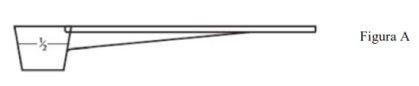
Viread gránulos debe medirse con el cacito de dosificación suministrado (ver la Figura A):
Cada cacito de dosificación raso administra 1 g de gránulos que contiene 33 mg de tenofovir disoproxilo (como fumarato).
- Llene hasta arriba el cacito de dosificación.
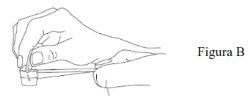
- Utilice el borde recto de un cuchillo limpio para enrasar los gránulos con la parte superior del cacito (ver la Figura B).
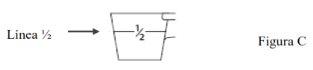
- Para ½ cacito:
- Llene el cacito de dosificación hasta la “línea ½” del costado (ver la Figura C).
- Introduzca el número correcto de cacitos rasos de gránulos en un recipiente.
- Debe mezclar los gránulos con alimento blando que no requiera masticación, por ejemplo yogur, compota o papilla. Se requiere una cucharada (15 ml) de alimento blando por cada cacito raso de gránulos. No mezcle los gránulos con líquidos.
- Debe tomar los gránulos mezclados con alimento inmediatamente.
- Tome toda la mezcla que prepare cada vez.
- Tome siempre la dosis recomendada por su médico.Esto es para asegurar que su medicamento sea completamente efectivo, y para reducir el riesgo de desarrollo de resistencia al tratamiento. No cambie la dosis salvo que su médico le diga que lo haga.
- Si usted es un adulto y tiene problemas de riñón, su médico puede aconsejarle que reduzca su dosis diaria de los gránulos.
- Si tiene VHB, su médico puede ofrecerle que se realice un test de VIH para ver si tiene VHB y VIH.
Consulte los prospectos de los otros antirretrovirales para saber cómo tomar dichos medicamentos.
Si toma más Viread del que debe
Si tomó accidentalmente demasiado Viread puede correr mayor riesgo de experimentar posibles efectos adversos con este medicamento (ver sección 4, Posibles efectos adversos). Consulte a su médico o acuda al servicio de urgencias más cercano. Lleve consigo el frasco de gránulos para que pueda describir fácilmente qué ha tomado.
Si olvidó tomar Viread
Es importante que no olvide una dosis de Viread. Si olvida una dosis, determine cuánto tiempo hace que debió tomarla.
- Si es menos de 12 horasdespués de cuando la toma normalmente, tómela tan pronto como pueda, y luego tome su dosis siguiente a su hora habitual.
- Si es más de 12 horasdesde que debió tomarla, no tome la dosis olvidada. Espere y tome la siguiente dosis a su hora habitual. No tome una dosis doble para compensar las dosis olvidadas.
Si vomita antes de que haya pasado 1 hora tras haber tomado Viread,tome otra dosis. No necesita tomar otra dosis si vomitó más de una hora después de la toma de Viread.
Si interrumpe el tratamiento con Viread
No deje de tomar Viread sin que su médico se lo diga. Suspender el tratamiento con Viread puede reducir la eficacia del tratamiento recomendado por su médico.
Si tiene hepatitis B, o VIH y hepatitis B (coinfección),es muy importante que no interrumpa su tratamiento con Viread sin antes hablar con su médico. Tras interrumpir el tratamiento con Viread, algunos pacientes han presentado análisis de sangre o síntomas indicativos de que su hepatitis había empeorado. Puede ser necesario que le hagan análisis de sangre durante varios meses después de interrumpir el tratamiento. En pacientes con enfermedad hepática avanzada o cirrosis, no se recomienda interrumpir el tratamiento ya que esto puede conducir a un empeoramiento de su hepatitis.
- Hable con su médico antes de dejar de tomar Viread por cualquier motivo, particularmente si sufre algún efecto adverso o si tiene otra enfermedad.
- Hable con su médico inmediatamente si experimenta cualquier nuevo o inusual síntoma tras interrumpir su tratamiento, particularmente aquellos síntomas que relacione con la infección por virus de la hepatitis B.
- Contacte con su médico antes de reiniciar la toma de Viread gránulos.
Si tiene cualquier otra duda sobre el uso de este medicamento, pregunte a su médico o farmacéutico.

4. Posibles efectos adversos
Durante el tratamiento del VIH puede haber un aumento en el peso y en los niveles de glucosa y lípidos en la sangre. Esto puede estar en parte relacionado con la recuperación de la salud y con el estilo de vida y en el caso de los lípidos en la sangre, algunas veces con los medicamentos para el VIH por sí mismos. Su médico le controlará estos cambios.
Al igual que todos los medicamentos, este medicamento puede producir efectos adversos, aunque no todas las personas los sufran.
Posibles efectos adversos graves: informe a su médico inmediatamente
- La acidosis láctica(exceso de ácido láctico en la sangre) es un efecto adverso raro(puede afectar hasta 1 de cada 1.000 pacientes) pero grave que puede llegar a ser mortal. Los siguientes efectos adversos pueden ser signos de acidosis láctica:
- respiración profunda y rápida
- somnolencia
- náuseas, vómitos y dolor de estómago
- Si piensa que puede tener acidosis láctica, contacte con su médico inmediatamente.
Otros posibles efectos adversos graves
Los siguientes efectos adversos son poco frecuentes (pueden afectar hasta 1 de cada 100 pacientes):
- dolor abdominal(de tripa) causado por inflamación del páncreas
- daño en las células del túbulo renal
Los siguientes efectos adversos son raros (pueden afectar hasta 1 de cada 1.000 pacientes):
- inflamación del riñón, aumento del volumen de orina y sensación de sed
- cambios ensu orinay dolor de espaldapor problemas en el riñón, incluyendo fallo renal
- debilitamiento de los huesos (con dolor de huesosy que a veces termina en fracturas), que puede ocurrir debido al daño en las células del túbulo renal
- hígado graso
- Si piensa que puede tener alguno de estos efectos adversos graves, consulte a su médico.
Efectos adversos más frecuentes
Los siguientes efectos adversos son muy frecuentes(pueden afectar al menos a 10 de cada 100 pacientes):
- diarrea, vómitos, náuseas, mareos, erupción, sentirse débil
Los análisis también pueden mostrar:
- disminución del nivel de fosfatos en sangre
Otros posibles efectos adversos
Los siguientes efectos adversos son frecuentes(pueden afectar hasta 10 de cada 100 pacientes):
- dolor de cabeza, dolor de estómago, sentirse cansado, sentirse hinchado, flatulencia
Los análisis también pueden mostrar:
- problemas en el hígado
Los siguientes efectos adversos son poco frecuentes(pueden afectar hasta 1 de cada 100 pacientes):
- rotura muscular, dolor o debilidad muscular
Los análisis también pueden mostrar:
- disminución de los niveles de potasio en sangre
- aumento de creatinina en sangre
- problemas en el páncreas
La rotura muscular, debilitamiento de los huesos (con dolor de huesos y que a veces termina en fracturas), dolor muscular, debilidad muscular y disminución de los niveles de potasio o de fosfato en sangre, pueden ocurrir debido al daño en las células del túbulo renal.
Los siguientes efectos adversos son raros(pueden afectar hasta 1 de cada 1.000 pacientes):
- dolor abdominal (de tripa) causado por inflamación del hígado
- hinchazón de la cara, labios, lengua o garganta
Comunicación de efectos adversos
Si experimenta cualquier tipo de efecto adverso, consulte a su médico o farmacéutico, incluso si se trata de posibles efectos adversos que no aparecen en este prospecto. También puede comunicarlos directamente a través del sistema nacional de notificación incluido en el Apéndice V. Mediante la comunicación de efectos adversos usted puede contribuir a proporcionar más información sobre la seguridad de este medicamento.
5. Conservación de Viread
Mantener este medicamento fuera de la vista y del alcance de los niños.
No utilice este medicamento después de la fecha de caducidad que aparece en el frasco y en la cajadespués de CAD. La fecha de caducidad es el último día del mes que se indica.
No conservar a temperatura superior a 25°C.
Los medicamentos no se deben tirar por los desagües ni a la basura. Pregunte a su farmacéutico cómo deshacerse de los envases y de los medicamentos que ya no necesita. De esta forma ayudará a proteger el medio ambiente.
6. Contenido del envase e información adicional
Composición de Viread
- El principio activo estenofovir. Un gramo de Viread gránulos contiene 33 mg de tenofovir disoproxilo (en forma de fumarato).
- Los demás componentes son:etilcelulosa (E462), hidroxipropilcelulosa (E463), manitol (E421) y dióxido de silicio (E551). Consulte la sección 2 “Viread gránulos contiene manitol”.
Aspecto del producto y contenido del envase
Este medicamento está constituido por un granulado recubierto de color blanco. Los gránulos se suministran en un frasco que contiene 60 g de gránulos y están envasados con un cacito de dosificación.
Titular de la autorización de comercialización y responsable de la fabricación
Titular de la autorización de comercialización:
Gilead Sciences Ireland UC
Carrigtohill
County Cork, T45 DP77
Irlanda
Responsable de la fabricación:
Gilead Sciences Ireland UC
IDA Business & Technology Park
Carrigtohill
County Cork
Irlanda
Pueden solicitar más información respecto a este medicamento dirigiéndose al representante local del titular de la autorización de comercialización:
België/Belgique/Belgien Gilead Sciences Belgium SPRL-BVBA Tél/Tel: + 32 (0) 24 01 35 50 | Lietuva Gilead Sciences Poland Sp. z o.o. Tel: + 48 22 262 8702 |
???????? Gilead Sciences Ireland UC ???.: + 353 (0) 1 686 1888 | Luxembourg/Luxemburg Gilead Sciences Belgium SPRL-BVBA Tél/Tel: + 32 (0) 24 01 35 50 |
Ceská republika Gilead Sciences s.r.o. Tel: + 420 910 871 986 | Magyarország Gilead Sciences Ireland UC Tel: + 353 (0) 1 686 1888 |
Danmark Gilead Sciences Sweden AB Tlf: + 46 (0) 8 5057 1849 | Malta Gilead Sciences Ireland UC Tel: + 353 (0) 1 686 1888 |
Deutschland Gilead Sciences GmbH Tel: + 49 (0) 89 899890-0 | Nederland Gilead Sciences Netherlands B.V. Tel: + 31 (0) 20 718 36 98 |
Eesti Gilead Sciences Poland Sp. z o.o. Tel: + 48 22 262 8702 | Norge Gilead Sciences Sweden AB Tlf: + 46 (0) 8 5057 1849 |
Ελλ?δα Gilead Sciences Ελλ?ς Μ.ΕΠΕ. Τηλ: + 30 210 8930 100 | Österreich Gilead Sciences GesmbH Tel: + 43 1 260 830 |
España Gilead Sciences, S.L. Tel: + 34 91 378 98 30 | Polska Gilead Sciences Poland Sp. z o.o. Tel: + 48 22 262 8702 |
France Gilead Sciences Tél: + 33 (0) 1 46 09 41 00 | Portugal Gilead Sciences, Lda. Tel: + 351 21 7928790 |
Hrvatska Gilead Sciences Ireland UC Tel: + 353 (0) 1 686 1888 | România Gilead Sciences Ireland UC Tel: + 353 (0) 1 686 1888 |
Ireland Gilead Sciences Ireland UC Tel: + 353 (0) 214 825 999 | Slovenija Gilead Sciences Ireland UC Tel: + 353 (0) 1 686 1888 |
Ísland Gilead Sciences Sweden AB Sími: + 46 (0) 8 5057 1849 | Slovenská republika Gilead Sciences Slovakia s.r.o. Tel: + 421 232 121 210 |
Italia Gilead Sciences S.r.l. Tel: + 39 02 439201 | Suomi/Finland Gilead Sciences Sweden AB Puh/Tel: + 46 (0) 8 5057 1849 |
Κ?προς Gilead Sciences Ελλ?ς Μ.ΕΠΕ. Τηλ: + 30 210 8930 100 | Sverige Gilead Sciences Sweden AB Tel: + 46 (0) 8 5057 1849 |
Latvija Gilead Sciences Poland Sp. z o.o. Tel: + 48 22 262 8702 | United Kingdom Gilead Sciences Ltd. Tel: + 44 (0) 8000 113 700 |
Fecha de la última revisión de este prospecto: {MM/AAAA}
La información detallada de este medicamento está disponible en la página web de la Agencia Europea de Medicamentos: http://www.ema.europa.eu.
- País de registro
- Forma farmacéuticaSOLUCIÓN/SUSPENSIÓN ORAL, 33 mg/g
- Código ATCJ05AF07
- Principio activo
- Requiere recetaSí
- Fabricante
- Esta información es de carácter general y no sustituye la consulta con un profesional sanitario.
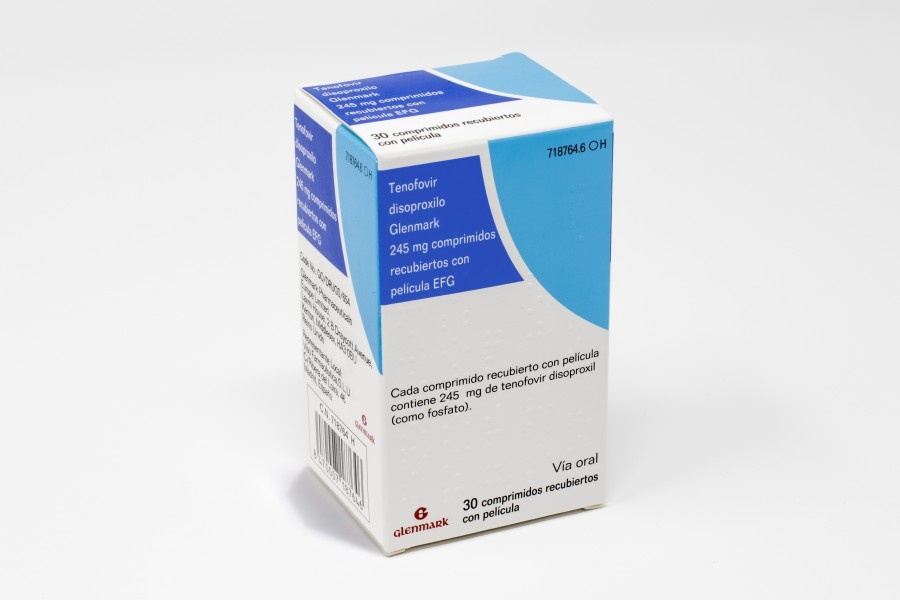
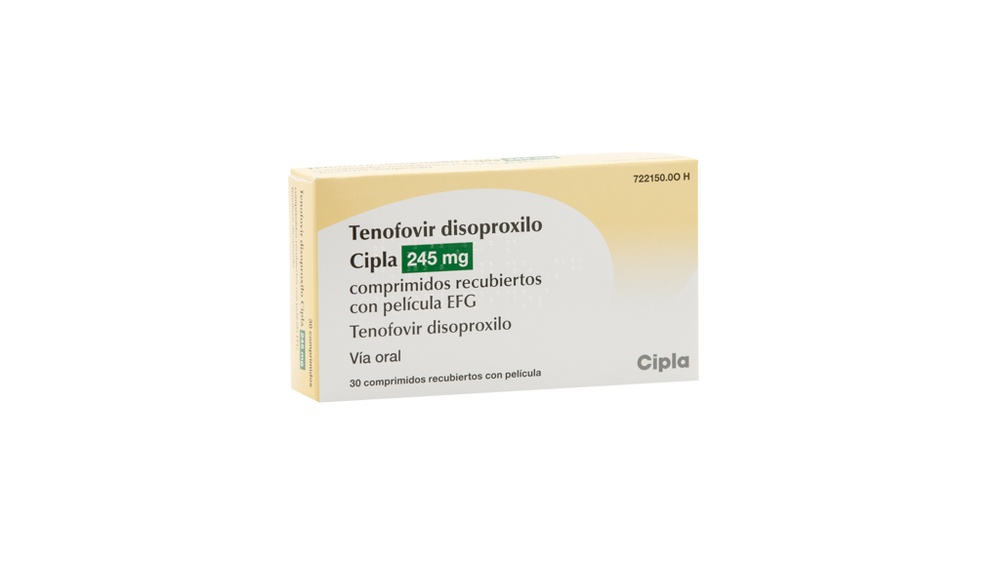
- Alternativas a Viread 33 mg/g GRANULOSForma farmacéutica: COMPRIMIDO, 245 mgPrincipio activo: Tenofovir disoproxiloFabricante: Accord Healthcare S.L.U.Requiere recetaForma farmacéutica: COMPRIMIDO, 245 mgPrincipio activo: Tenofovir disoproxiloFabricante: Aurovitas Spain, S.A.U.Requiere recetaForma farmacéutica: COMPRIMIDO, 245 mgPrincipio activo: Tenofovir disoproxiloFabricante: Cipla EuropeRequiere receta
Médicos online para Viread 33 mg/g GRANULOS
Comenta la dosis, los posibles efectos secundarios, interacciones, contraindicaciones o la revisión de receta de Viread 33 mg/g GRANULOS, sujeto a valoración médica y a la normativa local.









Obtén una receta de Viread 33 mg/g GRANULOS online
Rellena un formulario de 2 minutos
Cuéntanos tus síntomas, historial y el medicamento que necesitas.
Elige un médico o nosotros te asignamos uno
Escoge un especialista o te conectamos con el próximo médico disponible.
El médico revisa tu caso
Normalmente en 30 minutos. Puede hacerte preguntas adicionales por chat.
Recógela en cualquier farmacia
Receta electrónica enviada a tu correo, válida en toda España.
Preguntas frecuentes
Viread 33 mg/g GRANULOS requires receta en España. Puedes confirmarlo con un médico online según tu caso.
El principio activo de Viread 33 mg/g GRANULOS es Tenofovir disoproxilo. Esta información ayuda a identificar medicamentos con la misma composición pero con diferentes nombres comerciales.
Viread 33 mg/g GRANULOS es fabricado por Gilead Sciences Ireland Unlimited Company. La marca y el envase pueden variar según el distribuidor.
Los Médicos de familia, Psiquiatras, Dermatólogos, Cardiólogos, Endocrinólogos, Gastroenterólogos, Neumólogos, Nefrólogos, Reumatólogos, Hematólogos, Infectólogos, Alergólogos, Geriatras, Pediatras, Oncólogos pueden valorar la prescripción de Viread 33 mg/g GRANULOS cuando esté clínicamente indicado. Puedes reservar una videoconsulta para comentar tu caso y las opciones de tratamiento.
España cuenta con una infraestructura sanitaria bien desarrollada en ciudades principales como Madrid, Barcelona, Valencia y Sevilla. Las farmacias están ampliamente disponibles y operan bajo estrictas regulaciones, garantizando el acceso a medicamentos con receta.
Puedes comprar Viread 33 mg/g GRANULOS en Madrid, Barcelona, Sevilla o Valencia en cualquier farmacia local con una receta válida.
Para obtener una receta, puedes utilizar Oladoctor:
Otros medicamentos con el mismo principio activo (Tenofovir disoproxilo) incluyen TENOFOVIR DISOPROXILO ACCORPHARMA 245 MG COMPRIMIDOS RECUBIERTOS CON PELICULA EFG, TENOFOVIR DISOPROXILO AUROVITAS 245 MG COMPRIMIDOS RECUBIERTOS CON PELICULA EFG, TENOFOVIR DISOPROXILO CIPLA 245 MG COMPRIMIDOS RECUBIERTOS CON PELICULA EFG. Pueden tener diferentes nombres comerciales o formulaciones, pero contienen el mismo componente terapéutico. Consulta siempre con un médico antes de cambiar o iniciar un nuevo medicamento.
