

TRAMADOL/PARACETAMOL ALTER 37,5 mg/325 mg Comprimidos recubiertos con película





Cómo usar TRAMADOL/PARACETAMOL ALTER 37,5 MG/325 MG COMPRIMIDOS RECUBIERTOS CON PELICULA EFG
Traducción generada por IA
Este contenido ha sido traducido automáticamente y se ofrece solo con fines informativos. No sustituye la consulta con un profesional sanitario.
Ver originalContenido del prospecto
Introducción
Prospecto: información para el paciente
Tramadol/Paracetamol Alter 37,5 mg /325 mg comprimidos recubiertos con película EFG
Hidrocloruro de tramadol /Paracetamol
Lea todo el prospecto detenidamente antes de empezar a tomar el medicamento, porque contiene información importante para usted.
- Conserve este prospecto, ya que puede tener que volver a leerlo.
- Si tiene alguna duda, consulte a su médico o farmacéutico.
- Este medicamento se le ha recetado solamente a usted, y no debe dárselo a otras personas aunque tengan los mismos síntomas que usted, ya que puede perjudicarles.
- Si experimenta efectos adversos, consulte a su médico o farmacéutico, incluso si se trata de efectos adversos que no aparecen en este prospecto. Ver sección 4.
Contenido del prospecto
- Qué es Tramadol/Paracetamol Alter y para qué se utiliza
- Qué necesita saber antes de empezar a tomar Tramadol/Paracetamol Alter
- Cómo tomar Tramadol/Paracetamol Alter
- Posibles efectos adversos
- Conservación de Tramadol/Paracetamol Alter
- Contenido del envase e información adicional
1. Qué es Tramadol/Paracetamol Alter y para qué se utiliza
Tramadol/Paracetamol Alter es una combinación de dos analgésicos, tramadol y paracetamol, que actúan juntos para aliviar el dolor.
Tramadol/paracetamol está indicado en el tratamiento sintomático del dolor de intensidad de moderada a intensa siempre que su médico crea que la combinación de tramadol y paracetamol es necesaria.
Tramadol/paracetamol sólo debe ser utilizado por adultos y adolescentes mayores de 12 años.

2. Qué necesita saber antes de empezar a tomar Tramadol/Paracetamol Alter
No tome Tramadol/Paracetamol Alter
- si es alérgico al hidrocloruro de tramadol, paracetamol o a alguno de los demás componentes de este medicamento (incluidos en la sección 6);
- si ha tomado algún medicamento para el tratamiento del insomnio, analgésicos potentes (opioides), o bien medicamentos psicótropos (medicamentos que pueden alterar el estado de ánimo y las emociones);
- en caso de intoxicación alcohólica aguda;
- si está tomando inhibidores, de la MAO (ciertos medicamentos utilizados para el tratamiento de la depresión o de la enfermedad de Parkinson), o si los ha tomado en los últimos 14 días antes del tratamiento con tramadol/paracetamol;
- si padece una enfermedad hepática grave;
- si padece epilepsia que no está adecuadamente controlada con su actual tratamiento.
Advertencias y precauciones
Trastornos respiratorios relacionados con el sueño
Tramadol/paracetamol Alter puede provocar trastornos respiratorios relacionados con el sueño, como apnea del sueño (pausas en la respiración durante el sueño) e hipoxemia relacionada con el sueño (nivel bajo de oxígeno en la sangre). Entre los síntomas pueden incluirse pausas en la respiración durante el sueño, despertares nocturnos debidos a la falta de aliento, dificultad para mantener el sueño o somnolencia excesiva durante el día. Si usted u otra persona observa estos síntomas, póngase en contacto con su médico. Puede que su médico considere una reducción de la dosis.
Consulte a su médico o farmacéutico antes de empezar a tomar Tramadol/Paracetamol Alter:
- si está tomando otros medicamentos que contengan paracetamol o tramadol;
- si tiene problemas de hígado o enfermedad hepática o si nota que sus ojos o su piel adquieren un tono amarillo. Esto puede ser indicativo de ictericia o problemas con sus conductos biliares;
- si tiene problemas de riñón;
- si tiene dificultades respiratorias severas por ejemplo asma o problemas pulmonares graves;
- si es epiléptico o ha sufrido ataques o convulsiones;
- si ha sufrido recientemente traumatismo craneoencefálico, shock o dolores de cabeza intensos asociados con vómitos;
- si tiene dependencia a cualquier otro medicamento utilizado para el alivio del dolor, por ejemplo, morfina;
- si está tomando otros medicamentos para el tratamiento del dolor que contengan buprenorfina, nalbufina o pentazocina;
- si va a ser anestesiado. Dígale a su médico o dentista que está utilizando tramadol/paracetamol.
- si sufre depresión y está tomando antidepresivos puesto que algunos pueden interactuar con el tramadol (véase “Toma de Tramadol/Paracetamol Alter con otros medicamentos”).
- si tiene enfermedades graves, como insuficiencia renal grave o sepsis (cuando las bacterias y sus toxinas circulan en la sangre, lo que provoca daños en los órganos), o si padece malnutrición, alcoholismo crónico o si también está tomando flucloxacilina (un antibiótico). Se ha notificado una enfermedad grave denominada acidosis metabólica (una anomalía en la sangre y los líquidos) en pacientes en estas situaciones cuando se utiliza paracetamol a dosis regulares durante un período prolongado o cuando se toma paracetamol junto con flucloxacilina. Los síntomas de acidosis metabólica pueden incluir: dificultad respiratoria grave con respiración profunda y rápida, somnolencia, sensación de malestar (náuseas) y vómitos.
Si le surge o le ha surgido en el pasado cualquiera de estos problemas mientras está tomando tramadol/paracetamol, por favor informe a su médico. Él decidirá si usted debe continuar tomando este medicamento.
Hable con su médico o farmacéutico si experimenta alguno de los siguientes síntomas mientras toma esta medicamento:
- Fatiga extrema, falta de apetito, dolor abdominal grave, náuseas, vómitos o presión arterial baja. Pueden ser indicadores de insuficiencia suprarrenal (niveles bajos de cortisol). Si tiene estos síntomas, póngase en contacto con su médico, que decidirá si necesita tomar suplementos hormonales.
Existe un débil riesgo de que experimente un síndrome serotoninérgico susceptible de aparecer después de haber tomado tramadol en combinación con determinados antidepresivos o tramadol en monoterapia. Consulte inmediatamente con un médico si presenta alguno de los síntomas ligados a este síndrome grave (ver sección 4 “Posibles efectos adversos”).
Tolerancia, dependencia y adicción
Este medicamento contiene tramadol que es un medicamento opiáceo. El uso repetido de opiáceos puede hacer que el medicamento sea menos eficaz (se habitúa a él, lo que se conoce como tolerancia). El uso repetido de Tramadol/Paracetamol también puede provocar dependencia, abuso y adicción, lo que puede dar lugar a una sobredosis potencialmente mortal. El riesgo de estos efectos secundarios puede aumentar con una dosis más alta y una mayor duración del uso.
La dependencia o la adicción pueden hacerle sentir que ya no controla la cantidad de medicamento que necesita tomar o la frecuencia con la que debe tomarlo.
El riesgo de volverse dependiente o adicto varía de una persona a otra. Puede tener un mayor riesgo de volverse dependiente o adicto a Tramadol/Paracetamol si:
- Usted o alguien de su familia ha abusado o ha sido dependiente del alcohol, los medicamentos con receta o las drogas ilegales ("adicción").
- Es fumador.
- Alguna vez ha tenido problemas con su estado de ánimo (depresión, ansiedad o un trastorno de la personalidad) o ha sido tratado por un psiquiatra por otras enfermedades mentales.
Si nota alguno de los siguientes signos mientras toma Tramadol/Paracetamol, podría ser un signo de que se ha vuelto dependiente o adicto:
- Necesita tomar el medicamento durante más tiempo del aconsejado por su médico
- Necesita tomar más de la dosis recomendada
- Utiliza el medicamento por motivos distintos a los prescritos, por ejemplo, "para mantener la calma" o "para dormir"
- Ha intentado repetidamente y sin éxito dejar o controlar el uso del medicamento
- Cuando deja de tomar el medicamento se siente mal, y se siente mejor cuando vuelve a tomarlo ("efecto de abstinencia")
Si observa alguno de estos signos, hable con su médico para que le indique la mejor vía de tratamiento para usted, incluyendo cuando es apropiado dejar de tomarlo y cómo hacerlo de forma segura (ver sección 3, Si deja de tomar Tramadol/Paracetamol).
Toma de Tramadol/Paracetamol Alter con otros medicamentos
Informe a su médico o farmacéutico si está tomando, ha tomado recientemente o pudiera tener que tomar cualquier otro medicamento.
- Flucloxacilina (antiobiótico), debido a un riesgo grave de alteración de la sangre y los fluidos (denominada acidosis metabólica) que debe ser tratada urgentemente (véase la sección 2).
Importante: este medicamento contiene paracetamol y tramadol. Informe a su médico si está tomando cualquier otro medicamento que contenga paracetamol o tramadol, de forma que no exceda la dosis máxima diaria.
Tramadol/paracetamol no debe tomarsejunto con inhibidores de la monoaminoxidasa (IMAOs) (ver sección “No tome Tramadol/Paracetamol Alter”).
No se recomienda el uso de tramadol/paracetamol si está en tratamiento con:
- Carbamacepina (un medicamento normalmente utilizado para tratar la epilepsia o algunos tipos de dolor, como ataques de dolor severo en la cara llamados neuralgias del trigémino).
- Buprenorfina, nalbufina o pentazocina (analgésico opioide). El alivio del dolor puede verse reducido.
El riesgo de efectos adversos se incrementa:
- Si está tomando triptanes (para el tratamiento de la migraña) o inhibidores selectivos de la recaptación de serotonina, “ISRSs” (para el tratamiento de la depresión). Si experimenta confusión, agitación, fiebre, sudoración, movimientos no coordinados de las extremidades o de los ojos, contracciones incontrolables de los músculos o diarrea, deberá llamar a su médico.
- Si está tomando sedantes, medicamentos para el tratamiento del insomnio, otros analgésicos como morfina y codeína (también cuando se utiliza para el tratamiento contra la tos), baclofeno (relajante muscular), algunos medicamentos para disminuir la presión arterial, medicamentos para el tratamiento de las alergias. Puede sentirse somnoliento o mareado. Si esto ocurre, consulte con su médico.
- Si está tomando medicamentos que faciliten o puedan provocar crisis convulsivas como es el caso de ciertos antidepresivos o antipsicóticos. El riesgo de crisis convulsivas aumenta si toma tramadol/paracetamol de forma simultánea a estos medicamentos. Su médico le dirá si tramadol/paracetamol es adecuado para usted.
- Si está tomando medicamentos antidepresivos, Tramadol/Paracetamol Alter puede interaccionar con estos medicamentos y puede experimentar un síndrome serotoninérgico (véase la sección 4 “Posibles efectos adversos”).
- Si está tomando warfarina o fenprocumona (medicamento utilizado para evitar coágulos en la sangre). La efectividad de estos medicamentos puede verse alterada existiendo riesgo de sangrado. Debe informar a su médico inmediatamente de cualquier hemorragia prolongada o inesperada.
- Gabapentina o pregabalina para tratar la epilepsia o el dolor debido a problemas nerviosos (dolor neuropático).
La efectividad de tramadol/paracetamol puede verse alterada si también toma:
- Metoclopramida, domperidona u ondansetrón (medicamentos para el tratamiento de náuseas y vómitos),
- Colestiramina (medicamento que reduce el colesterol en sangre).
Su médico sabrá cuáles son los medicamentos seguros para utilizar junto con tramadol/paracetamol.
Toma de Tramadol/Paracetamol Alter con alimentos y bebidas
Tramadol/paracetamol puede hacerle sentir somnolencia. El alcohol puede hacerle sentir más somnoliento, por lo que se recomienda no tomar alcohol mientras esté tomando tramadol/paracetamol.
Embarazo, lactancia y fertilidad
Debido a que tramadol/paracetamol contiene tramadol, no se recomienda tomar este medicamento durante el embarazo o la lactancia. Si se queda embarazada durante el tratamiento con tramadol/paracetamol, consulte a su médico antes de tomar el siguiente comprimido.
El tramadol puede pasar a la leche materna. Por esta razón, no debe tomar tramadol/paracetamol más de una vez durante la lactancia o, de lo contrario, si toma tramadol/paracetamol más de una vez, debe suspender la lactancia.
Basado en la experiencia en humanos, no se sugiere que tramadol influya en la fertilidad de hombres y mujeres. No hay datos disponibles sobre la combinación de tramadol y paracetamol en la fertilidad.
Si está embarazada o en periodo de lactancia, cree que podría estar embarazada o tiene intención de quedarse embarazada, consulte a su médico o farmacéutico antes de utilizar este medicamento.
Conducción y uso de máquinas
Pregunte a su médico si puede conducir o utilizar máquinas durante el tratamiento con este medicamento. Es importante que antes de conducir o utilizar máquinas, observe cómo le afecta este medicamento. No conduzca ni utilice máquinas si siente sueño, mareo, tiene visión borrosa o ve doble, o tiene dificultad para concentrarse. Tenga especial cuidado al inicio del tratamiento, tras un aumento de la dosis, tras un cambio de formulación y/o al administrarlo conjuntamente con otros medicamentos.
3. Cómo tomar Tramadol/Paracetamol Alter
Siga exactamente las instrucciones de administración de este medicamento indicadas por su médico. En caso de duda, consulte de nuevo a su médico o farmacéutico.
Antes de iniciar el tratamiento y de forma regular durante el mismo, su médico le explicará lo que puede esperar del uso de Tramadol/Paracetamol, cuándo y durante cuánto tiempo debe tomarlo, cuando debe ponerse en contacto con su médico y cuando debe interrumpirlo (ver también sección 2).
Debe tomar tramadol/paracetamol durante el menor tiempo posible.
No se recomienda el uso de este medicamento en niños menores de 12 años.
La dosis debe ser ajustada a la intensidad del dolor y su sensibilidad individual. Normalmente se debe usar la menor dosis posible que produzca alivio del dolor.
A menos que su médico le prescriba algo distinto, la dosis de inicio recomendada para adultos y adolescentes mayores de 12 años es de 2 comprimidos.
Si es necesario, puede aumentar la dosis, tal y como le recomiende su médico. El intervalo más corto entre dosis debe ser de al menos 6 horas.
No tome más de 8 comprimidos de Tramadol/Paracetamol Alter al día.
No tome tramadol/paracetamol más frecuentemente de lo que le haya indicado su médico.
Pacientes de edad avanzada
En pacientes de edad avanzada (mayores de 75 años) la eliminación de tramadol puede ser lenta. Si este es su caso, su médico puede recomendarle prolongar los intervalos de dosificación.
Pacientes con insuficiencia hepática o renal/pacientes en diálisis
Si padece alguna enfermedad grave de hígado o riñón, el tratamiento con tramadol/paracetamol no está recomendado. Si padece trastornos moderados de hígado o riñón su médico podría prolongar los intervalos de dosificación.
Uso en niños y adolescentes
No se recomienda el uso de este medicamento en niños menores de 12 años.
Forma de administración
Tramadol/paracetamol se presenta en forma de comprimidos para administrar por vía oral.
Los comprimidos deben tragarse enteros con suficiente líquido. No deben romperse ni masticarse.
Si estima que el efecto de tramadol/paracetamol es demasiado fuerte (ej: se siente muy somnoliento o tiene dificultad para respirar) o demasiado débil (ej: no tiene un adecuado alivio del dolor), comuníqueselo a su médico.
Si toma más Tramadol/Paracetamol Alter del que debe
Si ha tomado más tramadol/paracetamol del que debe, aunque se sienta bien, consulte inmediatamente a su médico o farmacéutico, ya que existe el riesgo de que se produzcan daños graves en el hígado que sólo se pondrán de manifiesto más tarde.
En caso de sobredosis o ingestión accidental, consulte al Servicio de Información Toxicológica, teléfono 91 562 04 20.
Si olvidó tomar Tramadol/Paracetamol Alter
Si olvidó tomar una dosis de tramadol/paracetamol, es probable que el dolor reaparezca. No tome una dosis doble para compensar las dosis olvidadas, simplemente continúe tomando los comprimidos como de costumbre.
Si interrumpe el tratamiento con Tramadol/Paracetamol Alter
Generalmente no aparecen efectos indeseados tras la interrupción del tratamiento con tramadol/paracetamol. Sin embargo, en raras ocasiones, puede darse el caso de que pacientes que han estado tomando tramadol/paracetamol durante un tiempo y han interrumpido el tratamiento de forma brusca se sientan mal (ver sección 4 “Posibles efectos adversos”). Si ha estado tomando tramadol/paracetamol durante algún tiempo, debería consultar a su médico antes de interrumpir el tratamiento ya que su cuerpo podría haberse habituado a él.
Si tiene cualquier otra duda sobre el uso de este medicamento, pregunte a su médico o farmacéutico.

4. Posibles efectos adversos
Al igual que todos los medicamentos, este medicamento puede producir efectos adversos, aunque no todas las personas los sufran.
Muy frecuentes: pueden afectar a más de 1 de cada 10 personas;
- náuseas.
- mareos, somnolencia.
Frecuentes: pueden afectar hasta 1 de cada 10 personas;
- vómitos, problemas digestivos (estreñimiento, flatulencia, diarrea), dolor de estómago, sequedad de boca.
- picores, aumento de sudoración (hiperhidrosis).
- dolor de cabeza, agitación.
- estado de confusión, trastornos del sueño, cambios de humor (ansiedad, nerviosismo, euforia - sensación de sentirse “con el ánimo alto” todo el tiempo).
Poco frecuentes: pueden afectar hasta 1 de cada 100 personas;
- aumento del pulso, o aumento de la presión arterial, trastornos del ritmo y de la frecuencia cardiaca.
- sensación de hormigueo, entumecimiento, o sensación de pinchazos en las extremidades, ruidos en el oído, espasmos musculares involuntarios.
- depresión, pesadillas, alucinaciones, (escuchar, ver o percibir algo que no existe en la realidad), pérdida de memoria.
- dificultad para respirar.
- dificultad para tragar, sangre en las heces.
- reacciones de la piel (por ejemplo erupciones, habón urticarial).
- aumento de los valores de las enzimas hepáticas.
- presencia de albúmina en la orina, dificultad o dolor al orinar.
- escalofríos, sofocos, dolor en el pecho.
Raros: pueden afectar hasta 1 de cada 1.000 personas;
- convulsiones, dificultades para llevar a cabo movimientos coordinados, pérdida de la consciencia transitoria (síncope).
- dependencia al medicamento.
- delirio.
- visión borrosa, contracción de la pupila (miosis).
- trastorno del habla,
- dilatación excesiva de las pupilas (midriasis).
Frecuencia no conocida: la frecuencia no puede estimarse a partir de los datos disponibles;
disminución de los niveles de azúcares en sangre (hipoglucemia).
Los siguientes efectos adversos reconocidos han sido comunicados por personas que han tomado medicamentos que contenían sólo tramadol o sólo paracetamol. Sin embargo, si usted experimenta cualquiera de esos síntomas mientras toma tramadol/paracetamol, debe decírselo a su médico:
- Sensación de mareo al levantarse tras estar tumbado o sentado, baja frecuencia cardíaca, desmayo, cambios en el apetito, debilidad muscular, respiración más lenta o más débil, cambios del estado de ánimo, cambios de actividad, cambios en la percepción, empeoramiento del asma.
- El uso de tramadol/paracetamol junto con anticoagulantes (ej. fenprocumona, warfarina) puede aumentar el riesgo de hemorragias. Debe informar a su médico inmediatamente sobre cualquier hemorragia prolongada o inesperada.
- En casos raros erupciones cutáneas, siendo indicativo de reacciones alérgicas que pueden ponerse de manifiesto mediante la aparición de hinchazón repentina de la cara y cuello, respiración entrecortada o caída de la presión arterial y mareo. Si le ocurre esto, interrumpa el tratamiento y consulte a su médico inmediatamente. No debe volver a tomar este medicamento.
- Frecuencia no conocida: Hipo.
- Síndrome serotoninérgico, que puede manifestarse mediante cambios del estado mental (por ejemplo agitación, alucinaciones, coma), y otros efectos, como fiebre, incremento de la frecuencia cardiaca, presión arterial inestable, contracciones musculares involuntarias, rigidez muscular, falta de coordinación y/o síntomas gastrointestinales (por ejemplo náuseas, vómitos, diarrea) (véase sección 2 “Qué necesita saber antes de empezar a tomar Tramadol/Paracetamol Alter’).
- Una enfermedad grave que puede hacer que la sangre sea más ácida (denominada acidosis metabólica) en pacientes con enfermedad grave que utilizan paracetamol (ver sección 2).
En casos raros, utilizar un medicamento como tramadol, puede crearle dependencia, haciéndole difícil dejar de tomarlo.
En raras ocasiones, personas que han estado tomando tramadol durante algún tiempo pueden sentirse mal si interrumpen el tratamiento bruscamente. Pueden sentirse agitados, ansiosos, nerviosos o temblorosos. Pueden estar hiperactivos, tener dificultad para dormir y presentar trastornos digestivos e intestinales. Muy poca gente, puede tener también ataques de pánico, alucinaciones, percepciones inusuales como picores, sensación de hormigueo y entumecimiento, y ruidos en los oídos (tinnitus). Si experimenta alguno de estos síntomas después de interrumpir el tratamiento con tramadol/paracetamol, por favor consulte a su médico.
En casos excepcionales los análisis de sangre pueden revelar ciertas anomalías, por ejemplo, bajo recuento plaquetario, que puede dar como resultado hemorragias nasales o en las encías.
En muy raras ocasiones, se han notificado reacciones cutáneas con paracetamol.
Se han notificado casos raros de depresión respiratoria con tramadol.
Comunicación de efectos adversos
Si experimenta cualquier tipo de efecto adverso, consulte a su médico, farmacéutico o enfermero, incluso si se trata de posibles efectos adversos que no aparecen en este prospecto. También puede comunicarlos directamente a través del Sistema Español de Farmacovigilancia de medicamentos de Uso Humano: https://www.notificaram.es.Mediante la comunicación de efectos adversos usted puede contribuir a proporcionar más información sobre la seguridad de este medicamento.
5. Conservación de Tramadol/Paracetamol Alter
Mantener este medicamento fuera de la vista y del alcance de los niños.
Guarde este medicamento en un lugar seguro y protegido, donde otras personas no puedan acceder a él. Puede causar daños graves y ser mortal para las personas a las que no se les ha recetado.
No utilice este medicamento después de la fecha de caducidad que aparece en el envase después de CAD. La fecha de caducidad es el último día del mes que se indica.
Este medicamento no requiere condiciones especiales de conservación.
Los medicamentos no se deben tirar por los desagües ni a la basura. Deposite los envases y los medicamentos que no necesita en el Punto SIGRE de la farmacia. En caso de duda pregunte a su farmacéutico cómo deshacerse de los envases y de los medicamentos que no necesita. De esta forma, ayudará a proteger el medio ambiente.
6. Contenido del envase e información adicional
Composición de Tramadol/Paracetamol Alter
- Los principios activos son hidrocloruro de tramadol y paracetamol.
Cada comprimido recubierto con película contiene 37,5 mg de hidrocloruro de tramadol y 325 mg de paracetamol.
- Los demás componentes son:
Núcleo del comprimido: almidón de maíz pregelatinizado, almidón de maíz, carboximetilalmidón sódico (Tipo A) de patata, celulosa microcristalina, estearato de magnesio.
Cubierta pelicular: hipromelosa, dióxido de titanio (E171), triacetina, óxido de hierro amarillo (E172).
Aspecto del producto y contenido del envase
Tramadol/Paracetamol Alter comprimidos recubiertos con película, se presenta en forma de comprimidos de color amarillo pálido, oblongos, biconvexos, envasados en blísteres.
Tramadol/Paracetamol Alter se presenta en envases de 20 y 60 comprimidos recubiertos con película.
Puede que solamente estén comercializados algunos tamaños de envases.
Titular de la autorización de comercialización
Laboratorios Alter, S.A.
C/Mateo Inurria, 30
28036, Madrid
España
Responsable de la fabricación
Medis International a.s.,
výrobní závod Bolatice
Prumyslová 961/16
747 23 Bolatice
República Checa
o
Martin Dow
Goualle Le Puy
Champ de Lachaud
19250 Meymac
France
Fecha de la última revisión de este prospecto: Febrero 2025
La información detallada y actualizada de este medicamento está disponible en la página Web de la Agencia Española de Medicamentos y Productos Sanitarios (AEMPS) http://www.aemps.gob.es/

-

- País de registro
- Forma farmacéuticaCOMPRIMIDO, 37,5 mg Tramadol hidrocloruro / 325 mg Paracetamol
- Código ATCN02AJ13
- Precio medio en farmacia2.97 EUR
- Principio activo
- Requiere recetaSí
- Fabricante
- ComposiciónCARBOXIMETILALMIDON SODICO (8.00 mg mg)
- Esta información es de carácter general y no sustituye la consulta con un profesional sanitario.
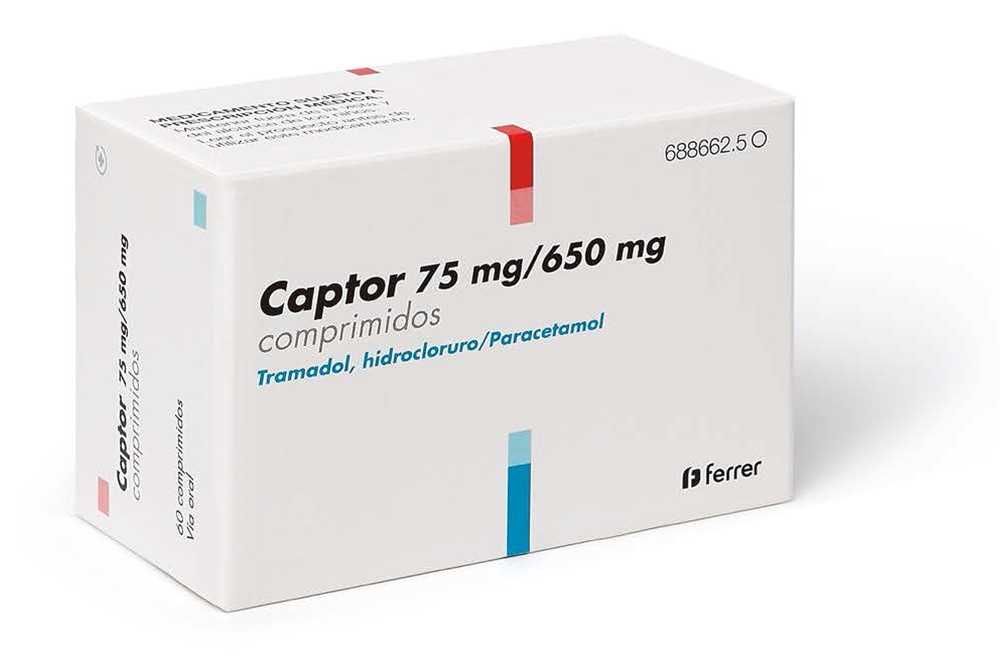
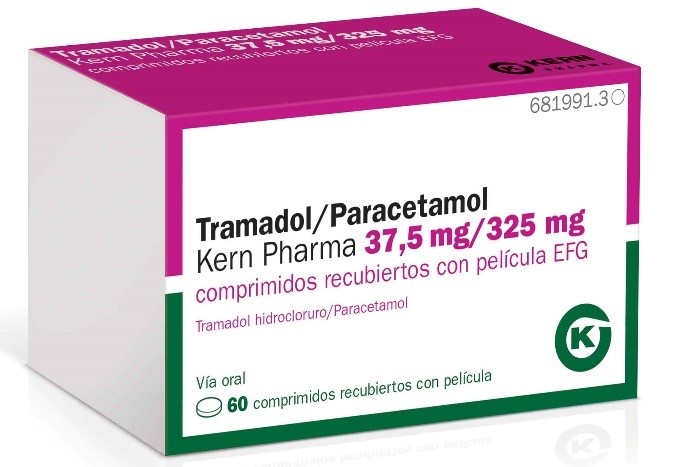
- Alternativas a TRAMADOL/PARACETAMOL ALTER 37,5 MG/325 MG COMPRIMIDOS RECUBIERTOS CON PELICULA EFGForma farmacéutica: COMPRIMIDO, 325/37,5 mgPrincipio activo: tramadol and paracetamolFabricante: Ferrer Internacional S.A.Requiere recetaForma farmacéutica: COMPRIMIDO, 650/75 mgPrincipio activo: tramadol and paracetamolFabricante: Ferrer Internacional S.A.Requiere recetaForma farmacéutica: COMPRIMIDO EFERVESCENTE, 37,5 mg/325 mgPrincipio activo: tramadol and paracetamolFabricante: Aristo Pharma Iberia S.L.Requiere receta
Médicos online para TRAMADOL/PARACETAMOL ALTER 37,5 MG/325 MG COMPRIMIDOS RECUBIERTOS CON PELICULA EFG
Comenta la dosis, los posibles efectos secundarios, interacciones, contraindicaciones o la revisión de receta de TRAMADOL/PARACETAMOL ALTER 37,5 MG/325 MG COMPRIMIDOS RECUBIERTOS CON PELICULA EFG, sujeto a valoración médica y a la normativa local.









Obtén una receta de TRAMADOL/PARACETAMOL ALTER 37,5 MG/325 MG COMPRIMIDOS RECUBIERTOS CON PELICULA EFG online
Rellena un formulario de 2 minutos
Cuéntanos tus síntomas, historial y el medicamento que necesitas.
Elige un médico o nosotros te asignamos uno
Escoge un especialista o te conectamos con el próximo médico disponible.
El médico revisa tu caso
Normalmente en 30 minutos. Puede hacerte preguntas adicionales por chat.
Recógela en cualquier farmacia
Receta electrónica enviada a tu correo, válida en toda España.
Preguntas frecuentes
¿Se requiere receta para TRAMADOL/PARACETAMOL ALTER 37,5 MG/325 MG COMPRIMIDOS RECUBIERTOS CON PELICULA EFG?
TRAMADOL/PARACETAMOL ALTER 37,5 MG/325 MG COMPRIMIDOS RECUBIERTOS CON PELICULA EFG requires receta en España. Puedes confirmarlo con un médico online según tu caso.
¿Cuál es el principio activo de TRAMADOL/PARACETAMOL ALTER 37,5 MG/325 MG COMPRIMIDOS RECUBIERTOS CON PELICULA EFG?
El principio activo de TRAMADOL/PARACETAMOL ALTER 37,5 MG/325 MG COMPRIMIDOS RECUBIERTOS CON PELICULA EFG es tramadol and paracetamol. Esta información ayuda a identificar medicamentos con la misma composición pero con diferentes nombres comerciales.
¿Cuánto cuesta TRAMADOL/PARACETAMOL ALTER 37,5 MG/325 MG COMPRIMIDOS RECUBIERTOS CON PELICULA EFG en farmacia?
El precio medio en farmacia de TRAMADOL/PARACETAMOL ALTER 37,5 MG/325 MG COMPRIMIDOS RECUBIERTOS CON PELICULA EFG es de aproximadamente 2.97 EUR. Puede variar según el fabricante y la forma farmacéutica.
¿Quién fabrica TRAMADOL/PARACETAMOL ALTER 37,5 MG/325 MG COMPRIMIDOS RECUBIERTOS CON PELICULA EFG?
TRAMADOL/PARACETAMOL ALTER 37,5 MG/325 MG COMPRIMIDOS RECUBIERTOS CON PELICULA EFG es fabricado por Laboratorios Alter S.A.. La marca y el envase pueden variar según el distribuidor.
¿Qué médicos pueden recetar TRAMADOL/PARACETAMOL ALTER 37,5 MG/325 MG COMPRIMIDOS RECUBIERTOS CON PELICULA EFG online?
Los Médicos de familia, Psiquiatras, Dermatólogos, Cardiólogos, Endocrinólogos, Gastroenterólogos, Neumólogos, Nefrólogos, Reumatólogos, Hematólogos, Infectólogos, Alergólogos, Geriatras, Pediatras, Oncólogos pueden valorar la prescripción de TRAMADOL/PARACETAMOL ALTER 37,5 MG/325 MG COMPRIMIDOS RECUBIERTOS CON PELICULA EFG cuando esté clínicamente indicado. Puedes reservar una videoconsulta para comentar tu caso y las opciones de tratamiento.
¿Cómo comprar TRAMADOL/PARACETAMOL ALTER 37,5 MG/325 MG COMPRIMIDOS RECUBIERTOS CON PELICULA EFG en España?
España cuenta con una infraestructura sanitaria bien desarrollada en ciudades principales como Madrid, Barcelona, Valencia y Sevilla. Las farmacias están ampliamente disponibles y operan bajo estrictas regulaciones, garantizando el acceso a medicamentos con receta.
Puedes comprar TRAMADOL/PARACETAMOL ALTER 37,5 MG/325 MG COMPRIMIDOS RECUBIERTOS CON PELICULA EFG en Madrid, Barcelona, Sevilla o Valencia en cualquier farmacia local con una receta válida.
Para obtener una receta, puedes utilizar Oladoctor:
¿Cuáles son las alternativas a TRAMADOL/PARACETAMOL ALTER 37,5 MG/325 MG COMPRIMIDOS RECUBIERTOS CON PELICULA EFG?
Otros medicamentos con el mismo principio activo (tramadol and paracetamol) incluyen CAPTOR 37,5 MG/325 MG COMPRIMIDOS EFG, CAPTOR 75 mg/650 mg COMPRIMIDOS, CLANDERON 37.5 MG/325 MG COMPRIMIDOS EFERVESCENTES EFG. Pueden tener diferentes nombres comerciales o formulaciones, pero contienen el mismo componente terapéutico. Consulta siempre con un médico antes de cambiar o iniciar un nuevo medicamento.
