






Cómo usar SPASMOCTYL 40
Traducción generada por IA
Este contenido ha sido traducido automáticamente y se ofrece solo con fines informativos. No sustituye la consulta con un profesional sanitario.
Ver originalContenido del prospecto
Introducción
Prospecto: información para el paciente
Sotalol Sandoz 80 mg comprimidos EFG
Sotalol hidrocloruro
Lea todo el prospecto detenidamente antes de empezar a tomar este medicamento, porque contiene información importante para usted.
- Conserve este prospecto, ya que puede tener que volver a leerlo.
- Si tiene alguna duda, consulte a su médico o farmacéutico.
- Este medicamento se le ha recetado solamente a usted, y no debe dárselo a otras personas aunque tengan los mismos síntomas que usted, ya que puede perjudicarles.
- Si experimenta efectos adversos, consulte a su médico, o farmacéutico, incluso si se trata de efectos adversos que no aparecen en este prospecto. Ver sección 4.
Contenido del prospecto
- Qué es Sotalol Sandoz y para qué se utiliza
- Qué necesita saber antes de empezar a tomar Sotalol Sandoz
- Cómo tomar Sotalol Sandoz
- Posibles efectos adversos
- Conservación de Sotalol Sandoz
- Contenido del envase e información adicional
1. Qué es Sotalol Sandoz y para qué se utiliza
Sotalol pertenece a un grupo de medicamentos denominados betabloqueantes. Estos medicamentos protegen al corazón de una actividad excesiva.
Este medicamento está indicado para el tratamiento de las alteraciones del ritmo cardiaco (arritmias ventriculares y supraventriculares).

2. Qué necesita saber antes de empezar a tomar Sotalol Sandoz
No tomeSotalol Sandoz
- si es alérgico a alguno de los componentes de este medicamento (incluidos en la sección 6),
- si padece alguna enfermedad del corazón (como insuficiente capacidad de bombeo del corazón (insuficiencia cardiaca) no tratada, algún trastorno de la conducción del impulso del corazón (bloqueo cardiaco), síndrome del seno enfermo (algún trastorno del ritmo cardiaco)) o shock cardiogénico,
- si tiene la tensión arterial baja o un ritmo cardiaco muy lento,
- si tiene que someterse a un tratamiento o intervención quirúrgica que requiera anestesia ambulatoria o narcosis que puedan suprimir la función cardiaca,
- si padece un tumor de la glándula suprarrenal no tratado, que puede ir acompañado de un aumento brusco y repentino de la tensión arterial, dolor de cabeza intenso, sudoración intensa y taquicardia (feocromocitoma),
- si padece una enfermedad que provoca decoloración (blanca o morada) de manos y pies (mala circulación - síndrome de Raynaud),
- si padece algún trastorno circulatorio grave,
- si padece asma, ataques de sibilancias o cualquier otra enfermedad pulmonar,
- si padece una enfermedad llamada acidosis metabólica (cuando su cuerpo produce demasiado ácido),
- si padece una insuficiencia renal grave.
Advertencias y precauciones
Consulte a su médico o farmacéutico antes de empezar a tomar sotalol:
- al interrumpir el tratamiento con sotalol. El tratamiento con este medicamento no debe interrumpirse bruscamente. La dosis debe reducirse gradualmente (en el plazo de 2 semanas), a veces puede ser necesario cambiar a un tratamiento de sustitución,
- si padece trastornos del ritmo cardiaco (arritmias); como efecto secundario, el trastorno del ritmo cardiaco (arritmia) existente puede empeorar o causar nuevos trastornos del ritmo cardiaco,
- si tiene un nivel bajo de potasio en sangre, reconocible en su forma más grave por espasmos musculares o debilidad muscular y fatiga (hipopotasemia) o si tiene un nivel bajo de magnesio en sangre (hipomagnesemia); pueden producirse ciertas afecciones cardiacas si toma este medicamento y padece estas afecciones, por ejemplo si tiene diarrea grave o si está siendo tratado al mismo tiempo con medicamentos que disminuyen el magnesio y/o el potasio (p. ej., algunos agentes urinarios); tendrá un mayor riesgo de desarrollar ciertas afecciones cardiacas (prolongación del intervalo QT y torsades de pointes),
- si tiene alterada la función cardiaca; los síntomas pueden empeorar,
- si ha sufrido recientemente un infarto de miocardio; el médico le vigilará estrechamente y habrá que determinar cuidadosamente la dosis,
- si tiene un ritmo cardiaco lento; esto aumenta el riesgo de desarrollar ciertas arritmias cardiacas,
- si ha sufrido reacciones de hipersensibilidad en el pasado y al mismo tiempo utiliza ciertos medicamentos utilizados para tratar la hipertensión arterial, ciertas afecciones cardiacas o el aumento de la presión ocular (betabloqueantes); es posible que no reaccione adecuadamente a la epinefrina (medicamento utilizado para tratar las reacciones de hipersensibilidad),
- si debe someterse a una intervención quirúrgica o a un tratamiento con anestesia; informe al especialista de que está tomando este medicamento si padece diabetes o episodios de bajada de azúcar en sangre acompañados de hambre, sudoración, mareos, palpitaciones (hipoglucemia); esté más atento a los signos de estas afecciones y controle sus niveles de glucosa en sangre con más frecuencia,
- si tiene una glándula tiroides hiperactiva o corre el riesgo de desarrollar esta enfermedad; el médico le vigilará estrechamente durante el tratamiento y se debe evitar la interrupción brusca del mismo,
- si tiene alterada la función renal; el médico reducirá la dosis (ver también "Posología"),
- si padece una enfermedad cutánea recurrente acompañada de una erupción escamosa y seca (psoriasis); los síntomas pueden empeorar,
- si su médico le ha indicado que es hipersensible a ciertos azúcares; consulte a su médico antes de tomar este medicamento.
Consulte a su médico si alguna de las condiciones anteriores le afecta o le ha afectado en el pasado.
Informe a su médico de que está tomando este medicamento si se realiza alguna prueba de laboratorio, como un análisis de orina.
Uso en deportistas
Este medicamento contiene que puede producir un resultado positivo en las pruebas de control de dopaje (ver referencias en la sección 4.4 de ficha técnica).
Otros medicamentos ySotalol Sandoz
Informe a su médico o farmacéutico si está tomando, ha tomado recientemente o pudiera tener que tomar cualquier otro medicamento, incluso los de venta sin receta.
Sotalol y otros medicamentos pueden afectar mutuamente a sus efectos y efectos secundarios.
No use sotalol con:
- ciertos medicamentos utilizados para tratar las arritmias cardiacas; las arritmias cardiacas pueden empeorar,
- otros medicamentos utilizados para tratar la hipertensión arterial, ciertas enfermedades cardiacas o el aumento de la presión ocular (betabloqueantes),
- fenotiazinas (medicamentos contra los vómitos), antidepresivos tricíclicos (medicamentos utilizados para tratar la depresión), terfenadina y astemizol (medicamentos utilizados para tratar los trastornos alérgicos) y quinolonas (medicamentos utilizados para tratar las infecciones por ciertos patógenos), eritromicina (medicamento utilizado para tratar las infecciones) administrado en vena, halofantrina (medicamento utilizado para tratar la malaria) y pentamidina (medicamento utilizado para tratar las infecciones). No se recomienda la combinación de estos medicamentos sotalol debido a un mayor riesgo de desarrollar cierto tipo de arritmia cardiaca (torsade des pointes),
- floctafenina (medicamento utilizado para tratar la artritis reumatoide),
- bloqueantes de canales de calcio (agentes que protegen al corazón de una actividad excesiva). El uso concomitante con betabloqueantes puede causar reducción de la presión arterial, disminución del ritmo cardiaco y problemas cardiacos; debe evitarse la combinación con bloqueantes de canales de calcio como el verapamilo y el diltiazem (cierto tipo de antagonistas del calcio).
Tenga precaución al utilizar sotalol con:
- ciertos diuréticos (agentes urinarios); puede producirse un nivel demasiado bajo de potasio en la sangre que a veces se manifiesta con calambres musculares, diarrea, náuseas, mareos, dolor de cabeza (hipopotasemia) y un nivel demasiado bajo de magnesio en la sangre que a veces se acompaña de somnolencia, tensión arterial baja, temperatura corporal baja y funcionamiento anormal del corazón (hipomagnesemia),
- anfotericina B (agente utilizado para tratar las infecciones fúngicas) administrado por vía intravenosa, hormonas de la corteza suprarrenal (corticosteroides) (con efecto antiinflamatorio, entre otros) y algunos laxantes; cuando estos medicamentos se combinan con sotalol, a veces puede producirse un nivel demasiado bajo de potasio en la sangre, que se manifiesta con calambres musculares, diarrea, náuseas, mareos, dolor de cabeza (hipopotasemia),
- clonidina (agente utilizado para tratar la presión arterial alta (hipertensión) y la migraña); puede producirse una recidiva de la presión arterial alta después de interrumpir el tratamiento con clonidina debido a la combinación de este medicamento con sotalol,
- glucósidos digitálicos (agentes utilizados para tratar trastornos del corazón); pueden producirse arritmias,
- medicamentos como reserpina (medicamento para los trastornos del movimiento, la hipertensión arterial y el abatimiento grave (depresión)), guanetidina (medicamento para la presión ocular elevada (glaucoma)) o alfa-metildopa (medicamento para la hipertensión arterial); la combinación con sotalol puede disminuir la tensión muscular; si se le trata con una combinación de este tipo, deberá vigilarse estrechamente su tensión arterial y su frecuencia cardiaca,
- insulina u otros fármacos hipoglucemiantes por vía oral; su nivel de azúcar en sangre puede aumentar demasiado (hiperglucemia). Su médico puede decidir ajustar la dosis de estos medicamentos. Los síntomas de bajada de azúcar en sangre acompañados de sensación de hambre, sudoración, mareos, palpitaciones (hipoglucemia) pueden enmascararse,
- ciertos medicamentos que relajan los músculos (como la tubocurarina); el efecto de estos medicamentos puede prolongarse,
- medicamentos que estimulan el corazón y/o los vasos sanguíneos; puede ser necesario aumentar la dosis de estos medicamentos.
Toma de Sotalol Sandoz con alimentos y bebidas
La absorción de sotalol en el organismo puede reducirse si se ingieren alimentos al mismo tiempo. Por lo tanto, debe tomar este medicamento media hora antes de las comidas.
Embarazoylactancia
Si está embarazada, cree que podría estar embarazada o tiene intención de quedarse embarazada, consulte a su médico o farmacéutico antes de utilizar este medicamento.
Embarazo
Sotalol sólo se debe utilizar durante el embarazo si el beneficio potencial supera el riesgo para el feto.
Si se toma durante el embarazo, sotalol debe suspenderse 48-72 horas antes de la fecha calculada para el parto. Si esto no es posible, el recién nacido debe ser vigilado cuidadosamente durante 48-72 horas después del nacimiento.
Lactancia
Sotalol se excreta en la leche materna. No debe dar el pecho mientras esté en tratamiento con este medicamento.
Conducción y uso de máquinas
Sotalol puede causar efectos secundarios como mareos y fatiga. Esto puede afectar negativamente a su capacidad de reacción. Debe tenerlo en cuenta cuando conduzca o maneje máquinas.
Sotalol Sandoz contiene lactosa y sodio
Si su médico le ha indicado que padece una intolerancia a ciertos azúcares, consulte con él antes de tomar este medicamento.
Este medicamento contiene menos de 1 mmol de sodio (23 mg) por comprimido; esto es, esencialmente “exento de sodio”.
3. Cómo tomar Sotalol Sandoz
Siga exactamente las instrucciones de administración de este medicamento indicadas por su médico o farmacéutico. En caso de duda, consulte de nuevo a su médico o farmacéutico. No deje de tomar estos comprimidos sin consultar antes a su médico.
Dosis
Su médico le ha prescrito la cantidad de sotalol que debe tomar. En general, se aplican las siguientes dosis:
Adultos
Dosis inicial:
80 mg 1 vez al día o 40 mg 2 veces al día.
Su médico puede decidir aumentar gradualmente la dosis a intervalos de 3 días.
Dosis de mantenimiento:
De 80 a 160 mg dos veces al día.
Para la prevención de ciertas formas de aceleración del ritmo cardíaco (taquicardia), se recomienda una dosis de mantenimiento de 160 mg dos veces al día. Una excepción es después de la cirugía cardíaca, en cuyo caso se recomiendan 120 mg dos veces al día.
Ocasionalmente, el médico puede decidir una dosis de hasta 480-640 mg.
Si padece insuficiencia renal, el médico ajustará la dosis (dependiendo de la gravedad de su insuficiencia renal).
Forma de administración
El comprimido o la mitad del comprimido deben tomarse media hora antes de las comidas con agua.
Mantenga intervalos de 12 horas cuando tome la dosis dos veces al día.
Si estima que la acción del sotalol es demasiado fuerte o débil, consulte a su médico o farmacéutico.
Cómo dividir Sotalol Sandoz :
Coloque el comprimido sobre una superficie dura y plana, con la cara marcada hacia arriba.
Con el pulgar, ejerza presión en el centro del comprimido para partirlo en dos mitades.
Duración del tratamiento
Su médico le indicará durante cuánto tiempo debe tomar este medicamento. No interrumpa el tratamiento demasiado pronto o los síntomas podrían reaparecer.
Si toma más Sotalol Sandoz del que debe
Si ha tomado más sotalol del que debe, consulte inmediatamente a su médico o farmacéutico.
En caso de sobredosis o ingestión accidental consulte inmediatamente a su médico o farmacéutico o llame al Servicio de Información Toxicológica, teléfono: 91 562 04 20, indicando el medicamento y la cantidad ingerida.
Si olvidó tomar Sotalol Sandoz
Si ha olvidado tomar una dosis, puede tomarla cuando se acuerde, a menos que sea casi la hora de la siguiente dosis. En ese caso, siga su horario habitual.
No tome una dosis doble para compensar las dosis olvidadas.
Si interrumpe el tratamiento con Sotalol Sandoz
El uso de este medicamento no se debe interrumpir bruscamente. La dosis se debe reducir gradualmente (en 2 semanas), a veces puede ser necesario cambiar a un tratamiento de sustitución.
Si tiene cualquier otra duda sobre el uso de este medicamento, pregunte a su médico o farmacéutico.

4. Posibles efectos adversos
Al igual que todos los medicamentos, este medicamento puede producir efectos adversos, aunque no todas las personas los sufran.
Efectos adversos graves:
Informe inmediatamente a su médico o acuda al hospital más cercano si presenta alguno de los siguientes síntomas: hinchazón de la cara, labios, lengua y/o garganta con dificultad para tragar o respirar. Pueden ser signos de una reacción alérgica y deberá dejar de tomar los comprimidos.
Frecuencia desconocida: (no puede estimarse a partir de los datos disponibles):
- Insuficiente capacidad de bombeo del corazón (insuficiencia cardiaca) (esto provoca la parada repentina de los latidos del corazón, ausencia de respiración y pérdida de consciencia).
Otros efectos adversos:
Frecuentes(pueden afectar a hasta 1 de cada 10 personas):
- ritmo cardiaco irregular, ritmo cardiaco lento, insuficiencia cardiaca, dolor torácico, tensión arterial baja, dificultad para respirar, hinchazón, desmayos y palpitaciones, alteraciones del ritmo cardiaco (torsade de pointes, prolongación del intervalo QT, trastorno de la conducción AV, taquicardia ventricular), exacerbación de la presión, pesadez, opresión, opresión o dolor en el pecho (angina de pecho),
- exacerbación de la disminución del flujo sanguíneo en brazos y piernas (enfermedad oclusiva periférica), extremidades frías,
- náuseas y vómitos, indigestión, dolor abdominal, flatulencia, diarrea, calambres,
- ansiedad, depresión, confusión, cambios de humor, dolor de cabeza, aturdimiento, mareo, debilidad general, cansancio, problemas para dormir, hormigueo en pies y manos (pinchazos),
- disfunción sexual, impotencia, fiebre, erupción cutánea, reacciones cutáneas, problemas auditivos, problemas de visión, cambios en el gusto.
Frecuencia desconocida(no puede estimarse a partir de los datos disponibles):
- niveles anormalmente bajos de plaquetas en la sangre. (Trombocitopenia) las plaquetas se coagulan formando costras en las heridas. Si no tiene suficientes plaquetas, puede presentar hematomas, puntos rojos en la piel, hemorragia nasal o heridas que sangran durante más tiempo,
- percepción (ver, oír, oler, sentir) de cosas que no existen (alucinaciones), sueños anormales,
- visión borrosa, inflamación de la mucosa ocular que causa picor, lagrimeo o enrojecimiento (conjuntivitis), inflamación de la córnea (queratoconjuntivitis), disminución del flujo de lágrimas (especialmente en personas que llevan lentes de contacto),
- boca seca,
- afección cutánea recurrente con erupción escamosa y seca (psoriasis) que puede desencadenarse o exacerbarse, caída del cabello, sudoración excesiva,
- aumento de las grasas y disminución del azúcar en la sangre.
Los pacientes que toman este tipo de medicamento se han quejado de dedos de manos y pies fríos y/o azules, empeoramiento de dolores en las piernas al caminar, erupciones cutáneas u ojos secos.
Comunicación de efectos adversos
Si experimenta cualquier tipo de efecto adverso, consulte a su médico o farmacéutico, incluso si se trata de posibles efectos adversos que no aparecen en este prospecto. También puede comunicarlos directamente a través del Sistema Español de Farmacovigilancia de medicamentos de Uso Humano: https://www.notificaram.es. Mediante la comunicación de efectos adversos usted puede contribuir a proporcionar más información sobre la seguridad de este medicamento.
5. Conservación de Sotalol Sandoz
Mantener este medicamento fuera de la vista y del alcance de los niños.
Conservar en el envase original para protegerlo de la luz.
No utilice este medicamento después de la fecha de caducidad que aparece en el envase y el blíster después de CAD/EXP. La fecha de caducidad es el último día del mes que se indica.
Los medicamentos no se deben tirar por los desagües ni a la basura. Deposite los envases y los medicamentos que no necesita en el Punto SIGRE de la farmacia. En caso de duda pregunte a su farmacéutico cómo deshacerse de los envases y de los medicamentos que no necesita. De esta forma, ayudará a proteger el medio ambiente.
6. Contenido del envase e información adicional
Composición deSotalol Sandoz
- El principio activo es 80 mg de sotalol hidrocloruro por comprimido.
- Los demás excipientes son almidón de maíz, lactosa monohidrato, hidroxipropilcelulosa (E463), carboximetilalmidónsódico (tipo A), dióxido de sílice coloidal anhidra (E551), y estearato de magnesio (E470b).
Aspecto del producto y contenido del envase
Los comprimidos de Sotalol Sandoz son blancos, redondos, biconvexos, ranurados por una cara y marcados con "SOT" por la otra.
El comprimido se puede dividir en dosis iguales.
Los comprimidos se presentan en blísteres dentro de una caja de cartón.
Tamaños de envase: 30, 50, 60, 90, 100 comprimidos.
Puede que solamente estén comercializados algunos tamaños de envases.
Titular de la autorización de comercialización y responsable de la fabricación
Titular de la autorización de comercialización
Sandoz Farmacéutica, S.A.
Centro Empresarial Parque Norte
Edificio Roble
C/ Serrano Galvache, 56
28033 Madrid
España
Responsable de la fabricación
Salutas Pharma GmbH
Otto-von-Guericke-Allee 1
39179 Barleben
Alemania
Fecha de la última revisión de este prospecto:Febrero 2024
La información detallada de este medicamento está disponible en la página web de la Agencia Española de Medicamentos y Productos Sanitarios (AEMPS) http://www.aemps.gob.es.
-

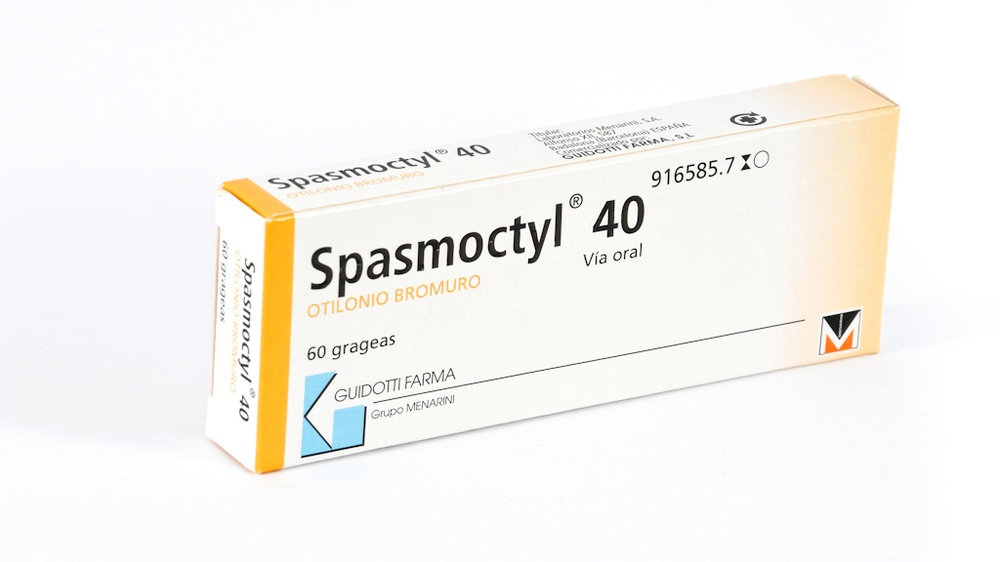
- País de registro
- Forma farmacéuticaCOMPRIMIDO, 40 mg
- Código ATCA03AB06
- Precio medio en farmacia11.02 EUR
- Principio activo
- Requiere recetaSí
- Fabricante
- Esta información es de carácter general y no sustituye la consulta con un profesional sanitario.
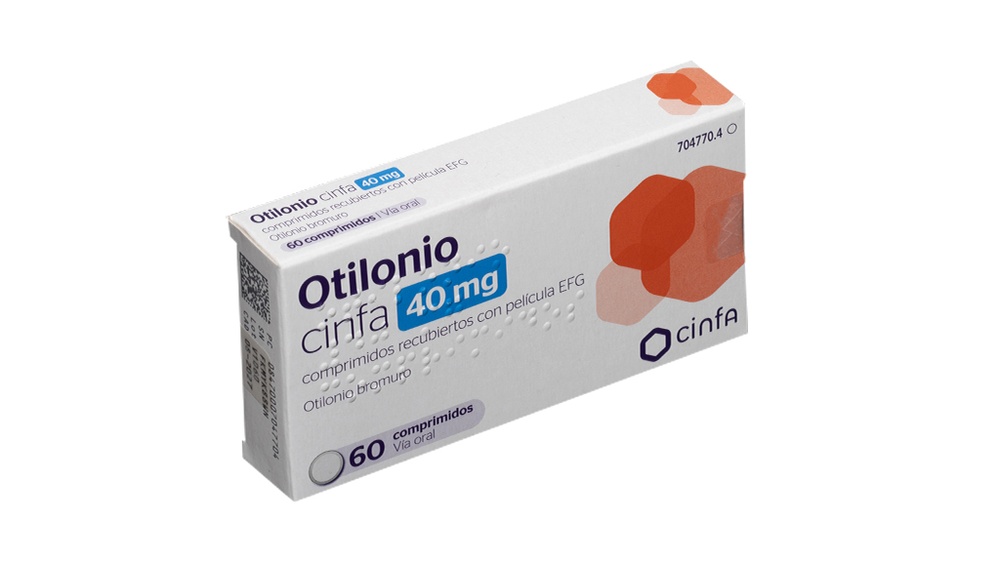
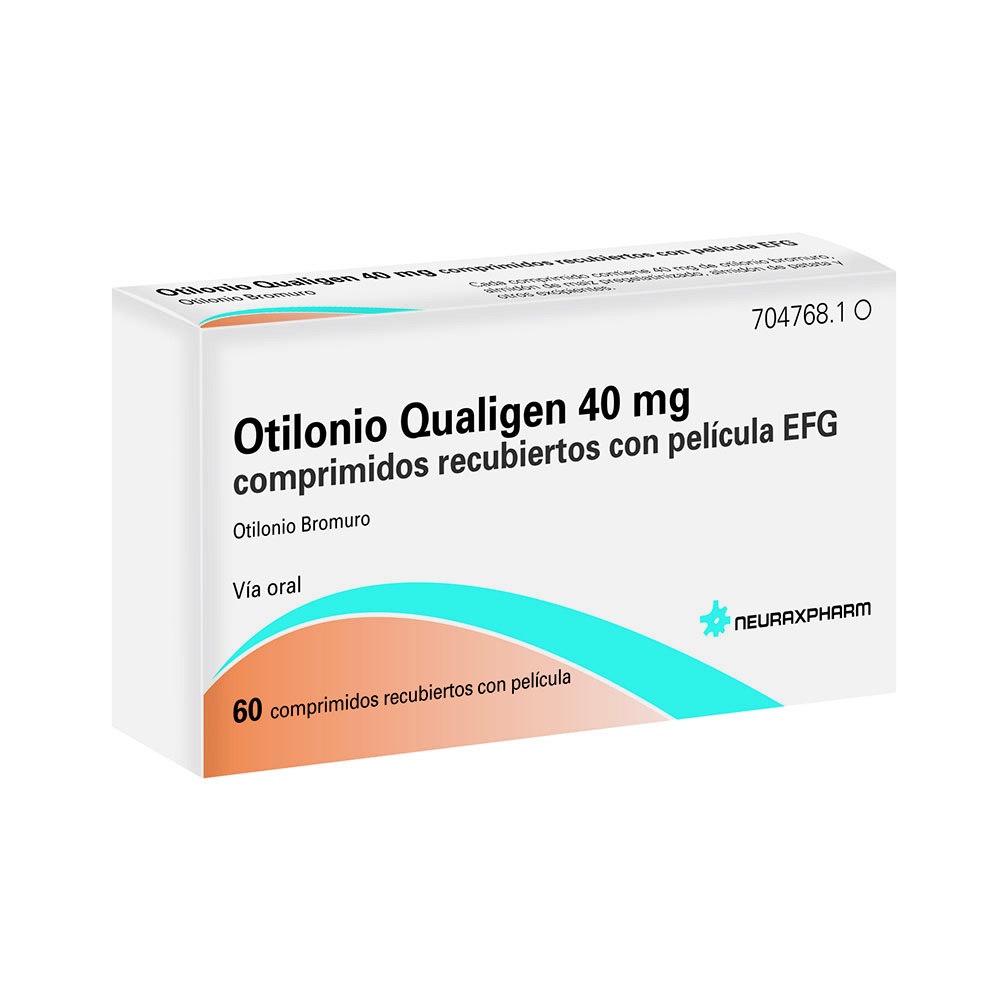
- Alternativas a SPASMOCTYL 40Forma farmacéutica: COMPRIMIDO, 40 mgPrincipio activo: bromuro de otilonioFabricante: Laboratorios Cinfa S.A.Requiere recetaForma farmacéutica: COMPRIMIDO, 40 mgPrincipio activo: bromuro de otilonioFabricante: Neuraxpharm Spain S.L.Requiere recetaForma farmacéutica: COMPRIMIDO, 10 mgPrincipio activo: bromuro de otilonioFabricante: Laboratorios Menarini S.A.Requiere receta
Médicos online para SPASMOCTYL 40
Comenta la dosis, los posibles efectos secundarios, interacciones, contraindicaciones o la revisión de receta de SPASMOCTYL 40, sujeto a valoración médica y a la normativa local.









Obtén una receta de SPASMOCTYL 40 online
Rellena un formulario de 2 minutos
Cuéntanos tus síntomas, historial y el medicamento que necesitas.
Elige un médico o nosotros te asignamos uno
Escoge un especialista o te conectamos con el próximo médico disponible.
El médico revisa tu caso
Normalmente en 30 minutos. Puede hacerte preguntas adicionales por chat.
Recógela en cualquier farmacia
Receta electrónica enviada a tu correo, válida en toda España.
Preguntas frecuentes
SPASMOCTYL 40 requires receta en España. Puedes confirmarlo con un médico online según tu caso.
El principio activo de SPASMOCTYL 40 es bromuro de otilonio. Esta información ayuda a identificar medicamentos con la misma composición pero con diferentes nombres comerciales.
El precio medio en farmacia de SPASMOCTYL 40 es de aproximadamente 11.02 EUR. Puede variar según el fabricante y la forma farmacéutica.
SPASMOCTYL 40 es fabricado por Laboratorios Menarini S.A.. La marca y el envase pueden variar según el distribuidor.
Los Médicos de familia, Psiquiatras, Dermatólogos, Cardiólogos, Endocrinólogos, Gastroenterólogos, Neumólogos, Nefrólogos, Reumatólogos, Hematólogos, Infectólogos, Alergólogos, Geriatras, Pediatras, Oncólogos pueden valorar la prescripción de SPASMOCTYL 40 cuando esté clínicamente indicado. Puedes reservar una videoconsulta para comentar tu caso y las opciones de tratamiento.
España cuenta con una infraestructura sanitaria bien desarrollada en ciudades principales como Madrid, Barcelona, Valencia y Sevilla. Las farmacias están ampliamente disponibles y operan bajo estrictas regulaciones, garantizando el acceso a medicamentos con receta.
Puedes comprar SPASMOCTYL 40 en Madrid, Barcelona, Sevilla o Valencia en cualquier farmacia local con una receta válida.
Para obtener una receta, puedes utilizar Oladoctor:
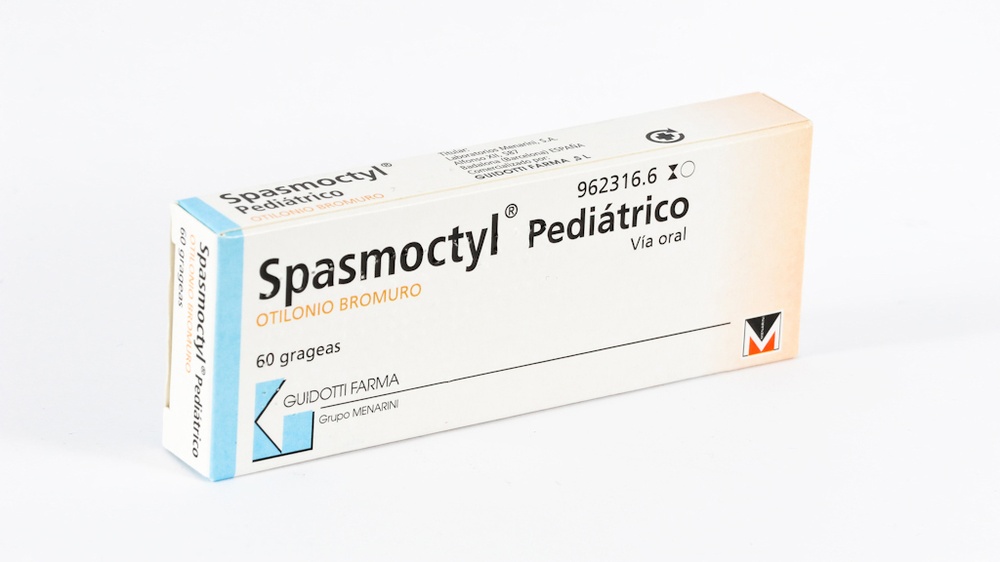
Otros medicamentos con el mismo principio activo (bromuro de otilonio) incluyen OTILONIO CINFA 40 MG COMPRIMIDOS RECUBIERTOS CON PELICULA EFG, OTILONIO QUALIGEN 40 MG COMPRIMIDOS RECUBIERTOS CON PELICULA EFG, SPASMOCTYL PEDIATRICO. Pueden tener diferentes nombres comerciales o formulaciones, pero contienen el mismo componente terapéutico. Consulta siempre con un médico antes de cambiar o iniciar un nuevo medicamento.
