


SIBNAYAL 8 MEQ GRANULOS DE LIBERACION PROLONGADA



Cómo usar SIBNAYAL 8 MEQ GRANULOS DE LIBERACION PROLONGADA
Traducción generada por IA
Este contenido ha sido traducido automáticamente y se ofrece solo con fines informativos. No sustituye la consulta con un profesional sanitario.
Ver originalContenido del prospecto
Introducción
Prospecto: información para el usuario
Sibnayal 8 mEq gránulos de liberación prolongada
Sibnayal 24 mEq gránulos de liberación prolongada
citrato de potasio/carbonato ácido de potasio
Lea todo el prospecto detenidamente antes de empezar a tomar este medicamento, porque contiene información importante para usted.
- Conserve este prospecto, ya que puede tener que volver a leerlo.
- Si tiene alguna duda, consulte a su médico o farmacéutico.
- Este medicamento se le ha recetado solamente a usted, y no debe dárselo a otras personas aunque tengan los mismos síntomas que usted, ya que puede perjudicarles.
- Si experimenta efectos adversos, consulte a su médico o farmacéutico, incluso si se trata de efectos adversos que no aparecen en este prospecto. Ver sección 4.
Contenido del prospecto
- Qué es Sibnayal y para qué se utiliza
- Qué necesita saber antes de empezar a tomar Sibnayal
- Cómo tomar Sibnayal
- Posibles efectos adversos
- Conservación de Sibnayal
- Contenido del envase e información adicional
1. Qué es Sibnayal y para qué se utiliza
Sibnayal contiene dos principios activos, citrato de potasio y carbonato ácido de potasio (también conocido como bicarbonato potásico).
Sibnayal es un medicamento alcalinizante que se utiliza para controlar la acidez de la sangre causada por una enfermedad renal denominada acidosis tubular renal distal(ATRd).
Sibnayal ayudará a reducir el efecto de la ATRd en su vida cotidiana.
Sibnayal se utiliza en adultos, adolescentes y niños de más de 1 año.

2. Qué necesita saber antes de empezar a tomar Sibnayal
No tome Sibnayal
- si es alérgico al citrato de potasio o al bicarbonato de potasio o a alguno de los demás componentes de este medicamento (incluidos en la sección 6),
- si padece una enfermedad renal grave o insuficiencia renal,
- si tiene un nivel alto de potasio en sangre (hiperpotasemia).
Advertencias y precauciones
Consulte a su médico antes de empezar a tomar Sibnayal
- si padece una enfermedad o toma un medicamento que pueda aumentar el nivel de potasio en sangre (ver sección «Otros medicamentos y Sibnayal»),
- si tiene con frecuencia síntomas gastrointestinales como distensión abdominal, diarrea, náuseas o vómitos,
- si padece una enfermedad renal crónica.
Los gránulos de liberación prolongada de Sibnayal están diseñados para liberar los principios activos lentamente tras la toma del medicamento. Es posible observar restos de los gránulos en las heces. Esto es normal y no reduce la eficacia del medicamento.
Si vomita en un periodo de dos horas tras la toma, debe tomar otra dosis.
Será preciso visitar regularmente a su médico. Cada cierto tiempo, su médico deberá hacerle análisis de sangre y orina o pruebas cardíacas para ajustar la dosis de Sibnayal. Su médico supervisará regularmente su función renal si es una persona de edad avanzada o si su función renal empeora.
Niños
No administre este medicamento a niños menores de 1 año porque existe riesgo de asfixia por atragantamiento.
Otros medicamentos y Sibnayal
Informe a su médico o farmacéutico si está tomando, ha tomado recientemente o pudiera tener que tomar cualquier otro medicamento.
Algunos medicamentos pueden afectar al modo en que actúa Sibnayal o pueden causar efectos secundarios con mayor probabilidad. Entre ellos se incluyen:
- cualquier medicamento que aumente los niveles de potasio en la sangre como:
- inhibidores de la enzima convertidora de angiotensina (ECA) (utilizados para tratar la hipertensión arterial, las enfermedades cardiacas y renales en pacientes que padecen diabetes de tipo 1),
- diuréticos ahorradores de potasio (utilizados para tratar la hipertensión arterial, la retención de líquidos en los tejidos [edema] y las enfermedades cardiacas),
- suplementos de potasio (utilizados para prevenir o tratar los niveles bajos de potasio en sangre),
- ciclosporina (utilizada para prevenir o tratar el rechazo de trasplante),
- heparina sódica (utilizada para prevenir o retrasar la coagulación sanguínea),
- antiinflamatorios no esteroideos (AINE) (utilizados para reducir la fiebre, el dolor y la inflamación),
- cualquier medicamento que pueda verse afectado por una alteración de los niveles de potasio en sangre como:
- glucósidos digitálicos (como la digoxina, utilizados para tratar la insuficiencia cardíaca y ciertos trastornos del ritmo cardíaco),
- corticosteroides (utilizados para tratar la inflamación),
- cualquier otro medicamento que pueda provocar trastornos del ritmo cardíaco como:
- amiodarona y quinidina (utilizadas para controlar el ritmo cardíaco),
- clorpromazina (utilizada para tratar ciertas enfermedades mentales),
- cisaprida (utilizada para tratar el ardor de estómago),
- esparfloxacino (utilizado para tratar ciertas infecciones bacterianas).
Algunos medicamentos pueden verse afectados por el aumento del pH de la orina en relación con el tratamiento de Sibnayal como:
- salicilatos (utilizados para tratar el dolor y la inflamación, medicamentos similares a la aspirina),
- tetraciclinas (utilizadas para tratar ciertas infecciones bacterianas),
- barbitúricos (medicamentos somníferos).
Uso de Sibnayal con alimentos, bebidas y alcohol
No mezcle Sibnayal con alimentos ni líquidos calientes.
No consuma alcohol durante el tratamiento con Sibnayal.
Embarazo, lactancia y fertilidad
Si está embarazada o en periodo de lactancia, cree que podría estar embarazada o tiene intención de quedarse embarazada, consulte a su médico o farmacéutico antes de utilizar este medicamento.
Conducción y uso de máquinas
No es probable que Sibnayal afecte a su capacidad para conducir o utilizar máquinas.
Sibnayal contiene potasio
Sibnayal 8 mEq contiene 308 mg de potasio por sobre. Este dato debe tenerse en cuenta si tiene insuficiencia renal o si está siguiendo una dieta con control de potasio.
Sibnayal 24 mEq contiene 924 mg de potasio por sobre. Este dato debe tenerse en cuenta si tiene insuficiencia renal o si está siguiendo una dieta con control de potasio.
3. Cómo tomar Sibnayal
Siga exactamente las instrucciones de administración de este medicamento indicadas por su médico. En caso de duda, consulte de nuevo a su médico o farmacéutico.
La cantidad de Sibnayal que debe tomarse dependerá de la edad, el peso y el estado del paciente. Su médico le prescribirá la dosis exacta de Sibnayal que debe tomar. Serán siempre uno o varios sobres enteros de medicamento.
Es posible que su médico tenga que ajustar la dosis de Sibnayal.
El uso de este medicamento requiere supervisión médica.
Posología
Su médico ajustará la dosis en función de los niveles de bicarbonato en sangre que tenga.
Cómo usar Sibnayal
Sibnayal debe tomarse por vía oral (por la boca).
Si no está seguro de cómo utilizar Sibnayal, pregunte a su médico o farmacéutico.
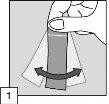
- Coloque el sobre en posición vertical y sujételo con los dedos por encima de la línea de puntos. Agítelo bien de un lado a otro para asegurarse de mover todo el contenido a la parte inferior del sobre.
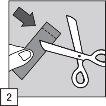
- Corte el sobre por la línea de puntos, usando unas tijeras si fuese necesario.
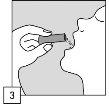
- Introduzca todo o parte del contenido del sobre directamente en la boca sobre la lengua.
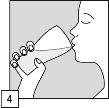
- Trague los gránulos inmediatamente con un vaso grande de agua. No debe masticar ni machacar los gránulos. Repita los pasos 1 a 4, según sea necesario, hasta que haya tomado la dosis completa.
Para pacientes que no pueden tragar los gránulos
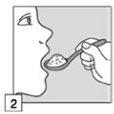
- Mezclar Sibnayal con una pequeña cantidad de alimentos blandos y fríos (por ejemplo, puré de frutas o yogur) directamente en la cuchara. Se debe tragar inmediatamente la mezcla de medicamento y alimentos blandos. No se debe conservar la mezcla para su uso posterior.
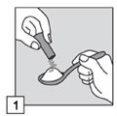
- Se debe introducir directamente la mezcla en la boca y tragarla sin masticar. Asegúrese de que no queden restos de Sibnayal en la boca. Repita los pasos 1 y 2, según sea necesario, hasta tomar la dosis completa.
No se debe mezclar los gránulos con líquido antes de tomarlos.
Cuándo tomar Sibnayal
Se debe tomar Sibnayal por la mañana y por la noche, durante una comida. Debe dejar un intervalo de unas 12 horas entre las dosis para cubrir el día y la noche.

Ajustes de la dosis
La dosis se aumentará o disminuirá gradualmente a lo largo de varias semanas. Su médico ajustará la dosis en función de su estado. La dosis recomendada habitualmente es de 4 a 6 sobres completos de 24 mEq al día.
Si observa algún efecto secundario, consulte a su médico, ya que es posible que deba ajustar la dosis de este medicamento.
Cambio desde otro medicamento alcalinizante
Al cambiar desde otro medicamento alcalinizante a Sibnayal, su médico debe supervisar estrechamente la transición.
Si toma más Sibnayal del que debe
Consulte a su médico o farmacéutico si ha tomado más Sibnayal del que debe.
Puede sentir náuseas, necesidad de vomitar y tener diarrea.
Si ha tomado una gran cantidad de Sibnayal, puede sentirse débil o una rigidez muscular inexplicable, espasmos (contracción muscular), cosquilleo anómalo o sensación de ardor, hormigueo o insensibilidad, confusión mental o frecuencia cardíaca anómala.
Si olvidó tomar Sibnayal
No tome una dosis doble para compensar la dosis olvidada. Tómela tan pronto como se acuerde. Ahora bien, si faltan menos de 6 horas para la dosis siguiente, sáltese la dosis olvidada. No debe tomar más de dos dosis diarias.
Consulte a su médico si ha olvidado tomar una o más dosis.
Si interrumpe el tratamiento con Sibnayal
Este medicamento es para un tratamiento de larga duración. Solo será eficaz si lo toma.
No interrumpa el tratamiento a menos que su médico se lo indique, aunque se encuentre mejor, ya que su enfermedad podría empeorar. Si desea interrumpir el tratamiento, consulte primero a su médico.
Si tiene cualquier otra duda sobre el uso de este medicamento, pregunte a su médico.

4. Posibles efectos adversos
Al igual que todos los medicamentos, este medicamento puede producir efectos adversos, aunque no todas las personas los sufran.
Efectos adversos muy frecuentes(pueden afectar a más de 1 de cada 10 personas)
- dolor abdominal (dolor de vientre)
Efectos adversos frecuentes(pueden afectar a hasta 1 de cada 10 personas)
- dolor abdominal superior (dolor en la parte superior del vientre)
- dolor y trastornos gastrointestinales (dolor y trastornos intestinales y estomacales),
- dispepsia (mala digestión),
- vómitos,
- diarrea,
- náuseas al comenzar el tratamiento.
Comunicación de efectos adversos
Si experimenta cualquier tipo de efecto adverso, consulte a su médico o farmacéutico, incluso si se trata de efectos adversos que no aparecen en este prospecto. También puede comunicarlos directamente a través del sistema nacional de notificación incluido en el Apéndice V. Mediante la comunicación de efectos adversos usted puede contribuir a proporcionar más información sobre la seguridad de este medicamento.
5. Conservación de Sibnayal
Mantener este medicamento fuera de la vista y del alcance de los niños.
No utilice este medicamento después de la fecha de caducidad que aparece en el sobre y la caja después de CAD. La fecha de caducidad es el último día del mes que se indica.
No conservar a temperatura superior a 30 ºC.
Después de abrir un sobre, elimine el contenido no utilizado.
Los medicamentos no se deben tirar por los desagües ni a la basura. Pregunte a su farmacéutico cómo deshacerse de los envases y de los medicamentos que ya no necesita. De esta forma, ayudará a proteger el medio ambiente.
6. Contenido del envase e información adicional
Composición de Sibnayal
Los principios activos son citrato de potasio y carbonato ácido de potasio (también conocido como bicarbonato potásico).
Cada sobre de Sibnayal 8 mEq contiene 282 mg de citrato de potasio y 527 mg de carbonato ácido de potasio.
Cada sobre de Sibnayal 24 mEq contiene 847 mg de citrato de potasio y 1582 mg de carbonato ácido de potasio.
Los demás ingredientes son hipromelosa (E464), celulosa microcristalina (E460 (i)), dibehenato de glicerol, estearato de magnesio (E470b), sílice coloidal anhidro, óxido de magnesio pesado (E530), etilcelulosa (E462), clorofilina (E140 (ii)) y talco.
Aspecto del producto y contenido del envase
Sibnayal es una mezcla de gránulos de liberación prolongada de color verde y blanco que se suministran en sobres.
Las cajas contienen 60 sobres.
Sibnayal se suministra en envases múltiples que contienen 2, 3, 4, 5 y 6 cajas, cada una de las cuales contiene 60 sobres.
Puede que solamente estén comercializados algunos tamaños de envases.
Titular de la autorización de comercialización
ADVICENNE
262 rue du Faubourg Saint Honoré
75008 Paris
Francia
Pueden solicitar más información respecto a este medicamento dirigiéndose al representante local del titular de la autorización de comercialización:
Danmark - Norge - Sverige Frostpharma AB Berga Backe 2 18253 Danderyd, Sverige Tel: + 46 8 243660 | Suomi/Finland Frostpharma AB Berga Backe 2 18253 Danderyd, Ruotsi/Sverige Tel: + 35 875 32 51 209 |
België/Belgique/Belgien - ??πrap?? - Ceská republika - Deutschland - Eesti - Ελλáδα - España - France - Hrvatska - Ireland - Ísland - Italia - Κúπρος - Latvija - Lietuva - Luxembourg/Luxemburg - Magyarország - Malta - Nederland - Österreich - Polska - Portugal - România - Slovenija - Slovenská republika - Kingdom (Northern Ireland) ADVICENNE 262 rue du Faubourg Saint Honoré 75008 Paris, France Tel : + 33 1 85 73 36 21 |
Responsable de la fabricación
ELAIAPHARM
2881 route des Crêtes
ZI les Bouillides Sophia Antipolis
06560 Valbonne
Francia
Fecha de la última revisión de este prospecto:
Otras fuentes de información
La información detallada de este medicamento está disponible en la página web de la Agencia Europea de Medicamentos: http://www.ema.europa.eu.
- País de registro
- Forma farmacéuticaPOLVO/GRANULADO LIBERACION MODIFICADA, 8 mEq
- Código ATCA12BA30
- Principio activo
- Requiere recetaSí
- Fabricante
- Esta información es de carácter general y no sustituye la consulta con un profesional sanitario.
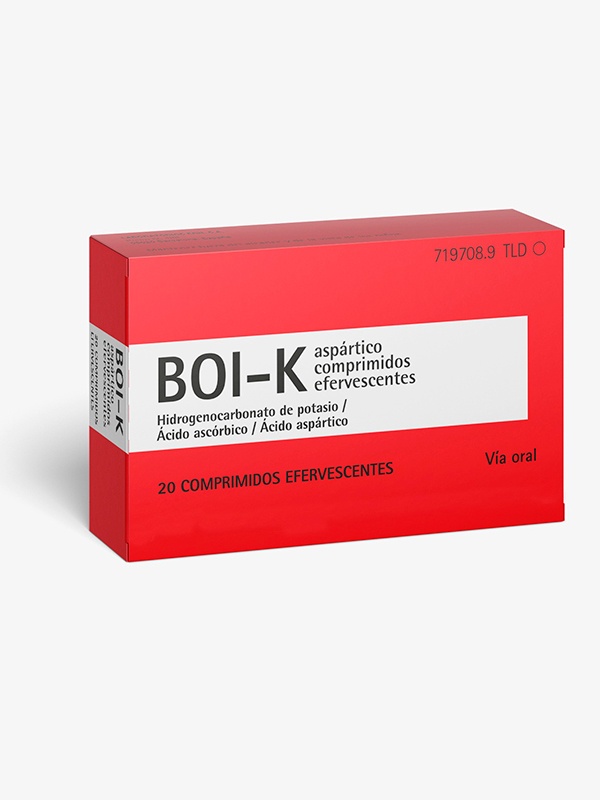
- Alternativas a SIBNAYAL 8 MEQ GRANULOS DE LIBERACION PROLONGADAForma farmacéutica: COMPRIMIDO EFERVESCENTE, 2502,5 mg; 500 mg; 350 mgPrincipio activo: potassium (different salts in combination)Fabricante: Ionfarma S.L.Requiere recetaForma farmacéutica: POLVO/GRANULADO LIBERACION MODIFICADA, 24 mEqPrincipio activo: potassium (different salts in combination)Fabricante: AdvicenneRequiere recetaForma farmacéutica: COMPRIMIDO EFERVESCENTE, 1001mg potasio bicarbonato; 250mg acido ascorbicoPrincipio activo: potassium hydrogencarbonateFabricante: Ionfarma S.L.Requiere receta

Médicos online para SIBNAYAL 8 MEQ GRANULOS DE LIBERACION PROLONGADA
Comenta la dosis, los posibles efectos secundarios, interacciones, contraindicaciones o la revisión de receta de SIBNAYAL 8 MEQ GRANULOS DE LIBERACION PROLONGADA, sujeto a valoración médica y a la normativa local.











Preguntas frecuentes
