





Cómo usar SELEXID 400 MG COMPRIMIDOS RECUBIERTOS CON PELICULA EFG
Traducción generada por IA
Este contenido ha sido traducido automáticamente y se ofrece solo con fines informativos. No sustituye la consulta con un profesional sanitario.
Ver originalContenido del prospecto
- Introducción
- Qué es Selexid y para qué se utiliza
- Qué necesita saber antes de empezar a tomar Selexid
- Su médico puede haber prescrito un uso o una dosis diferentes de lo que se indica en esta información. Siga exactamente las instrucciones indicadas por su médico.
- Cómo tomar Selexid
- Posibles efectos adversos
- Conservación de Selexid
- Mantener este medicamento fuera de la vista y del alcance de los niños.
- Contenido del envase e información adicional
Introducción
Prospecto: información para el usuario
Selexid 400 mg comprimidos recubiertos con películaEFG
Hidrocloruro de pivmecilinam
Lea todo el prospecto detenidamente antes de empezar a tomar este medicamento, porque contiene información importante para usted.
- Conserve este prospecto, ya que puede tener que volver a leerlo.
- Si tiene alguna duda, consulte a su médico, farmacéutico o enfermero.
- Este medicamento se le ha recetado solamente a usted, y no debe dárselo a otras personas aunque tengan los mismos síntomas que usted, ya que puede perjudicarles.
- Si experimenta efectos adversos, consulte a su médico, farmacéutico o enfermero, incluso si se trata de efectos adversos que no aparecen en este prospecto. Ver sección 4.
Contenido del prospecto
- Qué es Selexid y para qué se utiliza
- Qué necesita saber antes de empezar a tomar Selexid
- Cómo tomar Selexid
- Posibles efectos adversos
- Conservación de Selexid
- Contenido del envase e información adicional
1. Qué es Selexid y para qué se utiliza
Selexid pertenece a un grupo de medicamentos denominado penicilinas. Es un tipo de antibiótico. Selexid actúa matando gérmenes (bacterias) que provocan infecciones.
Los antibióticos se utilizan para tratar infecciones bacterianas y no sirven para tratar infecciones víricas. Es importante que siga las instrucciones relativas a la dosis, el intervalo de administración y la duración del tratamiento indicadas por su médico. No guarde ni reutilice este medicamento. Si una vez finalizado el tratamiento le sobra antibiótico, devuélvalo a la farmacia para su correcta eliminación. No debe tirar los medicamentos por el desagüeni a la basura. |
Selexid se utiliza para tratar infecciones de la vejiga (cistitis) en adultos.

2. Qué necesita saber antes de empezar a tomar Selexid
Su médico puede haber prescrito un uso o una dosis diferentes de lo que se indica en esta información. Siga exactamente las instrucciones indicadas por su médico.
No tome Selexid:
- Si es alérgico (hipersensible) al pivmecilinam o a alguno de los demás componentes de este medicamento (incluidos en la sección 6).
- Si es alérgico (hipersensible) a otros antibióticos. Dichos antibióticos incluyen penicilinas y cefalosporinas.
- Si alguna vez ha experimentado una erupción cutánea grave o descamación de la piel, ampollas y/o úlceras bucales después de tomar Selexid 400 mg comprimidos recubiertos con película EFG u otros antibióticos betalactámicos (como amoxicilina, penicilina V y flucloxacilina).
- Si tiene un estrechamiento del tubo digestivo.
- Si presenta un trastorno que puede reducir la cantidad de una sustancia denominada carnitina en su organismo. Dichos trastornos incluyen un defecto en el transportador de carnitina, aciduria metilmalónica y acidemia propiónica.
Advertencias y precauciones
Consulte a su médico, farmacéutico o enfermero antes de empezar a tomar Selexid. Los comprimidos deben tomarse por lo menos con medio vaso de líquido, para evitar que los comprimidos queden retenidos en el tubo digestivo.
Antes de iniciar el tratamiento, informe a su médico:
- Si tiene porfiria.
- Si ya ha usado Selexid recientemente, ya que el uso prolongado puede reducir la cantidad de carnitina en su organismo.
Durante el tratamiento:
- Se han notificado reacciones adversas cutáneas graves (RACG), incluyendo síndrome de Stevens-Johnson, necrólisis epidérmica tóxica y reacción farmacológica con eosinofilia y síntomas sistémicos (DRESS, por sus siglas en inglés) en relación con el tratamiento con Selexid 400 mg comprimidos recubiertos con película EFG. Suspenda el tratamiento con Selexid 400 mg comprimidos recubiertos con película EFG y busque inmediatamente atención médica si experimenta cualquiera de los síntomas relacionados con las reacciones cutáneas graves descritos en la sección 4.
- Si experimenta diarrea súbitamente mientras toma Selexid, informe a su médico inmediatamente. Esto puede deberse a que su intestino esté inflamado (colitis).
- Tomar pivmecilinam poco antes del parto puede afectar al resultado de las pruebas neonatales para detectar enfermedades metabólicas hereditarias y dar un falso positivo. Un “falso positivo” significa que el resultado indica erróneamente que el bebé padece un trastorno. No hay riesgo para el neonato, pero deberá informar a su médico que ha tomado Selexid poco antes del parto.
Niños y adolescentes
No administre este medicamento a niños y adolescentes menores de 18 años, ya que puede que los posibles beneficios no sean superiores a los riesgos.
Toma de Selexid con otros medicamentos
Comunique a su médico o farmacéutico si está tomando, ha tomado recientemente o podría tener que tomar cualquier otro medicamento.
Informe a su médico o farmacéutico si está tomando alguno de los siguientes medicamentos:
- Probenecid (para el tratamiento de la gota). Esto puede potenciar el efecto de Selexid.
- Metotrexato (para el tratamiento del reuma y del cáncer). La excreción de metotrexato de su organismo puede ser más lenta si se usa junto con Selexid.
- Valproato o ácido valproico (para el tratamiento de la epilepsia). Esto aumenta el riesgo de que haya una cantidad demasiado baja de carnitina en su organismo, si se usa junto con Selexid.
- Otros antibióticos (por ej., tetraciclinas, eritromicina, otros antibióticos beta-lactámicos).
Esto puede influir en el efecto de Selexid.
Toma de Selexid con alimentos y bebidas
Puede tomar el medicamento con o inmediatamente después de una comida. Selexid debe tomarse con al menos medio vaso de agua. Es importante que tome su medicamento con mucho líquido y bastante tiempo antes de irse a dormir. Esto evitará trastornos en el tubo digestivo.
Embarazo, lactancia y fertilidad
Si está embarazada o en periodo de lactancia, cree que podría estar embarazada o tiene intención de quedarse embarazada, consulte a su médico o farmacéutico antes de utilizar este medicamento.
Embarazo
Selexid puede usarse durante el embarazo.
Se ha informado de algunos casos de falsos positivos en las pruebas de detección en neonatos, donde ha simulado la presencia de acidemia isovalérica. Tomar pivmecilinam poco antes del parto puede afectar al resultado de las pruebas neonatales para detectar enfermedades metabólicas hereditarias y dar un falso positivo. Un “falso positivo” significa que el resultado indica erróneamente que el bebé padece un trastorno. No hay riesgo para el neonato, pero deberá informar a su médico que ha tomado Selexid poco antes del parto.
Lactancia
Selexid puede usarse durante la lactancia.
Fertilidad
No se han realizado estudios clínicos con respecto a la fertilidad.
Conducción y uso de máquinas
La influencia de Selexid sobre la capacidad para conducir y utilizar máquinas es nula o insignificante.

3. Cómo tomar Selexid
Siga exactamente las instrucciones de administración de este medicamento contenidas en este prospecto o indicadas por su médico o farmacéutico. En caso de duda, pregunte a su médico, farmacéutico o enfermero. Debe tomar el medicamento a intervalos iguales de tiempo durante el día. Por ejemplo, si debe tomarlo tres veces al día, tómelo a la hora del desayuno, del almuerzo y de la cena. Selexid debe tomarse con al menos medio vaso de líquido. Su médico le indicará cuánto tiempo necesita utilizar Selexid comprimidos.
La dosis recomendada es 400 mg 3 veces al día.
Pacientes de edad avanzada: No es necesario ajustar la dosis.
En caso de insuficiencia renal o hepática, no es necesario ajustar la dosis.
Si toma más Selexid del que debe
Informe a su doctor inmediatamente. Tal vez necesite dejar de tomar este medicamento. Puede sentir náusea, tener vómitos o trastornos gástricos.
En caso de sobredosis o ingestión accidental consulte inmediatamente a su médico o farmacéutico o llame al Servicio de Información Toxicológica, teléfono: 91 562 04 20, indicando el medicamento y la cantidad ingerida.
Si olvidó tomar Selexid
Si olvidó tomar el medicamento, tómelo tan pronto como lo recuerde. Debe tomarlo siempre con, por lo menos, medio vaso de agua o de otro líquido. Luego, tome la dosis siguiente en el horario habitual.
Si interrumpe el tratamiento con Selexid
Es muy importante que tome toda la cantidad de medicamento que su médico le ha indicado. Debe terminar este medicamento aunque se sienta mejor porque, de lo contrario, puede volver a sentirse enfermo.
Si tiene cualquier otra duda sobre el uso de este medicamento, pregunte a su médico, farmacéutico o enfermero.
4. Posibles efectos adversos
Al igual que todos los medicamentos, este medicamento puede producir efectos adversos, aunque no todas las personas los sufran.
Efectos adversos graves:
Interrumpa el tratamiento con Selexid y solicite asistencia médica inmediatamente si nota algunos de los siguientes síntomas:
- Reacciones alérgicas graves (reacciones anafilácticas, angioedema, shock anafiláctico): los síntomas pueden incluir erupción cutánea, inflamación en la cara, labios, lengua o en la garganta, dificultad para respirar o tragar, desmayo debido a hipersensibilidad. Estas reacciones pueden ser potencialmente mortales.
- Manchas rojizas no elevadas, en forma de diana o circulares en el tronco, a menudo con ampollas centrales, descamación de la piel, úlceras en la boca, garganta, nariz, genitales y ojos. Estas erupciones cutáneas graves pueden ir precedidas de fiebre y síntomas similares a los de la gripe (síndrome de Stevens-Johnson o necrólisis epidérmica tóxica).
- Erupción generalizada, temperatura corporal alta y nódulos linfáticos agrandados (síndrome DRESS o síndrome de hipersensibilidad a fármacos).
- Diarrea sanguinolenta grave y duradera con dolor de estómago y fiebre (colitis por Clostridium difficile ).
Las reacciones anafilácticas y la colitis por Clostridium difficileson poco frecuentes y pueden afectar a 1 de cada 100 personas. No se conoce la aparición de angioedema y shock anafiláctico.
Póngase en contacto con su médico si nota los siguientes efectos adversos graves:
- Sangrado de la piel y de membranas mucosas, además de moretones en la piel causados por cambios en la sangre (recuento de plaquetas bajo) (trombocitopenia). Poco frecuente: puede afectar a 1 de cada 100 personas.
Otros efectos adversos:
Frecuentes (pueden afectar hasta 1 de cada 10 personas)
- Infección fúngica de la vagina
- Diarrea
- Sensación de náuseas
Poco frecuentes (pueden afectar hasta 1 de cada 100 personas)
- Cefalea
- Mareos
- Sensación de vértigo
- Vómitos
- Dolor de estómago
- Indigestión (problemas digestivos)
- Úlceras en la boca o en el tubo digestivo, inflamación del tubo digestivo
- Trastornos en la función hepática
- Cambios en los valores hematológicos o hepáticos
- Debilidad o pérdida muscular. Cansancio o falta de energía. Una cantidad demasiado baja de carnitina en su organismo puede causar estos síntomas.
- Ronchas
- Picazón
- Fatiga
Comunicación de efectos adversos
Si experimenta cualquier tipo de efecto adverso, consulte a su médico, farmacéutico o enfermero, incluso si se trata de posibles efectos adversos que no aparecen en este prospecto. También puede comunicarlos directamente a través del Sistema Español de Farmacovigilancia de Medicamentos de Uso Humano: https://www.notificaram.es.
Mediante la comunicación de efectos adversos usted puede contribuir a proporcionar más información sobre la seguridad de este medicamento.
5. Conservación de Selexid
Mantener este medicamento fuera de la vista y del alcance de los niños.
No utilice este medicamento después de la fecha de caducidad que aparece en la caja después de CAD. La fecha de caducidad es el último día del mes que se indica.
No requiere condiciones especiales de conservación.
Los medicamentos no se deben tirar por los desagües ni a la basura. Deposite los envases y los medicamentos que no necesita en el punto SIGRE de la farmacia. En caso de duda pregunte a su farmacéutico cómo deshacerse de los envases y de los medicamentos que ya no necesita. De esta forma, ayudará a proteger el medio ambiente.
6. Contenido del envase e información adicional
Composición de Selexid
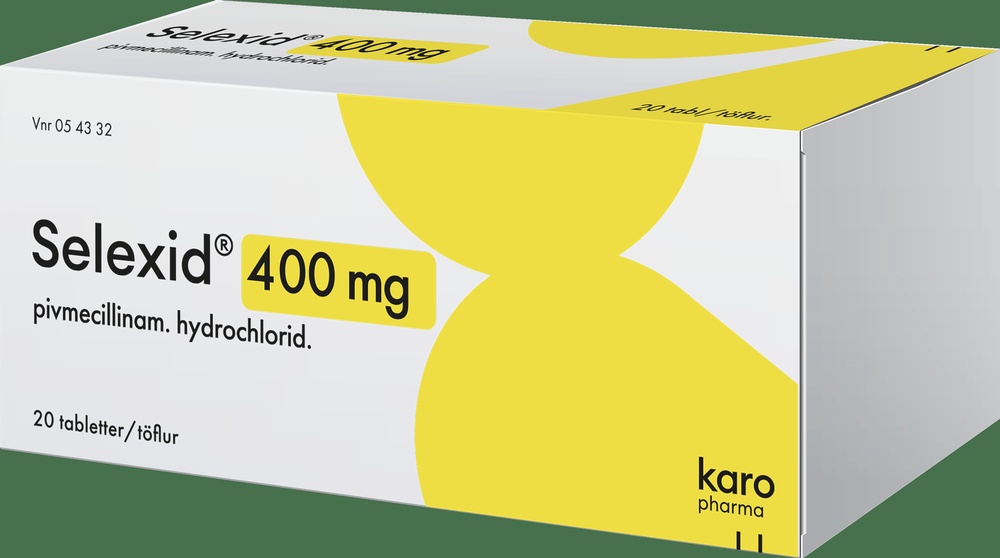
- El principio activo es hidrocloruro de pivmecilinam. Un comprimido de Selexid contiene 400 mg de hidrocloruro de pivmecilinam.
- Los demás componentes son hidroxipropilcelulosa, hipromelosa 6 cps, estearato de magnesio, celulosa microcristalina, emulsión de simeticona 30 % y parafina sintética.
Aspecto del producto y contenido del envase
Selexid es un comprimido blanco en forma de cápsula, recubierto con película, de 8 x 17 mm.
Tamaños de envases:
9, 10, 15 y 20 comprimidos en blísteres.
Puede que solamente estén comercializados algunos tamaños de envases.
Titular de la autorización de comercialización y responsable de la fabricación
Titular de la autorización de comercialización:
Karo Pharma AB
Box 16184
103 24 Estocolmo
Suecia
Responsable de la fabricación:
Recipharm Strängnäs AB, Mariefredsvägen 35, S-645 41 Strängnäs, Suecia
Pueden solicitar más información respecto a este medicamento dirigiéndose al representante local del titular de la autorización de comercialización:
Laboratorios Gebro Pharma, S.A.
Avenida Tibidabo n° 29
08022 Barcelona
España
Tel. +34 93 205 86 86
Este medicamento está autorizado en los estados miembros del Espacio Económico Europeo con los siguientes nombres:
Bélgica: Selexid® 400 mg Tabletten
Dinamarca: Pivmecillinamhydrochlorid Karo Pharma
Países Bajos: Selexid® 400 mg Filmomhulde tabletten
Irlanda: Pivmecillinam hydrochloride Karo Pharma 400 mg film-coated tablets
Italia: XSYSTO®
Luxemburgo: Selexid® 400 mg Comprimés pelliculés
Polonia: X-SYSTO® 400 mg Tabletki powlekane
España: Selexid® 400 mg Comprimidos recubiertos con pelicula
Alemania: X-SYSTO® 400 mg Filmtabletten
Fecha de la última revisión de este prospecto: Febrero 2024
La información detallada de este medicamento está disponible en la página web de la Agencia Española de Medicamentos y Productos Sanitarios (AEMPS) http://www.aemps.gob.es/.
-

- País de registro
- Forma farmacéuticaCOMPRIMIDO, 400 mg
- Código ATCJ01CA08
- Principio activo
- Requiere recetaSí
- Fabricante
- Esta información es de carácter general y no sustituye la consulta con un profesional sanitario.
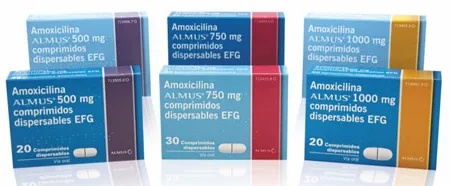
- Alternativas a SELEXID 400 MG COMPRIMIDOS RECUBIERTOS CON PELICULA EFGForma farmacéutica: INYECTABLE, -Principio activo: AmoxicilinaFabricante: Ldp Laboratorios Torlan S.A.Requiere recetaForma farmacéutica: CAPSULA, 500 mgPrincipio activo: AmoxicilinaFabricante: Ldp Laboratorios Torlan S.A.Requiere recetaForma farmacéutica: COMPRIMIDO, 1000 mgPrincipio activo: AmoxicilinaFabricante: Almus Farmaceutica S.A.U.Requiere receta
Médicos online para SELEXID 400 MG COMPRIMIDOS RECUBIERTOS CON PELICULA EFG
Comenta la dosis, los posibles efectos secundarios, interacciones, contraindicaciones o la revisión de receta de SELEXID 400 MG COMPRIMIDOS RECUBIERTOS CON PELICULA EFG, sujeto a valoración médica y a la normativa local.









Obtén una receta de SELEXID 400 MG COMPRIMIDOS RECUBIERTOS CON PELICULA EFG online
Rellena un formulario de 2 minutos
Cuéntanos tus síntomas, historial y el medicamento que necesitas.
Elige un médico o nosotros te asignamos uno
Escoge un especialista o te conectamos con el próximo médico disponible.
El médico revisa tu caso
Normalmente en 30 minutos. Puede hacerte preguntas adicionales por chat.
Recógela en cualquier farmacia
Receta electrónica enviada a tu correo, válida en toda España.
Preguntas frecuentes
SELEXID 400 MG COMPRIMIDOS RECUBIERTOS CON PELICULA EFG requires receta en España. Puedes confirmarlo con un médico online según tu caso.
El principio activo de SELEXID 400 MG COMPRIMIDOS RECUBIERTOS CON PELICULA EFG es pivmecillinam. Esta información ayuda a identificar medicamentos con la misma composición pero con diferentes nombres comerciales.
SELEXID 400 MG COMPRIMIDOS RECUBIERTOS CON PELICULA EFG es fabricado por Karo Pharma Ab. La marca y el envase pueden variar según el distribuidor.
Los Médicos de familia, Psiquiatras, Dermatólogos, Cardiólogos, Endocrinólogos, Gastroenterólogos, Neumólogos, Nefrólogos, Reumatólogos, Hematólogos, Infectólogos, Alergólogos, Geriatras, Pediatras, Oncólogos pueden valorar la prescripción de SELEXID 400 MG COMPRIMIDOS RECUBIERTOS CON PELICULA EFG cuando esté clínicamente indicado. Puedes reservar una videoconsulta para comentar tu caso y las opciones de tratamiento.
España cuenta con una infraestructura sanitaria bien desarrollada en ciudades principales como Madrid, Barcelona, Valencia y Sevilla. Las farmacias están ampliamente disponibles y operan bajo estrictas regulaciones, garantizando el acceso a medicamentos con receta.
Puedes comprar SELEXID 400 MG COMPRIMIDOS RECUBIERTOS CON PELICULA EFG en Madrid, Barcelona, Sevilla o Valencia en cualquier farmacia local con una receta válida.
Para obtener una receta, puedes utilizar Oladoctor:
Otros medicamentos con el mismo principio activo (pivmecillinam) incluyen AMITRON 1 g POLVO PARA SOLUCIÓN INYECTABLE, AMITRON 500 MG CÁPSULAS DURAS, AMOXICILINA ALMUS 1000 MG COMPRIMIDOS DISPERSABLES EFG. Pueden tener diferentes nombres comerciales o formulaciones, pero contienen el mismo componente terapéutico. Consulta siempre con un médico antes de cambiar o iniciar un nuevo medicamento.
