







Cómo usar RIVAROXABAN POLPHARMA 15 MG COMPRIMIDOS RECUBIERTOS CON PELICULA EFG
Traducción generada por IA
Este contenido ha sido traducido automáticamente y se ofrece solo con fines informativos. No sustituye la consulta con un profesional sanitario.
Ver originalContenido del prospecto
- Introducción
- Qué es Rivaroxaban Polpharma y para qué se utiliza
- Qué necesita saber antes de tomar Rivaroxaban Polpharma
- Informe a su médico o farmacéutico si está tomando, ha tomado recientemente op
- Si está embarazada o en periodo de lactancia, cree que podría estar embarazada o tiene intención de quedarse embarazada, consulte a su médico o farmacéutico antes de utilizar este medicamento.
- Cómo tomar Rivaroxaban Polpharma
- Posibles efectos adversos
- Conservación de Rivaroxaban Polpharma
- Contenido del envase e información adicional
- Titular de la autorización de comercialización
Introducción
Prospecto: información para el usuario
Rivaroxaban Polpharma 15 mg comprimidos recubiertos con película EFG
Rivaroxaban Polpharma 20 mg comprimidos recubiertos con película EFG

Lea todo el prospecto detenidamente antes de empezar a tomar este medicamento, porque contiene información importante para usted.
- Conserve este prospecto, ya que puede tener que volver a leerlo.
- Si tiene alguna duda, consulte a su médico o farmacéutico.
- Este medicamento se le ha recetado solamente a usted, y no debe dárselo a otras personas aunque tengan los mismos síntomas que usted, ya que puede perjudicarles.
- Si experimenta efectos adversos, consulte a su médico o farmacéutico, incluso si se trata de efectos adversos que no aparecen en este prospecto. Ver sección 4.
Contenido del prospecto
- Qué es Rivaroxaban Polpharma y para qué se usa
- Qué necesita saber antes de tomar Rivaroxaban Polpharma
- Cómo tomar Rivaroxaban Polpharma
- Posibles efectos adversos
- Conservación de Rivaroxaban Polpharma
- Contenido del envase e información adicional.

1. Qué es Rivaroxaban Polpharma y para qué se utiliza
Este medicamento contiene la sustancia activa rivaroxabán.
Rivaroxaban Polpharma se usa en adultos para:
- prevenir la formación de coágulos de sangre en el cerebro (ictus) o en otros vasos sanguíneos del organismo si padece una forma de ritmo irregular del corazón, denominada fibrilación auricular no valvular.
- tratar los coágulos de sangre en las venas de las piernas (trombosis venosa profunda) y en los vasos sanguíneos de los pulmones (embolia pulmonar), y para prevenir que estos coágulos de sangre vuelvan a aparecer en los vasos sanguíneos de las piernas y/o de los pulmones.
Rivaroxaban Polpharma se utiliza en niños y adolescentes menores de 18 años con un peso corporal igual o superior a 30 kg para:
- tratar los coágulos sanguíneos y prevenir la reaparición de coágulos sanguíneos en las venas o en los vasos sanguíneos de los pulmones, tras un tratamiento inicial de al menos 5 días con medicamentos inyectables utilizados para tratar los coágulos sanguíneos.
Este medicamento pertenece a un grupo de medicamentos llamados agentes antitrombóticos. Actúa bloqueando un factor de la coagulación (factor Xa) y por lo tanto, reduciendo la tendencia de la sangre a formar coágulos
2. Qué necesita saber antes de tomar Rivaroxaban Polpharma
No tome Rivaroxaban Polpharma
- si es alérgico al rivaroxabán o a alguno de los demás componentes de este medicamento (incluidos en la sección 6).
- si sangra excesivamente
- si sufre una enfermedad o afección en un órgano del cuerpo que aumenta el riesgo de sangrado grave (por ejemplo, úlcera estomacal, lesión o sangrado en el cerebro, cirugía reciente del cerebro o de los ojos)
- si está tomando medicamentos para prevenir la coagulación de la sangre (por ejemplo, warfarina, dabigatrán, apixabán o heparina), a excepción del cambio de tratamiento anticoagulante o de la administración de heparina por vía venosa o arterial para mantenerlas abiertas
- si sufre una enfermedad hepática que aumenta el riesgo de sangrado
- si está embarazada o en el periodo de lactancia
No tome Rivaroxaban Polpharma y dígale a su médicosi alguno de estos casos se aplica a usted.
Advertencias y precauciones
Consulte a su médico o farmacéutico antes de empezar a tomar este medicamento.
Tenga cuidado especial con Rivaroxaban Polpharma
- si corre un mayor riesgo de sangrado, como podría ser el caso en las siguientes situaciones:
- enfermedad renal grave en adultos y enfermedad renal moderada o grave en niños y adolescentes, ya que su función renal puede afectar la cantidad del medicamento que funciona en su cuerpo
- si está tomando medicamentos para prevenir la coagulación de la sangre (por ejemplo, warfarina, dabigatrán, apixabán o heparina), en el caso de cambio de tratamiento anticoagulante o de la administración de heparina por vía venosa o arterial para mantenerlas abiertas (véase la sección “Otros medicamentos y Rivaroxaban Polpharma”)
- trastornos hemorrágicos
- presión arterial muy alta, no controlada por tratamiento médico
- enfermedades del estómago o del intestino que pueden provocar sangrado, p. ej. inflamación de los intestinos o del estómago, o inflamación del esófago (garganta), p. ej. debido a la enfermedad por reflujo gastroesofágico (enfermedad en la que el ácido del estómago sube hacia el esófago) o tumores localizados en el estómago, intestinos, en el tracto genital o el tracto urinario
- un problema con los vasos sanguíneos en la parte posterior de los ojos (retinopatía)
- una enfermedad pulmonar en la que sus bronquios se ensanchan y se llenan de pus (bronquiectasia), o previa hemorragia pulmonar
- si tiene una válvula cardíaca protésica
- si sabe que tiene una enfermedad llamada síndrome antifosfolípido (un trastorno del sistema inmunitario que causa un mayor riesgo de coágulos sanguíneos), dígaselo a su médico quien decidirá si es necesario cambiar el tratamiento
- si su médico determina que su presión arterial es inestable o si está previsto otro tratamiento o procedimiento quirúrgico para eliminar el coágulo de sangre de sus pulmones.
Si alguno de dichos casos se aplica a usted, dígaselo a su médicoantes de tomar este medicamento. Su médico decidirá si usted debe ser tratado con este medicamento y si debe estar bajo observación más estricta.
Si usted necesita una intervención quirúrgica:
- es muy importante tomar este medicamento antes y después de la operación, exactamente en el momento que su médico le haya indicado.
- Si su operación implica el uso de un catéter o inyección en su columna vertebral (por ejemplo, para anestesia epidural o espinal, o reducción del dolor):
- es muy importante tomar este medicamento antes y después de la inyección o retirada del catéter, exactamente en el momento que su médico le haya indicado
- informe a su médico inmediatamente si siente entumecimiento o debilidad en las piernas, o problemas con el intestino o la vejiga después de finalizar la anestesia, ya que se necesitará atención urgente.
Niños y adolescentes
Rivaroxaban Polpharma comprimidos no se recomienda para niños con un peso corporal inferior a 30kg.No hay información suficiente sobre el uso de Rivaroxaban Polpharma en niños y adolescentes en las indicaciones para adultos.
Uso deRivaroxaban Polpharmacon otros medicamentos
Informe a su médico o farmacéutico si está tomando, ha tomado recientemente op
- Si está tomando:
- algunos medicamentos para infecciones fúngicas (por ejemplo, fluconazol, itraconazol, voriconazol, posaconazol), a menos que solamente sean aplicados sobre la piel
- comprimidos de ketoconazol (usados para tratar el síndrome de Cushing, cuando el cuerpo produce un exceso de cortisol)
- ciertos medicamentos para infecciones bacterianas (p. ej. claritromicina, eritromicina)
- ciertos medicamentos antivirales para el VIH/SIDA (p. ej. ritonavir)
- otros medicamentos para reducir la coagulación de la sangre (p. ej., enoxaparina, clopidogrel o antagonistas de la vitamina K, tales como warfarina y acenocumarol)
- medicamentos antiinflamatorios y analgésicos (por ejemplo, naproxeno o ácido acetilsalicílico)
- dronedarona, un medicamento para tratar los latidos cardíacos anormales
- algunos medicamentos para tratar la depresión (inhibidores selectivos de la recaptación de serotonina (ISRS) o inhibidores de la recaptación de serotonina y norepinefrina (IRSN))
Si alguno de dichos casos se aplica a usted, dígaselo a su médicoantes de tomar este medicamento, ya que el efecto de este medicamento puede aumentar. Su médico decidirá si usted debe ser tratado con este medicamento y si debe estar bajo observación más estricta.
Si su médico cree que usted corre mayor riesgo de desarrollar úlceras estomacales o intestinales, también podrá usar un tratamiento preventivo para las úlceras.
- Si usted está tomando:
- ciertos medicamentos para el tratamiento de la epilepsia (fenitoína, carbamazepina, fenobarbital)
- Hierba de San Juan (Hypericum perforatum), un producto a base de hierbas usado para la depresión
- rifampicina, un antibiótico
Si alguno de dichos casos se aplica a usted, dígaselo a su médicoantes de tomar este medicamento, ya que el efecto de este medicamento puede ser reducido. Su médico decidirá si usted debe ser tratado con este medicamento y si debe estar bajo observación más estricta.
Embarazo y lactancia
No tome este medicamento si está embarazada o en el periodo de lactancia. Si existe la posibilidad de que pueda quedar embarazada, use un método anticonceptivo eficaz mientras esté tomando este medicamento. Si queda embarazada mientras está tomando este medicamento, informe a su médico inmediatamente, y él decidirá cómo usted debe ser tratada.
Si está embarazada o en periodo de lactancia, cree que podría estar embarazada o tiene intención de quedarse embarazada, consulte a su médico o farmacéutico antes de utilizar este medicamento.
Conducción y uso de máquinas
Este medicamento puede causar mareos (efecto adverso común) o desmayo (efecto adverso poco frecuente) (véase la sección 4, ‘Posibles efectos adversos’). No debe conducir ni montar en bicicleta, ni usar ninguna herramienta o máquinas si se ve afectado por estos síntomas.
Este medicamento contiene lactosa y sodio
Si su médico le ha indicado que padece una intolerancia a ciertos azúcares, consulte con él antes de tomar este medicamento
Este medicamento contiene menos de 23 mg de sodio (1 mmol) por comprimido; esto es, esencialmente “exento de sodio”.
3. Cómo tomar Rivaroxaban Polpharma
Siga exactamente las instrucciones de administración de este medicamento indicadas por su médico.
En caso de duda, consulte de nuevo a su médico o farmacéutico.
Debe tomar Rivaroxaban Polpharma con alimentos.
Trague el comprimido preferentemente con agua.
Si tiene dificultad en tragar un comprimido entero, hable con su médico sobre otras formas de tomar este medicamento. El comprimido puede ser triturado y mezclado con agua o puré de manzana inmediatamente antes de tomarlo. Esta mezcla debe ser seguida inmediatamente por la comida.
Si fuera necesario, su médico también podrá administrarle un comprimido triturado de este medicamento a través de una sonda gástrica.
Cuánto se debe tomar
- Adultos
- Para prevenir coágulos de sangre en el cerebro (accidente cerebrovascular) y en otros vasos sanguíneos en su cuerpo, la dosis recomendada es un comprimido de Rivaroxaban Polpharma 20 mg una vez al día.
Si tiene problemas renales, la dosis puede reducirse a un comprimido de Rivaroxaban Polpharma 15 mg una vez al día.
Si necesita un procedimiento para tratar los vasos sanguíneos bloqueados en su corazón (llamada intervención coronaria percutánea – ICP con la inserción de un stent), existe evidencia limitada para reducir la dosis a un comprimido de Rivaroxaban Polpharma de 15 mg una vez al día (o para un comprimido de Rivaroxaban Polpharma de 10 mg una vez al día en el caso de que sus riñones no funcionen correctamente), además de un medicamento antiplaquetario como clopidogrel.
- Para tratar los coágulos sanguíneos en las venas de las piernas y los coágulos sanguíneos en los vasos sanguíneos de los pulmones, y para evitar que los coágulos sanguíneos vuelvan a aparecer
La dosis recomendada es un comprimido de Rivaroxaban Polpharma 15 mg dos veces al día durante las primeras 3 semanas. Para el tratamiento después de 3 semanas, la dosis recomendada es un comprimido de Rivaroxaban Polpharma 20 mg una vez al día.
Después de al menos 6 meses de tratamiento de coágulos sanguíneos, su médico podrá decidir continuar el tratamiento con un comprimido de 10 mg una vez al día o un comprimido de 20 mg una vez al día.
Si usted tiene problemas renales y toma un comprimido de Rivaroxaban Polpharma 20 mg una vez al día, su médico puede decidir reducir la dosis para el tratamiento después de 3 semanas a un comprimido de Rivaroxaban Polpharma 15 mg una vez al día, si el riesgo de sangrado es mayor que el riesgo de tener otro coágulo de sangre.
- Niños y adolescentes
La dosis de Rivaroxaban Polpharma depende del peso corporal y será calculada por el médico.
- La dosis recomendada para niños y adolescentes con un peso corporal entre 30 kg y menos de 50 kg es de un comprimido de Rivaroxaban Polpharma 15 mg una vez al día.
- La dosis recomendada para niños y adolescentes con un peso corporal igual o superior a 50 kg es de un comprimido de Rivaroxaban Polpharma 20 mg una vez al día.
Tome cada dosis de Rivaroxaban Polpharma con una bebida (por ejemplo, agua o zumo) durante una comida. Tome los comprimidos todos los días aproximadamente a la misma hora. Considere la posibilidad de poner una alarma para recordárselo.
Para los padres o cuidadores: por favor, observen al niño para asegurarse de que se toma la dosis completa.
Como la dosis de Rivaroxaban Polpharma se basa en el peso corporal, es importante mantener las visitas programadas al médico porque puede ser necesario ajustar la dosis a medida que cambia el peso.
Nunca ajuste usted mismo la dosis de Rivaroxaban Polpharma. El médico ajustará la dosis si es necesario.
No parta el comprimido en un intento de proporcionar una fracción de dosis del comprimido. Si se requiere una dosis menor, utilice otros medicamentos en forma de gránulos para suspensión oral.
Para los niños y adolescentes que no puedan tragar los comprimidos enteros, utilice otros medicamentos en forma de gránulos para suspensión oral.
Si no dispone de suspensión oral, puede triturar el comprimido de Rivaroxaban Polpharma y mezclarlo con agua o puré de manzana inmediatamente antes de tomarlo. Tome algún alimento después de tomar esta mezcla. Si es necesario, su médico también puede administrarle el comprimido triturado de Rivaroxaban Polpharma a través de una sonda gástrica.
Si escupe la dosis o vomita
- menos de 30 minutos después de haber tomado Rivaroxaban Polpharma, tome una nueva dosis.
- más de 30 minutos después de haber tomado Rivaroxaban Polpharma, no tome una nueva dosis. En este caso, tome la siguiente dosis de Rivaroxaban Polpharma a la hora habitual.
Póngase en contacto con el médico si escupe repetidamente la dosis o vomita después de tomar Rivaroxaban Polpharma.
Cuándo tomar Rivaroxaban Polpharma
Tome el(los) comprimido(s) todos los días hasta que su médico le diga que pare.
Intente tomar el(los) comprimido(s) a la misma hora todos los días para ayudarle a recordarlo. Su médico decidirá cuánto tiempo deberá realizar el tratamiento.
Para prevenir coágulos de sangre en el cerebro (accidente cerebrovascular) y en otros vasos sanguíneos en su cuerpo:
Si su ritmo cardíaco necesita restablecerse a la normalidad mediante un procedimiento llamado cardioversión, tome este medicamento en el momento que su médico le indique.
Si olvidótomar Rivaroxaban Polpharma
- Adultos, niños y adolescentes
- Si está tomando un comprimido de 20 mg o un comprimido de 15 mg una vez al día y si ha olvidado una dosis, tómela tan pronto como lo recuerde. No tome más de un comprimido en un solo día para compensar las dosis olvidadas. Tome el siguiente comprimido el día siguiente y luego continúe tomando un comprimido una vez al día.
- Adultos
- Si está tomando un comprimido de 15 mg dos veces al día y si ha olvidado una dosis, tómela tan pronto como lo recuerde. No tome más de dos comprimidos de 15 mg en un solo día. Si olvida tomar una dosis, puede tomar dos comprimidos de 15 mg al mismo tiempo para obtener un total de dos comprimidos (30 mg) en un día. Al día siguiente, debe continuar tomando un comprimido de 15 mg dos veces al día.
Si toma más Rivaroxaban Polpharmadel que debe
Contacte con su médico inmediatamente si ha tomado demasiados comprimidos de este medicamento. Tomar demasiado este medicamento aumenta el riesgo de sangrado.
En caso de sobredosis o ingestión accidental, consulte a su médico o farmacéutico o llame al Servicio de Información Toxicológica, teléfono: 91 562 04 20, indicando el medicamento y la cantidad ingerida
Si interrumpe el tratamiento conRivaroxaban Polpharma
No deje de tomar este medicamento sin hablar primero con su médico, porque este medicamento trata y previene afecciones graves.
Si tiene cualquier otra duda sobre el uso de este medicamento, pregunte a su médico o farmacéutico
4. Posibles efectos adversos
Al igual que todos los medicamentos, este medicamento puede producir efectos adversos, aunque no todas las personas los sufran.
Al igual que otros medicamentos similares para reducir la formación de coágulos sanguíneos, este medicamento puede causar sangrado que puede ser mortal. El sangrado excesivo puede provocar caída repentina de la presión arterial (shock). En ciertos casos, el sangrado puede no ser obvio.
Informe a su médico inmediatamente si experimenta alguno de los siguientes efectos adversos:
- Signos de sangrado
- sangrado en el cerebro o dentro del cráneo (los síntomas pueden incluir dolor de cabeza, debilidad unilateral, vómitos, convulsiones, disminución del nivel de conciencia y rigidez en el cuello.
Una emergencia médica grave. Busque atención médica inmediatamente)
- sangrado prolongado o excesivo
- debilidad excepcional, cansancio, palidez, mareos, dolor de cabeza, hinchazón inexplicable, disnea, dolor en el pecho o angina de pecho.
Su médico puede decidir mantenerlo bajo observación más estricta o cambiar el tratamiento.
- Signos de reacción cutánea grave
- erupción cutánea intensa que se extiende, ampollas o lesiones mucosas, por ejemplo en la boca o los ojos (síndrome de Stevens-Johnson/necrólisis epidérmica tóxica).
- Una reacción al medicamento que causa erupción cutánea, fiebre, inflamación de los órganos internos, anomalías sanguíneas y enfermedad sistémica (síndrome DRESS).
Este efecto adverso es muy poco frecuente (hasta 1 en 10.000 personas).
- Signos de reacción alérgica grave
- hinchazón de la cara, labios, boca, lengua o garganta; dificultad para tragar; urticaria y dificultades respiratorias; descenso repentino de la tensión arterial.
Estos efectos adversos son muy poco frecuentes (reacciones anafilácticas, incluyendo shock anafiláctico; pueden afectar hasta 1 de cada 10.000 personas) y poco frecuentes (angioedema y edema alérgico; pueden afectar hasta 1 de cada 100 personas).
Lista general de posibles efectosadversos detectados en adultos, niños y adolescentes
Comunes(pueden afectar hasta 1 en cada 10 personas):
- reducción del número de los glóbulos rojos que pueden palidecer la piel y causar debilidad o disnea
- sangrado en el estómago o intestino, sangrado urogenital (incluyendo sangre en la orina y sangrado menstrual abundante), sangrado nasal, sangrado en las encías
- sangrado en el ojo (incluyendo el sangrado de la parte blanca de los ojos)
- sangrado en el tejido o una cavidad del cuerpo (hematoma, equimosis)
- tos con sangre
- sangrado de la piel o debajo de la piel
- sangrado después de una operación
- supuración de sangre o líquido de una herida quirúrgica
- hinchazón en las extremidades
- dolor en las extremidades
- alteración de la función de los riñones (puede ser observada en las pruebas realizadas por su médico)
- fiebre
- dolor de estómago, indigestión, sensación de estar enfermo o estar enfermo, estreñimiento, diarrea
- presión arterial baja (los síntomas pueden ser mareos o desmayos al ponerse de pie)
- disminución de la fuerza general y de la energía (debilidad, cansancio), dolor de cabeza, mareos
- sarpullido, irritación en la piel
- los análisis de sangre pueden mostrar un aumento en algunas enzimas hepáticas
Poco comunes(pueden afectar hasta 1 en cada 100 personas):
- sangrado en el cerebro o dentro del cráneo (ver arriba, signos de sangrado)
- sangrado en una articulación que causa dolor e hinchazón
- trombocitopenia (bajo número de plaquetas que son las células que ayudan a la sangre a coagularse)
- reacciones alérgicas, incluidas reacciones alérgicas en la piel
- alteración de la función del hígado (puede ser observada en las pruebas realizadas por su médico)
- los análisis de sangre pueden mostrar un aumento del nivel de bilirrubina, de algunas enzimas pancreáticas o hepáticas o del número de plaquetas
- desmayo
- malestar
- latidos cardíacos más rápidos
- sequedad de boca
- urticaria
Poco frecuentes(pueden afectar hasta 1 en cada 1.000 personas):
- sangrado hacia un músculo
- colestasis (disminución del flujo biliar), hepatitis incl. lesión hepatocelular (hígado inflamado, incluida lesión hepática)
- coloración amarillenta de la piel y de los ojos (ictericia)
- hinchazón localizada
- acumulación de sangre (hematoma) en la ingle, como complicación del procedimiento cardíaco en el que se inserta un catéter en la arteria de la pierna (pseudoaneurisma)
Muy poco frecuentes(pueden afectar hasta 1 en cada 10.000 personas):
- acumulación de eosinófilos, un tipo de glóbulos blancos granulocíticos que causan inflamación en el pulmón (neumonía eosinofílica)
Desconocidos(la frecuencia no puede ser estimada a partir de los datos disponibles):
- insuficiencia renal después de un sangrado grave
- sangrado en el riñón, a veces con presencia de sangre en la orina, lo que provoca la incapacidad de los riñones para funcionar correctamente (nefropatía relacionada con anticoagulantes
- aumento de la presión dentro de los músculos de las piernas o de los brazos después de una hemorragia que provoque dolor, hinchazón, sensación alterada, entumecimiento o parálisis (síndrome compartimental después de una hemorragia)
Efectos adversos en niños y adolescentes
En general, los efectos secundarios observados en niños y adolescentes tratados con rivaroxaban fueron similares en tipo a los observados en adultos y fueron principalmente de leves a moderados en gravedad.
Efectos secundarios que se observaron con mayor frecuencia en niños y adolescentes:
Muy frecuentes(pueden afectar a más de 1 en cada 10 personas)
- dolor de cabeza
- fiebre
- sangrado nasal
- vómitos
Comunes(pueden afectar hasta 1 en cada 10 personas)
- aumento de los latidos del corazón
- los análisis de sangre pueden mostrar un aumento de la bilirrubina (pigmento biliar)
- trombocitopenia (bajo número de plaquetas, células que ayudan a la coagulación de la sangre)
- sangrado menstrual abundante
Poco frecuentes(pueden afectar hasta a 1 en cada 100 personas)
- los análisis de sangre pueden mostrar un aumento de una subcategoría de la bilirrubina (bilirrubina directa, pigmento biliar)
Comunicación de efectos adversos
Si experimenta cualquier tipo de efecto adverso, consulte a su médico o farmacéutico, incluso si se trata de posibles efectos adversos que no aparecen en este prospecto.También puede comunicarlos directamente a través del Sistema Español de Farmacovigilancia de Medicamentos de Uso Humano: www.notificaRAM.es
Mediante la comunicación de efectos adversos usted puede contribuir a proporcionar más información sobre la seguridad de este medicamento
5. Conservación de Rivaroxaban Polpharma
Mantener este medicamento fuera de la vista y del alcance de los niños.
No utilice este medicamento después de la fecha de caducidad que aparece en la caja y en el blíster después de “CAD/EXP”. La fecha de caducidad es el último día del mes que se indica.
Este medicamento no requiere condiciones especiales de conservación.
Comprimidos triturados
Los comprimidos triturados son estables en agua o puré de manzana hasta 4 horas.
Los medicamentos no se deben tirar por los desagües ni a la basura. Deposite los envases y los medicamentos que no necesita en el Punto SIGRE de la farmacia. En caso de duda pregunte a su farmacéutico cómo deshacerse de los envases y de los medicamentos que ya no necesita. De esta forma, ayudará a proteger el medio ambiente
6. Contenido del envase e información adicional
Composición deRivaroxaban Polpharma
- El principio activo es rivaroxabán. Cada comprimido contiene 15 mg o 20 mg de rivaroxabán.
- Los demás componentes son:
Núcleo del comprimido: laurilsulfato de sodio, lactosa monohidrato, celulosa, microcristalino, croscarmelosa de sodio, hipromelosa, estearato de magnesio. Ver sección 2 “Este medicamento contiene lactosa y sodio”.
Capa de película de Rivaroxaban Polpharma 15 mg (Opadry II Rosa 33G240024): hipromelosa, dióxido de titanio (E171), lactosa monohidrato, macrogol 3350, triacetina, óxido de hierro, rojo (E172), óxido de hierro, negro (E172).
Capa de película de Rivaroxaban Polpharma 20 mg (Opadry II Rojo 33G250007): hipromelosa, dióxido de titanio (E171), lactosa monohidrato, macrogol 3350, triacetina, óxido de hierro, rojo (E172), óxido de hierro, amarillo (E172).
Aspecto del producto y contenido del envase
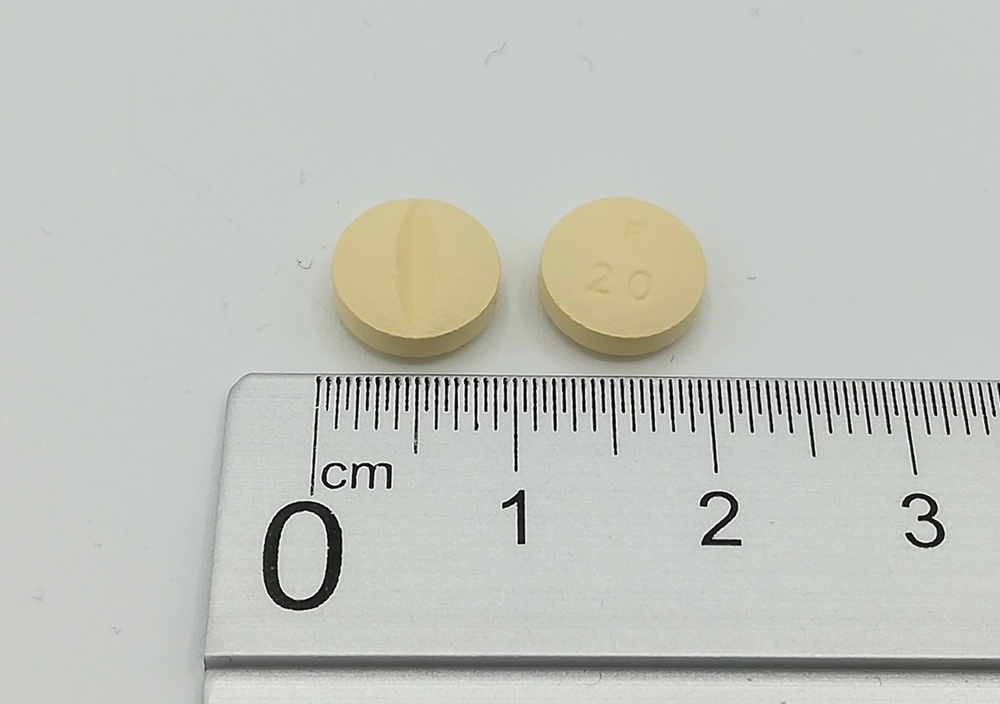
Rivaroxaban Polpharma 15 mg comprimidos recubiertos con película son de color rosa, redondos, biconvexos y tienen “15” grabado en una cara.
Están disponibles en blísteres, en cartones que contienen 10, 14, 28, 42, 98 o 100 comprimidos recubiertos con película.
Rivaroxaban Polpharma 20 mg comprimidos recubiertos con película son de color pardo rojizo, redondos, biconvexos y tienen “20” grabado en una cara.
Están disponibles en blísteres, en cartones que contienen 10, 14, 28, 98 o 100 comprimidos recubiertos con película.
Puede que solamente estén comercializados algunos tamaños de envases.
Titular de la autorización de comercialización y responsable de la fab
Titular de la autorización de comercialización
Zaklady Farmaceutyczne POLPHARMA S.A.
ul. Pelplinska 19, 83-200 Starogard Gdanski, Polonia
Responsable de la fabricación
FARMAPROJECTS S.A.U.
Parc Cientific de Barcelona
C/ Baldiri Reixac, 4/12 i 15
08028 Barcelona, España
Fecha de la última revisión de este prospecto:noviembre 2023.
La información detallada de este medicamento está disponible en la página web de la Agencia Española de Medicamentos y Productos Sanitarios (AEMPS) (http://www.aemps.gob.es/).
- País de registro
- Forma farmacéuticaCOMPRIMIDO, 15 mg
- Código ATCB01AF01
- Principio activo
- Requiere recetaSí
- Fabricante
- Esta información es de carácter general y no sustituye la consulta con un profesional sanitario.
- Alternativas a RIVAROXABAN POLPHARMA 15 MG COMPRIMIDOS RECUBIERTOS CON PELICULA EFGForma farmacéutica: COMPRIMIDO, 15 mgPrincipio activo: RivaroxabanFabricante: Egis Pharmaceuticals Plc.Requiere recetaForma farmacéutica: COMPRIMIDO, 20 mgPrincipio activo: RivaroxabanFabricante: Egis Pharmaceuticals Plc.Requiere recetaForma farmacéutica: COMPRIMIDO, 10 mgPrincipio activo: RivaroxabanFabricante: Towa Pharmaceutical Europe S.L.Requiere receta

Médicos online para RIVAROXABAN POLPHARMA 15 MG COMPRIMIDOS RECUBIERTOS CON PELICULA EFG
Comenta la dosis, los posibles efectos secundarios, interacciones, contraindicaciones o la revisión de receta de RIVAROXABAN POLPHARMA 15 MG COMPRIMIDOS RECUBIERTOS CON PELICULA EFG, sujeto a valoración médica y a la normativa local.









Obtén una receta de RIVAROXABAN POLPHARMA 15 MG COMPRIMIDOS RECUBIERTOS CON PELICULA EFG online
Rellena un formulario de 2 minutos
Cuéntanos tus síntomas, historial y el medicamento que necesitas.
Elige un médico o nosotros te asignamos uno
Escoge un especialista o te conectamos con el próximo médico disponible.
El médico revisa tu caso
Normalmente en 30 minutos. Puede hacerte preguntas adicionales por chat.
Recógela en cualquier farmacia
Receta electrónica enviada a tu correo, válida en toda España.
Preguntas frecuentes
RIVAROXABAN POLPHARMA 15 MG COMPRIMIDOS RECUBIERTOS CON PELICULA EFG requires receta en España. Puedes confirmarlo con un médico online según tu caso.
El principio activo de RIVAROXABAN POLPHARMA 15 MG COMPRIMIDOS RECUBIERTOS CON PELICULA EFG es Rivaroxaban. Esta información ayuda a identificar medicamentos con la misma composición pero con diferentes nombres comerciales.
RIVAROXABAN POLPHARMA 15 MG COMPRIMIDOS RECUBIERTOS CON PELICULA EFG es fabricado por Zaklady Farmaceutyczne Polpharma S.A.. La marca y el envase pueden variar según el distribuidor.
Los Médicos de familia, Psiquiatras, Dermatólogos, Cardiólogos, Endocrinólogos, Gastroenterólogos, Neumólogos, Nefrólogos, Reumatólogos, Hematólogos, Infectólogos, Alergólogos, Geriatras, Pediatras, Oncólogos pueden valorar la prescripción de RIVAROXABAN POLPHARMA 15 MG COMPRIMIDOS RECUBIERTOS CON PELICULA EFG cuando esté clínicamente indicado. Puedes reservar una videoconsulta para comentar tu caso y las opciones de tratamiento.
España cuenta con una infraestructura sanitaria bien desarrollada en ciudades principales como Madrid, Barcelona, Valencia y Sevilla. Las farmacias están ampliamente disponibles y operan bajo estrictas regulaciones, garantizando el acceso a medicamentos con receta.
Puedes comprar RIVAROXABAN POLPHARMA 15 MG COMPRIMIDOS RECUBIERTOS CON PELICULA EFG en Madrid, Barcelona, Sevilla o Valencia en cualquier farmacia local con una receta válida.
Para obtener una receta, puedes utilizar Oladoctor:
Otros medicamentos con el mismo principio activo (Rivaroxaban) incluyen BLOMENSY 15 MG COMPRIMIDOS RECUBIERTOS CON PELICULA EFG, BLOMENSY 20 MG COMPRIMIDOS RECUBIERTOS CON PELICULA EFG, COAGUBAN 10 MG COMPRIMIDOS RECUBIERTOS CON PELICULA EFG. Pueden tener diferentes nombres comerciales o formulaciones, pero contienen el mismo componente terapéutico. Consulta siempre con un médico antes de cambiar o iniciar un nuevo medicamento.
