



РИСПЕРИДОНА 1 мг/мл ОРАЛЬНЫЙ РАСТВОР

Онлайн-рассмотрение запроса на рецепт
Врач изучит вашу ситуацию и примет решение о рецепте, если назначение будет медицински обосновано.

Обсудите это лекарство с врачом
Задайте вопросы о симптомах, лечении и возможных дальнейших шагах на онлайн-консультации.



Инструкция и информация о РИСПЕРИДОН ТЕВА 1 мг/мл ОРАЛЬНЫЙ РАСТВОР
Содержание инструкции к препарату
- Введение
- Что такое Рисперидон Тева и для чего он используется
- Что вам нужно знать перед началом приема Рисперидона Тева
- Как принимать Рисперидон Тева
- Возможные побочные эффекты
- Хранение Рисперидон Тева
- Содержание упаковки и дополнительная информация
Введение
Инструкция: информация для пациента
Рисперидон Тева1мг/мл пероральная раствор EFG
Прочитайте внимательно всю инструкцию перед началом приема этого препарата, поскольку она содержит важную информацию для вас.
- Сохраните эту инструкцию, поскольку вам может потребоваться прочитать ее снова.
- Если у вас есть какие-либо вопросы, проконсультируйтесь с вашим врачом или фармацевтом.
- Этот препарат назначен вам, и не передавайте его другим людям, даже если у них такие же симптомы, как у вас, поскольку это может нанести им вред.
- Если вы испытываете побочные эффекты, проконсультируйтесь с вашим врачом или фармацевтом, даже если это побочные эффекты, которые не перечислены в этой инструкции. См. раздел 4.
Содержание инструкции:
- Что такое Рисперидон Тева и для чего он используется
- Что вам нужно знать перед началом приема Рисперидона Тева
- Как принимать Рисперидон Тева
- Возможные побочные эффекты
- Хранение Рисперидона Тева
- Содержание упаковки и дополнительная информация
1. Что такое Рисперидон Тева и для чего он используется
Рисперидон Тева относится к группе препаратов, называемых "антипсихотиками".
Рисперидон используется для лечения следующих состояний:
- Шизофрения, при которой вы можете видеть, слышать или чувствовать вещи, которые не существуют, верить в что-то, что не является правдой, или чувствовать себя особенно подозрительным или сбитым с толку.
- Мания, при которой вы можете чувствовать себя очень взволнованным, возбужденным, агрессивным, энтузиастом или гиперактивным. Мания возникает при заболевании, называемом "биполярным расстройством".
- Краткосрочное лечение (до 6 недель) постоянной агрессии у людей с деменцией Альцгеймера, которые могут нанести вред себе или другим. До начала лечения должны быть попробованы другие альтернативные методы лечения (нефармакологические).
- Краткосрочное лечение (до 6 недель) постоянной агрессии у детей с умственной отсталостью (в возрасте не менее 5 лет) и подростков с расстройствами поведения.
Рисперидон может помочь уменьшить симптомы вашего заболевания и предотвратить их повторное появление.

Не уверены, подходит ли вам это лекарство?
Обсудите симптомы, противопоказания и варианты лечения с врачом онлайн.
2. Что вам нужно знать перед началом приема Рисперидона Тева
Не принимайте Рисперидон Тева:
- если вы аллергичны к активному веществу или любому другому компоненту этого препарата (перечисленному в разделе 6).
Если вы не уверены, проконсультируйтесь с вашим врачом или фармацевтом перед использованием Рисперидона Тева.
Предостережения и меры предосторожности
Проконсультируйтесь с вашим врачом или фармацевтом перед началом приема Рисперидона, если:
- У вас есть какие-либо проблемы с сердцем. Примеры включают нарушения сердечного ритма или если вы склонны к низкому артериальному давлению или если вы принимаете препараты для артериального давления. Рисперидон может снижать артериальное давление. Вам может потребоваться коррекция дозы.
- Вы знаете о каких-либо факторах, которые могут сделать вас склонным к инсульту, таких как высокое артериальное давление, сердечно-сосудистые заболевания или проблемы с кровеносными сосудами мозга.
- Вы когда-либо испытывали непроизвольные движения языка, рта и лица.
- Вы когда-либо испытывали симптомы, включая лихорадку, мышечную жесткость, потоотделение или снижение уровня сознания (также известное как злокачественный нейролептический синдром).
- У вас есть болезнь Паркинсона или деменция.
- У вас были в прошлом низкие уровни белых кровяных клеток (которые могут быть вызваны другими препаратами).
- Вы страдаете диабетом.
- У вас есть эпилепсия.
- Вы мужчина и в прошлом испытывали длительную или болезненную эрекцию. Если вы испытываете это во время приема Рисперидона, немедленно проконсультируйтесь с вашим врачом.
- У вас есть проблемы с контролем температуры тела или вы чувствуете чрезмерное тепло.
- У вас есть проблемы с почками.
- У вас есть проблемы с печенью.
- У вас есть аномально высокий уровень гормона пролактина в крови или если у вас есть опухоль, которая может быть зависимой от пролактина.
- Если вы или кто-то из вашей семьи имеет историю проблем с тромбами в крови, поскольку антипсихотики могут быть связаны с образованием тромбов в крови.
Если у вас есть сомнения относительно того, что вы прочитали выше, проконсультируйтесь с вашим врачом или фармацевтом перед использованием Рисперидона Тева.
Поскольку в очень редких случаях у пациентов, лечившихся Рисперидоном, наблюдался опасно низкий уровень определенного типа белых кровяных клеток, необходимых для борьбы с инфекциями в крови, ваш врач может проверить уровень белых кровяных клеток.
Рисперидон может вызвать увеличение веса. Значительное увеличение веса может негативно повлиять на ваше здоровье. Ваш врач будет регулярно контролировать ваш вес.
Поскольку было отмечено развитие диабета или ухудшение существующего диабета у пациентов, принимающих Рисперидон, ваш врач должен проверить наличие признаков повышения уровня сахара в крови. У пациентов с существующим диабетом необходимо регулярно контролировать уровень сахара в крови.
Рисперидон часто увеличивает уровень гормона пролактина. Это может вызвать побочные эффекты, такие как нарушения менструального цикла или проблемы с фертильностью у женщин или увеличение молочных желез у мужчин (см. "Возможные побочные эффекты"). Если出现 эти побочные эффекты, рекомендуется оценить уровень пролактина в крови.
Во время операции на глазах по поводу катаракты зрачок (черный круг в центре глаза) может не расшириться так, как необходимо. Кроме того, радужная оболочка (цветная часть глаза) может стать вялой во время операции, что может нанести вред глазу. Если вы планируете операцию на глазах, обязательно сообщите вашему офтальмологу, что принимаете этот препарат.
Пациенты пожилого возраста с деменцией
У пациентов пожилого возраста с деменцией наблюдается повышенный риск инсульта. Не принимайте рисперидон, если у вас есть деменция, вызванная инсультом.
Во время лечения Рисперидоном вы должны регулярно посещать вашего врача.
Если вы или ваш опекун заметите внезапное изменение вашего психического состояния или появление внезапной слабости или онемения лица, рук или ног, особенно если это один бок, или если у вас出现ила речь, хотя бы на короткое время, немедленно обратитесь за медицинской помощью. Это может быть признаком инсульта.
Дети и подростки
До начала лечения необходимо исключить другие причины агрессивного поведения.
Если во время лечения рисперидоном вы испытываете усталость, изменение времени приема препарата может улучшить ваши трудности с вниманием.
До начала лечения можно измерить ваш вес или вес вашего ребенка и регулярно контролировать его во время лечения.
Маленькое и неокончательное исследование сообщило об увеличении роста у детей, принимавших рисперидон, но неизвестно, является ли это эффектом препарата или другой причиной.
Другие препараты и Рисперидон Тева
Сообщите вашему врачу или фармацевту, если вы принимаете, недавно принимали или можете принимать любой другой препарат.
Особенно важно обсудить это с вашим врачом или фармацевтом, если вы принимаете любой из следующих препаратов:
- Препараты, действующие на ваш мозг, такие как седативные (бензодиазепины) или некоторые обезболивающие (опиоиды), препараты от аллергии (некоторые антигистаминные), поскольку рисперидон может увеличить их седативное действие.
- Препараты, способные изменить электрическую активность вашего сердца, такие как те, которые используются для лечения малярии, проблем с сердечным ритмом, аллергии (антигистаминные) или некоторые антидепрессанты и другие препараты для психических расстройств.
- Препараты, вызывающие замедление сердечного ритма.
- Препараты, вызывающие низкий уровень калия в крови (например, некоторые диуретики).
- Препараты для лечения высокого артериального давления. Рисперидон может снижать артериальное давление.
- Препараты для лечения болезни Паркинсона (например, леводопа).
- Препараты, увеличивающие активность центральной нервной системы (психостимуляторы, такие как метилфенидат).
- Диуретики, используемые для сердечных проблем или для лечения отеков некоторых частей тела из-за задержки жидкости (например, фуросемид или хлортиазид). Рисперидон, принимаемый отдельно или с фуросемидом, может увеличить риск инсульта или смерти у пожилых людей с деменцией.
Следующие препараты могут уменьшить эффект рисперидона:
- Рифампицин (препарат для лечения некоторых инфекций).
- Карбамазепин, фенитоин (препараты для лечения эпилепсии).
- Фенобарбитал.
Если вы начинаете или прекращаете прием этих препаратов, вам может потребоваться другая доза рисперидона.
Следующие препараты могут увеличить эффект рисперидона:
- Хинидин (используемая для определенных типов сердечных заболеваний).
- Антидепрессанты, такие как пароксетин, флуоксетин и трициклические антидепрессанты.
- Препараты, известные как бета-блокаторы (используемые для лечения высокого артериального давления).
- Фенотиазины (например, препараты, используемые для лечения психоза или как седативные).
- Циметидин, ранитидин (блокаторы желудочной кислоты).
- Итраконазол и кетоконазол (препараты, используемые для лечения грибковых инфекций).
- Некоторые препараты, используемые для лечения ВИЧ/СПИДа, такие как ритонавир.
- Верапамил, препарат, используемый для лечения высокого артериального давления и/или аномального сердечного ритма.
- Сертралин и флувоксамин, препараты, используемые для лечения депрессии и других психиатрических расстройств.
Если вы начинаете или прекращаете прием этих препаратов, вам может потребоваться другая доза рисперидона.
Если у вас есть сомнения относительно того, что вы прочитали выше, проконсультируйтесь с вашим врачом или фармацевтом перед использованием Рисперидона Тева.
Прием Рисперидона Тева с пищей, напитками и алкоголем
Вы можете принимать этот препарат с пищей или без нее. Вы должны избегать употребления алкоголя во время приема Рисперидона.
Беременность, лактация и фертильность
- Если вы беременны или кормите грудью, считаете, что можете быть беременной или планируете стать беременной, проконсультируйтесь с вашим врачом или фармацевтом перед использованием этого препарата. Ваш врач решит, можно ли вам его принимать.
- Могут возникнуть следующие симптомы у новорожденных детей матерей, лечившихся рисперидоном в последнем триместре беременности (последние три месяца беременности): тремор, мышечная жесткость и/или слабость, сонливость, агитация, проблемы с дыханием и трудности с кормлением. Если ваш новорожденный ребенок развивает любой из этих симптомов, вы должны проконсультироваться с вашим врачом.
- Рисперидон может увеличить уровень гормона пролактина, что может повлиять на фертильность (см. "Возможные побочные эффекты").
Проконсультируйтесь с вашим врачом или фармацевтом перед использованием любого препарата.
Вождение и использование машин
Было отмечено головокружение, усталость и проблемы с зрением во время лечения Рисперидоном. Не управляйте транспортными средствами и не используйте инструменты или машины без предварительной консультации с вашим врачом.
Рисперидон Тева1 мг/мл пероральная раствор содержит сорбитол (Е 420)
Этот препарат содержит 150 мг сорбитола в каждом мл пероральной раствора. Сорбитол является источником фруктозы. Если ваш врач указал вам (или вашему ребенку), что у вас есть непереносимость определенных сахаров, или если у вас диагностирована врожденная непереносимость фруктозы (ВНФ), редкое генетическое заболевание, при котором пациент не может расщеплять фруктозу, проконсультируйтесь с вашим врачом перед приемом этого препарата.
Рисперидон Тева1 мг/мл пероральная раствор содержит бензойную кислоту (Е 210)
Этот препарат содержит 2 мг бензойной кислоты в каждом мл пероральной раствора.
3. Как принимать Рисперидон Тева
Следуйте точно инструкциям по применению этого лекарства, указанным вашим врачом или фармацевтом. В случае сомнений проконсультируйтесь снова с вашим врачом или фармацевтом.
Рекомендуемая доза следующая:
Для лечения шизофрении
Взрослые
- Начальная доза составляет 2 мг в день, может быть увеличена до 4 мг в день на второй день.
- Ваш врач может скорректировать дозу в зависимости от вашей реакции на лечение.
- Большинство людей чувствуют себя лучше при суточных дозах 4-6 мг.
- Эта суточная доза может быть разделена на одну или две приема в день. Ваш врач укажет, что лучше для вас.
Пациенты пожилого возраста
- Начальная доза обычно составляет 0,5 мг, два раза в день.
- Позже ваш врач может постепенно увеличить дозу до 1-2 мг, два раза в день.
- Ваш врач укажет, что лучше для вас.
Дети и подростки
- Дети и подростки моложе 18 лет не должны получать лечение рисперидоном для шизофрении.
Для лечения мании
Взрослые
- Начальная доза обычно составляет 2 мг, один раз в день.
- Позже ваш врач может постепенно скорректировать дозу в зависимости от вашей реакции на лечение.
- Большинство людей чувствуют себя лучше при суточных дозах 1-6 мг.
Пациенты пожилого возраста
- Начальная доза обычно составляет 0,5 мг, два раза в день.
- Позже ваш врач может постепенно скорректировать дозу до 1-2 мг, два раза в день, в зависимости от вашей реакции на лечение.
Дети и подростки
- Дети и подростки моложе 18 лет не должны получать лечение рисперидоном для мании биполярного расстройства.
Для лечения агрессии у пациентов с деменцией типа Альцгеймера
Взрослые (включая пациентов пожилого возраста)
- Начальная доза обычно составляет 0,25 мг (0,25 мл раствора рисперидона 1 мг/мл), два раза в день.
- Позже ваш врач может постепенно скорректировать дозу в зависимости от вашей реакции на лечение.
- Большинство людей чувствуют себя лучше при дозах 0,5 мг, два раза в день. Некоторые пациенты могут потребовать 1 мг, два раза в день.
- Продолжительность лечения пациентов с деменцией типа Альцгеймера не должна превышать 6 недель.
Для лечения расстройств поведения у детей и подростков
Доза зависит от веса вашего ребенка:
Если весит меньше50 кг
- Начальная доза обычно составляет 0,25 мг (0,25 мл раствора рисперидона 1 мг/мл), один раз в день.
- Доза может быть увеличена через день на 0,25 мг в день.
- Обычная поддерживающая доза составляет 0,25-0,75 мг (0,25 мл раствора рисперидона 1 мг/мл), один раз в день.
Если весит50 кгили более
- Начальная доза обычно составляет 0,5 мг, один раз в день.
- Доза может быть увеличена через день на 0,5 мг в день.
- Обычная поддерживающая доза составляет 0,5-1,5 мг, один раз в день.
Продолжительность лечения пациентов с расстройствами поведения не должна превышать 6 недель.
Дети моложе 5 лет не должны получать лечение рисперидоном для расстройств поведения.
Пациенты с проблемами печени или почек
Независимо от заболевания, все начальные дозы и последующие дозы рисперидона должны быть уменьшены вдвое. Увеличение дозы должно проводиться более медленно у этих пациентов.
Рисперидон должен использоваться с осторожностью в этой группе пациентов.
Форма применения
Перорально.
Как принимать Рисперидон Тева
Всегда принимайте рисперидон точно так, как указал ваш врач. Если вы не уверены, проконсультируйтесь с вашим врачом или фармацевтом.
Ваш врач укажет, сколько лекарства вам нужно принять и как долго. Это зависит от вашего заболевания и варьируется от человека к человеку. Количество лекарства, которое вам нужно принять, объяснено выше в разделе «Как принимать».
Рисперидон Тева раствор для перорального применения
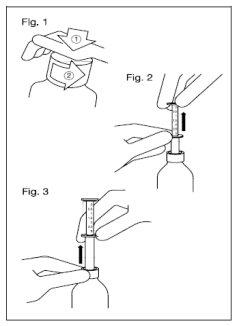
Раствор поставляется с шприцем (пипеткой). Используйте только шприц (пипетку), поставляемый с этим лекарством, для измерения назначенной врачом дозы. Измерьте точную дозу лекарства, которое вам нужно. Обратите внимание на измерение небольшой дозы, например, для 0,25 мг необходимо измерить 0,25 мл (четверть миллилитра); для 0,5 мг необходимо измерить 0,5 мл (половина миллилитра).
Следуйте этим шагам:
- Удалите крышку, защищающую от детей. Нажмите на пластиковую крышку вниз, повернув ее против часовой стрелки (Рисунок 1).
- Вставьте шприц в бутылку.
- Держа нижнее кольцо, потяните верхнее кольцо до отметки, соответствующей количеству миллилитров или мг, которое вам нужно принять (Рисунок 2).
- Держа нижнее кольцо, вытащите весь шприц из бутылки (Рисунок 3).
- Выпустите содержимое шприца в безалкогольный напиток, который не является чаем. Переместите верхнее кольцо вниз.
- Закройте бутылку.
- Промойте шприц водой и дайте ему высохнуть на воздухе.
Если вы приняли больше Рисперидона Тева, чем нужно
- Немедленно обратитесь к врачу. Возьмите с собой упаковку лекарства. Вы также можете позвонить в Службу токсикологической информации, телефон 91 562 04 20.
- При передозировке вы можете чувствовать сонливость или усталость, испытывать аномальные движения тела, проблемы с поддержанием равновесия и ходьбой, головокружение из-за снижения артериального давления или иметь аномальные сердечные ритмы или судороги.
Если вы забыли принять Рисперидон Тева
- Если вы забыли принять дозу, примите ее как можно скорее. Но если приближается время следующей дозы, пропустите забытую и продолжайте как обычно. Если вы забыли две или более доз, свяжитесь с вашим врачом.
- Не принимайте двойную дозу (две дозы одновременно) для компенсации пропущенных доз.
Если вы прекратите лечение Рисперидоном Тева
Не прекращайте лечение, если только ваш врач не скажет вам это. Симптомы могут возобновиться. Если ваш врач решит прекратить лечение, он может постепенно уменьшить вашу дозу в течение нескольких дней.
Если у вас есть другие вопросы о применении этого лекарства, проконсультируйтесь с вашим врачом или фармацевтом.

Уже принимаете препарат и появились вопросы?
Обсудите самочувствие, побочные эффекты и дальнейшие шаги с врачом онлайн.
4. Возможные побочные эффекты
Как и все лекарства, это лекарство может вызывать побочные эффекты, хотя не все люди испытывают их.
Немедленно сообщите врачу, если у вас出现ят следующие редкие побочные эффекты (могут возникать у до 1 из 100 пациентов):
- У вас деменция и вы испытываете внезапное изменение психического состояния или внезапную слабость или онемение лица, рук или ног, особенно с одной стороны, или у вас трудности с речью, даже в течение короткого периода времени. Это могут быть признаки инсульта.
- У вас развивается поздняя дискинезия (неконтролируемые мышечные сокращения или спазмы в лице, языке или других частях тела). Немедленно сообщите врачу, если вы испытываете непроизвольные ритмичные движения языка, рта или лица. Возможно, потребуется отмена рисперидона.
Немедленно сообщите врачу, если у вас появятся следующие редкие побочные эффекты (могут возникать у до 1 из 1000 пациентов):
- У вас образуются тромбы в венах, особенно в ногах (симптомы включают отек, боль и покраснение ноги), которые могут распространиться через кровеносные сосуды в легкие, вызывая боль в груди и затруднение дыхания. Если вы заметите какие-либо из этих симптомов, немедленно обратитесь за медицинской помощью.
- У вас развивается лихорадка, мышечная жесткость, потоотделение или снижение уровня сознания (синдром, известный как "малигный нейролептический синдром"). Возможно, потребуется немедленное медицинское лечение.
- Вы мужчина и испытываете длительную или болезненную эрекцию. Это известно как приапизм. Возможно, потребуется немедленное медицинское лечение.
- У вас развивается тяжелая аллергическая реакция, характеризующаяся лихорадкой, отеком рта, лица, губ или языка, затруднением дыхания, зудом, кожной сыпью или снижением артериального давления.
Также могут возникать следующие побочные эффекты:
Очень частые побочные эффекты (могут возникать у более 1 из 10 человек):
- Паркинсонизм: это заболевание может включать медленные или измененные движения, ощущение жесткости или скованности мышц (с внезапными движениями) и иногда ощущение "замораживания" движения, которое затем возобновляется. Другие признаки паркинсонизма включают медленную походку, затруднение начала движения, тремор в покое, увеличение слюноотделения и/или слюнотечение, а также потерю выражения лица.
- Трудности с засыпанием или поддержанием сна.
- Чувство сонливости или снижение бдительности.
- Головная боль.
Частые побочные эффекты (могут возникать у до 1 из 10 человек):
- Усталость, утомление, беспокойство, раздражительность, тревога, головокружение, ощущение истощения, нарушения сна, депрессия.
- Рвота, диарея, запор, тошнота, боль или дискомфорт в животе, боль в горле, сухость во рту, боль в зубах, изжога.
- Дискинезия: это заболевание включает неконтролируемые мышечные сокращения и может включать повторяющиеся, спазматические или скручивающие движения, или спазмы.
- Дистония: это заболевание включает медленное или постоянное неконтролируемое сокращение мышц. Хотя любая часть тела может быть затронута (и может вызывать аномальные позы), дистония часто затрагивает мышцы лица, включая аномальные движения глаз, рта, языка или челюсти.
- Тремор (дрожание).
- Увеличение веса, увеличение аппетита, снижение аппетита.
- Синусит, пневмония, симптомы простуды, ощущение, что у вас грипп, бронхит, заложенность носа, носовые кровотечения, кашель, отит.
- Инфекция мочевыводящих путей, недержание мочи.
- Мышечные спазмы, боль в костях или мышцах, боль в суставах, боль в спине, отек тела, рук или ног, лихорадка, боль в груди, слабость, усталость (утомление), боль.
- Сыпь, покраснение кожи.
- Быстрое сердцебиение, повышение артериального давления, прерывистое дыхание.
- Увеличение уровня пролактина в крови (что может или не может вызывать симптомы). Симптомы повышения пролактина возникают редко и могут включать у мужчин отек груди, трудности с эрекцией или другие сексуальные дисфункции. У женщин могут включать дискомфорт в груди, выделение молока из груди, отсутствие менструаций или другие проблемы с циклом или проблемы с фертильностью.
- Размытое зрение, инфекция глаз или "красный глаз".
- Падения.
Редкие побочные эффекты (могут возникать у до 1 из 100 человек):
- Недержание кала, ощущение жажды, очень твердый стул, избыток газа или метеоризм.
- Инфекция дыхательных путей, инфекция мочевого пузыря, покраснение глаз, вирусная инфекция, ангина, кожная инфекция, глазная инфекция, желудочно-кишечная инфекция, грибковая инфекция ногтей.
- Фибрилляция предсердий (анормальный сердечный ритм), нарушение проводимости между верхними и нижними частями сердца, аномалия электрической проводимости сердца, снижение артериального давления при стоянии, в результате чего некоторые люди, принимающие рисперидон, могут испытывать слабость, головокружение или потерю сознания при вставании или сидении внезапно, покраснение, снижение артериального давления, ощущение головокружения при изменении положения, удлинение интервала QT в сердце, аномалия электрической активности сердца (электрокардиограмма или ЭКГ), аномальный сердечный ритм, ощущение перебоев или стука в груди (пальпитации), медленный сердечный ритм.
- Боль при мочеиспускании, частое мочеиспускание, невозможность мочеиспускания.
- Спутанность сознания, нарушение внимания, снижение уровня сознания, нервозность, эйфория (мания), кошмары.
- Судороги (эпилептические приступы).
- Сахарный диабет или ухудшение сахарного диабета, повышение уровня глюкозы в крови, чрезмерное потребление воды.
- Увеличение уровня холестерина в крови.
- Увеличение уровня трансаминаз печени в крови, увеличение уровня ГГТ (фермента печени, называемого гамма-глутамилтрансферазой) в крови, увеличение уровня ферментов печени в крови.
- Снижение количества белых кровяных клеток, снижение гемоглобина или количества красных кровяных клеток (анемия), увеличение количества эозинофилов (специальных белых кровяных клеток), увеличение уровня креатинфосфокиназы (КФК) в крови, фермента, который иногда выделяется при разрушении мышц, снижение количества тромбоцитов (кровяных клеток, помогающих остановить кровотечение).
- Мышечная слабость, боль в ухе, боль в шее, отек суставов, аномальная осанка, скованность суставов, дискомфорт в груди.
- Повреждение кожи, кожные расстройства, сухость кожи, интенсивный зуд, акне, выпадение волос, воспаление кожи, вызванное клещами, изменение цвета кожи, утолщение кожи, чешуйчатая кожа и зуд, локализованная кожная инфекция, снижение чувствительности кожи к боли или прикосновению.
- Отсутствие менструаций, сексуальная дисфункция, эректильная дисфункция, нарушение эякуляции, выделение молока из груди, увеличение размера груди у мужчин, боль в груди, дискомфорт в груди, снижение сексуального влечения, отсутствие менструаций или другие проблемы с циклом (у женщин), вагинальные выделения.
- Обморок, изменение походки, потеря веса, потеря аппетита с недоеданием и потерей веса, ощущение дискомфорта, дискомфорт, ощущение "недомогания", нарушение равновесия, ощущение, что все кружится (вертиго), аллергическая реакция, экзема, крапивница (или "уртикария"), проблемы с речью, потеря или изменение вкуса, озноб, повышение температуры тела, нарушение координации.
- Тревога, вызывающая движение частей тела, ощущение онемения, покалывания или жжения кожи.
- Повышенная чувствительность глаз к свету, сухость глаз, увеличение слезотечения.
- Затруднение дыхания, одышка, легочная конгестия, хрипы в легких, нарушения голоса, затруднение глотания, аспирационная пневмония.
- Отсутствие реакции на стимулы, потеря сознания, отек лица, рта, губ или глаз, звон в ушах.
- Боль, связанная с процедурой.
Редкие побочные эффекты (могут возникать у до 1 из 1000 человек):
- Неспособность достичь оргазма, задержка менструации, увеличение молочных желез, выделение молока из груди.
- Перхоть.
- Сомнамбулизм.
- Расстройство сна, связанное с приемом пищи.
- Отсутствие движения или реакции при бодрствовании (кататония).
- Головокружение.
- Нерегулярный сердечный ритм.
- Глаукома (повышение давления в глазном яблоке), поворот глаз, образование корок на краю века, проблемы с движением глаз.
- Отсутствие эмоций.
- Снижение температуры тела, холод в руках и ногах.
- Быстрое и поверхностное дыхание, проблемы с дыханием во сне (апноэ во сне), кишечная непроходимость.
- Проблемы с кровеносными сосудами мозга.
- Недостаточная секреция гормона, регулирующего объем мочи.
- Сахар в моче, снижение сахара в крови, увеличение триглицеридов в крови (тип жира), увеличение инсулина (гормона, регулирующего уровень сахара в крови) в крови.
- Разрыв мышечных волокон и боль в мышцах (рабдомиолиз), нарушение движения.
- Коматозное состояние при неkontролируемом сахарном диабете.
- Желтуха кожи и глаз (желтуха).
- Воспаление поджелудочной железы.
- Инфекция.
- Проблемы с глазами во время операции на катаракте. Во время операции на катаракте может возникнуть нарушение, известное как синдром флакцидного ирида во время операции (ИФИС), если вы принимаете или принимали рисперидон. Если вам необходимо пройти операцию на катаракте, обязательно сообщите офтальмологу, если вы принимаете или принимали это лекарство.
- Отек языка, трещины на губах, кожная сыпь, связанная с лекарством, опасно низкий уровень определенного типа белых кровяных клеток, необходимых для борьбы с инфекциями крови, чрезмерное потребление воды.
- Синдром отмены лекарства.
Очень редкие побочные эффекты (могут возникать у до 1 из 10 000 человек):
- Осложнения неkontролируемого сахарного диабета, угрожающие жизни.
- Тяжелая аллергическая реакция с отеком, которая может затронуть горло, вызывая затруднение дыхания.
- Илеус (отсутствие движения мышц кишечника, вызывающее непроходимость).
Частота не известна: не может быть оценена на основе доступных данных
- Тяжелая сыпь с пузырями и отслоением кожи, которая может начинаться вокруг рта, носа, глаз, гениталий и распространяться на другие части тела (синдром Стивенса-Джонсона или токсический эпидермальный некролиз).
Следующий побочный эффект был зарегистрирован при использовании другого лекарства, называемого палиперидоном, которое очень похоже на рисперидон, поэтому, вероятно, он также может возникать при приеме Рисперидоны: быстрое сердцебиение при стоянии.
Рисперидон инъекция длительного действия
Следующие побочные эффекты были зарегистрированы при использовании Рисперидон инъекции длительного действия. Если вы испытываете любой из следующих побочных эффектов, сообщите врачу, даже если вы не получаете лечение инъекциями длительного действия Рисперидон:
- Инфекция кишечника.
- Абсцесс под кожей, онемение, покалывание или жжение кожи, воспаление кожи.
- Снижение количества белых кровяных клеток, клеток, помогающих защитить от бактериальных инфекций.
- Депрессия.
- Судороги.
- Глаза, закатывающиеся вверх.
- Ощущение вращения или качания.
- Медленный сердечный ритм, повышение артериального давления.
- Боль в зубах, спазм языка.
- Боль в ягодицах.
- Потеря веса.
Другие побочные эффекты у детей и подростков
В целом, ожидается, что побочные эффекты у детей будут аналогичны тем, которые возникали у взрослых. Следующие побочные эффекты были зарегистрированы чаще у детей и подростков (5-17 лет) чем у взрослых: чувство сонливости или снижение бдительности, усталость (утомление), головная боль, увеличение аппетита, рвота, симптомы простуды, заложенность носа, боль в животе, головокружение, кашель, лихорадка, тремор (дрожание), диарея и недержание мочи.
Сообщение о побочных эффектах
Если вы испытываете любой побочный эффект, сообщите врачу или фармацевту, даже если это возможный побочный эффект, который не указан в этом листке. Вы также можете сообщить об этом напрямую через систему испанского фармаковигиланса лекарств для человека: https://www.notificaram.es. Сообщая о побочных эффектах, вы можете внести свой вклад в предоставление более полной информации о безопасности этого лекарства.
5. Хранение Рисперидон Тева
Не требует специальных условий хранения.
Храните это лекарство в недоступном для детей месте.
Не используйте это лекарство после даты истечения срока годности, указанной на упаковке, после "Срок годности". Срок годности - последний день месяца, указанного.
Как только флакон открыт, то, что не было использовано, должно быть утилизировано в течение трех месяцев.
Лекарства не должны быть выброшены в канализацию или мусор. Поместите упаковку и лекарства, которые вам больше не нужны, в пункт сбора SIGRE в аптеке. Если у вас есть сомнения, спросите у фармацевта, как утилизировать упаковку и лекарства, которые вам больше не нужны. Таким образом, вы поможете защитить окружающую среду.
.
6. Содержание упаковки и дополнительная информация
Состав Рисперидон Тева
Активное вещество - рисперидон.
Каждый мл раствора для приема внутрь Рисперидон Тева содержит 1 мг рисперидона.
Другие компоненты - бензойная кислота (Е 210), раствор сорбитола 70% (Е 420), очищенная вода.
Внешний вид продукта и содержание упаковки
Раствор для приема внутрь прозрачный и бесцветный.
Выпускается в флаконах по 30 и 100 мл, каждый с дозировкой.
Владелец разрешения на маркетинг и производитель
Владелец разрешения на маркетинг
Teva Pharma, S.L.U.
Улица Анабель Сегура, 11, здание Альбатрос Б, 1-й этаж.
28108 Алькобендас, Мадрид.
Испания.
Производитель
Teva Czech Industries s.r.o.
Улица Остравска, 29, 747 70.
Опава-Комаров.
Чешская Республика.
Дата последнего обзора этого листка:ноябрь 2024.
Подробная информация о этом лекарстве доступна на сайте Агентства по лекарствам и медицинским изделиям Испании (AEMPS) www.aemps.gob.es.
Вы можете получить доступ к подробной и актуальной информации о этом лекарстве, отсканировав код QR, включенный в упаковку, с помощью вашего смартфона. Вы также можете получить доступ к этой информации на сайте: https://cima.aemps.es/cima/dochtml/p/69514/P_69514.html.
- Страна регистрации лекарства
- Форма выпуска и дозировкаОРАЛЬНЫЙ РАСТВОР/СУСПЕНЗИЯ, 1 мг/мл
- Код АТХN05AX08
- Средняя цена в аптеках13.66 EUR
- Действующее вещество
- Отпускается по рецептуДа
- Производитель лекарства
- Состав препаратаACIDO BENZOICO (E210) (2.000 mg mg), SOLUCION DE SORBITOL 70% (150.000 mg mg)
- Информация на этой странице является справочной и не заменяет медицинскую консультацию. Перед началом приема лекарства обязательно проконсультируйтесь с врачом.
- Похожие лекарства и аналоги РИСПЕРИДОН ТЕВА 1 мг/мл ОРАЛЬНЫЙ РАСТВОРФорма выпуска и дозировка: ТАБЛЕТКА, 1 мгДействующее вещество: РисперидонПроизводитель лекарства: Neuraxpharm Spain S.L.Отпускается по рецептуФорма выпуска и дозировка: ТАБЛЕТКА, 3 мгДействующее вещество: РисперидонПроизводитель лекарства: Neuraxpharm Spain S.L.Отпускается по рецептуФорма выпуска и дозировка: ТАБЛЕТКА, 6 мгДействующее вещество: РисперидонПроизводитель лекарства: Neuraxpharm Spain S.L.Отпускается по рецепту
Врачи онлайн по РИСПЕРИДОН ТЕВА 1 мг/мл ОРАЛЬНЫЙ РАСТВОР
Обсудите применение РИСПЕРИДОН ТЕВА 1 мг/мл ОРАЛЬНЫЙ РАСТВОР и возможные следующие шаги — по оценке врача.





Как получить рецепт на РИСПЕРИДОН ТЕВА 1 мг/мл ОРАЛЬНЫЙ РАСТВОР онлайн
Заполните форму за 2 минуты
Расскажите о симптомах, истории болезни и нужном препарате.
Выберите врача или мы назначим
Выберите специалиста или мы подберём ближайшего доступного врача.
Врач рассматривает ваш случай
Обычно в течение 30 минут. Может задать уточняющие вопросы в чате.
Получите в любой аптеке
Электронный рецепт отправляется на вашу почту — действителен по всей Испании.
Часто задаваемые вопросы
РИСПЕРИДОН ТЕВА 1 мг/мл ОРАЛЬНЫЙ РАСТВОР требует рецепта в Испания. Вы можете уточнить у врача онлайн, подходит ли это лекарство для вашей ситуации.
Действующее вещество РИСПЕРИДОН ТЕВА 1 мг/мл ОРАЛЬНЫЙ РАСТВОР — Рисперидон. Эта информация помогает определить лекарства с тем же составом под другими торговыми названиями.
Средняя цена РИСПЕРИДОН ТЕВА 1 мг/мл ОРАЛЬНЫЙ РАСТВОР в аптеках составляет около 13.66 EUR. Стоимость может отличаться в зависимости от производителя, формы выпуска и аптеки.
РИСПЕРИДОН ТЕВА 1 мг/мл ОРАЛЬНЫЙ РАСТВОР производится компанией Teva Pharma S.L.U.. Упаковка и торговое название могут отличаться в зависимости от дистрибьютора.
Врачи, включая Семейные врачи, Психиатры, Дерматологи, Кардиологи, Эндокринологи, Гастроэнтерологи, Пульмонологи, Нефрологи, Ревматологи, Гематологи, Инфекционисты, Аллергологи, Гериатры, Педиатры, Онкологи, могут оценить целесообразность применения РИСПЕРИДОН ТЕВА 1 мг/мл ОРАЛЬНЫЙ РАСТВОР с учетом вашей ситуации и местных правил. Вы можете записаться на онлайн-консультацию, чтобы обсудить возможные варианты.
Польша имеет хорошо развитую систему здравоохранения в крупных городах, таких как Варшава, Краков, Вроцлав и Гданьск. Аптеки широко доступны и работают в соответствии с действующим законодательством, обеспечивая доступ к рецептурным препаратам.
Вы можете купить РИСПЕРИДОН ТЕВА 1 мг/мл ОРАЛЬНЫЙ РАСТВОР в Варшаве, Кракове, Вроцлаве или Гданьске в любой аптеке при наличии действующего рецепта.
Чтобы получить рецепт, вы можете воспользоваться Oladoctor:
Другие лекарства с тем же действующим веществом (Рисперидон) включают АРКЕТИН 1 мг ТАБЛЕТКИ, ПОКРЫТЫЕ ПЛЁНОЧНОЙ ОБОЛОЧКОЙ, АРКЕТИН 3 мг ТАБЛЕТКИ, ПОКРЫТЫЕ ПЛЁНОЧНОЙ ОБОЛОЧКОЙ, АРКЕТИН 6 мг ТАБЛЕТКИ, ПОКРЫТЫЕ ПЛЁНОЧНОЙ ОБОЛОЧКОЙ. Они могут отличаться торговым названием или формой выпуска, но содержат одинаковый терапевтический компонент. Перед изменением лечения рекомендуется проконсультироваться с врачом.
