


RELIF 1000 MG COMPRIMIDOS DISPERSABLES



Cómo usar RELIF 1000 MG COMPRIMIDOS DISPERSABLES
Traducción generada por IA
Este contenido ha sido traducido automáticamente y se ofrece solo con fines informativos. No sustituye la consulta con un profesional sanitario.
Ver originalContenido del prospecto
Introducción
Prospecto: información para el usuario
Relif 1000 mg comprimidos dispersables
nabumetona
Lea todo el prospecto detenidamente antes de empezar a tomar este medicamento, porque contiene información importante para usted.
- Conserve este prospecto, ya que puede tener que volver a leerlo.
- Si tiene alguna duda, consulte a su médico o farmacéutico.
- Este medicamento se le ha recetado solamente a usted, y no debe dárselo a otras personas aunque tengan los mismos síntomas que usted, ya que puede perjudicarles.
- Si experimenta efectos adversos, consulte a su médico o farmacéutico, incluso si se trata de efectos adversos que no aparecen en este prospecto. Ver sección 4.
Contenido del prospecto
- Qué es Relif y para qué se utiliza
- Qué necesita saber antes de tomar Relif
- Cómo tomar Relif
- Posibles efectos adversos
- Conservación de Relif
- Contenido del envase e información adicional
1. Qué es Relif y para qué se utiliza
Relif pertenece a un grupo de medicamentos llamados fármacos antiinflamatorios no esteroideos (AINE) con elevada actividad antiinflamatoria y propiedades analgésicas y antipiréticas.
Relif está indicado en adultos para el tratamiento de procesos inflamatorios, como la osteoartritis y la artritis reumatoide y de las molestias periarticulares.

2. Qué necesita saber antes de empezar a tomar Relif
Es importante que utilice la dosis más pequeña que alivie/controle el dolor y no debe tomar este medicamento más tiempo del necesario para controlar sus síntomas.
No tome Relif:
- Si es alérgico a nabumetona o a alguno de los demás componentes de este medicamento (incluidos en la sección 6).
- Si ha experimentado asma, picores u otro tipo de reacciones alérgicas después de tomar ácido acetilsalicílico u otros antiinflamatorios no esteroideos (AINEs).
- Si padece una enfermedad grave del hígado.
- Si ha padecido o padece una úlcera o hemorragia de estómago o de duodeno o ha sufrido una perforación del aparato digestivo.
- Si se encuentra en el tercer trimestre del embarazo o durante la lactancia.
- Si padece una insuficiencia cardiaca grave, o un problema cerebrovascular (ictus o derrame cerebral) u otra hemorragia.
Advertencias y precauciones
Consulte a su médico o farmacéutico antes de empezar a tomar nabumetona:
- Si está tomando otros medicamentos antiinflamatorios.
- Si es una persona de edad avanzada, o ha padecido úlceras, hemorragias gastrointestinales o perforación, ya que su médico le puede prescribir un protector para el estómago.
- Si toma simultáneamente medicamentos que alteran la coagulación de la sangre, como anticoagulantes orales, corticoides, antidepresivos (inhibidores selectivos de la recaptación de serotonina) y antiagregantes plaquetarios del tipo ácido acetilsalicílico y clopidogrel.
- Si padece enfermedad de Crohn o una colitis ulcerosa pues los medicamentos del tipo de Relif pueden empeorar estas patologías.
- Si durante el tratamiento con nabumetona tiene una hemorragia o úlcera, suspenda la medicación inmediatamente.
- Si padece o ha padecido algún trastorno del corazón, trastorno cerebrovascular o tiene tensión arterial alta.
- Si tiene edemas (retención de líquidos).
- Es posible que se produzcan reacciones cutáneas graves con este medicamento (eritema cutáneo, lesiones mucosas y otros signos de hipersensibilidad). En este caso suspenda inmediatamente la medicación con nabumetona.
- Si es una mujer en edad fértil o está intentando quedarse embarazada.
- Si el ácido acetilsalicílico u otros fármacos antiinlflamatorios le provocan asma, picores u otro tipo de reacciones alérgicas. Su médico vigilará la primera dosis de nabumetona.
- Si padece lupus eritematoso sistémico y enfermedad mixta del tejido conectivo (enfermedades crónicas que afectan al sistema inmunitario), ya que puede producirse meningitis aséptica (inflamación de las meninges no causada por bacterias).
- Si padece una enfermedad de los riñones o del hígado es posible que su médico deba efectuar controles de forma regular. Su médico le indicará la frecuencia de estos controles y si fuese necesario la interrupción del tratamiento.
Los antiinflamatorios no esteroideos, incluyendo nabumetona, pueden enmascarar los síntomas o signos de una infección (fiebre, dolor e inflamación).
Si experimenta problemas de visión durante el tratamiento con nabumetona consulte a su médico, puede que sea necesario un examen oftalmológico.
Los efectos adversos pueden minimizarse tomando la dosis eficaz más baja y durante el tiempo más corto posible para controlar los síntomas.
Niños y adolescentes
Este medicamento no está recomendado para niños ni adolescentes.
Otros medicamentos y Relif
Informe a su médico o farmacéutico si está tomando, ha tomado recientemente o pudiera tener que tomar cualquier otro medicamento.
Los medicamentos citados a continuación pueden interferir y, por tanto, no deben tomarse junto con nabumetona sin antes consultar a su médico:
- Medicamentos que alteran la coagulación de la sangre como: corticoides, anticoagulantes orales del tipo warfarina, o antiagregantes plaquetarios del tipo del ácido acetilsalicílico.
- Medicamentos que podrían aumentar el riesgo de hemorragias como: corticoides y antidepresivos inhibidores selectivos de la recaptación de serotonina, bifosfonatos (para prevenir la osteoporosis), pentoxifilina (para tratar la claudicación intermitente), sulfinpirazona (para tratar la gota) y alcohol.
De forma general nabumetona también puede interaccionar con otros medicamentos como:
- Metotrexato (para tratar el cáncer y enfermedades inflamatorias).
- Digoxina y otros glucósidos cardiotónicos (para el tratamiento de trastornos del corazón).
- Litio (antidepresivo).
(Posiblemente su médico le ajustará las dosis de estos medicamentos).
- Diuréticos (aumentan la eliminación de orina).
- Antihipertensivos (para el tratamiento de la tensión arterial alta).
- Sulfamidas (para tratar algunas infecciones bacterianas).
- Sulfonilureas (para el tratamiento de la diabetes).
- Hidantoínas (antiepiléptico).
- Ciclosporina (para evitar el rechazo en el trasplante de órganos).
- Mifepristona (para la interrupción del embarazo).
- Probenecid (para tratar la gota).
- Antibióticos del grupo de las quinolonas.
No se recomienda el uso de nabumetona al mismo tiempo que otro antiinflamatorio no esteroideo.
Sin embargo, otros medicamentos de uso frecuente como paracetamol, ácido acetil salicílico, cimetidina, antiácidos de hidróxido de aluminio no interfieren con la nabumetona.
Toma de Relif con alimentos, bebidas y alcohol
Si toma alcohol mientras está en tratamiento con este medicamento, puede ser más propenso a sufrir efectos adversos gastrointestinales.

Embarazo, lactancia y fertilidad
Si está embarazada o en periodo de lactancia, cree que podría estar embarazada o tiene intención de quedarse embarazada, consulte a su médico o farmacéutico antes de utilizar este medicamento.
Debido a que la administración de medicamentos del tipo de nabumetona se ha asociado a un aumento del riesgo de sufrir anomalías congénitas/abortos no se recomienda la administración del mismo durante el primer y segundo trimestre del embarazo salvo que se considere estrictamente necesario. En estos casos la dosis y duración se limitará al mínimo posible.
En el tercer trimestre la administración de nabumetona está contraindicada, ya que podría dañar al feto o causar problemas en el parto. Puede causar problemas renales y cardíacos en el feto. Puede afectar a su tendencia a sangrar y a la de su bebé y hacer que el parto se retrase o se prolongue más de lo previsto. No debe tomar nabumetona durante los primeros 6 meses de embarazo a menos que sea absolutamente necesario y se lo aconseje su médico. Si necesita un tratamiento durante este periodo o mientras está intentando quedarse embarazada, debe utilizarse la dosis más baja durante el menor tiempo posible. Si se toma durante más de unos pocos días a partir de las 20 semanas de embarazo, nabumetona puede causar problemas renales en su bebé no nacido/ feto que pueden conducir a niveles bajos de líquido amniótico que rodea al bebé (oligohidramnios) o al estrechamiento de un vaso sanguíneo (ductus arteriosus) en el corazón del bebé. Si necesita tratamiento durante más de unos pocos días, su médico puede recomendar un control adicional.
Se desconoce si nabumetona se excreta en leche materna, sin embargo, su metabolito activo es excretado en leche en animales. Debido al posible riesgo de reacciones adversas graves en el lactante, se debe decidir si es necesario interrumpir la lactancia o interrumpir el tratamiento tras considerar el beneficio de la lactancia para el niño y el beneficio del tratamiento para la madre.
Las pacientes en edad fértil deben tener en cuenta que los medicamentos del tipo de nabumetona se han asociado con una disminución de la capacidad para concebir, por lo que no se recomienda su uso en mujeres que están intentando quedarse embarazadas.
Conducción y uso de máquinas
Los pacientes que experimenten mareos y confusión después de tomar nabumetona no deberán conducir automóviles, manejar maquinaria peligrosa y evitarán situaciones que precisen de una situación especial de alerta.
Relif contiene sodio y glucosa
Este medicamento contiene menos de 1 mmol de sodio (23 mg) por comprimido; esto es, esencialmente “exento de sodio”.
Este medicamento contiene glucosa (procedente de maltodextrina de maíz). Si su médico le ha indicado que padece una intolerancia a ciertos azúcares, consulte con él antes de tomar este medicamento.
3. Cómo tomar Relif
Siga exactamente las instrucciones de administración de este medicamento indicadas por su médico. En caso de duda, consulte de nuevo a su médico o farmacéutico.
La dosis recomendada es:
Adultos:
1 comprimido (1000 mg) al día, por vía oral. Los comprimidos pueden tomarse con o sin alimentos. En aquellos casos en que el médico lo considere oportuno, la dosis puede aumentarse hasta 1500 mg ó 2000 mg, que podrán tomarse en una única toma o fraccionado en dos tomas.
No debe superarse la dosis de 2000 mg (2 comprimidos) al día.
Uso enniños y adolescentes:
Este medicamento no está recomendado para niños ni adolescentes.
Pacientes de edad avanzada:
La dosis total diaria no debe ser superior a 1000 mg. La dosis inicial debe ser de 500 mg.
Problemas de riñón:
Generalmente, no es necesario ajustar la dosis en pacientes con problemas de riñón.
Forma de administración:
Vía oral.
Los comprimidos de Relif deben disolverse en un poco de agua antes de su administración.
Su médico le indicará la duración de su tratamiento con Relif. No suspenda el tratamiento antes.
Recuerde tomar su medicamento.
Si toma más Relif del que debe
Pueden aparecer síntomas como náuseas, vómitos, dolor de estómago, hemorragia gastrointestinal, raramente diarrea, desorientación, excitación, coma, somnolencia, mareos y en ocasiones convulsiones. En caso de envenenamiento grave se puede producir fallo renal agudo y daño hepático.
En caso de sobredosis o ingestión accidental, consultar al Servicio de Información Toxicológica. Teléfono 91 5620420. No obstante, si la cantidad es importante, acuda al médico sin tardanza o al servicio de urgencias del hospital más próximo y lleve este prospecto con usted.
Si olvidó tomar Relif
No tome una dosis doble para compensar las dosis olvidadas.
4. Posibles efectos adversos
Al igual que todos los medicamentos, este medicamento puede producir efectos adversos, aunque no todas las personas los sufran.
Los efectos adversos más frecuentes que ocurren con los medicamentos como nabumetona son gastrointestinales: úlceras pépticas, hemorragias digestivas, perforaciones (en algunos casos mortales), especialmente en personas de edad avanzada. También se han observado náuseas, vómitos, diarrea, flatulencia, estreñimiento, ardor de estómago, dolor abdominal, sangre en heces, aftas bucales, empeoramiento de colitis ulcerosa y enfermedad de Crohn. Menos frecuentemente se ha observado la aparición de gastritis.
Si le ocurre cualquiera de estas reacciones adversas, comuníquelo a su médico y él valorará la conveniencia de suspender o continuar con el tratamiento.
Los efectos adversos habituales en función de su frecuencia son los siguientes:
Frecuentes(afectan hasta 1 de cada 10 personas):
Zumbido o trastornos del oído. Aumento de la presión sanguínea. Diarrea, estreñimiento, ardor de estómago, inflamación de la mucosa del estómago, náuseas, dolor abdominal, flatulencia. Erupción y picores de la piel. Edema.
Poco frecuentes(afectan hasta 1 de cada 100 personas):
Confusión, nerviosismo, insomnio. Somnolencia, mareos, dolor de cabeza, parestesia (sensación de hormigueo en extremidades). Visión anormal, alteraciones oculares. Dificultad para respirar y alteraciones respiratorias, hemorragia de la nariz. Úlcera duodenal, hemorragia gastrointestinal, úlcera gástrica, alteraciones gastrointestinales, heces negras, vómitos, estomatitis (inflamación de la mucosa de la boca), sequedad de boca. Sensibilidad a la luz, picores, sudoración. Miopatía (enfermedad muscular). Alteraciones de las vías urinarias. Sensación de cansancio, fatiga. Elevación de las pruebas de función del hígado.
Muy raras(afectan hasta 1 de cada 10.000 personas):
Disminución de plaquetas. Reacciones alérgicas. Neumonitis intersticial (inflamación de los pulmones). Ictericia (coloración amarilla de la piel), fallo del hígado. Reacciones ampollosas de la piel incluyendo el Síndrome de Stevens, la necrólisis epidérmica tóxica, pseudoporfiria , eritema multiforme, angioedema (hinchazón de la piel), alopecia. Síndrome nefrótico (inflamación del riñón), fallo del riñón. Menorragia (sangrado menstrual abundante).
Frecuencia no conocida(no puede estimarse a partir de los datos disponibles):
Anemia (falta de sangre por insuficiente producción de glóbulos rojos o destrucción prematura de los mismos). Alucinaciones. Meningitis aséptica (con síntomas como rigidez en cuello, dolor de cabeza, náuseas, vómitos, fiebre, o desorientación).
Se han notificado edema, hipertensión arterial e insuficiencia cardiaca en asociación con el tratamiento con AINE. Además, si los AINE se toman en dosis altas y durante un tiempo prolongado puede aumentar del riesgo de acontecimientos aterotrombóticos (como infarto de miocardio o ictus).
Erupción generalizada, temperatura corporal elevada, enzimas hepáticas elevadas, anomalías sanguíneas (eosinofilia), ganglios linfáticos agrandados y afectación de otros órganos corporales (reacción a fármaco con eosinofilia y síntomas sistémicos, también conocida como DRESS o síndrome de hipersensibilidad medicamentosa). Deje de usar Relif si presenta estos síntomas y contacte con su médico o solicite atención médica de inmediato. Ver también sección 2.
Comunicación de efectos adversos
Si experimenta cualquier tipo de efecto adverso consulte a su médico o farmacéutico, incluso si se trata de posibles efectos adversos que no aparecen en este prospecto. También puede comunicarlos directamente a través del Sistema Español de Farmacovigilancia de Medicamentos de Uso Humano: www.notificaRAM.es. Mediante la comunicación de efectos adversos usted puede contribuir a proporcionar más información sobre la seguridad de este medicamento.
5. Conservación de Relif
Conservar el blíster en el embalaje exterior para protegerlo de la luz y la humedad. Mantener este medicamento fuera de la vista y del alcance de los niños.
No utilice este medicamento después de la fecha de caducidad que aparece en el envase, después de CAD o EXP. La fecha de caducidad es el último día del mes que se indica.
Los medicamentos no se deben tirar por los desagües ni a la basura. Deposite los envases y los medicamentos que no necesita en el Punto SIGRE de la farmacia. En caso de duda pregunte su farmacéutico cómo deshacerse de los envases y de los medicamentos que no necesita. De esta forma ayudará a proteger el medio ambiente.
6. Contenido del envase e información adicional
Composición de Relif
El principio activo es la nabumetona.
Cada comprimido dispersable contiene 1000 mg de nabumetona.
Los demás componentes son: sacarina sódica, croscarmelosa sódica, povidona, laurilsulfato de sodio, esencia de menta, esencia de vainilla (contiene maltodextrina procedente de maíz) , estearato de magnesio, celulosa microcristalina.
Aspecto del producto y contenido del envase
Relif se presenta en forma de comprimidos dispersables. Cada envase contiene un blíster con 20 comprimidos dispersables.
Titular de la autorización de comercialización:
Viatris Healthcare Limited
Damastown Industrial Park
Mulhuddart, Dublín 15
Dublín
Irlanda
Responsable de la fabricación:
Haupt Pharma Wülfing GmbH
Bethelner Landstraße 18
31028 Gronau/Leine, Niedersachen
Alemania
Pueden solicitar más información respecto a este medicamento dirigiéndose al representante local del titular de la autorización de comercialización:
Viatris Pharmaceuticals, S.L.
C/ General Aranaz, 86
28027 - Madrid
España
Fecha de la última revisión de este prospecto:Febrero 2023
Otras fuentes de información
La información detallada de este medicamento está disponible en la página web de la Agencia Española de Medicamentos y Productos Sanitarios (AEMPS) https://www.aemps.gob.es/
- País de registro
- Forma farmacéuticaCOMPRIMIDO, 1 g nabumetona
- Código ATCM01AX01
- Precio medio en farmacia10.82 EUR
- Principio activo
- Requiere recetaSí
- Fabricante
- Esta información es de carácter general y no sustituye la consulta con un profesional sanitario.
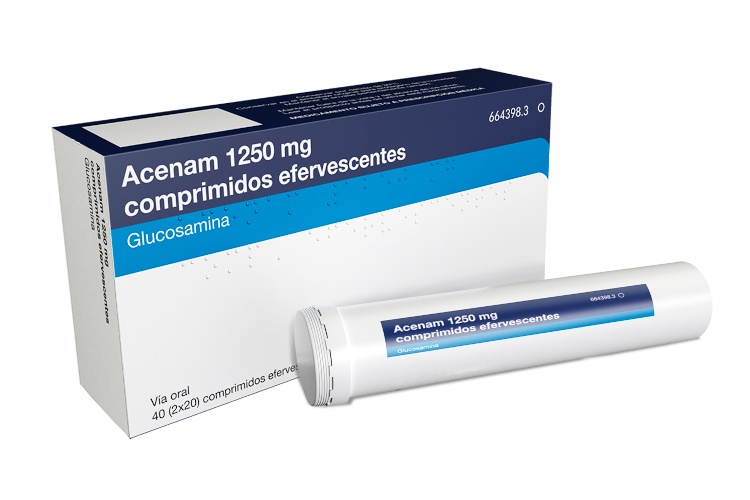
- Alternativas a RELIF 1000 MG COMPRIMIDOS DISPERSABLESForma farmacéutica: COMPRIMIDO EFERVESCENTE, 1250 mgPrincipio activo: glucosamineFabricante: Especialidades Farmaceuticas Centrum S.A.Requiere recetaForma farmacéutica: SOLUCIÓN/SUSPENSIÓN ORAL, 1.500 mg de sulfato de glucosaminaPrincipio activo: glucosamineFabricante: Laboratorio Reig Jofre, S.A.Requiere recetaForma farmacéutica: CAPSULA, 400 MGPrincipio activo: sulfato de condroitinaFabricante: Laboratorio Reig Jofre, S.A.Requiere receta

Médicos online para RELIF 1000 MG COMPRIMIDOS DISPERSABLES
Comenta la dosis, los posibles efectos secundarios, interacciones, contraindicaciones o la revisión de receta de RELIF 1000 MG COMPRIMIDOS DISPERSABLES, sujeto a valoración médica y a la normativa local.



.jpg)






Preguntas frecuentes
