

PYLERA 140 mg/125 mg /125 Mg Cápsulas





Cómo usar PYLERA 140 mg/125 mg/125 mg CAPSULAS
Traducción generada por IA
Este contenido ha sido traducido automáticamente y se ofrece solo con fines informativos. No sustituye la consulta con un profesional sanitario.
Ver originalContenido del prospecto
Introducción
Prospecto:información para elusuario
Pylera 140 mg/125 mg/125 mg cápsulas
subcitrato de bismuto potasio
metronidazol
clorhidrato de tetraciclina
Lea todo el prospecto detenidamente antes de empezar a tomar el medicamento, porque contiene información importante para usted.
- Conserve este prospecto, ya que puede tener que volver a leerlo.
- Si tiene alguna duda, consulte a su médico o farmacéutico.
- Este medicamento se le ha recetado solamente a usted, y no debe dárselo a otras personas aunque tengan los mismos síntomas que usted, ya que puede perjudicarles.
- Si experimenta efectos adversos, consulte a su médico o farmacéutico, incluso si se trata de efectos adversos que no aparecen en este prospecto. Ver sección 4.
Contenido del prospecto
- Qué es Pylera y para qué se utiliza
- Qué necesita saber antes de empezar a tomar Pylera
- Cómo tomar Pylera
- Posibles efectos adversos
- Conservación de Pylera
- Contenido del envase e información adicional
1. Qué es Pylera y para qué se utiliza
Pylera contiene 3 principios activos diferentes: subcitrato de bismuto potasio, metronidazol y clorhidrato de tetraciclina. La tetraciclina y el metronidazol pertenecen a un grupo de medicamentos llamados antibióticos. El subcitrato de bismuto potasio ayuda a los antibióticos a tratar la infección.
Pylera contiene un grupo de medicamentos que se utilizan para tratar pacientes adultos infectados con Helicobacter pylori (H. pylori)que tienen o han tenido una úlcera. H. pylories una bacteria que se encuentra en el estómago.
Los antibióticos se utilizan para tratar infecciones bacterianas y no sirven para tratar infecciones víricas como la gripe o el catarro.
Es importante que siga las instrucciones relativas a la dosis, el intervalo de administración y la duración del tratamiento indicadas por su médico.
No guarde ni reutilice este medicamento, Si una vez finalizado el tratamiento le sobra antibiótico, devuélvalo a la farmacia para su correcta eliminación. No debe tirar los medicamentos por el desagüe ni a la basura.
Pylera debe tomarse junto con un medicamento llamado omeprazol.El omeprazol es un medicamento que funciona reduciendo la cantidad de ácido que produce su estómago. Al tomar Pylera junto con omeprazol, ambos productos trabajan juntos para tratar la infección y reducir la inflamación del revestimiento del estómago.

2. Qué necesita saber antes de empezar a tomar Pylera
No tome Pylera
- si está embarazada o dando el pecho
- si tiene menos de 12 añosde edad
- si tiene problemas de riñón
- si tiene problemas de hígado
- si es alérgico(hipersensible)al subcitrato de bismuto potasio, metronidazol o a otros derivados del nitroimidazol, tetraciclina o a cualquiera de los demás componentes de Pylera (incluidos en la Sección 6)
- si padece síndrome de Cockayne (ver Advertencias y precauciones).
Advertencias y precauciones
Consulte a su médico o farmacéutico antes de tomar Pylera.
Se han notificado casos de toxicidad hepática irreversible grave/insuficiencia hepática aguda, incluidos casos con desenlace mortal de aparición muy rápida después del inicio del uso sistémico de metronidazol, en pacientes con síndrome de Cockayne.
Informe a su médico de inmediato y deje de tomar metronidazol si presenta:
- dolor de estómago, anorexia, náuseas, vómitos, fiebre, malestar general, cansancio, ictericia, orina oscura, heces de color arcilla o picor.
El metronidazol, un componente de este medicamento, puede aumentar el riesgo de cambios en el electrocardiograma que es una prolongación del intervalo QT, lo que provoca un retraso en la transmisión de las señales eléctricas y anomalías en la frecuencia cardíaca (arritmia), cuando se administra concomitantemente con otros compuestos que pueden causar cambios similares en el electrocardiograma. Consulte a su médico antes de empezar a tomar Pylera, sobre todo si ha experimentado con anterioridad arritmias o cambios de este tipo en un electrocardiograma (ver sección “Otros medicamentos y Pylera”).
Tenga especial cuidado con Pylera
- si tiene que hacerse una radiografía, ya que Pylera puede alterar los resultados de las radiografías
- si tiene que hacerse análisis de sangre, ya que Pylera puede alterar los resultados de dichos análisis
- si su médico le ha dicho que presenta intolerancia a algunos azúcares
Evite el sol y las cabinas de rayos UVAdurante el tratamiento con Pylera ya que puede exagerar los efectos del sol. Póngase en contacto con el médico si sufre quemaduras solares.
Niños y adolescentes
No deben administrarse cápsulas de Pylera a niños menores de 12 años, y no se recomiendan en pacientes de 12 a 18 años.
Toma de Pylera con otros medicamentos
Comunique a su médico o farmacéutico si está tomando, ha tomado recientemente o podría tener que tomar cualquier otro medicamento, incluso los adquiridos sin receta.
En especial, informe a su médico si está utilizando o ha utilizando recientemente alguno de los siguientes medicamentos:
- litio utilizado para tratar algunas enfermedades mentales
- medicamentos utilizados para diluir la sangre o que impiden la coagulación de la sangre (por ejemplo, warfarina)
- fenitoína y fenobarbital para la epilepsia
- metoxiflurano (un anestésico)
- otros antibióticos, en especial penicilina
- complementos que contengan hierro, zinc o bicarbonato sódico
- la combinación de Pylera con otros fármacos que contengan bismuto, usados a largo plazo, puede afectar al sistema nervioso
- busulfán y fluorouracilo utilizados para quimioterapia
- ciclosporina utilizada para reducir la reacción inmune de su cuerpo tras un trasplante
- disulfiram utilizado para tratar a personas con problemas de alcoholismo
- ranitidina utilizada para la indigestión y el ardor de estómago
- retinoides para los trastornos de la piel
- atovacuona para tratar una infección de pulmón
- medicamentos que provocan cambios en el electrocardiograma (prolongación del intervalo QT) y para los que se produce un aumento de las concentraciones sanguíneas que puede ser causado por la administración conjunta con metronidazol. Ejemplos de este tipo de sustancias son:
- amiodarona (se utiliza para tratar anomalías de la frecuencia cardíaca);
- ondansetrón (se utiliza para tratar las náuseas y los vómitos);
- metadona (se utiliza como tratamiento sustitutivo en casos de dependencia a opioides);
- domperidona (se utiliza para tratar las náuseas y los vómitos)
No tome antiácidos que contengan aluminio, calcio o magnesio al mismo tiempo que Pylera.
Toma de Pylera con alimentos, bebidas y alcohol
Tome Pylera con un vaso lleno de agua (250 ml) despuésde las comidas y al acostarse (preferiblemente después de un tentempié).
No coma ni beba ningún producto lácteo(como leche o yogur) o bebidas con calcioañadido al mismo tiempo que las cápsulas de Pylera ni durante todo el tratamiento con Pylera, ya que pueden afectar a la forma de funcionar de Pylera.
No beba nada de alcoholdurante el tratamiento con Pylera ni durante al menos 24 horas después de finalizar el tratamiento. Beber alcohol durante el tratamiento con Pylera puede provocar efectos adversos desagradables como náuseas, vómitos, dolor de estómago (cólicos), sofocos y dolor de cabeza.
Embarazo y lactancia
No tome Pylera si está embarazada, pudiera quedarse embarazada durante el tratamiento o cree que podría estar embarazada. Hable con su médico si se queda embarazada durante el tratamiento con Pylera.
No debe dar el pecho durante el tratamiento con Pylera, ya que cantidades pequeñas de los componentes de Pylera pueden pasar a la leche materna.
Conducción y uso de máquinas
No conduzca ni maneje herramientas o máquinas si se siente mareado, adormecido, si tiene crisis epilépticas (convulsiones) o si experimenta visión borrosa o doble.
Pylera contiene lactosa, potasio y otros excipientes.
Pylera contiene lactosa, que es un tipo de azúcar. Si su médico la ha indicado que padece una intolerancia a ciertos azúcares, consulte con él antes de tomar este medicamento.
Los pacientes con insuficiencia renal o con dietas pobres en potasio deben tener en cuenta que Pylera contiene aproximadamente 96 mg de potasio por dosis (3 cápsulas que contienen 32 mg de potasio cada una).
3. Cómo tomar Pylera
Siga exactamente las instrucciones de administración de este medicamento indicadas por su médico. Pylera debe tomarse junto con un medicamento llamado omeprazol. En caso de duda, consulte de nuevo a su médico o farmacéutico.
Adultos y pacientes de edad avanzada
No abra las cápsulas y tráguelas enteras.
Tome 3 cápsulas de Pylera después del desayuno, 3 cápsulas después de la comida del mediodía, 3 cápsulas después de la cena y 3 cápsulas a la hora de acostarse (preferiblemente después de un tentempié), es decir, un total de 12 cápsulas al día. Trague las cápsulas enteras mientras está sentado y con un vaso lleno de agua (250 ml) para evitar cualquier irritación de la garganta. No se tumbe inmediatamente después de tomar Pylera. Es importante finalizar el tratamiento completo (10 días) y tomar las 120 cápsulas.
Tome una cápsula/comprimido de 20 mg de omeprazol con las dosis de Pylera del desayuno y la cena (un total de 2 cápsulas/comprimidos de omeprazol al día).
Pauta posológica diaria de Pylera
Horario de las dosis | Número de cápsulas de Pylera | Número de cápsulas/comprimidos de omeprazol |
Después del desayuno | 3 | 1 |
Después de la comida del mediodía | 3 | 0 |
Después de la cena | 3 | 1 |
A la hora de acostarse (preferiblemente después de un tentempié) | 3 | 0 |
Si toma más Pylera del que debiera
Si toma más dosis de Pylera al día de la recomendada, debe informar a su médico o ir al servicio de urgencias del hospital más próximo. Llévese el frasco y todas las cápsulas que queden. Esto es para que el médico sepa lo que ha tomado.
En caso de sobredosis o ingestión accidental consulte inmediatamente a su médico o farmacéutico o llame al Servicio de Información Toxicológica, teléfono 915 620 420, indicando el medicamento y la cantidad ingerida.
Si olvidó tomar Pylera
Si se olvida de tomar Pylera, tómelo en cuanto se acuerde. Sin embargo, si ya es casi la hora de la siguiente dosis, sáltese la dosis omitida. No tome una dosis doble para compensar las dosis olvidadas.Si se olvida de tomar más de 4 dosis consecutivas de Pylera (1 día), póngase en contacto con el médico.
Si interrumpe el tratamiento con Pylera
Es importante que finalice el tratamiento completo aunque empiece a encontrarse mejor después de algunos días. Si interrumpe el tratamiento con Pylera demasiado pronto, es posible que la infección no esté completamente curada y que los síntomas de la infección vuelvan o empeoren. También podría desarrollar resistencia a la tetraciclina y/o al metronidazol (antibióticos).
Si tiene cualquier otra duda sobre el uso de este medicamento, pregunte a su médico o farmacéutico.

4. Posibles efectos adversos
Al igual que todos los medicamentos, este medicamento puede producir efectos adversos, aunque no todas las personas los sufran.
Deje de tomar Pylera y póngase en contacto con su médico o vaya a un hospital inmediatamente si padece o observa algo de lo siguiente:
- inflamación de la cara, labios, lengua o garganta que puede causar dificultades para tragar o respirar.
- un sarpullido con ronchas y picor (habones) o urticaria.
Podría tratarse de signos de una reacción alérgica.
- Reacciones cutáneas graves (síndrome de Stevens-Johnson, necrólisis epidérmica tóxica (síndrome de Lyell), reacción a fármacos con eosinofilia y síntomas sistémicos (DRESS)) (Ver a continuación reacciones adversas “Frecuencia no conocida”).
Una reacción adversa grave muy rara es una enfermedad cerebral (encefalopatía). Los síntomas varían, pero podría presentar fiebre, rigidez en el cuello, dolor de cabeza, o ver u oír cosas inexistentes. También podría tener problemas para usar brazos y piernas o para hablar, o sentirse confundido. Hable con su médico de inmediato si advierte cualquiera de estas reacciones adversas.
Otros posibles efectos adversos
Muy frecuentes(pueden afectar a más de 1 de cada 10 personas):
- cambios en la consistencia o color de las heces, incluyendo heces de color oscuro (heces negras)
- diarrea
- náuseas
- mal sabor de boca o sabor metálico
Frecuentes(pueden afectar hasta a 1 de cada 10 personas):
- dolor abdominal
- estreñimiento
- boca seca
- vómitos
- flatulencia / gases
- dolor de cabeza
- sensación de debilidad
- sensación de falta de energía o cansancio
- malestar general
- infección vaginal – los síntomas incluyen picor e irritación de la zona genital, sensación de escozor o flujo vaginal amarillento / blanco
- los análisis de sangre pueden poner de manifiesto un aumento de los niveles de enzimas hepáticas (transaminasas)
- orina de color oscuro
- pérdida o disminución del apetito
- sensación de mareo / sensación de aturdimiento
- sensación de adormecimiento
- problemas cutáneos como enrojecimiento (sarpullido)
Poco frecuentes(pueden afectar hasta a 1 de cada 100 personass):
- reacción alérgica al medicamento (los síntomas incluyen inflamación de la cara, labios, lengua o garganta que puede causar dificultades para tragar o respirar, o un sarpullido con ronchas y picor (habones) o urticaria.
- sensación de hinchamiento / abdomen hinchado
- eructos o gases
- llagas en la boca / úlceras bucales
- cambios de color de la lengua (lengua oscura)
- lengua hinchada
- dolor torácico, molestias torácicas
- infecciones por levaduras (cándida), que pueden producirse en la boca (los síntomas incluyen manchas blancas en la boca) o en los genitales (los síntomas incluyen picor severo, sensación de escozor, inflamación)
- entumecimiento
- cosquilleo / hormigueo
- temblores
- sensación de ansiedad, depresión o dificultad para dormir
- alteración de la memoria
- problemas cutáneos como picor o habones (urticaria)
- visión borrosa
- vértigo (la cabeza da vueltas)
Frecuencia no conocida(no puede estimarse a partir de los datos disponibles):
- Enfermedad grave con formación de ampollas en la piel, la boca, los ojos y los genitales (síndrome de Stevens-Johnson)
- Enfermedad grave con formación de ampollas en la piel (síndrome de Lyell, necrólisis epidérmica tóxica)
- Síntomas pseudogripales, erupción en la cara y luego erupción extendida con fiebre alta, aumento de los niveles de enzimas hepáticas observado en los análisis de sangre, aumento de un tipo de glóbulo blanco (eosinofilia), aumento del tamaño de los nódulos linfáticos (DRESS)
- Formación de ampollas en la piel y exfoliación (descamación) de la piel
- Meningitis aséptica: un grupo de síntomas que incluyen: fiebre, náuseas, vómito, dolor de cabeza, rigidez en el cuello y sensibilidad extrema a la luz brillante. Esto puede ser causado por una inflamación de las membranas que recubren el cerebro y la médula espinal (meningitis).
- Daño del nervio que puede causar entumecimiento, hormigueo, dolor y una sensación de debilidad en brazos y piernas (neuropatía periférica).
- Inflamación del intestino grueso (colitis pseudomembranosa).
- Trastorno neurológico llamado síndrome cerebelar, el cual incluye síntomas que pueden consistir en dificultades para coordinar los movimientos, el lenguaje y/o la marcha, así como movimiento involuntarios de los ojos y temblor. Puede desaparecer al suspender el tratamiento.
Comunicación de efectos adversos
Si experimenta cualquier tipo de efecto adverso, consulte a su médico o farmacéutico incluso si se trata de posibles efectos adversos que no aparecen en este prospecto. También puede comunicarlos directamente a través del Sistema Español de Farmacovigilancia de Medicamentos de Uso Humano: https://www.notificaRAM.es. Mediante la comunicación de efectos adversos usted puede contribuir a proporcionar más información sobre la seguridad de este medicamento.
5. Conservación de Pylera
Mantener este medicamento fuera de la vista y del alcance de los niños.
- No utilice este medicamento después de la fecha de caducidad que aparece en la caja y el frasco después de “EXP”. La fecha de caducidad es el último día del mes que se indica.
- Este medicamento no requiere ninguna temperatura especial de conservación. Conservar en el embalaje original para protegerlo de la luz y la humedad.
Los medicamentos no se deben tirar por los desagües ni a la basura. Deposite los envases y los medicamentos que no necesita en el Punto SIGRE de la farmacia. Pregunte a su farmacéutico cómo deshacerse de los envases y de los medicamentos que ya no necesita. De esta forma, ayudará a proteger el medio ambiente.
6. Contenido del envase e información adicional
Composición de Pylera
Los principios activos son subcitrato de bismuto potasio, metronidazol y clorhidrato de tetraciclina.
Cada cápsula contiene 140 mg de subcitrato de bismuto potasio (equivalente a 40 mg de óxido de bismuto), 125 mg de metronidazol y 125 mg de clorhidrato de tetraciclina.
Los demás componentes son: estearato de magnesio (E572), lactosa monohidrato, talco (E553b), dióxido de titanio (E171), gelatina y tinta de impresión que contiene goma laca, propilenglicol y óxido rojo de hierro (E172).
Este medicamento contiene lactosa y potasio. Ver sección 2.
Aspecto de Pylera y contenido del envase
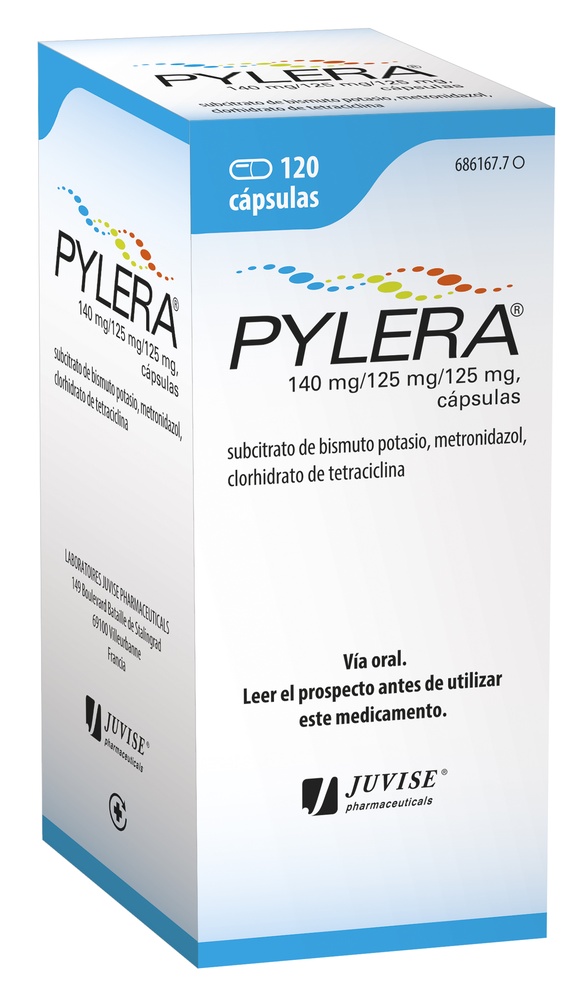
Las cápsulas de Pylera son duras, alargadas, blancas y opacas con “BMT” impreso en la tapa en tinta roja. Contienen un polvo blanco más una cápsula opaca blanca más pequeña que contiene un polvo amarillo.
Las cápsulas de Pylera están disponibles en frascos de polietileno de alta densidad de 120 cápsulas.
En el frasco se incluyen un desecante (paquete de sílice) y bobina de rayón para que el medicamento se mantenga seco. No ingerir el desecante ni la bobina de rayón.
Titular de la autorización de comercialización y responsable de la fabricación
Titular de la autorización de comercialización
LABORATOIRES JUVISE PHARMACEUTICALS
149 Boulevard Bataille de Stalingrad
69100 Villeurbanne
Francia
Responsable de la fabricación
SKYEPHARMA PRODUCTION SAS
Zone Industrielle Chesnes Ouest,
55 rue du Montmurier
38070 Saint Quentin Fallavier
Francia
Este medicamento está autorizado en los Estados miembros del Espacio Económico Europeo con los siguientes nombres:
Bélgica: Tryplera
Alemania, Austria, Eslovaquia, España, Francia, Italia, Polonia, Portugal, República Checa: Pylera
Fecha de la última revisión de este prospecto :06/2025
La información detallada y actualizada de este medicamento está disponible en la página web de la Agencia Española de Medicamentos y Productos Sanitarios (AEMPS) http://www.aemps.gob.es/

-

- País de registro
- Forma farmacéuticaCAPSULA, 140 mg / 125 mg / 125 mg
- Código ATCA02BD08
- Precio medio en farmacia62.44 EUR
- Principio activo
- Requiere recetaSí
- Fabricante
- ComposiciónLACTOSA MONOHIDRATO (61,00 mg mg)
- Esta información es de carácter general y no sustituye la consulta con un profesional sanitario.
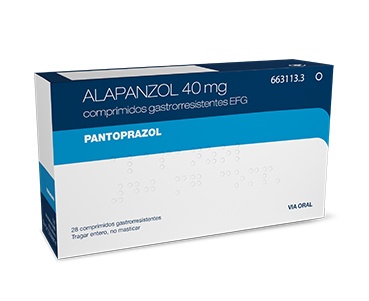
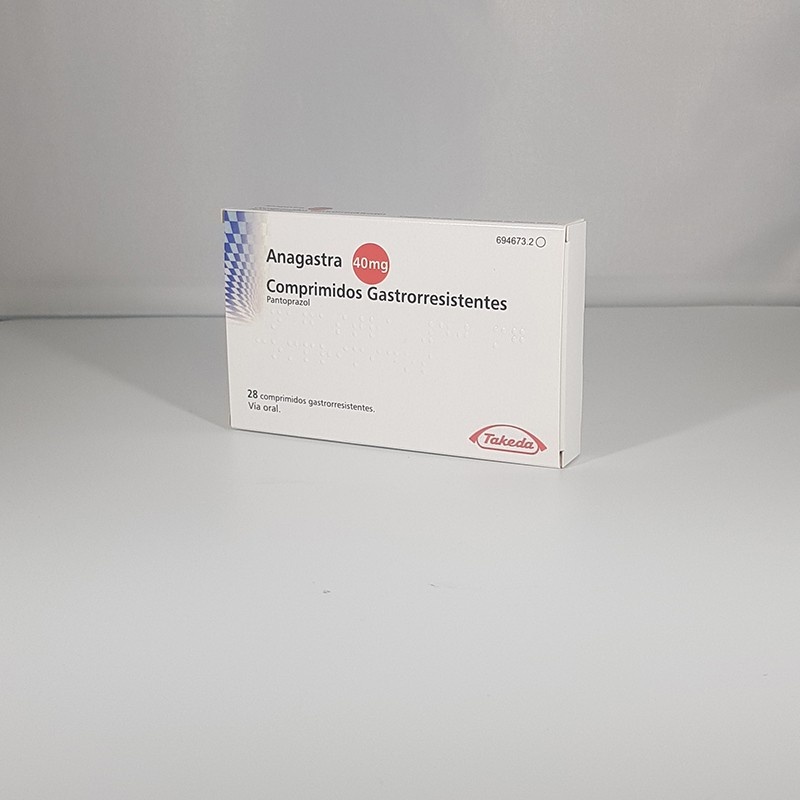
- Alternativas a PYLERA 140 mg/125 mg/125 mg CAPSULASForma farmacéutica: COMPRIMIDO, 40 MGPrincipio activo: PantoprazolFabricante: Especialidades Farmaceuticas Centrum S.A.Requiere recetaForma farmacéutica: COMPRIMIDO, 20 mg pantoprazolPrincipio activo: PantoprazolFabricante: Takeda GmbhRequiere recetaForma farmacéutica: COMPRIMIDO, 40 mg pantoprazolPrincipio activo: PantoprazolFabricante: Takeda GmbhRequiere receta
Médicos online para PYLERA 140 mg/125 mg/125 mg CAPSULAS
Comenta la dosis, los posibles efectos secundarios, interacciones, contraindicaciones o la revisión de receta de PYLERA 140 mg/125 mg/125 mg CAPSULAS, sujeto a valoración médica y a la normativa local.









Obtén una receta de PYLERA 140 mg/125 mg/125 mg CAPSULAS online
Rellena un formulario de 2 minutos
Cuéntanos tus síntomas, historial y el medicamento que necesitas.
Elige un médico o nosotros te asignamos uno
Escoge un especialista o te conectamos con el próximo médico disponible.
El médico revisa tu caso
Normalmente en 30 minutos. Puede hacerte preguntas adicionales por chat.
Recógela en cualquier farmacia
Receta electrónica enviada a tu correo, válida en toda España.
Preguntas frecuentes
¿Se requiere receta para PYLERA 140 mg/125 mg/125 mg CAPSULAS?
PYLERA 140 mg/125 mg/125 mg CAPSULAS requires receta en España. Puedes confirmarlo con un médico online según tu caso.
¿Cuál es el principio activo de PYLERA 140 mg/125 mg/125 mg CAPSULAS?
El principio activo de PYLERA 140 mg/125 mg/125 mg CAPSULAS es bismuth subcitrate, tetracycline and metronidazole. Esta información ayuda a identificar medicamentos con la misma composición pero con diferentes nombres comerciales.
¿Cuánto cuesta PYLERA 140 mg/125 mg/125 mg CAPSULAS en farmacia?
El precio medio en farmacia de PYLERA 140 mg/125 mg/125 mg CAPSULAS es de aproximadamente 62.44 EUR. Puede variar según el fabricante y la forma farmacéutica.
¿Quién fabrica PYLERA 140 mg/125 mg/125 mg CAPSULAS?
PYLERA 140 mg/125 mg/125 mg CAPSULAS es fabricado por Laboratoires Juvise Pharmaceuticals. La marca y el envase pueden variar según el distribuidor.
¿Qué médicos pueden recetar PYLERA 140 mg/125 mg/125 mg CAPSULAS online?
Los Médicos de familia, Psiquiatras, Dermatólogos, Cardiólogos, Endocrinólogos, Gastroenterólogos, Neumólogos, Nefrólogos, Reumatólogos, Hematólogos, Infectólogos, Alergólogos, Geriatras, Pediatras, Oncólogos pueden valorar la prescripción de PYLERA 140 mg/125 mg/125 mg CAPSULAS cuando esté clínicamente indicado. Puedes reservar una videoconsulta para comentar tu caso y las opciones de tratamiento.
¿Cómo comprar PYLERA 140 mg/125 mg/125 mg CAPSULAS en España?
España cuenta con una infraestructura sanitaria bien desarrollada en ciudades principales como Madrid, Barcelona, Valencia y Sevilla. Las farmacias están ampliamente disponibles y operan bajo estrictas regulaciones, garantizando el acceso a medicamentos con receta.
Puedes comprar PYLERA 140 mg/125 mg/125 mg CAPSULAS en Madrid, Barcelona, Sevilla o Valencia en cualquier farmacia local con una receta válida.
Para obtener una receta, puedes utilizar Oladoctor:
¿Cuáles son las alternativas a PYLERA 140 mg/125 mg/125 mg CAPSULAS?
Otros medicamentos con el mismo principio activo (bismuth subcitrate, tetracycline and metronidazole) incluyen ALAPANZOL 40 mg COMPRIMIDOS GASTRORRESISTENTES EFG, ANAGASTRA 20 mg COMPRIMIDOS GASTRORRESISTENTES, ANAGASTRA 40 mg COMPRIMIDOS GASTRORRESISTENTES. Pueden tener diferentes nombres comerciales o formulaciones, pero contienen el mismo componente terapéutico. Consulta siempre con un médico antes de cambiar o iniciar un nuevo medicamento.
