


PREGABALINA NORMON 200 MG COMPRIMIDOS EFG
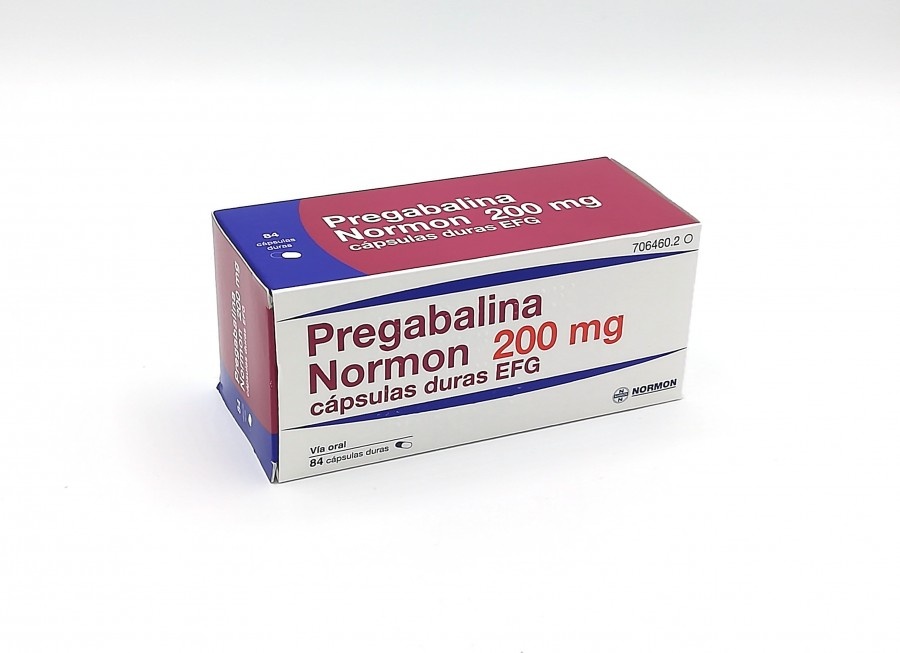



Cómo usar PREGABALINA NORMON 200 MG COMPRIMIDOS EFG
Traducción generada por IA
Este contenido ha sido traducido automáticamente y se ofrece solo con fines informativos. No sustituye la consulta con un profesional sanitario.
Ver originalContenido del prospecto
Introducción
Prospecto: información para el usuario
Pregabalina Normon 25 mg comprimidos EFG
Pregabalina Normon 50 mg comprimidos EFG
Pregabalina Normon 75 mg comprimidos EFG
Pregabalina Normon 100 mg comprimidos EFG
Pregabalina Normon 150 mg comprimidos EFG
Pregabalina Normon 200 mg comprimidos EFG
Pregabalina Normon 300 mg comprimidos EFG
Lea todo el prospecto detenidamente antes de empezar a tomar este medicamento, porque contiene información importante para usted.
- Conserve este prospecto, ya que puede tener que volver a leerlo.
- Si tiene alguna duda, consulte a su médico o farmacéutico.
- Este medicamento se le ha recetado solamente a usted, y no debe dárselo a otras personas aunque tengan los mismos síntomas que usted, ya que puede perjudicarles.
- Si experimenta efectos adversos, consulte a su médico o farmacéutico, incluso si se trata de efectos adversos que no aparecen en este prospecto. Ver sección 4.
Contenido del prospecto
- Qué es Pregabalina Normon y para qué se utiliza
- Qué necesita saber antes de empezar a tomar Pregabalina Normon
- Cómo tomar Pregabalina Normon
- Posibles efectos adversos
- Conservación de Pregabalina Normon
- Contenido del envase e información adicional
1. Qué es Pregabalina Normon y para qué se utiliza
Pregabalina pertenece a un grupo de medicamentos que se utilizan para el tratamiento de la epilepsia, del dolor neuropático y del trastorno de ansiedad generalizada (TAG) en adultos.
Dolor neuropático periférico y central:pregabalina se utiliza para el tratamiento del dolor crónico causado por daños en los nervios. Hay diversas enfermedades que pueden causar dolor neuropático periférico, como la diabetes o el herpes. La sensación de dolor se podría describir como calor, quemazón, dolor pulsátil, dolor fulgurante, dolor punzante, dolor agudo, espasmos, dolor continuo, hormigueo, entumecimiento y sensación de pinchazos. El dolor neuropático periférico y central podría estar también asociado con cambios de humor, alteraciones del sueño, fatiga (cansancio) y puede tener efecto sobre la actividad física y social y sobre la calidad de vida en general.
Epilepsia:pregabalina se utiliza en el tratamiento de ciertas clases de epilepsia (crisis parciales con o sin generalización secundaria) en adultos. Su médico le recetará pregabalina para tratar la epilepsia cuando su tratamiento actual no controle la enfermedad. Usted debe tomar pregabalina añadido a su tratamiento actual. Pregabalina no se debe administrar solo, sino que siempre debe utilizarse en combinación con otros tratamientos antiepilépticos.
Trastorno de ansiedad generalizada:pregabalina se utiliza en el tratamiento del trastorno de ansiedad generalizada (TAG). Los síntomas del TAG son una ansiedad y preocupación excesivas y prolongadas que resultan difíciles de controlar. El TAG también puede producir inquietud o sensación de excitación o nerviosismo, sentirse fatigado (cansado) fácilmente, tener dificultad para concentrarse o quedarse con la mente en blanco, irritabilidad, tensión muscular o alteración del sueño. Esto es diferente del estrés y tensiones de la vida cotidiana.

2. Qué necesita saber antes de empezar a tomar Pregabalina Normon
No tomePregabalinaNormon
Si es alérgico a pregabalina o a alguno de los demás componentes de este medicamento (incluidos en la sección 6).
Advertencias y precauciones
Consulte a su médico o farmacéutico antes de empezar a tomar este medicamento :
- Algunos pacientes tratados con pregabalina han notificado síntomas que apuntan a una reacción alérgica. Estos síntomas incluyen hinchazón de la cara, los labios, la lengua y la garganta, así como aparición de erupción cutánea difusa. Si usted experimenta alguno de estos síntomas, debe acudir inmediatamente a su médico.
- Se han notificado erupciones cutáneas graves, como síndrome de Stevens-Johnson y necrólisis epidérmica tóxica, asociadas al tratamiento con pregabalina. Deje de tomar pregabalina y solicite atención médica inmediatamente si observa alguno de los síntomas relacionados con estas reacciones cutáneas graves descritos en la sección 4.
- Pregabalina se ha asociado con mareos y somnolencia, lo que podría aumentar los casos de lesiones accidentales (caídas) en pacientes de edad avanzada. Por lo tanto, usted debe tener precaución hasta que se familiarice con los efectos que puede tener el medicamento.
- Pregabalina puede causar visión borrosa, pérdida de visión u otros cambios en la vista, muchos de ellos transitorios. Si experimenta cualquier alteración en su visión, debe informar inmediatamente a su médico.
- Aquellos pacientes diabéticos que aumenten de peso mientras toman pregabalina pueden necesitar un cambio en sus medicamentos para la diabetes.
- Ciertos efectos adversos, como la somnolencia, pueden ser más frecuentes ya que los pacientes con lesión de la médula espinal pueden estar tomando otros medicamentos para el tratamiento, por ejemplo, del dolor o la espasticidad (músculos tensos o rígidos), con efectos adversos similares a los de pregabalina de modo que la intensidad de estos efectos puede incrementarse cuando se toman conjuntamente.
- Se han notificado casos de insuficiencia cardiaca en algunos pacientes tratados con pregabalina . La mayoría de ellos eran pacientes de edad avanzada con enfermedades cardiovasculares. Antes de utilizar este medicamento, debe indicar a su médico si tiene antecedentes de enfermedad cardiaca.
- Se han notificado casos de insuficiencia renal en algunos pacientes tratados con pregabalina . Si durante el tratamiento con pregabalina nota una disminución de su capacidad para orinar, debe informar a su médico ya que la interrupción del tratamiento puede mejorar esta situación.
- Algunos pacientes en tratamiento con antiepilépticos tales como pregabalina han tenido pensamientos de hacerse daño o suicidarse o han mostrado un comportamiento suicida. Si en cualquier momento usted presenta estos pensamientos o ha mostrado tal comportamiento, contacte con su médico lo antes posible.
- Cuando pregabalina se toma junto con otros medicamentos que pueden causar estreñimiento (como algunos tipos de medicamentos para el dolor) es posible que aparezcan problemas gastrointestinales (p. ej., estreñimiento y bloqueo o parálisis intestinal). Informe a su médico si sufre estreñimiento, especialmente si usted es propenso a sufrir este problema.
- Antes de tomar este medicamento, informe a su médico si alguna vez ha abusado o ha tenido dependencia del alcohol, medicamentos de venta con receta o drogas ilegales; puede significar que tiene un mayor riesgo de volverse dependiente de pregabalina.
- Se han notificado casos de convulsiones durante el tratamiento con pregabalina o al poco tiempo después de interrumpir el tratamiento con pregabalina . Si usted presenta convulsiones, contacte con su médico inmediatamente.
- Se han notificado casos de reducción de la función cerebral (encefalopatía) en algunos pacientes que estaban tomando pregabalina y que presentaban otras enfermedades. Indique a su médico si tiene antecedentes de alguna enfermedad grave, incluyendo enfermedad hepática o renal.
- Se han notificado casos de dificultad para respirar. Si padece trastornos del sistema nervioso, trastornos respiratorios, insuficiencia renal o es mayor de 65 años, su médico puede recetarle una dosis diferente. Contacte con su médico si experimenta problemas para respirar o respiraciones superficiales.
Dependencia
Algunas personas pueden volverse dependientes de pregabalina (necesidad de seguir tomando el medicamento). Pueden tener efectos de retirada cuando dejan de usar pregabalina (ver sección 3, “Cómo tomar Pregabalina Normon” y “Si interrumpe el tratamiento con Pregabalina Normon”). Si le preocupa que pueda volverse dependiente de pregabalina, es importante que consulte a su médico.
Si nota alguno de los siguientes signos mientras toma pregabalina, podría ser un signo de que se ha vuelto dependiente:
- Necesita tomar el medicamento durante más tiempo del recomendado por su médico.
- Siente que necesita tomar más cantidad de la dosis recomendada.
- Está utilizando el medicamento por razones distintas a las recetadas.
- Ha realizado intentos repetidos y sin éxito para dejar o controlar el uso del medicamento.
- Cuando deja de tomar el medicamento, siente malestar y se siente mejor una vez que toma el medicamento de nuevo.
Si nota alguno de estos signos, hable con su médico para analizar el mejor plan asistencial para usted, incluido cuándo es apropiado dejar el tratamiento y cómo hacerlo de manera segura.
Niños y adolescentes
No se ha establecido la seguridad y eficacia en niños y adolescentes (menores de 18 años) por lo que pregabalina no debe utilizarse en este grupo de edad.
Otros medicamentos yPregabalinaNormon
Informe a su médico o farmacéutico si está tomando, ha tomado recientemente o pudiera tener que tomar cualquier otro medicamento.
Pregabalina y ciertos medicamentos pueden ejercer una influencia mutua entre ellos (interacciones). Cuando se utiliza pregabalina junto con determinados medicamentos que tienen efecto sedante (incluidos los opioides), pueden potenciarse esos efectos, y puede dar lugar a insuficiencia respiratoria, coma y muerte. El grado de mareos, somnolencia y disminución en la concentración puede aumentar si pregabalina se toma junto con otros medicamentos que contengan:
- Oxicodona – (utilizado como analgésico)
- Lorazepam – (utilizado para tratar la ansiedad)
- Alcohol
Pregabalina se puede tomar con anticonceptivos orales.
Toma dePregabalinaNormon con alimentos, bebidas y alcohol
Los comprimidos de este medicamento se pueden tomar con y sin alimentos.
Se aconseja no tomar alcohol durante el tratamiento con pregabalina .
Embarazo y lactancia
No debe tomar pregabalina durante el embarazo o el periodo de lactancia, a menos que su médico se lo haya indicado. El uso de pregabalina durante los primeros 3 meses de embarazo puede causar anomalías congénitas en el feto que requieren tratamiento médico. En un estudio que revisó datos de mujeres en los países nórdicos que tomaron pregabalina en los primeros 3 meses de embarazo, 6 bebés de cada 100 presentaban tales anomalías congénitas. Esto contrasta con 4 bebés de cada 100 nacidos de mujeres no tratadas con pregabalina en el estudio. Se han notificado anomalías de la cara (hendiduras bucofaciales), los ojos, el sistema nervioso (incluido el cerebro), los riñones y los genitales.
Se debe utilizar un método anticonceptivo eficaz en mujeres en edad fértil. Si está embarazada o en periodo de lactancia, cree que podría estar embarazada o tiene intención de quedarse embarazada, consulte a su médico o farmacéutico antes de utilizar este medicamento.
Conducción y uso de máquinas
Pregabalina puede producir mareos, somnolencia y disminución de la concentración. No debe conducir, manejar maquinaria pesada ni practicar otras actividades potencialmente peligrosas hasta que sepa si este medicamento afecta su capacidad para realizar estas actividades.
3. Cómo tomar Pregabalina Normon
Siga exactamente las instrucciones de administración de este medicamento indicadas por su médico. En caso de duda, consulte de nuevo a su médico o farmacéutico. No tome más medicamento del recetado.
Su médico determinará qué dosis es la adecuada para usted.
Este medicamento es exclusivamente para uso oral.
Dolor neuropático periférico y central, epilepsia o trastorno de ansiedad generalizada:
- Tome el número de comprimidos que le haya indicado su médico.
- La dosis, que ha sido ajustada para usted y su estado, estará generalmente entre 150 mg y 600 mg diarios.
- Su médico le indicará que tome pregabalina dos o tres veces al día. En el caso de dos veces al día, tome pregabalina una vez por la mañana y otra por la noche, aproximadamente a la misma hora todos los días. En el caso de tres veces al día, tome pregabalina por la mañana, al mediodía y por la noche, aproximadamente a la misma hora todos los días.
Si estima que la acción de pregabalina es demasiado fuerte o débil, comuníqueselo a su médico o farmacéutico.
Si es usted un paciente de edad avanzada (de más de 65 años de edad), debe tomar pregabalina de forma normal, excepto si tiene usted problemas en los riñones.
Su médico puede prescribir otro régimen de dosificación o dosis diferentes si usted tiene problemas en los riñones.
Trague el comprimido entero con agua.
El comprimido se puede partir en dosis iguales.
Continúe tomando este medicamento hasta que su médico le diga que deje de tomarlo.
Si toma más Pregabalina Normon del que debe
Llame a su médico o vaya al servicio de urgencias más cercano inmediatamente. Lleve el estuche de comprimidos de pregabalina con usted. Como resultado de haber tomado más pregabalina del que debiera, usted puede sentirse somnoliento, confuso, agitado, o inquieto. También se han notificado crisis epilépticas e inconsciencia (coma).
En caso de sobredosis o ingestión accidental, consulte inmediatamente a su médico o farmacéutico o llame al Servicio de Información Toxicológica, teléfono 91 562 04 20 indicando el medicamento y la cantidad ingerida.
Si olvidó tomar Pregabalina Normon
Es importante que tome los comprimidos de este medicamento regularmente a la misma hora cada día. Si olvida tomar una dosis, tómela tan pronto como se acuerde a menos que sea el momento de la siguiente dosis. En ese caso, continúe con la siguiente dosis de forma normal. No tome una dosis doble para compensar las dosis olvidadas.
Si interrumpe el tratamiento con Pregabalina Normon
No deje de tomar pregabalina repentinamente. Si deja de tomar este medicamento, hable primero con su médico, el le dirá cómo hacerlo. Si va a dejar el tratamiento, esto debe hacerse de forma gradual durante un mínimo de una semana.
Una vez finalizado un tratamiento a corto o largo plazo con este medicamento, debe saber que puede experimentar ciertos efectos adversos, llamados efectos de retirada. Estos efectos incluyen problemas de sueño, dolor de cabeza, náuseas, sensación de ansiedad, diarrea, síntomas gripales, convulsiones, nerviosismo, depresión, pensamientos de hacerse daño o suicidarse, dolor, sudoración y mareo. Estos efectos pueden aparecer con más frecuencia o gravedad si ha estado tomando pregabalina durante un periodo de tiempo más prolongado. Si experimenta efectos de retirada, debe acudir a su médico.
Si tiene cualquier otra duda sobre el uso de este medicamento, pregunte a su médico o farmacéutico.

4. Posibles efectos adversos
Al igual que todos los medicamentos, este medicamento puede producir efectos adversos, aunque no todas las personas los sufran.
Muy frecuentes: pueden afectar a más de 1 de cada 10 personas
- Mareo, somnolencia, dolor de cabeza.
Frecuentes: pueden afectar a hasta 1 de cada 10 personas
- Aumento del apetito.
- Sensación de euforia, confusión, desorientación, disminución del apetito sexual, irritabilidad.
- Alteración de la atención, torpeza de movimiento, deterioro de la memoria, pérdida de memoria, temblores, dificultad al hablar, sensación de hormigueo, entumecimiento, sedación, letargo, insomnio, fatiga, sensación anormal.
- Visión borrosa, visión doble.
- Vértigo, problemas de equilibrio, caídas.
- Boca seca, estreñimiento, vómitos, flatulencia, diarrea, náuseas, abdomen hinchado.
- Dificultad en la erección.
- Hinchazón del cuerpo incluyendo las extremidades.
- Sensación de embriaguez, alteraciones del modo de andar.
- Aumento de peso.
- Calambre muscular, dolor en las articulaciones, dolor de espalda, dolor en las extremidades.
- Dolor de garganta.
Poco frecuentes: pueden afectar a hasta 1 de cada 100 personas
- Pérdida del apetito, pérdida de peso, bajos niveles de azúcar, altos niveles de azúcar en sangre.
- Cambio en la percepción de sí mismo, inquietud, depresión, agitación, cambios del estado de ánimo, dificultad para encontrar palabras, alucinaciones, sueños extraños, crisis de angustia, apatía, agresividad, estado de ánimo elevado, deterioro mental, dificultad para pensar, aumento del apetito sexual, problemas en las relaciones sexuales incluyendo incapacidad para alcanzar el clímax, retraso en la eyaculación.
- Cambios en la vista, movimientos no habituales de los ojos, cambios en la visión incluyendo visión en túnel, destellos de luz, movimientos espasmódicos, reflejos disminuidos, hiperactividad, mareos al permanecer de pie, piel sensible, pérdida del gusto, sensación de quemazón, temblor al moverse, disminución de la consciencia, pérdida de conocimiento, desmayos, aumento de la sensibilidad a los ruidos, malestar general.
- Sequedad de ojos, hinchazón de ojos, dolor de ojos, ojos fatigados, ojos llorosos, irritación de los ojos.
- Alteraciones del ritmo del corazón, aumento del ritmo del corazón, tensión arterial baja, tensión arterial alta, cambios en el ritmo del corazón, insuficiencia cardíaca.
- Rubor, sofocos.
- Dificultad al respirar, sequedad nasal, congestión nasal.
- Aumento de la producción de saliva, ardores, entumecimiento alrededor de la boca.
- Sudoración, erupción, escalofríos, fiebre.
- Espasmos musculares, hinchazón de las articulaciones, rigidez muscular, dolor incluyendo dolor muscular, dolor de cuello.
- Dolor de mama.
- Dificultad o dolor al orinar, incapacidad para contener la orina.
- Debilidad, sed, opresión en el pecho.
- Cambios en los resultados de los análisis de sangre y hepáticos (creatinfosfoquinasa elevada en sangre, alanina aminotransferasa elevada, aspartato aminotransferasa elevada, recuento disminuido de plaquetas, neutropenia, aumento de creatinina en sangre, disminución del potasio en sangre).
- Hipersensibilidad, hinchazón de la cara, picor, urticaria, moqueo, sangrado de nariz, tos, ronquidos.
- Periodos menstruales dolorosos.
- Sensación de frío en manos y pies.
Raros: pueden afectar a hasta 1 de cada 1.000 personas
- Sentido del olfato alterado, visión oscilante, alteración de la percepción de profundidad, brillo visual, pérdida de visión.
- Pupilas dilatadas, estrabismo.
- Sudor frío, opresión de garganta, hinchazón de la lengua.
- Inflamación del páncreas.
- Dificultad al tragar.
- Movilidad lenta o reducida del cuerpo.
- Dificultad al escribir correctamente.
- Aumento de líquido en la zona del abdomen.
- Líquido en los pulmones.
- Convulsiones.
- Cambios en el electrocardiograma (ECG) que corresponden a alteraciones del ritmo del corazón.
- Daño muscular.
- Secreción de leche, crecimiento anormal del pecho, aumento del tamaño de las mamas en hombres.
- Interrupción del periodo menstrual.
- Insuficiencia renal, reducción de la cantidad de orina, retención de orina.
- Disminución en el recuento de leucocitos.
- Conducta inapropiada, comportamientos suicidas, pensamientos suicidas.
- Reacciones alérgicas que pueden incluir dificultad para respirar, inflamación de los ojos (queratitis) y una reacción cutánea grave caracterizada por parches rojizos no elevados, o parches circulares o en forma de moneda en el tórax, a menudo con ampollas centrales, desescamación de la piel, úlceras en la boca, garganta, nariz, genitales y ojos. Estos eritemas cutáneos graves pueden ir precedidos de fiebre y síntomas gripales (síndrome de Stevens-Johnson, necrólisis epidérmica tóxica).
- Ictericia (color amarillo de la piel y los ojos).
- Parkinsonismo, síntomas similares a la enfermedad de Parkinson, como temblor, bradicinesia (disminución de la capacidad para moverse), y rigidez muscular.
Muy raros: pueden afectar a hasta 1 de cada 10.000 personas
- Insuficiencia hepática.
- Hepatitis (inflamación del hígado).
Frecuencia no conocida: no puede estimarse a partir de los datos disponibles
- Volverse dependiente de pregabalina (“drogodependencia”).
Una vez finalizado un tratamiento a corto o largo plazo con pregabalina , debe saber que puede experimentar ciertos efectos adversos, llamados efectos de retirada (ver “Si interrumpe el tratamiento con Pregabalina Normon”).
Si usted experimenta hinchazón en la cara o en la lengua, o si su piel enrojece y presenta ampollas o descamación, debería solicitar inmediatamente asistencia médica.
Ciertos efectos adversos, como la somnolencia, pueden ser más frecuentes ya que los pacientes con lesión de la médula espinal pueden estar tomando otros medicamentos para tratar, por ejemplo, el dolor o la espasticidad (músculos tensos o rígidos), con efectos adversos similares a los de pregabalina de modo que la intensidad de estos efectos puede incrementarse cuando se toman conjuntamente.
Se ha notificado la siguiente reacción adversa en la experiencia poscomercialización: dificultad para respirar, respiraciones superficiales.
Comunicación de efectos adversos
Si experimenta cualquier tipo de efecto adverso, consulte a su médico o farmacéutico, incluso si se trata de posibles efectos adversos que no aparecen en este prospecto. También puede comunicarlos directamente a través del Sistema Español de Farmacovigilancia de Medicamentos de Uso Humano: www.notificaRAM.es. Mediante la comunicación de efectos adversos usted puede contribuir a proporcionar más información sobre la seguridad de este medicamento.
5. Conservación de Pregabalina Normon
Mantener este medicamento fuera de la vista y del alcance de los niños.
No utilice este medicamento después de la fecha de caducidad que aparece en el envase después de “CAD”. La fecha de caducidad es el último día del mes que se indica.
Conservar por debajo de 25ºC.
Los medicamentos no se deben tirar por los desagües ni a la basura. Deposite los envases y los medicamentos que no necesita en el Punto SIGRE de la farmacia. En caso de duda pregunte a su farmacéutico cómo deshacerse de los envases y de los medicamentos que no necesita. De esta forma, ayudará a proteger el medio ambiente.
6. Contenido del envase e información adicional
Composición de Pregabalina Normon
El principio activo es pregabalina.
Pregabalina Normon 25 mg comprimidos EFG: cada comprimido contiene 25 mg de
pregabalina.
Pregabalina Normon 50 mg comprimidos EFG: cada comprimido contiene 50 mg de
pregabalina.
Pregabalina Normon 75 mg comprimidos EFG: cada comprimido contiene 75 mg de
pregabalina.
Pregabalina Normon 100 mg comprimidos EFG: cada comprimido contiene 100 mg de
pregabalina.
Pregabalina Normon 150 mg comprimidos EFG: cada comprimido contiene 150 mg de
pregabalina.
Pregabalina Normon 200 mg comprimidos EFG: cada comprimido contiene 200 mg de
pregabalina.
Pregabalina Normon 300 mg comprimidos EFG: cada comprimido contiene 300 mg de
pregabalina.
Los demás componentes son: sílice coloidal anhidra, crospovidona, estearato magnésico, hidroxipropilcelulosa y celulosa microcristalina.
Aspecto del producto y contenido del envase
Pregabalina Normon 25 mg comprimidos EFG: comprimidos redondos, biconvexos, blancos o casi blancos con serigrafía “P1” en una cara y ranura en la otra, con un diámetro de 5,2 mm. El comprimido se puede dividir en dosis iguales.
Pregabalina Normon 50 mg comprimidos EFG: comprimidos redondos, biconvexos, biselados, blancos o casi blancos con serigrafía “P2” en una cara y ranura en la otra, con un diámetro de 7,2 mm. El comprimido se puede dividir en dosis iguales.
Pregabalina Normon 75 mg comprimidos EFG: comprimidos redondos, biconvexos, biselados, blancos o casi blancos con serigrafía “P3” en una cara y ranura en la otra, con un diámetro de 8,2 mm. El comprimido se puede dividir en dosis iguales.
Pregabalina Normon 100 mg comprimidos EFG: comprimidos redondos, biconvexos, biselados, blancos o casi blancos con serigrafía “P4” en una cara y ranura en la otra, con un diámetro de 9,2 mm. El comprimido se puede dividir en dosis iguales.
Pregabalina Normon 150 mg comprimidos EFG: comprimidos redondos, biconvexos, biselados, blancos o casi blancos con serigrafía “P5” en una cara y ranura en la otra, con un diámetro de 10,4 mm. El comprimido se puede dividir en dosis iguales.
Pregabalina Normon 200 mg comprimidos EFG: comprimidos redondos, biconvexos, biselados, blancos o casi blancos con serigrafía “P6” en una cara y ranura en la otra, con un diámetro de 12,1 mm. El comprimido se puede dividir en dosis iguales.
Pregabalina Normon 300 mg comprimidos EFG: comprimidos alargados, biconvexos, blancos o casi blancos con serigrafía “P7” en una cara y ranura en la otra, con un diámetro de 17,7 mm × 8,2 mm. El comprimido se puede dividir en dosis iguales.
Pregabalina Normon 25 mg comprimidos EFG está disponible en blíster de aluminio/aluminio-poliamida-PVC precortado unidosis en un envase de 56 comprimidos.
Pregabalina Normon 50 mg comprimidos EFG está disponible en blíster de aluminio/aluminio-poliamida-PVC precortado unidosis en un envase de 56 comprimidos.
Pregabalina Normon 75 mg comprimidos EFG está disponible en blíster de aluminio/aluminio-poliamida-PVC precortado unidosis en un envase de 56 comprimidos.
Pregabalina Normon 100 mg comprimidos EFG está disponible en blíster de aluminio/aluminio-poliamida-PVC precortado unidosis en envases de 56 comprimidos y 84 comprimidos.
Pregabalina Normon 150 mg comprimidos EFG está disponible en blíster de aluminio/aluminio-poliamida-PVC precortado unidosis en un envase de 56 comprimidos.
Pregabalina Normon 200 mg comprimidos EFG está disponible en blíster de aluminio/aluminio-poliamida-PVC precortado unidosis en envases de 56 comprimidos y 84 comprimidos.
Pregabalina Normon 300 mg comprimidos EFG está disponible en blíster de aluminio/aluminio-poliamida-PVC precortado unidosis en un envase de 56 comprimidos.
Titular de la autorización de comercialización y responsable de la fabricación
LABORATORIOS NORMON, S.A.
Ronda de Valdecarrizo, 6 – 28760 Tres Cantos – Madrid (ESPAÑA)
Fecha de la última revisión de este prospecto: Diciembre 2024
La información detallada de este medicamento está disponible en la página web de la Agencia Española de Medicamentos y Productos Sanitarios http://www.aemps.gob.es
- País de registro
- Principio activo
- Requiere recetaSí
- Fabricante
- Esta información es de carácter general y no sustituye la consulta con un profesional sanitario.
- Alternativas a PREGABALINA NORMON 200 MG COMPRIMIDOS EFGForma farmacéutica: CAPSULA, 150 mgPrincipio activo: PregabalinaFabricante: Neuraxpharm Spain S.L.Requiere recetaForma farmacéutica: CAPSULA, 25 mgPrincipio activo: PregabalinaFabricante: Neuraxpharm Spain S.L.Requiere recetaForma farmacéutica: CAPSULA, 300 mgPrincipio activo: PregabalinaFabricante: Neuraxpharm Spain S.L.Requiere receta
Médicos online para PREGABALINA NORMON 200 MG COMPRIMIDOS EFG
Comenta la dosis, los posibles efectos secundarios, interacciones, contraindicaciones o la revisión de receta de PREGABALINA NORMON 200 MG COMPRIMIDOS EFG, sujeto a valoración médica y a la normativa local.








Preguntas frecuentes
