


PHARMAFREN 200 MG/30 MG CAPSULAS DURAS




Cómo usar PHARMAFREN 200 MG/30 MG CAPSULAS DURAS
Traducción generada por IA
Este contenido ha sido traducido automáticamente y se ofrece solo con fines informativos. No sustituye la consulta con un profesional sanitario.
Ver originalContenido del prospecto
Introducción
Prospecto: información para el usuario
Pharmafren 200 mg/30 mg cápsulas duras
Ibuprofeno/Pseudoefedrina hidrocloruro
Lea todo el prospecto detenidamente antes de empezar a tomar este medicamento, porque contiene información importante para usted.
Siga exactamente las instrucciones de administración del medicamento contenidas en este prospecto o las indicadas por su médico o farmacéutico.
- Conserve este prospecto, ya que puede tener que volver a leerlo.
- Si necesita consejo o más información, consulte a su farmacéutico.
- Si experimenta efectos adversos, consulte a su médico o farmacéutico, incluso si se trata de efectos adversos que no aparecen en este prospecto. Ver sección 4.
- Debe consultar a un médico si empeora o si no mejora después de 5 día de tratamiento. .
Contenido del prospecto
- Qué es Pharmafren y para qué se utiliza
- Qué necesita saber antes de empezar a tomar Pharmafren
- Cómo tomar Pharmafren
- Posibles efectos adversos
- Conservación de Pharmafren
- Contenido del envase e información adicional
1. Qué es Pharmafren y para qué se utiliza
Pharmafren contiene dos principios activos: ibuprofeno y pseudoefedrina.
Ibuprofeno pertenece a un grupo de medicamentos denominado medicamentos antiinflamatorios no esteroideos (AINEs). Los AINEs producen alivio al reducir el dolor y la fiebre alta. Pseudoefedrina pertenece a un grupo de medicamentos denominados vasoconstrictores, que actúan sobre los vasos sanguíneos de la nariz para aliviar la congestión nasal.
Pharmafren está indicado para el alivio sintomático de la congestión nasal con dolor de cabeza y/o fiebre en adultos y adolescentes a partir de 15 años que padecen resfriado común.
Solamente debería tomar esta asociación si padece congestión en la nariz con dolor o fiebre. Si solamente padece uno de estos síntomas, debe consultar a su médico o farmacéutico sobre el uso de ibuprofeno o pseudoefedrina solamente.
Debe consultar a un médico si empeora o si no mejora después de 5 días de tratamiento.

2. Qué necesita saber antes de empezar a tomar Pharmafren
No tome Pharmafren
- si es alérgico al ibuprofeno, a la pseudoefedrina o a alguno de los demás componentes de este medicamento (incluidos en la sección 6),
- si es menor de 15 años,
- si está embarazada o en periodo de lactancia,
- si ha sufrido previamente una reacción alérgica o asma, erupciones en la piel, picor y moqueo nasal, o hinchazón de la cara cuando anteriormente ha tomado este medicamento, ibuprofeno, ácido acetilsalicílico o medicamentos similares,
- si tiene antecedentes de úlcera de estómago o duodenal recurrente, o ha sufrido previamente hemorragia gastrointestinal relacionada con la toma de AINEs,
- si tiene una enfermedad grave de hígado,
- si tiene una enfermedad renal grave, aguda (repentina) o crónica (de larga duración), o fallo del riñón,
- si tiene problemas de corazón (como insuficiencia coronaria),
- si tiene antecedentes de ataque de corazón (infarto de miocardio),
- si tiene la presión arterial muy alta (hipertensión grave) o hipertensión que no está controlada por su medicación,
- si ha tenido un ictus o le han dicho que está en riesgo de tener un ictus,
- si tiene antecedentes de convulsiones (ataques epilépticos),
- si tiene trastornos de origen desconocido en la formación de los elementos de la sangre,
- si tiene la presión en el ojo elevada (glaucoma de ángulo cerrado),
- si tiene dificultad para orinar debido a problemas de próstata,
- si se le ha diagnosticado Lupus Eritematoso Sistémico (LES), una enfermedad que afecta al sistema inmunológico y causa dolor en las articulaciones, cambios en la piel y otros problemas,
- si está tomando:
- otros descongestivos nasales (medicamentos vasoconstrictores) administrados vía oral o vía nasal (p.ej. fenilpropanolamina, fenilefrina, efedrina, xilometazolina u oximetazolina) o metilfenidato,
- medicamentos para la depresión como Inhibidores de la Monoamino Oxidasa no selectivos (conocidos como IMAOs p.ej. iproniazida) o los ha tomado en los últimos 14 días.
- si está sufriendo una deshidratación significativa debida a vómitos, diarrea o a una ingesta insuficiente de líquidos.
Advertencias y precauciones
Consulte a su médico o farmacéutico antes de empezar a tomar Pharmafren:
- si tiene asma; el uso de este medicamento puede provocar un ataque de asma,
- si tiene antecedentes de trastornos gastrointestinales (como hernia de hiato, hemorragia gastrointestinal, úlcera péptica o duodenal) y una enfermedad inflamatoria intestinal crónica (colitis ulcerosa, enfermedad de Crohn),
- si tiene problemas de corazón incluida una insuficiencia cardiaca, angina (dolor torácico) o si ha sufrido un ataque al corazón, cirugía de bypass, arteriopatía periférica (problemas de circulación en las piernas o pies debido a un estrechamiento o a un bloqueo de las arterias), o a cualquier tipo de ictus (incluido un “mini-ictus” o accidente isquémico transitorio “AIT”),
- si tiene la presión alta, diabetes, el colesterol alto, tiene antecedentes familiares de enfermedad de corazón o ictus, o si es fumador,
- si tiene hipertiroidismo (glándula tiroides hiperactiva),
- si tiene lupus eritematoso sistémico (enfermedad del tejido conectivo) y conectivopatía mixta, o un trastorno congénito del metabolismo de las porfirinas,
- si está tomando medicamentos que interaccionan con Pharmafren, ver la lista de abajo,
- con Pharmafren, podría reducirse el flujo sanguíneo transportado al nervio óptico. Si sufre una pérdida repentina de la visión, deje de tomar Pharmafren y póngase en contacto con su médico o busque atención médica de inmediato. Ver sección 4.
- si tiene una infección; ver el encabezado “Infecciones” más adelante.
- con el ibuprofeno se han notificado signos de reacción alérgica a este medicamento, como problemas respiratorios, hinchazón de la cara y de la región del cuello (angioedema), y dolor torácico. Deje de utilizar inmediatamente Pharmafren y póngase en contacto inmediatamente con su médico o con el servicio de urgencias médicas si observa alguno de estos signos.
Los medicamentos antiinflamatorios/analgésicos como ibuprofeno se pueden asociar con un pequeño aumento del riesgo de sufrir un ataque al corazón o un ictus, en especial cuando se utiliza en dosis altas. No supere la dosis recomendada ni la duración del tratamiento.
Se han comunicado casos de síndrome de encefalopatía posterior reversible (SEPR) y de síndrome de vasoconstricción cerebral reversible (SVCR) después del uso de medicamentos que contienen pseudoefedrina. PRES y RCVS son enfermedades raras que pueden implicar una reducción del riego de sangre al cerebro. Deje de usar Pharmafren inmediatamente y busque asistencia médica inmediata si presenta síntomas que puedan ser signos de SEPR o de SVCR (para conocer los síntomas consulte la sección 4 "Posibles efectos adversos").
Se recomienda especial precaución con Pharmafren
Reacciones cutáneas
Se han notificado reacciones cutáneas graves, como dermatitis exfoliativa, eritema multiforme, síndrome de Stevens-Johnson, necrólisis epidérmica tóxica, reacción a fármacos con eosinofilia y síntomas sistémicos (síndrome DRESS), pustulosis exantemática generalizada aguda (PEGA), en asociación con el tratamiento con Pharmafren. Interrumpa el tratamiento con Pharmafren y busque atención médica inmediatamente si nota alguno de los síntomas relacionados con estas reacciones cutáneas graves descritas en la sección 4.
Deje de tomar Pharmafren y acuda al médico inmediatamente si presenta cualquier erupción cutánea, lesiones en las membranas mucosas, ampollas u otros signos de alergia, ya que estos pueden ser los primeros signos de una reacción cutánea muy grave. Ver sección 4.
Puede producirse dolor abdominal repentino o sangrado rectal con la toma de Pharmafren, debido a una inflamación del colon (colitis isquémica). Si estos síntomas gastrointestinales aparecen, deje de tomar Pharmafren y contacte con su médico o busque atención médica inmediatamente. Ver sección 4.
Si desarrolla síntomas de una reacción alérgica grave como: erupciones cutáneas graves, descamación, escamación o ampollas en la piel, hinchazón facial, sibilancias inexplicables, dificultad para respirar, moretones con facilidad, deje de tomar Pharmafren y contacte a su médico o busque atención médica de inmediato. Ver sección 4.
Muy raramente se han reportado casos de reacciones cutáneas graves pon el uso de un AINE. Parece que los pacientes presentan mayor riesgo de sufrir estas reacciones al principio del tratamiento: en la mayoría de los casos, el comienzo de la reacción tiene lugar en el primer mes de tratamiento. Deje de tomar Pharmafren y contacte con su médico o busque atención médica inmediatamente si desarrolla erupción cutánea o lesiones en las membranas mucosas.
Se aconseja evitar el uso de Pharmafren durante la varicela.
En pacientes con lupus eritematoso sistémico y conectivopatía mixta, puede haber un mayor riesgo de meningitis aséptica o hepatitis.
El uso prolongado de cualquier tipo de analgésico para el dolor de cabeza puede empeorarlo.
Si usted padece dolor de cabeza con frecuencia o diariamente a pesar de (o a causa de) el uso regular de medicación para el mismo consulte a su médico antes de tomar otro analgésico. El tratamiento debe interrumpirse si se diagnostica dolor de cabeza por abuso de medicación (MOH).
En caso de administración prolongada con ibuprofeno, debe contactar a su médico para que controle de manera regular su función hepática y realice una revisión hematológica.
La ingesta habitual de analgésicos, especialmente en combinación con diferentes principios activos para aliviar el dolor, puede ocasionar daño renal permanente con riesgo de insuficiencia renal (nefropatía por analgésicos). Este riesgo puede incrementarse bajo un esfuerzo físico asociado con la pérdida de sal y deshidratación. Por lo tanto, debe evitarse.
Infecciones
Pharmafren puede ocultar los signos de una infección, como fiebre y dolor. Por consiguiente, es posible que Pharmafren retrase el tratamiento adecuado de la infección, lo que puede aumentar el riesgo de complicaciones. Esto se ha observado en la neumonía provocada por bacterias y en las infecciones bacterianas de la piel relacionadas con la varicela. Si toma este medicamento mientras tiene una infección y los síntomas de la infección persisten o empeoran, consulte a un médico sin demora.
Interferencias con pruebas analíticas
Si le van a realizar alguna prueba diagnóstica (incluidos análisis de sangre, orina, pruebas cutáneas que utilizan alérgenos, etc) comunique al médico que está tomando este medicamento, ya que puede alterar los resultados.
Pseudoefedrina puede interferir con algunos análisis de sangre utilizados como diagnóstico. Debe informar a su médico de que está tomando este medicamento si debe realizarse un análisis de sangre.
Niños y adolescentes
Pharmafren está contraindicado en niños y adolescentes menores de 15 años. Existe un riesgo de insuficiencia renal en adolescentes deshidratados.
Toma de Pharmafren con otros medicamentos
Informe a su médico o farmacéutico si está tomando, ha tomado recientemente o pudiera tener que tomar cualquier otro medicamento.
Pharmafren puede afectar o ser afectado por otros medicamentos. Por ejemplo:
- medicamentos anticoagulantes (p.ej. para tratar problemas de coagulación/evitar la coagulación, p. ej. ácido acetilsalicílico, warfarina, ticlopidina),
- medicamentos que bajan la presión arterial alta (inhibidores de la ECA como captopril, betabloqueantes como medicamentos con atenolol y antagonistas de los receptores de angiotensina-II como losartán).
Otros medicamentos también pueden afectar o ser afectados por el tratamiento con Pharmafren. Por tanto, debe consultar siempre a su médico o farmacéutico antes de utilizar Pharmafren con otros medicamentos.
Sobre todo, informe a su médico o farmacéutico si está tomando:
- medicamentos antiplaquetarios y anticoagulantes orales (medicamentos que diluyen la sangre/previenen la coagulación, como por ejemplo ácido acetilsalicílico, warfarina, ticlopidina),
- otros AINEs, incluyendo dosis altas de ácido acetilsalicílico,
- glucósidos cardiotónicos (p.ej. digoxina),
- corticosteroides,
- heparina inyectable,
- algunos medicamentos para la depresión (p. ej. litio, inhibidores selectivos de la recaptación de la serotonina (ISRS), inhibidores de la monoaminooxidasa A (IMAOs),
- metotrexato en dosis elevadas (más de 20 mg a la semana),
- antibióticos quinolónicos (utilizados para tratar un amplio rango de infecciones),
- ciclosporina, tacrolimus y trimetoprim,
- medicamentos para el tratamiento de la hipertensión (presión arterial elevada),
- cualquier medicamento antimigrañoso (incluyendo medicamentos derivados de los alcaloides ergotamínicos),
- zidovudina (un medicamento para el tratamiento del VIH/SIDA),
- preparados que contienen Ginkgo biloba,
- inhibidores de CYP2C9 (p.ej. voriconazol y fluconazol),
- mifepristona (por interrupción del embarazo).
Pharmafren no debe utilizarse en combinación con:
- otros medicamentos vasoconstrictores utilizados como descongestivos nasales, tanto si se administran vía oral como vía nasal (p.ej. fenilpropanolamina, fenilefrina y efedrina) o metilfenidato,
- inhibidores no selectivos de la monoaminooxidasa (IMAOs) (como iproniazida), que se utilizan para el tratamiento de ciertas depresiones.
Debido a la administración de pseudoefedrina, puede aparecer una hipertensión aguda en el periodo perioperativo. Por lo tanto, suspenda el tratamiento con Pharmafren varios días antes de la cirugía e informe a su anestesista.
Toma de Pharmafren con alimentos, bebidas y alcohol
Las cápsulas no deben tomarse con bebidas que contienen alcohol.
Embarazo, lactancia y fertilidad
Si está embarazada o en periodo de lactancia, cree que podría estar embarazada o tiene intención de quedarse embarazada, consulte a su médico o farmacéutico antes de utilizar este medicamento.
Puede provocar problemas renales y cardíacos a su feto. Puede afectar a su tendencia y la de su bebé a sangrar y retrasar o alargar el parto más de lo esperado.
A partir de la semana 20 de embarazo, Pharmafren puede provocar problemas renales a su feto si se toma durante más de unos días, lo que puede provocar unos niveles bajos del líquido amniótico que rodea al bebé (oligohidramnios).
Pharmafren está contraindicado durante el embarazo y la lactancia.
Deportistas
Pseudoefedrina hidrocloruro puede dar resultados positivos en los controles de dopaje.
Conducción y uso de máquinas
Pharmafren puede provocar mareos y/o visión borrosa y por lo tanto puede afectar temporalmente a la capacidad para conducir y utilizar máquinas.
Pharmafren contiene sodio
Este medicamento contiene menos de 23 mg de sodio (1mmol) por cápsula; esto es, esencialmente “exento de sodio”.
3. Cómo tomar Pharmafren
Siga exactamente las instrucciones de administración del medicamento contenidas en este prospecto o las indicadas por su médico o farmacéutico. En caso de duda, pregunte a su médico o farmacéutico.
Este medicamento es sólo para uso a corto plazo. Se debe utilizar la dosis eficaz más baja durante el menor tiempo necesario para aliviar los síntomas. Si tiene una infección, consulte sin demora a un médico si los síntomas (como fiebre y dolor) persisten o empeoran (ver sección 2).
No tomar durante más de 5 días a menos que su médico se lo indique.
La dosis recomendada es:
Adultos y adolescentes a partir de 15 años: 1 cápsula cada 6 horas si fuera necesario. Para síntomas más intensos, tomar 2 cápsulas cada 6 horas, si fuera necesario.
No exceder nunca la dosis diaria máxima de 6 cápsulas al día (equivalente a 1.200 mg de ibuprofeno y 180 mg de pseudoefedrina hidrocloruro).
Las cápsulas se deben tragar con líquido, un vaso de agua y preferiblemente durante las comidas.
Uso en niños y adolescentes
Pharmafren está contraindicado en niños y adolescentes menores de 15 años.
Si los adolescentes necesitan tomar este medicamento durante más de 3 días, o si los síntomas empeoran debe consultar a un médico.
Si toma más Pharmafren del que debe
Si ha tomado más Pharmafren del que debe, o si un niño ha ingerido el medicamento de forma accidental, consulte inmediatamente con un médico o acuda al hospital más cercano para informarse sobre el riesgo y pedir consejo sobre las medidas que se deben tomar.
Los síntomas por sobredosis pueden incluir náuseas, dolor de estómago, vómitos (que pueden contener esputos con sangre), hemorragia gastrointestinal (ver sección 4), diarrea, dolor de cabeza, zumbido en los oídos, confusión y movimiento involuntario de los ojos. También puede producirse agitación, desorientación o coma. A dosis elevadas se han notificado síntomas de somnolencia, dolor en el pecho, palpitaciones, pérdida de conciencia, convulsiones (principalmente en niños), debilidad y mareo, sangre en la orina, niveles bajos de potasio en la sangre, escalofríos y problemas para respirar.
Además, el tiempo de protrombina/INR puede prolongarse, probablemente debido a la interferencia con las acciones de los factores de coagulación circulantes.
Puede producirse insuficiencia renal aguda y daño hepático.
La exacerbación del asma es posible en los asmáticos. Además, puede haber presión arterial baja y respiración reducida.
En caso de sobredosis o ingestión accidental consulte inmediatamente a su médico o farmacéutico o llame al Servicio de Información Toxicológica, teléfono 91 562 04 20, indicando el medicamento y la cantidad ingerida.
Si olvidó tomar Pharmafren
No tome una dosis doble para compensar las dosis olvidadas.
Si tiene cualquier otra duda sobre el uso de este medicamento, pregunte a su médico o farmacéutico.

4. Posibles efectos adversos
Al igual que todos los medicamentos, este medicamento puede producir efectos adversos, aunque no todas las personas los sufran.
Efectos adversos graves (frecuencia no conocida): enfermedades graves que afectan a los vasos sanguíneos del cerebro conocidas como síndrome de encefalopatía posterior reversible (SEPR) y síndrome de vasoconstricción cerebral reversible (SVCR).
Deje de usar Pharmafren inmediatamente y busque asistencia médica urgente si presenta síntomas que puedan ser signos de síndrome de encefalopatía posterior reversible (SEPR) y de síndrome de vasoconstricción cerebral reversible (SVCR). Éstos incluyen:
- dolor de cabeza intenso de aparición repentina
- malestar
- vómitos
- confusión
- convulsiones
- cambios en la visión
Deje de tomar Pharmafren y contacte con su médico inmediatamente si nota:
- Signos de hemorragia intestinalcomo: heces de color rojo brillante (defecaciones), heces negras alquitranadas, vómitos con sangre o partículas oscuras que parecen posos de café.
- Signos de una reacción alérgica gravecomo: erupciones graves en la piel, descamación, formación de ampollas en la piel, hinchazón de la cara, ruidos en los pulmones de origen desconocido, dificultad para respirar, aparición fácil de cardenales.
- Se puede producir una reacción cutánea graveconocida como síndrome DRESS (por sus siglas en inglés). Los síntomas del síndrome DRESS incluyen: erupción cutánea generalizada, temperatura corporal elevada, inflamación de los ganglios linfáticos y eosinófilos elevados (un tipo de glóbulos blancos).
- Erupción generalizada, roja y escamosa, con protuberancias bajo la piel y ampollas, acompañada de fiebre. Los síntomas suelen aparecer al inicio del tratamiento (pustulosis exantemática generalizada aguda).
- Manchas rojizas no elevadas, en forma de diana o circulares en el tronco, a menudo con ampollas en el centro, descamación de la piel, úlceras de boca, garganta, nariz, genitales y ojos. Estas erupciones cutáneas graves pueden ir precedidas de fiebre y síntomas similares a los de la gripe [dermatitis exfoliativa, eritema poliforme, síndrome de Stevens-Johnson, necrólisis epidérmica tóxica].
Frecuencia “no conocida”
- Erupción generalizada roja escamosa, con bultos debajo de la piel y ampollas localizados principalmente en los pliegues cutáneos, el tronco y las extremidades superiores, que se acompaña de fiebre al inicio del tratamiento (pustulosis exantemática generalizada aguda).
- Inflamación del colon debido a una irrigación sanguínea insuficiente (colitis isquémica).
- Disminución del flujo sanguíneo al nervio óptico (neuropatía óptica isquémica).
- La piel se vuelve sensible a la luz.
Deje de tomar Pharmafren si estos síntomas aparecen y contacte con su médico o busque atención médica de inmediato. Ver también la sección 2.
Consulte con su médico si tiene alguno de los siguientes efectos adversos, si empeoran o si nota algún efecto no mencionado.
Frecuentes (pueden afectar hasta 1 de cada 10 personas):
- indigestión, acidez, dolor abdominal, náuseas, vómitos, flatulencia, diarrea, estreñimiento.
Poco frecuentes (pueden afectar hasta 1 de cada 100 personas):
- dolor de cabeza, mareos, cansancio, dificultad para dormir, agitación, irritabilidad o cansancio,
- discapacidad visual,
- úlceras de estómago o intestinales, a veces con hemorragia y perforación, empeoramiento de colitis y enfermedad de Crohn,
- erupciones en la piel.
Raros (pueden afectar hasta 1 de cada 1.000 personas):
- tinnitus (zumbidos en los oídos),
- lesiones en los riñones.
Muy raros (pueden afectar hasta 1 de cada 10.000 personas):
- problemas en la formación de las células de la sangre que pueden provocar aparición fácil de cardenales o facilitar la aparición de infecciones,
- reacciones alérgicas graves,
- reacciones psicóticas y depresión,
- presión arterial alta, palpitaciones, ataque de corazón,
- inflamación de los vasos sanguíneos (vasculitis),
- lesiones en el hígado,
- reacciones graves en la piel,
- dificultad para orinar.
Frecuencia no conocida (nopuede estimarse a partir de los datos disponibles):
- aumento de la sensibilidad de la piel al sol.
- dolor torácico, que puede ser un signo de una reacción alérgica potencialmente grave llamada síndrome de Kounis.
Comunicación de efectos adversos
Si experimenta cualquier tipo de efecto adverso, consulte a su médico o farmacéutico, incluso si se trata de posibles efectos adversos que no aparecen en este prospecto. También puede comunicarlos directamente a través del Sistema Español de Farmacovigilancia de Medicamentos de Uso Humano: https://www.notificaram.es. Mediante la comunicación de efectos adversos usted puede contribuir a proporcionar más información sobre la seguridad de este medicamento.
5. Conservación de Pharmafren
Mantener este medicamento fuera de la vista y del alcance de los niños.
Este medicamento no requiere condiciones especiales de conservación.
No utilice este medicamento después de la fecha de caducidad que aparece en el envase después de CAD. La fecha de caducidad es el último día del mes que se indica.
Los medicamentos no se deben tirar por los desagües ni a la basura. Deposite los envases y los medicamentos que no necesita en el Punto SIGRE de la farmacia. En caso de duda, pregunte a su farmacéutico cómo deshacerse de los envases y de los medicamentos que no necesita. De esta forma, ayudará a proteger el medio ambiente.
6. Contenido del envase e información adicional
Composición de Pharmafren
- Los principios activos son ibuprofeno y pseudoefedrina hidrocloruro. Cada cápsula dura contiene 200 mg de ibuprofeno y 30 mg de pseudoefedrina hidrocloruro.
- Los demás componentes (excipientes) son:
Núcleo: almidón de maíz, sílice coloidal anhidra, almidón de maíz pregelatinizado, croscarmelosa sódica, ácido esteárico, laurilsulfato de sodio.
Cápsula: gelatina, dióxido de titanio (E-171), azul patente V (E-131), eritrosina (E-127).
Aspecto del producto y contenido del envase
Pharmafren se presenta en forma de cápsulas duras de color azul en blísteres de PVC-PVDC/Alu.
Cada envase contiene 10 o 20 cápsulas duras.
Puede que solamente estén comercializados algunos tamaños de envases.
Titular de la autorización de comercialización y responsable de la fabricación
Laboratorios Cinfa, S.A.
Carretera Olaz-Chipi, 10. Polígono Industrial Areta
31620 Huarte (Navarra) - España
Fecha de la última revisión de este prospecto: Septiembre 2024
La información detallada de este medicamento está disponible en la página web de la Agencia Española de Medicamentos y Productos Sanitarios (AEMPS) http://www.aemps.gob.es/
- País de registro
- Forma farmacéuticaCAPSULA, 200 / 30 mg
- Requiere recetaNo
- Fabricante
- Esta información es de carácter general y no sustituye la consulta con un profesional sanitario.
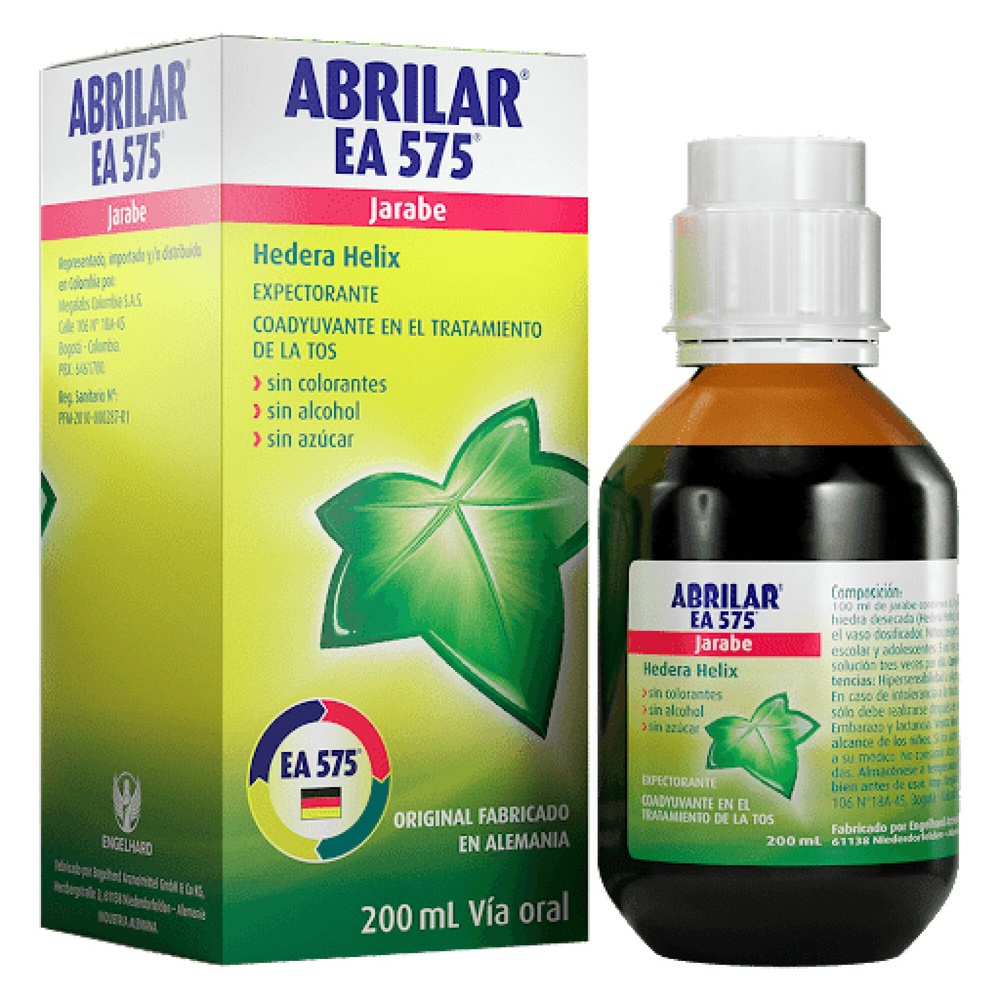
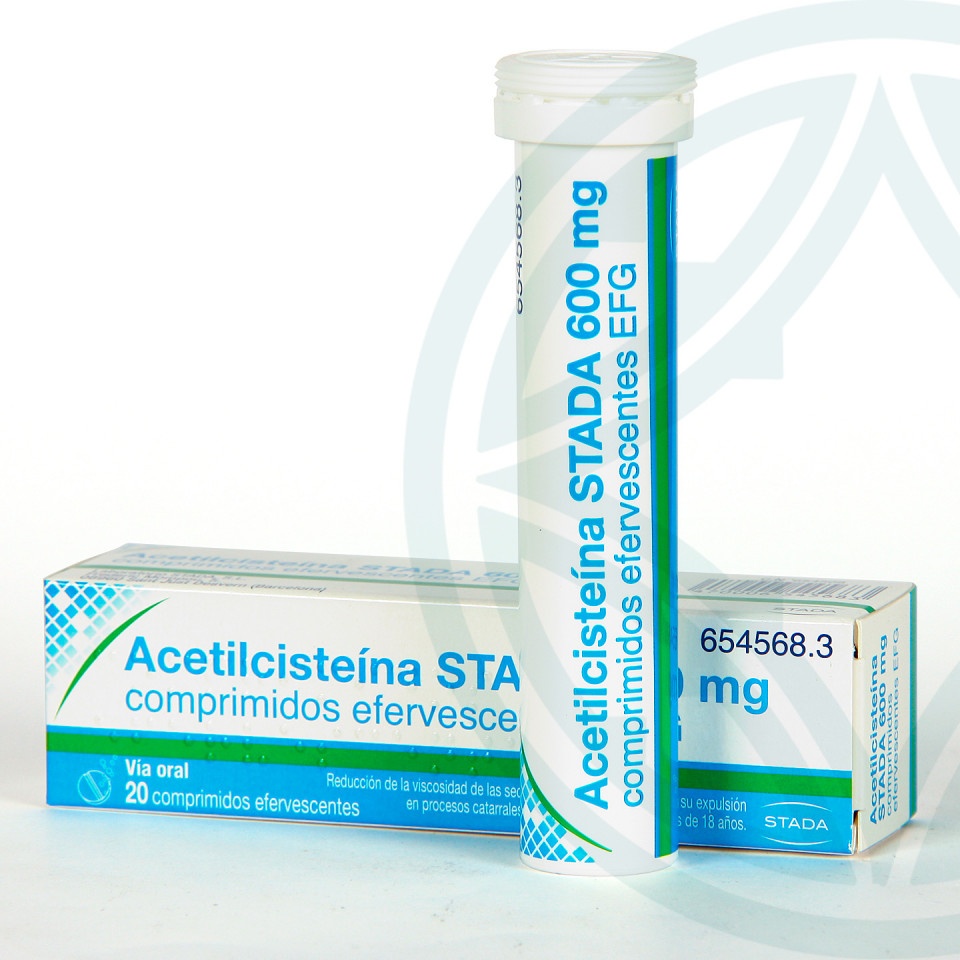
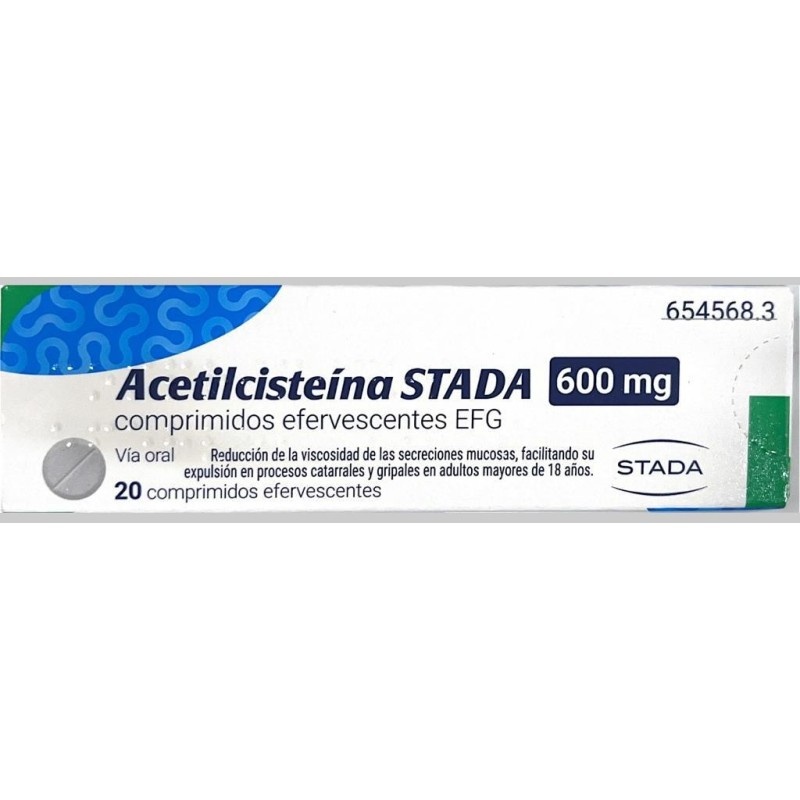
- Alternativas a PHARMAFREN 200 MG/30 MG CAPSULAS DURASForma farmacéutica: SOLUCIÓN/SUSPENSIÓN ORAL, 7 mg/mlPrincipio activo: Hederae helicis foliumFabricante: Engelhard Arzneimittel Gmbh & Co. KgNo requiere recetaForma farmacéutica: COMPRIMIDO EFERVESCENTE, 600 MGPrincipio activo: AcetilcisteinaFabricante: Kern Pharma S.L.No requiere recetaForma farmacéutica: COMPRIMIDO EFERVESCENTE, 600 mgPrincipio activo: AcetilcisteinaFabricante: Laboratorios Alter S.A.Requiere receta
Médicos online para PHARMAFREN 200 MG/30 MG CAPSULAS DURAS
Comenta la dosis, los posibles efectos secundarios, interacciones, contraindicaciones o la revisión de receta de PHARMAFREN 200 MG/30 MG CAPSULAS DURAS, sujeto a valoración médica y a la normativa local.











Preguntas frecuentes
