






Cómo usar PERINDOPRIL/INDAPAMIDA STADA 4 mg/1,25 mg COMPRIMIDOS EFG
Traducción generada por IA
Este contenido ha sido traducido automáticamente y se ofrece solo con fines informativos. No sustituye la consulta con un profesional sanitario.
Ver originalContenido del prospecto
Introducción
Prospecto: información para el paciente
Perindopril/Indapamida Stada 4 mg/1,25 mg comprimidos EFG
perindopril terbutilamina/indapamida
Lea todo el prospecto detenidamente antes de empezar a tomar este medicamento, porque contiene información importante para usted.
- Conserve este prospecto, ya que puede tener que volver a leerlo.
- Si tiene alguna duda, consulte a su médico o farmacéutico.
- Este medicamento se le ha recetado solamente a usted, y no debe dárselo a otras personas aunque tengan los mismos síntomas que usted, ya que puede perjudicarles.
- Si experimenta efectos adversos, consulte a su médico o farmacéutico, incluso si se trata de efectos adversos que no aparecen en este prospecto. Ver sección 4.
Contenido del prospecto
- Qué es Perindopril/Indapamida Stada y para qué se utiliza
- Qué necesita saber antes de empezar a tomar Perindopril/Indapamida Stada
- Cómo tomar Perindopril/Indapamida Stada
- Posibles efectos adversos
- Conservación de Perindopril/Indapamida Stada
- Contenido del envase e información adicional
1. Qué es Perindopril/Indapamida Stada y para qué se utiliza
Perindopril/Indapamida Stada es una asociación de perindopril e indapamida. Pertenecen al grupo de los medicamentos antihipertensivos, utilizados para el tratamiento de la presión sanguínea elevada.
Perindopril pertenece al grupo de medicamentos denominados inhibidores de la ECA. Actúan ensanchando los vasos sanguíneos, por lo que su corazón bombeará sangre más fácilmente a través de ellos.
La indapamida pertenece al grupo de medicamentos denominados diuréticos. Actúan permitiendo que el riñón produzca más orina de la normal.
Cada uno de los medicamentos actúa junto al otro para reducir la presión sanguínea y controlarla.

2. Qué necesita saber antes de empezar a tomar Perindopril/Indapamida Stada
NO tome Perindopril/Indapamida Stada
- si es alérgico al perindopril, a la indapamida o a cualquiera de los demás componentes de este medicamento (incluidos en la sección 6).
- si es alérgico a cualquier otro inhibidor del enzima conversor de angiotensina (ECA) o diurético (sulfonamidas).
- si ha experimentado hinchazón de la cara, labios, boca, lengua o garganta que puede causar dificultades para tragar o respirar, en una terapia previa con un inhibidor del ECA. Esta es una condición llamada edema angioneurótico (edema de Quincke).
- de manera alternativa, si usted o cualquier miembro de su familia ha tenido estos síntomas, informe a su médico lo antes posible.
- si sufre problemas cardíacos o está tomando medicamentos (ver “Otros medicamentos y Perindopril/Indapamida Stada”).
- si está embarazada de más de 3 meses (también es preferible evitar Perindopril/Indapamida Stada en los primeros meses de embarazo, ver “Embarazo y
 lactancia”).
- si está en periodo de lactancia (ver “Embarazo y lactancia”).
- si tiene insuficiencia renal o está en tratamiento con diálisis.
- si tiene diabetes o insuficiencia renal y le están tratando con un medicamento para bajar la presión arterial que contiene aliskiren.
- si tiene una alteración grave del hígado o sufre una condición llamada encefalopatía hepática (es una alteración del cerebro y del sistema nervioso causada por una alteración grave del hígado).
- si su médico le ha dicho que tiene unos niveles bajos o altos de potasio en sangre.
- si ha tomado o está tomando en este momento sacubitril/valsartán, un medicamento utilizado para tratar un tipo de insuficiencia cardíaca a largo plazo (crónica) en adultos, ya que el riesgo de angioedema (hinchazón rápida debajo de la piel en un área como la garganta) es elevado.
Advertencias y precauciones
Consulte a su médico o farmacéutico antes de empezar a tomar Perindopril/Indapamida Stada:
- si padece estenosis renal arterial bilateral (estrechamiento del principal vaso sanguíneo que se dirige al riñón) o un único riñón funcional.
- si tiene diabetes.
- si está siguiendo una dieta baja en sal o utiliza sustitutos de la sal que contengan potasio.
- si está tomando litio o diuréticos ahorradores de potasio (p.ej. espironolactona, triamtereno).
- si está tomando un medicamento que sea una combinación con un diurético ahorrador de potasio.
- si va a ser intervenido quirúrgicamente con anestesia general, dado que necesitará interrumpir el tratamiento algunos días antes.
- si padece aterosclerosis (una enfermedad de las arterias en las que los vasos sanguíneos se hacen gruesos y endurecen debido a depósitos de colesterol).
- si está sometido a una aféresis de LDL (eliminación del colesterol de su sangre mediante una máquina).
- si va a recibir un tratamiento de desensibilización para reducir los efectos de una alergia (p.ej. a las picaduras de abejas o avispas).
- si va a someterse a alguna prueba médica que requiera inyectar una sustancia que permite que órganos como el riñón o el estómago sean visibles con rayos-X (agente de contraste iodado).
- si tiene anemia (una condición en la que los glóbulos rojos de su organismo transportan menos oxígeno, algunos síntomas de la anemia son cansancio, dolor de cabeza, mareos).
- si tiene gota (una enfermedad en la que los cristales de ácido úrico provocan hinchazón de las articulaciones).
- si sufre una enfermedad del colágeno como un lupus eritematoso sistémico o escleroderma.
- debe informar a su médico si cree que está (o pudiera estar) embarazada. Perindopril/Indapamida Stada no está recomendado al inicio del embarazo, y no se debe tomar si está embarazada de más de 3 meses ya que puede causar graves daños a su bebé si se toma en ese periodo (ver “Embarazo y lactancia”).
- si está tomando alguno de los siguientes medicamentos utilizados para tratar la presión arterial alta (hipertensión):
- un antagonista de los receptores de angiotensina II (ARA) (también conocidos como “sartanes” - por ejemplo, valsartán, telmisartán, irbesartán), en particular si sufre problemas renales relacionados con la diabetes.
- aliskiren.
- si está tomando cualquiera de los siguientes medicamentos, el riesgo de angioedema (rápida hinchazón bajo la piel en zonas como la garganta) puede aumentar:
- racecadotrilo, un medicamento utilizado para tratar la diarrea
- medicamentos utilizados para prevenir el rechazo al trasplante de órganos y para el cáncer (p.ej., temsirolimus, sirolimus, everolimus).
- vildagliptina, un medicamento utilizado para tratar la diabetes
- si experimenta una disminución de la visión o dolor ocular, podrían ser síntomas de acumulación de líquido en la capa vascular del ojo (derrame coroideo) o un aumento de la presión en el ojo y se pueden producir en un plazo de entre unas horas y unas semanas después de tomar perindopril/indapamida. Esto puede conducir a una pérdida permanente de visión, si no se trata. Puede tener mayor riesgo a desarrollar esto, si con anterioridad usted ha tenido alergia a penicilina o a sulfonamidas.
Puede que su médico le controle la función renal, la presión arterial y los niveles de electrolitos en la sangre (p.ej., potasio), a intervalos regulares.
Ver también la información bajo el encabezado “No tome Perindopril/Indapamida Stada”.
Uso en deportistas
Este medicamento contiene indapamida que puede producir un resultado positivo en las pruebas de control de dopaje.
Otros medicamentos y Perindopril/Indapamida Stada
Informe a su médico o farmacéutico si está tomando, ha tomado recientemente o podría tener que tomar cualquier otro medicamento.
Debe evitar tomar Perindopril/Indapamida Stada con:
- litio
- suplementos de potasio (incluidos los sustitutos de la sal), diuréticos ahorradores de potasio (p.ej., espironolactona, triamtereno, solos o en combinación) y otros medicamentos que pueden aumentar la cantidad de potasio en sangre (p.ej., trimetoprima y cotrimoxazol para infecciones causadas por bacterias; ciclosporina, un medicamento inmunosupresor que se usa para prevenir el rechazo de trasplantes de órganos; y heparina, un medicamento que se usa para diluir la sangre para prevenir los coágulos).
- alopurinol (para el tratamiento de la gota)
- procainamida (para el tratamiento del ritmo cardiaco irregular)
- corticoesteroides sistémicos (utilizados para tratar diferentes trastornos incluyendo asma grave y artritis reumatoide)
- otros medicamentos utilizados para el tratamiento de la presión arterial elevada
Puede que su médico deba modificar su dosis y/o tomar precauciones:
Si está tomado un antagonista de los receptores de angiotensina II (ARA) o aliskiren (ver también la información bajo los encabezados “No tome Perindopril/Indapamida Stada” y “Advertencias y precauciones”).
- inmunosupresores utilizados para el tratamiento de trastornos autoinmunes o después de un trasplante para evitar un rechazo (p.ej. ciclosporina)
El tratamiento con Perindopril/Indapamida Stada puede verse afectado por otros medicamentos. Informe a su médico si está tomando cualquiera de los siguientes medicamentos, ya que puede precisar un cuidado especial:
- astemizol o terfenadina (antihistamínicos para la rinitis alérgica primaveral o alergias)
- bepridil (utilizado para el tratamiento de angina de pecho – una sensación de malestar en el pecho)
- eritromicina inyectable, moxifloxacino, esparfloxacino (antibióticos)
- halofantrina (utilizado para tratar algunos tipos de malaria)
- pentamidina (utilizado para el tratamiento de la neumonía, una grave infección pulmonar)
- vincamina (utilizado para el tratamiento de alteraciones cerebrales en ancianos)
- baclofeno (para el tratamiento de la rigidez muscular que sucede en enfermedades tales como la esclerosis múltiple)
- medicamentos para el tratamiento de la diabetes tales como la insulina o metformina, o sulfonamidas hipoglucemiantes
- antiinflamatorios no esteroideos (p.ej. ibuprofeno) o dosis altas de salicilatos (p.ej. ácido acetilsalicílico)
- medicamentos que reducen el potasio, p.ej. amfotericina B (inyectable, para el tratamiento de enfermedades graves por hongos), glucocorticoides y mineralocorticoides (vía sistémica), o estimulantes laxantes (p.ej. sen)
- diuréticos ahorradores de potasio (amilorida, espironolactona, triamtereno)
- diuréticos del asa o tiazídicos
- medicamentos para el tratamiento del ritmo cardíaco irregular como quinidina, hidroquinidina, disopiramida, amiodarona, bretilio, dofetilida, ibutilida y sotalol
- medicamentos para tratar problemas mentales tales como depresión, ansiedad, esquizofrenia (p.ej. antidepresivos tricíclicos y neurolépticos como clorpromazina, ciamemazina, levomepromazina, tioridazina, trifluoperazina, amisulprida, tiaprida, droperidol, haloperidol, pimozida)
- cisaprida, difemanil, mizolastina
- metadona
- sultoprida (usado en el tratamiento de trastornos psicóticos)
- tetracosactida (para el tratamiento de la enfermedad de Crohn)
- sales de calcio
- los medicamentos que más a menudo se utilizan para tratar la diarrea (racecadotrilo) o prevenir el rechazo de órganos trasplantados (sirolimus, everolimus, temsirolimus y otros medicamentos que pertenecen a la clase de los llamados inhibidores de mTOR). Véase la sección "Advertencias y precauciones".
Toma de Perindopril/Indapamida Stada con alimentos y bebidas
Se recomienda tomar Perindopril/Indapamida Stada por la mañana con el estómago vacío. Tragar los comprimidos con un vaso de agua.
Embarazo y lactancia
Si está embarazada o en periodo de lactancia, cree que podría estar embarazada o tiene intención de quedarse embarazada, consulte a su médico antes de utilizar este medicamento.
Embarazo
Debe informar a su médico si usted piensa que está (o pueda estar) embarazada. Su médico  normalmente le recomendará dejar de tomar Perindopril/Indapamida Stada antes de quedarse embarazada o tan pronto como sepa que está embarazada y le indicará que tome otro medicamento en lugar de Perindopril/Indapamida Stada.
Perindopril/Indapamida Stada no está recomendado al inicio del embarazo, y no debe tomarse después de los 3 primeros meses de embarazo, ya que puede dañar gravemente a su bebé si se toma después del tercer mes de embarazo.
Lactancia
Informe a su médico si va a empezar o si está en periodo de lactancia. Perindopril/Indapamida Stada no está recomendado en madres que están en periodo de lactancia, y su médico puede elegir otro tratamiento si usted desea realizar la lactancia materna, especialmente si su bebé es recién nacido o prematuro.
Conducción y uso de máquinas
Perindopril/Indapamida Stada tiene una influencia menor o moderada sobre la capacidad de conducir o usar máquinas. Este medicamento no modifica el estado de alerta, pero las reacciones relacionadas con la bajada de presión arterial pueden darse en ciertos pacientes. Puede causar mareos o debilidad. Su capacidad de conducir o usar máquinas puede verse afectada, por lo que debe tenerse precaución.
Perindopril/Indapamida Stada contiene lactosa
Si su médico le ha indicado que padece una intolerancia a ciertos azúcares, consulte con él antes de tomar este medicamento.
3. Cómo tomar Perindopril/Indapamida Stada
Siga exactamente las instrucciones de administración de este medicamento indicadas por su médico. En caso de duda, consulte de nuevo a su médico o farmacéutico. La dosis puede ser incrementada en función de su estado o de otros medicamentos que está tomando. Tome Perindopril/Indapamida Stada por vía oral únicamente.
La dosis recomendada es:
Presión sanguínea elevada:
Se recomienda la toma de un comprimido de Perindopril/Indapamida Stada 2 mg/0,625 mg por la mañana antes del desayuno. Si su presión sanguínea no queda controlada, su médico puede incrementar la dosis a un comprimido de Perindopril/Indapamida Stada 4 mg/1,25 mg al día.
En pacientes de edad avanzada con presión sanguínea elevada:
Se recomienda la toma de un comprimido de Perindopril/Indapamida Stada 2 mg/0,625 mg por la mañana antes del desayuno.
Si toma más Perindopril/Indapamida Stada del que debe
Si toma más Perindopril/Indapamida Stada del que debe o alguien ha tomado su medicamento, contacte inmediatamente con su médico o farmacéutico. El síntoma más frecuente en caso de sobredosis es la disminución de la tensión arterial, los síntomas pueden ser mareos, somnolencia o nauseas. Puede ayudar acostarse con las piernas levantadas.
En caso de sobredosis o ingestión accidental, consulte al Servicio de Información Toxicológica, teléfono 91 562 04 20, indicando el medicamento y la cantidad ingerida.
Si olvidó tomar Perindopril/Indapamida Stada
Tome la siguiente dosis a la hora habitual a no ser que sea la hora de la siguiente dosis. Tome su siguiente dosis a la hora habitual. No tome una dosis doble para compensar las dosis olvidadas.
Si interrumpe el tratamiento con Perindopril/Indapamida Stada
Si interrumpe el tratamiento con Perindopril/Indapamida Stada, informe a su médico lo antes posible. Normalmente el tratamiento para la presión arterial elevada es a largo plazo.
Si tiene cualquier otra duda sobre el uso de este medicamento, pregunte a su médico o farmacéutico.

4. Posibles efectos adversos
Al igual que todos los medicamentos, este medicamento puede producir efectos adversos, aunque no todas las personas los sufran.
Frecuentes (pueden afectar hasta 1 de cada 10 personas)
- tos seca
- boca seca
- estreñimiento
- náuseas
- dolor o malestar en el estómago
- pérdida de apetito
- pérdida del gusto
- bajo nivel de potasio en sangre
Poco frecuentes (pueden afectar hasta 1 de cada 100 personas)
- presión arterial baja
- dolor de cabeza
- sensación de mareo al levantarse
- mareos
- alteraciones del humor
- alteraciones del sueño
- reacción de hipersensibilidad (reacción alérgica)
- calambres
- parestesia (hipersensibilidad u hormigueos en manos y pies)
- depresión
- bajo nivel de sodio en sangre que puede provocar deshidratación y tensión arterial baja
- impotencia (incapacidad para tener o mantener una erección)
Raros (pueden afectar hasta 1 de cada 1.000 personas)
- niveles elevados de calcio en sangre
- empeoramiento de la psoriasis
- insuficiencia renal aguda
- disminución o ausencia de diuresis
- orina concentrada, sensación de malestar (náuseas) o de estar enfermo (vómitos), calambres musculares, confusión y convulsiones. Estos síntomas pueden ser de una enfermedad llamada SIADH (secreción inadecuada de hormona antidiurética).
- enrojecimiento facial
- bajo nivel de cloruro en sangre
- bajo nivel de magnesio en sangre
Muy raros (pueden afectar hasta 1 de cada 10.000 personas)
- trombocitopenia: bajos niveles de plaquetas en sangre. Los síntomas pueden incluir sangrado o moratones más fácil de lo normal.
- leucopenia o agranulocitosis: falta de glóbulos blancos. Los síntomas pueden incluir infecciones frecuentes como fiebre, escalofríos intensos, dolor de garganta o úlceras en la boca.
- anemia aplásica: un tipo raro de anemia con reducción de los glóbulos rojos, blancos y plaquetas.
- anemia hemolítica: enfermedad resultante de la destrucción de los glóbulos rojos.
- anemia en pacientes tras un trasplante de riñón o en hemodiálisis.
- pancreatitis: inflamación del páncreas en caso de insuficiencia hepática.
- encefalopatía hepática: daños del cerebro y del sistema nervioso relacionado con la complicación de una alteración del hígado.
No conocida (la frecuencia no puede estimarse a partir de los datos disponibles)
- cambio de color, entumecimiento y dolor en los dedos de las manos o los pies (enfermedad de Raynaud).
- disminución de la visión o dolor en los ojos debido a una presión elevada (signos posibles de acumulación de líquido en la capa vascular del ojo (derrame coroideo) o glaucoma agudo de ángulo cerrado)
Si tiene que realizarse un análisis de sangre, informe a su médico de que está tomando Perindopril/Indapamida Stada, ya que puede aparecer:
- niveles de potasio elevados
- niveles elevados de ácido úrico y glucosa
- niveles ligeramente elevados de creatinina y urea
Comunicación de efectos adversos:
Si experimenta cualquier tipo de efecto adverso, consulte a su médico o farmacéutico, incluso si se trata de posibles efectos adversos que no aparecen en este prospecto. También puede comunicarlos directamente a través del Sistema Español de Farmacovigilancia de Medicamentos de Uso Humano: https://www.notificaram.es. Mediante la comunicación de efectos adversos usted puede contribuir a proporcionar más información sobre la seguridad del medicamento.
5. Conservación de Perindopril/Indapamida Stada
Mantener este medicamento fuera de la vista y del alcance de los niños.
Blísteres de PVC/PVdC-Aluminio:
Conservar en el envase original para protegerlo de la humedad.
Cuando está cerrado, este medicamento no requiere ninguna temperatura especial de conservación.
Una vez se abre la bolsa protectora, los blísteres deben conservarse en el estuche a una temperatura inferior a 30ºC. Todos los comprimidos no utilizados deben desecharse 2 meses después de abrir la bolsa protectora.
Blísteres de Aluminio-Aluminio:
Conservar en el envase original para protegerlo de la humedad. Conservar por debajo de 30 ºC.
No utilice este medicamento después de la fecha de caducidad que aparece en el envase después de CAD. La fecha de caducidad es el último día del mes que se indica.
Los medicamentos no se deben tirar por los desagües ni a la basura. Deposite los envases y los medicamentos que no necesita en el Punto SIGRE de la farmacia. En caso de duda pregunte a su farmacéutico cómo deshacerse de los envases y de los medicamentos que no necesita. De esta forma ayudará a proteger el medio ambiente.
6. Contenido del envase e información adicional
Composición de Perindopril/Indapamida Stada
- Los principios activos son perindopril terbutilamina e indapamida. Cada comprimido contiene 4 mg de perindopril terbutilamina equivalentes a 3,338 mg de perindopril y 1,25 mg de indapamida.
- Los demás componentes son: lactosa monohidrato, estearato de magnesio, sílice hidrofóbica coloidal y celulosa microcristalina.
Aspecto del producto y contenido del envase
Comprimidos blancos, con forma de cápsula, grabados con “PI” en una cara.
Blísteres de PVC/PVdC-Aluminio:
Los comprimidos se presentan en blísteres de PVC/PVdC-Aluminio con una bolsa protectora de aluminio, incluyendo un desecante para proteger a los comprimidos de la humedad. No ingerir el desecante.
Blísteres de Aluminio/Aluminio:
Los comprimidos se presentan en blísteres de Aluminio/Aluminio envasados en un estuche de cartón.
Tamaños de envase: 30, 90 y 100
Puede que solamente estén comercializados algunos tamaños de envases.
Titular de la autorización de comercialización y responsable de la fabricación
Titular de la autorización de comercialización:
Laboratorio STADA, S.L.
Frederic Mompou, 5
08960 Sant Just Desvern (Barcelona)
España
Responsable de la fabricación:
STADA Arzneimittel AG
Stadastr. 2-18
D-61118 Bad Vilbel
Alemania
Este medicamento está autorizado en los estados miembros del EEE con los siguientes nombres:
Bulgaria: Pontea
España: Perindopril/Indapamida Stada 4 mg/1,25 mg comprimidos EFG
Holanda: Perindopril/Indapamide STADA 4/1,25 mg, tabletten
República Eslovaca: PerindostadKombi 4 mg/1,25 mg Tablety
Fecha de la última revisión de este prospecto: Marzo 2022
La información detallada y actualizada de este medicamento está disponible en la página web de la Agencia Española de Medicamentos y Productos Sanitarios (AEMPS) http://www.aemps.gob.es
-

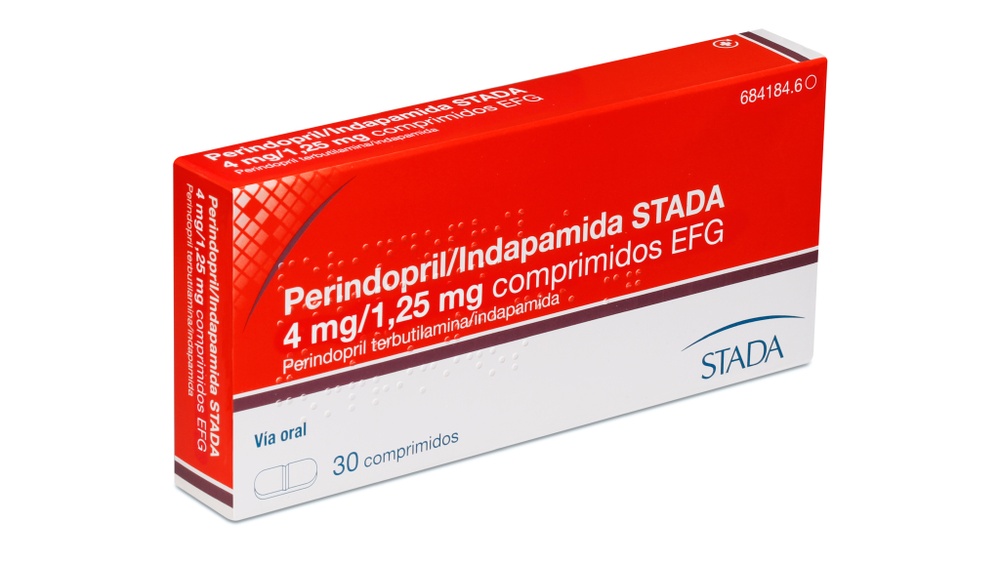
- País de registro
- Forma farmacéuticaCOMPRIMIDO, 4 mg/1,25 mg
- Código ATCC09BA04
- Precio medio en farmacia17.64 EUR
- Principio activo
- Requiere recetaSí
- Fabricante
- Esta información es de carácter general y no sustituye la consulta con un profesional sanitario.
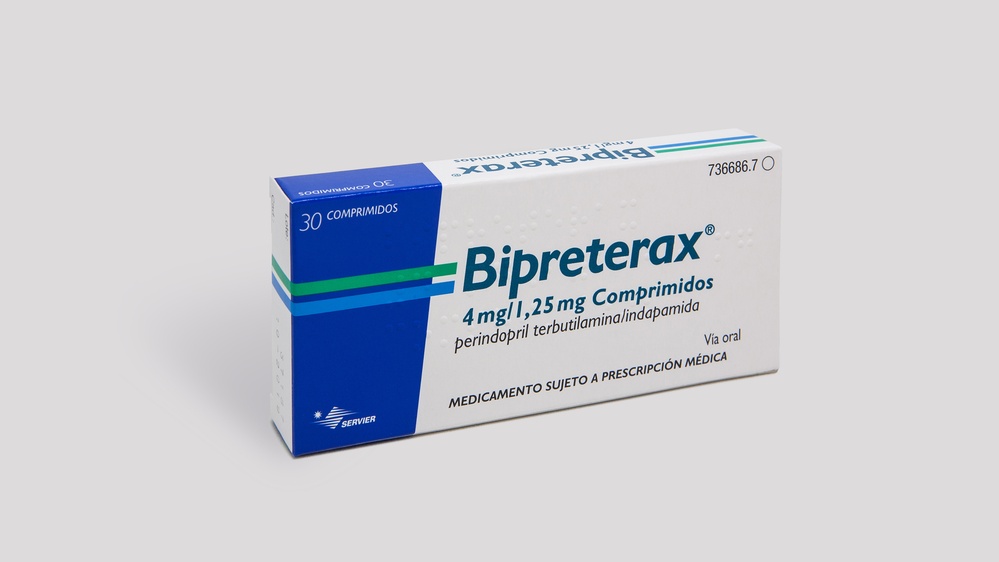
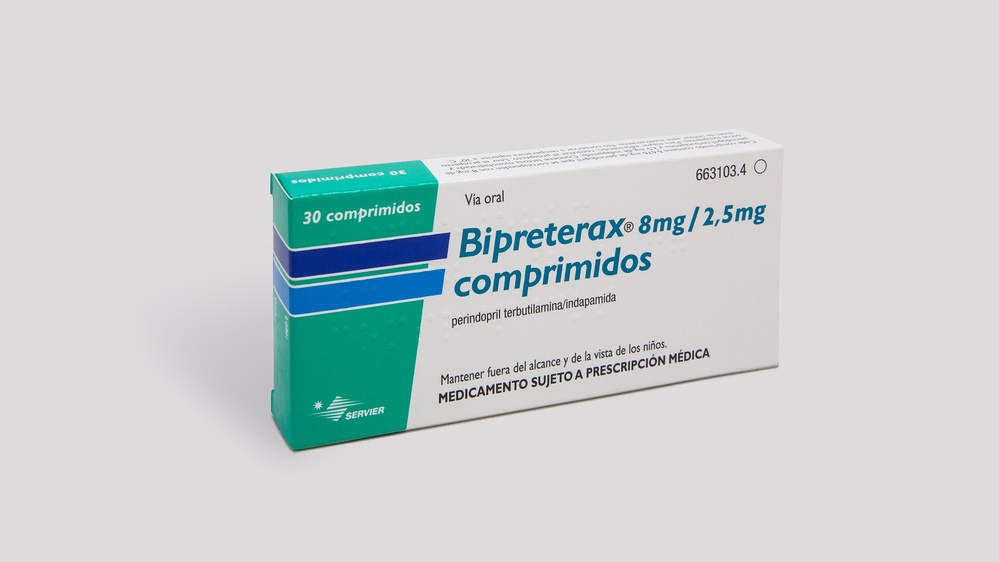
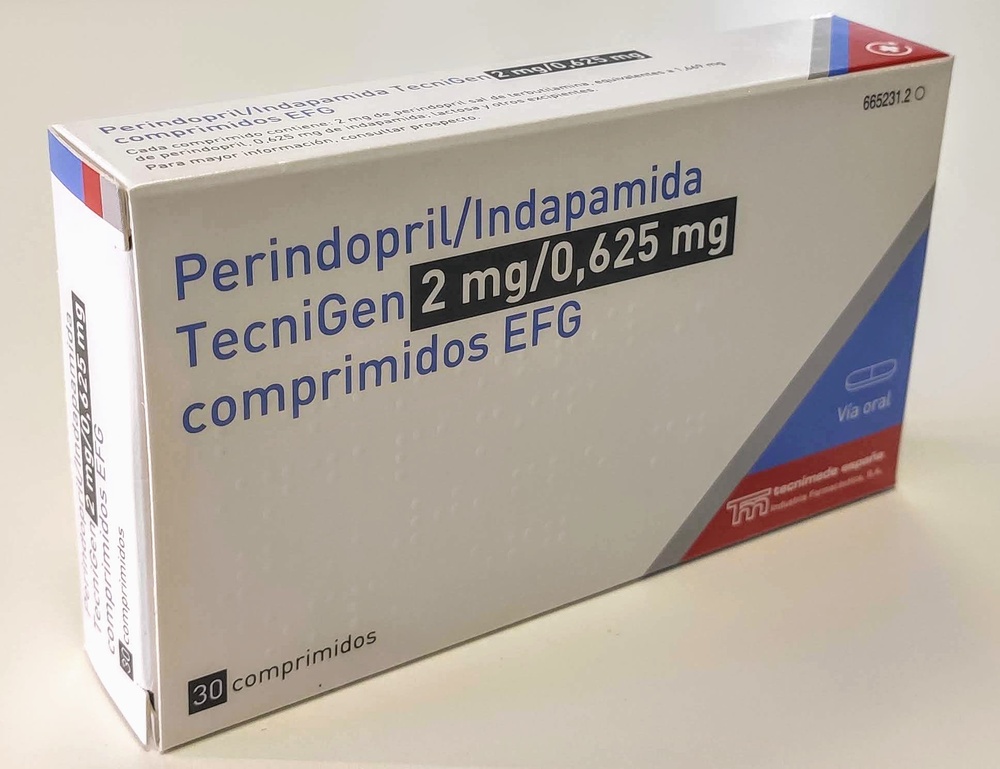
- Alternativas a PERINDOPRIL/INDAPAMIDA STADA 4 mg/1,25 mg COMPRIMIDOS EFGForma farmacéutica: COMPRIMIDO, 4 mg/1,25 mgPrincipio activo: perindopril and diureticsFabricante: Les Laboratoires ServierRequiere recetaForma farmacéutica: COMPRIMIDO, 8 mg/2,5 mgPrincipio activo: perindopril and diureticsFabricante: Les Laboratoires ServierRequiere recetaForma farmacéutica: COMPRIMIDO, 2 mg/0,625 mgPrincipio activo: perindopril and diureticsFabricante: Laboratorios Combix S.L.U.Requiere receta
Médicos online para PERINDOPRIL/INDAPAMIDA STADA 4 mg/1,25 mg COMPRIMIDOS EFG
Comenta la dosis, los posibles efectos secundarios, interacciones, contraindicaciones o la revisión de receta de PERINDOPRIL/INDAPAMIDA STADA 4 mg/1,25 mg COMPRIMIDOS EFG, sujeto a valoración médica y a la normativa local.



Obtén una receta de PERINDOPRIL/INDAPAMIDA STADA 4 mg/1,25 mg COMPRIMIDOS EFG online
Rellena un formulario de 2 minutos
Cuéntanos tus síntomas, historial y el medicamento que necesitas.
Elige un médico o nosotros te asignamos uno
Escoge un especialista o te conectamos con el próximo médico disponible.
El médico revisa tu caso
Normalmente en 30 minutos. Puede hacerte preguntas adicionales por chat.
Recógela en cualquier farmacia
Receta electrónica enviada a tu correo, válida en toda España.
Preguntas frecuentes
PERINDOPRIL/INDAPAMIDA STADA 4 mg/1,25 mg COMPRIMIDOS EFG requires receta en España. Puedes confirmarlo con un médico online según tu caso.
El principio activo de PERINDOPRIL/INDAPAMIDA STADA 4 mg/1,25 mg COMPRIMIDOS EFG es perindopril and diuretics. Esta información ayuda a identificar medicamentos con la misma composición pero con diferentes nombres comerciales.
El precio medio en farmacia de PERINDOPRIL/INDAPAMIDA STADA 4 mg/1,25 mg COMPRIMIDOS EFG es de aproximadamente 17.64 EUR. Puede variar según el fabricante y la forma farmacéutica.
PERINDOPRIL/INDAPAMIDA STADA 4 mg/1,25 mg COMPRIMIDOS EFG es fabricado por Laboratorio Stada S.L.. La marca y el envase pueden variar según el distribuidor.
Los Médicos de familia, Psiquiatras, Dermatólogos, Cardiólogos, Endocrinólogos, Gastroenterólogos, Neumólogos, Nefrólogos, Reumatólogos, Hematólogos, Infectólogos, Alergólogos, Geriatras, Pediatras, Oncólogos pueden valorar la prescripción de PERINDOPRIL/INDAPAMIDA STADA 4 mg/1,25 mg COMPRIMIDOS EFG cuando esté clínicamente indicado. Puedes reservar una videoconsulta para comentar tu caso y las opciones de tratamiento.
España cuenta con una infraestructura sanitaria bien desarrollada en ciudades principales como Madrid, Barcelona, Valencia y Sevilla. Las farmacias están ampliamente disponibles y operan bajo estrictas regulaciones, garantizando el acceso a medicamentos con receta.
Puedes comprar PERINDOPRIL/INDAPAMIDA STADA 4 mg/1,25 mg COMPRIMIDOS EFG en Madrid, Barcelona, Sevilla o Valencia en cualquier farmacia local con una receta válida.
Para obtener una receta, puedes utilizar Oladoctor:
Otros medicamentos con el mismo principio activo (perindopril and diuretics) incluyen BIPRETERAX 4 mg/1,25 mg COMPRIMIDOS, BIPRETERAX 8 mg/2,5 mg COMPRIMIDOS, PERINDOPRIL/INDAPAMIDA COMBIX 2 MG/0,625 MG COMPRIMIDOS EFG. Pueden tener diferentes nombres comerciales o formulaciones, pero contienen el mismo componente terapéutico. Consulta siempre con un médico antes de cambiar o iniciar un nuevo medicamento.
