






Cómo usar PENTASA 1 G SUSPENSION RECTAL
Traducción generada por IA
Este contenido ha sido traducido automáticamente y se ofrece solo con fines informativos. No sustituye la consulta con un profesional sanitario.
Ver originalContenido del prospecto
Introducción
Prospecto: información para elusuario
PENTASA1 gramosuspensiónrectal
Mesalazina
Lea todo el prospecto detenidamente antes de empezar a usareste medicamento, porque contiene información importante para usted.
- Conserve este prospecto, ya que puede tener que volver a leerlo.Si tiene alguna duda, consulte a su médico o farmacéutico.
- Este medicamento se le ha recetado solamente a usted, y no debe dárselo a otras personas aunque tengan los mismos síntomas que usted, ya que puede perjudicarles.
- Si experimenta efectos adversos, consulte a su médico o farmacéutico, incluso si se trata de efectos adversos que no aparecen en este prospecto.
Contenido del prospecto
- Qué es PENTASA suspensión rectal y para qué se utiliza
- Qué necesita saber antes de empezar a usar PENTASA suspensión rectal
- Cómo usar PENTASA suspensión rectal
- Posibles efectos adversos
- Conservación de PENTASA suspensión rectal
- Contenido del envase e información adicional
1. Qué es Pentasa suspensión rectal y para qué se utiliza
PENTASA suspensión rectal,está indicado para el tratamiento de la colitis ulcerosa localizada en recto y colon sigmoideo.
La colitis ulcerosa es una enfermedad inflamatoria intestinal en la que el revestimiento del intestino está inflamado y desarrolla muchas roturas diminutas en su superficie (úlceras) que pueden sangrar.
Pentasa contiene el principio activo mesalazina, pertenece al grupo de medicamentos llamados antiinflamatorios intestinales que ayudan a reducir la inflamación y los síntomas dolorosos.

2. Qué necesita saber antes de empezar a usar Pentasa suspensión rectal
No use PENTASA suspensión rectal:
- si es alérgico al principio activo o a cualquiera de los demás componentes de este medicamento (incluidos en la sección 6)
- si es alérgico a salicilatos por ejemplo aspirina
- si tiene problemas graves de riñón y/o hígado
Advertencias y precauciones
Consulte a su médico o farmacéutico antes de empezar a usar Pentasa suspensión rectal:
- si usted es alérgico a la sulfasalazina, (riesgo de alergias a salicilatos)
- si tiene actualmente o ha tenido deterioro de la función de hígado o de riñón
- si tiene una enfermedad que pueda hacerle propenso a sufrir hemorragias
- si esta con un tratamientoque pueda afectar a la función renal, por ejemplo fármacos antiinflamatorios no esteroideos (AINES), como la aspirina
- si tiene problemas respiratorios, en particular asma
- se deberá interrumpir el tratamiento inmediatamente en caso de síntomas agudos de intolerancia, por ejemplo calambres, dolor abdominal, fiebre, dolor de cabeza intenso y erupción.
- Pueden producirse cálculos renales con el uso de mesalazina. Los síntomas incluyen dolor en los lados del abdomen y presencia de sangre en la orina. Asegúrese de beber una cantidad suficiente de líquido durante el tratamiento con mesalazina.
- Si ha sufrido alguna vez un exantema cutáneo intenso o descamación de la piel, ampollas o llagas en la boca después de utilizar mesalazina
Mesalazina puede producir una decoloración de la orina de color rojo-marrón tras el contacto con lejía de hipoclorito de sodio en el agua del inodoro. Se trata de una reacción química entre mesalazina y la lejía y es inofensiva.
Tenga especial cuidado con la mesalazina:
Se han observado erupciones cutáneas graves, como reacción al medicamento con eosinofilia y síntomas sistémicos (DRESS), síndrome de Stevens-Johnson (SSJ) y necrólisis epidérmica tóxica (NET), con el tratamiento a base de mesalazina. Deje de tomar mesalazina y solicite atención médica inmediatamente si observa alguno de los síntomas relacionados con estas reacciones cutáneas graves descritos en la sección 4.
Si experimenta dolor de cabeza fuerte o recurrente, alteraciones de la visión o pitidos o zumbidos en los oídos contacte inmediatamente con su médico.
Mientras esté en tratamiento con este medicamento, su médico le realizará análisis de sangre y orina para controlar su función renal, especialmente al inicio del tratamiento.
Uso en niños:
Existe documentación limitada sobre el efecto en niños (6-18 años).
Uso en ancianos:
Se debe utilizar con cuidado en ancianos y solamente en pacientes con la función renal normal.
Uso de Pentasaconotros medicamentos:
Informe a su médico o farmacéutico si está utilizando o ha utilizado recientemente o podría tener que utilizar cualquier otro medicamento.
Esto es especialmente importante si usted está tomando cualquiera de los siguientes medicamentos:
- azatioprina (usado tras trasplantes o para tratar enfermedades autoinmunes)
- 6-mercaptopurina o tioguanina (quimioterápico, usado para tratar la leucemia)
- ciertos fármacos que inhiban la coagulación de la sangre (medicamentos para la trombosis o para fluidificar su sangre)
Pentasa1 gramosuspensión rectal con alimentos y bebidas
No procede.
Embarazo,lactanciay fertilidad
Si está embarazada o en periodo de lactancia, o cree que podría estar embarazada o tiene intención de quedarse embarazada, consulte a su médico o farmacéutico antes de utilizar este medicamento.
Existe una experiencia limitada con el uso de mesalazina durante el embarazo y la lactancia.
Se han observado alteraciones sanguíneas en recién nacidos de madres tratadas con este medicamento.
Los recién nacidos pueden desarrollar reacciones alérgicas tras la lactancia, por ejemplo, diarrea. En caso de que el recién nacido presente diarrea, se deberá interrumpir la lactancia.
Fertilidad:
Los datos de mesalazina en animales muestran que no tiene efecto sobre la fertilidad masculina o femenina
Conducción y uso de máquinas:
El tratamiento con Pentasa suspensión rectal no parece ejercer ninguna influencia en la capacidad de conducir y/o utilizar máquinas.

3. Cómo usar Pentasa 1 gramo suspensión rectal
Siga exactamente las instrucciones de administración de este medicamento indicadas por su médico. En caso de duda, consulte de nuevo a su médico o farmacéutico. Recuerde usar su medicamento.
Los envases de suspensión rectal están protegidos por una bolsa de aluminio y deben de ser utilizados inmediatamente después de su apertura.
Se recomienda evacuar antes de la administración de la suspensión rectal.
Instrucciones de uso
|
|
|
|
|
|
|
|
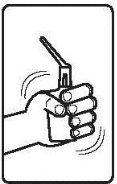
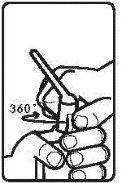
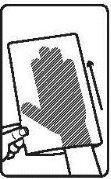
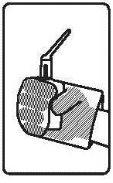
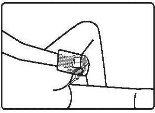
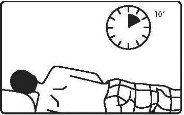
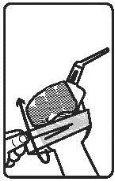
Nota. Se recomienda proteger la ropa de cama de un posible derrame ya que Pentasa suspensión rectal puede decolorar los tejidos. Si accidentalmente se derrama Pentasa suspensión rectal en el tejido, ponerlo inmediatamente en remojo.
La dosis recomendadaes:
Adultos: 1 envase de suspensión rectal de 100 mililitros (1 gramo) al acostarse durante 2-3 semanas. Se puede reducir la dosis dependiendo del peso corporal del paciente.
Niños (6-18 años): Existe poca experiencia y documentación limitada sobre el efecto en niños.
La dosificación deberá ajustarse en función de la respuesta del paciente.
Si usa más PENTASA suspensión rectal del que debe
No se han comunicado casos de sobredosis en humanos, pero si se sospecha una sobredosis se debe consultar al médico.
En caso de sobredosis ó ingestión accidental, consulte inmediatamente a su médico o farmacéutico o llame al Servicio de Información Toxicológica, teléfono: 91 562 04 20 indicando el medicamento y la cantidad ingerida.
Si interrumpe el tratamiento con Pentasasuspensión rectal
Su médico le indicará la duración de su tratamiento con Pentasa suspensión rectal. No suspenda el tratamiento antes aunque se encuentre mejor ya que los síntomas podrían volver a aparecer si termina el tratamiento demasiado pronto. Siga rigurosamente el tratamiento según las instrucciones de su médico en el tiempo de mantenimiento que establezca.
Si tiene cualquier otra duda sobre el uso de este producto, pregunte a su médico o farmacéutico.
4. Posibles efectos adversos
Al igual que todos los medicamentos, Pentasa suspensión rectal puede producir efectos adversos, aunque no todas las personas los sufran.
Efectos secundarios graves:
Se han notificado muy pocos casos de reacción alérgica grave (incluyendo erosiones cutáneas graves que pueden afectar a la piel como barrera protectora del cuerpo). La reacción alérgica podría dar lugar a la hinchazón de la cara y el cuello y/o dificultad para respirar o tragar (edema de Quincke). Si esto ocurriera contacte con su médico o servicio de urgencias inmediatamente.
Informe inmediatamente a su médico si experimenta dolor de cabeza fuerte o recurrente, alteraciones de la visión o pitidos o zumbidos en los oídos. Estos podrían ser síntomas de un aumento de la presión dentro de su cráneo (hipertensión intracraneal idiopática).
Deje de tomar mesalazina y solicite ayuda médica inmediatamente si presenta alguno de los siguientes síntomas:
- parches rojizos no elevados, o parches circulares o en forma de moneda en el tórax, con frecuencia con ampollas centrales, descamación de la piel, úlceras en la boca, garganta, nariz, genitales y ojos, erupción generalizada, fiebre y aumento de los ganglios linfáticos. Estas erupciones cutáneas graves van precedidas a menudo de fiebre o síntomas de tipo gripal.
Los siguientes efectos adversos frecuentesafectan entre 1 y 10 de cada 100 pacientes tratados:
- dolor de cabeza
- diarrea
- dolor abdominal
- náuseas
- vómitos
- erupción cutánea
- flatulencia (gases)
- reacciones locales como prurito, molestias rectales y urgencia de defecar
- Malestar anal e irritación en el lugar de administración, picor y sensación de necesidad de defecar.
Los siguientes efectos adversos raros,afectan entre 1 y 10 de cada 10.000 pacientes tratados:
- inflamación de algunas áreas del corazón (miocarditis y pericarditis) que pueden causar dificultad para respirar y dolor de pecho o palpitaciones (latidos del corazón rápidos o irregulares)
- inflamación del páncreas (incluye síntomas de dolor de espalda y/ o estómago) y aumento de la amilasa
- mareos
- mayor sensibilidad de la piel a la luz solar y ultravioleta (fotosensibilidad)
Los siguientes efectos adversos muy raros,afectan a menos de 1 de 10.000 pacientes tratados:
- eosinofilia (como parte de una reacción alérgica) y trastornos sanguíneos como reducción de los glóbulos rojos (anemia), de los glóbulos blancos (leucopenia), de las plaquetas (trombocitopenia), que pueden aumentar la probabilidad de tener infecciones o hemorragias.
- trastornos del hígado (hepatitis) caracterizado por síntomas que incluyen ictericia (amarillamiento de la piel y/o los ojos) y/ o heces blancas.
- trastornos del riñón de carácter inflamatorio (nefritis) que incluyen los siguientes signos y síntomas: sangre en la orina, edema (hinchazón debido al aumento de fluidos) y aumento de la tensión arterial
- neuropatía periférica (condición que afecta a los nervios de las manos y los pies incluyendo síntomas de cosquilleo y entumecimiento)
- reacciones alérgicas pulmonares y fibróticas (los síntomas incluyen tos, dificultad para respirar, broncoespasmo, flemas sangrantes y/o excesivas)
- pérdida de pelo (esta es reversible)
- dolor muscular o articular
- inflamación que puede afectar a varias partes del cuerpo como las articulaciones, piel, riñones, corazón, etc (los síntomas incluyen articulaciones doloridas, fatiga, fiebre, sangrado anormal o inexplicable (por ejemplo, sangrado de la nariz), contusión, coloración púrpura de la piel, manchas bajo la piel (incluyendo erosiones cutáneas graves y quemazón grave que pueden afectar a la piel como barrera protectora del cuerpo)
- semen con baja concentración de espermatozoides (oligospermia) (ésta es reversible)
- ocasionalmente pueden ocurrir reacciones alérgicas y fiebre
Frecuencia no conocida(no puede estimarse a partir de los datos disponibles)
- cálculos renales y dolor renal asociado (ver también sección 2)
- cambio de color de la orina
- Si experimenta dolor de cabeza fuerte o recurrente, alteraciones de la visión o pitidos o zumbidos en los oídos. Estos podrían ser síntomas de un aumento de la presión dentro de su cráneo (hipertensión intracraneal idiopática).
Algunas de estas reacciones adversas también pueden atribuirse a la enfermedad en si misma.
Si estos síntomas continúan o se vuelven más graves, consulte con su médico.
Comunicación de efectos adversos:
Si experimenta cualquier tipo de efecto adverso, consulte a su médico o farmacéutico, incluso si se trata de posibles efectos adversos que no aparecen en este prospecto. También puede comunicarlos directamente a través del Sistema Español de Farmacovigilancia de Medicamentos de Uso Humano: http;//www.notificaram.es. Mediante la comunicación de efectos adversos usted puede contribuir a proporcionar más información sobre la seguridad de este medicamento.
5. Conservación de Pentasa suspensión rectal
Mantener fuera de la vista y del alcance de los niños.
No conservar a temperatura superior a 25ºC. No refrigerar o congelar. Conservar en el envase original para protegerlo de la luz.
No utilice este medicamento después de la fecha de caducidad que aparece en el envase, después de “CAD”. La fecha de caducidad es el último día del mes que se indica.
Los medicamentos no se deben tirar por los desagües ni a la basura. Deposite los envases y los medicamentos que no necesita en el Punto SIGRE de la farmacia. En caso de duda pregunte a su farmacéutico cómo deshacerse de los envases y de los medicamentos que no necesita. De esta forma, ayudará a proteger el medio ambiente.
6. Contenido del envase e información adicional
Composición dePENTASA suspensión rectal:
- El principio activo es mesalazina.
-Los demás componentes son: edetato disódico, metabisulfito sódico (E-223), acetato sódico, ácido clorhídrico y agua purificada c.s.p. 100 mililitros.
Aspecto del producto y contenido del envase
PENTASA suspensión rectal es una suspensión blanca a ligeramente amarilla de 100 mililitros para administración rectal.
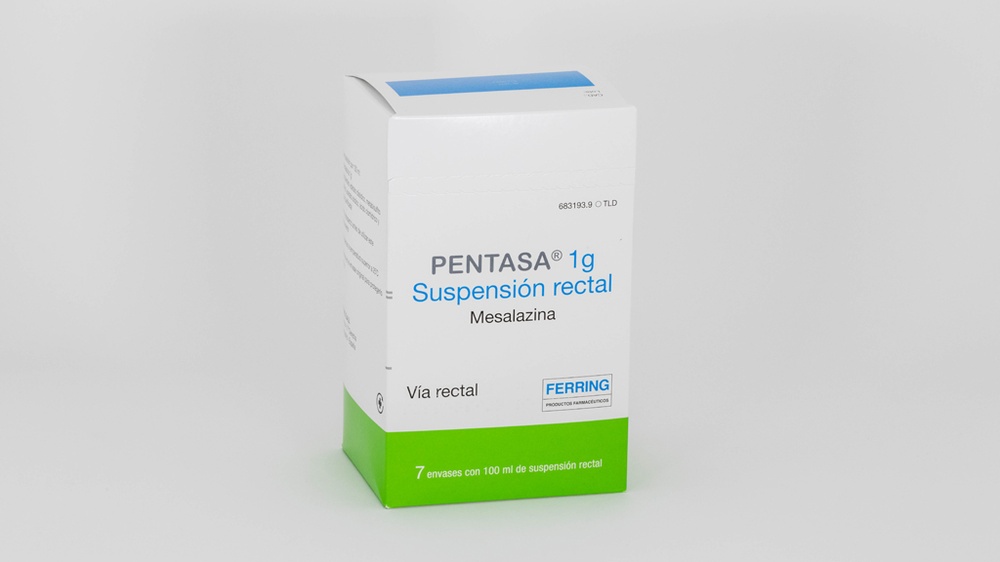
Cada caja contiene 7 envases de suspensión rectal de100 mililitros.
Titular de la autorización de comercialización y responsable de la fabricación
Titular de la autorización de comercialización
Ferring S.A.U
C/ del Arquitecto Sánchez Arcas nº3, 1º
28040 Madrid
España
Responsable de la fabricación:
Ferring Léciva a.s
Dirección: K Rybníku 475, 252 42
Jesenice cerca de Praga, República Checa
Fecha de la última revisión de este prospecto en enero 2025
La información detallada y actualizada de este medicamento está disponible en la página Web de la Agencia Española de Medicamentos y Productos Sanitarios (AEMPS) http://www.aemps.gob.es/
-

- País de registro
- Forma farmacéuticaLIQUIDO RECTAL, 1 g mesalazina/100 ml
- Código ATCA07EC02
- Principio activo
- Requiere recetaSí
- Fabricante
- Esta información es de carácter general y no sustituye la consulta con un profesional sanitario.
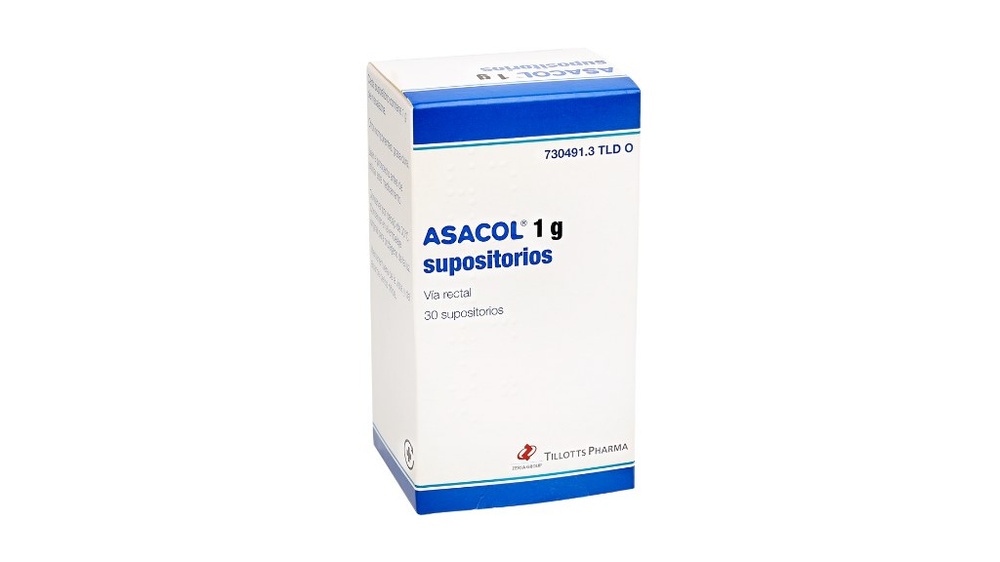
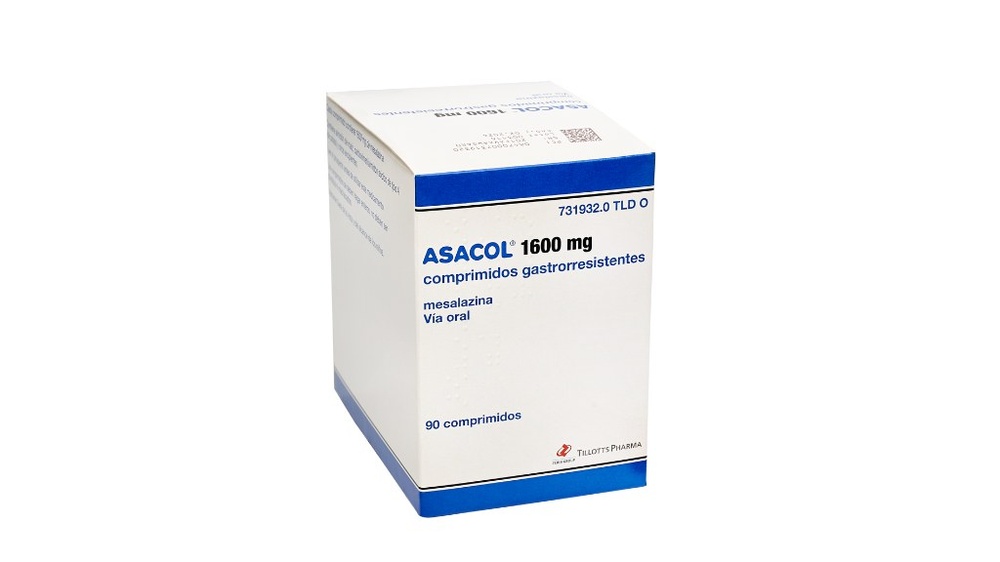
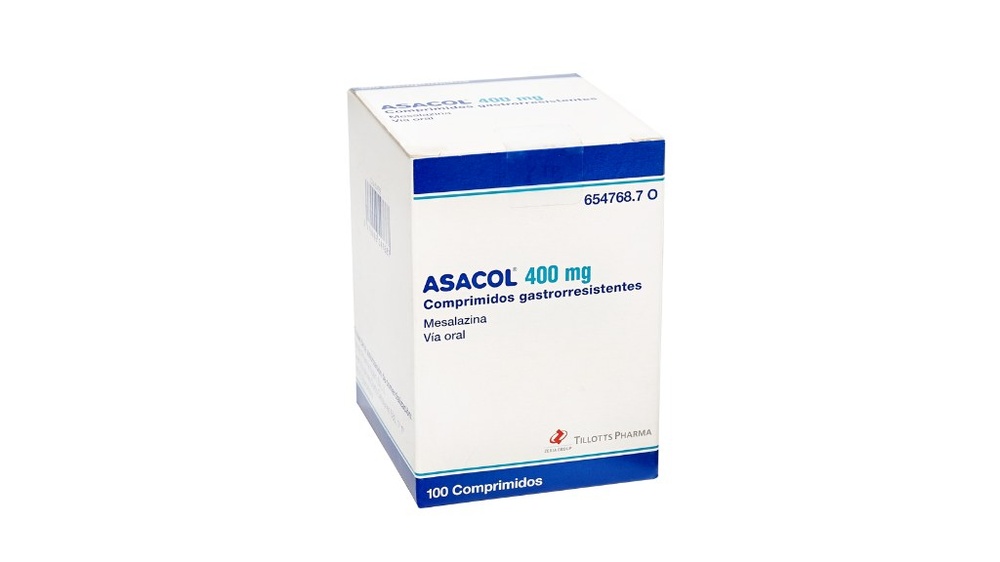
- Alternativas a PENTASA 1 G SUSPENSION RECTALForma farmacéutica: SUPOSITORIO, 1 gPrincipio activo: mesalazinaFabricante: Tillotts Pharma Spain S.L.U.Requiere recetaForma farmacéutica: COMPRIMIDO, 1600 mgPrincipio activo: mesalazinaFabricante: Tillotts Pharma Spain S.L.U.Requiere recetaForma farmacéutica: COMPRIMIDO, 400 mgPrincipio activo: mesalazinaFabricante: Tillotts Pharma Spain S.L.U.Requiere receta
Médicos online para PENTASA 1 G SUSPENSION RECTAL
Comenta la dosis, los posibles efectos secundarios, interacciones, contraindicaciones o la revisión de receta de PENTASA 1 G SUSPENSION RECTAL, sujeto a valoración médica y a la normativa local.









Obtén una receta de PENTASA 1 G SUSPENSION RECTAL online
Rellena un formulario de 2 minutos
Cuéntanos tus síntomas, historial y el medicamento que necesitas.
Elige un médico o nosotros te asignamos uno
Escoge un especialista o te conectamos con el próximo médico disponible.
El médico revisa tu caso
Normalmente en 30 minutos. Puede hacerte preguntas adicionales por chat.
Recógela en cualquier farmacia
Receta electrónica enviada a tu correo, válida en toda España.
Preguntas frecuentes
PENTASA 1 G SUSPENSION RECTAL requires receta en España. Puedes confirmarlo con un médico online según tu caso.
El principio activo de PENTASA 1 G SUSPENSION RECTAL es mesalazina. Esta información ayuda a identificar medicamentos con la misma composición pero con diferentes nombres comerciales.
PENTASA 1 G SUSPENSION RECTAL es fabricado por Ferring S.A.. La marca y el envase pueden variar según el distribuidor.
Los Médicos de familia, Psiquiatras, Dermatólogos, Cardiólogos, Endocrinólogos, Gastroenterólogos, Neumólogos, Nefrólogos, Reumatólogos, Hematólogos, Infectólogos, Alergólogos, Geriatras, Pediatras, Oncólogos pueden valorar la prescripción de PENTASA 1 G SUSPENSION RECTAL cuando esté clínicamente indicado. Puedes reservar una videoconsulta para comentar tu caso y las opciones de tratamiento.
España cuenta con una infraestructura sanitaria bien desarrollada en ciudades principales como Madrid, Barcelona, Valencia y Sevilla. Las farmacias están ampliamente disponibles y operan bajo estrictas regulaciones, garantizando el acceso a medicamentos con receta.
Puedes comprar PENTASA 1 G SUSPENSION RECTAL en Madrid, Barcelona, Sevilla o Valencia en cualquier farmacia local con una receta válida.
Para obtener una receta, puedes utilizar Oladoctor:
Otros medicamentos con el mismo principio activo (mesalazina) incluyen ASACOL 1 G SUPOSITORIOS, ASACOL 1.600 MG COMPRIMIDOS GASTRORRESISTENTES, ASACOL 400 mg COMPRIMIDOS GASTRORRESISTENTES. Pueden tener diferentes nombres comerciales o formulaciones, pero contienen el mismo componente terapéutico. Consulta siempre con un médico antes de cambiar o iniciar un nuevo medicamento.
