


Pagrentil 100 mg comprimidos de liberación prolongada

Revisión de receta online
Un médico revisará tu caso y determinará si la prescripción es médicamente apropiada.

Habla con un médico sobre este medicamento
Comenta tus síntomas y las opciones de tratamiento en una consulta online.



Cómo usar PAGRENTIL RETARD 100 MG COMPRIMIDOS DE LIBERACIÓN PROLONGADA EFG
Contenido del prospecto
- Introducción
- Qué es Tapentadol Retard Sandoz y para qué se utiliza
- Qué necesita saber antes de empezar a tomar Tapentadol Retard Sandoz
- Cómo tomar Tapentadol Retard Sandoz
- Posibles efectos adversos
- Conservación de Tapentadol Retard Sandoz
- Contenido del envase e información adicional
Introducción
Prospecto: información para el usuario
Pagrentil Retard 25 mg comprimidos de liberación prolongada EFG
Pagrentil Retard 50 mg comprimidos de liberación prolongada EFG
Pagrentil Retard 100 mg comprimidos de liberación prolongada EFG
Pagrentil Retard 150 mg comprimidos de liberación prolongada EFG
Pagrentil Retard 200 mg comprimidos de liberación prolongada EFG
Pagrentil Retard 250 mg comprimidos de liberación prolongada EFG
tapentadol
Lea todo el prospecto detenidamente antes de empezar a tomar este medicamento, porque contiene información importante para usted.
- Conserve este prospecto, ya que puede tener que volver a leerlo.
Si tiene alguna duda, consulte a su médico o farmacéutico.
- Este medicamento se le ha recetado solamente a usted, y no debe dárselo a otras personas aunque tengan los mismos síntomas que usted, ya que puede perjudicarles.
- Si experimenta efectos adversos, consulte a su médico o farmacéutico, incluso si se trata de efectos adversos que no aparecen en este prospecto. Ver sección 4.
Contenido del prospecto
- Qué es Pagrentil Retard y para qué se utiliza
- Qué necesita saber antes de empezar a tomar Pagrentil Retard
- Cómo tomar Pagrentil Retard
- Posibles efectos adversos
- Conservación de Pagrentil Retard
- Contenido del envase e información adicional
1. Qué es Tapentadol Retard Sandoz y para qué se utiliza
Tapentadol - el principio activo de Pagrentil Retard - es un analgésico potente que pertenece a la clase de los opioides. Pagrentil Retard se utiliza para el tratamiento del dolor crónico intenso en adultos que sólo se puede tratar adecuadamente con un analgésico opioide.

¿No estás seguro de si este medicamento es adecuado para ti?
Comenta tus síntomas y tratamiento con un médico online.
2. Qué necesita saber antes de empezar a tomar Tapentadol Retard Sandoz
No tome Pagrentil Retard:
- si es alérgico al tapentadol o a alguno de los demás componentes de este medicamento (incluidos en la sección 6),
- si tiene asma o si su respiración es lenta o poco profunda hasta niveles peligrosos (depresión respiratoria, hipercapnia),
- si tiene parálisis intestinal,
- si ha consumido alcohol, pastillas para dormir, otros analgésicos u otros medicamentos psicotrópicos (medicamentos que influyen en el estado de ánimo y en las emociones) a dosis elevadas (ver sección "Otros medicamentos y Pagrentil Retard”).
Advertencias y precauciones
Consulte a su médico o farmacéutico antes de empezar a tomar tapentadol:
- si su respiración es lenta o poco profunda,
- si tiene aumento de la presión cerebral o alteración de la consciencia hasta incluso el coma,
- si ha tenido un traumatismo craneal o tumores cerebrales,
- si tiene una enfermedad hepática o renal (ver sección “Cómo tomar Pagrentil Retard”),
- si tiene una enfermedad del páncreas o de las vías biliares, incluyendo pancreatitis,
- si está tomando medicamentos denominados agonistas/antagonistas opioides mixtos (p. ej.: pentazocina, nalbufina) o agonistas parciales de los receptores opioides µ (p. ej.: buprenorfina),
- si es propenso a padecer epilepsia o crisis convulsivas, o si está tomando otros medicamentos con riesgo conocido de aumentar las convulsiones, ya que el riesgo de estas crisis puede aumentar,
- si usted o algún miembro de su familia tiene antecendentes de abuso o dependencia al alcohol, medicamentos de prescripción médica o sustancias ilegales (“adicción”),
- si es fumador,
- si alguna vez ha tenido problemas con su estado de ánimo (depresión, ansiedad o trastorno de personalidad) o ha recibido tratamiento psiquiátrico por otras enfermedades mentales.
Este medicamento contiene tapentadol, un medicamento opioides. El uso repetido de analgésicos opioides puede restarle eficacia al medicamento (puede acostumbrarse a él). También puede conllevar dependencia y abuso, lo que puede dar lugar a una sobredosis potencialmente mortal. Es importante que informe a su médico si piensa que puede haber desarrollado dependencia a tapentadol. Su uso (incluso a dosis terapéuticas) puede provocar una dependencia física, lo que quizá provoque que sufra efectos de abstinencia y una reaparición de sus problemas si deja de tomar repentinamente este tratamiento farmacológico.
Tapentadol puede producir adicción a nivel físico y psicológico. Si tiene tendencia al abuso de medicamentos o tiene dependencia de medicamentos, debe tomar estos comprimidos únicamente durante cortos periodos de tiempo bajo una supervisión médica estricta.
Trastornos respiratorios relacionados con el sueño
Tapentadol puede causar trastornos respiratorios relacionados con el sueño, como apnea del sueño (pausa de la respiración durante el sueño) e hipoxemia relacionada con el sueño (bajo nivel de oxígeno en sangre). Los síntomas pueden incluir pausas en la respiración durante el sueño, despertares nocturnos debido a la dificultad para respirar, dificultades para mantener el sueño o somnolencia excesiva durante el día. Si usted u otra persona observa estos síntomas, consulte con su médico. Su médico puede considerar disminuir la dosis.
Otros medicamentos y Pagrentil Retard
Informe a su médico o farmacéutico si está tomando, ha tomado recientemente o pudiera tener que tomar cualquier otro medicamento.
- El riesgo de efectos adversos aumenta si está tomando medicamentos que puedan provocar crisis convulsivas (ataques), como es el caso de ciertos antidepresivos o antipsicóticos. El riesgo de crisis convulsivas aumenta si toma tapentadol de forma simultánea a estos medicamentos. Su médico le dirá si tapentadol es adecuado para usted.
- El uso concomitante de tapentadol y medicamentos sedantes como las benzodiacepinas o medicamentos relacionados (ciertos medicamentos para dormir o tranquilizantes (p. ej.: barbitúricos) o analgésicos como los opioides, la morfina y la codeína (también como medicamento para la tos), antipsicóticos, antihistamínicos-H1, alcohol), aumenta el riesgo de somnolencia, dificultades respiratorias (depresión respiratoria), coma y pueden poner en peligro la vida del paciente. Debido a esto, solo se debe considerar el uso concomitante cuando no sean posibles otras opciones de tratamiento.
No obstante, si su médico le receta tapentadol con medicamentos sedantes, deberá limitar la dosis y la duración del tratamiento concomitante.
El uso concomitante de opioides y medicamentos utilizados para tratar la epilepsia, el dolor neuropático o la ansiedad (gabapentina y pregabalina) aumenta el riesgo de sobredosis por opioides, depresión respiratoria y puede ser potencialmente mortal.
Informe a su médico si está tomando gabapentina o pregabalina, o cualquier otro medicamento sedante, y siga de forma rigurosa la recomendación de dosis de su médico. Puede ser útil informar a sus amigos y familiares sobre los signos y síntomas indicados anteriormente. Informe a su médico si experimenta alguno de estos síntomas.
- Si está tomando un tipo de medicamento que afecta los niveles de serotonina (p. ej.; ciertos medicamentos para tratar la depresión), hable con su médico antes de tomar tapentadol ya que ha habido casos de "síndrome serotoninérgico". El síndrome serotoninérgico es un trastorno raro, pero potencialmente mortal. Los síntomas incluyen contracciones involuntarias rítmicas de los músculos, incluyendo los músculos que controlan el movimiento del ojo, agitación, sudoración excesiva, temblores, reflejos exagerados, aumento de la tensión muscular y temperatura corporal por encima de 38 ºC. Su médico le puede dar información adicional.
- No se ha estudiado la administración conjunta de tapentadol con otros tipos de medicamentos denominados agonistas/antagonistas mixtos de los receptores opioides-µ (p. ej.; pentazocina, nalbufina) ni con agonistas parciales de los opioides-µ (p. ej.; buprenorfina). Es posible que tapentadol no tenga la misma eficacia si se administra junto con a uno de estos medicamentos. Informe a su médico si está siendo tratado actualmente con uno de estos medicamentos.
- La administración de tapentadol junto con inhibidores o inductores potentes (p. ej.; rifampicina, fenobarbital, hierba de San Juan) de determinadas enzimas que son necesarias para eliminar el tapentadol de su cuerpo, puede influir en la eficacia de tapentadol o puede causar efectos adversos, especialmente cuando se inicia o se suspende este otro tipo de medicación. Mantenga a su médico informado sobre todos los medicamentos que esté tomando.
- Tapentadol no debe tomarse junto con inhibidores de la MAO (un tipo de medicamentos para el tratamiento de la depresión). Informe a su médico si está tomando inhibidores de la MAO o si los ha tomado en los últimos 14 días.
Toma de Pagrentil Retard con alimentos, bebidas y alcohol
No consuma alcohol mientras esté tomando tapentadol, porque algunos de sus efectos adversos, como la somnolencia, pueden aumentar. Los alimentos no influyen en el efecto de este medicamento.
Embarazo y lactancia
Si está embarazada o en periodo de lactancia, cree que podría estar embarazada o tiene intención de quedarse embarazada, consulte a su médico o farmacéutico antes de utilizar este medicamento.
No tome este medicamento:
- si está embarazada, a menos que su médico se lo haya indicado. Si se utiliza durante periodos prolongados durante el embarazo, tapentadol puede provocar síntomas de abstinencia en el recién nacido, lo cual puede poner en peligro la vida del recién nacido si no es detectado y tratado por un médico.
- durante la lactancia, porque se puede excretar en la leche materna.
El uso de tapentadol no está recomendado
- durante el parto, porque puede producir respiración lenta o poco profunda hasta niveles peligrosos (depresión respiratoria) en el recién nacido.
Conducción y uso de máquinas
Tapentadol puede producir somnolencia, mareo y visión borrosa, y puede alterar su capacidad de reacción. Esto puede ocurrir en especial al inicio del tratamiento con tapentadol, tras un cambio de dosis, o cuando beba alcohol o tranquilizantes. Pregunte a su médico si puede conducir o utilizar máquinas durante el tratamiento con tapentadol.
3. Cómo tomar Tapentadol Retard Sandoz
Siga exactamente las instrucciones de administración de este medicamento indicadas por su médico o farmacéutico. En caso de duda, consulte de nuevo a su médico o farmacéutico.
Su médico ajustará la dosis en función de la intensidad de su dolor y de su nivel personal de sensibilidad al dolor. Por lo general se debe tomar la dosis mínima eficaz para aliviar el dolor.
Adultos
La dosis inicial recomendada es de 50 mg dos veces al día, aproximadamente cada 12 horas.
No se recomiendan dosis diarias totales de tapentadol superiores a 500 mg.
Puede que su médico le prescriba una dosis o una pauta posológica diferente y más adecuada si es necesario. Si cree que el efecto de estos comprimidos es demasiado fuerte o demasiado débil, consulte a su médico o farmacéutico.
Pacientes de edad avanzada
En los pacientes de edad avanzada (de más de 65 años de edad) habitualmente no es necesario ajustar la dosis. No obstante, la eliminación de tapentadol puede retrasarse en determinados pacientes de este grupo de edad. Si esto le sucede, puede que su médico le prescriba una pauta posológica diferente.
Enfermedades del hígado y del riñón (insuficiencia hepática y renal)
Los pacientes con problemas hepáticos graves no deben tomar estos comprimidos. Si tiene problemas hepáticos moderados, su médico le prescribirá una pauta posológica diferente. En caso de problemas hepáticos leves no es necesario ajustar la dosis.
Los pacientes con problemas renales graves no deben tomar estos comprimidos. En caso de problemas renales leves o moderados no es necesario ajustar la dosis.
Uso en niños y adolescentes
Tapentadol no está indicado en niños y adolescentes menores de 18 años de edad.
Cómo y cuándo tomar Pagrentil Retard
Tapentadol se debe tomar por vía oral.
Trague siempre el comprimido entero con una cantidad de líquido suficiente. No lo mastique, ni lo triture - esto podría conducir a una sobredosis porque el principio activo se liberará en su cuerpo demasiado deprisa. Puede tomar los comprimidos en ayunas (con el estómago vacío) o con las comidas.
El comprimido se puede dividir en dosis iguales.
El recubrimiento del comprimido puede que no se digiera completamente y por lo tanto, aparecer en heces. Esto no debe preocuparle, ya que el principio activo del comprimido ya se habrá absorbido en su cuerpo y lo que ve es únicamente el recubrimiento vacío.
Instrucciones para la apertura del blíster
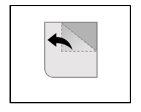
Este medicamento se envasa en blísteres unidosis precortados a prueba de niños. No puede presionar el comprimido a través del blíster. Tenga en cuenta las instrucciones de apertura del blíster que se muestran a continuación:
- Rasgue una dosis unitaria a lo largo de la línea de perforación del blíster.
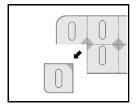
- En la dosis unitaria, se puede acceder a un área sin sellar que está localizada en la posición en la que las líneas de perforación se cruzaban.

- Tire del área sin sellar para retirar la cubierta.
Durante cuánto tiempo debe tomar Pagrentil Retard
No tome los comprimidos durante más tiempo del que le ha indicado su médico.
Si toma más Pagrentil Retard del que debe
Después de tomar dosis muy altas, puede presentar alguno de los siguientes efectos:
- pupilas muy reducidas,
- vómitos,
- disminución de la presión arterial,
- ritmo cardíaco acelerado,
- desmayo, alteración de la consciencia o coma (pérdida profunda de la consciencia),
- crisis epilépticas,
- respiración lenta o poco profunda hasta niveles peligrosos o parada respiratoria.
Si le sucede alguno de estos efectos, contacte con un médico inmediatamente.
En caso de sobredosis o ingestión accidental consulte inmediatamente a su médico o farmacéutico o llame al Servicio de Información Toxicológica, teléfono: 91 562 04 20, indicando el medicamento y la cantidad ingerida.
Si olvidó tomar Pagrentil Retard
Si olvida tomar los comprimidos, es probable que vuelva a sentir dolor. No tome una dosis doble para compensar las dosis olvidadas, simplemente continúe tomando los comprimidos como antes.
Si interrumpe el tratamiento con Pagrentil Retard
Si interrumpe o deja el tratamiento demasiado pronto, es probable que vuelva a sentir dolor. Si desea interrumpir el tratamiento, consulte a su médico antes de hacerlo.
Generalmente los pacientes no presentan ningún efecto adverso después de interrumpir el tratamiento pero, en raras ocasiones, personas que han tomado los comprimidos durante bastante tiempo se sienten mal si dejan de tomarlos de repente.
Los síntomas pueden ser:
- inquietud, ojos llorosos, moqueo nasal, bostezos, sudoración, escalofríos, dolor muscular y pupilas dilatadas,
- irritabilidad, ansiedad, dolor de espalda, dolor articular, debilidad, calambres abdominales, dificultades para dormir, náuseas, pérdida del apetito, vómitos, diarrea y aumentos de la presión arterial, la frecuencia respiratoria o la frecuencia cardíaca.
Si presenta alguno de estos síntomas después de interrumpir el tratamiento, consulte a su médico.
No debe dejar de tomar bruscamente este medicamento, salvo que su médico así se lo indique. Si su médico quiere que deje de tomar estos comprimidos, le indicará cómo debe hacerlo, lo cual podría implicar una reducción gradual de la dosis.
Si tiene cualquier otra duda sobre el uso de este medicamento, pregunte a su médico o farmacéutico.

¿Has empezado a tomar el medicamento y tienes preguntas?
Comenta tus síntomas y tratamiento con un médico online.
4. Posibles efectos adversos
Al igual que todos los medicamentos, este medicamento puede producir efectos adversos, aunque no todas las personas los sufran.
Efectos adversos o síntomas importantes a los que estar atento y qué hacer si usted está afectado por los mismos:
- Este medicamento puede causar reacciones alérgicas. Los síntomas pueden consistir en respiración sibilante (especie de silbido al respirar), dificultad para respirar, inflamación de los párpados, cara o labios, erupción cutánea o picor, especialmente si afectan a todo el cuerpo.
- Otro efecto adverso grave consiste en respirar más despacio o más débilmente de lo normal. Ocurre mayoritariamente en pacientes de edad avanzada o en pacientes debilitados.
Si presenta alguno de estos importantes síntomas consulte a su médico inmediatamente.
Otros efectos adversos que se pueden presentar:
Muy frecuentes(pueden afectar a más de 1 de cada 10 personas)
- náuseas, estreñimiento,
- mareos, somnolencia, cefalea.
Frecuentes(pueden afectar hasta 1 de cada 10 personas)
- disminución del apetito, ansiedad, estado de ánimo deprimido, dificultades para dormir, nerviosismo, inquietud, alteraciones en la atención,
- temblores, tics musculares,
- sofocos,
- falta de aliento,
- vómitos, diarrea, mala digestión,
- picores, aumento de la sudoración, erupciones cutáneas,
- sensación de debilidad, cansancio, sensación de cambio en la temperatura corporal, sequedad de las mucosas, acumulación de agua en los tejidos (edema).
Poco frecuentes(pueden afectar hasta 1 de cada 100 personas)
- reacción alérgica a medicamentos (incluyendo hinchazón bajo la piel, urticaria y en casos graves dificultad para respirar, disminución de la presión arterial, colapso o shock),
- pérdida de peso,
- desorientación, confusión, excitabilidad (agitación), alteraciones de la percepción, alteraciones del sueño, estado de ánimo eufórico, depresión del nivel de consciencia, deterioro de la memoria, deterioro mental,
- desvanecimiento, sedación, trastornos del equilibrio, dificultades para hablar, entumecimiento, sensaciones anormales en la piel (p. ej.: hormigueo, picor),
- alteración de la visión,
- latidos cardíacos acelerados, latidos cardíacos lentos, palpitaciones, disminución de la presión arterial,
- malestar abdominal,
- urticaria,
- retraso en el paso de la orina, orinar frecuentemente,
- disfunción sexual,
- síndrome de abstinencia a medicamentos (ver sección “Si interrumpe el tratamiento con Pagrentil Retard”), sensación de malestar, irritabilidad.
Raros(pueden afectar hasta 1 de cada 1 000 personas)
- dependencia al medicamento, alteración del pensamiento, crisis epilépticas, sensación de estar a punto de desmayarse, coordinación alterada,
- respiración lenta o poco profunda hasta niveles peligrosos (depresión respiratoria),
- alteración del vaciado gástrico,
- sensación de embriaguez, sensación de relajación.
Frecuencia no conocida(no puede estimarse a partir de los datos disponibles)
- delirio.
En general, la posibilidad de tener pensamientos y comportamientos suicidas aumenta en pacientes con dolor crónico. Además, algunos medicamentos para tratar la depresión (con impacto en el sistema neurotransmisor del cerebro) pueden aumentar ese riesgo, especialmente al inicio del tratamiento. Aunque tapentadol también afecte a los neurotransmisores, a través de la experiencia en pacientes no se ha probado que aumente este riesgo.
Comunicación de efectos adversos
Si experimenta cualquier tipo de efecto adverso, consulte a su médico o farmacéutico, incluso si se trata de posibles efectos adversos que no aparecen en este prospecto. También puede comunicarlos directamente a través del Sistema Español de Farmacovigilancia de medicamentos de Uso Humano: https://www.notificaram.es. Mediante la comunicación de efectos adversos usted puede contribuir a proporcionar más información sobre la seguridad de este medicamento.
5. Conservación de Tapentadol Retard Sandoz
Mantener este medicamento fuera de la vista y del alcance de los niños.
No utilice este medicamento después de la fecha de caducidad que aparece en la caja y el blíster después de CAD/EXP. La fecha de caducidad es el último día del mes que se indica.
Este medicamento no requiere condiciones especiales de conservación.
Los medicamentos no se deben tirar por los desagües ni a la basura. Deposite los envases y los
medicamentos que no necesita en el Punto SIGRE de la farmacia. En caso de duda pregunte a su farmacéutico cómo deshacerse de los envases y de los medicamentos que no necesita. De esta forma, ayudará a proteger el medio ambiente.
6. Contenido del envase e información adicional
Composición de Pagrentil Retard
- El principio activo es tapentadol.
Pagrentil Retard 25 mg
Cada comprimido de liberación prolongada contiene fosfato de tapentadol equivalente a 25 mg de tapentadol.
Pagrentil Retard 50 mg
Cada comprimido de liberación prolongada contiene fosfato de tapentadol equivalente a 50 mg de tapentadol.
Pagrentil Retard 100 mg
Cada comprimido de liberación prolongada contiene fosfato de tapentadol equivalente a 100 mg de tapentadol.
Pagrentil Retard 150 mg
Cada comprimido de liberación prolongada contiene fosfato de tapentadol equivalente a 150 mg de tapentadol.
Pagrentil Retard 200 mg
Cada comprimido de liberación prolongada contiene fosfato de tapentadol equivalente a 200 mg de tapentadol.
Pagrentil Retard 250 mg
Cada comprimido de liberación prolongada contiene fosfato de tapentadol equivalente a 250 mg de tapentadol.
- Los demás componentes son:
Núcleo del comprimido:celulosa microcristalina (E460), hipromelosa (E464), sílice coloidal anhidra (E551), estearato de magnesio.
Recubrimiento del comprimido:hipromelosa (E464), glicerol (E422), talco (E553b), celulosa microcristalina (E460), dióxido de titanio (E171), óxido de hierro rojo (E172) (únicamente las dosis de 25, 100, 150, 200 y 250 mg) , óxido de hierro amarillo (E172) (únicamente las dosis de 25, 100 y 200 mg), óxido de hierro negro (E172) (únicamente las dosis de 25, 100, 150, 200 y 250 mg).
Aspecto del producto y contenido del envase
Pagrentil Retard 25 mg son comprimidos de liberación prolongada oblongos, biconvexos (6 mm x 12 mm), de color marrón, con líneas ranuradas en ambas caras.
El comprimido se puede dividir en dosis iguales.
Pagrentil Retard 50 mg son comprimidos de liberación prolongada oblongos, biconvexos (6 mm x 13 mm), de color blanco, con líneas ranuradas en ambas caras.
El comprimido se puede dividir en dosis iguales.
Pagrentil Retard 100 mg son comprimidos de liberación prolongada oblongos, biconvexos (7 mm x 14 mm), de color amarillento, con líneas ranuradas en ambas caras.
El comprimido se puede dividir en dosis iguales.
Pagrentil Retard 150 mg son comprimidos de liberación prolongada oblongos, biconvexos (7 mm x 15 mm), de color rojizo brillante, con líneas ranuradas en ambas caras.
El comprimido se puede dividir en dosis iguales.
Pagrentil Retard 200 mg son comprimidos de liberación prolongada oblongos, biconvexos (8 mm x 16 mm), de color amarillo, con líneas ranuradas en ambas caras.
El comprimido se puede dividir en dosis iguales.
Pagrentil Retard 250 mg son comprimidos de liberación prolongada oblongos, biconvexos (9 mm x 18 mm), de color marrón rojizo, con líneas ranuradas en ambas caras.
El comprimido se puede dividir en dosis iguales.
Pagrentil Retard se presenta los siguientes tamaños de envases:
Pagrentil Retard 25 mg
Blíster unidosis precortados a prueba de niños de 20, 30, 40, 50, 54, 60 o 100 (envase clínico) comprimidos de liberación prolongada.
Pagrentil Retard 50 - 250 mg
Blíster unidosis precortados a prueba de niños de 20, 24, 30, 50, 54, 60 o 100 (envase clínico) comprimidos de liberación prolongada.
Puede que solamente estén comercializados algunos tamaños de envases.
Titular de la autorización de comercialización y responsable de la fabricación
Titular de la autorización de comercialización
Sandoz Farmacéutica, S.A.
Centro Empresarial Parque Norte
Edificio Roble
C/ Serrano Galvache, 56
28033 Madrid
España
Responsable de la fabricación
Develco Pharma GmbH
Grienmatt 27
DE-79650 Schopfheim
Alemania
o
Salutas Pharma GmbH
Otto-von-Guericke-Allee 1,
DE-39179 Barleben
Alemania
Este medicamento está autorizado en los estados miembros del Espacio Económico Europeo con los siguientes nombres:
Alemania | Tapentadol - 1 A Pharma 25 mg Retardtabletten Tapentadol - 1 A Pharma 50 mg Retardtabletten Tapentadol - 1 A Pharma 100 mg Retardtabletten Tapentadol - 1 A Pharma 150 mg Retardtabletten Tapentadol - 1 A Pharma 200 mg Retardtabletten Tapentadol - 1 A Pharma 250 mg Retardtabletten |
Eslovaquia | MABINOVAN 25 mg MABINOVAN 50 mg MABINOVAN 100 mg MABINOVAN 150 mg MABINOVAN 200 mg MABINOVAN 250 mg |
Italia | Tapelod |
Países Bajos | Tapentadol Retard Sandoz 25 mg, tabletten met verlengde afgifte Tapentadol Retard Sandoz 50 mg, tabletten met verlengde afgifte Tapentadol Retard Sandoz 100 mg, tabletten met verlengde afgifte Tapentadol Retard Sandoz 150 mg, tabletten met verlengde afgifte Tapentadol Retard Sandoz 200 mg, tabletten met verlengde afgifte Tapentadol Retard Sandoz 250 mg, tabletten met verlengde afgifte |
República Checa | Mabinovan |
Fecha de la última revisión de este prospecto:febrero 2023.
La información detallada de este medicamento está disponible en la página web de la Agencia
Española de Medicamentos y Productos Sanitarios (AEMPS) http://www.aemps.gob.es/
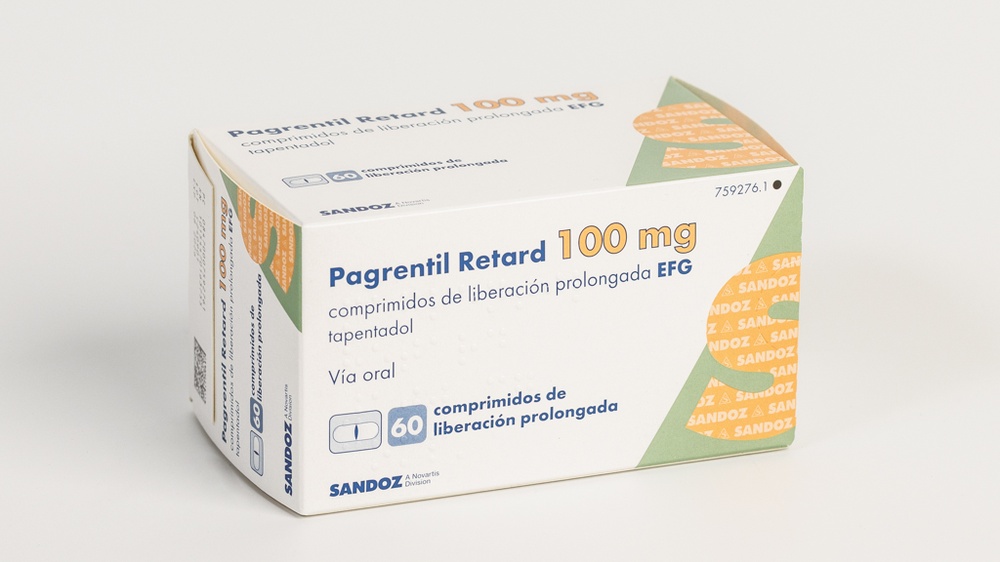
- País de registro
- Forma farmacéuticaCOMPRIMIDO LIBERACION MODIFICADA, 100 mg
- Código ATCN02AX06
- Precio medio en farmacia44.02 EUR
- Principio activo
- Requiere recetaSí
- Fabricante
- ComposiciónGLICEROL (E 422) (0,70 mg mg)
- Esta información es de carácter general y no sustituye la consulta con un profesional sanitario.
- Alternativas a PAGRENTIL RETARD 100 MG COMPRIMIDOS DE LIBERACIÓN PROLONGADA EFGForma farmacéutica: COMPRIMIDO LIBERACION MODIFICADA, 150 mgPrincipio activo: tapentadolFabricante: Sandoz Farmaceutica S.A.Requiere recetaForma farmacéutica: COMPRIMIDO LIBERACION MODIFICADA, 200 mgPrincipio activo: tapentadolFabricante: Sandoz Farmaceutica S.A.Requiere recetaForma farmacéutica: COMPRIMIDO LIBERACION MODIFICADA, 25 mgPrincipio activo: tapentadolFabricante: Sandoz Farmaceutica S.A.Requiere receta
Médicos online para PAGRENTIL RETARD 100 MG COMPRIMIDOS DE LIBERACIÓN PROLONGADA EFG
Comenta la dosis, los posibles efectos secundarios, interacciones, contraindicaciones o la revisión de receta de PAGRENTIL RETARD 100 MG COMPRIMIDOS DE LIBERACIÓN PROLONGADA EFG, sujeto a valoración médica y a la normativa local.









Preguntas frecuentes
PAGRENTIL RETARD 100 MG COMPRIMIDOS DE LIBERACIÓN PROLONGADA EFG requiere receta en España. Puedes confirmarlo con un médico online según tu caso.
El principio activo de PAGRENTIL RETARD 100 MG COMPRIMIDOS DE LIBERACIÓN PROLONGADA EFG es tapentadol. Esta información ayuda a identificar medicamentos con la misma composición pero con diferentes nombres comerciales.
El precio medio en farmacia de PAGRENTIL RETARD 100 MG COMPRIMIDOS DE LIBERACIÓN PROLONGADA EFG es de aproximadamente 44.02 EUR. Puede variar según el fabricante y la forma farmacéutica.
PAGRENTIL RETARD 100 MG COMPRIMIDOS DE LIBERACIÓN PROLONGADA EFG es fabricado por Sandoz Farmaceutica S.A.. La marca y el envase pueden variar según el distribuidor.
Los Médicos de familia, Psiquiatras, Dermatólogos, Cardiólogos, Endocrinólogos, Gastroenterólogos, Neumólogos, Nefrólogos, Reumatólogos, Hematólogos, Infectólogos, Alergólogos, Geriatras, Pediatras, Oncólogos pueden valorar la prescripción de PAGRENTIL RETARD 100 MG COMPRIMIDOS DE LIBERACIÓN PROLONGADA EFG cuando esté clínicamente indicado. Puedes reservar una videoconsulta para comentar tu caso y las opciones de tratamiento.
La receta la emite un médico tras valorar tu estado de salud. En España, PAGRENTIL RETARD 100 MG COMPRIMIDOS DE LIBERACIÓN PROLONGADA EFG se dispensa en las farmacias con esa receta médica. Una consulta online no garantiza su emisión: la decisión corresponde siempre al médico.
Para solicitar una valoración puedes usar Oladoctor:
Otros medicamentos con el mismo principio activo (tapentadol) incluyen PAGRENTIL RETARD 150 MG COMPRIMIDOS DE LIBERACIÓN PROLONGADA EFG, PAGRENTIL RETARD 200 MG COMPRIMIDOS DE LIBERACIÓN PROLONGADA EFG, PAGRENTIL RETARD 25 MG COMPRIMIDOS DE LIBERACIÓN PROLONGADA EFG. Pueden tener diferentes nombres comerciales o formulaciones, pero contienen el mismo componente terapéutico. Consulta siempre con un médico antes de cambiar o iniciar un nuevo medicamento.
