






Cómo usar ONDANSETRON ACCORD 2 mg/ml SOLUCION INYECTABLE EFG
Traducción generada por IA
Este contenido ha sido traducido automáticamente y se ofrece solo con fines informativos. No sustituye la consulta con un profesional sanitario.
Ver originalContenido del prospecto
Introducción
Prospecto: información para el usuario
Ondansetrón Accord 2 mg/ml solución inyectable EFG
Lea todo el prospecto detenidamente antes de empezar a usar este medicamento, porque contiene información importante para usted.
- Conserve este prospecto, ya que puede tener que volver a leerlo.
- Si tiene alguna duda, consulte a su médico,farmacéutico o enfermero.
- Este medicamento se le ha recetado solamente a usted,y no debe dárselo a otras personas aunque presenten los mismos síntomas de enfermedad que usted, ya que puede perjudicarles.
- Si experimenta efectos adversos, consulte a su médico, farmacéutico o enfermero, incluso si se trata de efectos adversos que no aparecen en este prospecto. Ver sección 4.
Contenido del prospecto:
- Qué es Ondansetrón Accord y para qué se utiliza
- Qué necesita saber antes de empezar a usar Ondansetrón Accord
- Cómo usar Ondansetrón Accord
- Posibles efectos adversos
- Conservación de Ondansetrón Accord
- Contenido del envase e información adicional
1. Qué es Ondansetrón Accord y para qué se utiliza
Ondansetrón Accord contiene la sustancia activa ondansetrón, que pertenece a un grupo de
medicamentos denominados antieméticos. Algunos tratamientos médicos pueden provocar náuseas o vómitos. Los antieméticos se recetan para evitar las náuseas y los vómitos después del tratamiento.
En adultos, Ondansetrón Accord se usa para:
- prevenir las náuseas y los vómitos que pueden producirse si se somete a quimioterapia (un ciclo de quimio) o a radiación (radioterapia) durante el tratamiento del cáncer
- prevenir y tratar las náuseas y los vómitos que pueden producirse después de una operación con anestesia general.
En niños mayores de 1 mes, Ondansetrón Accord puede utilizarse para prevenir y tratar las náuseas y los vómitos que pueden producirse después de una operación.
En niños mayores de 6 meses, Ondansetrón Accord puede utilizarse también para el tratamiento de las náuseas y los vómitos durante la quimioterapia..

2. Qué necesita saber antes de empezar a usar Ondansetrón Accord
No use Ondansetrón Accord:
- si usted o su hijo están utilizando apomorfina (utilizada para tratar la enfermedad de Parkinson)
- si usted o su hijo son alérgicos al ondansetrón o a cualquiera de los demás componentes de este medicamento (incluidos en la sección 6).
→ Si cree que esto le aplica a usted, póngase en contacto con su médico antes de que se le administre Ondansetrón Accord
Advertencias y precauciones
Consulte a su médico, farmacéutico antes de empezar a usar Ondansetrón Accord
- si usted o su hijo son alérgicosa medicamentos similares al ondansetrón, como los que contienen granisetrón o palonosetrón
- si usted o su hijo han tenido alguna vez problemas de corazón, como latidos irregulares(arritmia)
- si usted o su hijo tienen problemas intestinales
- si su hígadono funciona bien, su médico puede reducir la dosis de Ondansetrón Accord
? Informa a tu médico si crees que esto se aplica a usted
Otros medicamentos y Ondansetrón Accord
Informe a su médico, farmacéutico si usted o su hijo está utilizando, ha utilizado recientemente o podría tener que utilizar cualquier otro medicamento. Esto se aplica también a los medicamentos obtenidos sin receta.
- Fenitoínay carbamazepina(se utiliza para tratar la epilepsia). Puede afectar negativamente a la concentración de ondansetrón en el organismo.
- Rifampicina(un medicamento prescrito para el prurito, la tuberculosisy la lepra) puede afectar negativamente a la concentración de ondansetrón en el organismo.
- El efecto de Tramadol(un medicamento recetado para combatir el dolor ). puede verse afectado negativamente por el uso simultáneo de ondansetrón
- fluoxetina, paroxetina, sertralina, fluvoxamina, citalopram, escitalopram(ISRS) [inhibidores selectivos de la recaptación de serotonina] (medicamentos para tratar la depresióny/o la ansiedad) pueden provocar un cambio en su estado mental
- Venlafaxina, duloxetina(IRSN [inhibidores de la recaptación de serotonina-noradrenalina]) (medicamentos para tratar la depresión y/o la ansiedad) pueden provocar un cambio en su estado mental
- El uso simultáneo de ondansetrón con medicamentos que afectan al corazón (por ejemplo, antraciclinas como doxorrubicina, daunorrubicina o trastuzumab), antibióticos (como eritromicinao ketoconazol), antiarrítmicos (como amiodarona) y betabloqueantes (como atenololo timolol) aumenta el riesgo de alteraciones del ritmo cardíaco
? Informa a tu médico si crees que esto se aplica a usted
Embarazo y lactancia
Ondansetrón Accord no debe utilizarse durante el primer trimestre del embarazo. Esto se debe a que Ondansetrón Accord puede aumentar ligeramente el riesgo de que un bebé nazca con labio leporino y/o fisura palatina (aberturas o hendiduras en el labio superior o en el paladar). Si ya está embarazada, cree que podría estar embarazada o tiene intención de quedarse embarazada, consulte a su médico o farmacéutico antes de utilizar Ondansetrón Accord. Si es una mujer en edad fértil, se le recomienda utilizar un método anticonceptivo efectivo.
Se desaconseja la lactancia durante el tratamiento con Ondansetrón Accord.
Los estudios en animales han demostrado que el ondansetrón puede excretarse en la leche materna. Esto puede afectar a su bebé. Hable de ello con su médico.
Conducción y uso de máquinas
Ondansetrón Accord no afecta a su capacidad para conducir o manejar máquinas.
Información importante sobre algunos de los componentes de Ondansetrón Accord
Este medicamento contiene 3,62 mg de sodio (principal componente de la sal de cocina/de mesa) en cada ml. Esto equivale al 0,18% de la ingesta dietética máxima diaria recomendada de sodio para un adulto.
3. Cómo usar Ondansetrón Accord
Siga exactamente las instrucciones de administración de este medicamento indicadas por su médico. En caso de duda, consulte de nuevo a su médico o farmacéutico .
Ondansetrón Accord es administrado normalmente por una enfermera o un médico. La dosis que le hayan prescrito dependerá del tratamiento que esté recibiendo.
Para prevenir las náuseas y vómitos debidos a quimioterapia o radioterapia
Adultos
El día en que se someta a quimioterapia o radioterapia le administrarán la dosis recomendada en adultos de 8 mg mediante una inyección en una vena o un músculo inmediatamente antes de su tratamiento, y otros 8 mg doce horas más tarde.
La dosis intravenosa habitual en adultos no superará los 8 mg.
En los días siguientes:
- Después de la quimioterapia, su medicamento habitualmente se administrará por vía oral en forma de comprimidos de ondansetron de 8 mg o de 10 ml (8mg) de jarabe de ondansetron.
- la administración oral puede comenzar doce horas después de la última dosis intravenosa y puede continuar durante un periodo de hasta 5 días.
Si es probable que su quimioterapia o radioterapia cause náuseas y vómitos intensos, le podrán
administrar una dosis de Ondansetrón Accord mayor de lo habitual. Su médico decidirá qué hacer.
Para prevenir las náuseas y vómitos debidos a quimioterapia
Niños mayores de 6 meses de edad y adolescentes
El médico decidirá la dosis en función del peso del niño o el tamaño (superficie corporal).
El día de la quimioterapia
- La primera dosis se administra mediante una inyección en una vena, inmediatamente antes del tratamiento de su hijo. Normalmente, después de la quimioterapia su hijo recibirá este medicamento por vía oral en forma de comprimido o jarabe.
En los siguientes días la dosificación oral puede comenzar doce horas después de la última dosis intravenosa y puede continuarse hasta 5 días.
Para prevenir y tratar las náuseas y vómitos después de una intervención quirúrgica
Adultos:
- La dosis habitual en adultos es de 4 mg, administrada mediante una inyección en una vena o músculo. Esta dosis se le administrará inmediatamente antes de la intervención.
Niños:
- En el caso de niños mayores de 1 mes y adolescentes, el médico decidirá la dosis. La dosis máxima es de 4 mg, administrada mediante una inyección lenta en una vena. Esta dosis se le administrará inmediatamente antes de la intervención.
Pacientes con problemas hepáticos moderados o graves
- La dosis diaria total no deberá ser superior a 8 mg.
Si usted o su hijo siguen sintiendo o teniendo náuseas
Este medicamento debe empezar a funcionar pronto después de haber recibido la inyección. Si usted o su hijo continúan teniendo o sintiendo náuseas, contacte con su médico o enfermera.
Si recibe más Ondansetrón Accord del que debe
Su médico o enfermera le administrará Ondansetron Accord a usted o a su hijo por lo que es improbable que usted o su hijo reciba más cantidad. Si cree que a usted o a su hijo le han administrado más cantidad o no le han dado una dosis, informe al médico o enfermera.
Si tiene cualquier otra duda sobre el uso de este medicamento, pregunte a su médico, farmacéutico o enfermero.

4. Posibles efectos adversos
Al igual que todos los medicamentos, este medicamento puede producir efectos adversos, aunque no todas las personas los sufran.
EFECTOS ADVERSOS GRAVES
Reacciones alérgicas
Si usted o su hijo sufren una reacción alérgica, avise a su médico a un miembro del personal médico inmediatamente. Los signos pueden incluir:
- Pitidos repentinos al respirar y dolor u opresión en el pecho
- Inflamación de sus párpados, cara, labios, boca o lengua que puede dificultar la respiración
- Erupción cutánea, puntos rojos o bultos bajo su piel (habones) en cualquier lugar de su cuerpo.
- Síncope
Contacte con un médico inmediatamentesi tiene estos síntomas. Deje de tomar este medicamento.
Otros efectos adversosos que incluyen:
Muy frecuentes (pueden afectar a más de 1 de cada 10 pacientes) |
|
Frecuentes (pueden afectar a hasta 1 de cada 10 pacientes) |
|
Poco frecuentes (pueden afectar a hasta 1 de cada 100 pacientes) |
|
Raros (Pueden afectar a hasta 1 de cada 1.000 pacientes) |
|
Muy raros (Pueden afectar a hasta1 de cada 10.000 pacientes) |
|
No conocida (la frecuencia no puede estimarse a partir de los datos disponibles Poco frecuentes |
|
Comunicación de efectos adversos:
Si experimenta cualquier tipo de efecto adverso, consulte a su médico o farmacéutico, incluso si se trata de posibles efectos adversos que no aparecen en este prospecto. También puede comunicarlos directamente a través del Sistema Español de Farmacovigilancia de medicamentos de Uso Humano: http://www.notificaram.es. Mediante la comunicación de efectos adversos usted puede contribuir a proporcionar más información sobre la seguridad de este medicamento.
5. Conservación de Ondansetrón Accord
- Mantener fuera de la vista y del alcance de los niños.
- No utilice este medicamento después de la fecha de caducidad que aparece en la ampolla y la caja después de CAD. La fecha de caducidad es el último día del mes que se indica.
- Este medicamento no requiere ninguna temperatura especial de conservación. Conservar las ampollas en el embalaje exterior para protegerlas de la luz.
- No utilice este medicamento si observa que el envase está dañado o que contiene partículas o cristales visibles.
- No tire los medicamentos por los desagües ni a la basura. Pregunte a su farmacéutico
dónde tirar los medicamentos que ya no utiliza. De esta forma ayudará a proteger el medio ambiente.
6. Contenido del envase e información adicional
Composición de Ondansetrón Accord
El principio activo es ondansetrón (como hidrocloruro de ondansetrón dihidrato).
Cada ml de solución inyectable o para perfusión contiene 2 mg de ondansetrón (como hidrocloruro de ondansetrón dihidrato).
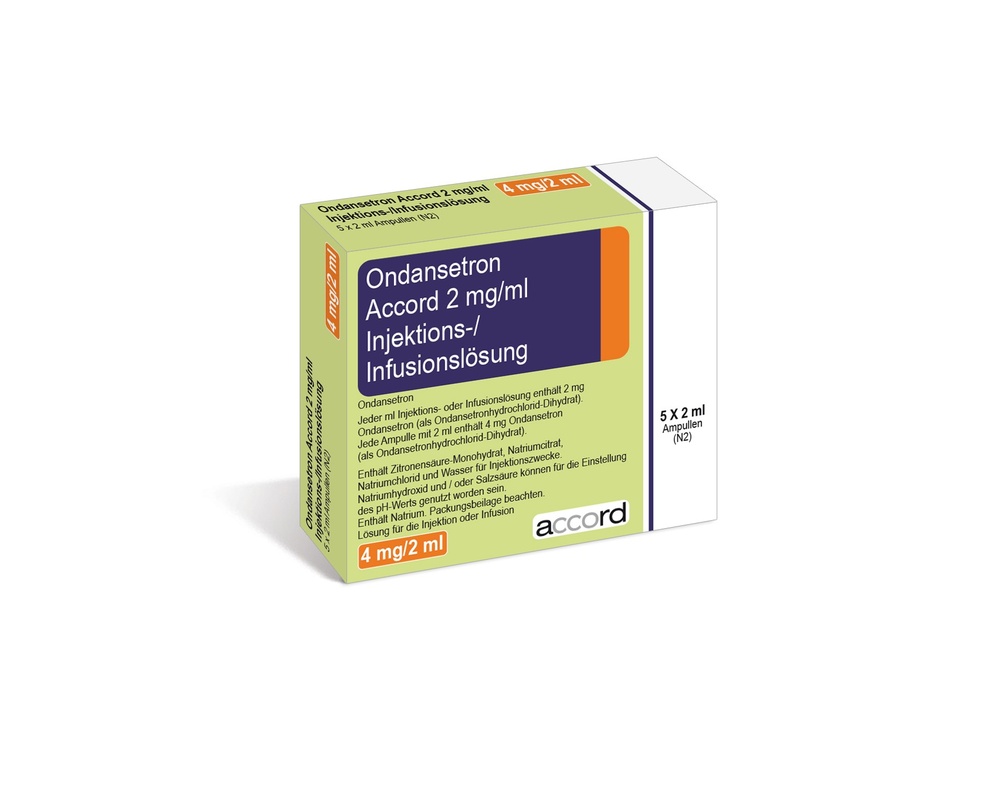
Cada ampolla de 2 ml contiene 4 mg de ondansetrón (como hidrocloruro de ondansetrón dihidrato).
Cada ampolla de 4 ml contiene 8 mg de ondansetrón (como hidrocloruro de ondansetrón dihidrato).
Los demás componentes son ácido cítrico monohidrato, citrato sódico, cloruro sódico, hidróxido
sódico o ácido clorhídrico para ajustar el pH y agua para preparaciones inyectables.
Aspecto de Ondansetrón Accord y contenido del envase
Ondansetrón Accord es una solución transparente e incolora para inyección o perfusión, acondicionada en una ampolla de vidrio transparente.
Ondansetrón Accord se comercializa en envases de 5 ampollas de 2 ml y 5 ampollas de 4 ml. También se comercializa en envases de 10 ampollas de 2 ml y 10 ampollas de 4 ml.
Puede que solamente estén comercializados algunos tamaños de envase.
Titular de la autorización de comercialización
Accord Healthcare S.L.U.
World Trade Center,
Moll de Barcelona s/n,
Edifici Est, 6a planta,
08039 Barcelona - España
Responsable de la fabricación
Accord Healthcare Polska Sp.z o.o.,
ul. Lutomierska 50,95-200 Pabianice,
Polonia
O
Accord Healthcare Single Member S.A.,
64th Km National Road Athens Lamia,
Schimatari, 32009, Grecia
Este medicamento está autorizado en los estados miembros del Espacio Económico Europeo con los siguientes nombres
Nombre del Estado Miembro | Nombre del medicamento |
Austria | Ondansetron Accord 2 mg/ml Lösung zur Injektion oder Infusion |
Bélgica | Ondansetron Accord Healthcare 2 mg/ml solution pour injection ou perfusion/ oplossing voor injectie of infusie/ Lösung zur Injektion oder Infusion |
Chipre | Ondansetron Accord 2 mg/ml εν?σιμο δι?λυμα ? δι?λυμα για ?γχυση |
República Checa | Ondansetron Accord 2 mg/ml injekcní roztok nebo infuzi |
Dinamarca | Ondansetron Accord 2 mg/ml injektions og infusionsvæske, opløsning |
Alemania | Ondansetron Accord 2 mg/ml Lösung zur Injektion oder Infusion |
Eslovenia | Ondansetron Accord 2 mg/ml raztopina za injiciranje ali infundiranje |
Estonia | Ondansetron Accord 2 mg/ml |
Grecia | Ondansetron Accord 2 mg/ml εν?σιμο δι?λυμα ? δι?λυμα για ?γχυση |
España | Ondansetrón Accord 2 mg/ml solución inyectable EFG |
Finlandia | Ondansetron Accord 2 mg/ ml injektio- tai infuusioneste/ Lösning för injektion och infusion |
Irlanda | Ondansetron 2 mg/ml Solution for Injection or Infusion |
Italia | Ondansetrone Accord Healthcare 2mg/ml Soluzione per Iniezione o Infusione |
Letonia | Ondansetron Accord 2 mg/ml škidums injekcijam vai infuzijam |
Malta | Ondansetron 2 mg/ml Solution for Injection or Infusion |
Noruega | Ondansetron Accord 2 mg/ml oppløsning til injeksjon og infusjon |
Polonia | Ondansetron Accord 2 mg/ml |
Portugal | Ondansetrom Accord |
Reino Unido (Irlanda del norte) | Ondansetron 2mg/ml Solution for Injection or Infusion |
Suecia | Ondansetron Accord 2 mg/ml Lösning för injektion och infusion |
Eslovenia | Ondansetron Accord 2 mg/ml raztopina za injiciranje ali infundiranje |
Eslovaquia | Ondansetron Accord 2 mg/ml injekcný alebo infúzny roztok |
Fecha de la última revisión de este prospecto:mayo 2022
La información detallada y actualizada de este medicamento está disponible en la página
Web de la Agencia Española de Medicamentos y Productos Sanitarios (AEMPS)
http://www.aemps.gob.es/
Información destinada exclusivamente a profesionales médicos o sanitarios
Instrucciones de uso:
Para inyección intravenosa o intramuscular o para perfusión intravenosa después de su dilución.
Cuando se prescribe ondansetrón para la prevención de náuseas y vómitos diferidos asociados a quimioterapia o radioterapia en adultos, adolescentes o niños, se debe tomar en consideración la práctica habitual y las normas pertinentes.
Náuseas y vómitos inducidos por quimioterapia y radioterapia:
Adultos:el potencial emetógeno del tratamiento oncológico varía según las dosis y combinaciones de las pautas de quimioterapia y radioterapia utilizadas. La vía de administración y la posología de ondansetrón deben ser flexibles en un intervalo de 8-32 mg/día y se seleccionarán tal como se indica a continuación.
Quimioterapia y radioterapia emetógenas:
Ondansetrón se puede administrar por vía rectal, oral (comprimidos o jarabe), intravenosa o intramuscular.
En la mayoría de los pacientes que reciben quimioterapia o radioterapia emetógenas se debe administrar 8 mg de ondansetrón en forma de inyección intravenosa (en no menos de 30 segundos) o intramuscular, inmediatamente antes del tratamiento, seguida de la administración de 8 mg por vía oral cada 12 horas.
Como tratamiento preventivo de la emesis diferida o prolongada después de las primeras 24 horas, el tratamiento por vía oral o rectal con ondansetrón debería continuar hasta 5 días después de cada ciclo de tratamiento.
Quimioterapia altamente emetógena: en pacientes que reciben quimioterapia altamente emetógena, como cisplatino a dosis altas, ondansetrón se puede administrar por vía oral, rectal, intravenosa o intramuscular. Se ha comprobado que la eficacia de ondansetrón es similar cuando se utiliza en las siguientes pautas posológicas durante las primeras 24 horas de quimioterapia:
- Una dosis única de 8 mg por inyección intravenosa lenta (en no menos de 30 segundos) o inyección intramuscular, inmediatamente antes de la quimioterapia.
- Una dosis de 8 mg por inyección intravenosa lenta (en no menos de 30 segundos) o dosis intramuscular de 8 mg tras un intervalo de 2-4 horas, o mediante una perfusión constante de 1 mg/hora durante un periodo de hasta 24 horas.
- Una dosis intravenosa inicial máxima de 16 mg diluidos en 50-100 ml de solución salina u otro líquido de perfusión compatible (ver sección 6.6 de la ficha técnica) e infundido durante no menos de 15 minutos inmediatamente antes de la quimioterapia. La dosis inicial de ondansetrón puede ser seguida por dos dosis adicionales de 8 mg por inyección intravenosa (en no menos de 30 segundos) o intramuscular tras un intervalo de 4 horas.
- La selección del régimen posológico deberá determinarse en función de la intensidad del problema emetógeno.
No debe administrarse una dosis única superior a 16 mg por aumento dosis dependiente de riesgo de prolongación QT (ver secciones 4.4, 4.8 y 5.1 de la ficha técnica).
La eficacia de ondansetrón en la quimioterapia altamente emetógena puede potenciarse mediante la adición de una dosis única por vía intravenosa de 20 mg de fosfato sódico de dexametasona administrada antes de la quimioterapia.
Como tratamiento preventivo de la emesis diferida o prolongada después de las primeras 24 horas, el tratamiento por vía oral o rectal con ondansetrón debería continuar hasta 5 días después de cada ciclo de tratamiento.
Población pediátrica:
Náuseas y vómitos inducidos por quimioterapia en niños ≥ 6 meses de edad y adolescentes
La posología en caso de náuseas y vómitos inducidos por quimioterapia se puede calcular a partir de la superficie corporal (SC) o del peso, ver a continuación.
Posología según la SC:
Ondansetrón debe administrarse inmediatamente antes de la quimioterapia, a una dosis intravenosa única de 5 mg/m2. La dosis única intravenosa no debe superar los 8 mg. La administración oral puede comenzar doce horas más tarde y puede continuar durante un periodo de hasta 5 días (ver la ficha técnica para tablas de dosificación). La dosis total durante 24 horas (administrada en dosis separadas) no debe superar la dosis en adultos de 32 mg.
Posología según el peso corporal:
La posología basada en el peso da lugar a una dosis diaria total más elevada que la calculada a partir de la SC. Ondansetrón debe administrarse inmediatamente antes de la quimioterapia, a una dosis intravenosa única de 0,15 mg/kg. La dosis única intravenosa no debe exceder los 8 mg. Se pueden administrar otras dos dosis intravenosas a intervalos de 4 horas. La administración oral puede comenzar 12 horas más tarde y puede continuar durante un periodo de hasta 5 días (ver la ficha técnica para tablas de dosificación).
Ondansetrón debe diluirse en dextrosa al 5% o en cloruro de sodio al 0,9% o en otra solución para perfusión compatible (ver sección 6.6) y debe perfundirse por vía intravenosa durante al menos 15 minutos.
No hay datos procedentes de ensayos clínicos controlados del uso de ondansetrón en la prevención de náuseas y vómitos inducidos por quimioterapia retardados o prolongados. No hay datos procedentes de ensayos clínicos controlados del uso de ondansetrón para nauseas y vómitos inducidos por radioterapia en niños.
Náuseas y vómitos postoperatorios (PONV):
Adultos: para la prevención de PONV, ondansetrón se puede administrar por vía oral o mediante inyección intravenosa o intramuscular.
Ondansetrón se puede administrar como una sola dosis de 4 mg por vía intramuscular o mediante inyección intravenosa lenta en el momento de la inducción de la anestesia.
Para el tratamiento de PONV establecidos, se recomienda administrar una sola dosis de 4 mg por vía intramuscular o mediante inyección intravenosa lenta.
Población pediátrica (más de 1 mes de edad y adolescentes):
Formulación oral:
No se han llevado a cabo estudios sobre el uso de ondansetrón administrado por vía oral para la prevención o tratamiento de las náuseas y vómitos postoperatorios. En esta indicación, se recomienda la inyección i.v. lenta.
Inyección:
Para la prevención de PONV en pacientes pediátricos sometidos a cirugía con anestesia general se puede administrar una dosis única de ondansetrón mediante inyección intravenosa lenta (no menos de 30 segundos) con dosis de 0,1 mg/kg hasta un máximo de 4 mg antes, durante o después de la inducción de la anestesia. Para el tratamiento de PONV en pacientes pediátricos sometidos a cirugía con anestesia general se puede administrar una dosis única de ondansetrón mediante inyección intravenosa lenta (no menos de 30 segundos) con dosis de 0,1 mg/kg hasta un máximo de 4 mg antes, durante o después de la inducción de la anestesia. No se dispone de datos sobre el uso de ondansetrón para el tratamiento de los vómitos postoperatorios de niños menores de 2 años de edad.
Pacientes de edad avanzada: se dispone de poca experiencia en el uso de ondansetrón en la prevención y tratamiento de PONV en ancianos, si bien ondansetrón es bien tolerado en pacientes mayores de 65 años tratados con quimioterapia.
Pacientes con insuficiencia renal:No se requiere modificar la dosis diaria o la frecuencia o la vía de administración.
Pacientes con insuficiencia hepática:El aclaramiento de ondansetrón se reduce considerablemente y la semivida sérica se prolonga significativamente en sujetos con insuficiencia hepática moderada o grave. En estos casos, no se debe exceder una dosis diaria total de 8 mg y, por lo tanto, se recomienda la administración parenteral u oral.
Pacientes con metabolismo deficiente de la esparteína y la debrisoquina:La semivida de eliminación de ondansetrón no está alterada en los pacientes clasificados como metabolizadores deficientes de la esparteína y la debrisoquina. En consecuencia, en esos pacientes la administración repetida dará lugar a niveles de exposición al fármaco que no son diferentes a los de la población general. No se requiere ninguna modificación de la dosis diaria ni de la frecuencia de administración.
Incompatibilidades:
Este medicamento no debe mezclarse con otros medicamentos, excepto los recomendados a continuación.
La solución no debe esterilizarse en autoclave.
Ondansetrón Accord sólo debe mezclarse con las soluciones para perfusión recomendadas:
Solución para perfusión intravenosa BP de cloruro sódico 0,9% p/v
Solución para perfusión intravenosa BP de glucosa 5% p/v
Solución para perfusión intravenosa BP de manitol 10% p/v
Soluciones de Ringer para perfusión intravenosa
Solución para perfusión intravenosa BP de cloruro potásico 0,3% p/v y cloruro sódico 0,9% p/v
Solución para perfusión intravenosa BP de cloruro potásico 0,3% p/v y glucosa 5% p/v
Se ha demostrado la estabilidad de Ondansetrón Accord después de su dilución con los líquidos para perfusión recomendados en concentraciones de 0,016 mg/ml y 0,64 mg/ml.
Use solamente soluciones transparentes e incoloras.
Las soluciones diluidas deben almacenarse protegidas de la luz.
Periodo de validez y conservación
Envase sin abrir:
3 años.
Este medicamento no requiere ninguna temperatura especial de conservación.
Conservar las ampollas en el embalaje exterior para protegerlas de la luz.
Inyección:
El medicamento deberá ser utilizado inmediatamente después de abrir el envase por primera vez.
Perfusión:
Tras la dilución con los diluyentes recomendados, se ha demostrado la estabilidad física y química en condiciones de uso durante 7 días a 25°C y 2º-8°C.
Desde el punto de vista microbiológico, el producto se debe usar inmediatamente. Si no se usa inmediatamente, las condiciones y tiempos de almacenamiento en condiciones de uso antes de su utilización son responsabilidad del usuario y no deberían superar las 24 horas a una temperatura de entre 2ºC y 8°C, a menos que la dilución se haya llevado a cabo en condiciones asépticas validadas y controladas.
-

- País de registro
- Forma farmacéuticaINYECTABLE, 2 MG/ML
- Código ATCA04AA01
- Principio activo
- Requiere recetaSí
- Fabricante
- Esta información es de carácter general y no sustituye la consulta con un profesional sanitario.
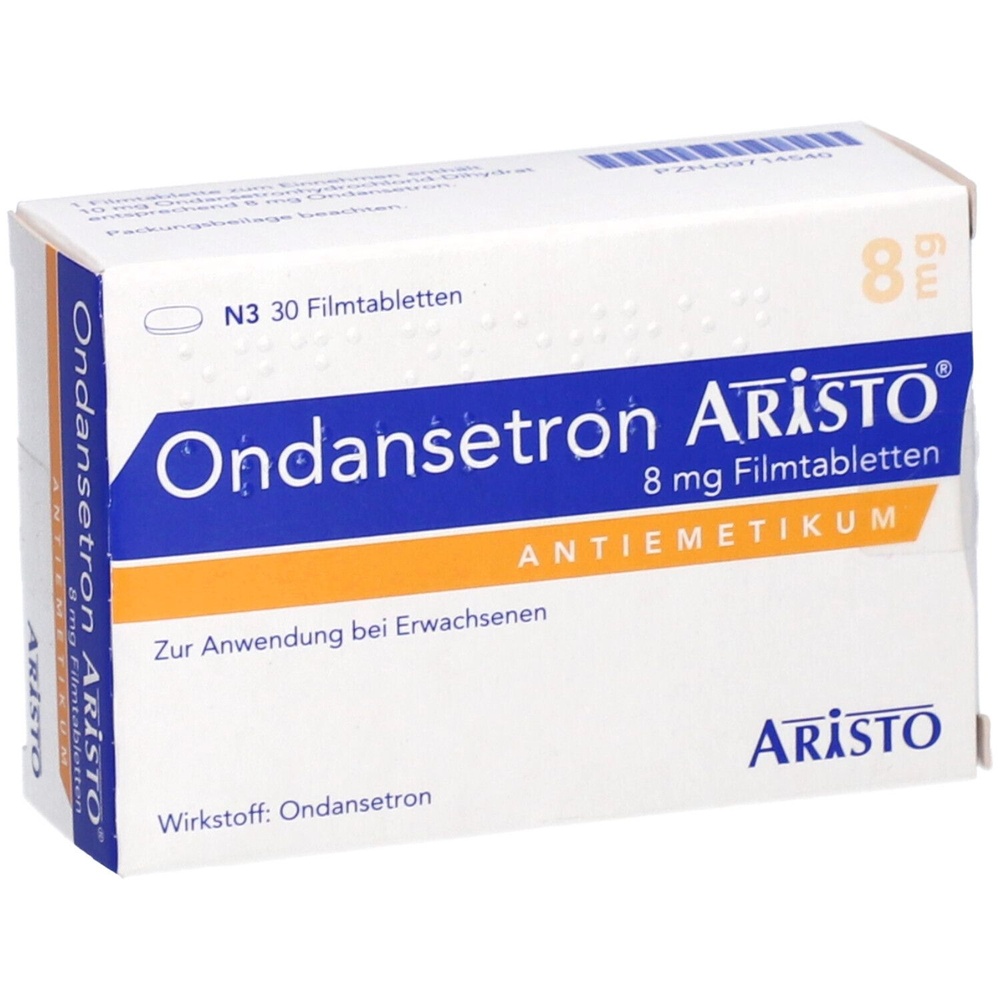
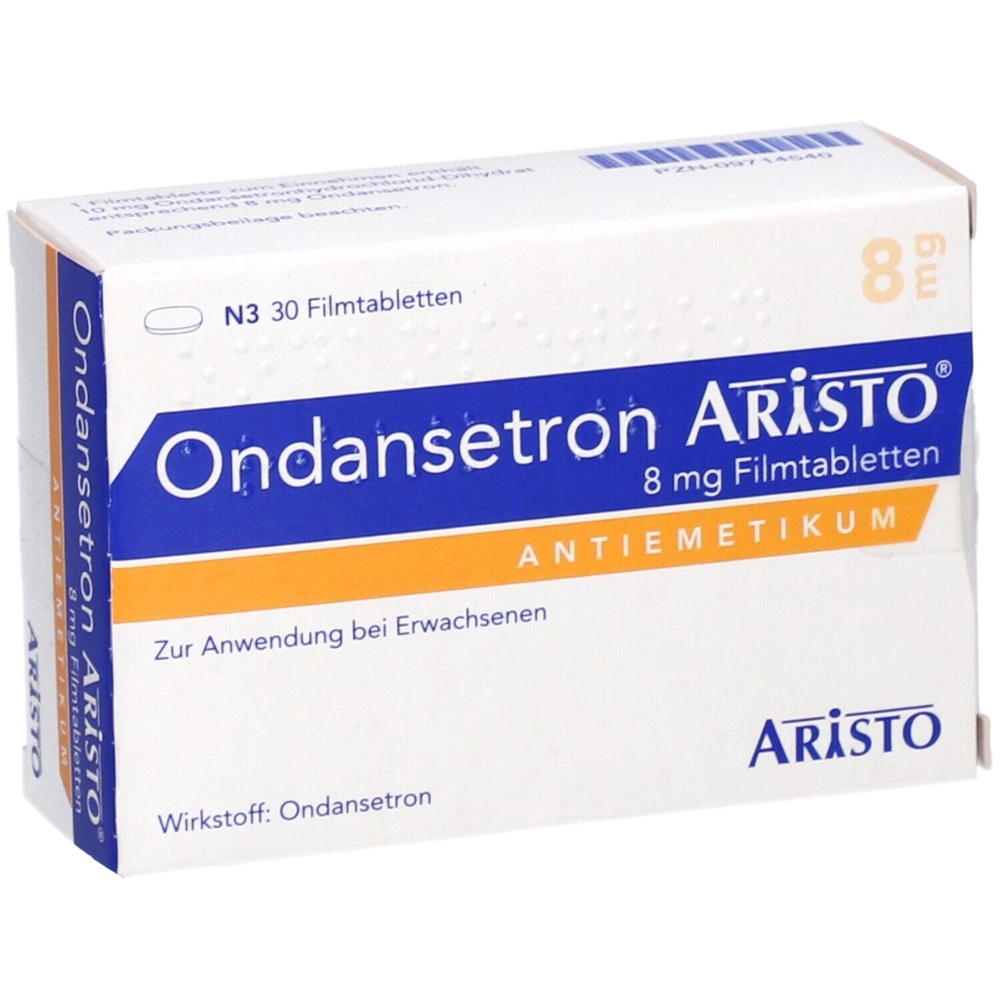
- Alternativas a ONDANSETRON ACCORD 2 mg/ml SOLUCION INYECTABLE EFGForma farmacéutica: COMPRIMIDO BUCODISPERSABLE/LIOTAB, 4 MGPrincipio activo: OndansetronFabricante: Aristo Pharma Iberia S.L.Requiere recetaForma farmacéutica: COMPRIMIDO BUCODISPERSABLE/LIOTAB, 8 MGPrincipio activo: OndansetronFabricante: Aristo Pharma Iberia S.L.Requiere recetaForma farmacéutica: COMPRIMIDO, 8 mgPrincipio activo: OndansetronFabricante: Aristo Pharma GmbhRequiere receta

Médicos online para ONDANSETRON ACCORD 2 mg/ml SOLUCION INYECTABLE EFG
Comenta la dosis, los posibles efectos secundarios, interacciones, contraindicaciones o la revisión de receta de ONDANSETRON ACCORD 2 mg/ml SOLUCION INYECTABLE EFG, sujeto a valoración médica y a la normativa local.









Obtén una receta de ONDANSETRON ACCORD 2 mg/ml SOLUCION INYECTABLE EFG online
Rellena un formulario de 2 minutos
Cuéntanos tus síntomas, historial y el medicamento que necesitas.
Elige un médico o nosotros te asignamos uno
Escoge un especialista o te conectamos con el próximo médico disponible.
El médico revisa tu caso
Normalmente en 30 minutos. Puede hacerte preguntas adicionales por chat.
Recógela en cualquier farmacia
Receta electrónica enviada a tu correo, válida en toda España.
Preguntas frecuentes
ONDANSETRON ACCORD 2 mg/ml SOLUCION INYECTABLE EFG requires receta en España. Puedes confirmarlo con un médico online según tu caso.
El principio activo de ONDANSETRON ACCORD 2 mg/ml SOLUCION INYECTABLE EFG es Ondansetron. Esta información ayuda a identificar medicamentos con la misma composición pero con diferentes nombres comerciales.
ONDANSETRON ACCORD 2 mg/ml SOLUCION INYECTABLE EFG es fabricado por Accord Healthcare S.L.U.. La marca y el envase pueden variar según el distribuidor.
Los Médicos de familia, Psiquiatras, Dermatólogos, Cardiólogos, Endocrinólogos, Gastroenterólogos, Neumólogos, Nefrólogos, Reumatólogos, Hematólogos, Infectólogos, Alergólogos, Geriatras, Pediatras, Oncólogos pueden valorar la prescripción de ONDANSETRON ACCORD 2 mg/ml SOLUCION INYECTABLE EFG cuando esté clínicamente indicado. Puedes reservar una videoconsulta para comentar tu caso y las opciones de tratamiento.
España cuenta con una infraestructura sanitaria bien desarrollada en ciudades principales como Madrid, Barcelona, Valencia y Sevilla. Las farmacias están ampliamente disponibles y operan bajo estrictas regulaciones, garantizando el acceso a medicamentos con receta.
Puedes comprar ONDANSETRON ACCORD 2 mg/ml SOLUCION INYECTABLE EFG en Madrid, Barcelona, Sevilla o Valencia en cualquier farmacia local con una receta válida.
Para obtener una receta, puedes utilizar Oladoctor:
Otros medicamentos con el mismo principio activo (Ondansetron) incluyen ONDANSETRON ARISTO 4 MG COMPRIMIDOS BUCODISPERSABLES EFG, ONDANSETRON ARISTO 8 MG COMPRIMIDOS BUCODISPERSABLES EFG, ONDANSETRON ARISTO 8 MG COMPRIMIDOS RECUBIERTOS CON PELÍCULA EFG. Pueden tener diferentes nombres comerciales o formulaciones, pero contienen el mismo componente terapéutico. Consulta siempre con un médico antes de cambiar o iniciar un nuevo medicamento.
