







Cómo usar NIFLACTOL 250 mg CAPSULAS
Traducción generada por IA
Este contenido ha sido traducido automáticamente y se ofrece solo con fines informativos. No sustituye la consulta con un profesional sanitario.
Ver originalContenido del prospecto
Introducción
Prospecto: información para el usuario
Niflactol 250 mg Cápsulas
Ácido niflúmico
Lea todo el prospecto detenidamente antes de empezar a tomar este medicamento, porque contiene información importante para usted.
- Conserve este prospecto, ya que puede tener que volver a leerlo.
- Si tiene alguna duda, consulte a su médico o farmacéutico.
- Este medicamento se le ha recetado a usted y no debe dárselo a otras personas, aunque tengan los mismos síntomas que usted, ya que puede perjudicarles.
- Si experimenta efectos adversos, consulte a su médico o farmacéutico, incluso si se trata de efectos adversos que no aparecen en este prospecto. Ver sección 4.
Contenido del prospecto
- Qué es Niflactol y para qué se utiliza
- Qué necesita saber antes de empezar a tomar Niflactol
- Cómo tomar Niflactol
- Posibles efectos adversos
- Conservación de Niflactol
- Contenido del envase e información adicional
1. Qué es Niflactol y para qué se utiliza
Niflactol pertenece al grupo de medicamentos llamados antiinflamatorios (para reducir la inflamación) y antirreumáticos (para el tratamiento del reuma) no esteroideos.
Niflactol está indicado en adultos y niños mayores de 12 años:
- en tratamientos prolongados de:
. determinados tipos de reumatismos inflamatorios crónicos,
. determinados tipos de artrosis.
- en tratamientos cortos del dolor en artrosis aguda y ciertos tipos de inflamación de las uniones de las articulaciones, como tendinitis y bursitis.
- en el tratamiento del dolor causado por la inflamación de garganta, oídos o boca.
Este medicamento debe tomarse bajo supervisión médica.

2. Qué necesita saber antes de empezar a tomar Niflactol
Es importante que utilice la dosis más pequeña que alivie/controle el dolor y no debe tomar este medicamento más tiempo del necesario para controlar sus síntomas.
No tome Niflactol
- Si se encuentra en el tercer trimestre del embarazo.
- Si tiene antecedentes de alergia o asma provocado por este medicamento o similar, en particular con otros fármacos antiinflamatorios no esteroideos (AINEs), o ácido acetilsalicílico (aspirina).
- Si usted es alérgico (hipersensible) al ácido niflúmico o a alguno de los demás componentes de este medicamento (incluidos en la sección 6).
- Si ha tenido una úlcera o hemorragia de estómago o de duodeno o ha sufrido una perforación del aparato digestivo.
- Si tiene una enfermedad del hígado grave.
- Si tiene una enfermedad grave del riñón.
- Si padece una insuficiencia cardiaca grave.
- En niños menores de 12 años.
Tenga especial cuidado con Niflactolsi:
- Ha tenido o desarrolla una úlcera, hemorragia o perforación en el estómago o en el duodeno, pudiéndose manifestar por un dolor abdominal intenso o persistente y/o por heces de color negro, o incluso sin síntomas previos de alerta.
- Este riesgo es mayor cuando se utilizan dosis altas y tratamientos prolongados, en pacientes con antecedentes de úlcera péptica y en los ancianos. En estos casos, su médico considerará la posibilidad de asociar un medicamento protector del estómago.
- Aparecen síntomas de alergia a este medicamento, especialmente ataques de asma, hinchazón de cara o cuello (ver sección 4. Posibles efectos adversos). INTERRUMPIR EL TRATAMIENTO Y PONERSE EN CONTACTO INMEDIATAMENTE CON SU MÉDICO O CON LOS SERVICIOS MÉDICOS DE URGENCIA.
- Padece una enfermedad del corazón, de los riñones o del hígado, tiene más de 60 años o necesita tomar el medicamento de forma prolongada (más de 1 a 2 semanas), es posible que su médico deba efectuar controles de forma regular. Su médico le indicará la frecuencia de estos controles.
- Presenta infección. Necesita un seguimiento muy estrecho.
- Si tiene varicela. Se desaconseja tomar este medicamento debido a que excepcionalmente pueden aparecer infecciones graves de la piel.
Informe a su médico:
- Si toma simultáneamente medicamentos que alteran la coagulación de la sangre como corticoides, anticoagulantes orales, o antiagregantes plaquetarios del tipo del ácido acetilsalicílico. También debe comentarle la utilización de otros medicamentos que podrían aumentar el riesgo de dichas hemorragias como los corticoides y los antidepresivos inhibidores selectivos de la recaptación de serotonina.
- Si padece la enfermedad de Crohn o una colitis ulcerosa, pues los medicamentos del tipo Niflactol pueden empeorar estas patologías.
- Si tiene antecedentes de alteraciones digestivas (hernia de hiato, hemorragia gastrointestinal, úlcera gástrica o duodenal previa).
- Si padece alguna enfermedad cardiaca, del hígado, o del riñón.
- Si padece asma, ya que, en algunos pacientes, la aparición del ataque de asma está unida a alergia a ácido acetilsalicílico (aspirina) o a otros medicamentos antiinflamatorios no esteroideos. Este medicamento está contraindicado en estos casos.
- Si siente alguno de los siguientes síntomas como dolor en el pecho, dificultad para respirar, debilidad o trastornos del habla.
- Si se ha sometido a una cirugía de bypass coronario o si se le ha realizado o va a realizársele recientemente una cirugía cardiaca.
Precauciones cardiovasculares
Los medicamentos como Niflactol se pueden asociar con un moderado aumento del riesgo de sufrir ataques cardiacos (“infartos de miocardio”) o accidentes cerebrovasculares. Dicho riesgo es más probable que ocurra cuando se emplean dosis altas y tratamientos prolongados. No exceda la dosis ni la duración del tratamiento recomendado.
Si usted tiene problemas cardiacos, antecedentes de ataques cerebrales, o piensa que podría tener riesgo para sufrir estas patologías (por ejemplo, tiene la tensión arterial alta, sufre diabetes, tiene aumentado el colesterol, o es fumador) debe consultar este tratamiento con su médico o farmacéutico.
Asimismo este tipo de medicamentos pueden producir retención de líquidos, especialmente en pacientes con insuficiencia cardiaca y/o tensión arterial elevada (hipertensión). Su médico realizará un estrecho seguimiento de su tensión arterial al inicio del tratamiento con Niflactol y a lo largo de dicho tratamiento.
Niños
No administrar a niños menores de 12 años.
Otros medicamentos y Niflactol
Informe a su médico o farmacéutico si está utilizando o ha utilizado recientemente o pudiera tener que utilizar cualquier otro.
En particular si está utilizando alguno de los siguientes medicamentos:
- Analgésicos y otros antiinflamatorios no esteroideos (AINEs), incluyendo ácido acetilsalicílico (aspirina) y otros salicilatos (que disminuyen el dolor y la inflamación), sin consultar al médico.
- Anticoagulantes orales de tipo dicumarínico (acenocumarol, warfarina).
- Antiagregantes plaquetarios como ticlopidina, clopidogrel, tirofiban, eptifibatida y abciximab, iloprost, incluidos los que contienen ácido acetilsalicílico (para evitar la formación de trombos en la sangre).
- Heparinas no fraccionadas, heparinas de bajo peso molecular y otros medicamentos relacionados, ya que el uso de estos con Niflactol puede aumentar el riesgo de hemorragias.
- Trombolíticos (medicamentos que disuelven o desintegran los trombos de la sangre).
- Corticoides orales.
- Antidepresivos, especialmente inhibidores de la recaptación de serotonina y litio.
- Metotrexato (utilizado en el tratamiento del cáncer y de la artritis reumatoide).
- Medicamentos que aumentan el potasio en la sangre: sales de potasio, diuréticos ahorradores de potasio, inhibidores de la angiotensina II, inhibidores de la enzima convertasa, heparinas de bajo peso molecular, ciclosporina, tacrolimus, trimetoprim.
- Diuréticos: Furosemida y otros diuréticos tiazídicos (para la eliminación de orina).
- Medicamentos para bajar la tensión arterial: como los inhibidores de la enzima convertidora de angiotensina, inhibidores de la enzima de la angiotensina II, y beta bloqueantes.
- Ciclosporina, tacrolimus (utilizados para prevenir el rechazo en trasplantes de órganos).
- Medicamentos para la diabetes.
Toma de Niflactol con alimentos y bebidas
Se recomienda tomar las cápsulas con las comidas y con una cantidad suficiente de agua.
Embarazo, lactancia y fertilidad
Si está embarazada o en periodo de lactancia, cree que podría estar embarazada o tiene intención de quedarse embarazada, consulte a su médico o farmacéutico antes de utilizar este medicamento.
Precauciones durante el embarazo y en mujeres en edad fértil
No tome Niflactol si se encuentra en los últimos 3 meses del embarazo, ya que podría perjudicar al feto o provocar problemas durante el parto. Puede provocar problemas renales y cardíacos a su feto. Puede afectar a su predisposición y a la de su bebé a sangrar y retrasar o alargar el parto más de lo esperado. No debe tomar Niflactol durante los primeros 6 meses de embarazo a menos que sea claramente necesario y como le indique su médico. Si necesita tratamiento durante este periodo o mientras trata de quedarse embarazada, deberá tomar la dosis mínima durante el menor tiempo posible. A partir de la semana 20 de embarazo, Niflactol puede provocar problemas renales a su feto si se toma durante más de unos días, lo que puede provocar unos niveles bajos del líquido amniótico que rodea al bebe (oligohidramnios) o al estrechamiento de un vaso sanguíneo (ductus arterioso) del corazón del bebé. Si necesita tratamiento durante un período superior a unos días, su médico podría recomendar controles adicionales.
Para las pacientes en edad fértil se debe tener en cuenta que los medicamentos del tipo Niflactol se han asociado con una disminución de la capacidad para concebir.
Lactancia
Este medicamento se excreta en la leche materna. Como medida de precaución se debe evitar su uso durante la lactancia.
Consulte a su médico o farmacéutico antes de tomar este medicamento.
Conducción y uso de máquinas
En algunas ocasiones se ha comunicado la aparición de vértigos y somnolencia en pacientes que han tomado Niflactol.
No conduzca o maneje maquinaria si sufre vértigos y/o somnolencia cuando esté usando Niflactol.
Niflactol contiene azorrubina y sodio
Este medicamento puede producir reacciones de tipo alérgico porque contiene azorrubina (E122).
Este medicamento contiene menos de 23 mg de sodio (1 mmol) por cápsula; esto es, esencialmente “exento de sodio”.
3. Cómo tomar Niflactol
Siga exactamente las instrucciones de administración de Niflactol indicadas por su médico. En caso de duda, consulte de nuevo a su médico o farmacéutico.
Recuerde tomar su medicamento.
La dosis recomendada es:
Adultos:
La posología deberá ajustarse en función de la gravedad del trastorno y de las molestias del
paciente. En general, la dosis diaria recomendada es de 1 cápsula cada 4 ó 6 horas, repartidas a lo largo del día. La dosis máxima recomendada es de 1000 mg al día. Se puede aumentar la dosis a 1500 mg de ácido niflúmico (6 cápsulas) repartidas a lo largo del día en casos de inflamación grave.
Si estima que la acción de Niflactol no es la esperada, informe a su médico o farmacéutico.
Niños:
En niños de 12 años o mayores la dosis recomendada es de 2 a 3 cápsulas al día repartidas cada 12 u 8 horas, es decir, 500-750 mg de ácido niflúmico en 24 horas. La dosis máxima diaria no debe exceder de 750 mg al día.
Ancianos:
Al igual que con otros AINEs deben adoptarse precauciones cuando se trata a los pacientes ancianos ya que por lo general son más propensos a los efectos adversos y tienen más probabilidad de presentar alteraciones de la función renal, cardiovascular o hepática y de recibir medicación concomitante. En concreto, se recomienda emplear la dosis eficaz más baja en estos pacientes. Sólo tras comprobar que existe una buena tolerancia, podrá aumentarse la dosis hasta alcanzar la establecida en la población general.
Pacientes con enfermedades de los riñones y/o del hígado:
El uso de ácido niflúmico está contraindicado en pacientes con insuficiencia renal y/o hepática grave. En pacientes con insuficiencia renal y/o hepática leve o moderada se recomienda emplear la dosis eficaz más baja.
Si toma másNiflactol del que debe
Si usted ha tomado Niflactol más de lo que debe, consulte inmediatamente a su médico o farmacéutico.
En caso de sobredosis o ingestión accidental, consulte a su médico o farmacéutico o llame al Servicio de Información Toxicológica, teléfono: 91 562 04 20 (indicando el medicamento y la cantidad ingerida).
Si se ha producido una intoxicación grave, el médico adoptará las medidas necesarias.
Los síntomas más frecuentes en caso de sobredosis son: irritación gastrointestinal, náuseas, vómitos, diarrea y dolor abdominal.
Otras manifestaciones incluyen: somnolencia y dolor de cabeza.
Si olvidó tomar Niflactol
No tome una dosis doble para compensar las dosis olvidadas.
Si olvida tomar su dosis correspondiente, tómela tan pronto como se acuerde. Sin embargo, si la hora de la siguiente toma está muy próxima, salte la dosis que olvidó y tome la dosis siguiente en su hora habitual.
Si tiene cualquier otra duda sobre el uso de este medicamento, pregunte a su médico o farmacéutico.

4. Posibles efectos adversos
Al igual que todos los medicamentos, este medicamento puede producir efectos adversos, aunque no todas las personas los sufran.
Gastrointestinales:
Los efectos adversos más frecuentes que ocurren con los medicamentos como Niflactol son los gastrointestinales: úlceras pépticas, hemorragias digestivas, perforaciones (en algunos casos mortales), especialmente en los ancianos. También se han observado náuseas, vómitos, diarrea, flatulencia, estreñimiento, ardor de estómago, dolor abdominal, sangre en heces, aftas bucales, empeoramiento de colitis ulcerosa y enfermedad de Crohn. Menos frecuentemente se ha observado la aparición de gastritis.
Cardiovasculares:
Los medicamentos como Niflactol, especialmente pueden asociarse con un moderado aumento de riesgo de sufrir un ataque cardiaco (“infarto de miocardio”) o cerebral.
Cutáneos:
Los medicamentos como Niflactol pueden asociarse, en muy raras ocasiones, a reacciones ampollosas muy graves como el Síndrome de Stevens Johnson y la Necrolisis Epidérmica Tóxica.
Hepáticos:
Los medicamentos como Niflactol pueden asociarse con trastornos hepáticos que provocan coloración amarillenta de piel y ojos, algunas veces con fiebre elevada o hinchazón y sensibilidad de la parte superior del abdomen.
Si se manifiesta alguna de las siguientes reacciones: coloración amarillenta de piel u ojos, interrumpa el tratamiento e informe INMEDIATAMENTE al médico.
Algunos efectos son raros pero graves.
Debe interrumpir el tratamiento inmediatamente e informar a su médico en los siguientes casos:
- Reacciones alérgicas:
- que afectan a la piel, como puede ser erupción, picor, reacciones cutáneas graves a la exposición solar o rayos ultravioletas; raramente, lesiones vesiculares (ampollas) en mucosas o piel,
- que afectan a los pulmones, como por ejemplo ataques de asma,
- generalizado, como shock alérgico.
- Hemorragia gastrointestinal (pérdida de sangre por la boca o en heces, coloración oscura de las heces). Estos efectos son más frecuentes con dosis altas.
- Excepcionalmente, se han observado infecciones cutáneas graves en casos de varicela.
Además, se han observado algunos casos de úlcera duodenal y de perforación.
Existen otros efectos que requieren que usted informe a su médico. Solamente él puede decirle qué hacer en caso de:
- Alteraciones digestivas como dolor abdominal, vómitos, náuseas, alteraciones del tránsito.
- Se han observado casos de alteraciones óseas después del tratamiento con dosis elevadas durante varios años.
- Ciertos cambios en los resultados de pruebas de laboratorio podrían hacer necesario un seguimiento del recuento sanguíneo o de la función hepática o renal.
- Manchas violáceas en la piel.
- Malestar general con disminución de la tensión arterial.
- Dolor de cabeza.
- Zumbido de oídos.
- Somnolencia.
- Vértigo.
- Hinchazón de las extremidades.
- Anorexia.
Si considera que alguno de los efectos adversos que sufre es grave o si aprecia cualquier efecto adverso no mencionado en este prospecto, informe a su médico o farmacéutico.
Comunicación de efectos adversos
Si experimenta cualquier tipo de efecto adverso, consulte a su médico o farmacéutico, incluso si se trata de posibles efectos adversos que no aparecen en este prospecto. También puede comunicarlos directamente a través del Sistema Español de Farmacovigilancia de Medicamentos de Uso Humano: www.notificaRAM.es. Mediante la comunicación de efectos adversos usted puede contribuir a proporcionar más información sobre la seguridad de este medicamento.
5. Conservación de Niflactol
Mantener este medicamento fuera de la vista y del alcance de los niños.
No conservar a temperatura superior a 30ºC.
No utilice Niflactol después de la fecha de caducidad que aparece en el envase después de CAD. La fecha de caducidad es el último día del mes que se indica.
Los medicamentos no se deben tirar por los desagües ni a la basura. Deposite los envases y los medicamentos que no necesita en el Punto SIGRE de la farmacia. En caso de duda pregunte a su farmacéutico cómo deshacerse de los envases y de los medicamentos que ya no necesita. De esta forma, ayudará a proteger el medio ambiente.
6. Contenido del envase e información adicional
Composición de Niflactol
- El principio activo es ácido niflúmico.
- Los demás componentes son almidón de maíz, talco, estearato de magnesio.
- Composición de la cápsula: gelatina, azorrubina (E122).
Aspecto del producto y contenido del envase
Niflactol se presenta en un envase conteniendo 30 cápsulas. Cada cápsula de Niflactol contiene 250 mg de ácido niflúmico.
Titular de la autorización de comercialización y responsable de la fabricación
Titular de la autorización de comercialización
UPSA SAS
3 rue Joseph Monier
92500 Rueil-Malmaison
Francia
Representante local
NEWLINE PHARMA, S.L.U.
Calle Tarragona 151-157, Planta 11, Puerta 1, Bloque A
08014 Barcelona (España)
Tel.: 931851380
Responsable de la fabricación:
UPSA
304, Av. Dr. Jean Bru
F- 47000 – Agen
FRANCIA
o
UPSA
979, Avenue des Pyrénées
47520 - Le Passage
Francia
Fecha de la última revisión de este prospecto:Febrero 2023.
Otras fuentes de información
La información detallada de este medicamento está disponible en la página web de la Agencia Española de Medicamentos y Productos Sanitarios (AEMPS) http://www.aemps.gob.es/
- País de registro
- Forma farmacéuticaCAPSULA, 250 mg acido niflumico
- Código ATCM01AX02
- Precio medio en farmacia3.39 EUR
- Principio activo
- Requiere recetaSí
- Fabricante
- Esta información es de carácter general y no sustituye la consulta con un profesional sanitario.
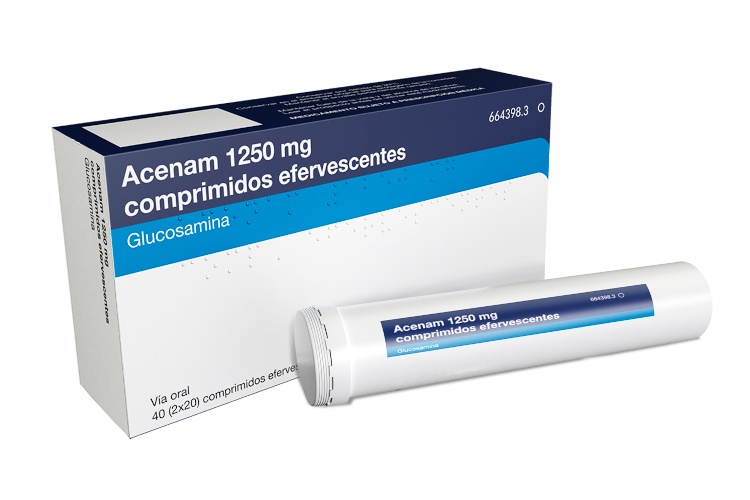
- Alternativas a NIFLACTOL 250 mg CAPSULASForma farmacéutica: COMPRIMIDO EFERVESCENTE, 1250 mgPrincipio activo: glucosamineFabricante: Especialidades Farmaceuticas Centrum S.A.Requiere recetaForma farmacéutica: SOLUCIÓN/SUSPENSIÓN ORAL, 1.500 mg de sulfato de glucosaminaPrincipio activo: glucosamineFabricante: Laboratorio Reig Jofre, S.A.Requiere recetaForma farmacéutica: CAPSULA, 400 MGPrincipio activo: sulfato de condroitinaFabricante: Laboratorio Reig Jofre, S.A.Requiere receta

Médicos online para NIFLACTOL 250 mg CAPSULAS
Comenta la dosis, los posibles efectos secundarios, interacciones, contraindicaciones o la revisión de receta de NIFLACTOL 250 mg CAPSULAS, sujeto a valoración médica y a la normativa local.









Obtén una receta de NIFLACTOL 250 mg CAPSULAS online
Rellena un formulario de 2 minutos
Cuéntanos tus síntomas, historial y el medicamento que necesitas.
Elige un médico o nosotros te asignamos uno
Escoge un especialista o te conectamos con el próximo médico disponible.
El médico revisa tu caso
Normalmente en 30 minutos. Puede hacerte preguntas adicionales por chat.
Recógela en cualquier farmacia
Receta electrónica enviada a tu correo, válida en toda España.
Preguntas frecuentes
NIFLACTOL 250 mg CAPSULAS requires receta en España. Puedes confirmarlo con un médico online según tu caso.
El principio activo de NIFLACTOL 250 mg CAPSULAS es niflumic acid. Esta información ayuda a identificar medicamentos con la misma composición pero con diferentes nombres comerciales.
El precio medio en farmacia de NIFLACTOL 250 mg CAPSULAS es de aproximadamente 3.39 EUR. Puede variar según el fabricante y la forma farmacéutica.
NIFLACTOL 250 mg CAPSULAS es fabricado por Upsa S.A.S.. La marca y el envase pueden variar según el distribuidor.
Los Médicos de familia, Psiquiatras, Dermatólogos, Cardiólogos, Endocrinólogos, Gastroenterólogos, Neumólogos, Nefrólogos, Reumatólogos, Hematólogos, Infectólogos, Alergólogos, Geriatras, Pediatras, Oncólogos pueden valorar la prescripción de NIFLACTOL 250 mg CAPSULAS cuando esté clínicamente indicado. Puedes reservar una videoconsulta para comentar tu caso y las opciones de tratamiento.
España cuenta con una infraestructura sanitaria bien desarrollada en ciudades principales como Madrid, Barcelona, Valencia y Sevilla. Las farmacias están ampliamente disponibles y operan bajo estrictas regulaciones, garantizando el acceso a medicamentos con receta.
Puedes comprar NIFLACTOL 250 mg CAPSULAS en Madrid, Barcelona, Sevilla o Valencia en cualquier farmacia local con una receta válida.
Para obtener una receta, puedes utilizar Oladoctor:
Otros medicamentos con el mismo principio activo (niflumic acid) incluyen ACENAM 1250 mg COMPRIMIDOS EFERVESCENTES, CARTISORB 1500 mg POLVO PARA SOLUCION ORAL, CONDRODIN 400 CAPSULAS DURAS. Pueden tener diferentes nombres comerciales o formulaciones, pero contienen el mismo componente terapéutico. Consulta siempre con un médico antes de cambiar o iniciar un nuevo medicamento.
