



MIRTAZAPINA TARBIS 15 mg Comprimidos Bucodispersables

Revisión de receta online
Un médico revisará tu caso y determinará si la prescripción es médicamente apropiada.

Habla con un médico sobre este medicamento
Comenta tus síntomas y las opciones de tratamiento en una consulta online.



Cómo usar MIRTAZAPINA TARBIS 15 mg COMPRIMIDOS BUCODISPERSABLES EFG
Contenido del prospecto
- Introducción
- Qué es Mirtazapina Tarbis y para qué se utiliza
- Qué necesita saber antes de empezar a tomar Mirtazapina Tarbis
- Cómo tomar Mirtazapina Tarbis
- Posibles efectos adversos
- Conservación de Mirtazapina
- Contenido del envase e información adicional
Introducción
Prospecto: información para elusuario
Mirtazapina TARBIS 15 mg comprimidos bucodispersables EFG
Lea todo el prospecto detenidamente antes de empezar a tomar este medicamento, porque contiene información importante para usted.
- Conserve este prospecto, ya que puede tener que volver a leerlo
- Si tiene alguna duda, consulte a su médico o farmacéutico.
- Este medicamento se le ha recetado solamente a usted y no debe dárselo a otras personas, aunque tengan los mismos síntomas que usted, ya que puede perjudicarles.
- Si experimenta efectos adversos consulte a su médico o farmacéutico, incluso si se trata de efectos adversos que no aparecen en este prospecto.
Contenido del prospecto:
- Qué es Mirtazapina Tarbis y para qué se utiliza
- Qué necesita saber antes de empezar a tomar Mirtazapina Tarbis
- Cómo tomar Mirtazapina Tarbis
- Posibles efectos adversos
- Conservación de Mirtazapina Tarbis
- Contenido del envase e información adicional
1. Qué es Mirtazapina Tarbis y para qué se utiliza
Mirtazapina Tarbis pertenece al grupo de medicamentos llamados antidepresivos.
Mirtazapina se utiliza para tratar la depresión.

¿No estás seguro de si este medicamento es adecuado para ti?
Comenta tus síntomas y tratamiento con un médico online.
2. Qué necesita saber antes de empezar a tomar Mirtazapina Tarbis
No tome MirtazapinaTarbis
- si es alérgico (hipersensible) al principio activo o a cualquiera de los demás componentes de este medicamento (incluidos en la sección 6). En ese caso, consulte a su médico lo antes posible antes de tomar Mirtazapina Tarbis.
- si está tomando o ha tomado recientemente (en las dos últimas semanas) medicamentos llamados inhibidores de la monoaminooxidasa (IMAO).
NO TOME - O - CONSULTE A SU MÉDICO ANTES DE EMPEZAR A TOMAR MIRTAZAPINA TARBIS:
Si ha sufrido alguna vez una erupción cutánea intensa o descamación de la piel, ampollas o llagas en la boca después de tomar mirtazapina u otros medicamentos.
Advertencias y precauciones
Consulte a su médico o farmacéutico antes de empezar a tomar Mirtazapina Tarbis.
Uso en niños y adolescentes menores de 18 años
Mirtazapina Tarbis no debe utilizarse normalmente en el tratamiento de niños y adolescentes menores de 18 años. A la vez, debe saber que en pacientes menores de 18 años existe un mayor riesgo de efectos adversos como intentos de suicidio, ideación suicida y hostilidad (predominantemente agresión, comportamiento de confrontación e irritación) cuando toman esta clase de medicamentos. Pese a ello, el médico puede prescribir Mirtazapina Tarbis a pacientes menores de 18 años cuando decida que es lo más conveniente para el paciente. Si el médico ha prescrito Mirtazapina Tarbis a un paciente menor de 18 años y desea discutir esta decisión, por favor, vuelva a su médico. Debe informar a su médico si aparecen o empeoran alguno de los síntomas que se detallan anteriormente en pacientes menores de 18 años que están tomando Mirtazapina Tarbis. Además, todavía no se conocen los efectos sobre la seguridad a largo plazo relacionados con el crecimiento, la madurez y el desarrollo del conocimiento y la conducta de mirtazapina en este grupo de edad.
Pensamientos suicidas y empeoramiento de su depresión o trastorno de ansiedad
Si usted se encuentra deprimido y/o sufre trastorno de ansiedad, puede en algunas ocasiones tener pensamientos de autolesión o de suicidio. Éstos pueden ir aumentando al tomar antidepresivos por primera vez, puesto que estos medicamentos requieren un tiempo para empezar a hacer efecto, generalmente alrededor de unas dos semanas, aunque en algunos casos podría ser mayor el tiempo.
Usted sería más propenso a tener este tipo de pensamientos:
- Si usted previamente ha tenido pensamientos de autolesión o de suicidio.
- Si usted es un adulto joven.Información de ensayos clínicos ha demostrado un aumento del riesgo de conductas suicidas en adultos jóvenes (menores de 25 años) con enfermedades psiquiátricas y que fueron tratados con un antidepresivo.
?Si en cualquier momento usted tiene pensamientos de autolesión o de suicidio, consulte a su médico o diríjase directamente a un hospital.
Puede ser de ayuda para usted decirle a un pariente o un amigo cercanoque usted está deprimido o que tiene un trastorno de ansiedad, y pedirle que lea este prospecto. Puede preguntarles si piensan que su depresión o trastorno de ansiedad ha empeorado, o si están preocupados por cambios en su comportamiento.
Asimismo, tenga especial cuidado con Mirtazapina Tarbis:
- si tiene o ha tenido alguna vez uno de los siguientes trastornos
?Informe a su médico sobre estas situaciones antes de tomar Mirtazapina Tarbis, si no lo ha hecho ya:
- convulsiones(epilepsia). Si aparecen convulsiones o sus convulsiones son más frecuentes, deje de tomar mirtazapina y contacte con su médico inmediatamente;
- enfermedades del hígado, incluyendo ictericia. Si aparece ictericia, deje de tomar mirtazapina y contacte con su médico inmediatamente;
- enfermedades de los riñones;
- enfermedad del corazóno presión arterial baja;
- esquizofrenia. Si los síntomas psicóticos, como los pensamientos paranoicos, son más frecuentes o graves contacte con su médico inmediatamente;
- depresión bipolar(se alternan períodos de animación/hiperactividad y períodos de depresión). Si empieza a sentirse animado o sobreexcitado, deje de tomar mirtazapina y contacte con su médico inmediatamente;
- diabetes(podría necesitar ajustar su dosis de insulina u otros medicamentos antidiabéticos);
- enfermedades de los ojos, como aumento de la presión en el ojo (glaucoma);
- dificultades para orinar, que podría deberse a un aumento del tamaño de la próstata;
- si aparecen signos de infección como fiebre alta inexplicable, dolor de garganta y llagas en la boca
?Deje de tomar Mirtazapina Tarbis y contacte con su médico inmediatamente para realizar un análisis de sangre.En raras ocasiones, estos síntomas pueden ser signos de alteraciones en la producción de células sanguíneas en la médula ósea. Aunque raros, estos síntomas aparecen a las 4‑6 semanas de tratamiento.
- si es una persona mayor podría ser más sensible a los efectos adversos de los medicamentos antidepresivos.
- se han notificado con el uso de mirtazapina reacciones cutáneas graves, como síndrome de Stevens- Johnson (SSJ), necrólisis epidérmica tóxica (NET) y reacciones medicamentosa con eosinofilia y síntomas sistémicos (DRESS). Interrumpa su uso y busque atención médica inmediatamente si nota alguno de los síntomas descritos en la sección 4 en relación con estas reacciones cutáneas graves.
- si ha sufrido alguna vez reacciones cutáneas graves, no debe reiniciarse el tratamiento con mirtazapina.
Uso de Mirtazapina Tarbis con otros medicamentos
Comunique a su médico o farmacéutico si está tomando (o va a tomar) alguno de los medicamentos de la siguiente lista.
Comunique también a su médico o farmacéutico que está utilizando, ha utilizado recientemente o podría tener que utilizar cualquier otro medicamento.
No tome Mirtazapina Tarbisjunto con:
- inhibidores de la monoamino oxidasa(inhibidores de la MAO). Asimismo, no tome mirtazapina durante las dos semanas después de haber dejado de tomar los inhibidores de la MAO. Si deja de tomar mirtazapina, tampoco tome inhibidores de la MAO durante las siguientes dos semanas.
Ejemplos de inhibidores de la MAO son moclobemida, tranilcipromina (ambos son antidepresivos) y selegilina (para la enfermedad de Parkinson).
Tenga cuidado sitoma Mirtazapina Tarbis junto con:
- antidepresivos como los inhibidores selectivos de la recaptación de serotonina (ISRSs), venlafaxina y L-triptófano o triptanos(utilizados para la migraña), tramadol(para el dolor), linezolid(un antibiótico), litio(utilizado para tratar algunos trastornos psiquiátricos) y preparados a base de Hierba de San Juan –Hypericum perforatum(planta medicinal para la depresión). En casos muy raros, mirtazapina solo o junto con estos medicamentos, puede dar lugar al llamado síndrome serotoninérgico. Algunos de los síntomas de este síndrome son: fiebre inexplicable, sudoración, palpitaciones, diarrea, contracciones musculares (incontrolables), escalofríos, reflejos exagerados, agitación, cambios de humor y pérdida de conciencia. Si presenta una combinación de estos síntomas, consulte a su médico inmediatamente.
- el antidepresivo nefazodona. Puede aumentar la cantidad de mirtazapina en sangre. Informe a su médico si está tomando este medicamento. Podría ser necesario disminuir la dosis de mirtazapina, o aumentarla nuevamente al dejar de tomar nefazodona.
- medicamentos para la ansiedad o el insomniocomo las benzodiazepinas.
medicamentos para la esquizofreniacomo la olanzapina.
medicamentos para las alergiascomo la cetirizina.
medicamentos para el dolor intensocomo la morfina.
En combinación con estos medicamentos, mirtazapina puede aumentar la somnolencia causada por estos medicamentos.
- medicamentos para infecciones:medicamentos para infecciones bacterianas (como la eritromicina), medicamentos para infecciones por hongos (como el ketoconazol) y los medicamentos para el VIH/SIDA (inhibidores de la proteasa del VIH).
Si se toman junto con mirtazapina, estos medicamentos pueden aumentar la cantidad de mirtazapina en sangre. Informe a su médico si está tomando estos medicamentos. Podría ser necesario disminuir la dosis de mirtazapina, o aumentarla nuevamente al dejar de tomar estos medicamentos.
- medicamentos para la epilepsiacomo la carbamazepina y la fenitoína;medicamentos para la tuberculosiscomo la rifampicina.
Si se toman junto con mirtazapina, estos medicamentos pueden reducir la cantidad de mirtazapina en sangre. Informe a su médico si está tomando estos medicamentos. Podría ser necesario aumentar la dosis de mirtazapina, o disminuirla nuevamente al dejar de tomar estos medicamentos.
- medicamentos para prevenir la coagulación de la sangrecomo la warfarina.
Mirtazapina puede aumentar los efectos de la warfarina en la sangre. Informe a su médico si está tomando este medicamento. En caso de tomarlos a la vez, se recomienda que el médico le haga controles en sangre.
Toma de Mirtazapina Tarbiscon los alimentos,bebidas y alcohol
Puede sentirse somnoliento si bebe alcohol mientras esté en tratamiento con mirtazapina.
Se recomienda no beber nada de alcohol.
Puede tomar mirtazapina con o sin alimentos.
Embarazo, lactancia y fertilidad
Consulte a su médico o farmacéutico antes de utilizar cualquier medicamento.
La experiencia limitada de la administración de mirtazapina a mujeres embarazadas no indica un aumento de riesgo. Sin embargo, debe tenerse cuidado si se usa durante el embarazo.
Si está embarazada o en periodo de lactancia, cree que podría estar embarazada o tiene intención de quedarse embarazada, consulte a su médico o farmacéutico antes de utilizar este medicamento. Si usa mirtazapina hasta, o poco antes, del parto, su hijo será examinado para detectar posibles efectos adversos.
Si está tomando mirtazapina durante el embarazo, dígaselo a su matrona y/o médico. Cuando se toman durante el embarazo medicamentos similares (denominados antidepresivos inhibidores de la recaptación de serotonina: ISRS), puede aumentar el riesgo de que el bebé sufra una enfermedad grave llamada hipertensión pulmonar persistente del recién nacido (HPPN), ocasionando que el niño respire más rápido y parezca azulado. Estos síntomas generalmente comienzan durante las primeras 24 horas después del nacimiento. Si esto ocurre en su caso, debe contactar inmediatamente con su médico y/o matrona.
Consulte a su médico si puede dar el pecho mientras toma Mirtazapina Tarbis.
Conducción y uso de máquinas
Mirtazapina Tarbis puede afectar su concentración o estado de alerta.
Durante el tratamiento con Mirtazapina Tarbis puede que se sienta somnoliento o mareado. No conduzca ni maneje herramientas o máquinas hasta que sepa cómo le afecta el tratamiento con Mirtazapina Tarbis.
Mirtazapina Tarbis contiene aspartamo
Este medicamento puede ser perjudicial para personas con fenilcetonuria porque contiene aspartamo que es una fuente de fenilalanina.
3. Cómo tomar Mirtazapina Tarbis
Siga exactamente las instrucciones de administración de este medicamento indicadas por su médico o farmacéutico. En caso de duda, consulte de nuevo a su médico o farmacéutico.
Cuánto tomar
La dosis inicial normal es de 15 o 30mg al día.Su médico puede recomendarle aumentar la dosis tras unos días hasta la cantidad que sea mejor para usted (entre 15 y 45 mg al día). Normalmente la dosis es la misma para todas las edades. Sin embargo, si es una persona mayor o si padece una enfermedad del riñón o del hígado, su médico podría cambiar la dosis.
Cuándo tomarlo
?Tome Mirtazapina Tarbis a la misma hora cada día.
Es mejor tomar la dosis de mirtazapina de una sola vez antes de acostarse. Sin embargo, su médico puede recomendarle que divida su dosis de mirtazapina por la mañana y por la noche antes de acostarse. La dosis más alta debe tomarse antes de acostarse.
Tome el comprimido bucodispersable de la siguiente manera
Los comprimidos se toman por vía oral.
- No presione el comprimido bucodispersable
Para evitar que el comprimido bucodispersable se aplaste, no presionar el alveolo (Figura A).
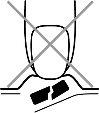
Fig. A.
- Separe un alveolo
Cada blister contiene seis alveolos, que están separados por perforaciones. Separe un alveolo siguiendo las líneas perforadas (Figura 1).
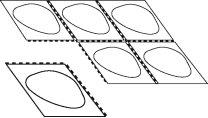
Fig. 1.
- Abrir el alveolo
Retire cuidadosamente la lámina, empezando en la esquina indicada por la flecha (Figuras 2 y 3).
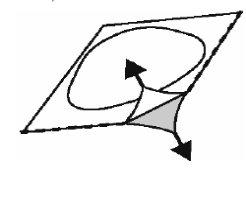
Fig. 2.
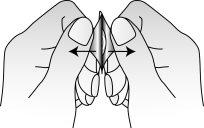
Fig. 3.
- Saque el comprimido bucodispersable
Saque el comprimido bucodispersable con las manos secas y póngaselo en la lengua (Figura 4).
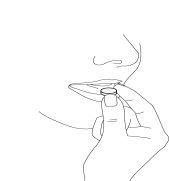
Fig. 4.
Se deshará rápidamente y puede tragarse sin agua.
Cuándo puede esperar encontrarse mejor
Normalmente Mirtazapina Tarbis empezará a hacer efecto después de 1 o 2 semanas y después de 2 a 4 semanas podría empezar a encontrarse mejor. Es importante que durante las primeras semanas de tratamiento hable con su médico sobre los efectos de mirtazapina:
?entre 2 y 4 semanas después de haber empezado a tomar mirtazapina, hable con su médico sobre como le ha afectado este medicamento.
Si todavía no se encuentra mejor, su médico podría recetarle una dosis mayor. En ese caso, hable nuevamente con su médico después de otras 2‑4 semanas.
Normalmente necesitará tomar mirtazapina hasta que los síntomas de depresión hayan desaparecido durante 4‑6 meses.
Si toma más Mirtazapina Tarbisdel que debiera
?Si usted o alguien toma demasiada Mirtazapina Tarbis, consulte a un médico inmediatamente. También puede llamar al Servicio de Información Toxicológica, teléfono 91 562 04 20.
Los síntomas más probables de una sobredosis de mirtazapina (sin otros medicamentos o alcohol) son la somnolencia, desorientación y palpitaciones.
Si olvidó tomar Mirtazapina Tarbis
Si tiene que tomar su dosis una vez al día
- si olvida tomar su dosis de mirtazapina, no tome la dosis olvidada. Sáltesela y tome la dosis habitual al día siguiente.
Si tiene que tomar su dosis dos veces al día
- si ha olvidado la dosis de la mañana, simplemente tómesela junto con la dosis de la noche
- si ha olvidado la dosis de la noche, no la tome a la mañana siguiente; sáltesela y continúe con sus dosis normales por la mañana y por la noche.
- si ha olvidado ambas dosis, no intente recuperarlas. Sáltese ambas dosis y al día siguiente continúe con la dosis normal por la mañana y por la noche.
Si interrumpe el tratamiento con Mirtazapina Tarbis
?Deje de tomar mirtazapina sólo si lo consulta con su médico.
Si lo deja demasiado pronto, la depresión podría reaparecer. Cuando se encuentre mejor, hable con su médico. Su médico decidirá cuándo puede dejar el tratamiento.
No deje de tomar mirtazapina bruscamente, aun cuando la depresión haya desaparecido. Si deja de tomar mirtazapina de forma brusca, puede sentirse enfermo, mareado, agitado o ansioso y tener dolores de cabeza. Estos síntomas pueden evitarse dejando el tratamiento gradualmente. Su médico le indicará cómo disminuir la dosis gradualmente.
Si tiene cualquier otra duda sobre el uso de este medicamento, pregunte a su médico o farmacéutico.

¿Has empezado a tomar el medicamento y tienes preguntas?
Comenta tus síntomas y tratamiento con un médico online.
4. Posibles efectos adversos
Al igual que todos los medicamentos, Mirtazapina Tarbis puede producir efectos adversos, aunque no todas las personas los sufran.
Algunos efectos adversos son más probables que otros. Los efectos adversos posibles de mirtazapina se indican a continuación y pueden dividirse en:
- Muy frecuentes:afectan a más de 1 de cada 10 pacientes
- Frecuentes:afectan a entre 1 y 10 de cada 100 pacientes
- Poco frecuentes:afectan a entre 1 y 10 de cada 1.000 pacientes
- Raros:afectan a entre 1 y 10 de cada 10.000 pacientes
- Muy raros:afectan a menos de 1 de cada 10.000 pacientes
- Desconocida:no se puede estimar de la información disponible
Muy frecuentes:
- aumento del apetito y aumento de peso
- somnolencia
- dolor de cabeza
- boca seca
Frecuentes:
- letargia
- mareo
- temblor
- náuseas
- diarrea
- vómitos
- estreñimiento
- urticaria o erupciones en la piel (exantema)
- dolores en las articulaciones (artralgia) o músculos (mialgia)
- dolor de espalda
- mareo o desmayo al levantarse rápidamente (hipotensión ortostática)
- hinchazón (normalmente en tobillos o pies) debido a retención de líquidos (edema)
- cansancio
- sueños vívidos
- confusión
- ansiedad
- dificultades para dormir
- problemas de memoria, que en la mayoría de los casos se resolvieron cuando se suspendió el tratamiento.
Poco frecuentes:
- sentimiento de euforia exagerada (manía)
?Deje de tomar mirtazapina y consulte a su médico inmediatamente.
- sensación extraña en la piel por ejemplo quemazón, pinchazos, cosquilleo u hormigueo (parestesia)
- movimientos involuntarios de agitación de las piernas durante el sueño
- desmayos (síncope)
- sensación de adormecimiento de la boca (hipoestesia oral)
- tensión baja
- pesadillas
- agitación
- alucinaciones
- incapacidad para mantenerse quieto
Raros:
- coloración amarilla de los ojos o la piel; puede sugerir alteraciones en el funcionamiento del hígado (ictericia).
?Deje de tomar mirtazapina y consulte a su médico inmediatamente.
- tics o contracciones musculares (mioclono)
- pancreatitis
Frecuencia no conocida:
- signos de infección tales como fiebre alta inexplicable y repentina, dolor de garganta y llagas en la boca (agranulocitosis).
?Deje de tomar mirtazapina y consulte a su médico inmediatamente para hacerse un análisis de sangre.
En casos raros, mirtazapina puede provocar alteraciones en la producción de células sanguíneas (depresión de la médula ósea). Algunas personas se vuelven menos resistentes a las infecciones porque mirtazapina puede provocar una disminución temporal de los glóbulos blancos de la sangre (granulocitopenia). En casos raros, mirtazapina también puede provocar una disminución de los glóbulos rojos y blancos y de las plaquetas (anemia aplásica), una disminución de las plaquetas (trombocitopenia) o un aumento en el número de glóbulos blancos en sangre (eosinofilia).
- ataque epiléptico (convulsiones).
?Deje de tomar mirtazapina y consulte a su médico inmediatamente.
- combinación de síntomas como fiebre inexplicable, sudoración, palpitaciones, diarrea, contracciones musculares (incontrolables), escalofríos, reflejos exagerados, agitación, cambios de humor y pérdida de conciencia. En casos muy raros, estos síntomas pueden ser señales de un trastorno llamado “síndrome serotoninérgico”.
?Deje de tomar mirtazapina y consulte a su médico inmediatamente.
- pensamientos de hacerse daño a uno mismo o de suicidio
?Deje de tomar mirtazapina y consulte a su médico inmediatamente.
- sensaciones anormales en la boca (parestesia oral)
- hinchazón en la boca (edema bucal)
- hiponatremia
- secreción inadecuada de hormona antidiurética
- aumento de los niveles de creatina quinasa en la sangre
- dificultad para orinar (retención urinaria)
- dolor muscular, rigidez y/o debilidad, oscurecimiento o decoloración de la orina (rabdomiólisis).
- parches rojos en el tronco, como máculas circunscritas o circulares, a menudo con ampollas en el centro, desprendimiento de la piel, úlceras en la boca, la garganta, la nariz, los genitales y los ojos. Estos eritemas cutáneos graves pueden ir precedidos de fiebre y síntomas gripales (síndrome de Stevens-Johnson, necrólisis epidérmica tóxica) ?Deje de tomar mirtazapina y consulte a su médico inmediatamente.
- eritema generalizado, temperatura corporal elevada y aumento de tamaño de los ganglios linfáticos (síndrome DRESS o síndrome de hipersensibilidad medicamentosa) ?Deje de tomar mirtazapina y consulte a su médico inmediatamente.
Si experimenta efectos adversos, consulte a su médico o farmacéutico incluso si se trata de efectos adversos que no aparecen en este prospecto.
Comunicación de efectos adversos:
Si experimenta cualquier tipo de efecto adverso, consulte a su médico o farmacéutico, incluso si se trata de posibles efectos adversos que no aparecen en este prospecto. También puede comunicarlos directamente a través del Sistema Español de Farmacovigilancia de medicamentos de Uso Humano: https://www.notificaram.es. Mediante la comunicación de efectos adversos usted puede contribuir a proporcionar más información sobre la seguridad de este medicamento.
5. Conservación de Mirtazapina
Mantener este medicamento fuera de la vista y del alcance de los niños.
No utilice este medicamento después de la fecha de caducidad que aparece en el envase y en el blister después de CAD. La fecha de caducidad es el último día del mes que se indica.
No conservar a temperatura superior a 25ºC.
Conservar en el envase original para protegerlo de la luz y la humedad
Los medicamentos no se deben tirar por los desagües ni a la basura. Deposite los envases y los medicamentos que no necesita en el Punto SIGRE de la farmacia. En caso de duda pregunte a su farmacéutico cómo deshacerse de los envases y de los medicamentos que no necesita. De esta forma ayudará a proteger el medio ambiente.
6. Contenido del envase e información adicional
Composición de Mirtazapina Tarbis
- El principio activo es mirtazapina.
Mirtazapina Tarbis 15 mg comprimidos bucodispersables contiene 15 mg de mirtazapina por comprimido.
- Los demás componentes son: manitol, celulosa microcristalina, carbonato magnésico, hidroxipropilcelulosa de baja sustitución, sílice coloidal anhidra, L-metionina, crospovidona, celulosa microcristalina y goma guar (Avicel CE-15), aspartamo (E951), aroma de naranja silesia y estearato magnésico.
Aspecto del producto y contenido del envase
Mirtazapina Tarbis 15 mg comprimidos bucodispersables son de color blanco, redondos, biconvexos y marcados con ´M1`en una cara.
Los comprimidos bucodispersables se envasan en blisters a prueba de niños, perforados para dosis unitaria.
Se encuentran disponibles los siguientes tamaños de envases: 30 comprimidos bucodispersables.
Titular de la autorización de comercialización y responsable de la fabricación
Titular de la autorización de comercialización:
TARBIS FARMA, S.L.
Gran Vía Carlos III, 94
08028-Barcelona (España)
Responsable de la fabricación
Actavis HF
Reyjavikuvegur 78
220 Hafnarfjordur
Islandia
Ó
Actavis Limited
BLB 016 Bulebel Industrial Estate
Zejtun ZTN 3000
Malta
Fecha de la última revisión de este prospecto:Octubre 2020
La información detallada y actualizada de este medicamento está disponible en la página Web de la Agencia Española de Medicamentos y Productos Sanitarios (AEMPS) http://www.aemps.gob.es/
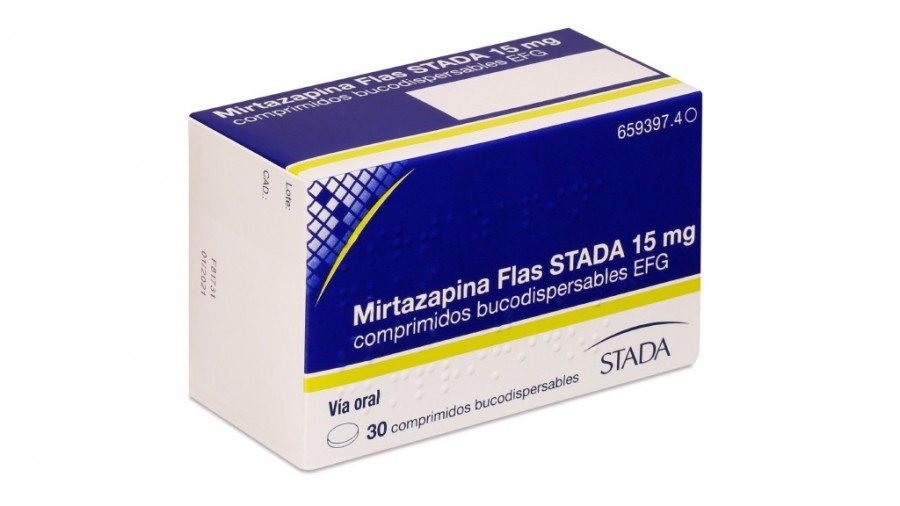
- País de registro
- Forma farmacéuticaCOMPRIMIDO BUCODISPERSABLE/LIOTAB, 15 mg
- Código ATCN06AX11
- Precio medio en farmacia8.52 EUR
- Principio activo
- Requiere recetaSí
- Fabricante
- ComposiciónMANITOL (E-421) (11,25 mg mg), MANITOL (E-421) (46,725 mg mg), ASPARTAMO (E-951) (6,00 mg mg)
- Esta información es de carácter general y no sustituye la consulta con un profesional sanitario.
- Alternativas a MIRTAZAPINA TARBIS 15 mg COMPRIMIDOS BUCODISPERSABLES EFGForma farmacéutica: COMPRIMIDO, 15 mgPrincipio activo: mirtazapinaFabricante: Laboratorios Alter S.A.Requiere recetaForma farmacéutica: COMPRIMIDO, 30 mgPrincipio activo: mirtazapinaFabricante: Laboratorios Alter S.A.Requiere recetaForma farmacéutica: COMPRIMIDO, 15 mgPrincipio activo: mirtazapinaFabricante: Almus Farmaceutica S.A.U.Requiere receta
Médicos online para MIRTAZAPINA TARBIS 15 mg COMPRIMIDOS BUCODISPERSABLES EFG
Comenta la dosis, los posibles efectos secundarios, interacciones, contraindicaciones o la revisión de receta de MIRTAZAPINA TARBIS 15 mg COMPRIMIDOS BUCODISPERSABLES EFG, sujeto a valoración médica y a la normativa local.







Obtén una receta de MIRTAZAPINA TARBIS 15 mg COMPRIMIDOS BUCODISPERSABLES EFG online
Rellena un formulario de 2 minutos
Cuéntanos tus síntomas, historial y el medicamento que necesitas.
Elige un médico o nosotros te asignamos uno
Escoge un especialista o te conectamos con el próximo médico disponible.
El médico revisa tu caso
Normalmente en 30 minutos. Puede hacerte preguntas adicionales por chat.
Recógela en cualquier farmacia
Receta electrónica enviada a tu correo, válida en toda España.
Preguntas frecuentes
MIRTAZAPINA TARBIS 15 mg COMPRIMIDOS BUCODISPERSABLES EFG requiere receta en España. Puedes confirmarlo con un médico online según tu caso.
El principio activo de MIRTAZAPINA TARBIS 15 mg COMPRIMIDOS BUCODISPERSABLES EFG es mirtazapina. Esta información ayuda a identificar medicamentos con la misma composición pero con diferentes nombres comerciales.
El precio medio en farmacia de MIRTAZAPINA TARBIS 15 mg COMPRIMIDOS BUCODISPERSABLES EFG es de aproximadamente 8.52 EUR. Puede variar según el fabricante y la forma farmacéutica.
MIRTAZAPINA TARBIS 15 mg COMPRIMIDOS BUCODISPERSABLES EFG es fabricado por Tarbis Farma S.L.. La marca y el envase pueden variar según el distribuidor.
Los Médicos de familia, Psiquiatras, Dermatólogos, Cardiólogos, Endocrinólogos, Gastroenterólogos, Neumólogos, Nefrólogos, Reumatólogos, Hematólogos, Infectólogos, Alergólogos, Geriatras, Pediatras, Oncólogos pueden valorar la prescripción de MIRTAZAPINA TARBIS 15 mg COMPRIMIDOS BUCODISPERSABLES EFG cuando esté clínicamente indicado. Puedes reservar una videoconsulta para comentar tu caso y las opciones de tratamiento.
España cuenta con una infraestructura sanitaria bien desarrollada en ciudades principales como Madrid, Barcelona, Valencia y Sevilla. Las farmacias están ampliamente disponibles y operan bajo estrictas regulaciones, garantizando el acceso a medicamentos con receta.
Puedes comprar MIRTAZAPINA TARBIS 15 mg COMPRIMIDOS BUCODISPERSABLES EFG en Madrid, Barcelona, Sevilla o Valencia en cualquier farmacia local con una receta válida.
Para obtener una receta, puedes utilizar Oladoctor:
Otros medicamentos con el mismo principio activo (mirtazapina) incluyen AFLOYAN 15 mg COMPRIMIDOS RECUBIERTOS CON PELICULA, AFLOYAN 30 mg COMPRIMIDOS RECUBIERTOS CON PELICULA, MIRTAZAPINA ALMUS 15 mg COMPRIMIDOS RECUBIERTOS CON PELICULA EFG. Pueden tener diferentes nombres comerciales o formulaciones, pero contienen el mismo componente terapéutico. Consulta siempre con un médico antes de cambiar o iniciar un nuevo medicamento.
