






How to use ITOVEBI 9 mg FILM-COATED TABLETS
Translated with AI
This page provides general information and does not replace a doctor’s consultation. Always consult a doctor before taking any medication. Seek urgent medical care if symptoms are severe.
Show originalContents of the leaflet
Introduction
Package Leaflet: Information for the Patient
Itovebi 3 mg film-coated tablets
Itovebi 9 mg film-coated tablets
inavolisib
This medicinal product is subject to additional monitoring, which will allow for quick identification of new safety information. You can help by reporting any side effects you may get. The last section of the leaflet includes information on how to report side effects.
Read all of this leaflet carefully before you start taking this medicine, because it contains important information for you.
- Keep this leaflet, you may need to read it again.
- If you have any further questions, ask your doctor or pharmacist.
- This medicine has been prescribed for you only. Do not pass it on to others. It may harm them, even if their signs of illness are the same as yours.
- If you get any side effects, talk to your doctor or pharmacist. This includes any possible side effects not listed in this leaflet. See section 4.
Contents of the pack and other information
- What is Itovebi and what is it used for
- What you need to know before you take Itovebi
- How to take Itovebi
- Possible side effects
- Storage of Itovebi
- Contents of the pack and other information
1. What is Itovebi and what is it used for
What is Itovebi
Itovebi contains the active substance inavolisib, which belongs to a group of medicines called PI3K inhibitors.
What Itovebi is used for
Itovebi is used to treat adults with a type of breast cancer called:
- ER positive (estrogen receptor positive)
- HER2 negative (human epidermal growth factor receptor 2 negative)
It is used in patients whose cancer has come back while they were receiving hormone therapy for cancer or within 12 months after completing hormone therapy for cancer. Itovebi is used when the patient's cancer:
- has a change (mutation) in a gene called PIK3CA, and
- has spread to nearby tissues or lymph nodes or to other parts of the body (metastatic).
In patients who have previously received treatment with a CDK 4/6 inhibitor medicine, at least 12 months must have passed since the end of treatment with the CDK 4/6 inhibitor medicine, and the breast cancer must have come back.
Before starting treatment with Itovebi, your doctor will do a test to see if your cancer has a mutation in PIK3CA.
How Itovebi works
Itovebi works by blocking the effects of a protein called “p110 alpha”. This protein is produced by the PIK3CAgene. A mutation in this gene can cause cancer cells to grow and multiply more quickly. By blocking the protein, Itovebi can reduce the growth and spread of the cancer and help destroy cancer cells.
What other medicines Itovebi is given with
Itovebi is used in combination with “palbociclib” and “fulvestrant”; these are medicines used to treat breast cancer.
In women who have not yet reached menopause and in men, treatment with Itovebi will also be combined with a medicine called a luteinizing hormone-releasing hormone (LHRH) agonist.
Please read the package leaflet of these medicines for more information.

2. What you need to know before you take Itovebi
Do not take Itovebi
- if you are allergic to inavolisib or any of the other ingredients of this medicine (listed in section 6).
Warnings and precautions
Tell your doctor or pharmacist before you start taking Itovebi if you have ever had:
- high blood sugar levels, diabetes or signs of high blood sugar levels (hyperglycemia), such as feeling very thirsty and dry mouth, needing to urinate more often than usual, producing more urine than usual, feeling tired, feeling sick (nausea), increased appetite with weight loss, blurred vision and/or feeling dizzy
- kidney problems
Tell your doctor immediately if you develop symptoms of any of the following side effects while taking Itovebi (for more information see `Serious side effects´ in section 4):
- High blood sugar levels (hyperglycemia) - your doctor may tell you to drink more water during treatment with Itovebi
- Mouth inflammation (stomatitis)
Your doctor may need to treat these symptoms, interrupt your treatment, reduce the dose or permanently stop your treatment with Itovebi.
Monitoring while taking Itovebi
Your doctor will do blood tests before you start taking Itovebi and from time to time during treatment. This is to check your blood sugar levels.
Your doctor may also ask you to check your blood sugar levels at home during treatment with Itovebi.
- Your doctor will tell you exactly when you should check your blood sugar levels.
- These checks will be more frequent during the first 4 weeks of treatment. Ask your doctor, pharmacist or nurse if you are not sure how to check your blood sugar levels.
Depending on the results, your doctor will take the necessary measures, such as prescribing a medicine to lower your blood sugar levels. If necessary, your doctor may decide to interrupt treatment with Itovebi or reduce the dose of Itovebi to lower your blood sugar levels. Your doctor may also decide to permanently stop treatment with Itovebi.
Children and adolescents
This medicine must not be given to children and adolescents under 18 years. This is because Itovebi has not yet been studied in this age group.
Other medicines and Itovebi
Tell your doctor or pharmacist if you are taking, have recently taken or might take any other medicines. This is because Itovebi may increase or decrease the effect of some medicines. This includes medicines obtained without a prescription and herbal medicines.
In particular, tell your doctor or pharmacist if you are taking:
- alfentanil (a medicine for treating pain and for anesthesia)
- astemizole (a medicine for treating allergies)
- cisapride (a medicine for treating heartburn and acid reflux)
- paclitaxel (a medicine for treating various types of cancer)
- quinidine (a medicine for treating certain types of irregular heartbeat)
- warfarin (a medicine for treating or preventing blood clots)
- medicines for preventing seizures or fits (such as phenytoin and S-mephenytoin)
- medicines that affect the immune system (ciclosporin, sirolimus and tacrolimus)
It is possible that the medicines listed above are not the only ones that may interact with Itovebi. Ask your doctor or pharmacist if you are not sure if your medicine is one of the medicines mentioned above.
Pregnancy
- Do not take Itovebi if you are pregnant. This is because Itovebi may harm the unborn baby.
- If you can become pregnant, your doctor will check that you are not pregnant before you start treatment with Itovebi. This may include a pregnancy test.
- Tell your doctor immediately if you become pregnant while taking the medicine.
- If you or your partner plan to become pregnant, consult your doctor or pharmacist before taking this medicine.
Contraception for men and women
- If you are a woman who can become pregnant, you must use a non-hormonal contraceptive method during treatment and for 1 week after stopping Itovebi. Ask your doctor or pharmacist about suitable methods.
- If you are a man and have a female partner who can become pregnant, you must use a condom during treatment and for 1 week after stopping Itovebi.
Breast-feeding
- Do not breast-feed while you are taking Itovebi and for 1 week after stopping Itovebi. This is because it is not known whether this medicine can pass into breast milk and harm your baby.
Driving and using machines
Itovebi may affect your ability to drive and use machines. If you feel tired while taking Itovebi, be careful when driving or using tools or machines. Do not drive or use machines until you are sure that your ability to perform these activities is not affected.
Itovebi contains lactose and sodium
If your doctor has told you that you have an intolerance to some sugars, consult them before taking this medicine.
This medicine contains less than 1 mmol of sodium (23 mg) per film-coated tablet, which is essentially “sodium-free”.
3. How to take Itovebi
Always take this medicine exactly as your doctor or pharmacist has told you. If you are not sure, check with your doctor or pharmacist.
How much Itovebi to take
The usual starting dose of Itovebi is 9 mg once a day.
Your doctor will decide the right dose for you. However, they may prescribe:
6 mg once a day, or
3 mg once a day
Depending on how you respond to treatment with Itovebi, your doctor may adjust the dose of Itovebi. If you experience certain side effects, your doctor may ask you to take a lower dose, interrupt treatment for a while or stop treatment permanently.
How to take Itovebi
Take Itovebi once a day, with or without food. Taking Itovebi at the same time every day will help you remember when to take it.
Itovebi tablets should be swallowed whole; do not chew, crush or break them before swallowing. Do not swallow any tablet that is broken, cracked or otherwise damaged, as you may not take the full dose.
How long to take Itovebi
Keep taking Itovebi every day for as long as your doctor tells you.
This is a long-term treatment - which may continue for months or years. Your doctor will regularly check your condition to see if the treatment is having the desired effect.
If you are not sure how long to take Itovebi, ask your doctor or pharmacist.
If you take more Itovebi than you should
If you take more Itovebi than you should, tell a doctor or go to hospital immediately. Take the medicine pack and this leaflet with you.
If you forget to take Itovebi
If you forget to take a dose of Itovebi, you can take it up to 9 hours after the time you should have taken it.
- If it is more than 9 hours after the time you should have taken it, miss out the dose for that day.
- Take the next dose at the usual time the next day.
Do not take a double dose to make up for a forgotten dose.
If you vomit immediately after taking a dose of Itovebi
If you vomit after taking a dose of Itovebi, do not take another dose that day. Take your normal dose of Itovebi at the usual time the next day.
If you stop taking Itovebi
Do not stop taking Itovebi unless your doctor tells you to or you experience serious side effects (see section 4 `Possible side effects´). This is because stopping treatment may make your illness worse.
If you have any further questions on the use of this medicine, ask your doctor or pharmacist.

4. Possible side effects
Like all medicines, this medicine can cause side effects, although not everybody gets them.
Tell your doctor if you experience any of the following side effects during treatment with Itovebi. Your doctor may need to treat these symptoms, interrupt your treatment, reduce the dose or permanently stop your treatment with Itovebi.
Serious side effects
If you experience any of these side effects, stop taking this medicine and tell your doctor immediately:
- High blood sugar levels (hyperglycemia) (very common; may affect more than 1 in 10 people), symptoms include:
- difficulty breathing
- nausea and vomiting (lasting more than 2 hours)
- stomach pain, feeling very thirsty or dry mouth
- needing to urinate more often than usual or producing more urine than usual
- blurred vision
- unusual increase in appetite
- weight loss, fruity breath odor
- flushed face and dry skin, and unusual sleepiness or tiredness
- Mouth inflammation (stomatitis) (very common; may affect more than 1 in 10 people), symptoms include:
- pain
- redness
- swelling
- ulcers in the mouth
- A serious complication of high blood sugar levels that involves high levels of ketones in the blood, which can make the blood more acidic (ketoacidosis) (uncommon; may affect up to 1 in 100 people), symptoms may include:
- difficulty breathing
- headache
- nausea
- vomiting
Other side effects
Tell your doctor or pharmacist if you notice any of the following side effects or if they get worse:
Very common (may affect more than 1 in 10 people)
- diarrhea
- low platelet count (which can cause bruising and bleeding), thrombocytopenia
- fatigue
- low red blood cell count (which can cause tiredness, weakness and pale skin), anemia
- feeling sick (nausea)
- skin rash
- loss of appetite
- headache
- hair loss or thinning (alopecia)
- weight loss
- increased levels of alanine aminotransferase (a type of liver enzyme) in blood tests
- low potassium levels in blood tests
- stomach pain
- vomiting
- dry skin
- urinary tract infection
Common (may affect up to 1 in 10 people)
- low calcium levels in blood tests
- dry eyes
- indigestion (dyspepsia)
- high insulin levels (a hormone that helps the body use sugar as energy) in blood tests
- altered sense of taste (dysgeusia)
- skin inflammation with rash (dermatitis)
- infection or inflammation of the hair follicles (folliculitis)
Tell your doctor or pharmacist if you notice any of these side effects or if they get worse.
Reporting of side effects
If you experience any side effects, talk to your doctor or pharmacist. This includes any possible side effects not listed in this leaflet. You can also report side effects directly via the national reporting system listed in Appendix V. By reporting side effects, you can help provide more information on the safety of this medicine.
5. Storage of Itovebi
Keep this medicine out of the sight and reach of children.
Do not use this medicine after the expiry date which is stated on the carton and blister after EXP. The expiry date refers to the last day of the month shown.
This medicine does not require any special storage conditions.
Do not use this medicine if you notice any damage to the packaging or if there are any signs of tampering, or if the tablet is broken, cracked or not intact.
Medicines should not be disposed of via wastewater or household waste. Ask your pharmacist how to dispose of medicines no longer required. These measures will help protect the environment.
6. Packaging Contents and Additional Information
Itovebi Composition
- The active ingredient is inavolisib.
- Each 3 mg film-coated tablet contains 3 mg of inavolisib.
- Each 9 mg film-coated tablet contains 9 mg of inavolisib.
The other ingredients are:
- Tablet core (3 mg and 9 mg film-coated tablets): lactose monohydrate, magnesium stearate (E 470b), microcrystalline cellulose (E 460), sodium starch glycolate (see section 2 “Itovebi contains lactose and sodium”).
- Coating (3 mg film-coated tablets): partially hydrolyzed polyvinyl alcohol; titanium dioxide (E 171); macrogol; talc (E 553b); and red iron oxide (E 172).
- Coating (9 mg film-coated tablets): partially hydrolyzed polyvinyl alcohol; titanium dioxide (E 171); macrogol; talc (E 553b); red iron oxide (E 172); and yellow iron oxide (E 172).
Product Appearance and Packaging Contents
Itovebi 3 mg film-coated tablets (tablets) are red and round, convex in shape, with the inscription “INA 3” on one side. Approximate diameter: 6 mm.
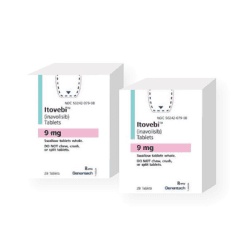
Itovebi 9 mg film-coated tablets (tablets) are pink and oval, with the inscription “INA 9” on one side. Approximate size: 13 mm (length), 6 mm (width).
Itovebi film-coated tablets are presented in boxes with 28 x 1 film-coated tablets in perforated unit-dose blisters.
Marketing Authorization Holder
Roche Registration GmbH
Emil-Barell-Strasse 1
79639 Grenzach-Wyhlen
Germany
Manufacturer
Roche Pharma AG
Emil-Barell-Strasse 1
79639 Grenzach-Wyhlen
Germany
You can request more information about this medication by contacting the local representative of the marketing authorization holder:
Belgium/Luxembourg Luxembourg N.V. Roche S.A. Belgium Tel: +32 (0) 2 525 82 11 | Lithuania UAB “Roche Lietuva” Tel: +370 5 2546799 |
| Hungary Roche (Hungary) Kft. Tel: +36 1 279 4500 |
Czech Republic Roche s. r. O. Tel: +420 - 2 20382111 | Netherlands Roche Nederland B.V. Tel: +31 (0) 348 438050 |
Denmark Roche Pharmaceutical A/S Tlf: +45 - 36 39 99 99 | Norway Roche Norge AS Tlf: +47 - 22 78 90 00 |
Germany Roche Pharma AG Tel: +49 (0) 7624 140 | Austria Roche Austria GmbH Tel: +43 (0) 1 27739 |
Estonia Roche Eesti OÜ Tel: + 372 - 6 177 380 | Poland Roche Polska Sp.z o.o. Tel: +48 - 22 345 18 88 |
Greece/Cyprus Roche (Hellas) A.E. Greece Tel: +30 210 61 66 100 | Portugal Roche Farmacêutica Química, Lda Tel: +351 - 21 425 70 00 |
Spain Roche Farma S.A. Tel: +34 - 91 324 81 00 | Romania Roche România S.R.L. Tel: +40 21 206 47 01 |
France Roche Tél: +33 (0) 1 47 61 40 00 | Slovenia Roche farmacevtska družba d.o.o. Tel: +386 - 1 360 26 00 |
Croatia Roche d.o.o. Tel: +385 1 4722 333 | Slovak Republic Roche Slovensko, s.r.o. Tel: +421 - 2 52638201 |
Ireland, Malta Roche Products (Ireland) Ltd. Ireland Tel: +353 (0) 1 469 0700 | Finland Roche Oy Tel: +358 (0) 10 554 500 |
Iceland Roche Pharmaceutical A/S c/o Icepharma hf Tel: +354 540 8000 | Sweden Roche AB Tel: +46 (0) 8 726 1200 |
Italy Roche S.p.A. Tel: +39 - 039 2471 | |
Latvia Roche Latvija SIA Tel: +371 - 6 7039831 |
Date of the Last Revision of this Leaflet:
Other Sources of Information
Detailed information on this medicinal product is available on the European Medicines Agency website: https://www.ema.europa.eu.
-

- Country of registration
- Dosage formTABLET, 9 mg
- Prescription requiredYes
- Manufacturer
- This information is for reference only and does not constitute medical advice. Always consult a doctor before taking any medication. Oladoctor is not responsible for medical decisions based on this content.
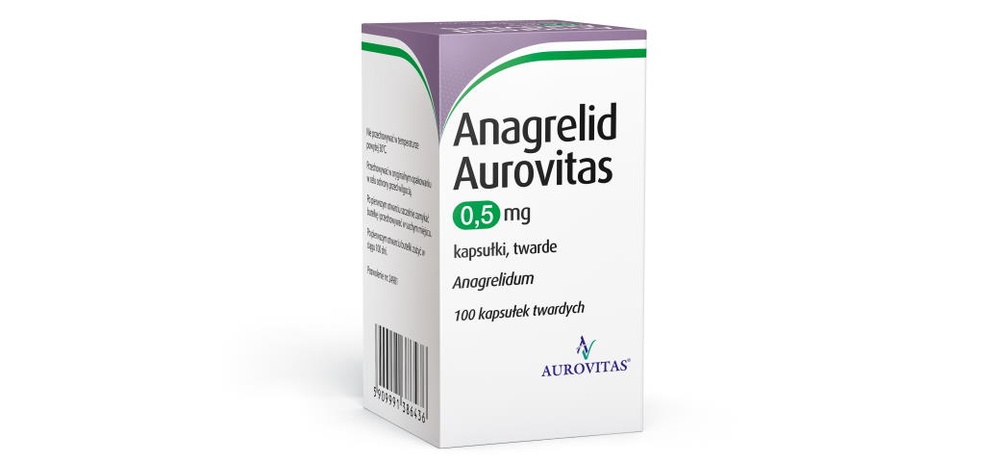
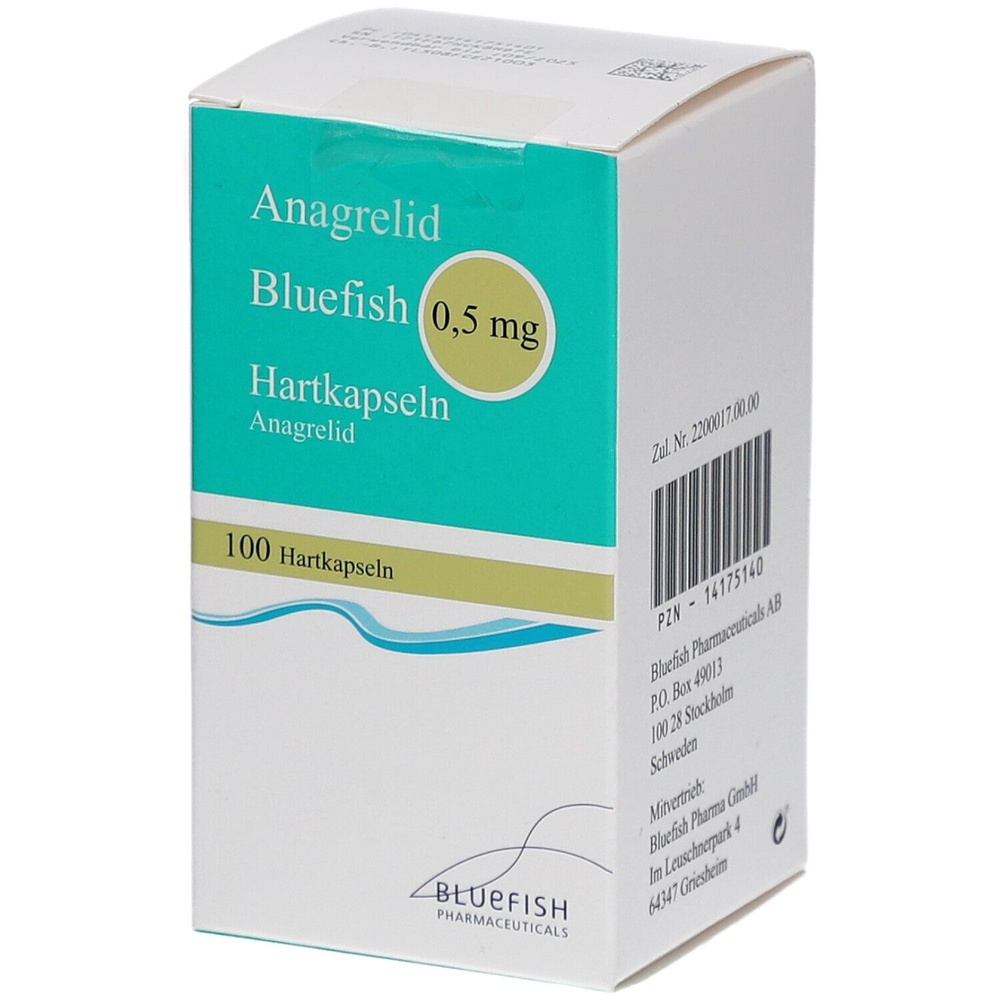
- Alternatives to ITOVEBI 9 mg FILM-COATED TABLETSDosage form: CAPSULE, 0.5 mgActive substance: anagrelideManufacturer: Aurovitas Spain, S.A.U.Prescription requiredDosage form: CAPSULE, 0.5 mgActive substance: anagrelideManufacturer: Bluefish Pharmaceuticals Ab (Publ)Prescription requiredDosage form: CAPSULE, 0.5 mgActive substance: anagrelideManufacturer: Glenmark Arzneimittel GmbhPrescription required
Online doctors for ITOVEBI 9 mg FILM-COATED TABLETS
Discuss questions about ITOVEBI 9 mg FILM-COATED TABLETS, including use, safety considerations and prescription review, subject to medical assessment and local regulations.









Get ITOVEBI 9 mg FILM-COATED TABLETS Prescription Online
Fill in a 2-min form
Tell us your symptoms, history, and what medicine you're requesting.
Pick a doctor or let us assign
Choose a specialist or we'll match you with the next available doctor.
Doctor reviews your case
Usually within 30 minutes. They may ask follow-up questions via chat.
Collect from any pharmacy
Electronic prescription sent to your email — valid across Spain.
Frequently Asked Questions
ITOVEBI 9 mg FILM-COATED TABLETS requires a prescription in Spain. You can check with a doctor online whether this medicine may be appropriate for your situation.
ITOVEBI 9 mg FILM-COATED TABLETS is manufactured by Roche Registration Gmbh. Pharmacy brands and packaging may differ depending on the distributor.
Doctors such as Family doctors, Psychiatrists, Dermatologists, Cardiologists, Endocrinologists, Gastroenterologists, Pulmonologists, Nephrologists, Rheumatologists, Hematologists, Infectious disease physicians, Allergists, Geriatricians, Paediatricians, Oncologists may assess whether ITOVEBI 9 mg FILM-COATED TABLETS is appropriate, depending on your situation and local regulations. You can book an online consultation to discuss your symptoms and possible next steps.
Spain has a well-developed healthcare infrastructure across major cities such as Madrid, Barcelona, Valencia, and Seville. Pharmacies are widely available and operate under strict regulations, ensuring access to prescribed medications.
You can buy ITOVEBI 9 mg FILM-COATED TABLETS in Madrid, Barcelona, Seville, or Valencia at any local pharmacy with a valid prescription.
To obtain a prescription, you can use Oladoctor:
Other medicines with the same active substance () include ANAGRELIDE AUROVITAS 0.5 mg HARD CAPSULES, ANAGRELIDE BLUEFISH 0.5 mg HARD CAPSULES, ANAGRELIDE GLENMARK 0.5 mg HARD CAPSULES. These may have different brand names or formulations but contain the same therapeutic ingredient. Always consult a doctor before switching or starting a new medicine.
