






Cómo usar ISOGAINE 30 mg/ml SOLUCION INYECTABLE
Traducción generada por IA
Este contenido ha sido traducido automáticamente y se ofrece solo con fines informativos. No sustituye la consulta con un profesional sanitario.
Ver originalContenido del prospecto
Introducción
Prospecto: información para el paciente
Isogaine 30 mg/ml solución inyectable
, Hidrocloruro de Mepivacaina
Lea todo el prospecto detenidamente antes de empezar a usar este medicamento, porque contiene información importante para usted.
- Conserve este prospecto, ya que puede tener que volver a leerlo.
- Si tiene alguna duda, consulte a su médico, dentista o farmacéutico.
- Este medicamento se le ha recetado solamente a usted, y no debe dárselo a otras personas, aunque tengan los mismos síntomas que usted, ya que puede perjudicarles.
- Si experimenta efectos adversos, consulte a su médico o farmacéutico, incluso si se trata de efectos adversos que no aparecen en este prospecto. Ver sección 4.
Contenido del prospecto
- Qué es Isogaíne y para qué se utiliza
- Qué necesita saber antes de empezar a usar Isogaine
- Cómo usar Isogaine
- Posibles efectos adversos
- Conservación de Isogaine
- Contenido del envase e información adicional
1. Qué es Isogaine y para qué se utiliza
Isogaine es un anestésico local que adormece un área particular para evitar o minimizar el dolor. Este medicamento se utiliza para procedimientos dentales locales en adultos, adolescentes y niños mayores de 4 años de edad (peso corporal de aproximadamente 20 kg). Contiene el principio activo hidrocloruro de mepivacaína y pertenece al grupo de los anestésicos del sistema nervioso.

2. Qué necesita saber antes de empezar a usar Isogaine
No use Isogaine
- si es alérgico a la mepivacaína o a cualquiera de los demás componentes de este medicamento (incluidos en la sección 6);
- si es alérgico a otros anestésicos locales del mismo grupo (por ejemplo, la bupivacaína o la lidocaína);
- si padece:
- trastornos cardíacos debido a una anomalía del impulso eléctrico que desencadena el latido del corazón (alteraciones graves de la conducción);
- epilepsia no controlada por un tratamiento;
- niños menores de 4 años de edad (peso corporal de aproximadamente 20 kg).
Advertencias y precauciones
Consulte a su dentista antes de empezar a usar Isogaine si usted:
- padece trastornos del corazón;
- padece anemia grave;
- tiene la presión sanguínea alta (hipertensión grave o sin tratar);
- tiene la presión sanguínea baja (hipotensión);
- padece epilepsia;
- padece una enfermedad hepática;
- padece una enfermedad renal;
- padece una enfermedad que afecta al sistema nervioso y produce trastornos neurológicos (porfiria);
- tiene una alta acidez en la sangre (acidosis);
- tiene mala circulación sanguínea;
- su estado general de salud está deteriorado;
- tiene inflamada o infectada la zona del punto de inyección.
Si cualquiera de estas situaciones es aplicable a usted, hable con su dentista. Él o ella podrá decidir reducirle la dosis.
Otros medicamentos e Isogaine
Comunique a su dentista si está tomando, ha tomado recientemente o podría tener que tomar cualquier otro medicamento, en particular:
- otros anestésicos locales;
- medicamentos utilizados para tratar el ardor y úlceras de estómago e intestinos (como la cimetidina);
- medicamentos tranquilizantes y sedantes;
- medicamentos usados para estabilizar el latido del corazón (antiarrítmicos);
- inhibidores del citocromo P450 1A2;
- medicamentos utilizados para tratar la hipertensión (propranolol).
Uso de Isogaine con alimentos
Evite comer, incluso mascar chicle, hasta que no recupere la sensibilidad normal para prevenir el riesgo de que pueda morderse los labios, parte interior de las mejillas o la lengua, en especial los niños.
Embarazo, lactancia y fertilidad
Si está embarazada o en periodo de lactancia, cree que podría estar embarazada o tiene intención de quedarse embarazada, consulte a su dentista o farmacéutico antes de utilizar este medicamento.
Es preferible, como medida de precaución, evitar el uso de este producto durante el embarazo, a menos que sea estrictamente necesario.
Se aconseja a las madres en periodo de lactancia no amamantar durante las 10 horas siguientes a la anestesia con este producto.
Conducción y uso de máquinas
Este medicamento puede tener una pequeña influencia sobre la capacidad para conducir y utilizar máquinas. Se pueden producir mareos (que incluyen sensación de “dar vueltas”, fatiga y trastornos de la vista) y pérdida de consciencia después de la administración de este medicamento (ver sección 4). Usted no debe abandonar el consultorio dental hasta que haya recuperado sus habilidades (generalmente, a los 30 minutos) después del procedimiento dental.
Isogaine contiene excipiente(s) de declaración obligatoria
Este medicamento contiene 2,36 mg de sodio (componente principal de la sal de mesa/para cocinar) en cada mililitro. Esto equivale al 0,118 % de la ingesta diaria máxima de sodio recomendada para un adulto.
Uso en deportistas
Este medicamento contiene mepivacaína que puede producir un resultado positivo en las pruebas de control de dopaje.
3. Cómo usar Isogaine
Isogaine sólo debe ser utilizado por o bajo la supervisión de dentistas, estomatólogos u otros médicos capacitados, mediante inyección local lenta.
Ellos determinarán la dosis correcta y la ajustarán en función del procedimiento, su edad, peso y estado general de salud.
Debe usarse la dosis más baja necesaria para obtener una anestesia eficaz.
Este medicamento se administra como inyección en la cavidad bucal.
Si se le administra más Isogaine del que se debe
Los síntomas siguientes pueden ser signos de toxicidad debida a dosis excesivas de anestésicos locales: agitación, sensación de entumecimiento de labios y lengua, pinchazos y hormigueo alrededor de la boca, mareos, molestias en la visión y el oído y zumbidos en los oídos, rigidez muscular o espasmos musculares, presión sanguínea baja y frecuencia cardíaca baja o irregular. Si experimenta alguno de estos efectos, la administración de la inyección debe interrumpirse de inmediato y solicitar asistencia médica de urgencia.
En caso de sobredosis o ingestión accidental, consulte inmediatamente a su médico, farmacéutico o llame al Servicio de Información Toxicológica, teléfono: 91 562 04 20, indicando el medicamento y la cantidad ingerida.
Si tiene cualquier otra duda sobre el uso de este medicamento, pregunte a su médico o dentista.

4. Posibles efectos adversos
Al igual que todos los medicamentos, este medicamento puede producir efectos adversos, aunque no todas las personas los sufran.
Después de la administración de Isogaine puede aparecer uno o más de los efectos adversos siguientes:
Efectos adversos frecuentes(pueden afectar hasta a 1 de cada 100 personas):
Dolor de cabeza
Efectos adversos raros(pueden afectar hasta a 1 de cada 1.000 personas):
- Erupción cutánea, picazón, hinchazón de la cara, labios, encías, lengua y/o garganta y dificultad para respirar, sibilancias/asma, habones (urticaria): estos pueden ser síntomas de reacciones de hipersensibilidad (reacciones alérgicas o similares a las alergias);
- dolor debido a la lesión en el nervio (dolor neuropático);
- sensación de quemazón, pinchazos y hormigueo en la piel sin causa física aparente alrededor de la boca (parestesia);
- sensación anormal dentro y alrededor de la boca (hipoestesia);
- sabor metálico, distorsión del gusto, pérdida del sentido del gusto (disestesia);
- mareo (ligero aturdimiento);
- temblor;
- pérdida de conciencia, ataque (convulsión), coma;
- desmayo;
- confusión, desorientación;
- trastornos del habla, charlatanería excesiva;
- inquietud, agitación;
- alteración del sentido del equilibrio (desequilibrio);
- somnolencia;
- visión borrosa, problemas para enfocar claramente un objeto, trastornos visuales;
- sensación de giro (vértigo);
- ineficacia del corazón para contraerse eficazmente (paro cardíaco), latidos cardíacos rápidos y erráticos (fibrilación ventricular), dolor intenso y opresivo en el tórax (angina de pecho);
- problemas de coordinación del latido cardíaco (trastornos de la conducción, bloqueo auriculoventricular), ritmo cardíaco lento y anormal (bradicardia), ritmo cardíaco acelerado anormal (taquicardia), palpitaciones;
- presión arterial baja;
- aumento del flujo sanguíneo (hiperemia);
- dificultad para respirar, respiración anormalmente lenta o muy rápida;
- bostezos;
- sensación de mareo, vómitos, úlceras en la boca o en las encías, hinchazón de la lengua, labios o encías;
- sudoración excesiva;
- espasmos musculares;
- escalofríos;
- hinchazón en el punto de inyección.
Efectos adversos muy raros(pueden afectar hasta a 1 de cada 10.000 personas)
- presión arterial alta;
Posibles efectos secundarios(la frecuencia no se puede estimar a partir de los datos disponibles):
- euforia, ansiedad/nerviosismo;
- movimientos oculares involuntarios, problemas oculares como contracción de la pupila, caída del párpado superior (como en el síndrome de Horner), pupila dilatada, desplazamiento posterior del globo ocular dentro de la órbita debido a cambios en el volumen de la órbita (llamado enoftalmía), visión doble o pérdida de visión;
- trastornos en los oídos, como zumbidos en los oídos, hipersensibilidad auditiva;
- incapacidad del corazón para contraerse de forma efectiva (depresión miocárdica);
- ensanchamiento de los vasos sanguíneos (vasodilatación);
- cambios en el color de la piel con confusión, tos, respiración y frecuencia cardiaca rápidas, sudores: estos pueden ser síntomas de una deficiencia de oxígeno en los tejidos (hipoxia);
- respiración rápida o difícil, somnolencia, dolor de cabeza, incapacidad para pensar y somnolencia, que pueden ser los signos de una alta concentración de dióxido de carbono en la sangre (hipercapnia);
- alteración de la voz (ronquera);
- hinchazón de la boca, labios, lengua y encías, alta producción de saliva;
- cansancio, sensación de debilidad, sensación de calor, dolor en el punto de inyección;
- lesión en el nervio.
Comunicación de efectos adversos:
Si experimenta cualquier tipo de efecto adverso, consulte a su médico o farmacéutico, incluso si se trata de posibles efectos adversos que no aparecen en este prospecto. También puede comunicarlos directamente a través del Sistema Español de Farmacovigilancia de Medicamentos de Uso Humano: https://www.notificaram.es . Mediante la comunicación de efectos adversos usted puede contribuir a proporcionar más información sobre la seguridad de este medicamento.
5. Conservación de Isogaine
Mantener este medicamento fuera de la vista y del alcance de los niños.
Este medicamento no requiere condiciones especiales de conservación.
No congelar.
No utilice este medicamento después de la fecha de caducidad que aparece en la etiqueta del cartucho y en la caja después de CAD.
La fecha de caducidad es el último día del mes que se indica.
No utilice este medicamento si se da cuenta que la solución no es transparente e incolora.
Los cartuchos son para un solo uso. La administración del medicamento debe tener lugar inmediatamente después de la apertura del cartucho. La solución no utilizada debe descartarse.
Los medicamentos no se deben tirar por los desagües ni a la basura. Pregunte a su farmacéutico cómo deshacerse de los envases y de los medicamentos que ya no necesita. De esta forma ayudará a proteger el medio ambiente.
6. Contenido del envase e información adicional
Composición de Isogaine
- El principio activo es hidrocloruro de mepivacaína 30mg/ml.
Cada cartucho de 1,8 ml de solución contiene 54 miligramos de hidrocloruro de mepivacaína.
Cada ml de solución contiene 30 miligramos de hidrocloruro de mepivacaína.
- Los demás ingredientes son Cloruro sódico, Agua para preparaciones inyectables.
Aspecto de Isogaine y contenido del envase
Este medicamento es una solución incolora y traslúcida.
Envases con cartuchos de 1,8 ml en soporte blíster de PVC.
La presentación comercial es una caja con 50 cartuchos de 1,8 ml o 1 cartucho de 1,8 ml.
Titular de la autorización de comercialización y responsable de la fabricación
Titular de la autorización de comercialización
Laboratorios Clarben, S.A.
Av. Valdelaparra 27
Alcobendas 28108 - España.
Responsable de la fabricación
CLARBEN, S.A.
Eduardo Marconi, 2. Polígono Industrial Codein.
Fuenlabrada (Madrid)
28946 - España
Fecha de la última revisión de este prospecto: Febrero 2020
La información detallada y actualizada de este medicamento está disponible en la página Web de la Agencia Española de Medicamentos y Productos Sanitarios (AEMPS) http://www.aemps.gob.es/
-

- País de registro
- Forma farmacéuticaINYECTABLE, 54 mg
- Código ATCN01BB03
- Principio activo
- Requiere recetaSí
- Fabricante
- Esta información es de carácter general y no sustituye la consulta con un profesional sanitario.
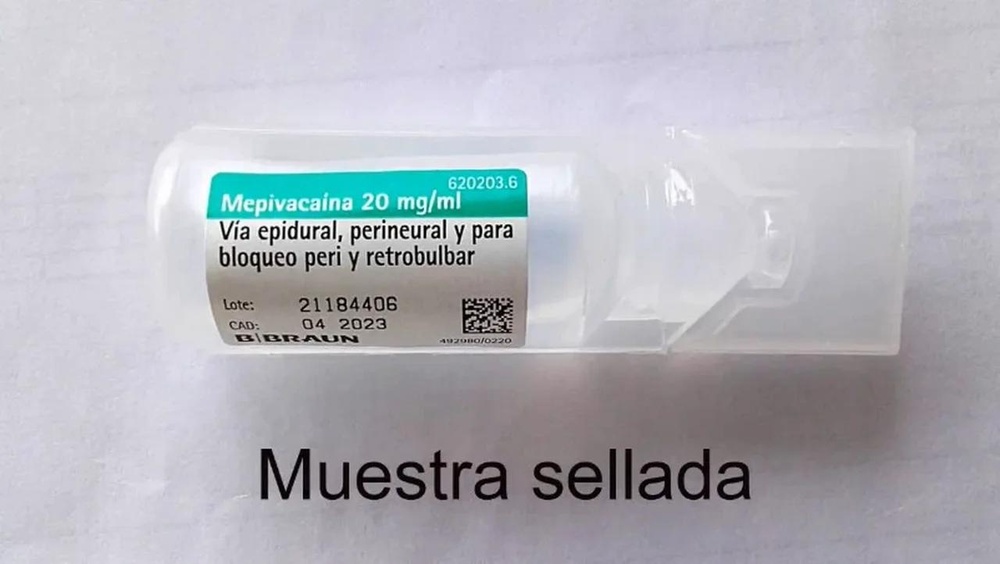
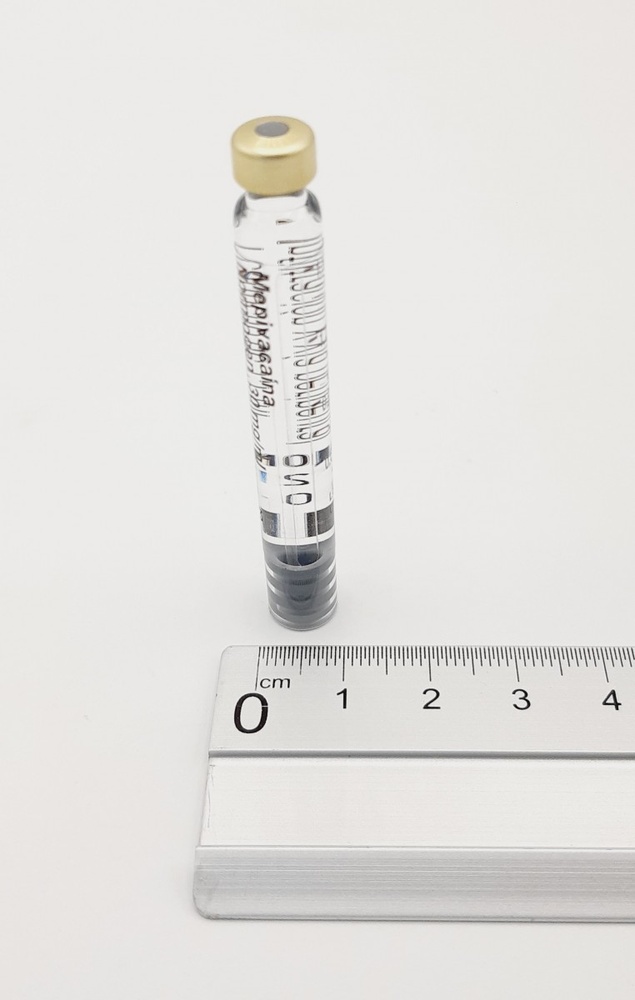
- Alternativas a ISOGAINE 30 mg/ml SOLUCION INYECTABLEForma farmacéutica: INYECTABLE, 10 mg/mlPrincipio activo: mepivacaineFabricante: B Braun Medical S.A.Requiere recetaForma farmacéutica: INYECTABLE, 20 mg/mlPrincipio activo: mepivacaineFabricante: B Braun Medical S.A.Requiere recetaForma farmacéutica: INYECTABLE, 3% mepivacaina hidrocloruroPrincipio activo: mepivacaineFabricante: Farmalider S.A.Requiere receta

Médicos online para ISOGAINE 30 mg/ml SOLUCION INYECTABLE
Comenta la dosis, los posibles efectos secundarios, interacciones, contraindicaciones o la revisión de receta de ISOGAINE 30 mg/ml SOLUCION INYECTABLE, sujeto a valoración médica y a la normativa local.









Obtén una receta de ISOGAINE 30 mg/ml SOLUCION INYECTABLE online
Rellena un formulario de 2 minutos
Cuéntanos tus síntomas, historial y el medicamento que necesitas.
Elige un médico o nosotros te asignamos uno
Escoge un especialista o te conectamos con el próximo médico disponible.
El médico revisa tu caso
Normalmente en 30 minutos. Puede hacerte preguntas adicionales por chat.
Recógela en cualquier farmacia
Receta electrónica enviada a tu correo, válida en toda España.
Preguntas frecuentes
ISOGAINE 30 mg/ml SOLUCION INYECTABLE requires receta en España. Puedes confirmarlo con un médico online según tu caso.
El principio activo de ISOGAINE 30 mg/ml SOLUCION INYECTABLE es mepivacaine. Esta información ayuda a identificar medicamentos con la misma composición pero con diferentes nombres comerciales.
ISOGAINE 30 mg/ml SOLUCION INYECTABLE es fabricado por Laboratorios Clarben S.A.. La marca y el envase pueden variar según el distribuidor.
Los Médicos de familia, Psiquiatras, Dermatólogos, Cardiólogos, Endocrinólogos, Gastroenterólogos, Neumólogos, Nefrólogos, Reumatólogos, Hematólogos, Infectólogos, Alergólogos, Geriatras, Pediatras, Oncólogos pueden valorar la prescripción de ISOGAINE 30 mg/ml SOLUCION INYECTABLE cuando esté clínicamente indicado. Puedes reservar una videoconsulta para comentar tu caso y las opciones de tratamiento.
España cuenta con una infraestructura sanitaria bien desarrollada en ciudades principales como Madrid, Barcelona, Valencia y Sevilla. Las farmacias están ampliamente disponibles y operan bajo estrictas regulaciones, garantizando el acceso a medicamentos con receta.
Puedes comprar ISOGAINE 30 mg/ml SOLUCION INYECTABLE en Madrid, Barcelona, Sevilla o Valencia en cualquier farmacia local con una receta válida.
Para obtener una receta, puedes utilizar Oladoctor:
Otros medicamentos con el mismo principio activo (mepivacaine) incluyen MEPIVACAINA B. BRAUN 10 MG/ML SOLUCIÓN INYECTABLE, MEPIVACAINA B. BRAUN 20 MG/ML SOLUCIÓN INYECTABLE, MEPIVACAINA DERMOGEN 30 mg/ml SOLUCION INYECTABLE EFG. Pueden tener diferentes nombres comerciales o formulaciones, pero contienen el mismo componente terapéutico. Consulta siempre con un médico antes de cambiar o iniciar un nuevo medicamento.
