






Cómo usar INIBSACAIN 5 MG/ML + 0,005 MG/ML SOLUCIÓN INYECTABLE EN CARTUCHO
Traducción generada por IA
Este contenido ha sido traducido automáticamente y se ofrece solo con fines informativos. No sustituye la consulta con un profesional sanitario.
Ver originalContenido del prospecto
Introducción
PROSPECTO: INFORMACIÓN PARA EL USUARIO
Inibsacain 5 mg/ml + 0,005 mg/ml solución inyectable en cartucho
Bupivacaína, hidrocloruro / Adrenalina
|
Contenido del prospecto:
- Qué es Inibsacain y para qué se utiliza
- Qué necesita saber antes de empezar a usar Inibsacain
- Cómo usar Inibsacain
- Posibles efectos adversos
- Conservación de Inibsacain
- Contenido del envase e información adicional
1. Qué es Inibsacain y para qué se utiliza
Inibsacain 5 mg/ml + 0,005 mg/ml solución inyectable en cartuchos es un anestésico local (agente que reduce o elimina las sensaciones, afectando una región particular). Este medicamento se utiliza en anestesia local dental en adultos

2. Qué necesita saber antes de empezar a usar Inibsacain
No useInibsacain 5 mg/ml + 0,005 mg/ml
- Si es alérgico (hipersensible) a hidrocloruro de bupivacaína, adrenalina, o a alguno de los demás componentes de este medicamento (incluidos en la sección 6).
- Si es alérgico (hipersensible) a cualquier otro anestésico local del mismo grupo (por ejemplo: articaína, lidocaína, mepivacaína, prilocaína)
- Si padece glaucoma de ángulo estrecho (afección de los ojos caracterizada por el aumento de la tensión intraocular)
- Si padece problemas del corazón como:
- Taquicardia paroxística (ritmo acelerado del corazón)
- Fibrilación auricular (alteraciones del ritmo del corazón) con frecuencia cardiaca rápida
- Deterioro de la conducción del impulso cardiaco
- Insuficiencia cardiaca (fallo de la función del corazón) descompensada
- Shock cardiogénico o hipovolémico (fallos agudos del corazón)
- Si presenta enfermedad nerviosa degenerativa
- Si tiene trastornos de la coagulación sanguínea
- Si la zona de inyección está infectada
Advertencias y precauciones
Consulte a su médico antes de empezar a usar Inibsacain si padece:
- Hipertensión grave o no tratada (presión sanguínea alta)
- Tirotoxicosis (excesiva actividad de la tiroides)
- Diabetes
- Asma
- Enfermedad hepática (del hígado) avanzada
- Disfunción renal (del riñón) severa
- Enfermedades cardíacas (del corazón)
Niños y adolescentes
No se ha establecido la seguridad y eficacia de Inibsacain en niños y adolescentes menores de 18 años, por lo que no se recomienda su uso en esta población.
Otros medicamentos e Inibsacain
Informe a su médico o farmacéutico si está tomando, o ha tomado recientemente o podría tener que tomar cualquier otro medicamento
Informe a su médico si está tomando cualquiera de los siguientes medicamentos, ya que pueden alterar el efecto de Inibsacain:
- Antidepresivos tricíclicos (medicamentos para el tratamiento de la depresión)
- Fármacos oxitócicos de tipo ergotamina (estimulantes del útero)
- Fenotiazinas y butirofenonas (medicamentos para el tratamiento de desórdenes psicóticos)
- Halotano (anestesia general por inhalación)
- Betabloqueantes no cardioselectivos, como el propranolol (medicamentos para el corazón)
- Medicamentos estructuralmente parecidos a los anestésicos locales como los usados para el trastorno del ritmo cardiaco (antiarrítmicos de clase Ib)
Embarazo y lactancia
Si está embarazada o en periodo de lactancia, cree que podría estar embarazada o tiene intención de quedarse embarazada, consulte a su médico o farmacéutico antes de utilizar este medicamento
Embarazo
En caso de estar embarazada su médico le recetará Inibsacain teniendo en cuenta el beneficio que pueda tener frente al riesgo para su bebé.
Lactancia
En caso de estar en periodo de lactancia su médico le recetará Inibsacain teniendo en cuenta el beneficio que pueda tener frente al riesgo para su bebé.
Conducción y uso de máquinas
Inibsacain puede alterar temporalmente su capacidad de movimiento, atención y coordinación. Su médico le indicará si puede conducir o utilizar máquinas.
Inibsacain contiene metabisulfito de sodio (E-223) y sodio:
Este medicamento puede producir reacciones alérgicas graves y broncoespasmo (sensación repentina de ahogo) porque contiene metabisulfito de sodio.
Este medicamento contiene menos de 1 mmol de sodio (23 mg) por cartucho de 1,8 ml; esto es, esencialmente “exento de sodio”.
3. Cómo usar Inibsacain
Inibsacain debe administrarse solo bajo la supervisión de un médico con experiencia en la utilización de este tipo de tratamientos.
Inibsacain se administra en forma de inyección para uso dental.
La dosis, velocidad de administración y duración del tratamiento será variable dependiendo del proceso anestésico que se lleve a cabo, del área que debe ser anestesiada y del peso, situación clínica y respuesta del paciente.
Si se administra más Inibsacain del que se debe
En caso de sobredosis o ingestión accidental consulte inmediatamente a su médico o farmacéutico o llame al Servicio de Información Toxicológica, teléfono: 91 562 04 20, indicando el medicamento y la cantidad ingerida.
Al igual que con los otros anestésicos locales, debido a una excesiva dosificación, una rápida absorción o una inyección accidental en vasos sanguíneos, pueden presentarse síntomas de intoxicación que pueden manifestarse:
- Sobre el sistema nervioso central:
Caracterizados por anestesia de la lengua, pérdida de conciencia ligera, desvanecimiento, visión borrosa, dolor de cabeza, temblores seguidos por somnolencia, convulsiones e inconsciencia.
- Sobre el aparato circulatorio:
Disminución de la capacidad de contracción del corazón, tensión arterial baja (hipotensión).
A dosis elevadas vasodilatación, colapso, alteraciones de la conducción, disminución del ritmo cardiaco, bloqueo auriculoventricular, arritmias, paro cardíaco.
Si se producen efectos tóxicos, la primera medida es cesar la administración del anestésico local. El subsiguiente tratamiento consiste en parar las convulsiones y asegurar la respiración adecuada con oxígeno, si es necesario por respiración asistida. Si se producen convulsiones pueden tratarse con 5 - 10 mg de diazepam. Si existe hipotensión debe administrarse un vasopresor por vía intravenosa, por ejemplo 5 - 10 mg de efedrina. Si se produce un paro circulatorio debe aplicarse inmediatamente la reanimación cardiopulmonar y administrar lo antes posible una dosis de 0,1 – 0,2 mg de adrenalina por vía intravenosa o intracardiaca. Si aparece paro cardiaco, debe aplicarse un esfuerzo de reanimación prolongado.

4. Posibles efectos adversos
Al igual que todos los medicamentos, este medicamento puede producir efectos adversos, aunque no todas las personas los sufran.
Los efectos adversos que puede experimentar pueden clasificarse en función de su frecuencia en:
- Muy frecuentes (pueden afectar a más de 1 de cada 10 personas):descenso de la tensión arterial y náuseas
- Frecuentes (pueden afectar a hasta 1 de cada 10 personas):descenso del ritmo cardiaco, sensación de hormigueo y pérdida de sensibilidad (parestesia), vértigo, vómitos, retención de orina o aumento de la presión sanguínea (hipertensión).
- Poco frecuentes (pueden afectar hasta 1 de cada 100 personas):convulsiones, sensación de hormigueo y pérdida de sensibilidad alrededor de la boca, adormecimiento de la lengua, aumento de la sensibilidad auditiva (hiperacusia), alteraciones visuales, pérdida de la conciencia, temblores, ligero dolor de cabeza, zumbido de los oídos (tinnitus) y trastornos en la articulación del lenguaje.
- Raros (pueden afectar a hasta 1 de cada 1.000 personas):paro cardiaco y alteración de los latidos cardiacos, alteración nerviosa (neuropatía), lesión del nervio periférico e inflamación de la aracnoides, visión doble de los objetos (diplopía), depresión respiratoria, reacciones alérgicas, shock anafiláctico (reacción alérgica extrema).
Comunicación de efectos adversos
Si experimenta cualquier tipo de efecto adverso, consulte a su médico, incluso si se trata de posibles efectos adversos que no aparecen en este prospecto. También puede comunicarlos directamente a través del Sistema Español de Farmacovigilancia de Medicamentos de Uso Humano www.notificaram.es. Mediante la comunicación de efectos adversos usted puede contribuir a proporcionar más información sobre la seguridad de este medicamento.
5. Conservación de Inibsacain
Mantener este medicamento fuera de la vista y del alcance de los niños.
Conservar por debajo de 25ºC.
No utilice este medicamento después de la fecha de caducidad que aparece en el cartucho y en el envase del producto después de CAD. La fecha de caducidad es el último día del mes que se indica.
Las soluciones no contienen conservantes y deben ser usadas inmediatamente tras su apertura. Todo resto de solución debe ser desechado.
Los medicamentos no se deben tirar por los desagües ni a la basura. Deposite los envases y los medicamentos que no necesita en el Punto SIGRE de la farmacia. En caso de duda, pregunte a su farmacéutico cómo deshacerse de los envases y de los medicamentos que ya no necesita. De esta forma, ayudará a proteger el medio ambiente.
6. Contenido del envase e información adicional
Composición de Inibsacain
- Los principios activos son hidrocloruro de bupivacaína y epinefrina (adrenalina). Cada ml contiene 5 mg de hidrocloruro de bupivacaína y 0,005 mg de epinefrina (adrenalina) (en formad de bitartrato). Cada cartucho de 1,8 ml contiene 9 mg de hidrocloruro de bupivacaína y 0,009 mg de epinefrina (adrenalina) (en forma de bitartrato).
- Los demás componentes son cloruro de sodio, metabisulfito de sodio (E-223), ácido clorhídrico (para el ajuste del pH) y agua para preparaciones inyectables.
Aspecto del producto y contenido del envase
Inibsacain está envasado en cartuchos de vidrio que contienen una solución inyectable, incolora y sin partículas.
La presentación comercial son envases que contienen 1 cartucho o 100 cartuchos (envase clínico) de 1,8 ml.
Puede que solamente estén comercializados algunos tamaños de envases.
Titular de la autorización de comercialización y Responsable de la fabricación
Laboratorios Inibsa, S.A.
Ctra. Sabadell a Granollers km 14,5
08185 Lliçà de Vall (Barcelona)
España
Teléfono: +34 938 609 500
Fax: +34 938 439 695
e-mail: [email protected]
–––––––––––––––––––––––––––––––––––––––––––––––––––––––––––––––––––––––––––––
Esta información está destinada únicamente a médicos o profesionales del sector sanitario
Antes de la administración de un anestésico local, debe contarse con un equipo de reanimación completo, provisto de un sistema de oxigenación y ventilación asistida, y de los fármacos adecuados para el tratamiento de posibles reacciones tóxicas.
Las inyecciones deben administrase siempre lentamente y con previa aspiración, para evitar la inyección intravascular accidental, que podría ocasionar efectos tóxicos.
Teniendo esto en cuenta, además de la técnica anestésica y la situación de los pacientes que van a recibir el tratamiento, la administración del medicamento deberá realizarse de acuerdo a las pautas descritas y las recomendaciones incluidas en los diferentes apartados de la Ficha Técnica (“Posología y forma de administración”; “Advertencias y precauciones especiales de uso”), por lo que es necesario remitirse al texto de la misma para asegurar un correcto uso del producto.
Las soluciones deben ser usadas inmediatamente después de su apertura. Cualquier porción restante de la solución empleada, debe desecharse.
Debido a la inestabilidad de la adrenalina, los productos que la contienen no deben ser esterilizados de nuevo.
La solución es incolora, transparente y libre de partículas, por lo que no debe ser usada si se presenta color rosáceo o más oscuro que amarillo débil o si contiene un precipitado o cualquier partícula extraña en su interior.
Deben tomarse las precauciones apropiadas con el fin de evitar un contacto prolongado entre las soluciones anestésicas que contienen adrenalina (bajo pH) y las superficies metálicas (por ejemplo, agujas y partes metálicas de las jeringas), ya que se disuelven los iones metálicos, principalmente iones de cobre, pudiendo causar irritación local (hinchazón, edema) en el lugar de inyección y degradación acelerada de la adrenalina).
Incompatibilidades
La solubilidad de bupivacaína es limitada a pH > 6,5. Esto debe tenerse en cuenta en el caso de que deban añadirse soluciones alcalinas, por ej. carbonatos, ya que puede aparecer una precipitación.
La mezcla con soluciones alcalinas da lugar a una rápida degradación de la adrenalina.
Última revisión del prospecto: septiembre 2020
La información detallada y actualizada de este medicamento está disponible en la página Web de la Agencia Española de Medicamentos y Productos Sanitarios (AEMPS) http://www.aemps.es/
-

- País de registro
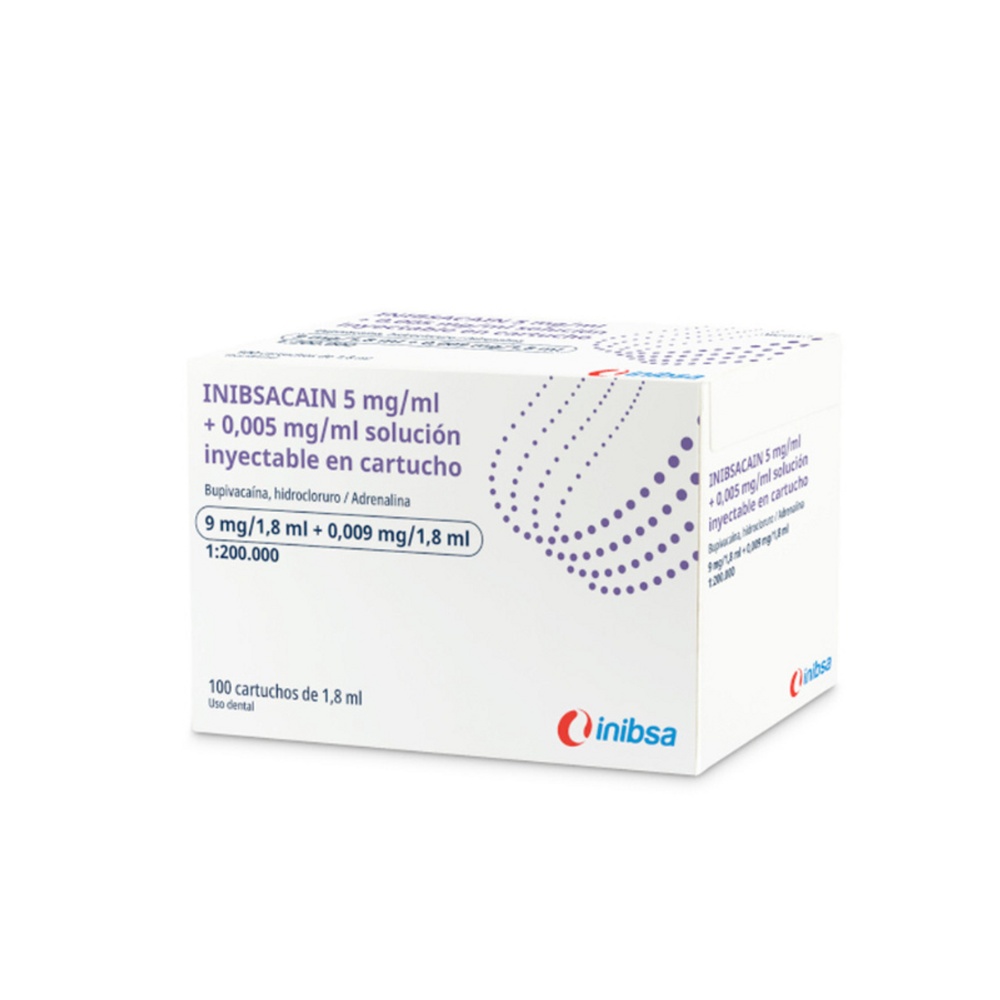
- Forma farmacéuticaINYECTABLE, 9 mg bupivacaina hidrocloruro;0,009 mg epinefrina
- Requiere recetaSí
- Fabricante
- Esta información es de carácter general y no sustituye la consulta con un profesional sanitario.
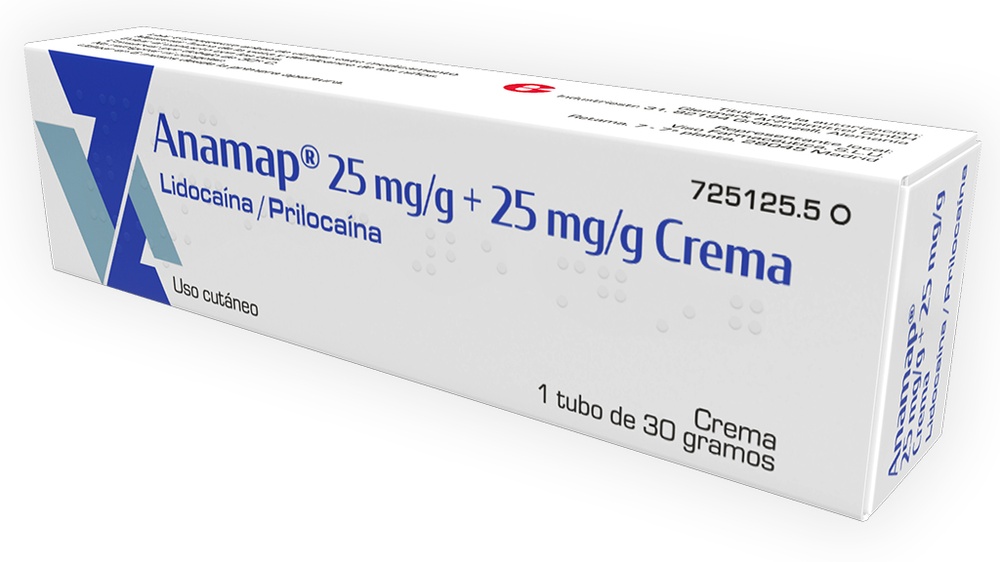
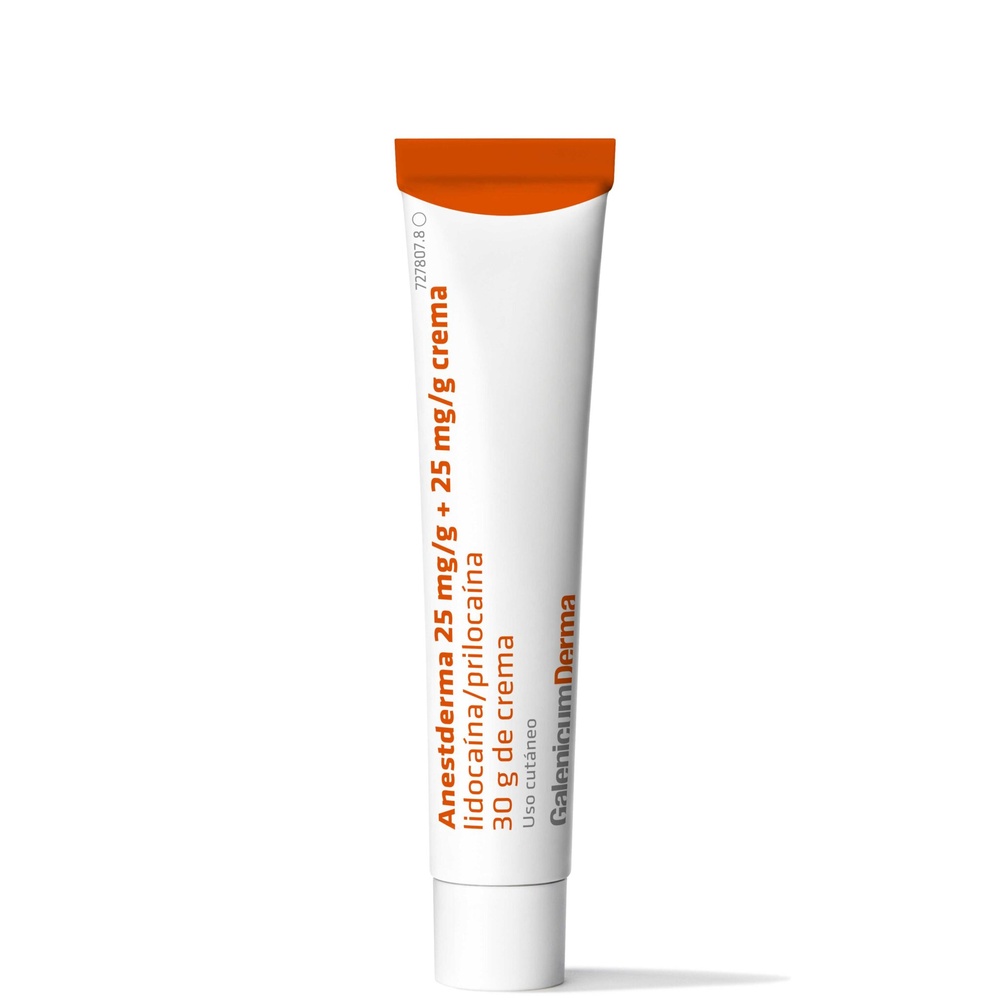
- Alternativas a INIBSACAIN 5 MG/ML + 0,005 MG/ML SOLUCIÓN INYECTABLE EN CARTUCHOForma farmacéutica: APÓSITO, 700 mgPrincipio activo: LidocainaFabricante: Grünenthal Pharma S.A.Requiere recetaForma farmacéutica: CREMA, 25 mg/g + 25 mg/gPrincipio activo: combinationsFabricante: Glenmark Arzneimittel GmbhRequiere recetaForma farmacéutica: CREMA, 25 mg/g + 25 mg/gPrincipio activo: combinationsFabricante: Galenicum Derma S.L.U.Requiere receta

Médicos online para INIBSACAIN 5 MG/ML + 0,005 MG/ML SOLUCIÓN INYECTABLE EN CARTUCHO
Comenta la dosis, los posibles efectos secundarios, interacciones, contraindicaciones o la revisión de receta de INIBSACAIN 5 MG/ML + 0,005 MG/ML SOLUCIÓN INYECTABLE EN CARTUCHO, sujeto a valoración médica y a la normativa local.









Obtén una receta de INIBSACAIN 5 MG/ML + 0,005 MG/ML SOLUCIÓN INYECTABLE EN CARTUCHO online
Rellena un formulario de 2 minutos
Cuéntanos tus síntomas, historial y el medicamento que necesitas.
Elige un médico o nosotros te asignamos uno
Escoge un especialista o te conectamos con el próximo médico disponible.
El médico revisa tu caso
Normalmente en 30 minutos. Puede hacerte preguntas adicionales por chat.
Recógela en cualquier farmacia
Receta electrónica enviada a tu correo, válida en toda España.
Preguntas frecuentes
INIBSACAIN 5 MG/ML + 0,005 MG/ML SOLUCIÓN INYECTABLE EN CARTUCHO requires receta en España. Puedes confirmarlo con un médico online según tu caso.
INIBSACAIN 5 MG/ML + 0,005 MG/ML SOLUCIÓN INYECTABLE EN CARTUCHO es fabricado por Laboratorios Inibsa S.A.. La marca y el envase pueden variar según el distribuidor.
Los Médicos de familia, Psiquiatras, Dermatólogos, Cardiólogos, Endocrinólogos, Gastroenterólogos, Neumólogos, Nefrólogos, Reumatólogos, Hematólogos, Infectólogos, Alergólogos, Geriatras, Pediatras, Oncólogos pueden valorar la prescripción de INIBSACAIN 5 MG/ML + 0,005 MG/ML SOLUCIÓN INYECTABLE EN CARTUCHO cuando esté clínicamente indicado. Puedes reservar una videoconsulta para comentar tu caso y las opciones de tratamiento.
España cuenta con una infraestructura sanitaria bien desarrollada en ciudades principales como Madrid, Barcelona, Valencia y Sevilla. Las farmacias están ampliamente disponibles y operan bajo estrictas regulaciones, garantizando el acceso a medicamentos con receta.
Puedes comprar INIBSACAIN 5 MG/ML + 0,005 MG/ML SOLUCIÓN INYECTABLE EN CARTUCHO en Madrid, Barcelona, Sevilla o Valencia en cualquier farmacia local con una receta válida.
Para obtener una receta, puedes utilizar Oladoctor:
Otros medicamentos con el mismo principio activo () incluyen ACTILOGIC 700 MG APOSITO ADHESIVO MEDICAMENTOSO, ANAMAP 25 MG/G + 25 MG/G CREMA, ANESTDERMA 25 MG/G + 25 MG/G CREMA. Pueden tener diferentes nombres comerciales o formulaciones, pero contienen el mismo componente terapéutico. Consulta siempre con un médico antes de cambiar o iniciar un nuevo medicamento.
