



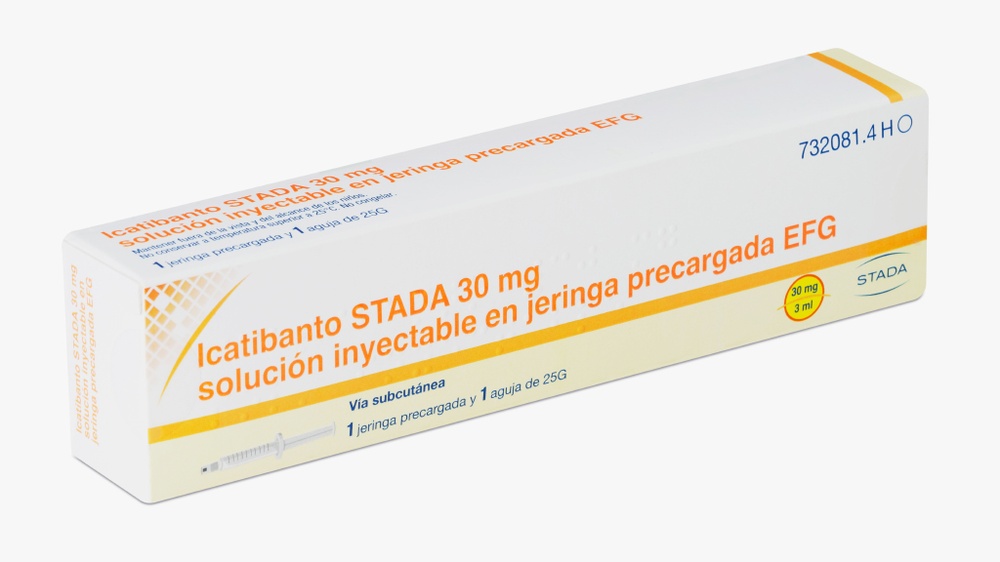
ICATIBANTO 30 mg /3 Ml Solución Inyectable

Revisión de receta online
Un médico revisará tu caso y determinará si la prescripción es médicamente apropiada.

Habla con un médico sobre este medicamento
Comenta tus síntomas y las opciones de tratamiento en una consulta online.



Cómo usar ICATIBANTO STADA 30 MG SOLUCION INYECTABLE EN JERINGA PRECARGADA EFG
Contenido del prospecto
- Introducción
- Qué es Icatibanto Stada y para qué se utiliza
- Qué necesita saber antes de empezar a usar Icatibanto Stada
- Cómo usar Icatibanto Stada
- Posibles efectos adversos
- Conservación de Icatibanto Stada
- Contenido del envase e información adicional
Introducción
Prospecto: información para el usuario
Icatibanto Stada 30 mg solución inyectable en jeringa precargada EFG
Lea todo el prospecto detenidamente antes de empezar a usar este medicamento, porque contiene información importante para usted.
- Conserve este prospecto, ya que puede tener que volver a leerlo.
- Si tiene alguna duda, consulte a su médico o farmacéutico.
- Este medicamento se le ha recetado solamente a usted y no debe dárselo a otras personas aunque tengan los mismos síntomas que usted, ya que puede perjudicarles.
- Si experimenta efectos adversos, consulte a su médico o farmacéutico, incluso si se trata
de efectos adversos que no aparecen en este prospecto. Ver sección 4.
Contenido del prospecto
- Qué es Icatibanto Stada y para qué se utiliza
- Qué necesita saber antes de empezar a usar Icatibanto Stada
- Cómo usar Icatibanto Stada
- Posibles efectos adversos
- Conservación de Icatibanto Stada
- Contenido del envase e información adicional
1. Qué es Icatibanto Stada y para qué se utiliza
Icatibanto Stada contiene el principio activo icatibanto.
Este medicamento se utiliza para el tratamiento de los síntomas del angioedema hereditario (AEH) en adultos, adolescentes y niños mayores de 2 años.
En el AEH aumentan las concentraciones de una sustancia presente en la sangre llamada bradicinina, lo que produce síntomas como hinchazón, dolor, náuseas y diarrea.
Icatibanto bloquea la actividad de la bradicinina y, por tanto, frena la progresión de los síntomas de una crisis de AEH.

¿No estás seguro de si este medicamento es adecuado para ti?
Comenta tus síntomas y tratamiento con un médico online.
2. Qué necesita saber antes de empezar a usar Icatibanto Stada
No use Icatibanto Stada
- si es alérgico a icatibanto o a alguno de los demás componentes de este medicamento (incluidos en la sección 6).
Advertencias y precauciones
Consulte a su médico antes de empezar a usar icatibanto:
- Si sufre angina de pecho (disminución del flujo de sangre que llega al corazón).
- Si ha sufrido recientemente un ictus.
Los efectos adversos relacionados con icatibanto son similares a los síntomas de su propia enfermedad. Consulte inmediatamente con su médico si nota que los síntomas de la crisis se agravan después de que le administren icatibanto.
Además:
- Usted o su cuidador deben aprender la técnica de administración de inyecciones subcutáneas (bajo la piel) antes de autoadministrarse o de que su cuidador le administre este medicamento.
- Inmediatamente después de autoadministrarse icatibanto o de que se lo administre su cuidador mientras experimenta una crisis laríngea (obstrucción de la vía aérea superior), deberá procurar atención médica en una institución médica.
- Si sus síntomas no se resuelven tras una inyección de icatibanto autoadministrada o administrada por su cuidador, debe consultar al médico sobre la administración de inyecciones adicionales de este medicamento. En pacientes adultos, se pueden administrar hasta 2 inyecciones adicionales en el plazo de 24 horas.
Niños y adolescentes
No se recomienda este medicamento en niños menores de 2 años o que pesen menos de 12 kg porque no se ha estudiado en estos pacientes.
Otros medicamentos y Icatibanto Stada
Informe a su médico si está tomando, ha tomado recientemente o pudiera tener que tomar cualquier otro medicamento.
No se conocen interacciones de icatibanto con otros medicamentos. Si está tomando algún medicamento que sea un inhibidor de la enzima de conversión de la angiotensina (IECA) (por ejemplo: captopril, enalapril, ramipril, quinapril, lisinopril) para reducir la presión arterial o por cualquier otro motivo, informe a su médico antes de utilizar este medicamento.
Embarazo y lactancia
Si está embarazada o en periodo de lactancia, cree que podría estar embarazada o tiene intención de quedarse embarazada, consulte a su médico antes de empezar a usar icatibanto.
Si se encuentra en período de lactancia, no debe amamantar a su hijo durante las 12 horas siguientes a la última administración de icatibanto.
Conducción y uso de máquinas
No conduzca ni maneje máquinas si se siente cansado o mareado como consecuencia de la crisis de AEH o después de utilizar icatibanto.
Icatibanto Stada contiene sodio
Este medicamento contiene menos de 23 mg de sodio (1 mmol) por dosis; esto es, esencialmente “exento de sodio”.
3. Cómo usar Icatibanto Stada
Siga exactamente las instrucciones de administración de este medicamento indicadas por su médico. En caso de duda, consulte de nuevo a su médico.
Si nunca se le ha administrado icatibanto previamente, la primera dosis siempre deberá ser inyectada por personal médico o de enfermería. El médico le dará el alta cuando considere seguro que se marche a casa.
Tras analizarlo con su médico o enfermero, y tras aprender la técnica para inyecciones subcutáneas (bajo la piel), usted mismo o la persona que lo atiende pueden administrarle este medicamento si tiene una crisis de AEH.
Es importante inyectar icatibanto por vía subcutánea (bajo la piel) tan pronto como advierta una crisis de angioedema. El personal sanitario les enseñará a usted y a quien lo atiende el modo de inyectar este medicamento en forma segura, siguiendo las instrucciones del prospecto.
Cuándo y con qué frecuencia debe usar Icatibanto Stada?
Su médico ha determinado la dosis exacta de este medicamento y le dirá con qué frecuencia debe utilizarse.
Adultos
- La dosis recomendada de icatibanto es de una inyección (3 ml, 30 mg) administrada por vía subcutánea (debajo de la piel) tan pronto como usted advierta la crisis de angioedema (por ejemplo, con aumento de la hinchazón cutánea, sobre todo en la cara y el cuello, o aumento del dolor abdominal).
- Si no nota una mejoría de los síntomas, después de seis horas, pregunte a su médico sobre la administración de inyecciones adicionales de icatibanto. En adultos, se pueden administrar hasta 2 inyecciones adicionales en el plazo de 24 horas.
- No debe recibir más de 3 inyecciones en un período de 24 horas y si necesita más de 8 inyecciones en un mes, pregunte a su médico.
Niños y adolescentes de 2 a 17 años
- La dosis recomendada de icatibanto es una inyección de 1 ml hasta un máximo de 3 ml en función del peso corporal por vía subcutánea (bajo la piel) tan pronto como presente síntomas de una crisis de angioedema (por ejemplo, un aumento de la hinchazón cutánea, sobre todo en la cara y el cuello, o aumento del dolor abdominal).
- Consulte la sección de las instrucciones de uso para ver la dosis que debe inyectar.
- Si no está seguro sobre la dosis que debe inyectar, consulte a su médico, farmacéutico o enfermero.
- Si sus síntomas empeoran o no mejoran, pregunte a su médico inmediatamente.
Forma de administración
Icatibanto se administra mediante inyección subcutánea (debajo de la piel). Utilice cada jeringa sólo una vez.
Este medicamento se inyecta con una aguja corta en el tejido graso situado debajo de la piel del abdomen (tripa).
Si tiene cualquier otra duda sobre el uso de este medicamento, pregunte a su médico o farmacéutico.
Las siguientes instrucciones paso a paso están previstas para:
- autoadministración (adultos)
- administración por parte de un cuidador o un profesional sanitario para adultos, adolescentes o niños mayores de 2 años (que pesen 12 kg como mínimo).
Las instrucciones incluyen los siguientes pasos principales:
- Información general
2a) Preparación de la jeringa para niños y adolescentes (2-17 años) que pesen 65 kg o menos
2b) Preparación de la jeringa y la aguja para la inyección (todos los pacientes)
- Preparación del lugar de la inyección
- Inyección de la solución
- Desecho de los materiales de la inyección
Instrucciones paso a paso para la inyección
|
|
2a) Preparación de la jeringa para niños y adolescentes (2-17 años) que pesen 65 kg o menos: |
Información importante para profesionales sanitarios y cuidadores: Cuando la dosis es inferior a 30 mg (3 ml), se necesita el siguiente equipo para extraer la dosis adecuada (ver información a continuación):
|
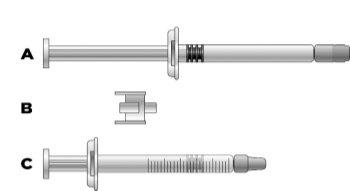
El volumen de inyección requerido en ml se debe preparar en una jeringa graduada de 3 ml vacía (ver tabla a continuación). Tabla 1: Pauta posológica para niños y adolescentes
Los pacientes que pesen más de 65 kgusarán todo el contenido de la jeringa precargada (3 ml). Si no está seguro sobre el volumen de solución que debe extraer, consulte a su médico, farmacéutico o enfermero
Evite tocar los extremos del conector y las puntas de las jeringas, para prevenir la contaminación
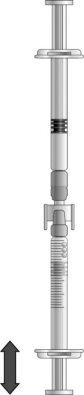
Transferir la solución de icatibanto a la jeringa graduada:
|


|
Si hay aire en la jeringa graduada:
|

|
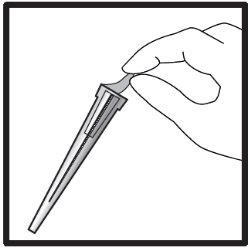
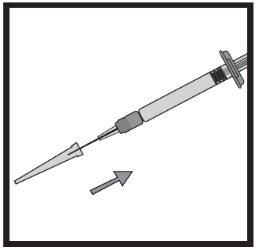
2b) Preparación de la jeringa y la aguja para la inyección: Todos los pacientes (adultos, adolescentes y niños) |
|
|
|
|
|
|
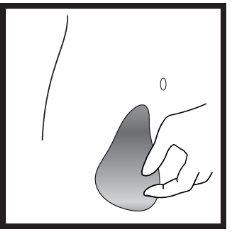
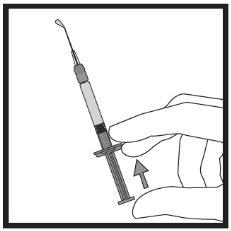
|
|
|
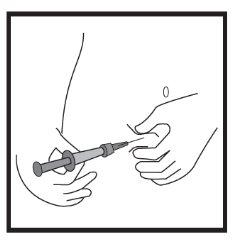
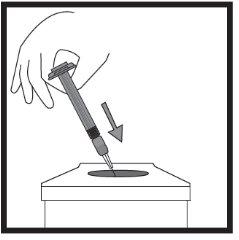

¿Has empezado a tomar el medicamento y tienes preguntas?
Comenta tus síntomas y tratamiento con un médico online.
4. Posibles efectos adversos
Al igual que todos los medicamentos, este medicamento puede producir efectos adversos, aunque no todas las personas los sufran. Casi todos los pacientes que reciben icatibanto notan una reacción en el lugar de la inyección (como irritación cutánea, inflamación, dolor, prurito, enrojecimiento de la piel y ardor). Estos efectos suelen ser leves y mejoran sin necesidad de ningún tratamiento adicional.
Informe a su médico inmediatamente si observa que los síntomas de la crisis empeoran después de haber recibido icatibanto.
Muy frecuentes(pueden afectar a más de 1 de cada 10 personas):
Reacciones adicionales en el lugar de la inyección (sensación de presión, moratón, disminución de la sensibilidad y/o entumecimiento, aumento de la erupción cutánea con picazón y calor).
Frecuentes(pueden afectar hasta 1 de cada 10 personas):
Nauseas
Dolor de cabeza
Mareo
Fiebre
Picor
Erupción
Enrojecimiento de la piel
Pruebas de función hepática anormales
Frecuencia no conocida(no puede estimarse a partir de los datos disponibles):
Ronchas (urticaria)
Comunicación de efectos adversos
Si experimenta cualquier tipo de efecto adverso, consulte a su médico o farmacéutico, incluso si se trata de posibles efectos adversos que no aparecen en este prospecto. También puede comunicarlos directamente a través del Sistema Español de Farmacovigilancia de Medicamentos de Uso Humano: https://www.notificaram.es. Mediante la comunicación de efectos adversos usted puede contribuir a proporcionar más información sobre la seguridad de este medicamento.
5. Conservación de Icatibanto Stada
Mantener este medicamento fuera de la vista y del alcance de los niños.
No utilice este medicamento después de la fecha de caducidad que aparece en la etiqueta y el envase después de “CAD”. La fecha de caducidad es el último día del mes que se indica.
No conservar a temperatura superior a 25ºC. No congelar.
No utilice este medicamento si observa que el envase de la jeringa o de la aguja está dañado o si observa signos visibles de deterioro; por ejemplo, si la solución está turbia, si contiene partículas flotantes o si ha cambiado el color de la solución.
Los medicamentos no se deben tirar por los desagües ni a la basura. Pregunte a su farmacéutico cómo deshacerse de los envases y de los medicamentos que ya no necesita. De esta forma, ayudará a proteger el medio ambiente.
6. Contenido del envase e información adicional
Composición de Icatibanto Stada
- El principio activo es icatibanto. Cada jeringa precargada contiene 30 miligramos de icatibanto (como acetato de icatibanto). Cada ml de solución contiene 10 mg de icatibanto.
- Los demás componentes son: cloruro sódico, ácido acético glacial, hidróxido sódico (para ajustar el pH) y agua para preparaciones inyectables.
Aspecto de Icatibanto Stada y contenido del envase
Icatibanto se presenta como solución inyectable transparente e incolora en una jeringa de vidrio precargada de 3 ml. El envase contiene una aguja hipodérmica.
Icatibanto está disponible en envase unitario de una jeringa precargada con una aguja o en envase múltiple de tres jeringas precargadas con tres agujas.
Puede que solamente estén comercializados algunos tamaños de envases.
Titular de la autorización de comercialización y responsable de lafabricación
Titular de la autorización de comercialización
Laboratorio Stada, S.L.
C/Frederic Mompou, 5
08960 Sant Just Desvern (Barcelona)
España
Responsable de la fabricación
Pharmadox Healthcare Ltd.,
KW20A Kordin Industrial Park,
Paola PLA 3000
Malta
ó
STADA Arzneimittel GmbH
Muthgasse 36/2 1190 Wien,
Austria
ó
STADA Arzneimittel AG
Stadastrasse 2 – 18
61118 Bad Vilbel
Alemania
ó
Eurofins PROXY Laboratories (PRX)
Archimedesweg 25 2333 CM Leiden
Pasíses Bajos
Fecha de la última revisión de este prospecto:Septiembre 2021
La información detallada y actualizada de este medicamento está disponible en la página Web de la Agencia Española de Medicamentos y Productos Sanitarios (AEMPS) http://www.aemps.gob.es/
- País de registro
- Forma farmacéuticaINYECTABLE, 30 mg/3 ml
- Código ATCB06AC02
- Principio activo
- Requiere recetaSí
- Fabricante
- ComposiciónCLORURO DE SODIO (22,35 mg mg), HIDROXIDO DE SODIO (E 524) (1,92 mg mg)
- Esta información es de carácter general y no sustituye la consulta con un profesional sanitario.
- Alternativas a ICATIBANTO STADA 30 MG SOLUCION INYECTABLE EN JERINGA PRECARGADA EFGForma farmacéutica: INYECTABLE, 30 mgPrincipio activo: IcatibantoRequiere recetaForma farmacéutica: INYECTABLE, 30 mgPrincipio activo: IcatibantoFabricante: Accord Healthcare S.L.U.Requiere recetaForma farmacéutica: INYECTABLE, 30 mgPrincipio activo: IcatibantoFabricante: Laboratoire AguettantRequiere receta
Médicos online para ICATIBANTO STADA 30 MG SOLUCION INYECTABLE EN JERINGA PRECARGADA EFG
Comenta la dosis, los posibles efectos secundarios, interacciones, contraindicaciones o la revisión de receta de ICATIBANTO STADA 30 MG SOLUCION INYECTABLE EN JERINGA PRECARGADA EFG, sujeto a valoración médica y a la normativa local.









Obtén una receta de ICATIBANTO STADA 30 MG SOLUCION INYECTABLE EN JERINGA PRECARGADA EFG online
Rellena un formulario de 2 minutos
Cuéntanos tus síntomas, historial y el medicamento que necesitas.
Elige un médico o nosotros te asignamos uno
Escoge un especialista o te conectamos con el próximo médico disponible.
El médico revisa tu caso
Normalmente en 30 minutos. Puede hacerte preguntas adicionales por chat.
Recógela en cualquier farmacia
Receta electrónica enviada a tu correo, válida en toda España.
Preguntas frecuentes
ICATIBANTO STADA 30 MG SOLUCION INYECTABLE EN JERINGA PRECARGADA EFG requiere receta en España. Puedes confirmarlo con un médico online según tu caso.
El principio activo de ICATIBANTO STADA 30 MG SOLUCION INYECTABLE EN JERINGA PRECARGADA EFG es Icatibanto. Esta información ayuda a identificar medicamentos con la misma composición pero con diferentes nombres comerciales.
ICATIBANTO STADA 30 MG SOLUCION INYECTABLE EN JERINGA PRECARGADA EFG es fabricado por Laboratorio Stada S.L.. La marca y el envase pueden variar según el distribuidor.
Los Médicos de familia, Psiquiatras, Dermatólogos, Cardiólogos, Endocrinólogos, Gastroenterólogos, Neumólogos, Nefrólogos, Reumatólogos, Hematólogos, Infectólogos, Alergólogos, Geriatras, Pediatras, Oncólogos pueden valorar la prescripción de ICATIBANTO STADA 30 MG SOLUCION INYECTABLE EN JERINGA PRECARGADA EFG cuando esté clínicamente indicado. Puedes reservar una videoconsulta para comentar tu caso y las opciones de tratamiento.
España cuenta con una infraestructura sanitaria bien desarrollada en ciudades principales como Madrid, Barcelona, Valencia y Sevilla. Las farmacias están ampliamente disponibles y operan bajo estrictas regulaciones, garantizando el acceso a medicamentos con receta.
Puedes comprar ICATIBANTO STADA 30 MG SOLUCION INYECTABLE EN JERINGA PRECARGADA EFG en Madrid, Barcelona, Sevilla o Valencia en cualquier farmacia local con una receta válida.
Para obtener una receta, puedes utilizar Oladoctor:
Otros medicamentos con el mismo principio activo (Icatibanto) incluyen FIRAZYR 30 mg SOLUCION INYECTABLE EN JERINGA PRECARGADA, ICATIBANT ACCORD 30 MG SOLUCION INYECTABLE EN JERINGA PRECARGADA EFG, ICATIBANTO AGUETTANT 30 MG SOLUCION INYECTABLE EN JERINGA PRECARGADA EFG. Pueden tener diferentes nombres comerciales o formulaciones, pero contienen el mismo componente terapéutico. Consulta siempre con un médico antes de cambiar o iniciar un nuevo medicamento.
