



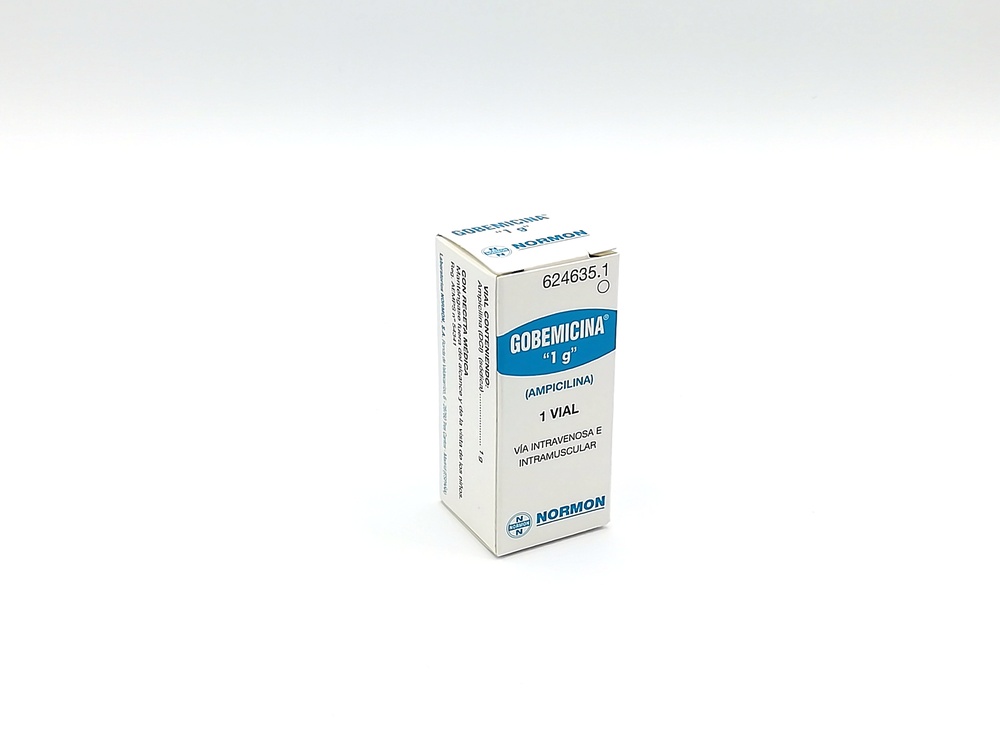
GOBEMICINA 1g INYECTABLE

Revisión de receta online
Un médico revisará tu caso y determinará si la prescripción es médicamente apropiada.

Habla con un médico sobre este medicamento
Comenta tus síntomas y las opciones de tratamiento en una consulta online.



Cómo usar GOBEMICINA 1g INYECTABLE
Contenido del prospecto
- Introducción
- Qué es Glyxambi y para qué se utiliza
- Qué necesita saber antes de empezar a tomar Glyxambi
- Cómo tomar Glyxambi
- Posibles efectos adversos
- Conservación de Glyxambi
- Contenido del envase e información adicional
Introducción
Prospecto: información para el paciente
Glyxambi 10mg/5mg comprimidos recubiertos con película
Glyxambi 25mg/5mg comprimidos recubiertos con película
empagliflozina/linagliptina
Lea todo el prospecto detenidamente antes de empezar a tomar este medicamento, porque contiene información importante para usted.
- Conserve este prospecto, ya que puede tener que volver a leerlo.
- Si tiene alguna duda, consulte a su médico, farmacéutico o enfermero.
- Este medicamento se le ha recetado solamente a usted, y no debe dárselo a otras personas aunque tengan los mismos síntomas que usted, ya que puede perjudicarles.
- Si experimenta efectos adversos, consulte a su médico, farmacéutico o enfermero, incluso si se trata de efectos adversos que no aparecen en este prospecto. Ver sección 4.
Contenido del prospecto
- Qué es Glyxambi y para qué se utiliza
- Qué necesita saber antes de empezar a tomar Glyxambi
- Cómo tomar Glyxambi
- Posibles efectos adversos
- Conservación de Glyxambi
- Contenido del envase e información adicional
1. Qué es Glyxambi y para qué se utiliza
Qué es Glyxambi
Glyxambi contiene dos principios activos llamados empagliflozina y linagliptina. Cada uno pertenece a un grupo de medicamentos llamados “antidiabéticos orales”. Estos medicamentos se toman por la boca para tratar la diabetes tipo 2.
¿Qué es la diabetes tipo2?
La diabetes tipo 2 es una enfermedad que procede de sus genes y de su estilo de vida. Si tiene diabetes tipo 2, su páncreas puede no producir suficiente insulina para controlar el nivel de glucosa en su sangre y su cuerpo es incapaz de usar su propia insulina de forma eficaz. Esto da lugar a niveles altos de glucosa en su sangre, lo que puede ocasionar problemas médicos como enfermedades del corazón, enfermedades del riñón, ceguera y mala circulación en sus extremidades.
Cómo actúa Glyxambi
Empagliflozina pertenece a un grupo de medicamentos llamados inhibidores del cotransportador de sodio‑glucosa 2 (SGLT2). Actúa bloqueando la proteína SGLT2 en los riñones. Esto hace que el azúcar (glucosa) de la sangre se elimine con la orina.
Linagliptina funciona de un modo diferente, concretamente haciendo que el páncreas produzca más insulina para reducir los niveles de glucosa en sangre. Esto se consigue bloqueando una proteína llamada DPP‑4.
Por todo ello, Glyxambi reduce la cantidad de glucosa en la sangre.
Para qué se utiliza Glyxambi
- Glyxambi se añade a metformina y/o a una sulfonilurea (SU) para tratar la diabetes tipo 2 en pacientes adultos de 18 años de edad o mayores, cuya diabetes no se puede controlar cuando se trata con metformina y/o una sulfonilurea en combinación con empagliflozina, o cuando se trata con metformina y/o una sulfonilurea en combinación con linagliptina.
- Glyxambi también se puede utilizar como una alternativa a la toma de empagliflozina y linagliptina como comprimidos por separado. Para evitar una sobredosis, si está tomando este medicamento, no siga tomando comprimidos de empagliflozina y linagliptina de forma separada.
Es importante que siga el plan de dieta y ejercicio que le haya recomendado su médico, farmacéutico o enfermero.

¿No estás seguro de si este medicamento es adecuado para ti?
Comenta tus síntomas y tratamiento con un médico online.
2. Qué necesita saber antes de empezar a tomar Glyxambi
No tome Glyxambi
- si es alérgico a empagliflozina, a linagliptina, a cualquier otro inhibidor del SGLT2 (p. ej., dapagliflozina, canagliflozina), a cualquier otro inhibidor de la DPP‑4 (p. ej., sitagliptina, vildagliptina) o a alguno de los demás componentes de este medicamento (incluidos en la sección 6).
Advertencias y precauciones
Consulte a su médico antes de empezar a tomar este medicamento y durante el tratamiento:
- si tiene “diabetes tipo 1”. Este tipo de diabetes comienza normalmente cuando se es joven y su organismo no produce nada de insulina. No debe tomar Glyxambi si tiene diabetes tipo 1.
- si experimenta una pérdida rápida de peso, náuseas o vómitos, dolor de estómago, sed excesiva, respiración rápida y profunda, confusión, somnolencia o cansancio poco habituales, olor dulce del aliento, sabor dulce o metálico en la boca u olor distinto en la orina o el sudor, póngase en contacto con un médico o el hospital más cercano de inmediato y deje de tomar este medicamento hasta que hable con su médico. Estos síntomas pueden ser un signo de “cetoacidosis diabética”, un problema raro pero grave, en ocasiones potencialmente mortal, que puede aparecer con la diabetes debido al aumento en los niveles de “cuerpos cetónicos” en su orina o sangre, detectados mediante análisis. El riesgo de desarrollar cetoacidosis diabética podría aumentar con el ayuno prolongado, un consumo excesivo de alcohol, la deshidratación, las reducciones súbitas en la dosis de insulina o una mayor necesidad de insulina a causa de una cirugía mayor o enfermedad grave.
- si está tomando otros medicamentos antidiabéticos conocidos como “sulfonilureas” (p. ej., glimepirida, glipizida) o usando insulina. Su médico puede querer reducir su dosis de estos medicamentos cuando los tome junto con Glyxambi para evitar niveles de azúcar en sangre demasiado bajos (hipoglucemia).
- si tiene o ha tenido una enfermedad del páncreas.
- si tiene problemas graves de riñón. Puede que su médico le limite la dosis diaria o le pida que tome otro medicamento (ver también la sección 3, “Cómo tomar Glyxambi”).
- si tiene problemas graves de hígado. Puede que su médico le pida que tome otro medicamento.
- si puede correr riesgo de deshidratación, por ejemplo:
- si tiene náuseas o vómitos, diarrea o fiebre, o si no es capaz de comer o beber
- si está tomando medicamentos que aumentan la producción de orina [diuréticos] o que reducen la presión arterial
- si tiene más de 75 años
Los posibles signos se enumeran en la sección 4 bajo “deshidratación”. Su médico puede pedirle que deje de tomar Glyxambi hasta que se recupere para prevenir una pérdida excesiva de líquidos. Pregunte sobre las formas de evitar la deshidratación.
- si tiene un incremento en la proporción de glóbulos rojos en la sangre (hematocrito), observado en los análisis clínicos en sangre (ver también la sección 4, "Posibles efectos adversos").
Póngase en contacto con su médico si experimenta algo de lo siguiente durante el tratamiento con Glyxambi:
- si desarrolla síntomas de pancreatitis aguda, como dolor de estómago (dolor abdominal) grave y persistente. Los posibles signos se listan en la sección 4, “Posibles efectos adversos”. Puede que su médico necesite cambiar su tratamiento.
- si tiene una infección grave en el riñón o en el tracto urinario con fiebre. Su médico puede pedirle que deje de tomar Glyxambi hasta que se recupere.
- si encuentra una ampolla en la piel podría ser un signo de una enfermedad denominada penfigoide bulloso. Su médico podría indicarle que interrumpa Glyxambi.
Consulte con su médico de forma inmediata si presenta una combinación de síntomas de dolor, dolor a la palpación, enrojecimiento o inflamación de los genitales o de la zona entre los genitales y el ano, con fiebre o malestar general. Estos síntomas podrían ser un signo de una infección rara pero grave, incluso potencialmente mortal, denominada fascitis necrosante del perineo o gangrena de Fournier, que destruye el tejido bajo la piel. La gangrena de Fournier se debe tratar inmediatamente.
Cuidado de los pies
Al igual que para todos los pacientes diabéticos, es importante que vigile sus pies de forma regular y cumpla con todos los consejos referentes al cuidado de los pies que le haya proporcionado su profesional sanitario.
Función de los riñones
Antes de empezar el tratamiento con Glyxambi, y de forma regular durante el tratamiento, su médico comprobará cómo funcionan sus riñones.
Glucosa en orina
Debido a cómo actúa este medicamento, su orina dará positivo en glucosa mientras esté tomando este medicamento.
Niños y adolescentes
Este medicamento no está recomendado en niños y adolescentes menores de 18 años debido a que linagliptina no es eficaz en niños y adolescentes de entre 10 y 17 años. Se desconoce si este medicamento es seguro y eficaz cuando se usa en niños menores de 10 años.
Otros medicamentos y Glyxambi
Informe a su médico o farmacéutico si está utilizando, ha utilizado recientemente o pudiera tener que utilizar cualquier otro medicamento. En particular, debe informar a su médico si está utilizando los siguientes medicamentos:
- otros medicamentos antidiabéticos, como insulina o una sulfonilurea. Puede que su médico decida reducir la dosis de estos otros medicamentos para prevenir que sus niveles de glucosa en sangre bajen demasiado.
- medicamentos utilizados para eliminar agua de su cuerpo (diuréticos). Su médico puede pedirle que deje de tomar Glyxambi.
- medicamentos que podrían tener un efecto en la descomposición de empagliflozina o linagliptina en su cuerpo, como rifampicina (un antibiótico utilizado para tratar la tuberculosis) o ciertos medicamentos utilizados para tratar las convulsiones (como carbamazepina, fenobarbital o fenitoína). El efecto de Glyxambi puede verse reducido.
- litio, ya que Glyxambi puede reducir la cantidad de litio en su sangre.
Embarazo, lactancia y fertilidad
Si está embarazada, cree que podría estar embarazada o tiene intención de quedarse embarazada, consulte a su médico antes de utilizar este medicamento.
Se desconoce si Glyxambi es perjudicial para el feto. Como medida de precaución, es preferible evitar el uso de este medicamento durante el embarazo.
Se desconoce si los principios activos de Glyxambi pasan a la leche materna. No utilice este medicamento si está dando el pecho.
Se desconoce si Glyxambi tiene efectos sobre la fertilidad en humanos.
Conducción y uso de máquinas
La influencia de Glyxambi sobre la capacidad para conducir y utilizar máquinas es pequeña.
Tomar este medicamento en combinación con sulfonilureas o insulina puede hacer que los niveles de glucosa en sangre bajen demasiado (hipoglucemia), lo que puede provocar síntomas como temblores, sudoración y cambios en la visión que pueden afectar a su capacidad para conducir y utilizar máquinas. No conduzca ni utilice herramientas o máquinas si experimenta cualquiera de estos síntomas mientras toma Glyxambi.
3. Cómo tomar Glyxambi
Siga exactamente las instrucciones de administración de este medicamento indicadas por su médico. En caso de duda, consulte de nuevo a su médico o farmacéutico.
Qué cantidad tomar
La dosis inicial habitual es de un comprimido recubierto con película de Glyxambi 10 mg/5 mg (10 mg de empagliflozina y 5 mg de linagliptina) una vez al día.
Su médico decidirá si necesita aumentar su dosis a un comprimido recubierto con película de Glyxambi 25 mg/5 mg (25 mg de empagliflozina y 5 mg de linagliptina) una vez al día. Si ya toma 25 mg de empagliflozina y 5 mg de linagliptina en forma de comprimidos por separado y cambia a Glyxambi, puede empezar directamente con Glyxambi 25 mg/5 mg.
Insuficiencia renal
Consulte a su médico si tiene problemas de riñón. Su médico puede limitar su dosis o decidir usar un medicamento alternativo.
Insuficiencia hepática
Consulte a su médico en caso de que sufra insuficiencia hepática grave. El uso de Glyxambi no está recomendado y su médico puede decidir usar un medicamento alternativo.
Toma de este medicamento
- Trague el comprimido entero con agua.
- Puede tomar Glyxambi con o sin alimentos.
- Puede tomar el comprimido en cualquier momento del día. Sin embargo, procure tomarlo siempre a la misma hora. Esto le ayudará a acordarse de tomarlo.
Su médico puede recetarle Glyxambi junto con otro medicamento antidiabético. Recuerde tomar todos los medicamentos tal y como le haya indicado su médico para conseguir los mejores resultados para su salud.
La dieta adecuada y el ejercicio ayudan a que su cuerpo utilice mejor su glucosa en sangre. Es importante seguir el plan de dieta y ejercicio recomendado por su médico mientras tome Glyxambi.
Si toma más Glyxambi del que debe
Si toma más cantidad de este medicamento de la que debe, consulte a un médico inmediatamente o acuda a un hospital. Lleve consigo el envase del medicamento.
Si olvidó tomar Glyxambi
Si olvida tomar un comprimido, lo que debe hacer depende del tiempo que falte hasta la siguiente dosis:
- Si faltan 12 horas o más para la siguiente dosis, tome Glyxambi tan pronto como se acuerde. Después, tome la siguiente dosis a la hora habitual.
- Si faltan menos de 12 horas para la próxima dosis, sáltese la dosis olvidada. Después, tome la siguiente dosis a la hora habitual.
- No tome una dosis doble de este medicamento para compensar las dosis olvidadas.
Si interrumpe el tratamiento con Glyxambi
No deje de tomar este medicamento sin consultarlo antes con su médico, a menos que sospeche que tiene cetoacidosis diabética (ver sección 2 “Advertencias y precauciones”). Sus niveles de glucosa en sangre pueden aumentar si interrumpe el tratamiento con Glyxambi.
Si tiene cualquier otra duda sobre el uso de este medicamento, pregunte a su médico, farmacéutico o enfermero.

¿Has empezado a tomar el medicamento y tienes preguntas?
Comenta tus síntomas y tratamiento con un médico online.
4. Posibles efectos adversos
Al igual que todos los medicamentos, este medicamento puede producir efectos adversos, aunque no todas las personas los sufran.
Póngase en contacto con un médico o con el hospital más cercano de inmediato si tiene cualquiera de los siguientes efectos adversos:
Cetoacidosis diabética, se ha observado de forma rara (puede afectar hasta 1de cada 1000personas)
Estos son los signos de la cetoacidosis diabética (ver también la sección 2 “Advertencias y precauciones”):
- aumento en los niveles de “cuerpos cetónicos” en su orina o sangre
- pérdida rápida de peso
- náuseas o vómitos
- dolor de estómago
- sed excesiva
- respiración rápida y profunda
- confusión
- somnolencia o cansancio poco habituales
- olor dulce del aliento, sabor dulce o metálico en la boca u olor distinto en la orina o el sudor.
Esto se puede producir independientemente de su nivel de glucosa en sangre. Su médico puede decidir interrumpir de forma temporal o permanente el tratamiento con este medicamento.
Póngase en contacto con su médico de inmediato si observa alguno de los siguientes efectos adversos:
Reacciones alérgicas, observadas con poca frecuencia (pueden afectar hasta 1 de cada 100 personas)
Este medicamento puede ocasionar reacciones alérgicas, que pueden ser graves, que incluyen ronchas (urticaria) e hinchazón de la cara, los labios, la lengua y la garganta que puede provocar dificultad para respirar o tragar (angioedema).
Inflamación del páncreas (pancreatitis), observada con poca frecuencia
Este medicamento puede ocasionar pancreatitis, que se suele presentar como dolor abdominal (en el estómago) persistente e intenso que puede llegar hasta la espalda, a menudo acompañado de náuseas o vómitos. Su médico necesitará cambiar su tratamiento.
Nivel bajo de azúcar en sangre (hipoglucemia), observada frecuentemente (puede afectar hasta 1 de cada 10 personas)
Si toma Glyxambi con otro medicamento que puede provocar niveles bajos de glucosa en sangre, como una sulfonilurea o insulina, está en riesgo de tener niveles demasiado bajos de glucosa en sangre (hipoglucemia). Los signos de niveles demasiado bajos de glucosa en sangre incluyen:
- temblor, sudoración, sensación de mucha ansiedad o confusión o latidos acelerados del corazón
- hambre excesiva, dolor de cabeza
Su médico le indicará cómo tratar los niveles bajos de glucosa en sangre y qué hacer si tiene alguno de los signos citados anteriormente. Si tiene síntomas de niveles bajos de glucosa en sangre, tome comprimidos de glucosa, tome un tentempié con alto contenido en glucosa o beba un zumo de fruta. Mida sus niveles de glucosa si es posible y descanse.
Infecciones del tracto urinario, observadas frecuentemente
Los signos de una infección del tracto urinario son:
- sensación de quemazón al orinar
- orina con aspecto turbio
- dolor en la pelvis o en la parte media de la espalda (cuando los riñones están infectados)
La urgencia para orinar u orinar con más frecuencia se pueden deber a la forma en la que actúa este medicamento, pero también pueden ser signos de una infección del tracto urinario. Si experimenta un aumento de estos síntomas, póngase en contacto con su médico.
Pérdida de líquidos corporales (deshidratación), observada con poca frecuencia
Los signos de deshidratación no son específicos, pero pueden incluir:
- sed poco habitual
- vahído o mareo al levantarse
- desmayo o pérdida de la consciencia
Otros efectos adversos mientras se toma Glyxambi:
Observados con frecuencia
- infecciones genitales por hongos, como candidiasis
- inflamación de la nariz o de la garganta (nasofaringitis)
- tos
- orinar más de lo normal o necesidad de orinar con más frecuencia
- picor (prurito)
- erupción cutánea
- enzima amilasa aumentada en sangre
- enzima lipasa pancreática aumentada
- sed
- estreñimiento
Observados con poca frecuencia
- esfuerzo o dolor al vaciar la vejiga
- los análisis clínicos en sangre pueden mostrar cambios en los niveles de grasas en la sangre, un incremento en la cantidad de glóbulos rojos (incremento en el hematocrito) y cambios relacionados con la función de los riñones (descenso en la tasa de filtración glomerular e incremento en la creatinina sanguínea)
Observados raramente
- dolor en la boca
- fascitis necrosante del perineo o gangrena de Fournier, una infección grave de los tejidos blandos de los genitales o de la zona entre los genitales y el ano
Observados muy raramente
- inflamación de los riñones (nefritis tubulointersticial)
Frecuencia no conocida (no puede estimarse a partir de los datos disponibles)
- ampollas en la piel (penfigoide bulloso)
Comunicación de efectos adversos
Si experimenta cualquier tipo de efecto adverso, consulte a su médico, farmacéutico o enfermero, incluso si se trata de posibles efectos adversos que no aparecen en este prospecto. También puede comunicarlos directamente a través del sistema nacional de notificación incluido en el Apéndice V. Mediante la comunicación de efectos adversos usted puede contribuir a proporcionar más información sobre la seguridad de este medicamento.
5. Conservación de Glyxambi
Mantener este medicamento fuera de la vista y del alcance de los niños.
No utilice este medicamento después de la fecha de caducidad que aparece en el blíster y en la caja después de CAD. La fecha de caducidad es el último día del mes que se indica.
No requiere condiciones especiales de conservación.
No utilice este medicamento si observa que el embalaje está dañado o muestra indicios visibles de manipulación.
Los medicamentos no se deben tirar por los desagües ni a la basura. Pregunte a su farmacéutico cómo deshacerse de los envases y de los medicamentos que ya no necesita. De esta forma, ayudará a proteger el medio ambiente.
6. Contenido del envase e información adicional
Composición de Glyxambi
Glyxambi 10 mg/5 mg comprimidos recubiertos con película
- Los principios activos son empagliflozina y linagliptina. Cada comprimido recubierto con película contiene 10 mg de empagliflozina y 5 mg de linagliptina.
- Los demás componentes son:
Núcleo del comprimido: manitol (E421), almidón pregelatinizado (de maíz), almidón de maíz, copovidona, crospovidona, talco y estearato de magnesio.
Película de recubrimiento: hipromelosa, manitol (E421), talco, dióxido de titanio (E171), macrogol 6000 y óxido de hierro amarillo (E172).
Glyxambi 25 mg/5 mg comprimidosrecubiertoscon película
- Los principios activos son empagliflozina y linagliptina. Cada comprimido recubierto con película contiene 25 mg de empagliflozina y 5 mg de linagliptina.
- Los demás componentes son:Núcleo del comprimido: manitol (E421), almidón pregelatinizado (de maíz), almidón de maíz, copovidona, crospovidona, talco y estearato de magnesio.Película de recubrimiento: hipromelosa, manitol (E421), talco, dióxido de titanio (E171), macrogol 6000 y óxido de hierro rojo (E172).
Aspecto del producto y contenido del envase
Los comprimidos de Glyxambi 10 mg/5 mg comprimidos recubiertos con película son de color amarillo pálido con forma de arco triangular, de caras planas y con borde biselado. Están grabados con la inscripción “10/5” en una cara y el logotipo de Boehringer Ingelheim en la otra. Cada cara del comprimido mide 8 mm de longitud.
Los comprimidos de Glyxambi 25 mg/5 mg comprimidos recubiertos con película son de color rosa pálido con forma de arco triangular, de caras planas y con borde biselado. Están grabados con la inscripción “25/5” en una cara y el logotipo de Boehringer Ingelheim en la otra. Cada cara del comprimido mide 8 mm de longitud.
Glyxambi está disponible en blísteres unidosis perforados de PVC/PVDC/aluminio.
Los tamaños de envase son 7 x 1, 10 x 1, 14 x 1, 28 x 1, 30 x 1, 60 x 1, 70 x 1, 90 x 1, y 100 x 1 comprimido recubierto con película.
Puede que solamente estén comercializados algunos tamaños de envases en su país.
Titular de la autorización de comercialización
Boehringer Ingelheim International GmbHBinger Str. 17355216 Ingelheim am RheinAlemania
Responsable de la fabricación
Boehringer Ingelheim Pharma GmbH & Co. KGBinger Strasse 17355216 Ingelheim am RheinAlemania
Rottendorf Pharma GmbH
Ostenfelder Strasse 51 – 61
59320 Ennigerloh
Alemania
Pueden solicitar más información respecto a este medicamento dirigiéndose al representante local del titular de la autorización de comercialización:
België/Belgique/Belgien Boehringer Ingelheim SComm Tél/Tel: +32 2 773 33 11 | Lietuva Boehringer Ingelheim RCV GmbH & Co KG Lietuvos filialas Tel: +370 5 2595942 |
| Luxembourg/Luxemburg Boehringer Ingelheim SCommTél/Tel: +32 2 773 33 11 |
Ceská republika Boehringer Ingelheim spol. s r.o. Tel: +420 234 655 111 | Magyarország Boehringer Ingelheim RCV GmbH & Co KG Magyarországi Fióktelepe Tel: +36 1 299 89 00 |
Danmark Boehringer Ingelheim Danmark A/S Tlf: +45 39 15 88 88 | Malta Boehringer Ingelheim Ireland Ltd. Tel: +353 1 295 9620 |
Deutschland Boehringer Ingelheim Pharma GmbH & Co. KG Tel: +49 (0) 800 77 90 900 | Nederland Boehringer Ingelheim B.V. Tel: +31 (0) 800 22 55 889 |
Eesti Boehringer Ingelheim RCV GmbH & Co KG Eesti filiaal Tel: +372 612 8000 | Norge Boehringer Ingelheim Danmark Norwegian branch Tlf: +47 66 76 13 00 |
Ελλáδα Boehringer Ingelheim Ελλáς Μονοπρóσωπη A.E. Tηλ: +30 2 10 89 06 300 | Österreich Boehringer Ingelheim RCV GmbH & Co KG Tel: +43 1 80 105‑7870 |
España Boehringer Ingelheim España, S.A. Tel: +34 93 404 51 00 | Polska Boehringer Ingelheim Sp. z o.o. Tel: +48 22 699 0 699 |
Francia Boehringer Ingelheim France S.A.S. Tél: +33 3 26 50 45 33 | Portugal Boehringer Ingelheim Portugal, Lda. Tel: +351 21 313 53 00 |
Hrvatska Boehringer Ingelheim Zagreb d.o.o. Tel: +385 1 2444 600 | România Boehringer Ingelheim RCV GmbH & Co KG Viena - Sucursala Bucuresti Tel: +40 21 302 28 00 |
Ireland Boehringer Ingelheim Ireland Ltd. Tel: +353 1 295 9620 | Slovenija Boehringer Ingelheim RCV GmbH & Co KG Podružnica Ljubljana Tel: +386 1 586 40 00 |
Ísland Vistor ehf. Sími: +354 535 7000 | Slovenská republika Boehringer Ingelheim RCV GmbH & Co KG organizacná zložka Tel: +421 2 5810 1211 |
Italia Boehringer Ingelheim Italia S.p.A. Tel: +39 02 5355 1 | Suomi/Finland Boehringer Ingelheim Finland Ky Puh/Tel: +358 10 3102 800 |
Κúπρος Boehringer Ingelheim Ελλáς Μονοπρóσωπη A.E. Tηλ: +30 2 10 89 06 300 | Sverige Boehringer Ingelheim AB Tel: +46 8 721 21 00 |
Latvija Boehringer Ingelheim RCV GmbH & Co KG Latvijas filiale Tel: +371 67 240 011 | United Kingdom(Northern Ireland) Boehringer Ingelheim Ireland Ltd. Tel: +353 1 295 9620 |
Fecha de la última revisión de este prospecto:
La información detallada de este medicamento está disponible en la página web de la Agencia Europea de Medicamentos: http://www.ema.europa.eu.
- País de registro
- Forma farmacéuticaINYECTABLE, 1 gramo de ampicilina
- Código ATCJ01CA01
- Precio medio en farmacia1.09 EUR
- Principio activo
- Requiere recetaSí
- Fabricante
- Esta información es de carácter general y no sustituye la consulta con un profesional sanitario.
- Alternativas a GOBEMICINA 1g INYECTABLEForma farmacéutica: INYECTABLE, 1 gPrincipio activo: ampicillinFabricante: Laboratorios Tillomed Spain S.L.URequiere recetaForma farmacéutica: INYECTABLE, 500 mgPrincipio activo: ampicillinFabricante: Laboratorios Tillomed Spain S.L.URequiere recetaForma farmacéutica: INYECTABLE, 500 mgPrincipio activo: ampicillinFabricante: Laboratorios Normon S.A.Requiere receta
Médicos online para GOBEMICINA 1g INYECTABLE
Comenta la dosis, los posibles efectos secundarios, interacciones, contraindicaciones o la revisión de receta de GOBEMICINA 1g INYECTABLE, sujeto a valoración médica y a la normativa local.









Obtén una receta de GOBEMICINA 1g INYECTABLE online
Rellena un formulario de 2 minutos
Cuéntanos tus síntomas, historial y el medicamento que necesitas.
Elige un médico o nosotros te asignamos uno
Escoge un especialista o te conectamos con el próximo médico disponible.
El médico revisa tu caso
Normalmente en 30 minutos. Puede hacerte preguntas adicionales por chat.
Recógela en cualquier farmacia
Receta electrónica enviada a tu correo, válida en toda España.
Preguntas frecuentes
GOBEMICINA 1g INYECTABLE requiere receta en España. Puedes confirmarlo con un médico online según tu caso.
El principio activo de GOBEMICINA 1g INYECTABLE es ampicillin. Esta información ayuda a identificar medicamentos con la misma composición pero con diferentes nombres comerciales.
El precio medio en farmacia de GOBEMICINA 1g INYECTABLE es de aproximadamente 1.09 EUR. Puede variar según el fabricante y la forma farmacéutica.
GOBEMICINA 1g INYECTABLE es fabricado por Laboratorios Normon S.A.. La marca y el envase pueden variar según el distribuidor.
Los Médicos de familia, Psiquiatras, Dermatólogos, Cardiólogos, Endocrinólogos, Gastroenterólogos, Neumólogos, Nefrólogos, Reumatólogos, Hematólogos, Infectólogos, Alergólogos, Geriatras, Pediatras, Oncólogos pueden valorar la prescripción de GOBEMICINA 1g INYECTABLE cuando esté clínicamente indicado. Puedes reservar una videoconsulta para comentar tu caso y las opciones de tratamiento.
España cuenta con una infraestructura sanitaria bien desarrollada en ciudades principales como Madrid, Barcelona, Valencia y Sevilla. Las farmacias están ampliamente disponibles y operan bajo estrictas regulaciones, garantizando el acceso a medicamentos con receta.
Puedes comprar GOBEMICINA 1g INYECTABLE en Madrid, Barcelona, Sevilla o Valencia en cualquier farmacia local con una receta válida.
Para obtener una receta, puedes utilizar Oladoctor:
Otros medicamentos con el mismo principio activo (ampicillin) incluyen AMPICILINA TILLOMED 1 G POLVO PARA SOLUCIÓN INYECTABLE Y PARA PERFUSIÓN EFG, AMPICILINA TILLOMED 500 MG POLVO PARA SOLUCIÓN INYECTABLE Y PARA PERFUSIÓN, GOBEMICINA 500 mg INYECTABLE. Pueden tener diferentes nombres comerciales o formulaciones, pero contienen el mismo componente terapéutico. Consulta siempre con un médico antes de cambiar o iniciar un nuevo medicamento.
