


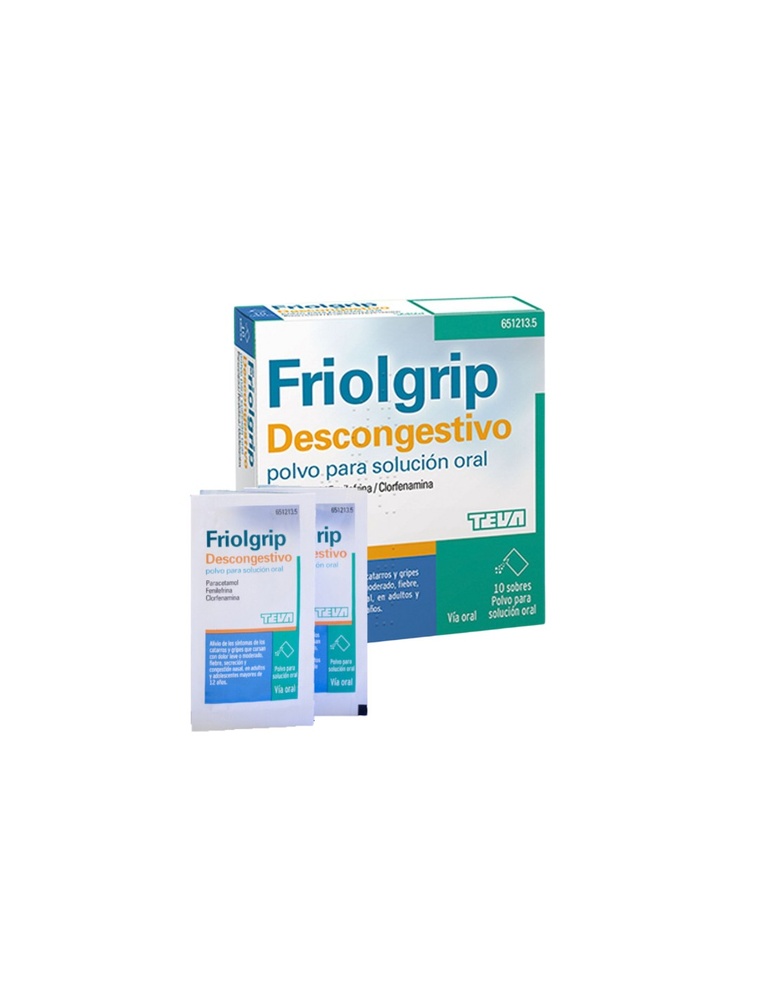
FRIOLGRIP DESCONGESTIVO POLVO PARA SOLUCIÓN ORAL



Cómo usar FRIOLGRIP DESCONGESTIVO POLVO PARA SOLUCIÓN ORAL
Traducción generada por IA
Este contenido ha sido traducido automáticamente y se ofrece solo con fines informativos. No sustituye la consulta con un profesional sanitario.
Ver originalContenido del prospecto
Introducción
Prospecto: información para el usuario
Friolgrip Descongestivopolvopara solución oral
Paracetamol / Fenilefrina hidrocloruro / Clorfenamina maleato
Lea todo el prospecto detenidamente antes de empezar a tomar este medicamento, porque contiene información importante para usted.
Siga exactamente las instrucciones de administración del medicamento contenidas en este prospecto o las indicadas por su médico, o farmacéutico.
- Conserve este prospecto, ya que puede tener que volver a leerlo.
- Si necesita consejo o más información, consulte a su farmacéutico.
- Si experimenta efectos adversos, consulte a su médico o farmacéutico incluso si se trata de efectos adversos que no aparecen en este prospecto. Ver sección 4.
- Debe consultar al médico si empeora o si no mejora o si la fiebre persiste durante más de 3 días o el dolor o los otros síntomas persisten más de 5 días.
Contenido del prospecto
- Qué es Friolgrip Descongestivo y para qué se utiliza
- Qué necesita saber antes de empezar a tomar Friolgrip Descongestivo
- Cómo tomar Friolgrip Descongestivo
- Posibles efectos adversos
- Conservación de Friolgrip Descongestivo
- Contenido del envase e información adicional
1. Qué es Friolgrip Descongestivo y para qué se utiliza
Es una asociación de paracetamol, clorfenamina y fenilefrina.
El paracetamol es un analgésico que reduce el dolor y la fiebre.
La clorfenamina es un antihistamínico que alivia la secreción nasal.
La fenilefrina es un simpaticomimético que reduce la congestión nasal.
Está indicado en adultos adolescentesmayores de 12 años para el alivio sintomático de los síntomas de los catarros y gripes que cursan con fiebre, o dolor leve o moderado, congestión y secreción nasal.
Debe consultar al médico si empeora o si no mejora o si la fiebre persiste durante más de 3 días o el dolor o los otros síntomas persisten más de 5 días

2. Que necesita saber antes de empezar a tomar Friolgrip Descongestivo
No tome Friolgrip Descongestivo:
- Si es alérgico a los principios activos o a cualquiera de los componentes de este medicamento (incluidos en la sección 6).
- Si padece hipertensión arterial.
- Si padece hipertiroidismo.
- Si padece diabetes mellitus.
- Si padece taquicardias (latidos del corazón rápidos).
- Si está en tratamiento con algún medicamento inhibidor de la monoaminooxidasa (IMAO) (como pueden ser algunos medicamentos antidepresivos ,o medicamentos para tratar la enfermedad de Parkinson).
- Si está en tratamiento con medicamentos simpaticomiméticos (medicamentos utilizados para el tratamiento del asma, o medicamentos para acelerar la frecuencia de los latidos del corazón).
- Si está en tratamiento con medicamentos betabloqueantes (medicamentos para el corazón o para tratar enfermedades de las arterias) (ver: Toma de Friolgrip Descongestivocon otros medicamentos).
- Si padece glaucoma (elevación de la presión ocular).
- Si padece alguna enfermedad grave del corazón o de las arterias (como enfermedad coronaria o angina de pecho).
- Si padece alguna enfermedad del hígado o riñón grave.
Advertencias y precauciones
Consulte a su médico o farmacéutico antes de empezar a tomar Friolgrip Descongestivo.
No debe tomar más cantidad de medicamento que la recomendada en la sección 3: Cómo tomar Friolgrip Descongestivo.
Debe evitarse el uso simultáneo de este medicamento con otros medicamentos que contengan paracetamol, ya que las dosis altas pueden dar lugar a daño en el hígado. No use más de un medicamento que contenga paracetamol sin consultar al médico.
Los alcohólicos crónicos, deberán tener la precaución de no tomar más de 3 sobres en 24 horas.
Deben consultar al médico antes de tomar este medicamento:
- Los pacientes con enfermedades del riñón, del hígado, del corazón o del pulmón y los pacientes con anemia.
- Los pacientes asmáticos sensibles al ácido acetilsalicílico.
- Los pacientes sensibles (alérgicos) a un antihistamínico, porque pueden ser sensibles a otros antihistamínicos (como es clorfenamina).
- Los pacientes que estén en tratamiento con medicamentos para tratar: hipertrofia de próstata, asma bronquial, latidos del corazón muy lentos, hipotensión, arteriosclerosis cerebral, inflamación del páncreas (pancreatitis), úlcera digestiva (úlcera péptica estenosante), obstrucción píloroduodenal (entre el estómago y el intestino), enfermedades del tiroides, pacientes sensibles a los efectos sedantes de algunos medicamentos.
- Si está en tratamiento con antidepresivos tricíclicos o medicamentos con efecto similar y le aparecen problemas gastrointestinales, debe dejar de tomar este medicamento y consultar inmediatamente a un médico, porque se le podría producir íleo paralítico (detención de los movimientos normales de una parte del intestino).
- En caso de déficit de glucosa-6-fosfato deshidrogenasa (G6PD) (puede provocar anemia hemolítica)
- Si tiene enfermedades graves, como insuficiencia renal grave o sepsis (cuando las bacterias y sus toxinas circulan en la sangre, lo que provoca daños en los órganos), o si padece malnutrición, alcoholismo crónico o si también está tomando flucloxacilina (un antibiótico). Se ha notificado una enfermedad grave denominada acidosis metabólica (una anomalía en la sangre y los líquidos) en pacientes en estas situaciones cuando se utiliza paracetamol a dosis regulares durante un período prolongado o cuando se toma paracetamol junto con flucloxacilina. Los síntomas de acidosis metabólica pueden incluir: dificultad respiratoria grave con respiración profunda y rápida, somnolencia, sensación de malestar (náuseas) y vómitos.
Niños y adolescentes
Los niños menores de 12 años no deben tomar este medicamento, ya que no se puede ajustar la dosis de paracetamol para esta población.
Interferencias con pruebas analíticas:
Si le van a hacer alguna prueba analítica (incluidos análisis de sangre, orina, etc…) comunique a su médico que está tomando/usando este medicamento, ya que puede alterar los resultados.
Toma de Friolgrip Descongestivo con otros medicamentos
Informe a su médico o farmacéutico si está tomando, ha tomado recientemente o podría tener que tomar cualquier otro medicamento.
En particular, si está utilizando algunos de los siguientes medicamentos, ya que puede ser necesario modificar la dosis de algunos de ellos o la interrupción del tratamiento:
- Medicamentos para tratar la epilepsia: Antiepilépticos (lamotrigina, fenitoína u otras hidantoínas, fenobarbital, metilfenobarbital, primidona, carbamacepina).
- Medicamentos para tratar la tuberculosis: (isoniazida, rifampicina).
- Medicamentos para tratar las convulsiones y la depresión (barbitúricos), utilizados como hipnóticos, sedantes y anticonvulsivantes.
- Medicamento para evitar coágulos en la sangre: Anticoagulantes orales ( acenocumarol, warfarina).
- Medicamentos utilizados para aumentar la eliminación de orina (diuréticos del asa como los del grupo furosemida, u otros diuréticos), y otros diuréticos que producen pérdida de potasio (como diuréticos para tratar la hipertensión u otros).
- Medicamentos utilizados para evitar náuseas y vómitos: Metoclopramida y domperidona.
- Medicamentos utilizados para el tratamiento de la gota (probenecid y sulfinpirazona).
- Medicamentos utilizados en el tratamiento de la tensión arterial alta (hipertensión) y las alteraciones del ritmo del corazón (arritmias cardiacas): Propranolol.
- Medicamentos para disminuir los niveles de colesterol en sangre: (colestiramina).
- Medicamentos utilizados para tratar la depresión, la enfermedad de Parkinson u otras enfermedades (Inhibidores de la monoaminooxidasa (IMAO)). Se debe separar la administración del medicamento con Fenilefrina un mínimo de 15 días después de terminar el tratamiento.
- Medicamentos utilizados para tratar la migraña; medicamentos que se toman para el parto; medicamentos que se toman para tratar la tensión arterial, u otras enfermedades (medicamentos bloqueantes alfa-adrenérgicos).
- Bloqueantes alfa y beta-adrenérgicos como labetalol y carvedilol (utilizados para el corazón o para tratar enfermedades de las arterias).
- Medicamentos para tratar la depresión (antidepresivos tricíclicos y tetracíclicos).
Medicamentos anestésicos generales.
- Antihipertensivos (medicamentos para bajar la tensión).
- Medicamentos utilizados para el corazón como son los glucósidos cardiacos, antiarrítmicos y bloquantes β adrenérgicos.
- Medicamentos que contienen hormonas tiroideas (se utilizan para tratar enfermedades del tiroides).
- Medicamentos utilizados para enfermedades del corazón o enfermedades de la digestión (atropina sulfato).
- Medicamentos que producen depresión sobre el sistema nervioso central (como los empleados para el insomnio o la ansiedad).
- Medicamentos ototóxicos (que tienen como efecto adverso que dañan al oído).
- Medicamentos fotosensibilizantes (que como efecto adverso, producen alergia a la luz).
- Flucloxacilina (antibiótico), debido a un riesgo grave de alteración de la sangre y los fluidos (denominada acidosis metabólica) que debe recibir un tratamiento urgente (véase la sección 2).
Toma de Friolgrip Descongestivo con alimentos, bebidas y alcohol
Mientras esté en tratamiento con este medicamento no debe tomar bebidas alcohólicas, porque le puede potenciar la aparición de efectos adversos de este medicamento.
Además la utilización de medicamentos que contienen paracetamol por pacientes que consumen habitualmente alcohol (3 o más bebidas alcohólicas: cerveza, vino, licor,... al día) puede provocar daño en el hígado.
La toma de este medicamento con alimentos no afecta la eficacia del mismo.
Embarazo y lactancia
Si está embarazada o en periodo de lactancia, cree que podría estar embarazada o tiene intención de quedarse embarazada, consulte a su médico o farmacéutico antes de utilizar este medicamento.
Este medicamento no se debe tomar durante el embarazo a no ser que su médico considere que es estrictamente necesario.
Este medicamento no se puede utilizar durante el periodo de lactancia, porque puede producir efectos adversos en el bebé.
Conducción y uso de máquinas
Este medicamento puede producir somnolencia alterando la capacidad mental y/o física. Si nota estos efectos, evite conducir vehículos o utilizar máquinas.
Friolgrip Descongestivo contiene sacarosa.Si su médico le ha indicado que padece una intolerancia a ciertos azúcares, consulte con él antes de tomar este medicamento.
Los pacientes con diabetes mellitus deben tener en cuenta que este medicamento contiene 3,994 gramos de sacarosa por sobre.
3. Cómo tomar Friolgrip Descongestivo
Siga exactamente las instrucciones de administración del medicamento contenidas en este prospecto o las indicadas por su médico o farmacéutico. En caso de duda pregunte a su médico o farmacéutico.
Adultos y adolescentes mayores de 12 años: Se tomará 1 sobre cada 6-8 horas (3 o 4 veces al día). No tome más de 4 sobres (equivalente a 2,6 g de paracetamol) al día. No tomar más de 3 g de paracetamol cada 24 horas (ver apartado “Advertencias y precauciones”).
Pacientes con insuficiencia hepática: En caso de insuficiencia hepática no se excederá de 3 sobres y el intervalo mínimo entre dosis será de 8 horas.
Pacientes con insuficiencia renal: Este medicamento no está indicado para esta población debido a la dosis de 650 mg de paracetamol.
Niños: Los niños menores de 12 años no deben tomar este medicamento, ya que no se puede ajustar la dosis de paracetamol para esta población.
Uso en pacientes de edad avanzada
Las personas de edad avanzada no pueden utilizar este medicamento sin consultar al médico.
Porque les pueden afectar especialmente algunos efectos adversos del medicamento como la aparición latidos del corazón lentos (bradicardia) o la reducción del caudal cardiaco, por el contenido de fenilefrina y clorfenamina. También es más probable que puedan presentar efectos adversos como sedación, confusión, hipotensión o excitación, y pueden ser más sensibles a efectos como sequedad de boca y retención urinaria.
Como tomar
Este medicamento se toma por vía oral.
Los sobres de Friolgrip Descongestivo, se administran por vía oral.
El contenido del sobre se tomará disuelto totalmente en un poco de líquido, preferiblemente en medio vaso de agua.
Tomar siempre la dosis menor que sea efectiva.
La toma de este medicamento está supeditada a la aparición de los síntomas. A medida que éstos desaparezcan, debe suspenderse el tratamiento.
Si la fiebre persiste durante más de 3 días de tratamiento, el dolor o los otros síntomas persisten más de 5 días, o bien empeora o aparecen otros nuevos, debe consultar al médico.
Si toma más Friolgrip Descongestivo del que debe
Si ha ingerido una sobredosis, debe acudir inmediatamente a un centro médico aunque no note los síntomas, ya que a menudo éstos no se manifiestan hasta pasados 3 días desde la ingestión de la sobredosis, incluso en casos de intoxicación grave.
Los síntomas de sobredosis pueden ser: mareos, vómitos, pérdida de apetito, coloración amarillenta de la piel y los ojos (ictericia) y dolor abdominal. Ansiedad, temor, agitación, dolor de cabeza (puede ser síntoma de tensión alta), convulsiones, insomnio (o somnolencia intensa), torpeza, sensación de desmayo, inestabilidad, confusión , irritabilidad, temblores, anorexia; psicosis con alucinaciones (esto últimosobretodo en niños). Sequedad de boca, nariz o garganta. Efectos como tension alta, arritmias (latidos rápidos o irregulares), palpitaciones, reducción de la produccion de orina. Acidosis metabólica (disminución de la reserva alcalina de la sangre). En uso prolongado se puede producir depleción del volumen plasmático (disminución del volumen de sangre). La sobredosis por paracetamol también puede provocar: trastornos de coagulación (coágulos sanguíneos y hemorragias).
El tratamiento deuna sobredosis es más eficaz si se inicia dentro de las 4 horas siguientes a la toma del medicamento.
Los pacientes en tratamiento con barbitúricos o los alcohólicos crónicos, pueden ser más susceptibles a la toxicidad de una sobredosis de paracetamol.
En caso de sobredosis o ingestión accidental, acudir inmediatamente a un centro médico o llamar al Servicio de Información Toxicológica (Teléfono 91 562 04 20), indicando el medicamento y la cantidad ingerida.

4. Posibles efectos adversos
Al igual que todos los medicamentos, Friolgrip Descongestivo puede producir efectos adversos, aunque no todas las personas los sufran.
Durante el periodo de uso de la asociación de paracetamol, fenilefrina y clorfenamina, se han comunicado los siguientes efectos adversos, cuya frecuencia no se ha establecido con exactitud:
- Los efectos adversos que pueden aparecermás frecuentemente son: Ligera somnolencia, mareo, debilidad muscular: estos efectos adversos pueden desaparecer tras 2-3 días de tratamiento. Dificultad en los movimientos de la cara, torpeza, temblor, alteraciones en las sensaciones y hormigueos, sequedad de boca, pérdida de apetito, alteraciones del gusto o del olfato, molestias gastrointestinales (que pueden disminuir si se administra el medicamento junto con alimentos), nauseas, vómitos, diarrea, estreñimiento, dolor de estómago, retención de la orina, sequedad de nariz y garganta, espesamiento de las mucosidades, sudoración, visión borrosa u otros trastornos de la visión.
- Los efectos adversos que pueden aparecer con poca frecuencia (raros) son:
Malestar, bajada de la tensión (hipotensión), y aumento de los niveles de transaminasas en sangre. Infarto de miocardio, arritmia ventricular (latidos irregulares del corazón), edema pulmonar (aumento del volumen de líquido en los pulmones) y hemorragia cerebral (a dosis elevadas o en pacientes sensibles.
Excitación nerviosa (generalmente con dosis altas y más frecuente en ancianos y niños), que puede incluir síntomas como: inquietud, insomnio, nerviosismo e incluso convulsiones. Otros efectos adversos que pueden aparecer con poca frecuencia son: tensión en el pecho, ruidos en los pulmones, latidos del corazón rápidos o irregulares (generalmente con sobredosis), trastornos del hígado (que se pueden presentar con dolor de estómago o vientre, orina oscura u otros síntomas), reacción alérgica, reacciones de hipersensibilidad graves (tos, dificultad para tragar, latidos rápidos, picor, hinchazón de párpados o alrededor de los ojos, cara, lengua, dificultad respiratoria, etc.), fotosensibilidad (sensibilización a la luz del sol), sensibilidad cruzada (alergia) con medicamentos relacionados con la clorfenamina. A alteraciones sanguíneas (cambios en la fórmula de las células de la sangre, como agranulocitosis, leucopenia, anemia aplásica, trombocitopenia) con síntomas como hemorragia no habitual, dolor de garganta o cansancio; bajada o subida de tensión, edema (hinchazón), alteraciones en los oídos, impotencia, alteraciones menstruales.
- Los efectos adversos que pueden aparecer con muy poca frecuencia (muy raros) son:Enfermedades del riñón, orina turbia, dermatitis alérgica (erupción cutánea), ictericia (coloración amarillenta de la piel), alteraciones sanguíneas (, neutropenia, anemia hemolítica) e hipoglucemia (bajada de azúcar en sangre).
El paracetamol puede dañar el hígado cuando se toma en dosis altas o en tratamientos prolongados.
Se han notificado muy raramente casos de reacciones graves en la piel.
- Los efectos adversos cuya frecuencia de aparición no es conocida, son: Ansiedad, irritabilidad, debilidad, , subida de la tensión arterial (hipertensión, generalmente con dosis elevadas y en pacientes sensibles), dolor de cabeza (con dosis altas y puede ser un síntoma de hipertensión), , latidos del corazón muy lentos (bradicardia grave), reducción del calibre de los vasos sanguíneos (vasoconstricción periférica), reducción del rendimiento del corazón que afecta especialmente a ancianos y pacientes con pobre circulación cerebral o coronaria, posible producción o agravamiento de una enfermedad cardiaca, retención urinaria, palidez, vello erizado, subida de azúcar en sangre (hiperglucemia), bajada de potasio en la sangre, acidosis metabólica (alteración del metabolismo), frío en las extremidades (piernas o brazos), rubor, sensación de desmayo (hipotensión). Con dosis elevadas se pueden producir: vómitos, palpitaciones, estados psicóticos con alucinaciones; en uso prolongado se puede producir disminución del volumen de sangre. Una enfermedad grave que puede hacer que la sangre sea más ácida (denominada acidosis metabólica) en pacientes con enfermedad grave que utilizan paracetamol (ver sección 2).
Comunicación de efectos adversos:
Si experimenta cualquier tipo de efecto adverso, consulte a su médico, farmacéutico o enfermero, incluso
si se trata de posibles efectos adversos que no aparecen en este prospecto. También puede comunicarlos
directamente a través del Sistema Español de Farmacovigilancia de medicamentos de Uso Humano:
https://www.notificaram.es. Mediante la comunicación de efectos adversos usted puede contribuir a
proporcionar más información sobre la seguridad de este medicamento.enamina, en pacientes sensibles se puede presentar somnolencia.
Debido al contenido en
5. Conservación de Friolgrip Descongestivo
Mantener fuera de la vista y del alcance de los niños.
Conservar por debajo de 30ºC
.
No utilice este medicamento después de la fecha de caducidad que aparece en el envase, después de
CAD. La fecha de caducidad es el último día del mes que se indica.
Los medicamentos no se deben tirar por los desagües ni a la basura. Deposite los envases y los
medicamentos que no necesita en el punto SIGRE de la farmacia. En caso de duda, pregunte a su
farmacéutico cómo deshacerse de los envases y de los medicamentos que no necesita. De esta forma,
ayudará a proteger el medio ambiente.
6. Contenido del envase e información adicional
Composición de Friolgrip Descongestivo
- Los principios activos son: paracetamol, fenilefrina hidrocloruro y clorfenamina maleato. Cada sobre de Friolgrip Descongestivo contiene: paracetamol 650 mg; fenilefrina hidrocloruro 10 mg; clorfenamina maleato 4 mg.
- Los demás componentes (excipientes) son: sílice coloidal anhidra, ácido cítrico anhidro, sacarina sódica, sacarosa, ciclamato de sodio anhidro, aroma de naranja.
Aspecto del producto y contenido del envase
Polvo para solución oral, blanco, homogéneo, dispersable en agua y con sabor a naranja. Friolgrip Descongestivo se presenta en sobres monodosis y envasado en cajas de 10 unidades.
Titular de la autorización de comercialización
Teva Pharma S.L.U.
C/ Anabel Segura 11, Edificio Albatros B 1ª planta
28108 Alcobendas. Madrid (España)
Responsable de la fabricación
Alcalá Farma, S.L.
Avenida de Madrid, 82,
28802 Alcalá de Henares (España)
Fecha de la última revisión de este prospecto: Febrero 2025
La información detallada y actualizada de este medicamento está disponible en la página Web de la Agencia Española de Medicamentos y Productos Sanitarios (AEMPS) http://www.aemps.gob.es/
- País de registro
- Forma farmacéuticaSOLUCIÓN/SUSPENSIÓN ORAL, 650mg parac;10mg fenilefr hcl;4mg clorfen malea
- Requiere recetaNo
- Fabricante
- Esta información es de carácter general y no sustituye la consulta con un profesional sanitario.
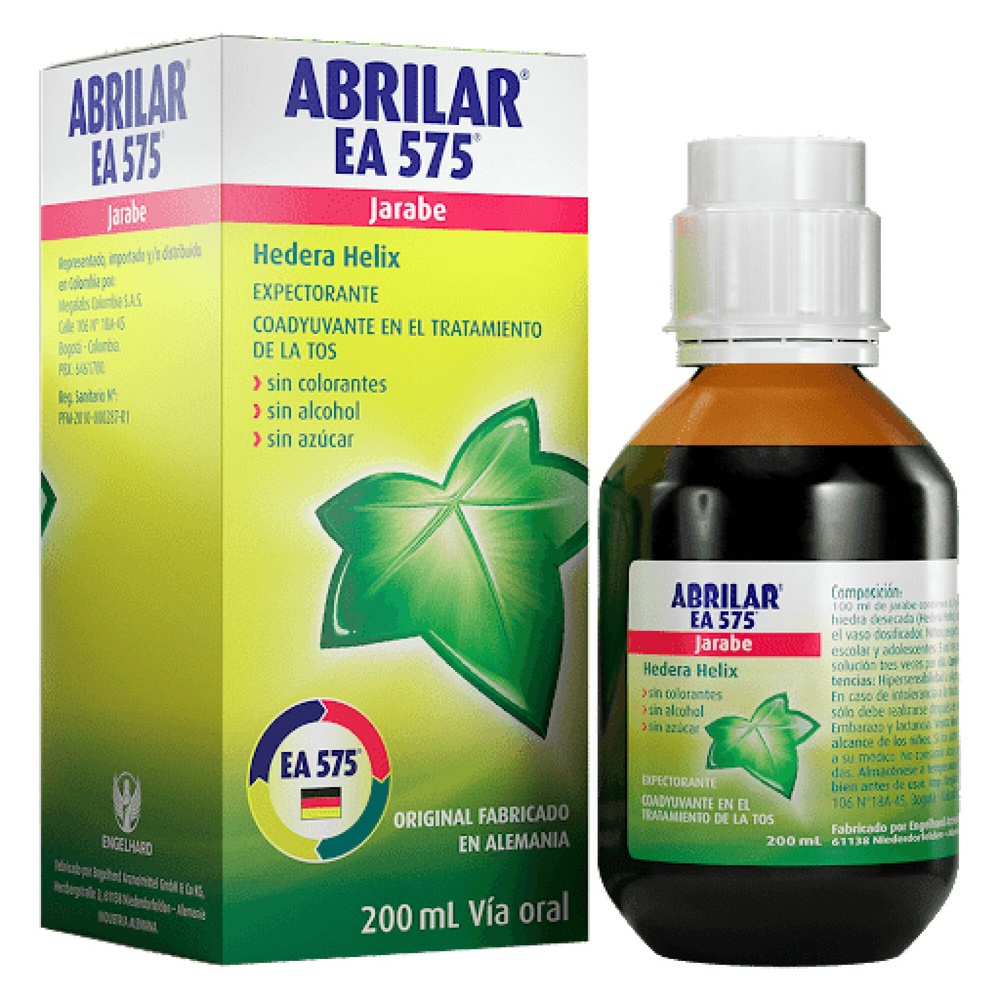
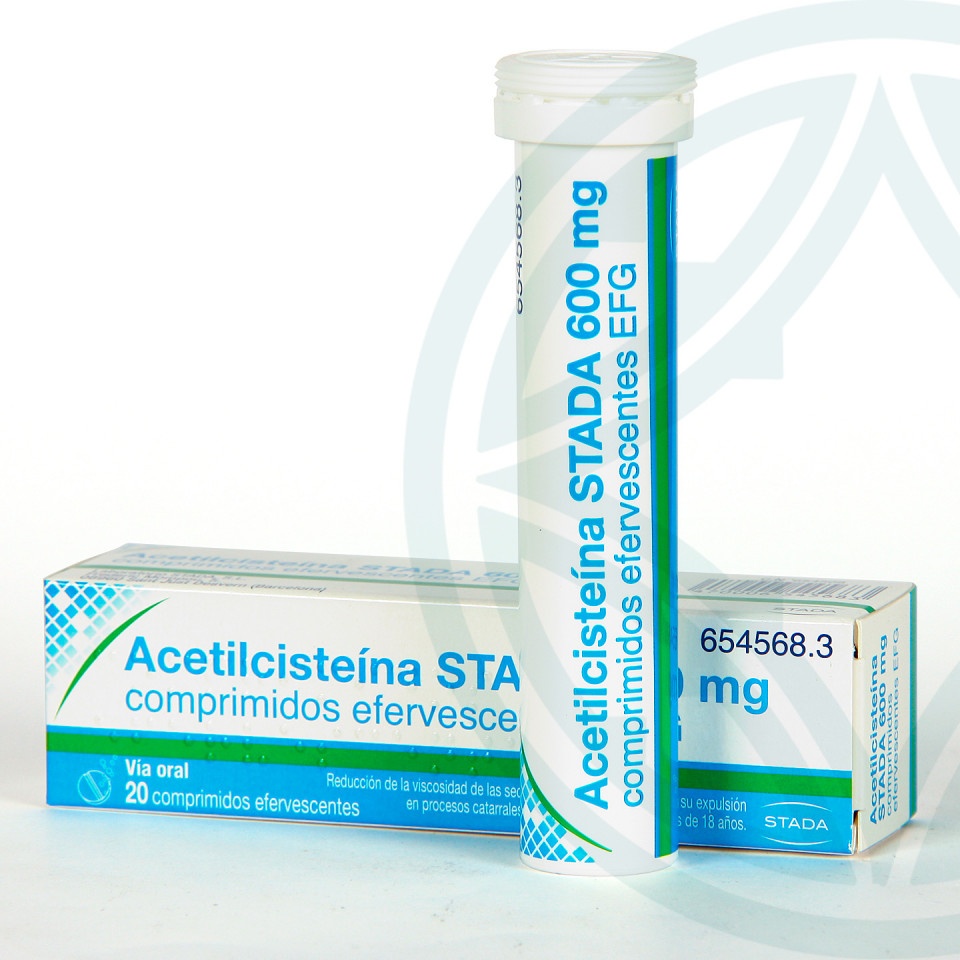
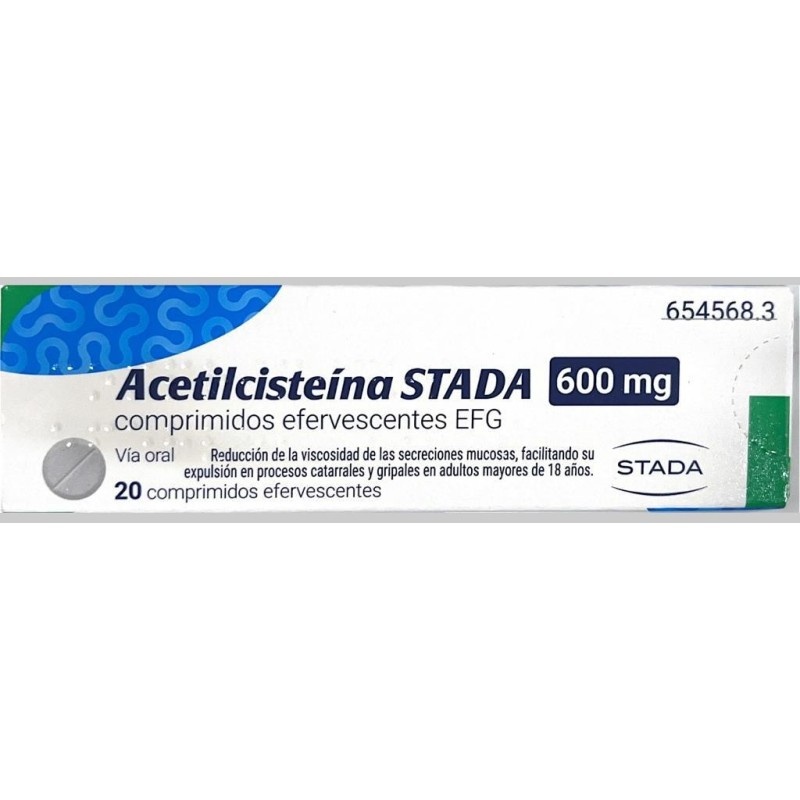
- Alternativas a FRIOLGRIP DESCONGESTIVO POLVO PARA SOLUCIÓN ORALForma farmacéutica: SOLUCIÓN/SUSPENSIÓN ORAL, 7 mg/mlPrincipio activo: Hederae helicis foliumFabricante: Engelhard Arzneimittel Gmbh & Co. KgNo requiere recetaForma farmacéutica: COMPRIMIDO EFERVESCENTE, 600 MGPrincipio activo: AcetilcisteinaFabricante: Kern Pharma S.L.No requiere recetaForma farmacéutica: COMPRIMIDO EFERVESCENTE, 600 mgPrincipio activo: AcetilcisteinaFabricante: Laboratorios Alter S.A.Requiere receta
Médicos online para FRIOLGRIP DESCONGESTIVO POLVO PARA SOLUCIÓN ORAL
Comenta la dosis, los posibles efectos secundarios, interacciones, contraindicaciones o la revisión de receta de FRIOLGRIP DESCONGESTIVO POLVO PARA SOLUCIÓN ORAL, sujeto a valoración médica y a la normativa local.











Preguntas frecuentes
