


FOSFOCINA 1 G POLVO Y DISOLVENTE PARA SOLUCION PARA PERFUSION



Cómo usar FOSFOCINA 1 G POLVO Y DISOLVENTE PARA SOLUCION PARA PERFUSION
Traducción generada por IA
Este contenido ha sido traducido automáticamente y se ofrece solo con fines informativos. No sustituye la consulta con un profesional sanitario.
Ver originalContenido del prospecto
Introducción
Prospecto:información para el paciente
Fosfocina 1 g polvo y disolvente para solución para perfusión
Fosfomicina
Lea todo el prospecto detenidamente antes de empezar a usar este medicamento, porque contiene información importante para usted.
- Conserve este prospecto, ya que puede tener que volver a leerlo.
- Si tiene alguna duda, consulte a su médico o farmacéutico o enfermero.
- Este medicamento se le ha recetado solamente a usted, y no debe dárselo a otras personas aunque tengan los mismos síntomas que usted, ya que puede perjudicarles.
- Si experimenta efectos adversos, consulte a su médico o farmacéutico o enfermero, incluso si se trata de efectos adversos que no aparecen en este prospecto. Ver sección 4.
Contenido del prospecto:
- Qué es Fosfocina y para qué se utiliza
- Qué necesita saber antes de usar Fosfocina
- Cómo usar Fosfocina
- Posibles efectos adversos
- Conservación de Fosfocina
- Contenido del envase e información adicional
1. Qué es Fosfocina y para qué se utiliza
Fosfocina contiene el principio activo fosfomicina. Pertenece a un grupo de medicamentos llamados antibióticos. Actúa eliminando determinados tipos de gérmenes (bacterias) que pueden provocar enfermedades infecciosas graves. Su médico ha decidido tratarle con Fosfocina para ayudar a su organismo a combatir una infección. Es importante que reciba un tratamiento eficaz para esta afección.
Los antibióticos se utilizan para tratar infecciones bacterianas y no sirven para tratar infecciones víricas como la gripe o el catarro. Es importante que siga las instrucciones relativas a la dosis, el intervalo de administración y la duración del tratamiento indicadas por su médico. No guarde ni reutilice este medicamento. Si una vez finalizado el tratamiento le sobra antibiótico, devuélvalo a la farmacia para su correcta eliminación. No debe tirar los medicamentos por el desagüe ni a la basura. |
Fosfocina se utiliza en adultos, adolescentes y niños para tratar infecciones producidas por bacterias de:
- las vías urinarias
- el corazón, a veces denominadas “endocarditis”
- los huesos y las articulaciones
- los pulmones, denominadas “neumonía”
- la piel y los tejidos de debajo de la piel
- el sistema nervioso central
- el abdomen
- la sangre, cuando tienen su origen en alguna de las afecciones antes mencionadas.

2. Qué necesita saber antes de empezar a usar Fosfocina
No use Fosfocina
Si es alérgico a la fosfomicina o a alguno de los demás componentes de este medicamento (incluidos en la sección 6).
Advertencias y precauciones
Consulte a su médico, farmacéutico o enfermero antes de empezar a usar Fosfocina si padece alguno de los trastornos siguientes:
- problemas en el corazón (insuficiencia cardíaca), sobre todo si toma medicamentos digitálicos (debido a una posible hipopotasemia)
- presión arterial alta (hipertensión)
- un trastorno determinado del sistema hormonal (hiperaldosteronismo)
- niveles altos de sodio en la sangre (hipernatremia)
- acumulación de líquido en los pulmones (edema pulmonar)
- problemas en los riñones. Puede que su médico deba modificar la dosis del medicamento (ver sección 3 de este prospecto)
- episodios anteriores de diarrea después de haber tomado o de que le hayan administrado cualquier otro antibiótico.
Síntomas a los que debe prestar atención
Fosfocina puede provocar efectos adversos graves. Estos incluyen reacciones alérgicas, inflamación del intestino grueso y disminución del número de glóbulos blancos. Debe prestar atención a ciertos síntomas mientras esté tomando este medicamento, con el fin de reducir el riesgo de que se produzcan problemas. Consulte los “Efectos adversos graves” en la sección 4.
Otros medicamentos y Fosfocina
Informe a su médico o farmacéutico si está tomando, ha tomado recientemente o pudiera tener que tomar cualquier otro medicamento, incluso si se trata de medicamentos adquiridos sin receta.
Esto es especialmente importante si está tomando:
- anticoagulantes, dado que fosfomicina y otros antibióticos podrían alterar su capacidad para impedir la coagulación de la sangre.
Embarazo y lactancia
Si está embarazada o en periodo de lactancia, cree que podría estar embarazada o tiene intención de quedarse embarazada, consulte a su médico o farmacéutico antes de utilizar este medicamento.
Fosfomicina puede pasar al bebé en el útero o a través de la leche materna. Si está embarazada o en periodo de lactancia, su médico solo le recetará este medicamento cuando sea estrictamente necesario.
Conducción y uso de máquinas
Cuando se administra Fosfocina, pueden producirse efectos adversos como confusión y debilidad. Si estos se producen, no debe conducir ni manejar máquinas.
Fosfocina contiene sodio (aportado por el principio activo)
Este medicamento contiene 333 mg de sodio (componente principal de la sal de mesa/para cocinar) en cada vial. Esto equivale al 17 % de la ingesta diaria máxima de sodio recomendada para un adulto.
3. Cómo usar Fosfocina
Siga exactamente las instrucciones de administración de este medicamento indicadas por su médico o farmacéutico. En caso de duda, consulte de nuevo a su médico o farmacéutico.Fosfocina lo administra en vena (goteo) un médico o enfermero.
Posología
La dosis que recibirá y la frecuencia de la misma dependerán de:
- El tipo y la gravedad de la infección que tenga
- Su función renal
En niños, además depende de:
- El peso del niño
- La edad del niño
Si tiene problemas de riñón o necesita diálisis, puede que el médico deba reducir la dosis de este medicamento.
Vía y forma de administración
Para uso intravenoso.
Fosfocina se lo administra en una vena (goteo) un médico o enfermero.
Normalmente, la perfusión durará entre 15 y 60 minutos, dependiendo de la dosis que le administren. En general, este medicamento se administra 2, 3 o 4 veces al día.
Duración del tratamiento
El médico decidirá cuánto debe durar el tratamiento en función de lo rápido que mejore su estado. En el tratamiento de las infecciones producidas por bacterias, es importante completar todo el ciclo de tratamiento. El tratamiento debe continuar unos días más, aunque haya desaparecido la fiebre y hayan remitido los síntomas.
Algunas infecciones, como las infecciones en los huesos, pueden requerir un periodo de tratamiento más largo una vez que remiten los síntomas.
Si recibe más Fosfocina de la que debe
Es improbable que el médico o enfermero le administre demasiado medicamento. Si cree que ha recibido una cantidad excesiva de este medicamento, pregúntele inmediatamente.
Si tiene cualquier otra duda sobre el uso de este medicamento, pregunte a su médico, farmacéutico o enfermero.

4. Posibles efectos adversos
Al igual que todos los medicamentos, este medicamento puede producir efectos adversos, aunque no todas las personas los sufran.
Efectos adversos graves
Informe a su médico de inmediato si advierte alguno de los siguientes efectos adversos graves: es posible que necesite tratamiento médico urgente:
- Signos de reacción alérgica grave (muy rara: puede afectar hasta a 1 de cada 10.000 personas). Pueden incluir: dificultad para respirar o tragar, silbidos repentinos al respirar, mareo, hinchazón de los párpados, el rostro, los labios o la lengua, sarpullido o picor.
- Diarrea grave o persistente, que puede estar acompañada de dolor abdominal o fiebre (frecuencia no conocida). Puede ser indicativo de que tiene una inflamación intestinal grave. No tome medicamentos contra la diarrea que impidan los movimientos del intestino (antiperistálticos).
- Color amarillo de la piel o la parte blanca del ojo (ictericia, frecuencia no conocida). Puede ser un signo inicial de problemas de hígado.
- Confusión, calambres musculares o ritmo del corazón anormal. Podrían estar causados por niveles altos de sodio en la sangre o niveles bajos de potasio en la sangre (frecuente: puede afectar hasta a 1 de cada 10 personas).
Informe a su médico o enfermero lo antes posible si advierte alguno de los efectos adversos siguientes:
- Dolor, quemazón, enrojecimiento o hinchazón en torno a la vena que se utiliza durante la perfusión de este medicamento (frecuente: puede afectar hasta a 1 de cada 10 personas).
- Sangra o se le hacen morados con más facilidad o sufre más infecciones de lo habitual. Esto podría deberse a que tiene un número bajo de glóbulos blancos o de plaquetas en la sangre (frecuencia no conocida).
Otros efectos adversos pueden incluir:
Efectos adversos frecuentes (pueden afectar hasta a 1 de cada 10 personas)
- Alteración del gusto
Efectos adversos poco frecuentes (pueden afectar hasta a 1 de cada 100 personas)
- Mareo, vómitos o diarrea leve
- Dolor de cabeza
- Niveles altos de enzimas hepáticas en la sangre, posiblemente asociados a problemas de hígado
- Erupción
- Debilidad
Efectos adversos de frecuencia no conocida (no puede estimarse a partir de los datos disponibles)
- Problemas de hígado (hepatitis)
- Picor, ronchas
Comunicación de efectos adversos
Si experimenta cualquier tipo de efecto adverso, consulte a su médico, farmacéutico o enfermero, incluso si se trata de posibles efectos adversos que no aparecen en este prospecto. También puede comunicarlos directamente a través del Sistema Español de Farmacovigilancia de Medicamentos de Uso Humano: www.notificaram.es. Mediante la comunicación de efectos adversos usted puede contribuir a proporcionar más información sobre la seguridad de este medicamento.
5. Conservación de Fosfocina
Mantener este medicamento fuera de la vista y del alcance de los niños.
Conservar en lugar seco.
No utilice este medicamento después de la fecha de caducidad que aparece en el envase después de CAD. La fecha de caducidad es el último día del mes que se indica.
Los medicamentos no se deben tirar por los desagües ni a la basura. Deposite los envases y los medicamentos que no necesita en el Punto SIGRE de la farmacia. En caso de duda pregunte a su farmacéutico cómo deshacerse de los envases y de los medicamentos que ya no necesita. De esta forma, ayudará a proteger el medio ambiente.
6. Contenido del envase e información adicional
Composición de Fosfocina
- El principio activo es fosfomicina. Cada vial contiene 1 g de fosfomicina en forma de fosfomicina sódica.
- Los demás componentes son ácido succínico y agua para preparaciones inyectables.
Aspecto del producto y contenido del envase
Fosfocina se presenta en un vial de vidrio conteniendo un polvo blanco o casi blanco y una ampolla de vidrio conteniendo 10 ml de agua para preparaciones inyectables. Los formatos disponibles son:
- Envase normal: 1 vial + 1 ampolla de disolvente
- Envase clínico: 50 viales + 50 ampollas de disolvente
Titular de la autorización de comercialización
LABORATORIOS ERN, S.A.
Perú, 228 - 08020 Barcelona, España
Responsables de la fabricación
FISIOPHARMA, S.r.l.
Nucleo industriale. 84020
Palomonte (SA)
Codice Fiscale: 02580140651
LABORATORIOS ERN, S.A.
Gorgs Lladó, 188 – 08210 Barberá del Vallés, Barcelona. España
Fecha de la última revisión de este prospecto: Febrero 2023.
La información detallada y actualizada de este medicamento está disponible en la página web de la Agencia Española de Medicamentos y Productos Sanitarios (AEMPS) http://www.aemps.gob.es/.
-------------------------------------------------------------------------------------------------------------------
Esta información está destinada únicamente a profesionales sanitarios:
La reconstitución de la solución debe realizarse en el momento de la administración intravenosa.
Disolver el contenido del vial de 1 g con los 10 ml de la ampolla de disolvente. Tomar el volumen correspondiente a la dosis adecuada. Diluir en agua para preparaciones inyectables o suero glucosado a razón de 4 ml por cada ml de la solución previamente preparada. Poner en un goteo de 1 hora de duración.
Al disolver la fosfomicina se produce una reacción exotérmica con el consiguiente desprendimiento de calor, lo que hace que el vial se caliente ligeramente.
- País de registro
- Forma farmacéuticaINYECTABLE, 1,320 g
- Código ATCJ01XX01
- Principio activo
- Requiere recetaSí
- Fabricante
- Esta información es de carácter general y no sustituye la consulta con un profesional sanitario.
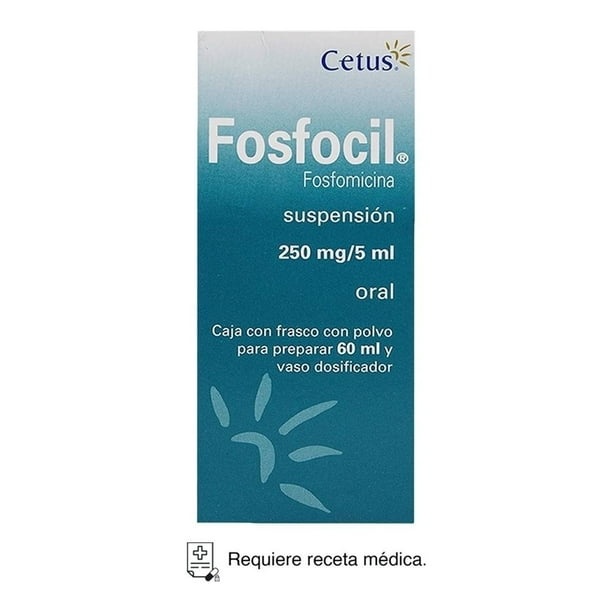
- Alternativas a FOSFOCINA 1 G POLVO Y DISOLVENTE PARA SOLUCION PARA PERFUSIONForma farmacéutica: SOLUCIÓN/SUSPENSIÓN ORAL, 250 mgPrincipio activo: fosfomicinaFabricante: Laboratorios Ern S.A.Requiere recetaForma farmacéutica: INYECTABLE PERFUSION, 4 g/vialPrincipio activo: fosfomicinaFabricante: Laboratorios Ern S.A.Requiere recetaForma farmacéutica: CAPSULA, 500 mgPrincipio activo: fosfomicinaFabricante: Laboratorios Ern S.A.Requiere receta
Médicos online para FOSFOCINA 1 G POLVO Y DISOLVENTE PARA SOLUCION PARA PERFUSION
Comenta la dosis, los posibles efectos secundarios, interacciones, contraindicaciones o la revisión de receta de FOSFOCINA 1 G POLVO Y DISOLVENTE PARA SOLUCION PARA PERFUSION, sujeto a valoración médica y a la normativa local.











Preguntas frecuentes
