


ESOMEPRAZOL STADA 20 MG CAPSULAS DURAS GASTRORRESISTENTES EFG
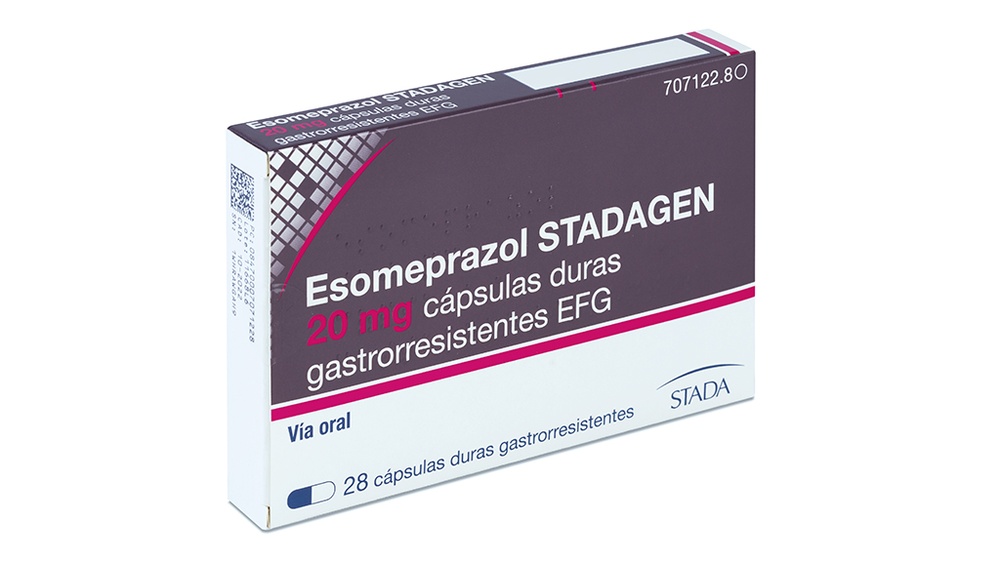



Cómo usar ESOMEPRAZOL STADA 20 MG CAPSULAS DURAS GASTRORRESISTENTES EFG
Traducción generada por IA
Este contenido ha sido traducido automáticamente y se ofrece solo con fines informativos. No sustituye la consulta con un profesional sanitario.
Ver originalContenido del prospecto
Introducción
Prospecto: información para el usuario
Esomeprazol Stada 20 mg cápsulas duras gastrorresistentes EFG
Esomeprazol Stada 40 mg cápsulas duras gastrorresistentes EFG
Lea todo el prospecto detenidamente antes de empezar a tomar este medicamento, porque contiene información importante para usted.
- Conserve este prospecto, ya que puede tener que volver a leerlo.
- Si tiene alguna duda, consulte a su médico o farmacéutico.
- Este medicamento se le ha recetado solamente a usted y no debe dárselo a otras personas, aunque tengan los mismos síntomas que usted, ya que puede perjudicarles.
- Si experimenta efectos adversos, consulte a su médico o farmacéutico, incluso si se trata de efectos adversos que no aparecen en este prospecto. Ver sección 4.
Contenido del prospecto
- Qué es Esomeprazol Stada y para qué se utiliza
- Qué necesita saber antes de empezar a tomar Esomeprazol Stada
- Cómo tomar Esomeprazol Stada
- Posibles efectos adversos
5 Conservación de Esomeprazol Stada
- Contenido del envase e información adicional
1. Qué es Esomeprazol Stada y para que se utiliza y para qué se utiliza
Esomeprazol Stada contiene un medicamento llamado esomeprazol que pertenece a un grupo de medicamentos llamados “inhibidores de la bomba de protones”. Estos funcionan reduciendo la cantidad de ácido que su estómago produce.
Esomeprazol se utiliza para el tratamiento de los siguientes trastornos:
Adultos
- Enfermedad por reflujo gastroesofágico (ERGE). Se produce cuando el ácido del estómago asciende por el esófago (el tubo que va de la garganta al estómago) produciendo dolor, inflamación y ardor.
- Úlceras en el estómago o parte superior del intestino infectados por una bacteria llamada “Helicobacter pylori”. Si usted tiene este trastorno, el médico le recetará además antibióticos para tratar la infección y que cicatrice la úlcera.
- Úlceras gástricas provocadas por medicamentos llamados AINEs (antiinflamatorios no esteroideos). Esomeprazol también se puede utilizar para prevenir la formación de úlceras en el estómago si está tomando AINEs.
- Acidez excesiva en el estómago producido por un tumor en el páncreas (síndrome de Zollinger-Ellison).
- Tratamiento de continuación de la prevención del resangrado por úlcera péptica inducida con esomeprazol intravenoso.
Adolescentes de 12 años de edad y mayores
- Enfermedad por reflujo gastroesofágico (ERGE). Se produce cuando el ácido del estómago asciende por el esófago (el tubo que va de la garganta al estómago) produciendo dolor, inflamación y ardor.
Úlceras en el estómago o parte superior del intestino infectados por una bacteria llamada “Helicobacter pylori”. Si usted tiene este trastorno, el médico le recetará además antibióticos para tratar la infección y que cicatrice la úlcera.

2. Qué necesita saber antes de empezar a tomar Esomeprazol Stada
No tome Esomeprazol Stada
- si es alérgico al esomeprazol o a cualquiera de los demás componentes de este medicamento (incluidos en la sección 6);
- si es alérgico a otros medicamentos del grupo de los inhibidores de la bomba de protones (como pantoprazol, lansoprazol, rabeprazol, omeprazol);
- si está tomando un medicamento que contenga nelfinavir (utilizado para el tratamiento de la infección por VIH);
- si alguna vez ha desarrollado una erupción cutánea grave o descamación de piel, formación de ampollas o úlceras en la boca después de tomar esomeprazol u otros medicamentos relacionados.
Si se encuentra en alguna de las situaciones anteriores, no tome esomeprazol. Si no está seguro, consulte a su médico o farmacéutico antes de tomar esomeprazol.
Advertencias y precauciones
Consulte a su médico o farmacéutico antes de tomar esomeprazol:
- si tiene problemas hepáticos graves;
- si tiene problemas renales graves;
- si alguna vez ha tenido una reacción en la piel después del tratamiento con un medicamento similar a esomeprazol para reducir la acidez de estómago. Se han notificado reacciones cutáneas graves que incluyen síndrome de Stevens-Johnson, necrólisis epidérmica tóxica, reacción a fármaco con eosinofilia y síntomas sistémicos (DRESS), en relación con el tratamiento con esomeprazol. Deje de tomar esomeprazol y solicite atención médica inmediatamente si advierte alguno de los síntomas relacionados con estas reacciones cutáneas graves descritas en la sección 4;
- si está previsto que le realicen un análisis específico de sangre (Cromogranina A).
Esomeprazol puede enmascarar los síntomas de otras enfermedades. Por lo tanto, si le ocurre alguna de las siguientes situaciones antes de empezar a tomar o mientras esté tomando esomeprazol, contacte con su médico inmediatamente:
- Pierde mucho peso sin razón y tiene problemas para tragar.
- Presenta dolor de estómago o indigestión.
- Comienza a vomitar alimentos o sangre.
- Las heces aparecen negras (manchadas de sangre).
Si le han prescrito esomeprazol "a demanda" (sólo cuando note algún síntoma), debe ponerse en contacto con su médico si los síntomas de su enfermedad persisten o cambian.
Si usted está en tratamiento con esomeprazol durante más de tres meses, es posible que los niveles de magnesio en su sangre puedan caer. Los niveles bajos de magnesio se pueden ver como fatiga, contracciones musculares involuntarias, desorientación, convulsiones, mareos o aumento de la frecuencia cardíaca. Si tiene alguno de estos síntomas, informe a su médico de inmediato. Los niveles bajos de magnesio también pueden conducir a una reducción en los niveles de potasio o calcio en la sangre. Su médico puede decidir realizar análisis de sangre regulares para controlar sus niveles de magnesio.
Si está tomando inhibidores de la bomba de protones como esomeprazol, especialmente durante un periodo de más de un año puede aumentar ligeramente el riesgo de fractura de cadera, muñeca y columna vertebral. Informe a su médico si tiene osteoporosis o si está tomando corticosteroides (pueden incrementar el riesgo de osteoporosis).
Erupción cutánea y síntomas cutáneos
Si sufre una erupción cutánea, especialmente en zonas de la piel expuestas al sol, consulte a su médico lo antes posible, ya que puede ser necesario interrumpir el tratamiento con esomeprazol. Recuerde mencionar cualquier otro síntoma que pueda notar, como dolor en las articulaciones.
Se han producido erupciones cutáneas graves en pacientes tratados con esomeprazol (ver también sección 4). La erupción puede incluir úlceras de la boca, garganta, nariz, genitales y conjuntivitis (ojos rojos e hinchados). Estas erupciones cutáneas graves a menudo vienen después de síntomas similares a la gripe, como fiebre, dolor de cabeza, dolor corporal. La erupción puede cubrir grandes partes del cuerpo con ampollas y descamación de la piel.
Si en cualquier momento durante el tratamiento (incluso después de varias semanas) desarrolla una erupción cutánea o cualquiera de estos síntomas cutáneos, deje de tomar este medicamento y póngase en contacto con su médico inmediatamente.
Niños menores de 12 años
Esomeprazol no está recomendado para niños menores de 12 años.
Uso de Esomeprazol Stada con otros medicamentos
Informe a su médico o farmacéutico si está tomando, ha tomado recientemente o podría tener que tomar cualquier otro medicamento. Esto es porque esomeprazol puede afectar a la forma en que algunos medicamentos actúan y algunos medicamentos pueden influir sobre el efecto de esomeprazol.
No tome esomeprazol si está tomando un medicamento que contenga nelfinavir (utilizado en el tratamiento del VIH).
Informe a su médico o farmacéutico si está tomando alguno de los siguientes medicamentos:
- Atazanavir (utilizado para el tratamiento de la infección por VIH).
- Clopidogrel (utilizado para la prevención de coágulos de sangre).
- Ketoconazol, itraconazol o voriconazol (utilizado para el tratamiento de las infecciones producidas por hongos).
- Erlotinib (utilizado en el tratamiento del cáncer).
- Citalopram, imipramina o clomipramina (utilizado para el tratamiento de la depresión).
- Diazepam (utilizado para el tratamiento de la ansiedad, como relajante muscular o para la epilepsia).
- Fenitoína (para la epilepsia). Si está tomando fenitoína, su médico necesitará controlar cuándo empieza o cuándo termina de tomar esomeprazol.
- Medicamentos que se utilizan para hacer la sangre más fluida, tales como warfarina.
Puede que su médico necesite controlar cuándo empieza o cuándo termina de tomar esomeprazol.
- Cilostazol (utilizado para el tratamiento de la claudicación intermitente – una enfermedad donde el suministro deficiente de sangre a los músculos de las piernas causa dolor y dificultad para caminar).
- Cisaprida (utilizado para la indigestión y ardor de estómago).
- Digoxina (utilizada para problemas cardíacos).
- Metotrexato (medicamento quimioterápico utilizado a dosis altas en el tratamiento del cáncer) – si está tomando dosis altas de metotrexato, su médico puede interrumpir temporalmente su tratamiento con esomeprazol.
- Tacrólimus (trasplante de órganos).
- Rifampicina (utilizada para el tratamiento de la tuberculosis).
- Hierba de San Juan (Hypericum perforatum)(utilizada para tratar la depresión).
Si su médico le ha prescrito los antibióticos amoxicilina y claritromicina además de esomeprazol para tratar las úlceras provocadas por Helicobacter pylori, es muy importante que comunique a su médico si está tomando cualquier otro medicamento.
Uso de Esomeprazol Stada con alimentos y bebidas
Puede tomar las cápsulas con alimentos o con el estómago vacío.
Embarazo y lactancia
Si está embarazada o en periodo de lactancia, cree que podría estar embarazada o tiene intención de quedarse embarazada, consulte a su médico o farmacéutico antes de utilizar este medicamento. Su médico decidirá si puede tomar esomeprazol durante este periodo.
Se desconoce si esomeprazol pasa a la leche materna. Por lo tanto, no se debe tomar esomeprazol durante el periodo de lactancia.
Conducción y uso de máquinas
No es probable que esomeprazol afecte a su capacidad para conducir o utilizar herramientas o máquinas. Sin embargo, pueden suceder con poca frecuencia o raramente efectos adversos tales como mareos o visión borrosa (ver sección 4). No debe conducir o usar máquinas si nota alguno de estos efectos.
Esomeprazol Stada contiene sodio
Este medicamento contiene menos de 23 mg de sodio (1mmol) por cápsula; esto es, esencialmente “exento de sodio”.
3. Cómo tomar Esomeprazol Stada
Siga exactamente las instrucciones de administración de este medicamento indicadas por su médico o farmacéutico. En caso de duda, consulte de nuevo a su médico o farmacéutico.
- si toma este medicamento durante un largo período de tiempo, su médico necesitará realizar un seguimiento (en particular, si lo toma durante más de un año).
- si su médico le ha indicado que tome este medicamento solo cuando note algún síntoma, informe a su médico si los síntomas cambian.
Cuánto tomar
- Su médico le habrá indicado cuántas cápsulas debe tomar y cuándo tomarlas. Esto dependerá de su situación, edad y el funcionamiento de su hígado.
- Las dosis recomendadas se detallan a continuación:
Uso en adultos a partir de 18 años
Para el tratamiento del ardor provocado por la enfermedad por reflujo gastroesofágico (ERGE):
- Si su médico ha determinado que su esófago se encuentra ligeramente afectado, la dosis recomendada es de una cápsula de esomeprazol 40 mg una vez al día durante 4 semanas. Su médico puede indicarle que siga tomando la misma dosis durante 4 semanas más si su esófago no hubiera cicatrizado todavía.
- Una vez cicatrizado el esófago, la dosis recomendada es de una cápsula de esomeprazol 20 mg una vez al día.
- Si su esófago no está afectado, la dosis recomendada es de una cápsula de esomeprazol 20 mg al día. Una vez que su afección haya sido controlada, es posible que su médico le indique que tome el medicamento solo cuando sea necesario, hasta un máximo de una cápsula de esomeprazol 20 mg al día.
- Si tiene problemas graves de hígado, puede que su médico le recete una dosis menor.
Para el tratamiento de úlceras provocadas por infección de Helicobacter pylori y para evitar su reaparición:
- La dosis recomendada es una cápsula de esomeprazol 20 mg dos veces al día durante una semana.
- Su médico también le recetará antibióticos conocidos como por ejemplo amoxicilina y claritromicina.
Para el tratamiento de úlceras gástricas provocadas por AINE (Antiinflamatorios no esteroideos):
- La dosis recomendada es una cápsula de esomeprazol 20 mg una vez al día durante 4 - 8 semanas.
Para prevenir úlceras gástricas si está tomando AINE (Antiinflamatorios no esteroideos):
- La dosis recomendada es una cápsula de esomeprazol 20 mg una vez al día.
Para el tratamiento de la acidez excesiva en el estómago producida por un tumor en el páncreas (síndrome de Zollinger-Ellison):
- La dosis recomendada es una cápsula de esomeprazol 40 mg dos veces cada día.
- Su médico ajustará la dosis de acuerdo con sus necesidades y también decidirá durante cuánto tiempo debe tomar este medicamento. La dosis máxima es de 80 mg dos veces al día.
Tratamiento de continuación de la prevención del resangrado por úlcera péptica inducida con esomeprazol intravenoso:
- La dosis recomendada es una cápsula de esomeprazol 40 mg una vez al día durante 4 semanas.
Uso en adolescentes a partir de 12 años de edad
Para el tratamiento del ardor provocado por la enfermedad por reflujo gastroesofágico (ERGE):
- Si su médico ha determinado que su esófago está ligeramente afectado, la dosis recomendada es de una cápsula de esomeprazol 40 mg una vez al día durante 4 semanas. Su médico puede indicarle que siga tomando la misma dosis durante 4 semanas más si su esófago no hubiera cicatrizado todavía.
- Una vez cicatrizado el esófago, la dosis recomendada es de una cápsula de esomeprazol 20 mg una vez al día.
- Si su esófago no está afectado, la dosis recomendada es de una cápsula de esomeprazol 20 mg al día.
- Si tiene problemas graves de hígado, puede que su médico le recete una dosis menor.
Para el tratamiento de úlceras provocadas por infección de Helicobacter pylori y para evitar su reaparición:
- La dosis recomendada es una cápsula de esomeprazol 20 mg dos veces al día durante una semana.
- Su médico también le recetará antibióticos conocidos como por ejemplo amoxicilina y claritromicina.
Toma de este medicamento
- Puede tomar las cápsulas a cualquier hora del día.
- Puede tomar las cápsulas con alimentos o con el estómago vacío.
- Trague las cápsulas enteras con un vaso de agua. No mastique ni triture las cápsulas ni su contenido. Esto se debe a que las cápsulas contienen gránulos recubiertos que evitan que el medicamento sea destruido por el ácido del estómago. Es importante no dañar los gránulos.
Qué hacer si tiene dificultades para tragar las cápsulas
Si tiene dificultades para tragar las cápsulas:
- Abra la cápsula y disperse el contenido en medio vaso de agua sin gas. No se deben utilizar otros líquidos.
- Agite la mezcla y bébala inmediatamente o en los siguientes 30 minutos. Agite siempre la mezcla justo antes de bebérsela. La mezcla no será transparente.
- Para asegurarse de que ha tomado todo el medicamento, enjuague bien el vaso llenándolo de agua hasta la mitad y bébaselo. Las partículas sólidas contienen el medicamento, no mastique ni triture los gránulos.
Uso en niños menores de 12 años de edad
Esomeprazol no está recomendado para niños menores de 12 años.
Pacientes de edad avanzada
No es necesario ajustar la dosis en personas de edad avanzada.
Si toma más Esomeprazol Stada del que debe
En caso de sobredosis o ingestión accidental, consulte inmediatamente a su médico o farmacéutico o llame al Servicio de Información Toxicológica. Teléfono 91 562 04 20, indicando el medicamento y la cantidad ingerida.
Si olvidó tomar Esomeprazol Stada
- Si usted olvida tomar una dosis, tómela tan pronto como lo recuerde. No obstante, si falta poco tiempo para su siguiente toma, no tome la dosis olvidada.
- No tome una dosis doble (dos dosis a la vez) para compensar las dosis olvidadas.
Si tiene cualquier otra duda sobre el uso de este medicamento, pregunte a su médico o farmacéutico.

4. Posibles efectos adversos
Al igual que todos los medicamentos, esomeprazol puede producir efectos adversos, aunque no todas las personas los sufran.
Si observa alguno de los siguientes efectos adversos graves, deje de tomar esomeprazol y contacte con un médico inmediatamente:
- piel amarilla, orina oscura y cansancio que pueden ser síntomas de problemas hepáticos. Estos efectos son raros y pueden afectar hasta 1 de cada 1.000 personas.
- repentina dificultad para respirar, hinchazón de labios, lengua y garganta o cuerpo en general, erupción cutánea, desmayos o dificultad al tragar (reacción alérgica grave). Estos efectos son raros y pueden afectar hasta 1 de cada 1.000 personas.
- La aparición repentina de una erupción grave o enrojecimiento de la piel con ampollas o descamación puede ocurrir incluso después de varias semanas de tratamiento. También puede haber ampollas severas y sangrado en los labios, ojos, boca, nariz y genitales. Las erupciones cutáneas pueden convertirse en daños cutáneos graves y generalizados (descamación de la epidermis y las membranas mucosas superficiales) con consecuencias potencialmente mortales. Esto podría ser 'eritema multiforme', 'síndrome de Stevens-Johnson', 'necrólisis epidérmica tóxica' o 'reacción farmacológica con eosinofilia y síntomas sistémicos'. Estos efectos son muy raros y pueden afectar hasta 1 de cada 10.000 personas.
- Erupción diseminada, temperatura corporal alta y aumento del tamaño de los nódulos linfáticos (síndrome de DRESS o síndrome de hipersensibilidad a fármaco), que se observa muy raramente.
Otros efectos adversos incluyen:
Frecuentes:pueden afectar hasta 1 de cada 10 personas
- dolor de cabeza
- efectos sobre el estómago o intestino: diarrea, dolor de estómago, estreñimiento, gases (flatulencia)
- náuseas o vómitos
- pólipos benignos en el estómago
Poco frecuentes:pueden afectar hasta 1 de cada 100 personas
- hinchazón de pies y tobillos
- alteración del sueño (insomnio)
- mareo, sensación de hormigueo y entumecimiento, somnolencia
- sensación de vértigo
- boca seca
- alteración de los análisis de sangre que determinan el funcionamiento del hígado
- erupción cutánea, urticaria, picor de piel
- fractura de cadera, muñeca o columna vertebral (si esomeprazol se utiliza en dosis altas o durante un periodo de tiempo prolongado)
Raros:pueden afectar hasta 1 de cada 1.000 personas
- trastornos de la sangre tales como disminución del número de células blancas o plaquetas. Esto puede provocar debilidad, hematomas o aumentar la probabilidad de infecciones
- niveles bajos de sodio en sangre. Esto puede provocar debilidad, vómitos y calambres
- agitación, confusión o depresión
- alteración del gusto
- problemas oculares, como visión borrosa
- sensación repentina de falta de aire o dificultad para respirar (broncoespasmo)
- inflamación en el interior de la boca
- una infección conocida como “candidiasis” que puede afectar al esófago y que está causada por un hongo
- problemas hepáticos incluyendo ictericia que puede provocar piel amarillenta, orina oscura y cansancio
- pérdida del cabello (alopecia)
- dermatitis por exposición a la luz solar
- dolor en las articulaciones (artralgia) o dolor muscular (mialgia)
- sensación general de malestar y falta de energía
- aumento de la sudoración
Muy raros:pueden afectar hasta 1 de cada 10.000 personas
- cambios en el número de células en sangre, incluyendo agranulocitosis (disminución del número de glóbulos blancos)
- agresividad
- ver, sentir u oír cosas que no existen (alucinaciones)
- trastornos del hígado que pueden llevar a una insuficiencia hepática o inflamación del cerebro
- aparición repentina de erupción cutánea grave, ampollas o descamación de la piel.
Estos síntomas pueden ir acompañados de fiebre alta y dolor en las articulaciones (eritema multiforme, Síndrome de Stevens-Johnson, necrólisis epidérmica tóxica, reacción farmacológica con eosinofilia y síntomas sistémicos).
- debilidad muscular
- trastornos renales graves
- aumento del tamaño de las mamas en hombres
No conocida:la frecuencia no puede estimarse a partir de los datos disponibles
- Inflamación del intestino (puede provocar diarrea).
- Erupción cutánea, posiblemente con dolor en las articulaciones.
- Niveles bajos de magnesio en sangre (hipomagnesemia) (ver sección 2 "Advertencias y precauciones").
En casos muy raros, esomeprazol puede afectar a los glóbulos blancos provocando una deficiencia inmunitaria. Si tiene una infección con síntomas como fiebre con un empeoramiento gravedel estado general o fiebre con síntomas de una infección local como dolor en el cuello, garganta, boca o dificultad para orinar, debe consultar a su médico lo antes posible para descartar una disminución del número de glóbulos blancos (agranulocitosis) mediante un análisis de sangre. Es importante que, en este caso, informe sobre la medicación que esté tomando en ese momento.
Comunicación de efectos adversos
Si experimenta cualquier tipo de efecto adverso, consulte a su médico o farmacéutico, incluso si se trata de posibles efectos adversos que no aparecen en este prospecto. También puede comunicarlos directamente a través del Sistema Español de Farmacovigilancia de Medicamentos de Uso Humano: www.notificaram.es. Mediante la comunicación de efectos adversos usted puede contribuir a proporcionar más información sobre la seguridad de este medicamento.
5. Conservación de Esomeprazol Stada
- Mantener este medicamento fuera de la vista y del alcance de los niños.
- No conservar a temperatura superior a 25 ºC.
- Conservar este medicamento en el embalaje original (blíster) o mantener el envase perfectamente cerrado para protegerlo de la humedad
- No utilice este medicamento después de la fecha de caducidad que aparece en el envase y en el blíster o en el frasco, después de CAD. La fecha de caducidad es el último día del mes que se indica.
- Los medicamentos no se deben tirar por los desagües ni a la basura. Deposite los envases y los medicamentos que no necesita en el Punto SIGRE de la farmacia. En caso de duda pregunte a su farmacéutico cómo deshacerse de los envases y de los medicamentos que ya no necesita. De esta forma, ayudará a proteger el medio ambiente.
6. Contenido del envase e información adicional
Composición de Esomeprazol Stada
- El principio activo es esomeprazol. Existen dos dosis diferentes de Esomeprazol Stada cápsulas duras gastrorresistentes que contienen 20 mg o 40 mg de esomeprazol (como sal de magnesio dihidrato).
- Los demás componentes son:
Contenido de las cápsulas:
Gránulos:Kappa-Carragenina Ph. Eur., celulosa microcristalina, manitol, hidróxido sódico, hidrógeno carbonato sódico
Recubrimiento aislante:copolímero polietilenglicol-polivinil alcohol, hidróxido sódico, talco, dióxido de titanio (E171), sílice coloidal hidratada
Recubrimiento gastro-resistente:copolímero del ácido metacrílico y etilacrilato (1:1) dispersión al 30 %, citrato de trietilo, talco, dióxido de titanio (E171)
Cápsula:
Esomeprazol Stada 20 mg cápsulas duras gastrorresistentes
Tapa:gelatina, dióxido de titanio (E171), óxido de hierro amarillo (E172)
Cuerpo:gelatina, dióxido de titanio (E171)
Esomeprazol Stada 40 mg cápsulas duras gastrorresistentes
Tapa:gelatina, óxido de hierro rojo (E172), dióxido de titanio (E171), óxido de hierro amarillo (E172)
Cuerpo:gelatina, dióxido de titanio (E171)
Aspecto del producto y contenido del envase
Esomeprazol Stada 20 mg cápsulas duras gastrorresistentes
Cápsula dura gastrorresistente (tamaño de cápsula 3), con cuerpo blanco opaco y tapa de color amarillo opaco, que contiene gránulos gastrorresistentes de color blanco o casi blanco.
Las cápsulas duras pueden tener un olor característico que no afecta a la calidad del producto.
Esomeprazol Stada 40 mg cápsulas duras gastrorresistentes
Cápsula dura gastrorresistente (tamaño de cápsula 1), con cuerpo blanco opaco y tapa de color naranja opaco, que contiene gránulos gastrorresistentes de color blanco o casi blanco.
Las cápsulas duras pueden tener un olor característico que no afecta a la calidad del producto.
Las cápsulas se presentan en frascos de plástico HDPE con una cápsula desecante y con un tapón de PP o en blísteres de poliamida-aluminio-PVC/aluminio. No ingiera la cápsula desecante.
Tamaños de los envases:
Blísteres
Esomeprazol Stada 20 mg cápsulas duras gastrorresistentes
7, 14, 15, 28, 30, 50, 56, 60, 90, 98 y 100 cápsulas.
Esomeprazol Stada 40 mg cápsulas duras gastrorresistentes
14, 15, 28, 30, 50, 56, 60, 90, 98 y 100 cápsulas.
Frascos de plástico HDPE
14, 15, 28, 30, 50, 56, 60, 90, 98 y 100 cápsulas.
Puede que solamente estén comercializados algunos tamaños de envases.
Titular de la autorización de comercialización
Laboratorio STADA, S.L.
Frederic Mompou, 5
08960 Sant Just Desvern (Barcelona)
España
Responsable de la fabricación
Medinsa (Laboratorios Medicamentos Internacionales S.A.)
c/ Solana, 26
28850 Torrejón de Ardoz (Madrid)
España
Fecha de la última revisión de este prospecto:mayo 2025
La información detallada de este medicamo está disponible en la página web de la Agencia Española de Medicamentos y Productos Sanitarios (AEMPS) http://www.aemps.gob.es/.
- País de registro
- Forma farmacéuticaCAPSULA, 20 mg
- Precio medio en farmacia12.55 EUR
- Requiere recetaSí
- Fabricante
- Esta información es de carácter general y no sustituye la consulta con un profesional sanitario.
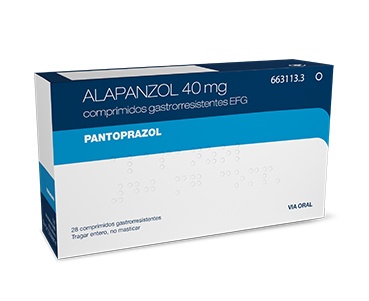
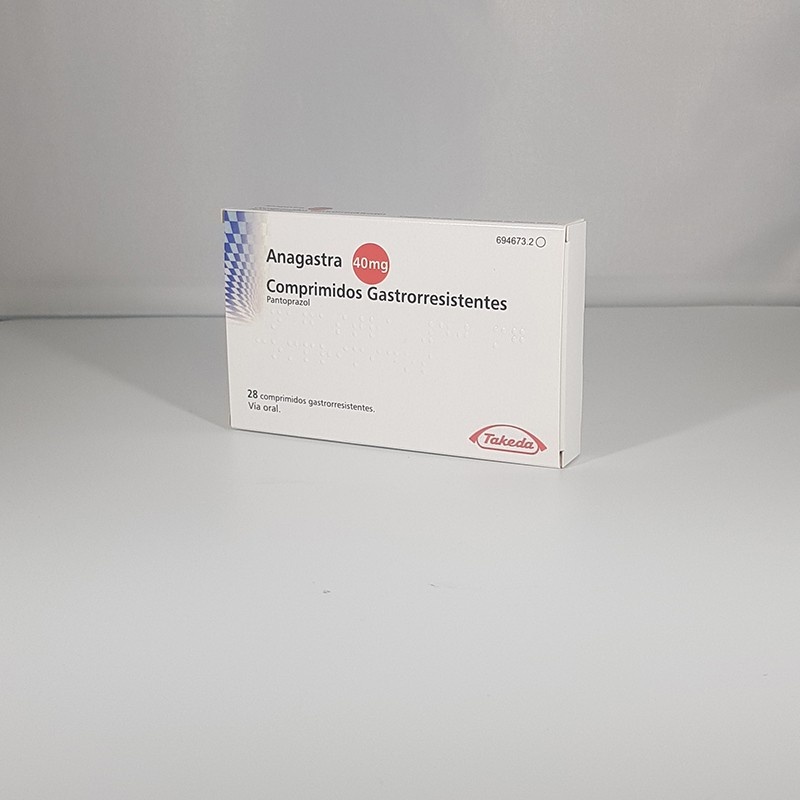
- Alternativas a ESOMEPRAZOL STADA 20 MG CAPSULAS DURAS GASTRORRESISTENTES EFGForma farmacéutica: COMPRIMIDO, 40 MGPrincipio activo: PantoprazolFabricante: Especialidades Farmaceuticas Centrum S.A.Requiere recetaForma farmacéutica: COMPRIMIDO, 20 mg pantoprazolPrincipio activo: PantoprazolFabricante: Takeda GmbhRequiere recetaForma farmacéutica: COMPRIMIDO, 40 mg pantoprazolPrincipio activo: PantoprazolFabricante: Takeda GmbhRequiere receta

Médicos online para ESOMEPRAZOL STADA 20 MG CAPSULAS DURAS GASTRORRESISTENTES EFG
Comenta la dosis, los posibles efectos secundarios, interacciones, contraindicaciones o la revisión de receta de ESOMEPRAZOL STADA 20 MG CAPSULAS DURAS GASTRORRESISTENTES EFG, sujeto a valoración médica y a la normativa local.











Preguntas frecuentes
