






Cómo usar EMTRICITABINA/TENOFOVIR DISOPROXILO AUROVITAS 200 MG/245 MG COMPRIMIDOS RECUBIERTOS CON PELICULA EFG
Traducción generada por IA
Este contenido ha sido traducido automáticamente y se ofrece solo con fines informativos. No sustituye la consulta con un profesional sanitario.
Ver originalContenido del prospecto
- Introducción
- Qué es Emtricitabina/Tenofovir disoproxilo Aurovitas y para qué se utiliza
- Qué necesita saber antes de empezar a tomar Emtricitabina/Tenofovir disoproxilo Aurovitas
- Cómo tomar Emtricitabina/Tenofovir disoproxilo Aurovitas
- Posibles efectos adversos
- Conservación de Emtricitabina/Tenofovir disoproxilo Aurovitas
- Contenido del envase e información adicional
Introducción
Prospecto: información para el usuario
Emtricitabina/Tenofovir disoproxilo Aurovitas 200 mg/245 mg comprimidos recubiertos con película EFG
Lea todo el prospecto detenidamente antes de empezar a tomar este medicamento, porque contiene información importante para usted.
- Conserve este prospecto, ya que puede tener que volver a leerlo.
- Si tiene alguna duda, consulte a su médico o farmacéutico.
- Este medicamento se le ha recetado solamente a usted, y no debe dárselo a otras personas aunque tengan los mismos síntomas que usted, ya que puede perjudicarles.
- Si experimenta efectos adversos, consulte a su médico o farmacéutico, incluso si se trata de efectos adversos que no aparecen en este prospecto. Ver sección 4.
Contenido del prospecto
- Qué es Emtricitabina/Tenofovir disoproxilo Aurovitas y para qué se utiliza
- Qué necesita saber antes de empezar a tomar Emtricitabina/Tenofovir disoproxilo Aurovitas
- Cómo tomar Emtricitabina/Tenofovir disoproxilo Aurovitas
- Posibles efectos adversos
- Conservación de Emtricitabina/Tenofovir disoproxilo Aurovitas
- Contenido del envase e información adicional
1. Qué es Emtricitabina/Tenofovir disoproxilo Aurovitas y para qué se utiliza
Emtricitabina/Tenofovir disoproxilo Aurovitas contiene dos principios activos, emtricitabinay tenofovir disoproxilo. Ambos principios activos son fármacos antirretrovirales que se utilizan para tratar la infección por VIH. Emtricitabina es un inhibidor de la transcriptasa inversa análogo de nucleósidoy tenofovir es un inhibidor de la transcriptasa inversa análogo de nucleótido. Se conocen generalmente con el nombre de ITIAN y actúan interfiriendo en el trabajo normal de una enzima (transcriptasa inversa) que es esencial para que el virus se reproduzca.
- Emtricitabina/tenofovir disoproxilo se utiliza para tratar la infección por el virus de la inmunodeficiencia humana de tipo 1 (VIH-1) en adultos.
- También se utiliza para tratar el VIH en adolescentes de 12 a menos de 18 años con un peso de al menos 35 kg y que ya han sido tratados con otros medicamentos contra el VIH que ya no son eficaces o que han causado efectos adversos.
- Emtricitabina/tenofovir disoproxilo se debe usar siempre combinando otros medicamentos para tratar la infección por VIH.
- Emtricitabina/tenofovir disoproxilo se puede administrar en lugar de emtricitabina y tenofovir disoproxilo utilizados por separado a las mismas dosis.
Este medicamento no es una cura para la infección por VIH.Mientras usted esté tomando emtricitabina/tenofovir disoproxilo podrá seguir padeciendo infecciones u otras enfermedades asociadas con la infección por VIH.
- Emtricitabina/tenofovir disoproxilo también se utiliza para reducir el riesgo de contraer infección por VIH-1 en adultos y adolescentes de 12 a menos de 18 años con un peso de al menos 35 kg cuando se utiliza como un tratamiento diario, en combinación con prácticas sexuales más seguras:
Ver sección 2 para consultar una lista de precauciones a tener en cuenta contra la infección por VIH.

2. Qué necesita saber antes de empezar a tomar Emtricitabina/Tenofovir disoproxilo Aurovitas
No tome emtricitabina/tenofovir disoproxilo para tratar el VIH o reducir el riesgo de contraer VIH si es alérgicoa emtricitabina, tenofovir, tenofovir disoproxilo o a alguno de los demás componentes de este medicamento (incluidos en la sección 6).
?Si le sucede esto, llame a su médico inmediatamente.
Antes de tomar emtricitabina/tenofovir disoproxilo para reducir el riesgo de contraer VIH:
Emtricitabina/tenofovir disoproxilo solamente puede ayudar a reducir el riesgo de contraer VIH antesde que esté infectado.
- Usted no debe estar infectado por VIH antes de comenzar a tomar emtricitabina/tenofovir disoproxilo para reducir el riesgo de contraer VIH. Se le debe realizar una prueba para garantizar que no está infectado por VIH. No tome emtricitabina/tenofovir disoproxilo para reducir el riesgo a menos que se haya confirmado que usted no está infectado por VIH. Las personas que tienen VIH deben tomar emtricitabina/tenofovir disoproxilo en combinación con otros medicamentos.
- Muchas pruebas del VIH pueden no detectar una infección reciente. Si contrae una enfermedad similar a la gripe, podría significar que usted se ha infectado recientemente con el VIH.
Estos pueden ser signos de infección por VIH:
- cansancio.
- fiebre.
- dolor articular o muscular.
- dolor de cabeza.
- vómitos o diarrea.
- erupción.
- sudores nocturnos.
- tamaño agrandado de los ganglios linfáticos del cuello o la ingle.
?Informe a su médico sobre cualquier enfermedad similar a la gripe, ya sea en el mes anterior al inicio del tratamiento con emtricitabina/tenofovir disoproxilo o en cualquier momento mientras esté tomando emtricitabina/tenofovir disoproxilo.
Advertencias y precauciones
Cuando tome emtricitabina/tenofovir disoproxilo para reducir el riesgo de contraer VIH:
- Tome emtricitabina/tenofovir disoproxilo todos los días para reducir su riesgo, no sólo cuando crea que ha estado en riesgo de contraer la infección por VIH. No olvide ninguna dosis de emtricitabina/tenofovir disoproxilo ni deje de tomarlo. Las dosis olvidadas pueden aumentar el riesgo de contraer infección por VIH.
- Se debe someter a pruebas de detección de VIH de forma regular.
- Si cree que se ha infectado con el VIH, consulte a su médico inmediatamente. Es posible que quieran hacerle más pruebas para asegurarse de que sigue sin estar infectado por VIH.
- El uso de emtricitabina/tenofovir disoproxilo por sí solo puede no evitar que contraiga VIH.
- Siempre practique sexo de la forma más segura posible. Utilice preservativos para reducir el contacto con el semen, los fluidos vaginales o la sangre.
- No comparta artículos personales que puedan contener sangre o fluidos corporales, como cepillos de dientes y cuchillas de afeitar.
- No comparta o reutilice agujas u otras inyecciones o medicamentos.
- Se debe someter a pruebas de detección de otras infecciones de transmisión sexual como la sífilis o la gonorrea. Estas infecciones hacen que sea más fácil que pueda contraer el VIH.
Consulte a su médico si tiene más preguntas sobre cómo prevenir el contagio del VIH o su transmisión a otras personas.
Cuando tome emtricitabina/tenofovir disoproxilo para tratar el VIH o reducir el riesgo de contraer VIH:
- Emtricitabina/tenofovir disoproxilo puede afectar a sus riñones. Antes y durante el tratamiento, su médico puede solicitarle que se haga unos análisis de sangre para medir el funcionamiento de sus riñones. Si ha tenido enfermedad renal, o si los análisis han mostrado problemas renales, dígaselo a su médico. Emtricitabina/tenofovir disoproxilo no se debe administrar a adolescentes con problemas renales existentes. Si tiene problemas de riñón, su médico puede aconsejarle que deje de tomar emtricitabina/tenofovir disoproxilo o, si ya tiene VIH, que tome emtricitabina/tenofovir disoproxilo con menos frecuencia. Emtricitabina/tenofovir disoproxilo no está recomendado si usted tiene una enfermedad grave en sus riñones o está en diálisis.
- Hable con su médico si tiene osteoporosis, antecedentes de fractura de huesos o problemas en sus huesos.
Pueden también ocurrir problemas en los huesos(que se manifiestan como dolor de huesos persistente o que empeora y que a veces terminan en fracturas) debido al daño en las células del túbulo renal (ver sección 4, Posibles efectos adversos). Informe a su médico si tiene dolor de huesos o fracturas.
Tenofovir disoproxilo también puede causar pérdida de masa ósea. La pérdida ósea más pronunciada se observó en estudios clínicos cuando los pacientes recibieron tratamiento para el VIH con tenofovir disoproxilo en combinación con un inhibidor de la proteasa potenciado.
En general, los efectos de tenofovir disoproxilo sobre la salud ósea a largo plazo y el riesgo futuro de fracturas en pacientes adultos y pediátricos son imprecisos.
- Hable con su médico si tiene antecedentes de enfermedad hepática, incluyendo hepatitis. Los pacientes infectados con VIH, que también tienen enfermedad hepática (incluyendo hepatitis crónica B o C), tratados con antirretrovirales, tienen un riesgo mayor de complicaciones hepáticas graves y potencialmente fatales. Si usted tiene hepatitis B o C, su médico considerará cuidadosamente el mejor régimen de tratamiento para usted.
- Conozca el estado de su infección por el virus de la hepatitis B (VHB) antes de empezar a tomar emtricitabina/tenofovir disoproxilo. Si usted tiene VHB, existe un riesgo grave de sufrir problemas hepáticos cuando deje de tomar emtricitabina/tenofovir disoproxilo, independientemente de si también tiene VIH. Es importante no dejar de tomar emtricitabina/tenofovir disoproxilo sin consultar a su médico: ver sección 3, No deje de tomar emtricitabina/tenofovir disoproxilo.
- Si usted tiene más de 65 años, dígaselo a su médico. Emtricitabina/tenofovir disoproxilo no ha sido estudiado en pacientes mayores de 65 años de edad.
- Consulte a su médico si usted es intolerante a la lactosa (ver “Emtricitabina/Tenofovir disoproxilo Aurovitas contiene lactosa” más adelante en esta sección).
Niños y adolescentes
Emtricitabina/tenofovir disoproxilo no se debe administrar en niños menores de 12 años de edad.
Otros medicamentos y Emtricitabina/Tenofovir disoproxilo Aurovitas
No tome este medicamento si ya está tomando otros medicamentos que contienen los componentes de Emtricitabina/Tenofovir disoproxilo Aurovitas (emtricitabina y tenofovir disoproxilo) o cualquier otro medicamento antiviral que contenga tenofovir alafenamida, lamivudina o adefovir dipivoxil.
Toma de emtricitabina/tenofovir disoproxilo con otros medicamentos que puedan dañar sus riñones:es especialmente importante que le diga a su médico si está tomando alguno de estos medicamentos, incluyendo:
- aminoglucósidos (para infección bacteriana).
- amfotericina B (para infección fúngica).
- foscarnet (para infección viral).
- ganciclovir (para infección viral).
- pentamidina (para infecciones).
- vancomicina (para infección bacteriana).
- interleucina-2 (para tratar el cáncer).
- cidofovir (para infección viral).
- antiinflamatorios no esteroideos (AINEs, para aliviar dolores óseos o musculares).
Si está tomando otro medicamento antiviral llamado inhibidor de la proteasa para tratar el VIH, su médico puede solicitar que se haga análisis de sangre para controlar estrechamente su función renal.
También es importante que informe a su médico si está tomando ledipasvir/sofosbuvir, sofosbuvir/velpatasvir o sofosbuvir/velpatasvir/voxilaprevir para tratar la infección por el virus de la hepatitis C.
Toma de emtricitabina/tenofovir disoproxilo con otros medicamentos que contienen didanosina (para el tratamiento de la infección por VIH):
Tomar emtricitabina/tenofovir disoproxilo con otros medicamentos antivirales que contienen didanosina pueden aumentarse los niveles de didanosina en su sangre y puede reducir el recuento de células CD4. Cuando se toman juntos medicamentos que contienen tenofovir disoproxilo y didanosina, se han comunicado en raras ocasiones inflamación del páncreas y acidosis láctica (exceso de ácido láctico en la sangre) en algunos casos mortales. Su médico considerará cuidadosamente si tratarle con combinaciones de tenofovir y didanosina.
?Informe a su médicosi está tomando cualquiera de estos medicamentos. Informe a su médico o farmacéutico si está tomando, ha tomado recientemente o pudiera tener que tomar cualquier otro medicamento.
Toma de Emtricitabina/Tenofovir disoproxilo Aurovitas con alimentos y bebidas
- Cuando sea posible, emtricitabina/tenofovir disoproxilo se debe tomar con alimentos.
Embarazo y lactancia
Si está embarazada o en periodo de lactancia, cree que podría estar embarazada o tiene intención de quedarse embarazada, consulte a su médico o farmacéutico antes de utilizar este medicamento.
Si ha tomado emtricitabina/tenofovir disoproxilo durante su embarazo, su médico puede solicitar que se haga análisis de sangre periódicos y otras pruebas diagnósticas para controlar el desarrollo de su hijo. En niños cuyas madres tomaron ITIANs durante el embarazo, el beneficio de la protección frente al VIH pesó más que el riesgo de los efectos secundarios.
- No dé el pecho a su hijo durante el tratamiento con emtricitabina/tenofovir disoproxilo. Esto se debe a que los principios activos de este medicamento pasan a la leche materna.
- No se recomienda que las mujeres que conviven con el VIH den el pecho porque la infección por VIH puede transmitirse al bebé a través de la leche materna.
- Si está dando el pecho o piensa en dar el pecho, debe consultar con su médico lo antes posible.
Conducción y uso de máquinas
Emtricitabina/tenofovir disoproxilo puede causar mareos. Si nota mareos durante el tratamiento con emtricitabina/tenofovir disoproxilo, no conduzcani maneje herramientas o máquinas.
Emtricitabina/Tenofovir disoproxilo Aurovitas contiene lactosa
Si su médico le ha indicado que padece una intolerancia a ciertos azúcares, consulte con él antes de tomar este medicamento.
Emtricitabina/Tenofovir disoproxilo Aurovitas contiene sodio
Este medicamento contiene menos de 1 mmol de sodio (23 mg) por comprimido; esto es, esencialmente “exento de sodio”.
3. Cómo tomar Emtricitabina/Tenofovir disoproxilo Aurovitas
Siga exactamente las instrucciones de administración de este medicamento indicadas por su médico.En caso de duda, consulte de nuevo a su médico o farmacéutico.
La dosis recomendada de emtricitabina/tenofovir disoproxilo para tratar el VIH es:
- Adultos: un comprimido al día, cuando sea posible con alimentos.
- Adolescentes de 12 a menos de 18 años de edad con un peso de al menos 35 kg: un comprimido al día, cuando sea posible con alimentos.
La dosis recomendada de emtricitabina/tenofovir disoproxilo para reducir el riesgo de contraer VIH es:
- Adultos: un comprimido al día, cuando sea posible con alimentos.
- Adolescentes de 12 a menos de 18 años de edad con un peso de al menos 35 kg: un comprimido al día, cuando sea posible con alimentos.
Si tiene dificultad para tragar, puede usar la punta de una cuchara para machacar el comprimido. Después, mezcle el polvo con aproximadamente 100 ml (medio vaso) de agua, zumo de naranja o de uva, y bébalo inmediatamente.
- Tome siempre la dosis recomendada por su médico. Esto es para asegurar que su medicamento sea completamente efectivo, y para reducir el riesgo de desarrollo de resistencia al tratamiento. No cambie la dosis salvo que su médico le diga que lo haga.
- Si está recibiendo tratamiento para la infección por VIH, su médico le prescribirá emtricitabina/tenofovir disoproxilo con otros medicamentos antirretrovirales. Consulte los prospectos de los otros antirretrovirales para saber cómo tomar dichos medicamentos.
- Si está tomando emtricitabina/tenofovir disoproxilo para reducir el riesgo de contraer VIH, tome emtricitabina/tenofovir disoproxilo todos los días, no sólo cuando crea que ha estado en riesgo de contraer la infección por VIH.
Consulte a su médico si tiene alguna pregunta sobre cómo prevenir el contagio del VIH o prevenir su transmisión a otras personas.
Si toma másEmtricitabina/Tenofovir disoproxilo Aurovitasdel que debe
Si tomó accidentalmente más de la dosis recomendada de emtricitabina/tenofovir disoproxilo, consulte a su médico o acuda al servicio de urgencias más cercano. Lleve consigo el frasco de comprimidos para que pueda describir fácilmente qué ha tomado.
En caso de sobredosis o ingestión accidental, consulte inmediatamente a su médico o farmacéutico o llame al Servicio de Información Toxicológica, teléfono 91 562 04 20, indicando el medicamento y la cantidad ingerida.
Si olvidó tomarEmtricitabina/Tenofovir disoproxilo Aurovitas
Es importante que no olvide una dosis de emtricitabina/tenofovir disoproxilo.
Si olvida una dosis:
- Si se da cuenta en el plazo de 12 horas desde el momento en que toma emtricitabina/tenofovir disoproxilo habitualmente, tome el comprimido lo antes posible, preferiblemente con alimentos, y luego tome la dosis siguiente a su hora habitual.
- Si han pasado 12 horas o más desde el momento en que toma emtricitabina/tenofovir disoproxilo habitualmente, no tome la dosis olvidada. Espere y tome la siguiente dosis, preferiblemente con alimentos, a su hora habitual.
Si vomita antes de que transcurra 1 hora tras haber tomado emtricitabina/tenofovir disoproxilo,tome otro comprimido. Usted no necesita tomar otro comprimido si vomitó más de una hora después de la toma de emtricitabina/tenofovir disoproxilo.
No interrumpa el tratamiento conEmtricitabina/Tenofovir disoproxilo Aurovitas
- Si toma emtricitabina/tenofovir disoproxilo para el tratamiento de la infección por VIH, suspender el tratamiento puede reducir la eficacia de la terapia contra el VIH recomendada por su médico.
- Si está tomando emtricitabina/tenofovir disoproxilo para reducir el riesgo de contraer VIH, no deje de tomar emtricitabina/tenofovir disoproxilo ni olvide ninguna dosis. Suspender el tratamiento con emtricitabina/tenofovir disoproxilo, u olvidar dosis, puede aumentar el riesgo de contraer infección por VIH.
?No deje de tomar emtricitabina/tenofovir disoproxilo sin consultar con su médico.
Si tiene hepatitis B,es especialmente importante no suspender su tratamiento con emtricitabina/tenofovir disoproxilo sin antes hablar con su médico. Puede necesitar hacerse análisis de sangre durante varios meses tras suspender el tratamiento. En algunos pacientes con enfermedad hepática avanzada o cirrosis, no se recomienda suspender el tratamiento ya que esto puede producir un empeoramiento de su hepatitis, que puede ser potencialmente mortal.
?Hable con su médico inmediatamenteacerca de síntomas nuevos o inusuales tras suspender su tratamiento, particularmente síntomas que asocie con la infección por virus de la hepatitis B.
Si tiene cualquier otra duda sobre el uso de este medicamento, pregunte a su médico o farmacéutico.

4. Posibles efectos adversos
Al igual que todos los medicamentos, este medicamento puede producir efectos adversos, aunque no todas las personas los sufran.
Posibles efectos adversos graves:
- La acidosis láctica (exceso de ácido láctico en la sangre) es un efecto adverso raro pero potencialmente mortal. La acidosis láctica es más frecuente en mujeres, especialmente si tienen sobrepeso, y en personas con enfermedad hepática. Los siguientes pueden ser signos de acidosis láctica:
- respiración profunda y rápida.
- somnolencia.
- náuseas, vómitos.
- dolor de estómago.
?Si piensa que puede teneracidosis láctica, contacte con su médico inmediatamente.
- Cualquier signo de inflamación o infección. En algunos pacientes con infección avanzada por VIH (SIDA) y antecedentes de infecciones oportunistas (infecciones que se producen en personas con un sistema inmunitario débil), pueden aparecer signos y síntomas de inflamación de infecciones previas poco después de iniciar el tratamiento contra el VIH. Se cree que estos síntomas se deben a una mejora de la respuesta inmunitaria del cuerpo, lo que permite que el cuerpo luche contra las infecciones que pueden estar presentes sin ningún síntoma aparente.
- También pueden aparecer trastornos autoinmunitarios, cuando el sistema inmunitario ataca al tejido corporal sano, después de empezar a tomar medicamentos para tratar la infección por VIH. Los trastornos autoinmunitarios se pueden producir muchos meses después de iniciar el tratamiento. Preste atención a cualquier síntoma de infección u otros síntomas como:
- debilidad muscular.
- debilidad que empieza en las manos y los pies y que asciende hacia el tronco del cuerpo.
- palpitaciones, temblor o hiperactividad.
?Si nota estos o cualquier síntoma de inflamación o infección, busque atención médica inmediatamente.
Posibles efectos adversos:
Efectos adversos muy frecuentes(pueden afectar a más de 1 de cada 10 personas)
- diarrea, vómitos, ganas de vomitar (náuseas).
- mareos, dolor de cabeza.
- erupción.
- sensación de debilidad.
Los análisis también pueden mostrar:
- disminución de los fosfatos en sangre.
- elevación de la creatinina quinasa.
Efectos adversos frecuentes(pueden afectar hasta a 1 de cada 10 personas)
- dolor, dolor de estómago.
- dificultades para dormir, sueños anormales.
- problemas digestivos con molestias después de las comidas, sentirse hinchado (gases), flatulencia.
- erupciones (incluyendo manchas o granos rojos a veces con ampollas e hinchazón de la piel), que pueden ser reacciones alérgicas, picazón, cambios en el color de la piel como oscurecimiento de la piel en parches.
- otras reacciones alérgicas, tales como respirar con dificultad, hinchazón o sentirse ligeramente mareado.
- pérdida de masa ósea.
Los análisis también pueden mostrar:
- baja cantidad de glóbulos blancos (una cantidad reducida de glóbulos blancos puede hacerle más propenso a las infecciones).
- aumento de los triglicéridos (ácidos grasos), bilis o azúcar en sangre.
- problemas con el hígado y el páncreas.
Efectos adversos poco frecuentes(pueden afectar hasta a 1 de cada 100 personas)
- dolor en el abdomen (barriga) causado por inflamación del páncreas.
- hinchazón de la cara, labios, lengua o garganta.
- anemia (baja cantidad de glóbulos rojos).
- rotura muscular, dolor muscular o debilidad muscular que pueden aparecer en caso de daño en las células del túbulo renal.
Los análisis también pueden mostrar:
- disminución de los niveles de potasio en sangre.
- aumento de creatinina en sangre.
- cambios en su orina.
Efectos adversos raros(pueden afectar hasta a 1 de cada 1.000 personas)
- acidosis láctica (ver Posibles efectos adversos graves).
- hígado graso.
- piel u ojos amarillos, picor o dolor en el abdomen (barriga) causado por inflamación del hígado.
- inflamación del riñón, aumento del volumen de orina y sensación de sed, fallo renal, daño en las células del túbulo renal.
- debilitamiento de los huesos (con dolor de huesos y que a veces termina en fracturas).
- dolor de espalda por problemas renales.
El daño en las células del túbulo renal se puede asociar a rotura muscular, debilitamiento de los huesos (con dolor de huesos y que a veces termina en fracturas), dolor muscular, debilidad muscular y disminución de los niveles de potasio o de fosfato en sangre.
?Si nota cualquier efecto adverso mencionado anteriormente o si alguno de los efectos adversos empeora, hable con su médico o farmacéutico.
Se desconoce la frecuencia de los siguientes efectos adversos.
- Problemas óseos. Algunos pacientes que toman medicamentos antirretrovirales combinados como emtricitabina/tenofovir disoproxilo pueden desarrollar una enfermedad de los huesos llamada osteonecrosis (muerte de tejido óseo provocada por la pérdida de aporte de sangre al hueso). Tomar este tipo de medicamentos durante mucho tiempo, tomar corticosteroides, consumir alcohol, tener un sistema inmunitario muy débil y tener sobrepeso, pueden ser algunos de los muchos factores de riesgo para desarrollar esta enfermedad. Son signos de osteonecrosis:
- rigidez articular.
- molestias o dolor articular (especialmente en cadera, rodilla y hombro).
- dificultad de movimiento.
?Si nota cualquiera de estos síntomas, hable con su médico.
Durante el tratamiento del VIH puede haber un aumento en el peso y en los niveles de glucosa y lípidos en sangre. Esto puede estar en parte relacionado con la recuperación de la salud y con el estilo de vida y en el caso de los lípidos en sangre, algunas veces con los medicamentos para el VIH por sí mismos. Su médico le controlará estos cambios.
Otros efectos adversos en niños
- Los niños que reciben emtricitabina sufren con mucha frecuencia cambios en la coloración de la piel, incluyendo:
- manchas oscuras en la piel
- Los niños presentan de forma frecuente un bajo número de glóbulos rojos (anemia).
- esto puede provocar cansancio o disnea
?Si nota cualquiera de estos síntomas, informe a su médico.
Comunicación de efectos adversos
Si experimenta cualquier tipo de efecto adverso, consulte a su médico o farmacéutico, incluso si se trata de posibles efectos adversos que no aparecen en este prospecto. También puede comunicarlos directamente a través del Sistema Español de Farmacovigilancia de Medicamentos de Uso Humano: https://www.notificaram.es. Mediante la comunicación de efectos adversos usted puede contribuir a proporcionar más información sobre la seguridad de este medicamento.
5. Conservación de Emtricitabina/Tenofovir disoproxilo Aurovitas
Mantener este medicamento fuera de la vista y del alcance de los niños.
No utilice este medicamento después de la fecha de caducidad que aparece en el blíster, cartonaje o frasco después de CAD. La fecha de caducidad es el último día del mes que se indica.
Conservar por debajo de 30ºC.
Los medicamentos no se deben tirar por los desagües ni a la basura. Deposite los envases y los medicamentos que no necesita en el Punto SIGRE de la farmacia. Pregunte a su farmacéutico cómo deshacerse de los envases y de los medicamentos que ya no necesita. De esta forma, ayudará a proteger el medio ambiente.
6. Contenido del envase e información adicional
Composición de Emtricitabina/Tenofovir disoproxilo Aurovitas
- Los principios activos son emtricitabina y tenofovir disoproxilo. Cada comprimido recubierto con película contiene 200 mg de emtricitabina y 245 mg de tenofovir disoproxilo (equivalente a 300 mg de tenofovir disoproxilo fumarato).
- Los demás componentes son:
Núcleo del comprimido:celulosa microcristalina, croscarmelosa sódica, manitol, almidón de maíz pregelatinizado y fumarato de estearilo y sodio.
Recubrimiento del comprimido:color blanco: hipromelosa 2910 (6 cps), triacetina, dióxido de titanio (E171), lactosa.
Aspecto del producto y contenido del envase
Comprimidos recubiertos con película de color blanco o blanquecino, con forma de cápsula, con la marca “EMT” en una cara y lisos por la otra. El tamaño es 19,1 × 8,6 mm.
Emtricitabina/Tenofovir disoproxilo Aurovitas comprimidos está disponible en envases blíster y en frascos de HDPE.
Tamaños de envase:
Blíster:30, 50 y 90 comprimidos.
Frascos de HDPE:30 y 90 comprimidos.
Puede que solamente estén comercializados algunos tamaños de envase.
Titular de la autorización de comercialización y responsable de la fabricación
Titular de la autorización de comercialización:
Aurovitas Spain, S.A.U.
Avda. de Burgos, 16-D
28036 Madrid
España
Responsable de la fabricación:
APL Swift Services (Malta) Limited
HF26, Hal Far Industrial Estate, Hal Far
Birzebbugia, BBG 3000
Malta
O
Generis Farmacêutica, S.A.
Rua João de Deus, 19
2700-487 Amadora
Portugal
Este medicamento está autorizado en los estados miembros del Espacio Económico Europeo con los siguientes nombres:
Alemania: Emtricitabin/Tenofovirdisproxil PUREN 200 mg/245 mg Filmtabletten
Bélgica: Emtricitabin/Tenofovir disoproxil AB 200/245 mg filmomhulde tabletten
España: Emtricitabina/Tenofovir disoproxilo Aurovitas 200 mg/245 mg comprimidos recubiertos con película EFG
Italia: Emtricitabina e Tenofovir disoproxil Aurobindo
Países Bajos: Emtricitabine /Tenofovir disoproxil Aurobindo 200/245 mg, filmomhulde tabletten
Polonia: Emtricitabine + Tenofovir disoproxil Aurovitas
Portugal: Emtricitabina + Tenofovir Generis
Fecha de la última revisión de este prospecto:mayo de 2024
La información detallada de este medicamento está disponible en la página web de la Agencia Española de Medicamentos y Productos Sanitarios (AEMPS) (http://www.aemps.gob.es/).
-

- País de registro
- Forma farmacéuticaCOMPRIMIDO, 200 mg/245 mg
- Código ATCJ05AR03
- Principio activo
- Requiere recetaSí
- Fabricante
- Esta información es de carácter general y no sustituye la consulta con un profesional sanitario.
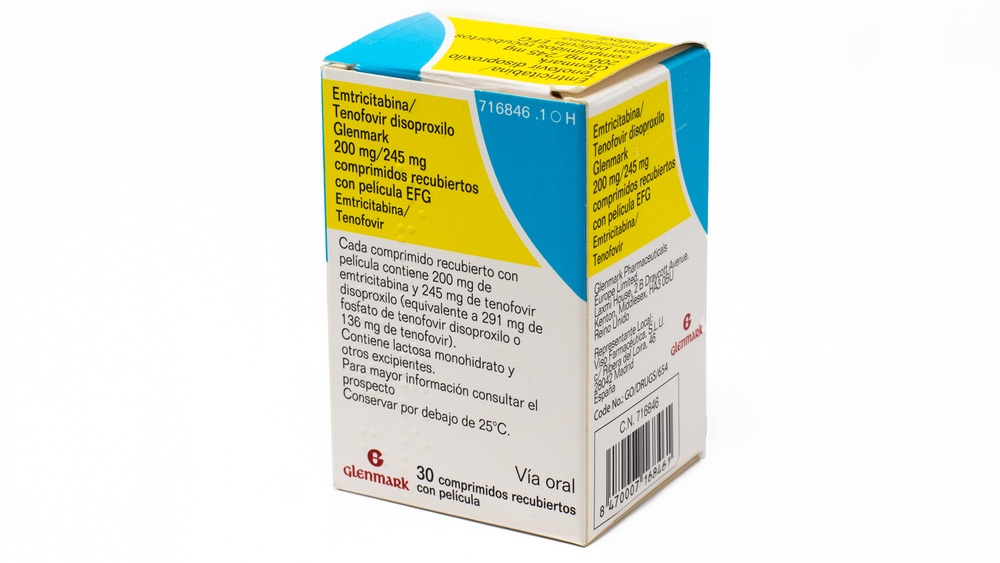
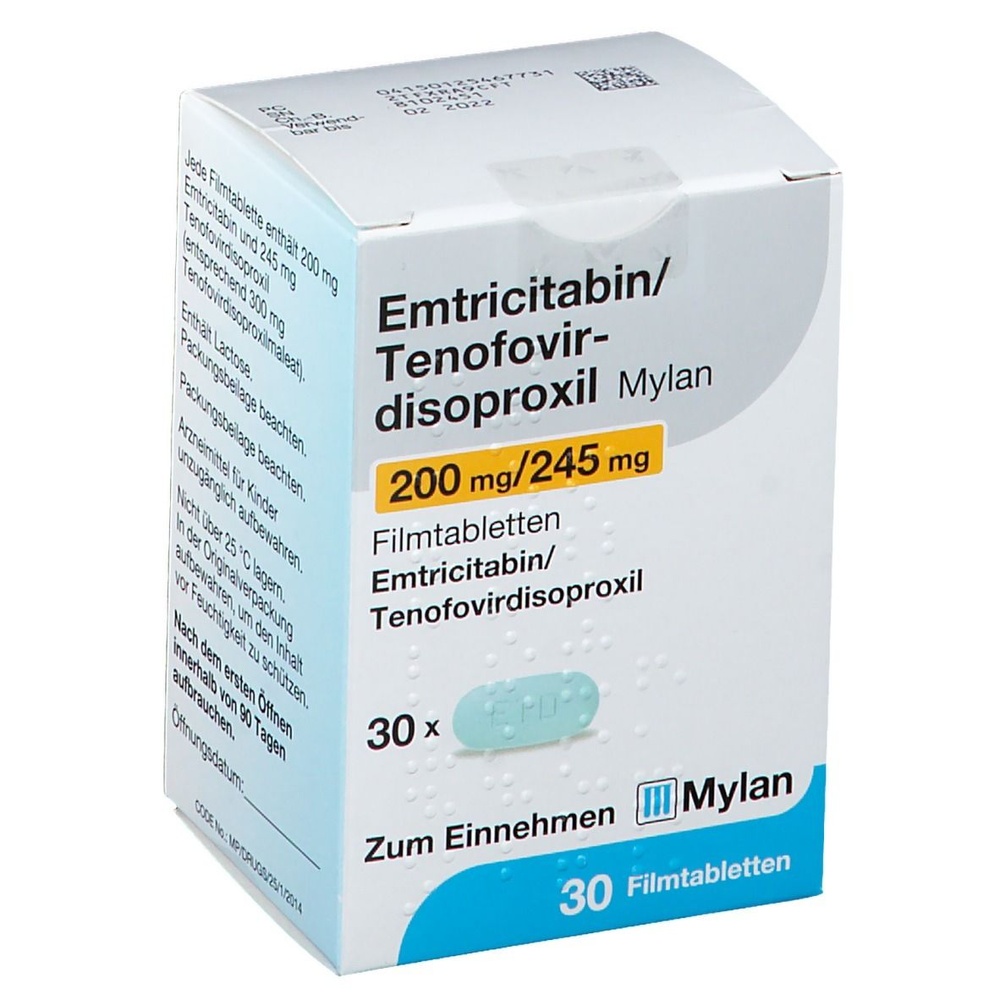
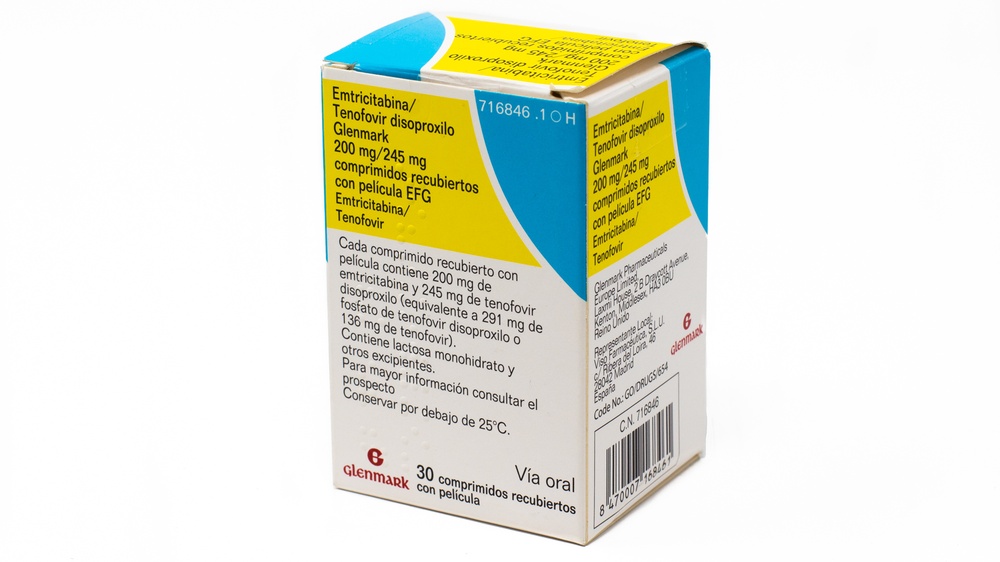
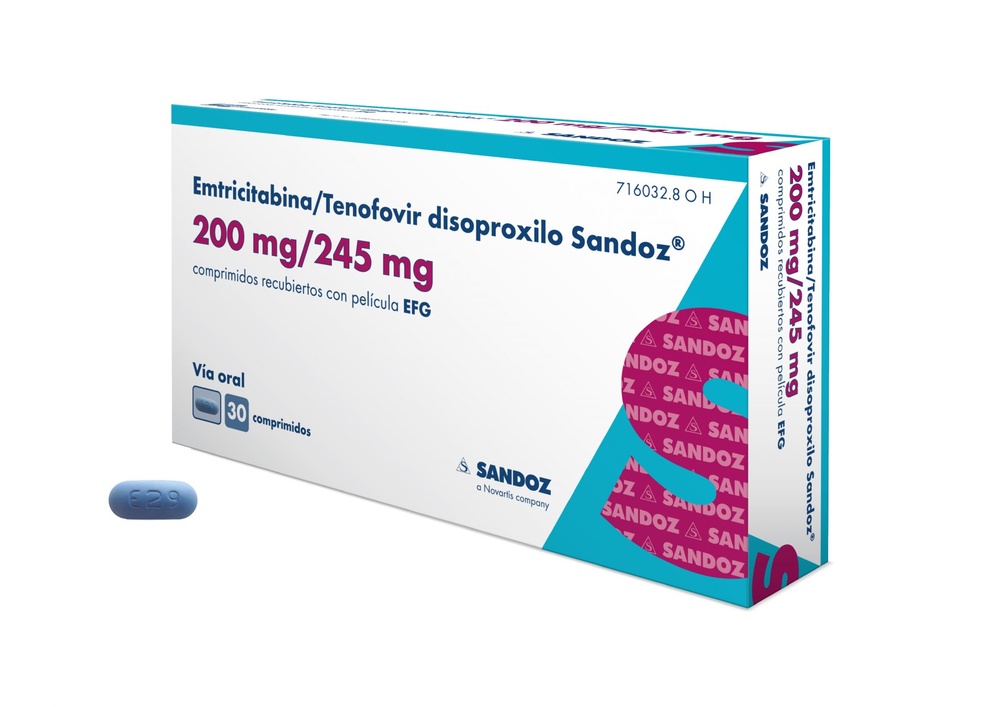
- Alternativas a EMTRICITABINA/TENOFOVIR DISOPROXILO AUROVITAS 200 MG/245 MG COMPRIMIDOS RECUBIERTOS CON PELICULA EFGForma farmacéutica: COMPRIMIDO, 200/245 mgPrincipio activo: tenofovir disoproxil and emtricitabineFabricante: Mylan Pharmaceuticals LimitedRequiere recetaForma farmacéutica: COMPRIMIDO, 200 mg/245 mgPrincipio activo: tenofovir disoproxil and emtricitabineFabricante: Glenmark Arzneimittel GmbhRequiere recetaForma farmacéutica: COMPRIMIDO, 200 mg/245 mgPrincipio activo: tenofovir disoproxil and emtricitabineFabricante: Krka D.D. Novo MestoRequiere receta
Médicos online para EMTRICITABINA/TENOFOVIR DISOPROXILO AUROVITAS 200 MG/245 MG COMPRIMIDOS RECUBIERTOS CON PELICULA EFG
Comenta la dosis, los posibles efectos secundarios, interacciones, contraindicaciones o la revisión de receta de EMTRICITABINA/TENOFOVIR DISOPROXILO AUROVITAS 200 MG/245 MG COMPRIMIDOS RECUBIERTOS CON PELICULA EFG, sujeto a valoración médica y a la normativa local.









Obtén una receta de EMTRICITABINA/TENOFOVIR DISOPROXILO AUROVITAS 200 MG/245 MG COMPRIMIDOS RECUBIERTOS CON PELICULA EFG online
Rellena un formulario de 2 minutos
Cuéntanos tus síntomas, historial y el medicamento que necesitas.
Elige un médico o nosotros te asignamos uno
Escoge un especialista o te conectamos con el próximo médico disponible.
El médico revisa tu caso
Normalmente en 30 minutos. Puede hacerte preguntas adicionales por chat.
Recógela en cualquier farmacia
Receta electrónica enviada a tu correo, válida en toda España.
Preguntas frecuentes
EMTRICITABINA/TENOFOVIR DISOPROXILO AUROVITAS 200 MG/245 MG COMPRIMIDOS RECUBIERTOS CON PELICULA EFG requires receta en España. Puedes confirmarlo con un médico online según tu caso.
El principio activo de EMTRICITABINA/TENOFOVIR DISOPROXILO AUROVITAS 200 MG/245 MG COMPRIMIDOS RECUBIERTOS CON PELICULA EFG es tenofovir disoproxil and emtricitabine. Esta información ayuda a identificar medicamentos con la misma composición pero con diferentes nombres comerciales.
EMTRICITABINA/TENOFOVIR DISOPROXILO AUROVITAS 200 MG/245 MG COMPRIMIDOS RECUBIERTOS CON PELICULA EFG es fabricado por Aurovitas Spain, S.A.U.. La marca y el envase pueden variar según el distribuidor.
Los Médicos de familia, Psiquiatras, Dermatólogos, Cardiólogos, Endocrinólogos, Gastroenterólogos, Neumólogos, Nefrólogos, Reumatólogos, Hematólogos, Infectólogos, Alergólogos, Geriatras, Pediatras, Oncólogos pueden valorar la prescripción de EMTRICITABINA/TENOFOVIR DISOPROXILO AUROVITAS 200 MG/245 MG COMPRIMIDOS RECUBIERTOS CON PELICULA EFG cuando esté clínicamente indicado. Puedes reservar una videoconsulta para comentar tu caso y las opciones de tratamiento.
España cuenta con una infraestructura sanitaria bien desarrollada en ciudades principales como Madrid, Barcelona, Valencia y Sevilla. Las farmacias están ampliamente disponibles y operan bajo estrictas regulaciones, garantizando el acceso a medicamentos con receta.
Puedes comprar EMTRICITABINA/TENOFOVIR DISOPROXILO AUROVITAS 200 MG/245 MG COMPRIMIDOS RECUBIERTOS CON PELICULA EFG en Madrid, Barcelona, Sevilla o Valencia en cualquier farmacia local con una receta válida.
Para obtener una receta, puedes utilizar Oladoctor:
Otros medicamentos con el mismo principio activo (tenofovir disoproxil and emtricitabine) incluyen EMTRICITABINA/TENOFOVIR DISOPROXIL MYLAN 200 MG/245 MG COMPRIMIDOS RECUBIERTOS CON PELICULA EFG, EMTRICITABINA/TENOFOVIR DISOPROXILO GLENMARK 200 MG/245 MG COMPRIMIDOS RECUBIERTOS CON PELICULA EFG, EMTRICITABINA/TENOFOVIR DISOPROXILO KRKA 200 MG/245 MG COMPRIMIDOS RECUBIERTOS CON PELICULA EFG. Pueden tener diferentes nombres comerciales o formulaciones, pero contienen el mismo componente terapéutico. Consulta siempre con un médico antes de cambiar o iniciar un nuevo medicamento.
