


DYSPORT 500 U POLVO PARA SOLUCION INYECTABLE
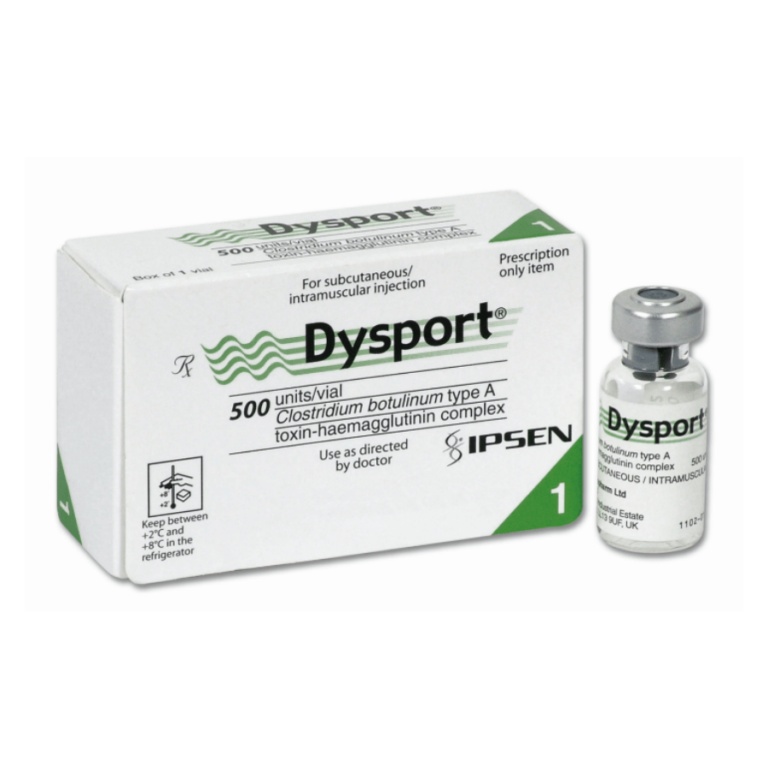



Cómo usar DYSPORT 500 U POLVO PARA SOLUCION INYECTABLE
Traducción generada por IA
Este contenido ha sido traducido automáticamente y se ofrece solo con fines informativos. No sustituye la consulta con un profesional sanitario.
Ver originalContenido del prospecto
- Introducción
- Qué es Dysport y para qué se utiliza
- Qué necesita saber antes de usar Dysport
- Dysport solamente se empleará en niños de dos años o más de edad para el tratamiento de la espasticiad de las piernas en niños. No se ha demostrado la seguridad ni la eficacia de la especialidad para tratamiento en niños en las demás indicaciones.
- Cómo usar Dysport
- Posibles efectos adversos
- Conservación de Dysport
- Contenido del envase e información adicional
Introducción
Prospecto: información para el usuario
Dysport500 U polvo para solución inyectable
Complejo de toxina tipo A de Clostridium botulinum
Lea todo el prospecto detenidamente antes de empezar a usar este medicamento, porque contiene información importante para usted.
- Conserve este prospecto, ya que puede tener que volver a leerlo.
- Si tiene alguna duda, consulte a su médico o farmacéutico.
- Este medicamento se le ha recetado solamente a usted y no debe dárselo a otras personas, aunque tengan los mismos síntomas y signos de enfermedad que usted, ya que puede perjudicarles.
- Si experimienta efectos adversos, consulte con su médico o farmacéutico, incluso si se trata de efectos adversos que no aparecen en este prospecto. Ver sección 4.
Contenido del prospecto
- Qué es Dysport y para qué se utiliza
- Qué necesita saber antes de empezar a usar Dysport
- Cómo usar Dysport
- Posibles efectos adversos
- Conservación de Dysport
- Contenido del envase e información adicional
1. Qué es Dysport y para qué se utiliza
Dysport se presenta en forma de polvo para solución inyectable. Cada vial contiene 500 unidades de toxina botulínica tipo A.
Dysport pertenece a un grupo de medicamentos denominados: otros agentes relajantes musculares de acción periférica. Es una toxina producida por una bacteria, el Clostridium botulinum que actúa bloqueando los impulsos nerviosos a los músculos inyectados, lo cual hace que el músculo deje de contraerse.
Dysport será administrado por el médico. En adultos, se administrará para controlar los espasmos musculares de párpados, cara, cuello y hombros, así como del brazo y de la pierna en personas que han sufrido una embolia cerebral. En niños de dos años de edad o mayores con parálisis cerebral se administrará para controlar la espasticidad en los músculos de las piernas asociada a la deformidad y para controlar la espasticidad en los músculos de los brazos.
Dysport también se utiliza en los adultos para el tratamiento de las pérdidas de orina (incontinencia urinaria) debido a problemas de vejiga asociados con lesión de la médula espinal o esclerosis múltiple para pacientes que realizan regularmente sondaje intermitente limpio.

2. Qué necesita saber antes de usar Dysport
No use Dysport:
- Si es alérgico (hipersensible) a la toxina botulínica o a cualquiera de los demás componentes de Dysport (incluidos en la sección 6).
- Si tiene una infección de las vías urinarias en el momento de recibir el tratamiento para las pérdidas de orina.
Advertencias y precauciones:
Consulte a su médico, farmacéutico o enfermero antes de utilizar Dysport y especialmente en las siguientes situaciones:
- Si usted nota problemas al tragar, hablar o respirar, contacte inmediatamente con su médico, o acuda a urgencias. En un pequeño número de casos estos efectos adversos podrían ser graves o incluso fatales.
- Si usted ha sufrido una reacción adversa a algún medicamento que contenía toxina botulínica.
- Si usted tiene una alteración en la transmisión neuromuscular (p. ej: miastenia gravis); esto puede hacer que usted tenga mayor sensibilidad al efecto de Dysport, lo que puede traducirse en una excesiva debilidad muscular.
- Si usted tiene debilidad o atrofia de los músculos en los que su médico pretende inyectar el producto.
- Si usted presenta problemas de sangrado prolongado o tiene una infección o inflamación en los músculos en los que su médico tiene que inyectarle Dysport.
- Tenga especial cuidado si recibe tratamiento para los espasmos musculares de la pierna debido a un mayor riesgo de caídas en los adultos, especialmente en las personas mayores.
- Si los músculos en los puntos propuestos para la inyección muestran signos de desgaste.
Cuando se utiliza Dysport en los músculos que rodean el ojo, sus ojos pueden secarse (ver sección 4) lo que podría dañar la superficie de sus ojos. Para evitarlo, es posible que necesite tratamiento con gotas protectoras, pomadas o una cubierta protectora que cierre el ojo. Su médico le indicará su uso en el caso que sea necesario.
En el momento de la inyección en la vejiga para tratar las pérdidas de orina, debido al procedimiento mediante el cual se administra la inyección, es posible que experimente una reacción refleja incontrolada de su cuerpo (disreflexia autonómica, por ejemplo, sudoración profusa, dolor de cabeza punzante, aumento de la presión arterial o del pulso).
Niños y adolescentes

Dysport solamente se empleará en niños de dos años o más de edad para el tratamiento de la espasticiad de las piernas en niños. No se ha demostrado la seguridad ni la eficacia de la especialidad para tratamiento en niños en las demás indicaciones.
Uso de otros medicamentos:
Informe a su médico o farmacéutico si está tomando, ha tomado recientemente o pudiera tener que tomar cualquier otro medicamento.
Debe tener especial cuidado en caso de administración conjunta con antibióticos para tratar una infección o relajantes musculares. Algunos de estos medicamentos pueden incrementar el efecto de Dysport.
Embarazo lactancia y fertilidad
Si está embarazada o en periodo de lactancia, cree que podría estar embarazada o tiene intención de quedarse embarazada consulte a su médico o farmacéutico antes de usar este medicamento.
No debe usar Dysport durante el embarazo a menos que sea claramente necesario y sus efectos justifiquen cualquier posible riesgo para el feto.
El tratamiento con Dysport no se recomienda si está en período de lactancia, ya que se desconoce si Dysport pasa a la leche materna.
Conducción y uso de máquinas
Puede experimentar visión borrosa o debilidad en el músculo transitorias después del tratamiento con Dysport. Si esto ocurre, no conduzca ni utilice máquinas.
Información importante sobre algunos de los componentes de Dysport:
Este medicamento contiene albúmina humana en muy pequeña cantidad. Cumple con todos los requisitos vigentes de calidad y seguridad, sin embargo, no se puede descartar completamente el riesgo de transmisión de infecciones víricas.
3. Cómo usar Dysport
Sólo se usará el vial de Dysport para usted y únicamente para una sesión de tratamiento.
Este medicamento siempre será administrado por su médico, por ello, usted nunca se lo autoadministrará. Su médico determinará qué dosis necesita, los músculos que deben ser inyectados así como el número y frecuencia de las inyecciones.
Para el tratamiento de los espasmos musculares del cuello y hombros
La dosis recomendada será en total de 500 unidades, que el médico dividirá entre los músculos más afectados que deberán ser inyectados. Las inyecciones se darán aproximadamente cada 12 semanas, en función de la relajación obtenida con administraciones anteriores. La dosis máxima no debe superar las 1000 unidades.
Para el tratamiento de los espasmos musculares de los párpados y de la cara
Para los espasmos en los párpados, si afecta a los dos párpados se inyectarán aproximadamente 40 unidades por ojo. Las inyecciones se darán aproximadamente cada 12 semanas, cuando el efecto relajante empiece a desaparecer. En las siguientes visitas la dosis se puede aumentar hasta un máximo de 120 unidades por ojo. El medicamento se inyectará por debajo de la piel en diferentes puntos alrededor del ojo.
Si usted presenta un espasmo de cara será tratado como si presentara un espasmo de un único párpado.
Para el tratamiento de los espasmos musculares del brazo después de una embolia
La dosis recomendada y que no debe superarse será de 1000 unidades, pero cuando también se inyecten los músculos del hombro, la dosis se podrá incrementar hasta 1500 unidades. Su médico puede dividir el total entre los músculos afectados del brazo y hombro. La mejoría de los espasmos musculares se observará normalmente en 1 semana tras la administración. Las inyecciones podrán repetirse con una frecuencia de 12 a 16 semanas.
Para el tratamiento de los espasmos musculares de la pierna después de una embolia
La dosis recomendada y que no debe superarse será de 1500 unidades. El médico podrá dividir la dosis entre los músculos afectados de la pierna. Las inyecciones podrán repetirse con una frecuencia de 12 a 16 semanas.
Para el tratamiento de los espasmos musculares del brazo y de la pierna
Si necesita recibir inyecciones en el brazo y en la pierna en la misma sesión de tratamiento, su médico podrá dividir la dosis entre su brazo y su pierna, pero la dosis total no deberá exceder las 1500 unidades.
Para el tratamiento de los espasmos en los músculos de las piernas en niños con parálisis cerebral
Para niños de dos años de edad o más: el médico decidirá la dosis. Dysport se inyecta en los músculos afectados de las piernas. La dosis no debe ser mayor de 1000 unidades o 30 unidades/kg por sesión de tratamiento, repitiéndose cada 16-22 semanas, o cuando sea necesario, pero nunca será inferior a 12 semanas.
Para el tratamiento de los espasmos en los músculos de los brazos en niños con parálisis cerebral
Para niños de dos años de edad o más: el médico decidirá la dosis. Dysport se inyecta en los músculos afectados de los brazos. Si el tratamiento se inyecta en un brazo, la dosis no debe ser mayor de 640 unidades o 16 unidades/kg por sesión de tratamiento, lo que sea inferior. Si el tratamiento se inyecta en ambos brazos, la dosis no debe ser mayor de 840 unidades o 21 unidades/kg por sesión de tratamiento, lo que sea inferior. Los espasmos musculares deberían mejorar en las semanas posteriores al tratamiento, y esta mejoría puede durar hasta 34 semanas. Su médico le repetirá el tratamiento aproximadamente cada 16-28 semanas, o cuando sea necesario, pero nunca será inferior a 16 semanas.
Para el tratamiento de los espasmos en los músculos de los brazos y las piernas en niños con parálisis cerebral
Si necesita recibir inyecciones en los brazos y en las piernas en la misma sesión de tratamiento, la dosis de Dysport a inyectar en cada miembro la decidirá el médico, pero la dosis total no deberá exceder las 1000 unidades por sesión o 30 unidades/kg, lo que sea inferior. La repetición del tratamiento podrá considerarse no antes de las 12-16 semanas posteriores a la sesión de tratamiento anterior.
Para el tratamiento de la incontinencia urinaria
La primera dosis administrada en el músculo de la vejiga será de 600 unidades, pero su médico puede decidir aumentar la dosis a 800 unidades en las siguientes inyecciones.
Dysport se administrará mediante un procedimiento llamado cistoscopia. Se introducirá un instrumento con una fuente de luz en el extremo en la vejiga a través de la abertura por la que se expulsa la orina (llamada uretra). Esto permite al médico ver el interior de la vejiga y administrará las inyecciones de Dysport en la pared de la vejiga. Sólo se le administrará Dysport si ya está realizando un sondaje intermitente limpio (SIL). El SIL es un procedimiento durante el cual se introduce temporalmente en la vejiga una sonda (un tubo blando y hueco que se introduce en la uretra para ayudar a vaciar la orina de la vejiga) y se retira una vez que la vejiga está vacía. Pida a su médico que le explique más detalles del procedimiento.
Deberá tomar antibióticos para prevenir una infección urinaria. Si está tomando medicamentos anticoagulantes, su médico ajustará su tratamiento antes y después de las inyecciones de Dysport. Es posible que se le administre un anestésico local o general o un sedante antes de las inyecciones. Se le observará durante al menos 30 minutos después de las inyecciones. Los síntomas suelen mejorar en dos semanas y la mejoría puede durar hasta 48 semanas. Su médico repetirá el tratamiento según sea necesario, pero no con más frecuencia que cada 12 semanas.
Si usted usa más Dysport del que debiera:
Si recibe más Dysport del que debiera, es posible que otros músculos diferentes a los inyectados comiencen a debilitarse. Puede que esto no ocurra inmediatamente. Si ocurre, comuníqueselo a su médico lo antes posible. Si presenta dificultad para tragar, respirar o hablar, acuda urgentemente a un centro médico.
En caso de sobredosis o ingestión accidental, consultar al Servicio de Información Toxicológica, teléfono 91.562.04.20.
Si no se le administró Dysport:
Si se le olvidó acudir al centro hospitalario para recibir la siguiente inyección de Dysport a usted no le sucederá nada, excepto que tal vez aprecie que vuelve la rigidez muscular o los espasmos que tenía antes de tratarse con Dysport. Consulte a su médico y él decidirá cuándo necesita la siguiente inyección.
Si interrumpe el tratamiento con Dysport:
El efecto relajante puede eventualmente desaparecer y las contracciones musculares volverán a ser como antes del tratamiento.
Si tiene cualquier otra duda sobre el uso de este producto, pregunte a su médico o farmacéutico.
4. Posibles efectos adversos
Al igual que todos los medicamentos, Dysport puede producir efectos adversos, aunque no todas las personas los sufran.
Si considera que alguno de los efectos adversos que sufre es grave o si aprecia cualquier efecto adverso no mencionado en este prospecto, informe a su médico o farmacéutico.
Contacte inmediatamente con su médico o acuda a urgencias si:
Presenta dificultad respiratoria con o sin inflamación de la cara, labios, lengua y/o garganta, enrojecimiento de la piel o sarpullido con picor (urticaria). Es posible que esté sufriendo una reacción alérgica a Dysport.
De los pacientes tratados con Dysport en el programa de ensayos clínicos, aproximadamente el 25% sufrió un acontecimiento adverso.
La frecuencia de aparición de los efectos adversos se clasifica del siguiente modo:
muy frecuente(pueden afectar a más de 1 de cada 10 personas)
frecuente(pueden afectar hasta 1 de cada 10 personas)
poco frecuente(pueden afectar hasta 1 de cada 100 personas)
raro(pueden afectar hasta 1 de cada 1.000 personas)
Las reacciones adversas que fueron generales a todas las indicaciones fueron las siguientes:
Frecuentes:
- Debilidad generalizada, fatiga, síndrome de sintomatología parecida a la gripe, dolor y/o hematoma en el lugar de inyección
Poco frecuentes:
- Picor
Raros:
- Disminución de la masa y tono muscular
- Erupción cutánea
Se desconoce la frecuencia de casos de entumecimiento y pérdida de masa muscular (no ha podido ser estimada con los datos disponibles).
Además de las generales, las reacciones adversas específicas a cada indicación fueron las siguientes:
Tortícolis espasmódico
Muy frecuentes:
- Dificultad para tragar, sequedad de boca
- Debilidad muscular
Frecuentes:
- Dolor de cabeza, vértigo, parálisis ligera de los nervios faciales
- Visión borrosa, dificultad para ver con claridad
- Cambio del tono de voz, dificultad al respirar
- Dolor en el cuello, dolor en los músculos y en los huesos, dolor muscular, dolor en las manos y en los dedos, agarrotamiento de los músculos
Poco frecuentes:
- Visión doble, caída del párpado
- Náuseas
- Pérdida de tejido muscular, trastorno de los músculos de la mandíbula
Raros:
- Aspiración
Blefarospasmo y el espasmo hemifacial
Muy frecuentes:
- Caída del párpado
Frecuentes:
- Debilidad de los músculos faciales
- Visión doble, sequedad de ojos, lagrimeo
- Edema de los párpados
Poco frecuentes:
- Parálisis facial
Raros:
- Parálisis de los músculos oculares
- Párpado doblado hacia el globo ocular
Espasticidad de los brazos en el adulto
Frecuentes:
- Reacciones en el lugar de la inyección (por ejemplo: dolor, enrojecimiento, hinchazón, etc.), debilidad, fatiga, enfermedad como la gripe
- Debilidad muscular, dolor músculoesquelético, dolor en las extremidades
Poco frecuentes:
- Dificultad para tragar
Espasticidadde las piernas en el adulto
Frecuentes:
- Astenia, fatiga, enfermedad como la gripe, reacciones en el lugar de la inyección (por ejemplo: dolor, hematomas, eritema, picor)
- Caídas
- Debilidad de los músculos de la pierna, dolor muscular
- Dificultad para tragar
Espasticidad de las piernas en el niño por parálisis cerebral
Frecuentes:
- Debilidad de los músculos de la pierna, dolor muscular
- Incontinencia urinaria
- Enfermedad como la gripe, dolor, enrojecimiento y/o hematoma en el lugar de inyección, marcha anormal, fatiga
- Caídas
Poco frecuentes:
- Cansancio, debilidad
Espasticidad de los brazos en el niño por parálisis cerebral
Frecuentes:
- Debilidad de los músculos, dolor muscular
- Síntomas como la gripe, cansancio, picor, hematomas, dolor, hinchazón o enrojecimiento en el lugar de la inyección
- Enrojecimiento de la piel
Poco frecuentes:
- Pérdida de fuerza, debilidad
Tratamiento de los brazos y las piernas en el niño por parálisis cerebral
No hay hallazgos específicos para la administración de Dysport en la misma sesión de tratamiento en el brazo y la pierna en comparación con los que se espera al tratar en el brazo o la pierna por separado.
El excesivo debilitamiento del músculo afectado y/o la difusión localizada de Dysport a otros músculos pueden dar lugar lesiones accidentales por caídas y marcha anormal.
Todos estos efectos, si se produjeran, serían apreciables a los pocos días después de la inyección y normalmente desaparecerán en 2 a 4 semanas. Si cualquiera de estos efectos adversos se hace molesto o le preocupa, dígaselo a su médico.
Tratamiento de la incontinencia urinaria debida a contracciones incontroladas del músculo de la vejiga
Frecuentes:
- Sangre en la orina *
- Estreñimiento
- Bacterias en la orina*.
- Disfunción eréctil, a veces conocida como impotencia
- Infección de las vías urinarias*
- Dolor de cabeza
- Fiebre
Poco frecuentes:
- Entumecimiento
- Debilidad muscular
- Dolor en la vejiga*.
- Reacción refleja descontrolada de su cuerpo (disreflexia autonómica)*
- Incapacidad para vaciar la vejiga (retención urinaria)
- Sangrado de la vejiga o del conducto que lleva la orina desde la vejiga al exterior del cuerpo (uretra)
*Este efecto adverso puede estar relacionado con el procedimiento
Experiencia tras la comercialización del producto
El perfil de las reacciones adversas recibidas en la Compañía durante el uso del medicamento después de su puesta en el mercado se corresponde con el observado en el transcurso de los estudios clínicos. Esporádicamente se han notificado casos de hipersensibilidad (alergia).
Muy raramente se han comunicado reacciones adversas resultantes de la aparición de los efectos de la toxina en lugares remotos del sitio de inyección (excesiva debilidad muscular, dificultad al tragar, neumonía por aspiración que puede ser fatal)
Comunicación de efectos adversos:
Si experimenta cualquier tipo de efecto adverso, consulte a su médico, incluso si se trata de posibles efectos adversos que no aparecen en este prospecto. También puede comunicarlos directamente a través del Sistema Español de Farmacovigilancia de medicamentos de Uso Humano: https://www.notificaRAM.es. Mediante la comunicación de efectos adversos usted puede contribuir a proporcionar más información sobre la seguridad de este medicamento.
5. Conservación de Dysport
Conservar en nevera (entre 2ºC y 8ºC), en el hospital donde se darán las inyecciones. No congelar.
Se recomienda que la solución reconstituida se utilice inmediatamente, no obstante puede conservarse en nevera (entre 2ºC y 8ºC) durante un máximo de 24 horas.
Este medicamento no se debe dar nunca a los pacientes para su uso o almacenamiento.
Mantener este medicamento fuera de la vista y del alcance de los niños.
No utilice este medicamento después de la fecha de caducidad que aparece en el envase después de CAD. La fecha de caducidad es el último día del mes que se indica.
Inmediatamente después de administrar Dysport, todo residuo que pudiera quedar en el vial o la jeringa debe ser inactivado mediante solución diluida de hipoclorito (1% de cloro disponible). A continuación se eliminará todo el material utilizado, según las prácticas hospitalarias estándar. Toda cantidad derramada de Dysport debe enjuagarse con un paño absorbente empapado en solución diluida de hipoclorito.
6. Contenido del envase e información adicional
Composición de DYSPORT
El principio activo es: complejo de toxina tipo A de Clostridium botulinum,500 unidades.
Los demás componentes son la lactosa y la albúmina humana.
Aspecto del producto y contenido del envase
En el envase de Dysport hay dos viales que contienen el polvo liofilizado blanco en forma de pastilla, para reconstituir.
Titular de la autorización de comercialización y responsable de la fabricación
Titular de la autorización de comercialización:
IPSEN PHARMA, S.A.U.
Gran Via de les Corts Catalanes 130-136. 08038 Barcelona - España.
Responsable de la fabricación:
Ipsen Manufacturing Ireland Limited
Blanchardstown Industrial Park
Blanchardstown, Dublin 15, Irlanda
Fecha de la última revisión de este prospecto: Febrero 2025
La información detallada y actualizada de este medicamento está disponible en la página Web de la Agencia Española de Medicamentos y Productos Sanitarios (AEMPS) http://www.aemps.gob.es/.
- País de registro
- Forma farmacéuticaINYECTABLE, 500 unidades/vial
- Código ATCM03AX01
- Principio activo
- Requiere recetaSí
- Fabricante
- Esta información es de carácter general y no sustituye la consulta con un profesional sanitario.
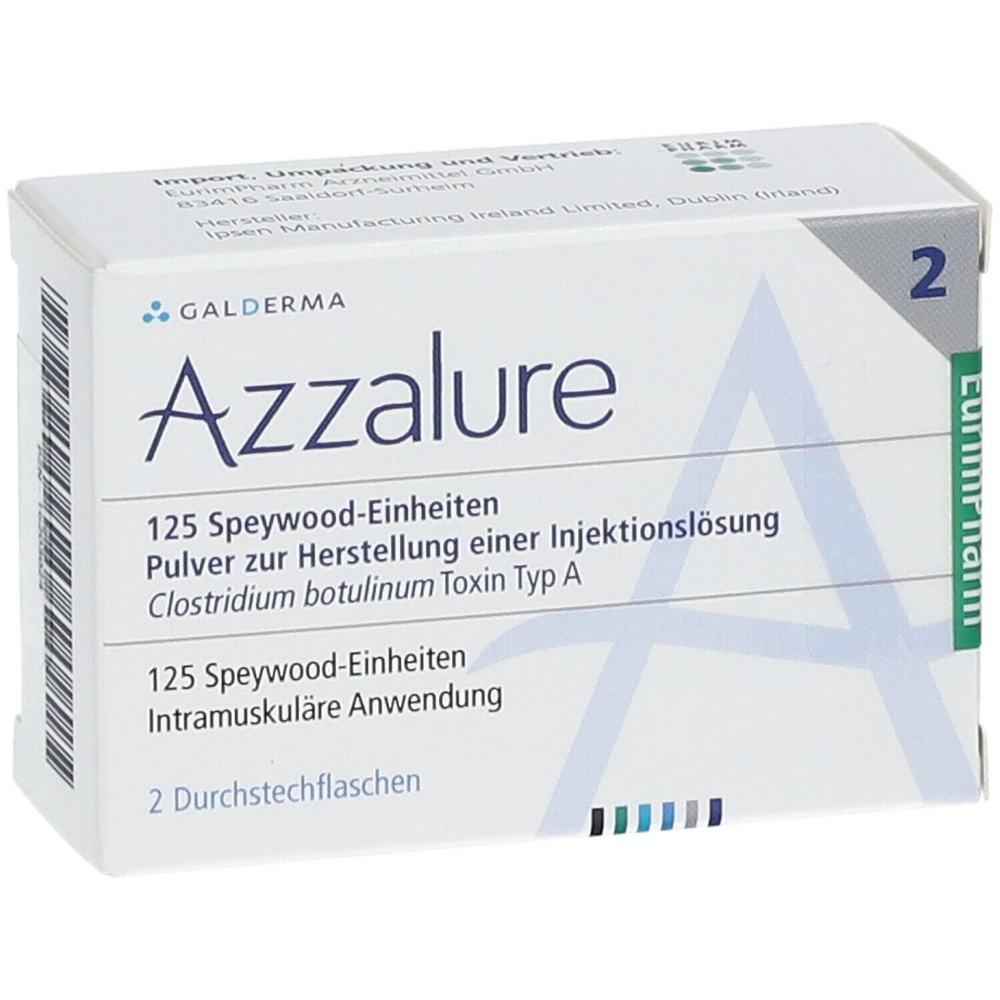
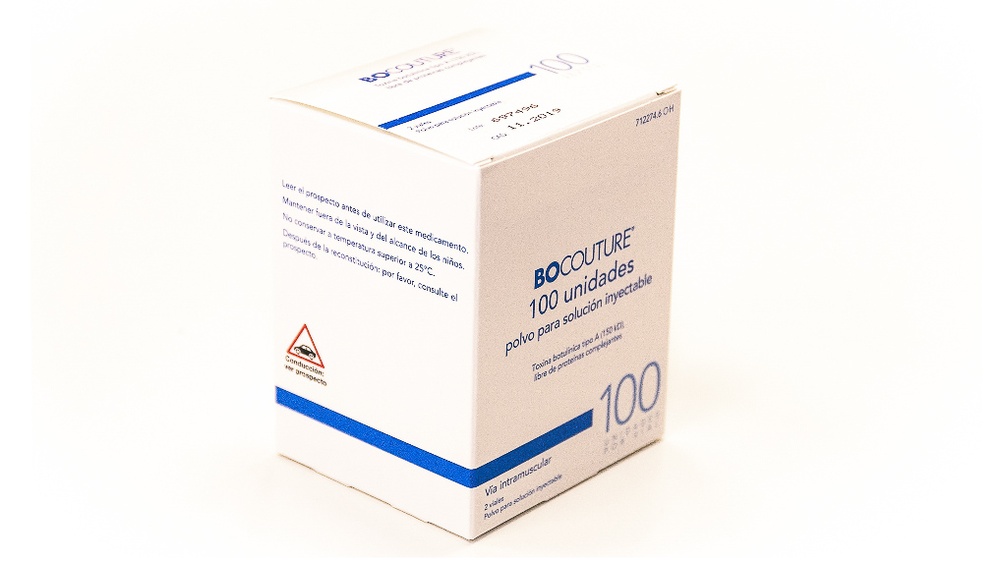
- Alternativas a DYSPORT 500 U POLVO PARA SOLUCION INYECTABLEForma farmacéutica: INYECTABLE, 200 U/mlPrincipio activo: Botulinum toxinFabricante: Ipsen PharmaRequiere recetaForma farmacéutica: INYECTABLE, 125 Unidades SpeywoodPrincipio activo: Botulinum toxinFabricante: Ipsen Pharma S.A.U.Requiere recetaForma farmacéutica: INYECTABLE, 100 unidadesPrincipio activo: Botulinum toxinFabricante: Merz Pharmaceuticals GmbhRequiere receta

Médicos online para DYSPORT 500 U POLVO PARA SOLUCION INYECTABLE
Comenta la dosis, los posibles efectos secundarios, interacciones, contraindicaciones o la revisión de receta de DYSPORT 500 U POLVO PARA SOLUCION INYECTABLE, sujeto a valoración médica y a la normativa local.







.jpg)



Preguntas frecuentes
