






Cómo usar DOLOTREN 100 mg SUPOSITORIOS
Traducción generada por IA
Este contenido ha sido traducido automáticamente y se ofrece solo con fines informativos. No sustituye la consulta con un profesional sanitario.
Ver originalContenido del prospecto
Introducción
Prospecto: información para el usuario
Dolotren 100 mg supositorios
diclofenaco sódico
Lea todo el prospecto detenidamente antes de empezar a usar este medicamento, porque contiene información importante para usted.
- Conserve este prospecto, ya que puede tener que volver a leerlo.
- Si tiene alguna duda, consulte a su médico o farmacéutico.
- Este medicamento se le ha recetado solamente a usted, y no debe dárselo a otras personas aunque tengan los mismos síntomas que usted, ya que puede perjudicarles.
- Si experimenta efectos adversos, consulte a su médico o farmacéutico, incluso si se trata de efectos adversos que no aparecen en este prospecto. Ver sección 4
Contenido del prospecto
- Qué es Dolotren 100 mg supositorios y para qué se utiliza
- Qué necesita saber antes de usar Dolotren 100 mg supositorios
- Cómo usar Dolotren 100 mg supositorios
- Posibles efectos adversos
- Conservación de Dolotren 100 mg supositorios
- Contenido del envase e información adicional
1. Qué es Dolotren 100 mg supositorios y para qué se utiliza
El diclofenaco sódico, principio activo de este medicamento, pertenece al grupo de los antiinflamatorios no esteroideos, utilizados para tratar el dolor y la inflamación.
Se utiliza para el tratamiento sintomático del dolor de intensidad leve a moderado asociado a:
- artritis reumatoide
- espondilitis anquilosante
- artrosis
- cólico renal
- reumatismo de partes blandas
- ataque agudo de gota
- dolor musculoesquelético
- inflamaciones postraumáticas
dolores menstruales

2. Qué necesita saber antes de empezar a usar Dolotren 100 mg supositorios
Es importante que utilice la dosis más pequeña de Dolotren que alivie o controle el dolor y no debe usar este medicamento más tiempo del necesario para controlar sus síntomas.
No use Dolotren 100 mg supositorios
- Si es alérgico al diclofenaco o a alguno de los demás componentes de este medicamento (incluidos en la sección 6).
- Si es alérgico o ha tenido reacciones alérgicas al ácido acetilsalicílico u otros analgésicos (medicamentos para tratar el dolor) similares. Las reacciones pueden incluir asma (dificultad para respirar), urticaria (reacción alérgica en la piel con picores), rinitis aguda (inflamación de la mucosa nasal) o hinchazón de la cara. Si cree que puede ser alérgico consulte a su médico.
- Si ha tenido anteriormente una hemorragia de estómago o duodeno o ha sufrido en dos o más ocasiones, una perforación del aparato digestivo mientras tomaba un medicamento antiinflamatorio no esteroideo.
- Si padece actualmente o ha padecido en más de una ocasión una úlcera o una hemorragia de estómago o duodeno.
- Si sufre enfermedad de Crohn o colitis ulcerosa activas (enfermedades que producen diarrea con o sin sangre y dolor abdominal).
- Si padece una enfermedad de riñón grave.
- Si padece una enfermedad de hígado grave.
- Si tiene una enfermedad cardiaca establecida y/o una enfermedad cerebrovascular, por ejemplo, si ha tenido un ataque al corazón, ictus, mini-ictus (TIA) o bloqueos en los vasos sanguíneos del corazón o del cerebro, o una operación para eliminar alguna obstrucción o hacerle un bypass coronario.
- Si sufre alteraciones en la coagulación de la sangre o recibe tratamiento para ello.
- Si tiene o ha tenido problemas con la circulación sanguínea (enfermedad arterial periférica).
- Si padece proctitis (inflamación del recto que provoca dolor, sangrado y ocasionalmente moco o pus) o hemorragia rectal (sangrado por el recto).
- Si se encuentra en el tercer trimestre del embarazo.
Asegúrese antes de tomar diclofenaco, de que su médico sabe:
- Si fuma
- Si tiene diabetes
- Si tiene angina, coágulos de sangre, tensión arterial alta, colesterol alto o triglicéridos altos.
Los efectos adversos se pueden minimizar utilizando la dosis eficaz más baja durante el periodo de tiempo más corto posible.
Advertencias y precauciones
Consulte a su médico o farmacéutico antes de empezar a usar Dolotren supositorios:
- Si ha tenido o desarrolla una úlcera, hemorragia o perforación en el estómago o en el duodeno, pudiéndose manifestar por un dolor abdominal intenso o persistente y/o por heces de color negro, o incluso sin síntomas previos de alerta.
Este riesgo es mayor cuando se utilizan dosis altas y tratamientos prolongados, en pacientes con antecedentes de úlcera péptica y en los ancianos. En estos casos su médico considerará la posibilidad de asociar un medicamento protector del estómago.
- Si está tomando otros medicamentos antiinflamatorios, incluyendo ácido acetilsalicílico/aspirina, corticosteroides, anticoagulantes o antidepresivos porque aumenta el riesgo de úlcera y/o de sangrado gastrointestinal (ver el apartado “Otros medicamentos y Dolotren supositorios”).
- Si sufre alguna de las siguientes afecciones: asma, enfermedad leve del corazón, enfermedad del hígado o riñón, tensión arterial elevada (hipertensión), trastornos hemorrágicos u otros trastornos de la sangre incluyendo porfiria hepática.
- Si está tomando medicamentos para la tensión o ciclosporina, porque aumenta el riesgo de sufrir daño sobre los riñones (ver apartado “Otros medicamentos y Dolotren supositorios”).
- Algunas personas NO DEBEN utilizar Dolotren. Consulte a su médico si cree que puede ser alérgico al diclofenaco sódico, al ácido acetilsalicílico, al ibuprofeno o a cualquier otro AINE, o a algunos de los demás componentes de Dolotren. (Se enumeran al final del prospecto). Los signos de una reacción de hipersensibilidad son hinchazón de la cara y la boca (angioedema), problemas para respirar, dolor de pecho, moqueo, erupción cutánea o cualquier otra reacción alérgica.
- Si ha sufrido alguna vez una erupción cutánea grave o desamación en la piel, ampollas o llagas en la boca después de utilizar Dolotren u otros analgésicos.
Informe a su médico
- Si toma simultáneamente medicamentos que alteran la coagulación de la sangre o aumentan el riesgo de úlceras, como anticoagulantes orales, o antiagregantes plaquetarios del tipo del ácido acetilsalicílico. También debe comentarle la utilización de otros medicamentos que podrían aumentar el riesgo de dichas hemorragias como los corticoides y los antidepresivos inhibidores selectivos de la recaptación de serotonina.
- Si padece la enfermedad de Crohn o una colitis ulcerosa pues los medicamentos del tipo Dolotren pueden empeorar estas patologías.
- Si tiene insuficiencia hepática, insuficiencia renal o alteraciones en la sangre, tendrá que realizarse análisis de sangre frecuentes durante su tratamiento. Esto permitirá controlar el funcionamiento de su hígado (nivel de transaminasas) o de sus riñones (nivel de creatinina) o de la sangre (niveles de linfocitos, eritrocitos y plaquetas). Con ello su médico podrá decidir interrumpir o cambiarle la dosis de Dolotren.
- Si se ha sometido recientemente o se va a someter a una intervención quirúrgica del estómago o el intestino antes de tomar Dolotren, ya que Dolotren puede empeorar a veces la cicatrización de las heridas en el intestino después de una intervención quirúrgica.
Pacientes con problemas cardiovasculares
Los medicamentos como Dolotren se pueden asociar con un aumento del riesgo de sufrir ataques cardiacos (infarto de miocardio)o cerebrales, especialmente cuando se emplean en dosis altas y en tratamientos prolongados. No exceda la dosis ni la duración del tratamiento recomendado.
Si usted tiene problemas de corazón, antecedentes de ataques cerebrales, o piensa que puede tener riesgo de sufrir estas patologías (por ejemplo, tiene la tensión arterial alta, sufre diabetes, tiene aumentado el colesterol, o es fumador) debe consultar este tratamiento con su médico o farmacéutico.
Asimismo, este tipo de medicamentos pueden producir retención de líquidos, especialmente en pacientes con enfermedad de corazón y/o tensión arterial elevada (hipertensión).
Otros medicamentos y Dolotren supositorios
Informe a su médico o farmacéutico si está utilizando, ha utilizado recientemente, o podría tener que utilizar cualquier otro medicamento, incluso los adquiridos sin receta.
Ciertos medicamentos pueden interaccionar con Dolotren 100 mg supositorios; en estos casos puede ser necesario cambiar la dosis o interrumpir el tratamiento con alguno de ellos.
Es importante que informe a su médico si está tomando o ha tomado recientemente alguno de los siguientes medicamentos:
- medicamentos que contienen litio o inhibidores de la recaptación de serotonina (para tratar algunos tipos de depresión)
- medicamentos que contienen metotrexato (para tratar la artritis reumatoide y el cáncer)
- medicamentos que contienen ciclosporina, tacrolimus (para después de los trasplantes)
- medicamentos que contienen trimetoprim (para prevenir y tratar enfermedades del tracto urinario)
- medicamentos para tratar problemas del corazón (digoxina, antagonistas del calcio tales como verapamilo o isradipino)
- medicamentos utilizados para tratar la diabetes, excepto la insulina
- medicamentos para controlar la tensión arterial (diuréticos, betabloqueantes e inhibidores de la ECA)
- medicamentos para prevenir coágulos en la sangre
- medicamentos que contienen quinolona o ceftriaxona (para tratar las infecciones)
- corticoides (medicamentos que reducen la inflamación y la acción del sistema inmunitario)
- otros medicamentos del mismo grupo de Dolotren (antiinflamatorios no esteroideos), como ácido acetilsalicílico o ibuprofeno
- medicamentos que contienen voriconazol (un medicamento utilizado en el tratamiento de infecciones por hongos)
- medicamentos que contienen fenitoína (un medicamento utilizado para tratar los ataques epilépticos)
- medicamentos que contienen misoprostol (para tratar las úlceras de estómago)
- medicamentos que contienen colestiramina y colestipol (para disminuir los niveles de colesterol en sangre)
- medicamentos que contienen pentazocina (para aliviar los dolores).
Uso de Dolotren 100 mg supositorios con alcohol
El uso de Dolotren junto con la ingesta de bebidas alcohólicas puede incrementar la toxicidad de Dolotren.
Pacientes de edad avanzada
Los pacientes de edad avanzada pueden ser más sensibles a los efectos de Dolotren 100 mg supositorios que el resto de los adultos. Por ello es especialmente importante que los pacientes de edad avanzada informen inmediatamente al médico de las reacciones adversas que les ocurran.
Embarazo, lactancia y fertilidad
Si está embarazada o en periodo de lactancia, cree que podría estar embarazada o tiene intención de quedarse embarazada, consulte a su médico o farmacéutico antes de utilizar este medicamento.
Embarazo
Debido a que la administración de medicamentos del tipo Dolotren se ha asociado a un aumento del riesgo de sufrir anomalías congénitas/abortos no se recomienda la administración del mismo durante el primer y segundo trimestre del embarazo salvo que se considere estrictamente necesario y como le indique su médico. Si necesita tratamiento durante este período o mientras trata de quedarse embarazada, deberá tomar la dosis mínima durante el menor tiempo posible.
A partir de la semana 20 de embarazo, Dolotren puede provocar problemas renales a su feto si se toma durante más de unos días, lo que puede provocar unos niveles bajos del líquido amniótico que rodea al bebé (oligohidramnios). Si necesita tratamiento durante un período superior a unos días, su médico podría recomendar controles adicionales.
En el tercer trimestre, la administración de Dolotren está contraindicada ya que podría perjudicar al feto o provocar problemas durante el parto. Puede provocar problemas renales y cardíacos a su feto. Puede afectar a su tendencia y la de su bebé a sangrar y retrasar o alargar el parto más de lo esperado.
Lactancia
Pueden aparecer pequeñas cantidades de diclofenaco sódico en la leche materna, por tanto, no deberá usar Dolotren 100 mg supositorios durante el periodo de lactancia.
Fertilidad
Para las pacientes en edad fértil se debe tener en cuenta que los medicamentos del tipo Dolotren se han asociado con una disminución de la capacidad para concebir.
Conducción y uso de máquinas
La influencia de diclofenaco sobre la capacidad para conducir y utilizar máquinas es nula o insignificante. Sin embargo, los pacientes que experimenten trastornos visuales, vértigos, mareos, somnolencia u otros trastornos del sistema nervioso central, mientras estén en tratamiento con Dolotren deberán evitar conducir vehículos o manejar maquinaria.
Dolotren supositorios contiene sodio (procedente del diclofenaco sódico)
Este medicamento contiene menos de 23 mg de sodio (1 mmol) por cada supositorio (procedente del diclofenaco sódico); esto es, esencialmente ”exento de sodio”.
3. Cómo usar Dolotren 100 mg supositorios
Siga exactamente las instrucciones de administración de Dolotren 100 mg supositorios indicadas por su médico o farmacéutico. En caso de duda, consulte de nuevo a su médico o farmacéutico.
Uso en adultos
La dosis recomendada es de 1 supositorio al día, preferentemente al acostarse. Si fuesen necesarias dosis más altas, se administrarán comprimidos de 50 mg.
En los dolores menstruales, la dosis diaria, que deberá ajustarse individualmente, es de 50-200 mg (1 o 2 supositorios de Dolotren). Se administrará una dosis inicial de 50-100 mg (1 supositorio de Dolotren) y, si es necesario, se aumentará en los siguientes ciclos menstruales. El tratamiento debe iniciarse cuando aparezca el primer síntoma. Dependiendo de su intensidad, se continuará unos días.
Forma de administración
Se debe administrar por vía rectal.
Si el supositorio está demasiado blando para ser introducido, enfríelo en la nevera durante unos minutos o con agua fría antes de quitarle la envoltura. No divida los supositorios, pues unas condiciones de almacenamiento incorrectas pueden provocar la distribución desigual de la sustancia activa. No ingiera nunca los supositorios.
Uso en niños y adolescentes
No se recomienda el uso de Dolotren 100 mg supositorios en niños y adolescentes.
Pacientes de edad avanzada
Los pacientes de edad avanzada pueden ser más sensibles a los efectos de Dolotren 100 mg supositorios que el resto de los adultos. Por ello es especialmente importante que los pacientes de edad avanzada informen inmediatamente al médico de las reacciones adversas que les ocurran.
Si usa más Dolotren 100 mg supositorios del que debe
En caso de sobredosis o ingestión accidental, consulte inmediatamente a su médico o farmacéutico o llame al Servicio de Información Toxicológica. Teléfono: 91 562 04 20, indicando el medicamento y la cantidad tomada. Se recomienda llevar el envase y el prospecto del medicamento al profesional sanitario.
Si olvidó usar Dolotren 100 mg supositorios
Si olvida ponerse un supositorio, póngaselo tan pronto pueda, excepto si ya casi es hora del siguiente, luego vuelva a la pauta de administración habitual. Si olvidara varias dosis, consulte a su médico.
No use una dosis doble para compensar las dosis olvidadas.
Si tiene cualquier otra duda sobre el uso de este medicamento, pregunte a su médico o farmacéutico.

4. Posibles efectos adversos
Al igual que todos los medicamentos, este medicamento puede producir efectos adversos, aunque no todas las personas los sufran.
Algunos efectos adversos pueden ser graves.
Deje de usar Dolotren e informe inmediatamente a su médico si presenta alguno de los siguientes efectos adversos graves; es posible que necesite tratamiento médico urgente:
- Reacción alérgica grave de la piel, que puede incluir grandes manchas rojas u oscuras generalizadas, hinchazón en la piel, ampollas y picor (erupción ampollosa fija generalizada medcamentosa).
Los efectos adversos que se han notificado con el uso de Dolotren 100 mg supositorios son los siguientes:
Efectos adversos frecuentes (pueden afectar hasta 1 de cada 10 pacientes)
Trastornos del sistema nervioso
? dolor de cabeza
? mareo
Trastornos del oído y del laberinto
? vértigo
Trastornos gastrointestinales
? náuseas
? vómitos
? diarreas
? acidez
? dolor abdominal
? gases
? falta de apetito
Trastornos hepatobiliares
? alteraciones en los resultados de los análisis de sangre sobre el funcionamiento del hígado (aumento de las transaminasas séricas)
Trastornos de la piel y del tejido subcutáneo
? erupción en la piel
Trastornos generales y alteraciones en el lugar de administración
? irritación en el lugar de aplicación
Efectos adversos raros (pueden afectar hasta 1 de cada 1.000 pacientes)
Trastornos del sistema inmunológico
? hinchazón en la cara, ojos, o lengua, dificultad para tragar, jadeos, ronchas y picor generalizado, erupción en la piel, fiebre, calambres abdominales, molestias u opresión en el pecho, dificultad para respirar, mareos, inconsciencia (reacción alérgica grave).
Si estos síntomas aparecen, consulte inmediatamente con su médico.
Trastornos del sistema nervioso
? sueño
Trastornosrespiratorios, torácicos y mediastínicos
? asma
Trastornos gastrointestinales
? dolor de estómago
? reflujo
? diarrea con sangre
? úlcera gástrica o intestinal con o sin sangrado o perforación (vómitos de sangre y aparición de sangre en heces). Si estos síntomas aparecen, consulte inmediatamente con su médico.
? dolor en el recto, sangrado y ocasionalmente moco o pus.
Trastornos hepatobiliares
? alteración de la función del hígado
? hepatitis con o sin coloración amarillenta. Si estos síntomas aparecen, consulte inmediatamente con su médico.
Trastornos de la piel y del tejido subcutáneo
? ronchas
Trastornos generales y alteraciones en el lugar de administración
? retención de líquidos, con hinchazón (edema)
Efectos adversos muy raros (pueden afectar hasta 1 de cada 10.000 pacientes)
Trastornos de la sangre y del sistema linfático
? signos de falta de células de la sangre que produce cansancio, dolor de cabeza, falta de aire al hacer ejercicio, mareos, palidez (anemia), infecciones frecuentes con fiebre, escalofríos, dolor de garganta o úlceras en la boca (leucopenia), sangrados o más moretones de lo normal (trombocitopenia).
Si estos síntomas aparecen, consulte inmediatamente con su médico.
Trastornos del sistema inmunológico
? hinchazón en la cara
Trastornos psiquiátricos
? desorientación
? depresión
? insomnio
? pesadillas
? irritabilidad
? reacciones psicóticas
Trastornos del sistema nervioso
? sensación de hormigueo
? trastornos de la memoria
? convulsiones
? ansiedad
? temblor
? meningitis (inflamación de las membranas que envuelven al cerebro) con síntomas como fiebre, náuseas, vómitos, dolor de cabeza, rigidez del cuello o sensibilidad extrema a la luz brillante. Si estos síntomas aparecen, consulte inmediatamente con su médico.
? trastornos del gusto
? infarto cerebral
Trastornos oculares
? visión borrosa
? visión doble
Trastornos del oído y del laberinto
? zumbidos en los oídos
Trastornos cardíacos
? palpitaciones
? dolor en el pecho
? insuficiencia cardiaca
? infarto de corazón (infarto de miocardio)
Trastornos vasculares
? hipertensión (presión arterial alta)
? vasculitis (inflamación de las paredes de los vasos)
Trastornos respiratorios, torácicos y mediastínicos
? dificultad al respirar, silbidos al respirar (neumonitis)
Si estos síntomas aparecen, consulte inmediatamente con su médico.
Trastornos gastrointestinales
? empeoramiento de la enfermedad de Crohn y colitis ulcerosa
? estreñimiento
? hinchazón de la lengua (glositis)
? inflamación de la mucosa de la boca (estomatitis)
? problemas para tragar (alteración esofágica)
? dolor intenso en la parte alta del abdomen, náuseas, vómitos y pérdida de apetito (signos de pancreatitis).
Si estos síntomas aparecen, consulte inmediatamente con su médico.
Trastornos de la piel y del tejido subcutáneo
? reacciones graves en la piel con erupción, enrojecimiento, ampollas en los labios, boca u ojos, descamación de piel, acompañado de fatiga, náuseas, pérdida de apetito, fiebre, escalofríos, dolor de cabeza, tos o dolor en el cuerpo (síndrome de Stevens-Johnson o necrólisis epidérmica tóxica). Si estos síntomas aparecen, consulte inmediatamente con su médico.
? erupción generalizada (eczema)
? enrojecimiento (eritema y eritema multiforme)
? descamación de la piel (dermatitis exfoliativa)
? pérdida de cabello
? alergia al sol (reacción de fotosensibilidad)
? aparición de moretones (púrpura)
? picor
Trastornos renales y urinarios
? anomalías del funcionamiento de los riñones que provocan hinchazón en pies o piernas y disminución súbita de la cantidad de orina (insuficiencia renal aguda, nefritis intersticial, necrosis papilar renal)
? sangre en orina (hematuria)
? espuma en orina (síndrome nefrótico)
Si estos síntomas aparecen, consulte inmediatamente con su médico.
Con frecuencia no conocida (no puede estimarse a partir de los datos disponibles)
Trastornos gastrointestinales
? cólicos abdominales leves y dolor abdominal a la palpación que comienza poco después de iniciar el tratamiento con Dolotren 100 mg supositorios seguido de sangrado rectal o diarrea con sangre observadas normalmente dentro de las 24 horas posteriores a la aparición del dolor abdominal. Si estos síntomas aparecen, deje de usar Dolotren 100 mg supositorios y consulte inmediatamente con su médico.
Trastornos hepatobiliares
? anomalías en el funcionamiento del hígado que provocan coloración amarillenta en piel y ojos, fiebre, con dolor de la parte superior de la tripa y moretones (insuficiencia hepática, hepatitis fulminante, necrosis hepática)
Si estos síntomas aparecen, consulte inmediatamente con su médico.
Trastornos cardiacos
? dolor de pecho, que puede ser un signo de una reacción alérgica potencialmente grave llamada síndrome de Kounis.
Si estos síntomas aparecen informe a su médico inmediatamente.
Trastornos de la piel y del tejido subcutáneo
? Reacción alérgica en la piel, que puede incluir manchas redondas u ovaladas de enrojecimiento e hinchazón de la piel, ampollas y picor (erupción fija medicamentosa). También puede producirse un oscurecimiento de la piel en las zonas afectadas, que podría persistir después de la curación. La erupción fija medicamentosa suele reaparecer en el mismo o los mismos sitios si se vuelve a tomar el medicamento.
Comunicación de efectos adversos
Si experimenta cualquier tipo de efecto adverso, consulte a su médico o farmacéutico, incluso si se trata de posibles efectos adversos que no aparecen en este prospecto. También puede comunicarlos directamente a través del Sistema Español de Farmacovigilancia de medicamentos de Uso Humano: https://www.notificaram.es/. Mediante la comunicación de efectos adversos usted puede contribuir a proporcionar más información sobre la seguridad de este medicamento.
5. Conservación de Dolotren 100 mg supositorios
Mantener este medicamento fuera de la vista y del alcance de los niños.
No requiere condiciones especiales de conservación.
No utilice Dolotren 100 mg supositorios después de la fecha de caducidad que aparece en el envase después de CAD. La fecha de caducidad es el último día del mes que se indica.
Los medicamentos no se deben tirar por los desagües ni a la basura. Deposite los envases y los medicamentos que no necesita en el Punto SIGRE de la farmacia. En caso de duda pregunte a su farmacéutico cómo deshacerse de los envases y de los medicamentos que no necesita. De esta forma, ayudará a proteger el medio ambiente.
6. Contenido del envase e información adicional
Composición de Dolotren 100 mg supositorios
- El principio activo es diclofenaco sódico. Cada supositorio contiene 100 mg de diclofenaco sódico.
- Los demás componentes (excipientes) son: triglicéridos de ácidos grasos saturados.
Aspecto del producto y contenido del envase
Cada envase contiene 12 supositorios de color blanco.
Titular de la autorización de comercialización
Faes Farma, S.A.
Autonomia Etorbidea, 10
48940 Leioa (Bizkaia)
España
Responsable de la fabricación
Faes Farma Portugal, S.A.
Rua Elias Garcia, 28
2700 – 327 Amadora
Portugal
Fecha de la última revisión de este prospecto: julio 2025
La información detallada de este medicamento está disponible en la página web de la Agencia Española de Medicamentos y Productos Sanitarios (AEMPS)http://www.aemps.gob.es/
-


- País de registro
- Forma farmacéuticaSUPOSITORIO, 100 mg
- Código ATCM01AB05
- Precio medio en farmacia2.42 EUR
- Principio activo
- Requiere recetaSí
- Fabricante
- Esta información es de carácter general y no sustituye la consulta con un profesional sanitario.
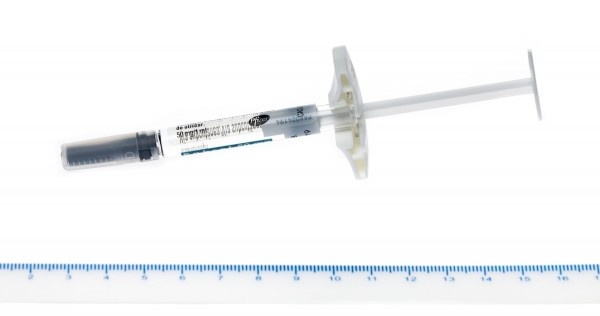
- Alternativas a DOLOTREN 100 mg SUPOSITORIOSForma farmacéutica: INYECTABLE, 25 mgPrincipio activo: DiclofenacoFabricante: Ibsa Farmaceutici Italia S.R.L.Requiere recetaForma farmacéutica: INYECTABLE, 50 mgPrincipio activo: DiclofenacoFabricante: Ibsa Farmaceutici Italia S.R.L.Requiere recetaForma farmacéutica: INYECTABLE, 75 mgPrincipio activo: DiclofenacoFabricante: Ibsa Farmaceutici Italia S.R.L.Requiere receta
Médicos online para DOLOTREN 100 mg SUPOSITORIOS
Comenta la dosis, los posibles efectos secundarios, interacciones, contraindicaciones o la revisión de receta de DOLOTREN 100 mg SUPOSITORIOS, sujeto a valoración médica y a la normativa local.









Obtén una receta de DOLOTREN 100 mg SUPOSITORIOS online
Rellena un formulario de 2 minutos
Cuéntanos tus síntomas, historial y el medicamento que necesitas.
Elige un médico o nosotros te asignamos uno
Escoge un especialista o te conectamos con el próximo médico disponible.
El médico revisa tu caso
Normalmente en 30 minutos. Puede hacerte preguntas adicionales por chat.
Recógela en cualquier farmacia
Receta electrónica enviada a tu correo, válida en toda España.
Preguntas frecuentes
DOLOTREN 100 mg SUPOSITORIOS requires receta en España. Puedes confirmarlo con un médico online según tu caso.
El principio activo de DOLOTREN 100 mg SUPOSITORIOS es Diclofenaco. Esta información ayuda a identificar medicamentos con la misma composición pero con diferentes nombres comerciales.
El precio medio en farmacia de DOLOTREN 100 mg SUPOSITORIOS es de aproximadamente 2.42 EUR. Puede variar según el fabricante y la forma farmacéutica.
DOLOTREN 100 mg SUPOSITORIOS es fabricado por Faes Farma S.A.. La marca y el envase pueden variar según el distribuidor.
Los Médicos de familia, Psiquiatras, Dermatólogos, Cardiólogos, Endocrinólogos, Gastroenterólogos, Neumólogos, Nefrólogos, Reumatólogos, Hematólogos, Infectólogos, Alergólogos, Geriatras, Pediatras, Oncólogos pueden valorar la prescripción de DOLOTREN 100 mg SUPOSITORIOS cuando esté clínicamente indicado. Puedes reservar una videoconsulta para comentar tu caso y las opciones de tratamiento.
España cuenta con una infraestructura sanitaria bien desarrollada en ciudades principales como Madrid, Barcelona, Valencia y Sevilla. Las farmacias están ampliamente disponibles y operan bajo estrictas regulaciones, garantizando el acceso a medicamentos con receta.
Puedes comprar DOLOTREN 100 mg SUPOSITORIOS en Madrid, Barcelona, Sevilla o Valencia en cualquier farmacia local con una receta válida.
Para obtener una receta, puedes utilizar Oladoctor:
Otros medicamentos con el mismo principio activo (Diclofenaco) incluyen AKIS 25 MG SOLUCION INYECTABLE EN JERINGA PRECARGADA, AKIS 50 MG SOLUCION INYECTABLE EN JERINGA PRECARGADA, AKIS 75 MG SOLUCION INYECTABLE EN JERINGA PRECARGADA. Pueden tener diferentes nombres comerciales o formulaciones, pero contienen el mismo componente terapéutico. Consulta siempre con un médico antes de cambiar o iniciar un nuevo medicamento.
