


Diazepam Durban 5 mg comprimidos

Prescription review online
A doctor will review your case and decide whether a prescription is medically appropriate.

Talk to a doctor about this medicine
Discuss your symptoms and possible next steps in a quick online consultation.



How to use DIAZEPAM DURBAN 5 mg TABLETS
Contents of the leaflet
- Introduction
- What is Diazepam Durbán and what is it used for
- What you need to know before you take Diazepam Durbán
- How to take Diazepam Durbán
- Possible side effects
- Storing Diazepam Durbán
- Packaging Content and Additional Information
Introduction
Package Leaflet: Information for the User
Diazepam Durbán 5 mg tablets EFG
Read all of this leaflet carefully before you start taking this medicine because it contains important information for you.
- Keep this leaflet, you may need to read it again.
- If you have any further questions, ask your doctor or pharmacist.
- This medicine has been prescribed for you only. Do not pass it on to others. It may harm them, even if their signs of illness are the same as yours.
- If you get any side effects, talk to your doctor or pharmacist. This includes any possible side effects not listed in this leaflet. See section 4.
Contents of the pack:
1 What is Diazepam Durbán and what is it used for
- What you need to know before you take Diazepam Durbán
- How to take Diazepam Durbán
- Possible side effects
- Storing Diazepam Durbán
- Contents of the pack and other information
1. What is Diazepam Durbán and what is it used for
This medicine contains the active substance diazepam, which belongs to a group of medicines called benzodiazepines.
Diazepam is indicated for the treatment of the following conditions:
In adults:
- Symptoms of anxiety
- Symptoms that occur during alcohol withdrawal
In adults and children over 6 years:
- Muscle spasms or pain caused by inflammation of the muscles and joints, trauma, including spasms caused by diseases such as cerebral palsy (a group of disorders that affect movement, balance, and posture) and paraplegia (paralysis of the lower half of the body, affecting both legs), as well as in athetosis (continuous, involuntary, slow, and abnormal movements of fingers and hands) and in the stiff person syndrome.

Not sure if this medicine is right for you?
Discuss your symptoms and treatment with a doctor online.
2. What you need to know before you take Diazepam Durbán
Do not take Diazepam Durbán
- If you are allergic to diazepam or any of the other ingredients of this medicine (listed in section 6).
- If you have a disease called "myasthenia gravis", which is characterized by muscle weakness and fatigue.
- If you have acute respiratory problems (slow or weak breathing)
- If you suffer from nocturnal apnea (a sleep disorder that causes abnormal interruptions in breathing during sleep)
- If you have severe liver problems (severe hepatic insufficiency).
Warnings and precautions
Consult your doctor or pharmacist before starting to take Diazepam Durbán.
- If you have any liver, heart, or kidney disease
- If you have breathing difficulties
- If you have muscle weakness
- If you have a history of drug or alcohol dependence
- If you have mental disorders. Benzodiazepines are not recommended as a first-line treatment for psychosis (mental disorders). These medications should not be used to treat depression or anxiety associated with depression, as symptoms may worsen.
- If you have epilepsy or a history of seizures.
Tell your doctor:
- If after several weeks you notice that the tablets are not having the same effect as when you started treatment. The use of benzodiazepines can lead to tolerance.
- If you experience side effects or changes in behavior (see section 4).
There is a risk of dependence when taking this medicine.
Children and adolescents
Do not give this medicine to children under 6 years old unless it is done after a medical decision and under strict supervision of a specialist (pediatrician, neurologist, psychiatrist, anesthesiologist, and intensivist) who will determine the appropriate dose.
Children are more sensitive to the effects of benzodiazepines on the central nervous system. In this group of patients, the incomplete development of the transformation mechanism in the body could prevent or reduce the production of degradation products, resulting in increased activity.
Taking Diazepam Durbán with other medicines
Tell your doctor or pharmacist if you are taking or have recently taken or may take other medicines. Some medicines may alter the way diazepam works.
Especially:
- antidepressants (e.g., fluvoxamine, fluoxetine);
- antipsychotics such as clozapine (to treat mental problems);
- muscle relaxants (e.g., suxamethonium, tubocurarine);
- barbiturates such as phenobarbital (to treat epilepsy and mental disorders);
- other central nervous system depressants (buprenorphine, narcotic analgesics, opioids, and derivatives used to treat cough, baclofen, thalidomide, pizotifen, central-acting antihypertensives).
Taking the following medicines with diazepam may affect your mental state, make you feel sleepy, and decrease your breathing and blood pressure.
- disulfiram (for the treatment of alcohol addiction). Taking disulfiram with diazepam may cause excessive sleepiness and may cause diazepam to be eliminated from the body more slowly than usual;
- medicines for epilepsy, such as phenytoin and carbamazepine, as they may reduce the effect of diazepam. Diazepam may also affect the functioning of phenytoin;
- theophylline (to treat asthma and other respiratory disorders), as it may decrease the effect of diazepam;
- cimetidine, omeprazole, or esomeprazole (medicines to reduce stomach acid) as they may cause diazepam to be eliminated from the body more slowly than usual;
- rifampicin (an antibiotic) as it may cause diazepam to be eliminated from the body more quickly than usual. It may decrease the effect of diazepam.
- atazanavir, ritonavir, delavirdine, efavirenz, indinavir, nelfinavir, or saquinavir (antivirals), fluconazole, itraconazole, ketoconazole, or voriconazole (antifungal medicines) as they may cause diazepam to be eliminated from the body more slowly than usual, and thus increase the risk of side effects;
- isoniazid (used to treat tuberculosis), as it may cause diazepam to be eliminated from the body more slowly than usual;
- oral contraceptives, as they may delay the elimination of diazepam from the body and increase its effect. Bleeding may occur when taking diazepam and oral contraceptives, but it does not decrease contraceptive protection;
- cisapride (used to treat stomach problems), as it may cause diazepam to be eliminated from the body more slowly than usual;
- corticosteroids (medicines used to treat inflammation in the body), as they may decrease the effect of diazepam;
- levodopa (used to treat Parkinson's disease). Diazepam may reduce the effect of levodopa;
- valproic acid (used to treat epilepsy and mental disorders), as it may delay the elimination of diazepam from the body and increase its effect. The concomitant use of valproic acid and diazepam increases the risk of psychosis (mental illness);
- ketamine (an anesthetic) as diazepam increases the effect of ketamine.
Taking Diazepam Durbán with food, drinks, and alcohol
Do not drink alcoholic beverages during treatment with diazepam. Alcoholic beverages increase the sedative effects of diazepam. Grapefruit juice may increase the sedative effect of diazepam.
Pregnancy and breastfeeding
If you are pregnant or breastfeeding, think you may be pregnant, or are planning to have a baby, ask your doctor or pharmacist for advice before taking this medicine. You should not take diazepam if you are pregnant, planning to become pregnant, or are breastfeeding. This medicine may affect your baby.
Driving and using machines
Consult your doctor before driving or using machines, as diazepam may decrease your reactions. These effects are increased by the use of alcohol and lack of sleep.
Diazepam Durbán contains lactose
This medicine contains lactose. If your doctor has told you that you have an intolerance to some sugars, consult them before taking this medicine.
3. How to take Diazepam Durbán
Follow exactly the administration instructions of the medicine given by your doctor or pharmacist. In case of doubt, consult your doctor or pharmacist again.
Do not give this medicine to children under 6 years old unless it is done after a medical decision and under strict supervision of a specialist (pediatrician, neurologist, psychiatrist, anesthesiologist, and intensivist) who will determine the appropriate dose.
- Your doctor will prescribe a low dose and gradually increase it until the appropriate dose is reached.
- The dose will depend on your condition and response to treatment.
- The duration of treatment should be as short as possible. In general, treatment should not exceed 8 to 12 weeks.
Use in adults
The recommended dose is 2 to 20 mg per day. Never take more than 10 mg at a time.
Recommended doses:
Anxiety symptoms: 10 mg per day (2.5 mg in the morning and 2.5 mg in the afternoon and 5 mg at night).
Symptomatic relief in acute alcohol withdrawal: 10 mg, 3 or 4 times during the first 24 hours, reducing to 5 mg 3 or 4 times a day, as needed.
Treatment of muscle spasms: 2 mg to 10 mg, 3 or 4 times a day.
Use in children and adolescents
Treatment of muscle spasms in children over 6 years and adolescents. Recommended dose:
Children 6-12 years: 5 mg, 2 times a day. Children 12-18 years: 10 mg, 2 times a day
Chronic treatment (prolonged) is not recommended.
Diazepam is not recommended in children under 6 years due to possible difficulties in swallowing. There are more suitable pharmaceutical forms for young children.
Use in elderly patients
Your doctor will decide how much diazepam you should take and how often. The dose will be lower than the normal dose used for adults. Treatment should be started with the lowest possible dose (2 to 2.5 mg, once or twice a day) and then gradually increased, as needed and tolerated.
Use in patients with renal failure
Normally, no dose adjustment is necessary. However, patients with renal failure should be cautious when taking diazepam. Benzodiazepines with active metabolites, such as diazepam, should be avoided in patients with end-stage renal disease.
Use in patients with hepatic failure
Your doctor will decide how much diazepam you should take and how often. The dose will be lower than the normal dose used for adults.
Use in patients with overweight
If you are overweight, the medicine may take longer to work. Additionally, the effects of diazepam may take longer to disappear, including possible side effects.
Take this medicine preferably in the afternoon or at night.
The tablet can be divided into two equal parts.
If you take more Diazepam Durbán than you should
If you have taken too many tablets (more than prescribed) or think a child may have swallowed some, contact the nearest hospital or consult your doctor or pharmacist immediately or call the Toxicology Information Service Phone: 91 562 04 20 indicating the medicine and the amount used.
Symptoms of overdose include inability to coordinate voluntary muscle movements, apnea (severe breathing difficulties), low blood pressure (hypotension), heart and lung problems (cardiorespiratory failure), and coma (unconsciousness).
If you forget to take Diazepam Durbán
Do not take a double dose to make up for forgotten doses. If you forget to take a dose, take it as soon as you remember. If you are about to take the next dose, do not take the forgotten dose.
If you stop taking Diazepam Durbán
- Do not stop taking your medicine without consulting your doctor. If you stop taking diazepam suddenly, you may experience withdrawal symptoms, including: sleep disorders, headache, muscle pain, tension, confusion, irritability or aggression, mood changes, and hypersensitivity to light, noise, and physical contact. Less common withdrawal symptoms are: seeing or hearing things that do not exist (hallucinations) and loss of perception of reality (derealization).
- You should gradually reduce the number or dose you take before stopping treatment completely. Your doctor will tell you how to do it.
If you have any doubts about the use of this medicine, ask your doctor or pharmacist.

Started taking the medicine and have questions?
Discuss your symptoms and treatment with a doctor online.
4. Possible side effects
Like all medicines, this medicine can cause side effects, although not everybody gets them.
Some side effects can be serious and may require immediate medical attention:
Allergic reactions
If you develop an allergic reaction, seek medical attention immediately. Side effects are:
- Sudden swelling of the throat, face, and lips, which can cause difficulty breathing and swallowing
- Sudden swelling of the hands, feet, and ankles, skin rash, or itching.
Effects on behavior
Talk to your doctorif you notice any of the following side effects. Your doctor may request the suspension of treatment:
- Aggression, irritability, nervousness, agitation, anxiety, delirium, anger.
- Sleep disorders, nightmares, and vivid dreams.
For possible symptoms of withdrawal, please consult the section "If you stop taking Diazepam Durbán" in Section 3.
These are more likely to occur in children and elderly patients.
Elderly patients
There is a higher risk of falls and fractures associated with the use of benzodiazepines in elderly patients.
Other side effects:
At the start of treatment with diazepamthe following side effects may occur:
- Drowsiness, fatigue, dizziness, and unsteadiness.
- Muscle weakness, inability to coordinate voluntary muscle movements (ataxia), and other movement disorders.
Your doctor may propose a lower dose of diazepam and then gradually increase it.
The following side effects may occur during treatment:
Psychiatric and nervous system disorders
- Difficulty concentrating, decreased alertness, confusion, and disorientation, agitation.
- Memory loss, headache, depression.
- Speech disorders, loss of coordination, including instability when walking.
- Changes in sexual desire (libido).
Liver and blood (very rare)
- Changes in certain liver enzymes that can be seen in blood tests.
- Yellowing of the skin or eyes (jaundice).
- Blood disorders. Signs may include fatigue, easy bruising, difficulty breathing, and nosebleeds. Your doctor may perform periodic blood tests.
Heart, circulation, and blood vessels
- Heart problems such as slow heart rate (bradycardia), heart failure, and cessation of heartbeats (cardiac arrest).
- Low blood pressure (hypotension). You may experience dizziness or a feeling of dizziness when standing.
- Circulation problems (circulatory depression).
Stomach and intestine (occasionally)
- Nausea, constipation, stomach pain.
- Dry mouth and increased salivation.
Lungs and kidneys
- Respiratory depression.
- Inability to urinate (urinary retention), loss of bladder control (urinary incontinence).
Eyes, skin, and hair
- Double vision, blurred vision, dizziness, whose signs may be dizziness or vertigo.
- The most common reactions are skin rash, hives, itching, and erythematous rash.
Reporting of side effects
If you experience any side effects, talk to your doctor or pharmacist, even if it is possible side effects not listed in this leaflet. You can also report them directly through the Spanish Pharmacovigilance System for Human Use Medicines: https://www.notificaram.es. By reporting side effects, you can help provide more information on the safety of this medicine.
5. Storing Diazepam Durbán
Keep this medicine out of the sight and reach of children.
This medicine does not require special storage conditions.
Do not use this medicine after the expiry date which is stated on the carton after EXP. The expiry date is the last day of the month shown.
Medicines should not be disposed of via wastewater or household waste. Place the carton and any remaining medicine in the SIGRE collection point at your pharmacy. If you are unsure, ask your pharmacist how to dispose of the carton and any remaining medicine. This will help protect the environment.
6. Packaging Content and Additional Information
Composition of Diazepam Durbán
The active ingredient is diazepam. Each tablet contains 5 mg of diazepam.
The other components are lactose monohydrate, pregelatinized corn starch, and magnesium stearate.
Appearance of the Product and Packaging Content
Diazepam Durbán 5 mg are white or almost white, round, and flat tablets with a diameter of 8 mm. The tablets are engraved with the inscription "5" on one side and have a score line on the other side.
This medication is available in packages of 30 and 40 tablets.
Marketing Authorization Holder and Manufacturer
Marketing Authorization Holder:
Laboratorios Francisco Durbán S.A.
Polígono Ind. La Redonda, c/ IX, nº 2
04710 El Ejido (Almería)
Spain
Manufacturer:
SANTA SA
Str. Panselelor, nr. 25, nr. 27, nr. 29
Brasov, Jud. Brasov, 500419
Romania
Date of the Last Revision of this Leaflet: January 2023
Detailed and updated information on this medication is available on the website of the Spanish Agency for Medicines and Health Products (AEMPS) https://www.aemps.gob.es/
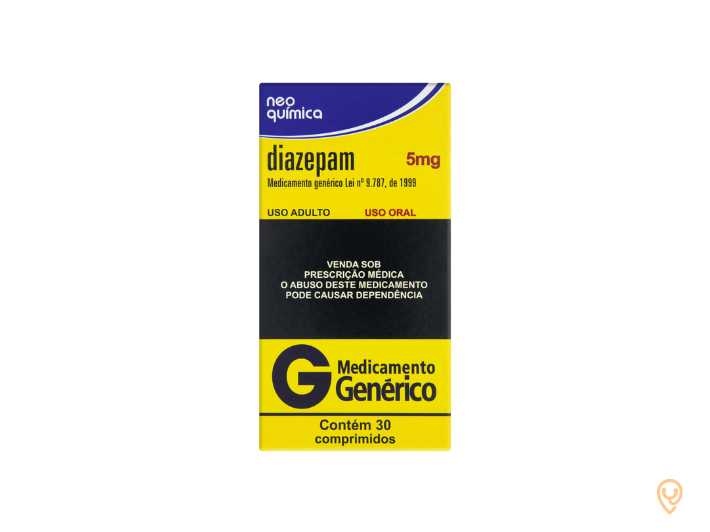
- Country of registration
- Dosage formTABLET, 5 mg
- ATC codeN05BA01
- Average pharmacy price1.5 EUR
- Active substance
- Prescription requiredYes
- Manufacturer
- CompositionLACTOSA MONOHIDRATO (165.10 mg mg)
- This information is for reference only and does not constitute medical advice. Always consult a doctor before taking any medication. Oladoctor is not responsible for medical decisions based on this content.
- Alternatives to DIAZEPAM DURBAN 5 mg TABLETSDosage form: TABLET, 10 mgActive substance: diazepamManufacturer: Aurovitas Spain, S.A.U.Prescription requiredDosage form: TABLET, 2.5 mgActive substance: diazepamManufacturer: Aurovitas Spain, S.A.U.Prescription requiredDosage form: TABLET, 5 mgActive substance: diazepamManufacturer: Aurovitas Spain, S.A.U.Prescription required
Online doctors for DIAZEPAM DURBAN 5 mg TABLETS
Discuss questions about DIAZEPAM DURBAN 5 mg TABLETS, including use, safety considerations and prescription review, subject to medical assessment and local regulations.








Frequently Asked Questions
DIAZEPAM DURBAN 5 mg TABLETS requires a prescription in Spain. You can check with a doctor online whether this medicine may be appropriate for your situation.
The active ingredient in DIAZEPAM DURBAN 5 mg TABLETS is diazepam. This information helps identify medicines with the same composition but different brand names.
The average pharmacy price for DIAZEPAM DURBAN 5 mg TABLETS is around 1.5 EUR. Prices may vary depending on the manufacturer and dosage form.
DIAZEPAM DURBAN 5 mg TABLETS is manufactured by Laboratorios Francisco Durban S.A.. Pharmacy brands and packaging may differ depending on the distributor.
Doctors such as Family doctors, Psychiatrists, Dermatologists, Cardiologists, Endocrinologists, Gastroenterologists, Pulmonologists, Nephrologists, Rheumatologists, Hematologists, Infectious disease physicians, Allergists, Geriatricians, Paediatricians, Oncologists may assess whether DIAZEPAM DURBAN 5 mg TABLETS is appropriate, depending on your situation and local regulations. You can book an online consultation to discuss your symptoms and possible next steps.
The prescription is issued by a doctor after assessing your health. In Spain, DIAZEPAM DURBAN 5 mg TABLETS is then dispensed in pharmacies with that prescription. An online consultation does not guarantee that a prescription will be issued: the decision always rests with the doctor.
To request a review, you can use Oladoctor:
Other medicines with the same active substance (diazepam) include DIAZEPAM AUROVITAS 10 mg TABLETS, DIAZEPAM AUROVITAS 2.5 mg TABLETS, DIAZEPAM AUROVITAS 5 mg TABLETS. These may have different brand names or formulations but contain the same therapeutic ingredient. Always consult a doctor before switching or starting a new medicine.
