



COMETRIQ 20 mg + 80 Mg Cápsulas Duras

Revisión de receta online
Un médico revisará tu caso y determinará si la prescripción es médicamente apropiada.

Habla con un médico sobre este medicamento
Comenta tus síntomas y las opciones de tratamiento en una consulta online.



Cómo usar Cometriq 20mg+80mg capsulas duras
Contenido del prospecto
- Introducción
- Qué es COMETRIQ y para qué se utiliza
- Qué necesita saber antes de empezar a tomar COMETRIQ
- Cómo tomar COMETRIQ
- Posibles efectos adversos
- Conservación de COMETRIQ
- Contenido del envase e información adicional
Introducción
Prospecto: información para el paciente
COMETRIQ 20 mg cápsulas duras
COMETRIQ 80 mg cápsulas duras
(S)-malato de cabozantinib
Este medicamento está sujeto a seguimiento adicional, lo que agilizará la detección de nueva información sobre su seguridad. Puede contribuir comunicando los efectos adversos que pudiera usted tener. La parte final de la sección 4 incluye información sobre cómo comunicar estos efectos adversos.
Lea todo el prospecto detenidamente antes de empezar a tomar este medicamento, porque contiene información importante para usted.
- Conserve este prospecto, ya que puede tener que volver a leerlo.
- Si tiene alguna duda, consulte a su médico o farmacéutico.
- Este medicamento se le ha recetado solamente a usted, y no debe dárselo a otras personas aunque tengan los mismos síntomas que usted, ya que puede perjudicarles.
- Si experimenta efectos adversos, consulte a su médico, incluso si se trata de efectos adversos que no aparecen en este prospecto. Ver sección 4.
Contenido del prospecto
- Qué es COMETRIQ y para qué se utiliza
- Qué necesita saber antes de empezar a tomar COMETRIQ
- Cómo tomar COMETRIQ
- Posibles efectos adversos
- Conservación de COMETRIQ
- Contenido del envase e información adicional
1. Qué es COMETRIQ y para qué se utiliza
Qué es COMETRIQ
COMETRIQ es un medicamento para el cáncer que contiene la sustancia activa (S)-malato de cabozantinib.
Es un medicamento que se emplea para tratar el cáncer medular de tiroides, un tipo raro de cáncer de tiroides que no puede ser eliminado mediante cirugía o que se ha extendido a otras partes del cuerpo.
¿Cómo actúa COMETRIQ?
COMETRIQ bloquea la acción de las proteínas denominadas receptor tirosin quinasas (RTK), que intervienen en el crecimiento de las células y el desarrollo de los nuevos vasos sanguíneos que aportan suministro sanguíneo a estas células. Estas proteínas pueden estar presentes en altas cantidades en las células cancerosas, y al bloquear su acción, COMETRIQ puede ralentizar el ritmo al que el tumor crece y ayudar a interrumpir el suministro sanguíneo que el cáncer necesita.
COMETRIQ puede retardar o detener el crecimiento del cáncer medular de tiroides. Puede ayudar a reducir el tamaño de los tumores asociados a este tipo de cáncer.

¿No estás seguro de si este medicamento es adecuado para ti?
Comenta tus síntomas y tratamiento con un médico online.
2. Qué necesita saber antes de empezar a tomar COMETRIQ
No tome COMETRIQ
- si es alérgico a cabozantinib o a cualquiera de los demás componentes de este medicamento (incluidos en la sección 6).
Advertencias y precauciones
Consulte a su médico o farmacéutico antes de empezar a tomar COMETRIQ:
- Si tiene tensión arterial alta.
- Si tiene o ha tenido un aneurisma (aumento y debilitamiento de la pared de un vaso sanguíneo) o un desgarro en la pared de un vaso sanguíneo
- Si tiene diarrea.
- Si tiene antecedentes recientes de tos con sangre o hemorragia importante.
- Si se ha sometido a una intervención quirúrgica en el último mes (o si tiene alguna programada), incluidas intervenciones odontológicas.
- Si se ha sometido a radioterapia en los últimos tres meses.
- Si tiene enfermedad inflamatoria del intestino (como enfermedad de Crohn, colitis ulcerosa o diverticulitis).
- Si le han dicho que su cáncer se ha extendido a las vías respiratorias o esófago.
- Si tiene antecedentes recientes de coágulo sanguíneo en la pierna, ictus o ataque al corazón.
- Si está tomando medicamentos para controlar el ritmo cardiaco, tiene un ritmo cardiaco lento, tiene problemas de corazón o tiene problemas con los niveles de calcio, potasio o magnesio en la sangre.
- Si padece una enfermedad grave de hígado o de riñón.
Avise a su médico si se ve afectado por cualquiera de estas circunstancias.Es posible que necesite tratamiento, o que el médico decida cambiar la dosis de COMETRIQ o interrumpir por completo el tratamiento. Consulte también la sección 4: "Posibles efectos adversos".
También debe informar a su dentista de que está tomando COMETRIQ. Es importante que preste especial atención a su higiene bucal durante el tratamiento con COMETRIQ.
Niños y adolescentes
No se recomienda el uso de COMETRIQ en niños y adolescentes. Se desconocen los efectos de COMETRIQ en menores de 18 años.
Toma de COMETRIQ con otros medicamentos:
Informe a su médico o farmacéutico si está tomando o ha tomado recientemente cualquier otro medicamento, incluso los obtenidos sin receta. Esto se debe a que COMETRIQ puede afectar al mecanismo de acción de otros medicamentos. Algunos medicamentos pueden afectar también al funcionamiento de COMETRIQ. Esto podría obligar al médico a cambiar las dosis que usted toma.
- Medicamentos para tratar infecciones fúngicas (por hongos), como itraconazol, ketoconazol y posaconazol
- Medicamentos utilizados para tratar infecciones bacterianas (antibióticos), como eritromicina, claritromicina y rifampicina
- Medicamentos para la alergia, como fexofenadina
- Medicamentos para tratar la angina de pecho (dolor en el pecho debido a un inadecuado suministro de sangre al corazón) como ranolazina
- Esteroides que se usan para reducir la inflamación o tratar distintas enfermedades del sistema inmunitario
- Medicamentos utilizados para tratar la epilepsia o convulsiones, como fenitoína, carbamazepina y fenobarbital
- Medicamentos a base de plantas que contengan hierba de San Juan (Hypericum perforatum), que en ocasiones se usa para el tratamiento de la depresión o de estados relacionados con la depresión, como la ansiedad
- Medicamentos anticoagulantes como warfarina y dabigatrán etexilato
- Medicamentos para tratar la tensión arterial alta u otras enfermedades de corazón, como aliskiren, ambrisentrán, digoxina, talinolol y tolvaptán
- Medicamentos para la diabetes, como saxagliptina y sitagliptina
- Medicamentos para el tratamiento de la gota, como colchicina
- Medicamentos utilizados para tratar el VIH o el SIDA, como ritonavir, maraviroc y emtricitabina
- Medicamentos utilizados para tratar infecciones víricas, como efavirenz
- Medicamentos utilizados para prevenir rechazos después de un trasplante (ciclosporina) y tratamientos con ciclosporina en artritis reumatoide y psoriasis
Anticonceptivos orales
Si toma COMETRIQ durante el uso de anticonceptivos orales, la anticoncepción oral puede resultar ineficaz. Debe utilizar también un método de barrera (p. ej. preservativo o diafragma) mientras tome COMETRIQ y durante un período mínimo de 4 meses después de la finalización del tratamiento.
Toma de COMETRIQ con alimentos
Evite tomar productos que contengan zumo de pomelo durante todo el tiempo que use este medicamento, dado que pueden incrementar los niveles de COMETRIQ en la sangre.
Embarazo, lactancia y fertilidad
Debe evitarse el embarazo durante el tratamiento con COMETRIQ.Si usted o su pareja puede quedarse embarazada, debe usar anticonceptivos adecuados durante todo el tratamiento y hasta cuatro meses como mínimo después de terminar el tratamiento. Hable con su médico acerca de cuáles son los métodos anticonceptivos apropiados mientras toma COMETRIQ. Ver sección 2.
Avise a su médico si usted o su pareja se queda embarazada, o si usted o su pareja planea quedarse embarazada, durante el tratamiento con COMETRIQ.
Hable con su médicoantesde empezar a tomar COMETRIQsi usted o su pareja se están planteando o tienen ya planeado tener un hijo una vez finalizado el tratamiento. Existe la posibilidad de que el tratamiento con COMETRIQ afecte a su fertilidad.
Las mujeres que tomen COMETRIQ deben suspender la lactancia durante el tratamiento y como mínimo hasta cuatro meses después de que el tratamiento haya finalizado, puesto que cabozantinib y/o sus metabolitos pueden excretarse en la leche materna y ser perjudiciales para el lactante.
Conducción y uso de máquinas
Tenga precaución al conducir o usar máquinas. Tenga presente que el tratamiento con COMETRIQ puede hacer que se sienta cansado o débil.
3. Cómo tomar COMETRIQ

¿Has empezado a tomar el medicamento y tienes preguntas?
Comenta tus síntomas y tratamiento con un médico online.
Siga exactamente las instrucciones de administración de este medicamento indicadas por su médico o farmacéutico. En caso de duda, consulte de nuevo a su médico o farmacéutico.
Siga tomando este medicamento hasta que su médico decida interrumpir el tratamiento. Si sufre efectos adversos graves, el médico puede decidir cambiar la dosis o interrumpir el tratamiento antes de lo planeado. El médico decidirá si necesita ajustar la dosis, especialmente durante las ocho primeras semanas del tratamiento con COMETRIQ.
Debe tomar COMETRIQ una vez al día. Dependiendo de la dosis que se le haya recetado, el número de cápsulas que debe tomar será el siguiente:
- 140 mg (una cápsula naranja de 80 mg y tres cápsulas grises de 20 mg)
- 100 mg (una cápsula naranja de 80 mg y una cápsula gris de 20 mg)
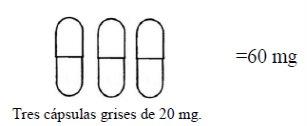
- 60 mg (tres cápsulas grises de 20 mg)
El médico decidirá cuál es la dosis apropiada para usted.
Las cápsulas se presentan en tiras de blísters organizadas por dosis prescrita. Cada tira de blísters tiene suficientes cápsulas para durar siete días (una semana). Las cápsulas también se presentan en un envase para 28 días que contiene cápsulas suficientes para 28 días en 4 tiras de blísters con cápsulas para 7 días en cada tira.
Cada día debe tomar todas las cápsulas de una fila. En la sección 6, más adelante, encontrará más información sobre las tiras de blísters, cuántas cápsulas debe tomar y el número total de cápsulas que contiene cada tira. Para ayudarle a recordar las dosis, escriba la fecha en la que tome su primera dosis en el espacio reservado a tal efecto junto a las cápsulas. Para retirar las cápsulas correspondientes a la dosis:
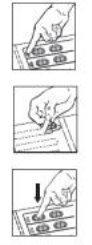
- Apriete la pestaña.
- Retire el papel de la parte posterior.
- Empuje la cápsula a través de la lámina de aluminio.
Nodebe tomar COMETRIQ con alimentos. No debe tomar ningún alimento durante al menos dos horas antes de tomar COMETRIQ y durante una hora después de hacerlo. Trague las cápsulas con agua, de una en una. No abra las cápsulas.
Si toma más COMETRIQ del que debe
Si ha tomado más COMETRIQ del que le han recetado, hable con un médico o acuda al hospital inmediatamente con las cápsulas y este prospecto.
Si olvidó tomar COMETRIQ
- Si quedan 12 o más horas hasta la próxima dosis, tome inmediatamente la dosis que había olvidado. Tome la siguiente dosis a la hora habitual.
- Si quedan menos de 12 horas para la próxima dosis, no tome la dosis que había olvidado. Tome la siguiente dosis a la hora habitual.
4. Posibles efectos adversos
Al igual que todos los medicamentos, este medicamento puede producir efectos adversos, aunque no todas las personas los sufran. Si presenta efectos adversos, su médico puede decirle que tome COMETRIQ a una dosis menor. Su médico puede también prescribirle otros medicamentos que ayuden a controlar los efectos adversos.
Informe inmediatamente a su médico si nota alguno de los siguientes efectos adversos, ya que puede necesitar tratamiento médico urgente:
- Síntomas como dolor en el abdomen, náusea, vómitos, estreñimiento o fiebre. Estos síntomas pueden ser consecuencia de una perforación gastrointestinal, un orificio en el estómago o el intestino que puede poner en peligro su vida.
- Hinchazón, dolor en manos y pies, o falta de aliento.
- Una herida que no cicatriza.
- Vómitos o tos con sangre, que puede ser de color rojo vivo o tener un aspecto semejante a posos de café.
- Dolor en la boca, los dientes y/o la mandíbula, hinchazón o llagas en el interior de la boca, entumecimiento o sensación de pesadez en la mandíbula o movimiento de un diente. Estos podrían ser signos de daño óseo en la mandíbula (osteonecrosis).
- Ataques convulsivos, dolor de cabeza, confusión o dificultad para concentrarse. Estos pueden ser signos de una enfermedad llamada síndrome de encefalopatía posterior reversible (SEPR). El SEPR es poco frecuente (afecta a menos de una de cada 100 personas).
- Diarrea que es grave y no parece estabilizarse.
Otros efectos adversos incluyen:
Efectos adversos muy frecuentes(pueden afectar a más de 1 de cada 10 personas):
- Trastornos estomacales, como diarrea, náusea, vómitos, estreñimiento, indigestión y dolor abdominal
- Dificultad al tragar
- Ampollas, dolor en las manos o las plantas de los pies, erupción cutánea o enrojecimiento de la piel, piel seca
- Disminución del apetito, pérdida de peso, alteración del sentido del gusto
- Fatiga, debilidad, dolor de cabeza, mareo
- Cambios de color en el pelo (aclaramiento), caída del cabello
- Hipertensión (aumento de la tensión arterial)
- Enrojecimiento, hinchazón o dolor en la boca o la garganta, dificultades para hablar, ronquera
- Cambios en los resultados de los análisis de sangre que se utilizan para supervisar el estado de salud general y el funcionamiento del hígado, niveles bajos de electrolitos (como magnesio, calcio o potasio)
- Bajo nivel de plaquetas
- Dolor en las articulaciones, espasmos musculares
- Inflamación de las glándulas linfáticas
- Dolor en los brazos, manos, piernas o pies
Efectos adversos frecuentes(pueden afectar hasta 1 de cada 10 personas):
- Ansiedad, depresión, confusión
- Dolor generalizado, dolor en el pecho o los músculos, dolor de oído, zumbido en los oídos
- Debilidad o disminución de la sensibilidad u hormigueo en las extremidades
- Escalofríos, temblores
- Deshidratación
- Inflamación del abdomen o el páncreas
- Inflamación de los labios y las comisuras de la boca
- Inflamación de las raíces del cabello, acné, ampollas (en partes del cuerpo distintas de las manos y los pies)
- Hinchazón de la cara y otras partes del cuerpo
- Pérdida o cambio del sentido del gusto
- Hipotensión (disminución de la tensión arterial)
- Fibrilación auricular (pulso rápido e irregular)
- Aclaramiento de la piel, piel escamosa, palidez inusual
- Crecimiento anormal del pelo
- Hemorroides
- Neumonía (infección pulmonar)
- Dolor en la boca, los dientes y/o la mandíbula, hinchazón o llagas en el interior de la boca, entumecimiento o sensación de pesadez en la mandíbula o movimiento de un diente
- Reducción de la actividad tiroidea, cuyos síntomas pueden ser, entre otros: cansancio, aumento de peso, estreñimiento, sensación de frío y piel seca
- Bajo nivel de glóbulos blancos
- Descenso en los niveles de fosfato en sangre
- Desgarro, perforación o hemorragia en el estómago o el intestino, inflamación o desgarro del ano, hemorragia en los pulmones o la tráquea (vías respiratorias)
- Una conexión anómala del tejido del sistema digestivo, cuyos síntomas pueden incluir dolor de estómago grave o persistente
- Conexión anormal del tejido de la tráquea (vías aéreas), el esófago o los pulmones
- Absceso (acumulación de pus con hinchazón e inflamación) en el área abdominal o pélvica, o en las encías o dientes
- Coágulos sanguíneos en los vasos sanguíneos y los pulmones
- Ictus
- Infecciones fúngicas (por hongos) en la piel, la boca o los genitales
- Heridas que tienen dificultades para cicatrizar
- Presencia de proteínas o sangre en la orina, cálculos biliares, dolor al orinar
- Visión borrosa
- Aumento del nivel de bilirrubina en la sangre (que puede ocasionar ictericia/color amarillo en la piel o los ojos)
- Disminución de los niveles de proteína en la sangre (albúmina)
Efectos adversos poco frecuentes(pueden afectar hasta 1 de cada 100 personas):
- Inflamación del esófago, cuyos síntomas pueden incluir, entre otros: dolor en el pecho, ganas de vomitar, alteración del sentido del gusto, hinchazón abdominal, eructos e indigestión.
- Infección e inflamación del pulmón, colapso del pulmón
- Úlceras cutáneas, quistes, manchas rojas en el rostro o los muslos
- Dolor en la cara
- Cambios en los resultados de las pruebas que miden la coagulación o el número de células sanguíneas
- Pérdida de coordinación muscular, lesiones de los músculos esqueléticos
- Pérdida de atención, pérdida de conocimiento, alteraciones del habla, delirio, sueños anormales
- Dolor en el pecho debido al bloqueo en las arterias, palpitaciones
- Lesiones del hígado, insuficiencia renal
- Deterioro de la audición
- Inflamación del ojo, cataratas
- Interrupción de la menstruación, hemorragia vaginal
- Una enfermedad llamada síndrome de encefalopatía posterior reversible (SEPR), cuyos síntomas son, entre otros, ataques convulsivos, dolores de cabeza, confusión o dificultad para concentrarse
No conocida(efectos adversos con frecuencia desconocida)
- Ataque al corazón
- Aumento y debilitamiento de la pared de un vaso sanguíneo o desgarro de la pared de un vaso sanguíneo (aneurismas y disecciones arteriales)
Comunicación de efectos adversos
Si experimenta cualquier tipo de efecto adverso, consulte a su médico o farmacéutico, incluso si se trata de posibles efectos adversos que no aparecen en este prospecto. También puede comunicarlos directamente a través del sistema nacional de notificación incluido en el Apéndice V. Mediante la comunicación de efectos adversos usted puede contribuir a proporcionar más información sobre la seguridad de este medicamento.
5. Conservación de COMETRIQ
Mantener este medicamento fuera de la vista y del alcance de los niños.
No utilice este medicamento después de la fecha de caducidad que aparece en la tira de blísters después de CAD. La fecha de caducidad es el último día del mes que se indica.
No conservar a temperatura superior a 25 ºC. Conservar en el embalaje original para protegerlo de la humedad.
Los medicamentos no se deben tirar por los desagües ni a la basura. Pregunte a su farmacéutico cómo deshacerse de los envases y de los medicamentos que ya no necesita. De esta forma, ayudará a proteger el medio ambiente.
6. Contenido del envase e información adicional
Composición de COMETRIQ
El principio activo es (S)-malato de cabozantinib
Las cápsulas duras de COMETRIQ 20 mg contienen (S)-malato de cabozantinib, equivalente a 20 mg de cabozantinib.
Las cápsulas duras de COMETRIQ 80 mg contienen (S)-malato de cabozantinib, equivalente a 80 mg de cabozantinib.
Los demás componentes son:
- Contenido de la cápsula:celulosa microcristalina, croscarmelosa sódica, almidón glicolato sódico, sílice coloidal anhidro y ácido esteárico.
- Cubierta de la cápsula:gelatina y dióxido de titanio (E171).
- Las cápsulas de 20 mg también contienen óxido de hierro negro (E172).
- Las cápsulas de 80 mg también contienen óxido de hierro rojo (E172).
- Tinta de impresión:laca shellac, óxido de hierro negro (E172) y propilenglicol.
Aspecto del producto y contenido del envase
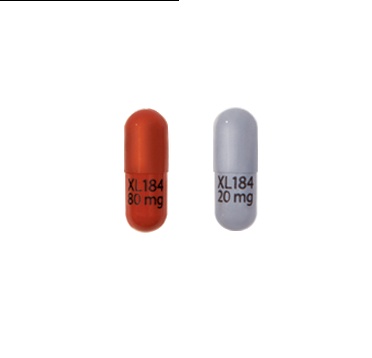
COMETRIQ 20 mg cápsulas duras son cápsulas de color gris con "XL184 20mg" impreso en uno de los lados.
COMETRIQ 80 mg cápsulas duras son cápsulas de color naranja con "XL184 80mg" impreso en uno de los lados.
Las cápsulas duras de COMETRIQ se presentan en tiras de blísters organizadas de acuerdo a la dosis recetada. Cada tira de blísters contiene suficiente medicamento para siete días. Cada fila de la tira contiene una dosis diaria.
La tira de blísters con la dosis diaria de 60 mg contiene veintiuna cápsulas de 20 mg organizadas en un total de siete dosis diarias. Cada dosis diaria ocupa una fila, que contiene tres cápsulas de 20 mg:
La tira de blísters con la dosis diaria de 100 mg contiene siete cápsulas de 80 mg y siete cápsulas de 20 mg, organizadas en un total de siete dosis diarias. Cada dosis diaria ocupa una fila que contiene una cápsula de 80 mg y una cápsula de 20 mg.
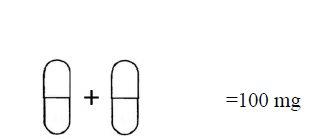
Una cápsula naranja de 80 mg + una cápsula gris de 20 mg.
La tira de blísters con la dosis diaria de 140 mg contiene siete cápsulas de 80 mg y veintiuna cápsulas de 20 mg, organizadas en un total de siete dosis. Cada dosis diaria ocupa una fila que contiene una cápsula de 80 mg y tres cápsulas de 20 mg:
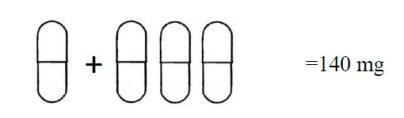
Una cápsula naranja de 80 mg + tres cápsulas grises de 20 mg.
COMETRIQ cápsulas duras también se presentan en envases para 28días:
84 cápsulas (4 tiras de blísters de 21 cápsulas de 20 mg) (dosis de 60 mg/día)
56 cápsulas (4 tiras de blísters de 7 cápsulas de 20 mg y 7 cápsulas de 80 mg) (dosis de
100 mg/día)
112 cápsulas (4 tiras de blísters de 21 cápsulas de 20 mg y 7 cápsulas de 80 mg) (dosis de
140 mg/día)
Cada envase para 28 días contiene medicamento suficiente para 28 días.
Titular de la autorización de comercialización
Ipsen Pharma
65 quai Georges Gorse
92100 Boulogne-Billancourt
Francia
Responsable de la fabricación
Catalent UK Packaging Limited
Lancaster Way
Wingates Industrial Park
Westhoughton
Bolton
Lancashire
BL5 3XX
Reino Unido
O
Catalent Germany Schorndorf GmbH
Steinbeisstr. 1 und 2
73614 Schorndorf
Alemania
Pueden solicitar más información respecto a este medicamento dirigiéndose al representante local del titular de la autorización de comercialización.
België/Belgique/Belgien, Luxembourg/Luxemburg Ipsen NV Guldensporenpark 87 B-9820 Merelbeke België /Belgique/Belgien Tél/Tel: + 32 - 9 - 243 96 00 | Italia Ipsen SpA Via del Bosco Rinnovato n. 6 Milanofiori Nord Palazzo U7 20090 Assago (Mi) Tel: + 39 - 02 - 39 22 41 |
???????? PharmaSwiss EOOD 16, Troyanski Prohod Street, Floor 3, Office 8, Lagera 1612 Sofia ???.: +359 2 8952 110 | Latvija Ipsen Pharma representative office Kalnciema street 33-5 Riga LV 1046 Tel: +371 67622233 |
Ceská republika Ipsen Pharma, s.r.o. Olbrachtova 2006/9, 140 00 Praha 4 Tel: + 420 242 481 821 | Lietuva Ipsen Pharma SAS Lietuvos filialas
08105 Vilnius Tel. + 370 700 33305 |
Danmark, Norge, Suomi/Finland, Sverige, Ísland Institut Produits Synthèse (IPSEN) AB Kista Science Tower Färögatan 33 SE- 164 51 Kista Sverige/Ruotsi/Svíþjóð Tlf/Puh/Tel/Sími: +46 8 451 60 00 | Magyarország Ipsen Pharma Hungary Kft. Váci út 33. IX. em. H- 1134 Budapest Tel.: +36-1-555-5930 |
Deutschland, Österreich Ipsen Pharma GmbH Einsteinstraße 174 D-81677 München Tel.: +49 89 2620 432 89 | Nederland Ipsen Farmaceutica B.V. Taurusavenue 33b 2132 LS Hoofddorp Tel: + 31 (0) 23 554 1600 |
Eesti Centralpharma Communications OÜ Selise 26-11, 13522, Tallinn Tel: +372 60 15 540 | Polska Ipsen Poland Sp. z o.o. Al. Jana Pawla II 29 00-867 Warszawa Tel.: + 48 (0) 22 653 68 00 |
Ελλ?δα, Κ?προς, Malta Ipsen Μονοπρ?σωπη EΠΕ Αγ. Δημητρ?ου 63 ?λιμος GR-17456 Αθ?να Ελλ?δα Τηλ: + 30 - 210 - 984 3324 | Portugal Ipsen Portugal - Produtos Farmacêuticos S.A. Alameda Fernão Lopes, n° 16A-1°B Miraflores P-1495 - 190 Algés Portugal Tel: + 351 - 21 - 412 3550 |
España Ipsen Pharma, S.A. Torre Realia, Plaza de Europa, 41-43 08908 L?Hospitalet de Llobregat Barcelona Tel: + 34 - 936 - 858 100 | România Ipsen Pharma România SRL Sectorul 1, Strada Grigore Alexandrescu nr. 59, Etaj 1 Bucuresti, 010623 Tel: + 40 21 231 27 20 |
France, Hrvatska, Slovenija Ipsen Pharma 65 quai Georges Gorse 92100 Boulogne-Billancourt France Tél: + 33 1 58 33 50 00 | Slovenija PharmaSwiss d.o.o. Brodišce 32 SI-1236 Trzin Tel: + 386 1 236 47 00 Tel: + 44 (0)1753 - 62 77 00 |
Hrvatska PharmaSwiss d.o.o. Strojarska 20, 10 000 Zagreb Hrvatska Tel: +385 1 6311 833 Fax: +385 1 6311 844 | Slovenská republika Ipsen Pharma, organizacná zložka Zámocká 3 SK-811 01 Bratislava Slovenská republika Tel: + 420 242 481 821 |
Ireland Ipsen Pharmaceuticals Ltd. Blanchardstown Industrial Park Blanchardstown IRL-Dublin 15 Tel: +353-1-809-8256 | United Kingdom Ipsen Ltd. 190 Bath Road Slough, Berkshire SL1 3XE United Kingdom Tel: + 44 (0)1753 - 62 77 00 |
Fecha de la última revisión de este prospecto:
Este medicamento se ha autorizado con una «aprobación condicional».
Esta modalidad de aprobación significa que se espera obtener más información de este medicamento.
La Agencia Europea de Medicamentos revisará la información nueva de este medicamento al menos una vez al año y este prospecto se actualizará cuando sea necesario.
Otras fuentes de información
La información detallada de este medicamento está disponible en la página web de la Agencia Europea de Medicamentos: http://www.ema.europa.eu.
- País de registro
- Forma farmacéuticaCAPSULA, 20 mg + 80 mg
- Código ATCL01EX07
- Principio activo
- Requiere recetaSí
- Fabricante
- ComposiciónCROSCARMELOSA SODICA (12.65 mg mg), PROPILENGLICOL (2.000 % mg), PROPILENGLICOL (2.000 % mg), CROSCARMELOSA SODICA (10.15 mg mg), PROPILENGLICOL (2.000 % mg), PROPILENGLICOL (2.000 % mg)
- Esta información es de carácter general y no sustituye la consulta con un profesional sanitario.
- Alternativas a Cometriq 20mg+80mg capsulas durasForma farmacéutica: COMPRIMIDO, 20 mgPrincipio activo: CabozantinibFabricante: Ipsen PharmaRequiere recetaForma farmacéutica: COMPRIMIDO, 40 mgPrincipio activo: CabozantinibFabricante: Ipsen PharmaRequiere recetaForma farmacéutica: COMPRIMIDO, 60 mgPrincipio activo: CabozantinibFabricante: Ipsen PharmaRequiere receta
Médicos online para Cometriq 20mg+80mg capsulas duras
Comenta la dosis, los posibles efectos secundarios, interacciones, contraindicaciones o la revisión de receta de Cometriq 20mg+80mg capsulas duras, sujeto a valoración médica y a la normativa local.
Obtén una receta de Cometriq 20mg+80mg capsulas duras online
Rellena un formulario de 2 minutos
Cuéntanos tus síntomas, historial y el medicamento que necesitas.
Elige un médico o nosotros te asignamos uno
Escoge un especialista o te conectamos con el próximo médico disponible.
El médico revisa tu caso
Normalmente en 30 minutos. Puede hacerte preguntas adicionales por chat.
Recógela en cualquier farmacia
Receta electrónica enviada a tu correo, válida en toda España.
Preguntas frecuentes
Cometriq 20mg+80mg capsulas duras requiere receta en España. Puedes confirmarlo con un médico online según tu caso.
El principio activo de Cometriq 20mg+80mg capsulas duras es Cabozantinib. Esta información ayuda a identificar medicamentos con la misma composición pero con diferentes nombres comerciales.
Cometriq 20mg+80mg capsulas duras es fabricado por Ipsen Pharma. La marca y el envase pueden variar según el distribuidor.
Los Médicos de familia, Psiquiatras, Dermatólogos, Cardiólogos, Endocrinólogos, Gastroenterólogos, Neumólogos, Nefrólogos, Reumatólogos, Hematólogos, Infectólogos, Alergólogos, Geriatras, Pediatras, Oncólogos pueden valorar la prescripción de Cometriq 20mg+80mg capsulas duras cuando esté clínicamente indicado. Puedes reservar una videoconsulta para comentar tu caso y las opciones de tratamiento.
España cuenta con una infraestructura sanitaria bien desarrollada en ciudades principales como Madrid, Barcelona, Valencia y Sevilla. Las farmacias están ampliamente disponibles y operan bajo estrictas regulaciones, garantizando el acceso a medicamentos con receta.
Puedes comprar Cometriq 20mg+80mg capsulas duras en Madrid, Barcelona, Sevilla o Valencia en cualquier farmacia local con una receta válida.
Para obtener una receta, puedes utilizar Oladoctor:
Otros medicamentos con el mismo principio activo (Cabozantinib) incluyen CABOMETYX 20 MG COMPRIMIDOS RECUBIERTOS CON PELICULA, CABOMETYX 40 MG COMPRIMIDOS RECUBIERTOS CON PELICULA, CABOMETYX 60 MG COMPRIMIDOS RECUBIERTOS CON PELICULA. Pueden tener diferentes nombres comerciales o formulaciones, pero contienen el mismo componente terapéutico. Consulta siempre con un médico antes de cambiar o iniciar un nuevo medicamento.
