


CILOSTAZOL CINFA 100 MG COMPRIMIDOS EFG
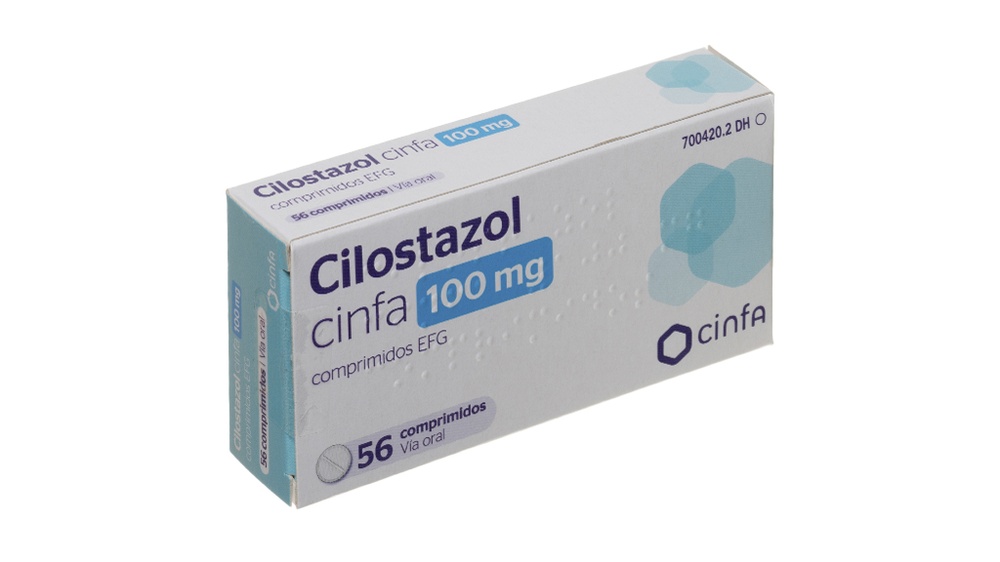



Cómo usar CILOSTAZOL CINFA 100 MG COMPRIMIDOS EFG
Traducción generada por IA
Este contenido ha sido traducido automáticamente y se ofrece solo con fines informativos. No sustituye la consulta con un profesional sanitario.
Ver originalContenido del prospecto
Introducción
Prospecto: información para el usuario
Cilostazolcinfa 100 mg comprimidos EFG
Lea todo el prospecto detenidamente antes de empezar a tomar este medicamento,porquecontieneinformaciónimportanteparausted.
- Conserve este prospecto ya que puede tener que volver a leerlo.
- Si tiene alguna duda, consulte a su médico o farmacéutico.
- Este medicamento se le ha recetado solamente a usted, y no debe dárselo a otras personasaunque tengan los mismos síntomas que usted, ya que puede perjudicarles.
- Si experimenta efectos adversos, consulte a su médico o farmacéutico, incluso si se trata de efectos adversos que no aparecen en este prospecto. Ver sección 4.
Contenido del prospecto
- Qué es cilostazol cinfa y para qué se utiliza
- Qué necesita saber antes de empezar a tomar cilostazol cinfa
- Cómo tomar cilostazol cinfa
- Posibles efectos adversos
- Conservación de cilostazol cinfa
- Contenido del envase e información adicional
1. Qué es cilostazol cinfa y para qué se utiliza
Cilostazol cinfa pertenece a un grupo de medicamentos conocidos como inhibidores de la fosfodiesterasa de tipo 3.
Presenta diversas acciones, entre las que se incluye la dilatación de ciertos vasos sanguíneos y la reducción de la actividad coagulante (aglutinación) de ciertas células sanguíneas, llamadas plaquetas, en los vasos sanguíneos.
Se le ha recetado cilostazol cinfa para la «claudicación intermitente». La claudicación intermitente es el dolor en forma de calambres que sufre en las piernas al caminar y que está causada por un suministro insuficiente de sangre a las piernas. cilostazol cinfa puede ayudarle a aumentar la distancia caminada, ya que mejora la circulación sanguínea en las piernas. Sólo se recomienda cilostazol para los pacientes cuyos síntomas no han mejorado lo suficiente después de haber hecho cambios en su estilo de vida (como por ejemplo haber dejado de fumar y hacer más ejercicio) y tras otras intervenciones apropiadas. Es importante que continúe con los cambios que haya hecho en su estilo de vida mientras toma cilostazol.

2. Qué necesita saber antes de empezar a tomar cilostazol cinfa
No tome cilostazol cinfa
- Si es alérgico al cilostazol o a alguno de los demás componentes de este medicamento (incluidos en la sección 6).
- Si sufre un trastorno conocido como «insuficiencia cardíaca».
- Si sufre de dolor en el pecho persistente en reposo, o ha tenido un “ataque cardíaco” o cualquier cirugía del corazón en los últimos seis meses.
- Si sufre o ha sufrido previamente desvanecimientos debidos a una enfermedad del corazón o trastornos graves de los latidos del corazón.
- Si sabe que sufre algún trastorno que aumente el riesgo de hemorragia o moratones, como por ejemplo: úlceras activas en el estómago.
- Apoplejía (ictus) durante los seis últimos meses.
- Problemas oculares si sufre diabetes.
- Tensión arterial no controlada adecuadamente.
- Si está tomando ácido acetilsalicílico y clopidogrel, o cualquier combinación de dos o más medicamentos que podrían aumentar su riesgo de sufrir hemorragias [consulte a su médico o farmacéutico si no está seguro/a].
- Enfermedad del riñón grave o enfermedad del hígado moderada o grave.
- Si está embarazada.
Advertencias y precauciones
Consulte a su médico o farmacéutico antes de empezar a tomar cilostazol cinfa.
- Si sufre algún problema del corazón grave o cualquier trastorno de los latidos del corazón.
- Si sufre algún trastorno de la tensión arterial.
- Durante el tratamiento con cilostazol asegúrese que:
- En caso de que tenga que someterse a una intervención quirúrgica, incluida la extracción de piezas dentales, informe a su médico o dentista de que está tomando cilostazol.
- Si sufre moratones o hemorragias con facilidad, deje de tomar cilostazol e informe a su médico.
Toma de cilostazol cinfa con otros medicamentos
Informe a su médico o farmacéutico si está tomando, ha tomado recientemente o pudiera tener que tomar cualquier otro medicamento.
Debe informar específicamente a su médico si toma medicamentos que habitualmente se toman para tratar afecciones dolorosas y/o inflamatorias en los músculos o en las articulaciones, así como si toma medicamentos para disminuir la coagulación de la sangre. Entre estos medicamentos se encuentran:
- Ácido acetilsalicílico.
- Clopidogrel.
- Medicamentos anticoagulantes (por ejemplo, warfarina, dabigatrán, rivaroxabán, apixabán o heparinas de bajo peso molecular).
En caso de que esté tomando dichos medicamentos con cilostazol, es posible que su médico tenga que realizarle algunos análisis de sangre rutinarios.
Determinados medicamentos pueden interferir con el efecto de cilostazol cuando se toman conjuntamente. Pueden aumentar los efectos secundarios de cilostazol o bien reducir su eficacia. Cilostazol puede tener estos mismos efectos sobre otros medicamentos. Antes de empezar a tomar cilostazol cinfa, informe a su médico o farmacéutico si está tomando:
- Eritromicina, claritromicina o rifampicina (antibióticos).
- Ketoconazol (para tratar infecciones producidas por hongos).
- Omeprazol (para tratar el exceso de ácido en el estómago).
- Diltiazem (para tratar la tensión arterial alta o el dolor en el pecho).
- Cisaprida (para tratar algunos trastornos en el estómago).
- Lovastatina, simvastatina o atorvastatina (para tratar el colesterol alto en la sangre).
- Halofantrina (para tratar la malaria).
- Pimocida (para tratar trastornos mentales).
- Derivados del cornezuelo (para tratar las migrañas, por ejemplo, ergotamina, dihidroergotamina).
- Carbamazepina o fenitoína (para tratar las convulsiones).
- Hipérico o hierba de San Juan (producto fitoterapéutico).
- Si tiene dudas sobre si esto se aplica a los medicamentos que esté tomando, consulte a su médico o farmacéutico.
Antes de empezar a tomar cilostazol, informe a su médico o farmacéutico si está tomando medicamentos para tratar la tensión arterial alta, ya que cilostazol puede tener un efecto de bajada de la tensión arterial adicional. En caso de que su tensión arterial disminuya excesivamente, podría sufrir una aceleración de los latidos del corazón. Entre estos medicamentos se encuentran:
- Diuréticos (por ejemplo, hidroclorotiazida, furosemida).
- Antagonistas del calcio (por ejemplo, verapamilo, amlodipino).
- Inhibidores de la ECA (por ejemplo, captopril, lisinopril).
- Antagonistas de los receptores de la angiotensina II (por ejemplo, valsartán, candesartán).
- Beta-bloqueantes (por ejemplo, labetalol, carvedilol).
Es posible que pueda tomar los medicamentos antemencionados junto con cilostazol. Su médico decidirá si esto resulta adecuado en su caso.
Toma decilostazol cinfa conalimentosybebidas
Debe tomar los comprimidos de cilostazol 30 minutos antes del desayuno y la cena.
Tome siempre los comprimidos acompañados de un vaso de agua.
Embarazo,lactanciayfertilidad
Si está embarazada o en periodo de lactancia, cree que podría estar embarazada o tiene intención de quedarse embarazada, consulte a su médico o farmacéutico antes de utilizar este medicamento.
NOTOMEcilostazol durante el embarazo.
NOSERECOMIENDAtomar cilostazol durante la lactancia materna.
Conducciónyusodemáquinas
Cilostazol puede causar mareos. Si se siente mareado después de tomar cilostazol cinfa, NOconduzca ni use ninguna herramienta o máquina e informe a su médico o farmacéutico.
3. Cómo tomar cilostazol cinfa
Siga exactamente las instrucciones de administración de este medicamento indicadas por su médico. En caso de duda, consulte de nuevo a su médico o farmacéutico.
- La dosis recomendada es de un comprimido de 100 mg dos veces al día (por la mañana y por la noche). No es necesario modificar esta dosis para los pacientes de edad avanzada. Sin embargo, su médico podría recetarle una dosis más baja si usted está tomando otros medicamentos que pudieran interferir con el efecto de cilostazol.
- Debe tomar los comprimidos de cilostazol 30 minutos antes del desayuno y la cena. Tome siempre los comprimidos acompañados de un vaso de agua. El comprimido se puede partir en dosis iguales.
En ocasiones puede notar los beneficios de tomar cilostazol a las 4-12 semanas de tratamiento. A los 3 meses de tratamiento, su médico evaluará su progreso y podría recomendarle que deje de tomar cilostazol si el efecto del tratamiento no es suficiente.
Uso en niños
Cilostazol no es adecuado para niños.
Si tomamás cilostazol cinfa del quedebe
En caso de que tome por cualquier motivo más comprimidos de cilostazol de los que debiera, puede presentar síntomas como dolor de cabeza agudo, diarrea, bajada de la tensión arterial e irregularidades de los latidos del corazón.
En caso de sobredosis o ingestión accidental, consulte inmediatamente a su médico o farmacéutico o llame al Servicio de Información Toxicológica, teléfono 91 562 04 20, indicando el medicamento y la cantidad ingerida.
Siolvidó de tomar cilostazol cinfa
No se preocupe si se olvida de tomar una dosis. Espere hasta la siguiente dosis y siga tomando el tratamiento con normalidad. Notome una dosis doble para compensar las dosis olvidadas.
Siinterrumpeeltratamientoconcilostazolcinfa
Si deja de tomar cilostazol, el dolor en sus piernas puede volver o empeorar. Por consiguiente, solamente debe dejar de tomar cilostazol si detecta efectos adversos que requieran una atención médica de urgencia (ver sección 4) o si así se lo indica su médico.

4. Posibles efectos adversos
Al igual que todos los medicamentos, este medicamento puede producir efectos adversos, aunque no todas las personas los sufran.
Si sufre cualquiera de los siguientes efectos adversos, es posible que necesite recibir atención médica urgente. Deje de tomar cilostazol cinfa y póngase en contacto con un médico o acuda inmediatamente al hospitalmás cercano.
- Apoplejía (ictus).
- Infarto de miocardio (ataque al corazón).
- Problemas en el corazón, que pueden causar dificultad para respirar o inflamación de los tobillos.
- Irregularidad en los latidos del corazón (nueva o empeoramiento).
- Hemorragia destacable.
- Facilidad para sufrir moratones.
- Enfermedad grave con formación de ampollas en la piel, la boca, los ojos o los genitales.
- Color amarillento en la piel o en el blanco de los ojos debido a problemas en el hígado o en la sangre (ictericia).
También debe informar inmediatamente a su médico si presenta fiebre o dolor de garganta. Es posible que se le tengan que realizar análisis de sangre; su médico decidirá el tratamiento que se le debe administrar.
Se hanobservado los siguientes efectos adversos en pacientes tratados concilostazol cinfa. Si los sufre, debe informar inmediatamente a sumédico:
Efectosadversos muy frecuentes(pueden afectar a más de 1 de cada 10 personas)
- Dolor de cabeza.
- Heces anormales.
- Diarrea.
Efectosadversos frecuentes(pueden afectar hasta 1 de cada 10 personas)
- Latidos del corazón rápidos.
- Palpitaciones del corazón.
- Dolor en el pecho.
- Mareo.
- Dolor de garganta.
- Goteo de la nariz (rinitis).
- Dolor en el abdomen.
- Molestias en el abdomen (indigestión).
- Sensación de malestar en el estómago (náuseas o vómitos).
- Pérdida del apetito (anorexia).
- Exceso de gases o flatulencia.
- Inflamación de los tobillos, los pies o la cara.
- Exantema o cambios en el aspecto de la piel.
- Picor en la piel.
- Parches hemorrágicos en la piel.
- Debilidad general.
Efectosadversos poco frecuentes(pueden afectar hasta 1 de cada 100 personas)
- Ataque al corazón (infarto de miocardio).
- Irregularidades en los latidos del corazón (nuevas o empeoramiento).
- Problemas en el corazón que pueden provocar dificultad para respirar o inflamación de los tobillos.
- Neumonía.
- Tos.
- Escalofríos.
- Hemorragia inesperada.
- Tendencia a sangrar (por ejemplo, en el estómago, los ojos o los músculos, sangrado de la nariz o presencia de sangre en el esputo o en la orina).
- Disminución de la cantidad de glóbulos rojos en la sangre.
- Mareo al ponerse de pie.
- Desmayo.
- Ansiedad.
- Dificultad para conciliar el sueño.
- Sueños anormales.
- Reacción alérgica.
- Dolor y molestias.
- Diabetes y aumento de la concentración de azúcar en la sangre.
- Dolor de estómago (gastritis).
- Malestar general.
Las personas diabéticas pueden correr un mayor riesgo de hemorragia ocular.
Efectosadversos raros(pueden afectar hasta 1 de cada 1.000 personas):
- Tendencia a sangrar durante más tiempo de lo normal.
- Aumento de la concentración de plaquetas en la sangre.
- Problemas en los riñones.
Los siguientes efectos adversos se hanobservado durante la toma de cilostazol cinfa,pero se desconoce la frecuencia conla que seproducen:
- Cambios en la tensión arterial.
- Disminución de la concentración de glóbulos rojos, glóbulos blancos y plaquetas en la sangre.
- Dificultad para respirar.
- Dificultad para desplazarse.
- Fiebre.
- Sofocos.
- Eccema y otras erupciones en la piel.
- Disminución de sensación en la piel.
- Ojos llorosos o pegajosos (conjuntivitis).
- Pitidos en los oídos (acúfenos).
- Problemas en el hígado, incluida hepatitis.
- Cambios en la orina.
Comunicación de efectos adversos
Si experimenta cualquier tipo de efecto adverso, consulte a su médico o farmacéutico, incluso si se trata de posibles efectos adversos que no aparecen en este prospecto. También puede comunicarlos directamente a través del Sistema Español de Farmacovigilancia de Medicamentos de Uso Humano: https://www.notificaram.es. Mediante la comunicación de efectos adversos usted puede contribuir a proporcionar más información sobre la seguridad de este medicamento.
5. Conservación de cilostazol cinfa
Mantener este medicamento fuera de la vista y del alcance de los niños.
No utilice este medicamento después de la fecha de caducidad que aparece en envase y el blíster después de CAD. La fecha de caducidad es el último día del mes que se indica.
Este medicamento no requiere condiciones especiales de conservación.
Los medicamentos no se deben tirar por los desagües ni a la basura. Deposite los envases y los medicamentos que no necesita en el Punto SIGRE de la farmacia. En caso de duda pregunte a su farmacéutico cómo deshacerse de los envases y de los medicamentos que no necesita. De esta forma, ayudará a proteger el medio ambiente.
6. Contenido del envase e información adicional
Composición de cilostazol cinfa
- El principio activo es cilostazol. Cada comprimido contiene 100 mg de cilostazol.
- Los demás componentes son almidón de maíz, celulosa microcristalina, carmelosa cálcica, hipromelosa y estearato de magnesio.
Aspecto delproductoy contenido del envase
cilostazol cinfa 100 mg es un comprimido blanco, redondo y ranurado en una cara.
Se presenta en blísteres de PVC/ALU. Cada envase contiene 56 o 70 (envase clínico) comprimidos.
Puede que solamente estén comercializados algunos tamaños de envases.
Titulardelaautorizacióndecomercializaciónyresponsabledelafabricación
Titular de la autorización de comercialización
Laboratorios Cinfa, S.A
Carretera Olaz-Chipi, 10. Polígono Industrial Areta
31620 Huarte (Navarra) – España
Responsable de la fabricación
Noucor Health, S.A.Av. Camí Reial 51-57
08184 Pala u-solità i Plegamans
(Barcelona – España)
O
Galenicum Health, S.L.U
Sant Gabriel, 50, Esplugues de Llobregat,
08950, Barcelona (España)
O
Laboratorios Cinfa, S.A
Carretera Olaz-Chipi, 10. Polígono Industrial Areta
31620 Huarte (Navarra) – España
Fecha de la última revisión de este prospecto:Julio 2020
La información detallada y actualizada de este medicamento está disponible en la página web de la Agencia Española de Medicamentos y Productos Sanitarios (AEMPS)http://www.aemps.gob.es/
Puede acceder a información detallada y actualizada sobre este medicamento escaneando con su teléfono móvil (smartphone) el código QR incluido en prospecto y cartonaje. También puede acceder a esta información en la siguiente dirección de internet: https://cima.aemps.es/cima/dochtml/p/78222/P_78222.html
Código QR a: https://cima.aemps.es/cima/dochtml/p/78222/P_78222.html
- País de registro
- Forma farmacéuticaCOMPRIMIDO, 100 MG
- Código ATCB01AC23
- Principio activo
- Requiere recetaSí
- Fabricante
- Esta información es de carácter general y no sustituye la consulta con un profesional sanitario.
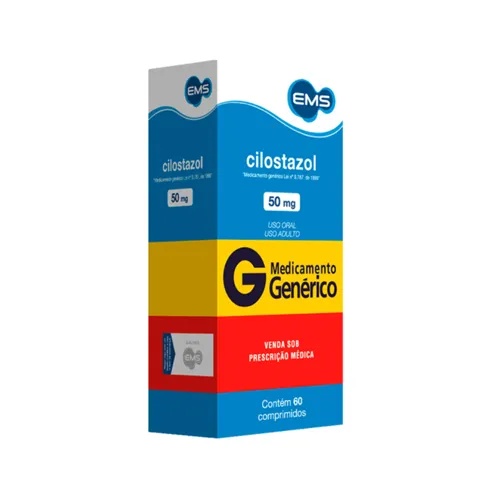
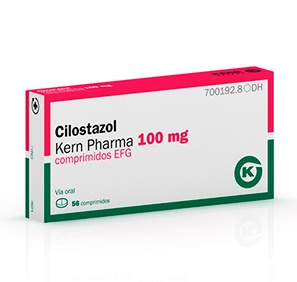
- Alternativas a CILOSTAZOL CINFA 100 MG COMPRIMIDOS EFGForma farmacéutica: COMPRIMIDO, 100 mgPrincipio activo: CilostazolFabricante: Aristo Pharma Iberia S.L.Requiere recetaForma farmacéutica: COMPRIMIDO, 50 mgPrincipio activo: CilostazolFabricante: Aristo Pharma Iberia S.L.Requiere recetaForma farmacéutica: COMPRIMIDO, 100 mgPrincipio activo: CilostazolFabricante: Kern Pharma S.L.Requiere receta

Médicos online para CILOSTAZOL CINFA 100 MG COMPRIMIDOS EFG
Comenta la dosis, los posibles efectos secundarios, interacciones, contraindicaciones o la revisión de receta de CILOSTAZOL CINFA 100 MG COMPRIMIDOS EFG, sujeto a valoración médica y a la normativa local.
.jpg)








Preguntas frecuentes
