






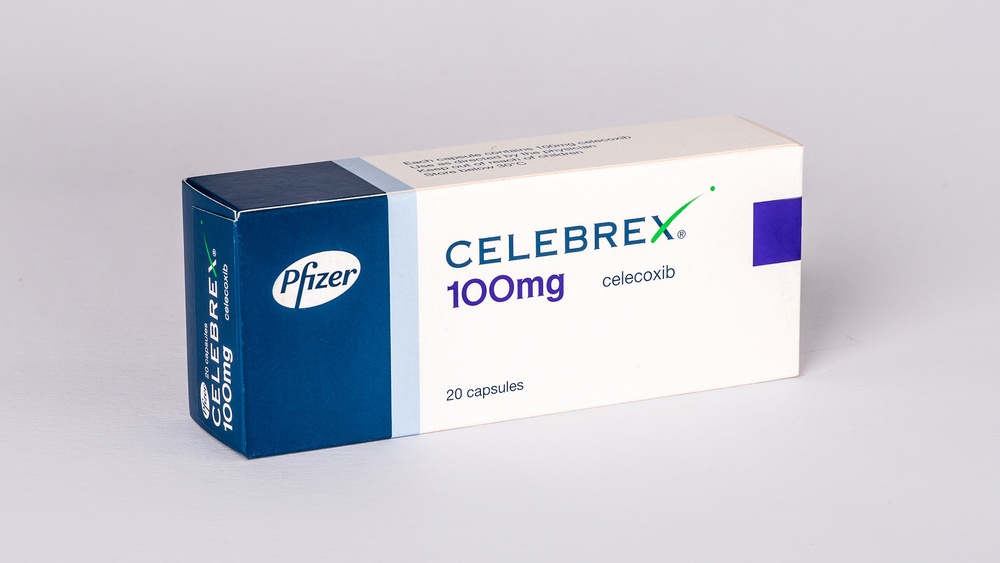
Cómo usar CELEBREX 100 MG CAPSULAS DURAS
Traducción generada por IA
Este contenido ha sido traducido automáticamente y se ofrece solo con fines informativos. No sustituye la consulta con un profesional sanitario.
Ver originalContenido del prospecto
Introducción
Prospecto: información para el usuario
Celebrex 100 mg cápsulas duras
celecoxib
Lea todo el prospecto detenidamente antes de empezar a tomar este medicamento, porque contiene información importante para usted.
- Conserve este prospecto, ya que puede tener que volver a leerlo.
- Si tiene alguna duda, consulte a su médico o farmacéutico.
- Este medicamento se le ha recetado a usted, y no debe dárselo a otras personas aunque tengan los mismos síntomas que usted, ya que puede perjudicarles.
- Si experimenta efectos adversos, consulte a su médico o farmacéutico incluso si se trata de efectos adversos que no aparecen en este prospecto. Ver sección 4.
Contenido del prospecto
- Qué es Celebrex y para qué se utiliza
- Qué necesita saber antes de empezar a tomar Celebrex
- Cómo tomar Celebrex
- Posibles efectos adversos
- Conservación de Celebrex
- Contenido del envase e información adicional
1. Qué es Celebrex y para qué se utiliza
Celebrex pertenece a una clase de medicamentos denominados antiinflamatorios no esteroideos (AINEs), y concretamente al subgrupo conocido como inhibidores selectivos de la ciclooxigenasa-2 (COX-2). Su cuerpo produce prostaglandinas que pueden producir dolor e inflamación. En afecciones como la artritis reumatoide o la artrosis su cuerpo las produce en mayor cantidad. Celebrex actúa reduciendo la producción de prostaglandinas, disminuyendo así el dolor y la inflamación.
Celebrex está indicado en adultos para aliviar los signos y síntomas de la artritis reumatoide, de la artrosis, y de la espondilitis anquilosante.
El medicamento empezará a hacer efecto unas horas después de haber tomado la primera dosis, pero puede que no experimente un efecto completo hasta pasados varios días.

2. Qué necesita saber antes de empezar a tomar Celebrex
Su médico le ha recetado Celebrex. La siguiente información le ayudará a obtener mejores resultados con Celebrex. Si tiene cualquier otra duda por favor pregunte a su médico o farmacéutico.
No tome Celebrex
Informe a su médico si alguna de las siguientes circunstancias le afectan a usted dado que pacientes con estas afecciones no deberían tomar Celebrex:
- si es alérgico a celecoxib o a cualquiera de los demás componentes de este medicamento (incluidos en la sección 6)
- si ha tenido alguna reacción alérgica a algún medicamento del grupo llamado “sulfamidas” (p.ej.: algunos son antibióticos utilizados para tratar infecciones)
- si tiene actualmenteuna úlcera o hemorragia de estómago o intestino
- si ha padecido previamente alguno de los síntomas siguientes como consecuencia de haber tomado ácido acetilsalicílico o cualquier otro fármaco antiinflamatorio: asma, pólipos nasales, congestión nasal grave, o síntomas alérgicos como erupción cutánea con picor, hinchazón de la cara, labios, lengua o garganta, dificultad para respirar o sibilancia
- si está embarazada. Si puede quedarse embarazada durante el tratamiento debería discutir la utilización de métodos anticonceptivos con su médico
- si está dando el pecho a su hijo
- si tiene una enfermedad grave de hígado
- si tiene una enfermedad grave de riñón
- si tiene enfermedad inflamatoria intestinal como colitis ulcerosa o enfermedad de Crohn
- si tiene insuficiencia cardíaca, enfermedad isquémica cardíaca diagnosticada, o enfermedad cerebrovascular, p.ej. le han diagnosticado un infarto, ictus, o ataque isquémico transitorio (disminución temporal del flujo de sangre al cerebro; también conocido como “mini-ictus”), angina de pecho, u obstrucción de los vasos sanguíneos al corazón o al cerebro
- si tiene o ha tenido problemas de circulación sanguínea (enfermedad arterial periférica) o si ha sido operado de las arterias de sus piernas.
Advertencias y precauciones
Consulte a su médico o farmacéutico antes de empezar a tomar Celebrex:
- si ha tenido previamenteuna úlcera o hemorragia en su estómago o intestino (No tome Celebrexsi en la actualidadtiene una úlcera o hemorragia en su estómago o intestino)
- si está tomando ácido acetilsalicílico (incluso a dosis bajas como protector cardíaco)
- si está tomando terapias antiplaquetarias
- si recibe medicamentos para reducir la coagulación de la sangre (p.ej.: warfarina/anticoagulantes análogos de la warfarina o anticoagulantes orales nuevos, p.ej.: apixaban)
- si recibe medicamentos denominados corticosteroides (p.ej.: prednisona)
- si está tomando Celebrex al mismo tiempo que otros AINES no-acetilsalicílicos como ibuprofeno o diclofenaco. Debería evitarse el uso conjunto de estos medicamentos
- si es fumador, tiene diabetes, tensión arterial alta o colesterol elevado
- si su corazón, hígado o riñones no funcionan bien, su médico puede querer supervisarlo regularmente
- si tiene retención de líquidos (como pies o tobillos hinchados)
- si está deshidratado, por ejemplo, como consecuencia de una enfermedad con vómitos, diarrea o por el uso de diuréticos (usados para tratar exceso de líquido en el cuerpo)
- si ha padecido una reacción alérgica grave o una reacción grave de la piel a cualquier medicamento
- si se siente enfermo debido a una infección o cree que tiene una infección, dado que al tomar Celebrex se puede enmascarar la fiebre u otros signos de infección e inflamación
- si tiene más de 65 años su médico querrá supervisarlo regularmente
- el consumo de alcohol y AINEs puede aumentar el riesgo de sufrir problemas gastrointestinales.
Al igual que ocurre con otros antiinflamatorios (p.ej.: ibuprofeno o diclofenaco), este medicamento puede aumentar su presión arterial, por lo que su médico podrá realizar un control periódico de la misma.
Se han notificado algunos casos de reacciones hepáticas graves con celecoxib que incluyeron inflamación hepática grave, daño hepático, insuficiencia hepática (algunas con desenlace mortal o que requirieron transplante hepático). De los casos en los que se notificó cuándo se inició el evento, la mayoría de las reacciones hepáticas graves ocurrieron en el primer mes de tratamiento.
Celebrex puede dificultar el quedarse embarazada. Debería informar a su médico si planea quedarse embarazada o si tiene problemas para quedarse embarazada (ver sección Embarazo y lactancia).
Uso de Celebrex con otros medicamentos
Informe a su médico o farmacéutico si está utilizando, ha utilizado recientemente o podría tener que utilizar cualquier otro medicamento:
- Dextrometorfano (utilizado para tratar la tos)
- Inhibidores de la ECA, antagonistas de los receptores de angiotensina II, betabloqueantes y diuréticos (medicamentos utilizados para tratar la hipertensión e insuficiencia cardiaca)
- Fluconazol y rifampicina (utilizados para tratar infecciones producidas por bacterias y hongos)
- Warfarina u otros análogos de la warfarina (agentes que reducen la formación de coágulos en la sangre), incluidos los medicamentos más recientes como apixaban
- Litio (utilizado para tratar algunos tipos de depresión)
- Otros medicamentos utilizados para tratar la depresión, desórdenes del sueño, presión de la sangre elevada o un latido del corazón irregular
- Neurolépticos (utilizados para tratar algunas alteraciones mentales)
- Metotrexato (utilizado en la artritis reumatoide, psoriasis y leucemia)
- Carbamazepina (utilizada para tratar la epilepsia/convulsiones y algunas formas de dolor o depresión)
- Barbitúricos (utilizados para tratar la epilepsia/convulsiones y algunos desórdenes del sueño)
- Ciclosporina y tacrolimus (utilizados para la depresión del sistema inmunitario p.ej.: después de trasplantes).
Celebrex se puede tomar con dosis bajas de ácido acetilsalicílico (75 mg diarios o inferior). Pida consejo a su médico antes de tomar ambos medicamentos juntos.
Embarazo, lactancia y fertilidad
Si está embarazada o en periodo de lactancia, cree que podría estar embarazada o tiene intención de quedarse embarazada, consulte a su médico o farmacéutico antes de utilizar este medicamento.
Embarazo
Celebrex no debe ser utilizado por mujeres embarazadas o que puedan quedarse embarazadas (es decir, mujeres en edad susceptible de quedarse embarazadas y que no utilizan un método anticonceptivo adecuado) durante el tratamiento. Si usted se queda embarazada durante el tratamiento con Celebrex, debe interrumpir dicho tratamiento y contactar con su médico para un tratamiento alternativo.
Lactancia
Celebrex no debe ser utilizado durante la lactancia.
Fertilidad
Los AINEs, incluido Celebrex, pueden dificultar el quedarse embarazada. Debe informar a su médico si tiene intención de quedarse embarazada o si está teniendo dificultades para quedarse embarazada.
Conducción y uso de máquinas
Debe conocer cómo reacciona a Celebrex antes de conducir o utilizar maquinaria. Si se siente mareado o somnoliento después de tomar Celebrex, no conduzca o maneje maquinaria hasta que pasen estos efectos.
Celebrex contiene lactosa
Este medicamento contiene lactosa(un tipo de azúcar). Si su médico le ha indicado que padece una intolerancia a ciertos azúcares, consulte con él antes de tomar este medicamento.
Celebrex contiene sodio
Este medicamento contiene menos de 23 mg de sodio(1 mmol) por cápsula; esto es, esencialmente “exento de sodio”.
3. Cómo tomar Celebrex
Siga exactamente las instrucciones de administración de este medicamento indicadas por su médico o farmacéutico. En caso de duda, consulte de nuevo a su médico o farmacéutico. Si piensa o cree que la acción de Celebrex es demasiado fuerte o débil, comuníqueselo a su médico o farmacéutico.
Su médico le indicará la dosis que debe tomar. Dado que el riesgo de efectos adversos asociados con problemas de corazón puede incrementar con la dosis y duración del tratamiento, es importante que use la dosis más baja que controla su dolor y no debe tomar Celebrex más tiempo del necesario para controlar los síntomas.
Forma de administración:
Celebrex debe administrarse por vía oral.Las cápsulas se toman a cualquier hora del día, con o sin comida. No obstante, intente tomar cada dosis de Celebrex a la misma hora cada día.
Si tiene dificultad para tragar las cápsulas: puede esparcir todo el contenido de la cápsula en una cucharadita rasa de algún alimento semisólido (como compota de manzana, arroz, yogur o plátano aplastado frío o a temperatura ambiente) y tragarlo inmediatamente con un vaso de agua de aproximadamente 240 ml.
Para abrir la cápsula, sujétela en posición vertical para mantener el granulado en el fondo; a continuación, apriete la parte superior y gírela para extraerla, teniendo cuidado de no derramar el contenido. No mastique ni aplaste el granulado.
Contacte con su médico si, transcurridas dos semanas desde el inicio del tratamiento, no experimenta una mejoría.
La dosis recomendada es:
La dosis recomendada para el tratamiento de la artrosises de 200 mg al día, si fuera necesario, su médico puede incrementarla hasta un máximo de 400 mg.
La dosis es habitualmente:
- una cápsula de 100 mg dos veces al día.
La dosis recomendada para el tratamiento de la artritis reumatoidees de 200 mg al día, si fuera necesario, su médico puede incrementarla hasta un máximo de 400 mg.
La dosis es habitualmente:
- una cápsula de 100 mg dos veces al día.
La dosis recomendada para el tratamiento de la espondilitis anquilosantees de 200 mg al día, si fuera necesario, su médico puede incrementarla hasta un máximo de 400 mg.
La dosis es habitualmente:
- una cápsula de 100 mg dos veces al día.
Problemas en el riñón o hígado:asegúrese de que su médico sabe si tiene problemas en el hígado o riñón dado que usted puede necesitar una dosis más baja.
Pacientes mayores de 65 años, especialmente aquellos con un peso inferior a 50kg: su médico puede querer supervisarlo más de cerca si usted tiene más de 65 años y especialmente si pesa menos de 50 kg.
No debe tomar más de 400 mg al día.
Uso en niños
Celebrex es solo para adultos, no está indicado en niños.
Si toma más Celebrex del que debe
No debe tomar más cápsulas de las indicadas por su médico. Si toma más Celebrex de lo que le han indicado, consulte inmediatamente a su médico, farmacéutico u hospital y lleve el medicamento con usted.
Si olvidó tomar Celebrex
Si olvidó tomar una cápsula, tómela tan pronto como se acuerde. No tome una dosis doble para compensar las dosis olvidadas.
Si interrumpe el tratamiento con Celebrex
La interrupción brusca del tratamiento con Celebrex puede causar un empeoramiento de los síntomas. No deje de tomar Celebrex a menos que su médico se lo indique. Su médico le indicará que disminuya la dosis durante unos días antes de interrumpir el tratamiento por completo.
Si tiene cualquier otra duda sobre el uso de este medicamento, pregunte a su médico o farmacéutico.

4. Posibles efectos adversos
Al igual que todos los medicamentos, este medicamento puede producir efectos adversos, aunque no todas las personas los sufran.
Los efectos adversos mencionados a continuación se observaron en pacientes con artritis que tomaban Celebrex. Los efectos adversos marcados con un asterisco (*) ocurrieron en pacientes que tomaban Celebrex para la prevención de pólipos de colon y han sido clasificados teniendo en cuenta la frecuencia más alta de aparición. Los pacientes incluidosen estos estudios tomaron Celebrex a altas dosis y durante un periodo de tiempo prolongado.
Si le ocurre alguno de los siguientes efectos adversos, interrumpa el tratamiento con Celebrex e informe a su médico inmediatamente:
Si tiene:
- una reacción alérgica como erupción cutánea, hinchazón de la cara, sibilancias o dificultad para respirar.
- problemas de corazón como dolor en el pecho
- dolor fuerte de estómago o cualquier signo de hemorragia en el estómago o intestinos, como orina oscura o heces manchadas de sangre, o sangre en el vómito.
- una reacción de la piel como erupción, ampollas o descamación de la piel.
- insuficiencia hepática (los síntomas pueden incluir náuseas (sensación de malestar), diarrea, ictericia (su piel o el blanco de sus ojos parece amarillo)).
Efectos adversos muy frecuentes: pueden afectar a más de 1 de cada 10 pacientes:
- Aumento de la presión arterial, incluyendo agravamiento de la presión arterial alta ya existente*
Efectos adversos frecuentes: pueden afectar hasta 1 de cada 10 pacientes:
- Ataque al corazón*
- Retención de líquidos con hinchazón de tobillos, piernas y/o manos
- Infecciones urinarias
- Respiración difícil*, sinusitis (inflamación e infección de los senos paranasales, obstrucción o dolor de los senos paranasales), nariz taponada o moqueo, dolor de garganta, tos, resfriado, síntomas de tipo gripal
- Mareo, dificultad para dormir
- Vómitos*, dolor de estómago, diarrea, indigestión, gases
- Erupción, picor
- Rigidez muscular
- Dificultad para tragar*
- Dolor de cabeza
- Náuseas (sensación de malestar)
- Dolor en las articulaciones
- Empeoramiento de alergias existentes
- Lesión accidental
Efectos adversos poco frecuentes: pueden afectar hasta 1 de cada 100 pacientes:
- Ictus*
- Insuficiencia cardiaca, palpitaciones (percepción del latido cardiaco), aceleración del latido cardiaco
- Anomalías en análisis de sangre relacionados con el hígado
- Anomalías en análisis de sangre relacionados con el riñón
- Anemia (cambios en las células rojas de la sangre que pueden causar fatiga y dificultad al respirar)
- Ansiedad, depresión, cansancio, adormecimiento, sensación de hormigueo
- Elevados niveles de potasio en los resultados de los análisis de sangre [puede causar náuseas (sensación de malestar), fatiga, debilidad muscular o palpitaciones]
- Visión borrosa o alterada, zumbido en los oídos, dolor y ulceraciones bucales, dificultad para oír*
- Estreñimiento, eructos, inflamación del estómago (indigestión, dolor de estómago o vómitos), agravamiento de la inflamación del estómago o intestino
- Calambres en las piernas
- Erupción con picor y con relieve (habón urticarial)
- Inflamación del ojo
- Dificultad para respirar
- Decoloración de la piel (cardenales)
- Dolor de pecho (dolor generalizado no relacionado con el corazón)
- Hinchazón de la cara
Efectos adversos raros: pueden afectar hasta 1 de cada 1.000 pacientes:
- Úlceras (sangrantes) en el estómago, garganta o intestinos; o ruptura del intestino (puede causar dolor de estómago, fiebre, náuseas, vómitos, obstrucción intestinal), heces oscuras o de color negro, inflamación del páncreas (puede dar lugar a dolor del estómago), inflamación de la garganta (esófago)
- Bajos niveles de sodio en sangre (una enfermedad conocida como hiponatremia)
- Disminución del número de células blancas de la sangre (que ayudan a proteger al cuerpo de infecciones) y de plaquetas (se incrementa la posibilidad de sangrado y cardenales)
- Dificultad en la coordinación muscular de movimientos
- Sensación de confusión, alteraciones del gusto
- Aumento de la sensibilidad a la luz
- Pérdida de cabello
- Alucinaciones
- Hemorragia ocular
- Reacción aguda que puede dar lugar a una inflamación pulmonar
- Ritmo irregular del corazón
- Rubefacción
- Coágulos de sangre en los vasos sanguíneos de los pulmones. Los síntomas pueden incluir repentina dificultad al respirar, dolor agudo al respirar o colapso
- Hemorragia del estómago o intestino (puede dar lugar a heces o vómito con sangre), inflamación del intestino o colon
- Inflamación hepática grave (hepatitis). Los síntomas pueden incluir náuseas (sensación de malestar), diarrea, ictericia (decoloración amarilla de la piel y ojos), orina oscurecida, heces pálidas, facilidad para tener hemorragias, picor o escalofríos
- Insuficiencia renal aguda
- Trastornos menstruales
- Hinchazón en la cara, labios, boca, lengua o garganta, o dificultad al tragar
Efectos adversos muy raros: pueden afectar hasta 1 de cada 10.000 pacientes:
- Reacciones alérgicas graves (incluyendo shock anafiláctico potencialmente mortal)
- Alteraciones graves de la piel tales como síndrome de Stevens-Johnson, dermatitis exfoliativa y necrólisis epidérmica tóxica (puede causar erupción, formación de ampollas o descamación de la piel) y pustulosis exantemática aguda generalizada (los síntomas incluyen un enrojecimiento de la piel con áreas hinchadas y con numerosas pústulas pequeñas)
- Una reacción alérgica de aparición tardía con posibles síntomas como erupciones, hinchazón de la cara, fiebre, glándulas hinchadas y anomalías en los resultados de las pruebas clínicas [p. ej.: hígado, células de la sangre (eosinofilia, un tipo de aumento del recuento de células sanguíneas)]
- Hemorragia en el cerebro que causa la muerte
- Meningitis (inflamación de la membrana que está alrededor del cerebro y de la médula espinal)
- Insuficiencia hepática, daño hepático e inflamación hepática grave (hepatitis fulminante) (algunas veces con desenlace mortal o que requirieron trasplante hepático). Los síntomas pueden incluir náuseas (sensación de malestar), diarrea, ictericia (decoloración amarilla de la piel y ojos), orina oscurecida, heces pálidas, facilidad para tener hemorragias, picor o escalofríos
- Problemas hepáticos (tales como colestasis y hepatitis colestática, que puede estar acompañada de síntomas tales deposiciones decoloridas, náuseas y color amarillento de la piel o los ojos)
- Inflamación de los riñones y otros problemas renales (tales como síndrome nefrótico y enfermedad de cambios mínimos que puede estar acompañada de síntomas tales como retención de líquidos (edema), orina espumosa, fatiga y pérdida de apetito)
- Empeoramiento de la epilepsia (convulsiones posiblemente más frecuentes y/o graves)
- Obstrucción de una arteria o vena en el ojo que lleva a pérdida de la visión parcial o completa
- Inflamación de los vasos sanguíneos (puede causar fiebre, dolores, manchas moradas sobre la piel)
- Reducción en el número de células sanguíneas rojas y blancas y plaquetas (puede causar cansancio, facilidad de tener cardenales, hemorragias nasales frecuentes e incremento del riesgo de infecciones)
- Dolor y debilidad muscular
- Alteración del sentido del gusto
- Pérdida del gusto
Efectos adversos de frecuencia no conocida: su frecuencia no puede ser estimada a partir de los datos disponibles:
- Descenso de fertilidad en la mujer, que es normalmente reversible si se discontinua la medicación
Los efectos adversos notificados en ensayos clínicos en los que se administró Celebrex a dosis de 400mg al día durante un periodo de hasta 3 años, en pacientes que presentaban enfermedades no relacionadas con la artritis u otras condiciones artríticas, fueron:
Efectos adversos frecuentes: pueden afectar hasta 1 de cada 10 pacientes:
- Problemas cardíacos: angina de pecho (dolor torácico)
- Problemas estomacales: síndrome del intestino irritable (puede incluir dolor abdominal, diarrea, indigestión, gases)
- Piedras en el riñón (que pueden llevar a dolor en el estómago o espalda, sangre en la orina), dificultad para orinar
- Aumento de peso
Efectos adversos poco frecuentes: pueden afectar hasta 1 de cada 100 pacientes:
- Trombosis venosa profunda (coágulos de la sangre generalmente en la pierna, que pueden causar dolor, hinchazón o enrojecimiento de la pantorrilla o problemas para respirar)
- Problemas estomacales: infección en el estómago (que puede causar irritación o úlceras en el estómago e intestino)
- Fractura de miembros inferiores
- Herpes, infección en la piel, eccema (erupción seca con picor), neumonía [infección en el pecho (posibilidad de tos, fiebre, dificultad para respirar)]
- Moscas volantes en el ojo que causan trastorno de la visión o visión borrosa, vértigo debido a problemas en el oído interno, úlceras, inflamación o sangrado de las encías, ulceraciones en la boca
- Excesiva micción durante la noche, sangrado de almorranas/hemorroides, movimientos frecuentes del intestino
- Bultos de grasa en la piel u otros lugares, ganglión quístico (inflamación no dolorosa en las articulaciones o tendones o alrededor de los mismos, en la mano o pie), dificultad para hablar, hemorragia anormal o muy fuerte en la vagina, dolor de pecho
- Elevados niveles de sodio en los resultados de los análisis de sangre
Comunicación de efectos adversos
Si experimenta cualquier tipo de efecto adverso, consulte a su médico o farmacéutico, incluso si se trata de posibles efectos adversos que no aparecen en este prospecto. También puede comunicarlos directamente a través del Sistema Español de Farmacovigilancia de Medicamentos de Uso Humano: http://www.notificaram.es. Mediante la comunicación de efectos adversos usted puede contribuir a proporcionar más información sobre la seguridad de este medicamento.
5. Conservación de Celebrex
Mantener este medicamento fuera de la vista y del alcance de los niños.
No utilice este medicamento después de la fecha de caducidad que aparece en el blíster y en el envase. La fecha de caducidad es el último día del mes que se indica.
No conservar a temperatura superior a 30 ºC.
Los medicamentos no se deben tirar por los desagües ni a la basura. Deposite los envases y los medicamentos que no necesita en el Punto SIGRE de la farmacia. En caso de duda pregunte a su farmacéutico cómo deshacerse de los envases y de los medicamentos que no necesita. De esta forma, ayudará a proteger el medio ambiente.
6. Contenido del envase e información adicional
Composición de Celebrex
El principio activo es celecoxib.
Cada cápsula contiene 100 mg de celecoxib.
Los demás componentes (excipientes) son:
Lactosa monohidrato, laurilsulfato de sodio, povidona, croscarmelosa sódica, estearato de magnesio. La cubierta de las cápsulas contiene gelatina, dióxido de titanio (E-171), laurilsulfato de sodio y monolaurato de sorbitan. La tinta de impresión contiene laca shellac, propilenglicol e indigotina (E-132).
Aspecto del producto y contenido del envase
Celebrex se presenta en forma de cápsulas.
Las cápsulas son opacas, de color blanco, con dos bandas azules y llevan las marcas “7767” y “100”.
Las cápsulas se presentan en blíster de PVC/aluminio transparente u opaco.
Celebrex puede presentarse en envases de 2, 5, 6, 10, 20, 30, 40, 50, 60, 100, 10x10, 10x30, 10x50, 1x50 unidosis, 1x100 unidosis, y 5 x (10x10).
Puede que solamente estén comercializados algunos tamaños de envases.
Titularde la autorización de comercialización y responsable de la fabricación
Titularde la autorización de comercialización
Viatris Healthcare Limited
Damastown Industrial Park
Mulhuddart, Dublín 15
Dublín
Irlanda
Responsable de la fabricación
Klocke Verpackungs-Service GmbH
Max-Becker-Str. 6
76356 Weingarten (Baden)
Alemania
o
Pfizer Manufacturing Deutschland GmbH
Mooswaldallee 1
79108 Freiburg Im Breisgau
Alemania
o
Mylan Hungary Kft.
Mylan utca 1
Komárom, 2900
Hungría
Pueden solicitar más información respecto a este medicamento dirigiéndose al representante local del titular de la autorización de comercialización:
Viatris Pharmaceuticals, S.L.U.
C/ General Aranaz, 86
28027 Madrid
España
Este medicamento está autorizado en los Estados Miembros del Espacio Económico Europeo con los siguientes nombres:
Nombre | País |
Celebra | Dinamarca, Finlandia, Islandia, Noruega, Suecia |
Celebrex | Austria, Bélgica, Chipre, Francia, Alemania, Grecia, Irlanda, Italia, Luxemburgo, Malta, Holanda, Portugal, España, Reino Unido |
Fecha de la última revisión de este prospecto: Abril 2021
Otras fuentes de información
La información detallada y actualizada de este medicamento está disponible en la página Web de la Agencia Española de Medicamentos y Productos Sanitarios (AEMPS) http://www.aemps.gob.es/
-

- País de registro
- Forma farmacéuticaCAPSULA, 100 mg de celecoxib
- Código ATCM01AH01
- Principio activo
- Requiere recetaSí
- Fabricante
- Esta información es de carácter general y no sustituye la consulta con un profesional sanitario.
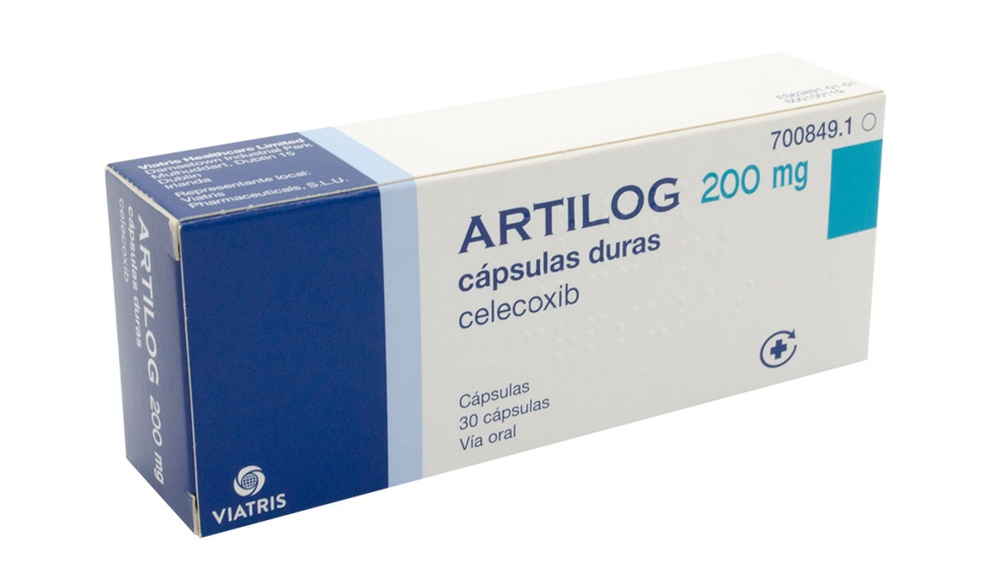
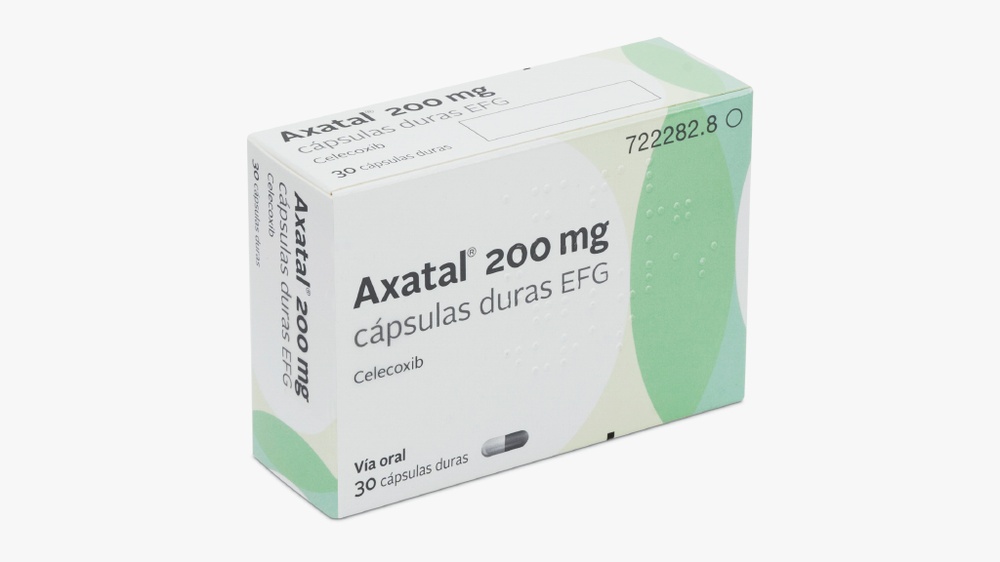
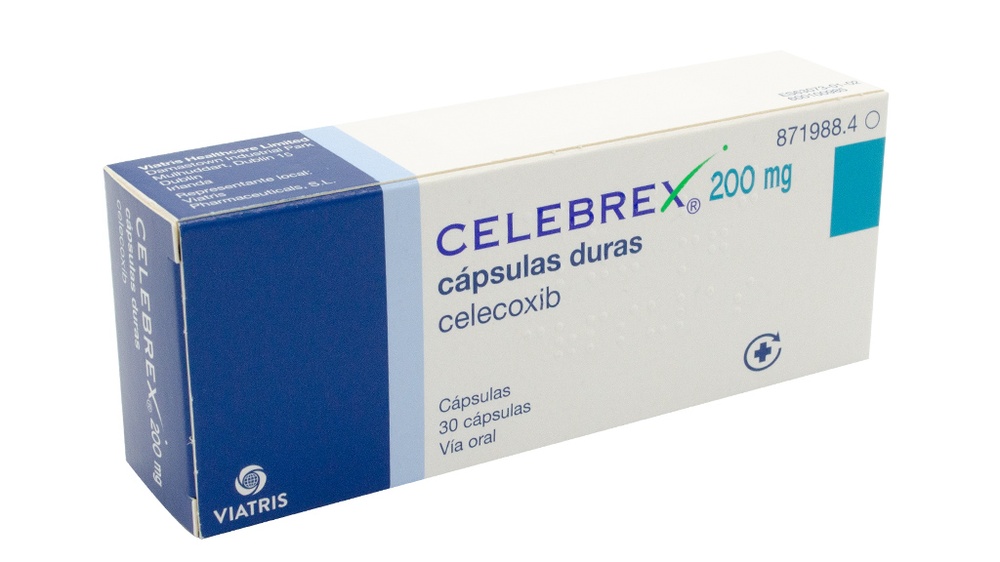
- Alternativas a CELEBREX 100 MG CAPSULAS DURASForma farmacéutica: CÁPSULA, 200 mgPrincipio activo: CelecoxibFabricante: Viatris Healthcare LimitedRequiere recetaForma farmacéutica: CÁPSULA, 200 mgPrincipio activo: CelecoxibFabricante: Laboratorio Stada S.L.Requiere recetaForma farmacéutica: CÁPSULA, 200 mg celecoxibPrincipio activo: CelecoxibFabricante: Viatris Healthcare LimitedRequiere receta
Médicos online para CELEBREX 100 MG CAPSULAS DURAS
Comenta la dosis, los posibles efectos secundarios, interacciones, contraindicaciones o la revisión de receta de CELEBREX 100 MG CAPSULAS DURAS, sujeto a valoración médica y a la normativa local.









Obtén una receta de CELEBREX 100 MG CAPSULAS DURAS online
Rellena un formulario de 2 minutos
Cuéntanos tus síntomas, historial y el medicamento que necesitas.
Elige un médico o nosotros te asignamos uno
Escoge un especialista o te conectamos con el próximo médico disponible.
El médico revisa tu caso
Normalmente en 30 minutos. Puede hacerte preguntas adicionales por chat.
Recógela en cualquier farmacia
Receta electrónica enviada a tu correo, válida en toda España.
Preguntas frecuentes
CELEBREX 100 MG CAPSULAS DURAS requires receta en España. Puedes confirmarlo con un médico online según tu caso.
El principio activo de CELEBREX 100 MG CAPSULAS DURAS es Celecoxib. Esta información ayuda a identificar medicamentos con la misma composición pero con diferentes nombres comerciales.
CELEBREX 100 MG CAPSULAS DURAS es fabricado por Viatris Healthcare Limited. La marca y el envase pueden variar según el distribuidor.
Los Médicos de familia, Psiquiatras, Dermatólogos, Cardiólogos, Endocrinólogos, Gastroenterólogos, Neumólogos, Nefrólogos, Reumatólogos, Hematólogos, Infectólogos, Alergólogos, Geriatras, Pediatras, Oncólogos pueden valorar la prescripción de CELEBREX 100 MG CAPSULAS DURAS cuando esté clínicamente indicado. Puedes reservar una videoconsulta para comentar tu caso y las opciones de tratamiento.
España cuenta con una infraestructura sanitaria bien desarrollada en ciudades principales como Madrid, Barcelona, Valencia y Sevilla. Las farmacias están ampliamente disponibles y operan bajo estrictas regulaciones, garantizando el acceso a medicamentos con receta.
Puedes comprar CELEBREX 100 MG CAPSULAS DURAS en Madrid, Barcelona, Sevilla o Valencia en cualquier farmacia local con una receta válida.
Para obtener una receta, puedes utilizar Oladoctor:
Otros medicamentos con el mismo principio activo (Celecoxib) incluyen ARTILOG 200 mg CAPSULAS DURAS, AXATAL 200 MG CÁPSULAS DURAS EFG, CELEBREX 200 MG CAPSULAS DURAS. Pueden tener diferentes nombres comerciales o formulaciones, pero contienen el mismo componente terapéutico. Consulta siempre con un médico antes de cambiar o iniciar un nuevo medicamento.
